
Gorica Park, Podgorica: Podgorica's Wooded Hill Above the Centre

Gorica Park is the wooded hill immediately above central Podgorica, and it works best as a half-day of shaded paths rather than a manicured city park. Expect pine forest, marked walking, cycling and trim trails, open-air fitness equipment and a couple of monuments rather than flower beds and fountains. This guide covers where the hill sits, how to walk up from the centre and what you pass on the way.
The hill gives the city its name: Podgorica means below Gorica, which tells you how closely the two sit together. The tourist board describes Gorica as a favourite outing spot just next to the centre, with the Partisan monument, an adventure park, laid-out paths and a Mediterranean garden.
Where Gorica Park is and how it relates to the centre
Gorica sits directly beside the city centre, close enough that you can walk from the streets around the core and be on forest paths within a quarter of an hour or so. Use the main entrance area at the foot of the hill as your start point. It pairs naturally with the riverside and the bridges rather than with a separate trip out of town.

Walking up from the centre
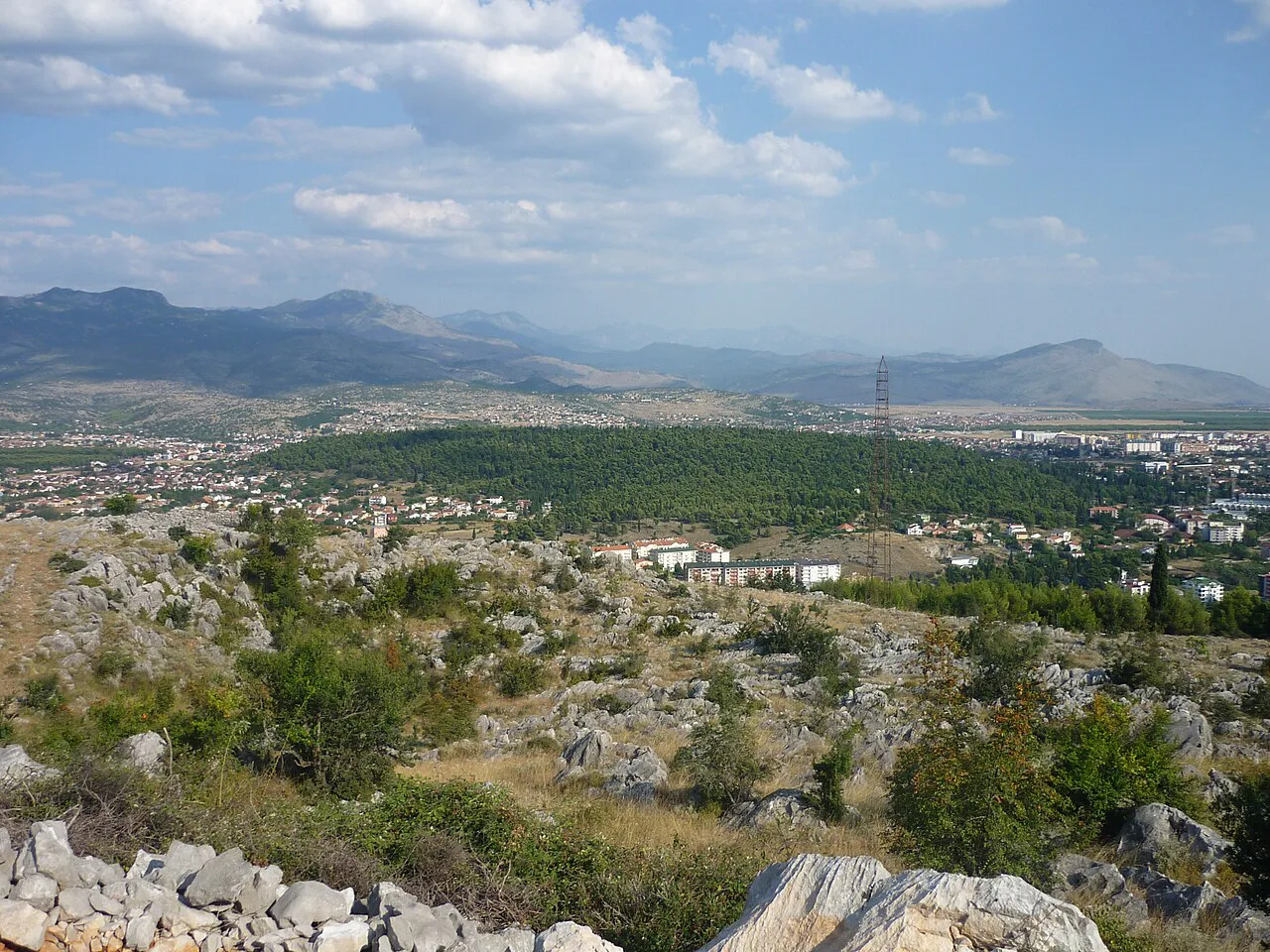
The simplest approach is on foot from the centre, following the roads towards the hill until the built-up streets give way to the main entrance cluster at the foot of the slope. From there the paths climb steadily rather than steeply, so a reasonable level of fitness is enough; allow more time than the distance suggests because you will stop for views. Bring water, because the cafés do not cover the whole hill.
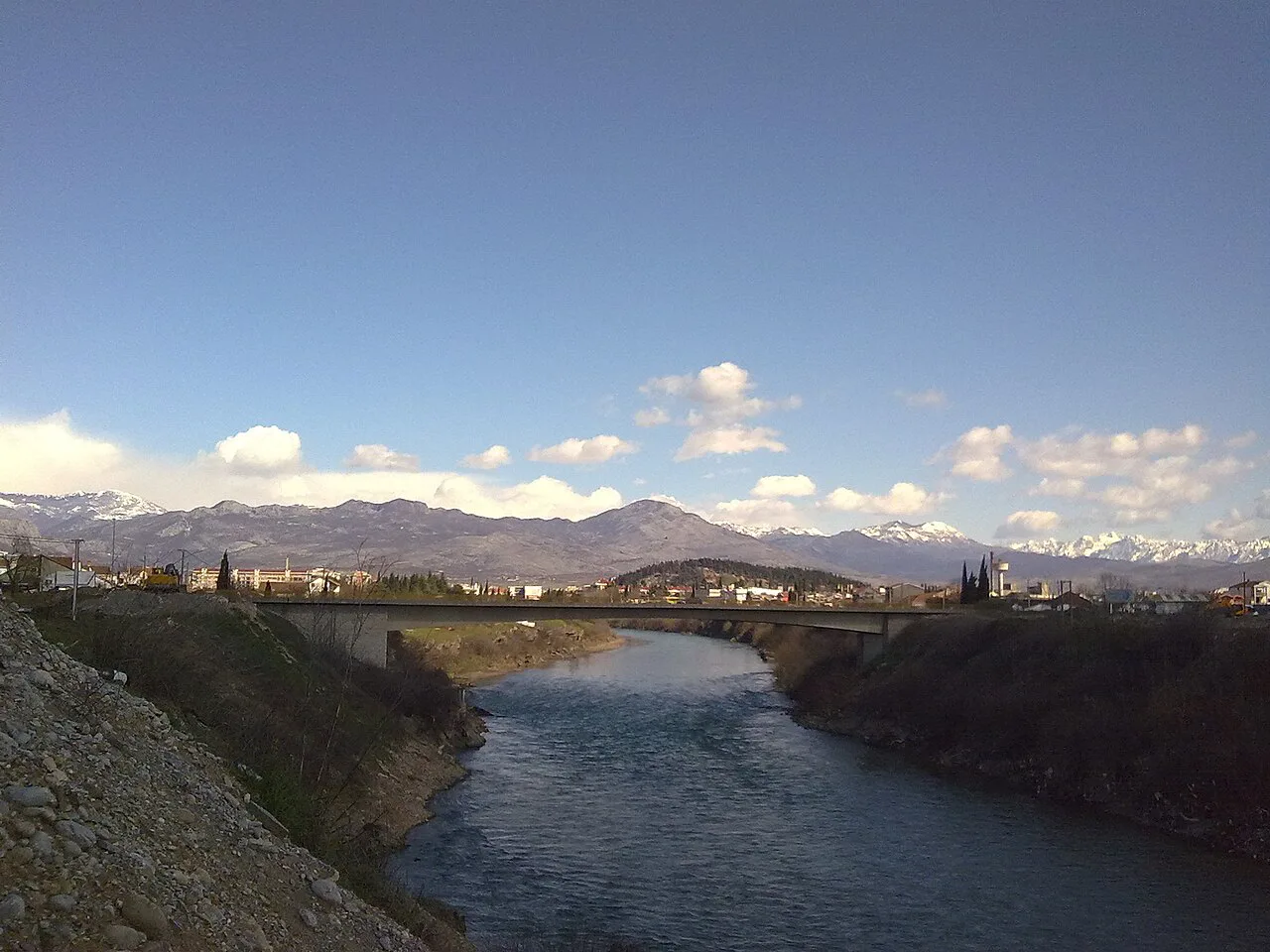
If you are coming from the east side of the city, the walk from the Millennium Bridge area is a natural way in, and the bridge itself is a landmark to aim for on the return.

The trails, fitness kit and playing fields
Gorica is laid out for exercise as much as for strolling: the tourist board lists marked walking paths, cycling routes and trim trails, plus training equipment and a football field, and notes that more people now use the hill to build fitness across a range of sports. That mix means you share it with runners, cyclists and people using the outdoor gym, so keep to one side on blind bends. Pick a loop that matches your energy and turn back when the shade starts to feel repetitive; there is no single must-see point to chase.
The adventure park among the trees
An adventure park opened near the café on the hill, with jumping, climbing and walking among the tall trees pitched at both children and adults. It draws mostly Podgorica families at weekends and after school, which makes weekday mornings the quieter choice. Half an hour to an hour in the trees plus the climb is a fair budget, and anyone who would rather not climb can wait at the café below; ask there what is running on the day.
The Partisan Monument and its setting
The Spomenik partizanu borcu, the Partisan monument, is the main formal sight on the hill and sits close to the adventure park. The memorial complex is where fallen fighters are buried, and wreaths are still laid there on important Montenegrin state holidays. Approach it quietly and give any ceremony or delegation room, then fold it into a loop that takes in the summit paths and viewpoints.
The Mediterranean garden and the pine forest
A Mediterranean garden on the hill introduces visitors to a good number of endemic plant species, which makes it the most informative short stop on the slope. The pine woods do the practical work: they screen the city, hold the shade and make the hill bearable in the heat of a Podgorica summer. The tourist board points to the pines releasing substances that clean the air as part of Gorica's value to the city, though the everyday benefit for a visitor is simply cooler walking.
St George's Church at the main entrance
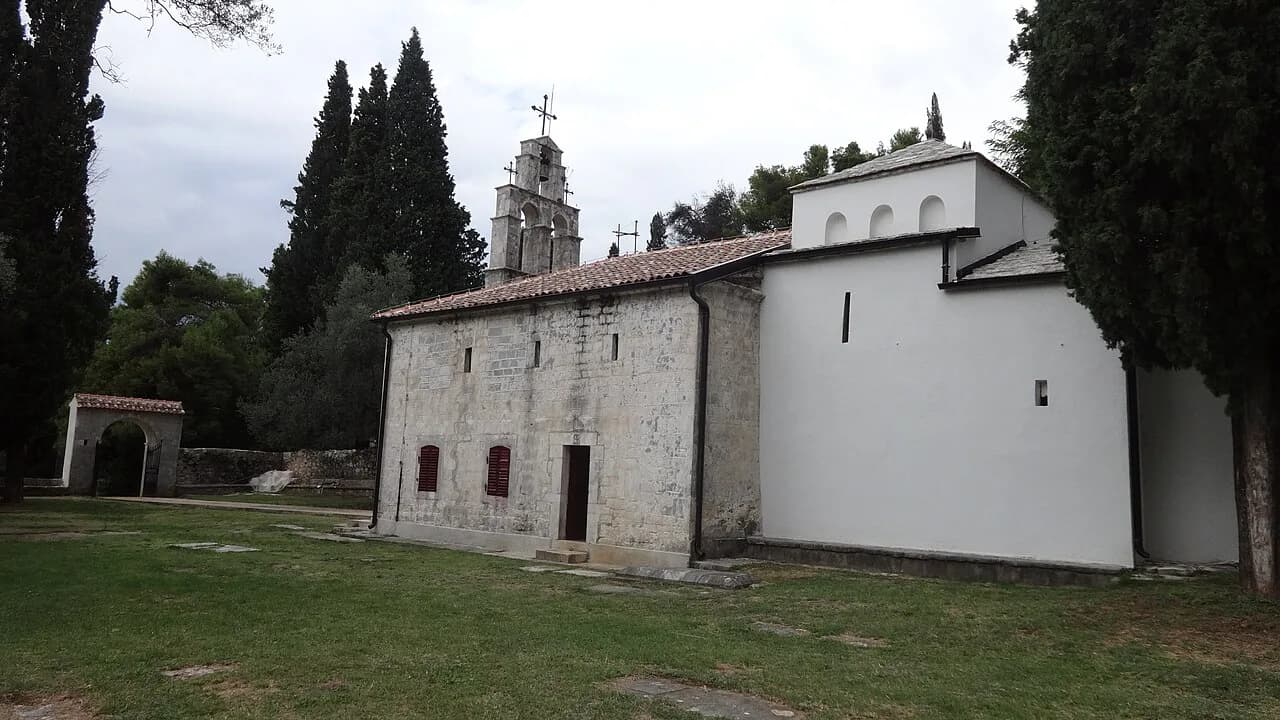
St George's Church, Crkva Svetog Đorđa, stands at the foot of the hill in front of the main entrance, a small building with a garden around it that was built between the 9th and 11th century. It is the natural first or last stop on a Gorica walk, and its position means you can see it without committing to the climb. Visitors describe it as small, peaceful and atmospheric, which is the right expectation to carry in.
The church garden is the calmest corner at the base of the hill, so if your group splits between walkers and non-walkers it makes a sensible meeting point. Dress and behaviour should be respectful, as at any active place of worship, and keep voices low if a service is in progress.
Cafe Boćari for a coffee before or after the climb
Cafe Boćari sits just opposite St George's Church, with a boccia lane that gives the place its name. It is a spot for a Black coffee in the morning or a beer in the evening, and it sometimes hosts local bands. There is also a café higher up beside the adventure park, where a non-walking companion can sit while the rest of the group climbs.
Views over the Morača and the Millennium Bridge
From the hill the view opens over the right bank of the Morača and takes in the contours of the Millennium Bridge, which is the most recognisable sight from the upper paths. Go up for that view rather than expecting a panorama of the whole city, since the pine cover blocks much of it. The bridge is worth seeing at close range too, so treat the hill view as a preview and walk down to the river afterwards.
How long to allow and when shade matters
Two hours covers the main entrance cluster, a climb to the monument and viewpoints, and a coffee on the way down, and that is enough for most visitors. Add an hour if you are using the adventure park or want a full circuit of the trails. The shade matters most in summer, when the tourist board says locals head up for cool air, so start early or go late rather than at midday.
In winter the hill's shelter from the north wind makes it more comfortable than the open city streets, so a short walk is still worthwhile in cooler months. The paths are forest tracks rather than paved promenades, so budget extra time if anyone in the group is unsteady on uneven ground.
Nearby options in Podgorica to pair with Gorica
Gorica works best as one half of a city day, with the centre and riverside filling the other. The Clock Tower (Sahat Kula) in the old town core is a short walk from the centre, and the Podgorica museum gives the afternoon a cultural shape if the weather turns.
If you want a gentler green space after the hill, Kings Park is a planted city park on the flat rather than a forest climb. Choose one or two of these rather than trying to tick off everything in a single day.
Opening hours and tickets: what to confirm
The tourist board's listing for Gorica and the adventure park gives no opening hours, ticket prices or booking rules, and the same goes for Cafe Boćari and St George's Church. Confirm on arrival at the main entrance or with the tourist information office in the centre before you set off. If a price applies to the adventure park, it will be quoted in euros at the gate.
One practical check covers most of it: ask whether the adventure park is operating and whether the upper café is open, since those are the two things that change a short walk into a longer outing. Everything else on the hill is paths, planting and monuments you can see at your own pace.
Should Gorica be on your Podgorica list?
Yes, if you want an hour or two of pine shade and a view over the Morača rather than another museum. Combine St George's Church and Cafe Boćari at the foot with a climb to the monument and the viewpoint, and skip the adventure park unless you have children in the group.
If you only have a few hours in the city, the centre and the Millennium Bridge area will give you more for the time, and Gorica becomes the add-on when the weather is hot and the shade is the point.
Explore more Podgorica guides
Frequently Asked Questions
Is Gorica Park in Podgorica the same as Park Šuma Gorica?
Yes. Park Šuma Gorica is the forest-park name for the wooded hill above central Podgorica that locals simply call Gorica. It is the hill the city is named after, and the main tracks run from the entrance area at its foot up through the pines, passing St George's Church and Cafe Boćari near the bottom.
Do I need a car to reach Gorica Park?
No. The hill sits immediately beside the centre and can be reached on foot, so a taxi or bus is only worth it if you are coming from the far side of the city. Aim for the main entrance at the foot of the hill and start the climb from there.
Can you walk Gorica with children?
Yes. There are marked walking paths and an adventure park for children and adults, and the climb is steady rather than severe. Keep the loop short, use the cafés at the foot and near the park as rest stops, and skip the upper trails if little legs are tiring.
Are the paths at Gorica Park suitable for cycling?
The hill includes dedicated cycling routes alongside the walking and trim trails, so cyclists are expected rather than tolerated. Walkers should keep to one side on bends, and families with small children are better on the walking paths where bikes are less frequent.