Cetinje: Montenegro's Old Royal Capital and What to See
Plan a visit to Cetinje, Montenegro's old royal capital: the monastery, the national museums and Biljarda, plus how to get there and how long to allow.
On this page
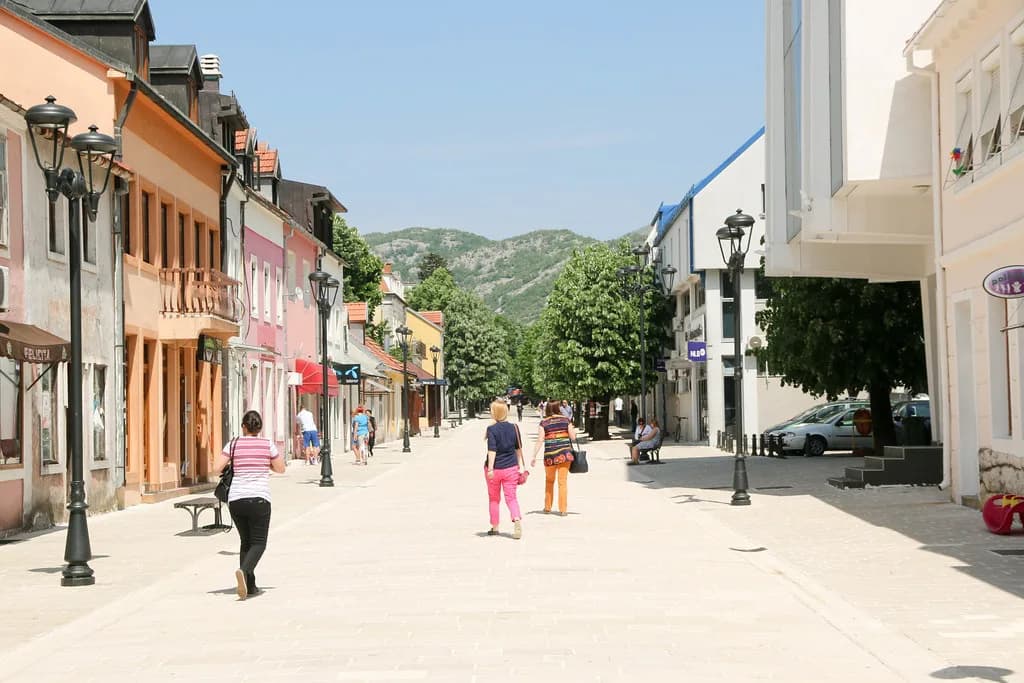
Cetinje suits a half day on foot, with more time only if you want the museums. The old royal capital is small enough to walk end to end, and its core is a grid of wide pedestrian streets, parks and former embassy buildings rather than a walled old town. This guide covers the layout, the monastery, the museums and their tickets, and how the town fits a trip between the coast and Lovćen.
What Cetinje is and why it draws visitors
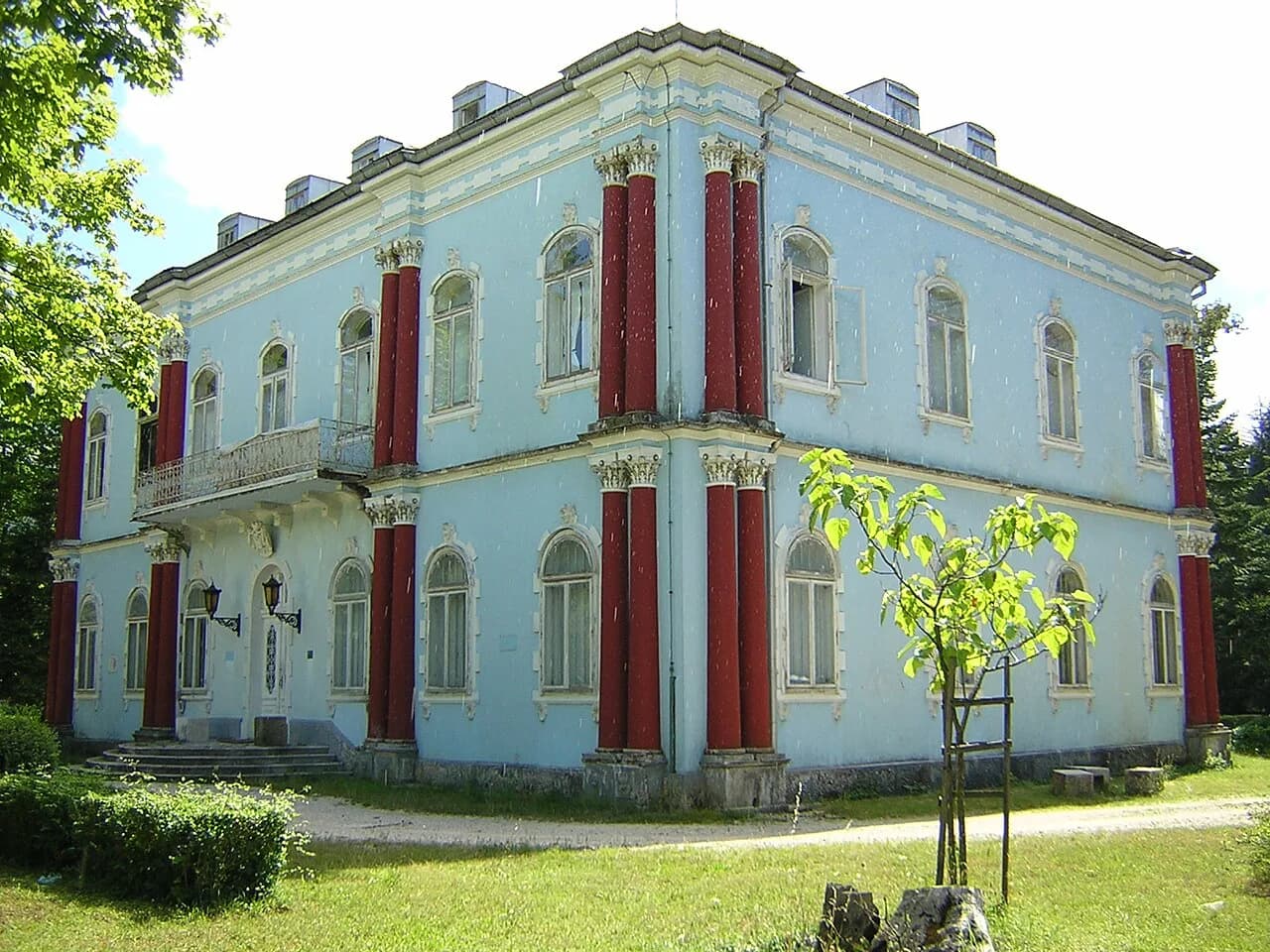
Cetinje was founded in the 15th century and grew into the centre of Montenegrin culture, becoming capital of an independent Montenegro in 1878. The capital moved to Podgorica, then Titograd, in 1946, and the town kept its royal-era buildings largely as they were left. That mixture of palaces, embassy buildings and churches in a low-rise street plan is what visitors come for.
The population is around 14,000, and the centre feels quiet rather than busy, particularly in the heat of midday when locals stay indoors. Come in the morning or late afternoon and the streets and shaded parks have more life. There is no old-town gate or wall circuit to work through, so the pleasure is in wandering block by block.
The walkable core: layout and how long to give it
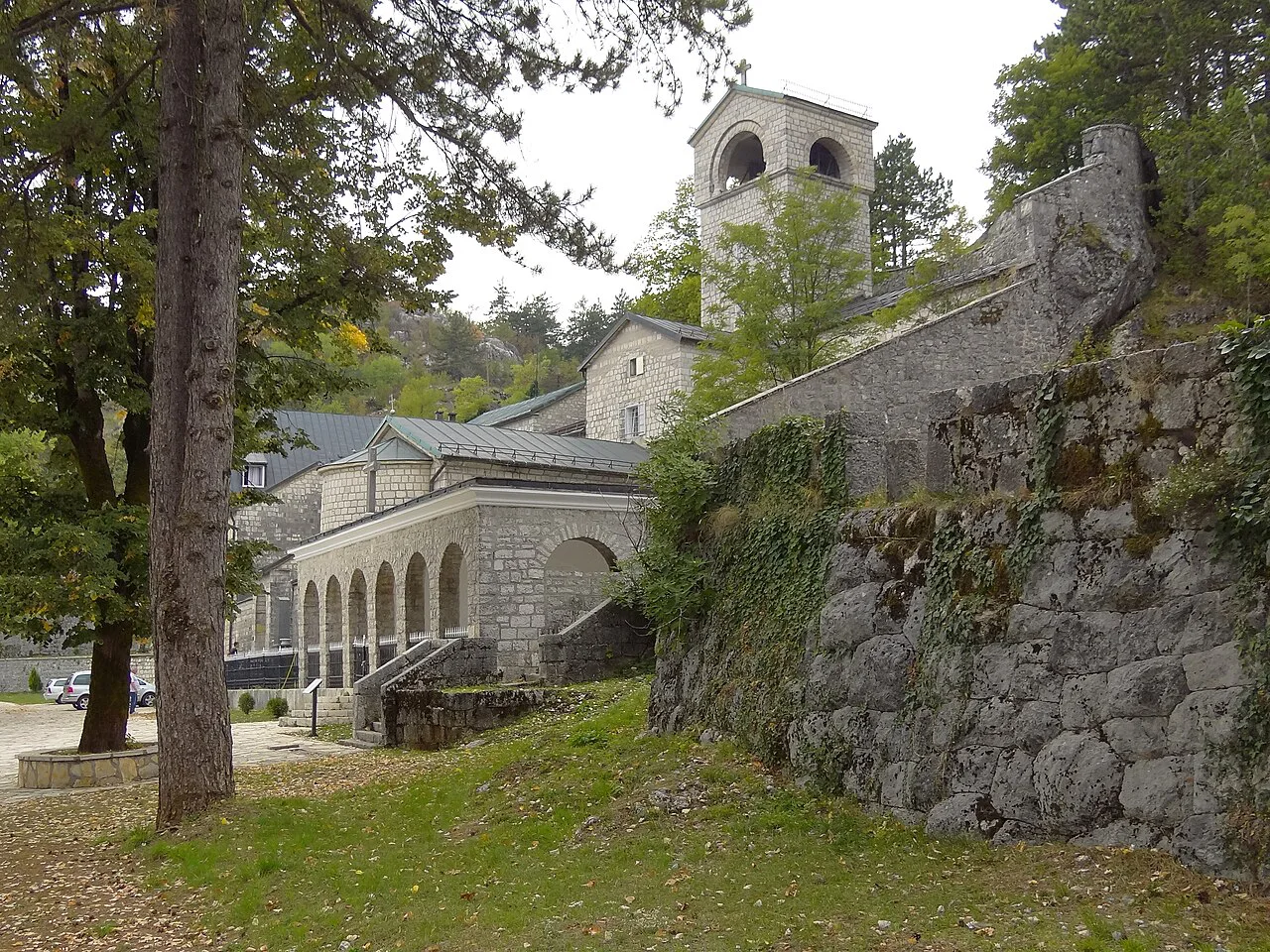
The town is compact and walkable, and you can cover the main streets yourself without a guide. Every block has something to look at, whether an old royal palace, a grand embassy building or an intricately designed church, so a simple loop from the monastery through the centre works well.
Allow two to three hours for the streets and the monastery, and a full half day if you add one museum. A car only becomes useful for the add-ons outside town, such as Lovćen National Park, Lipa Cave or Lake Skadar.
Cetinje Monastery: hours, free entry and photography rules
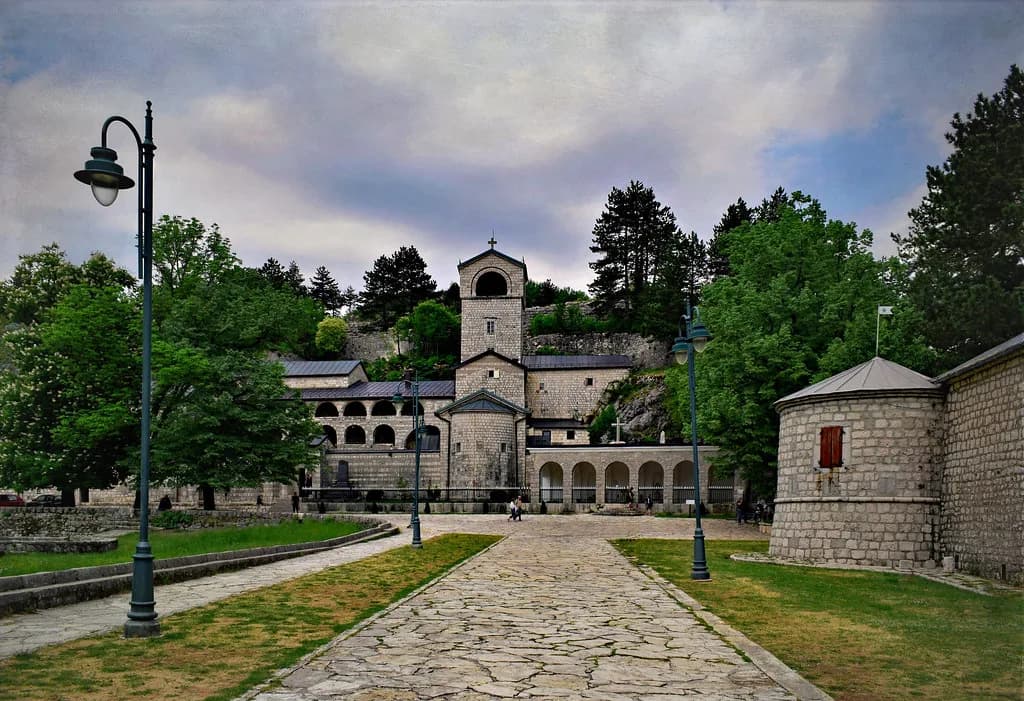
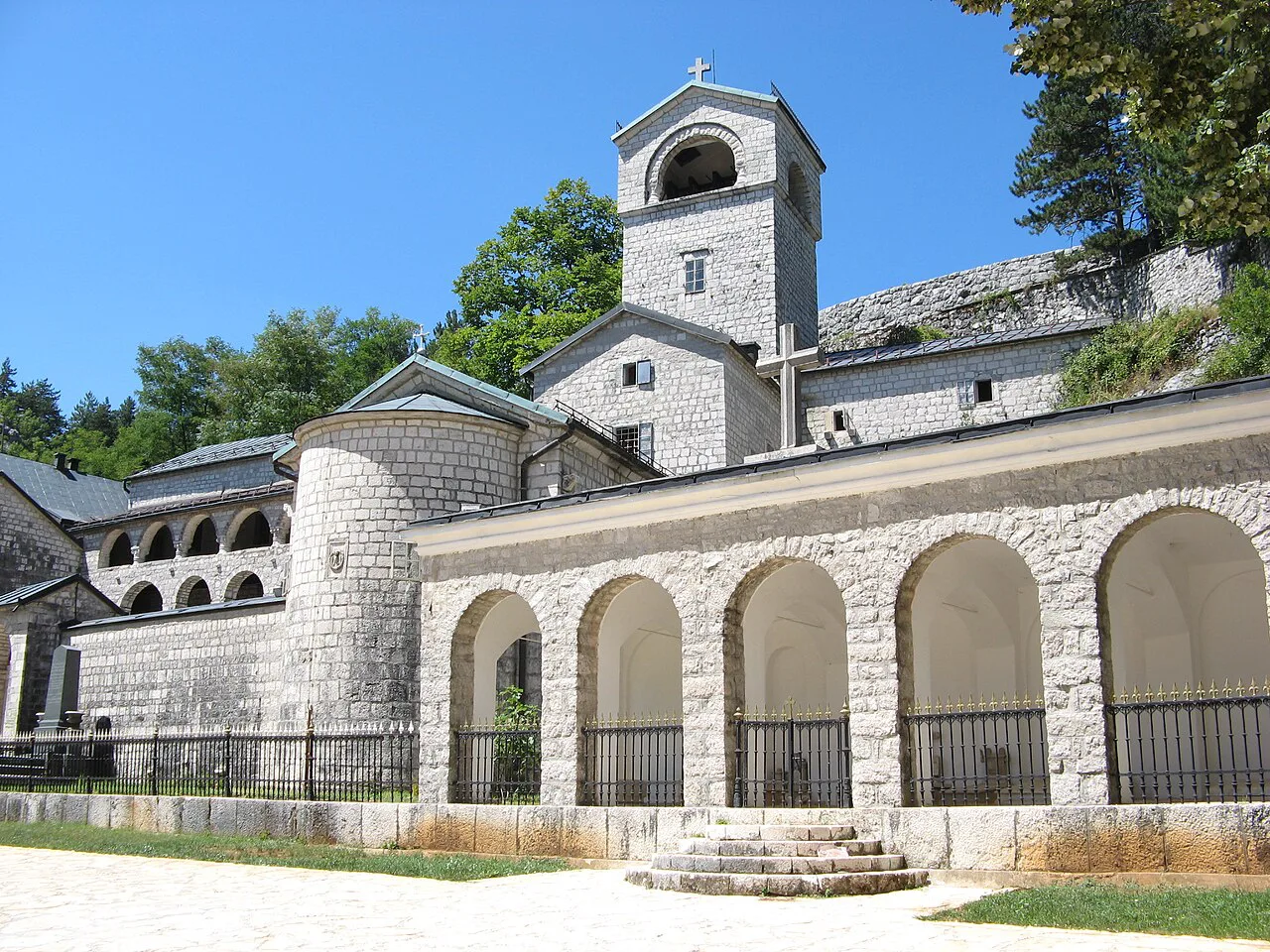
Cetinje Monastery, also known as the Monastery of Saint Peter, is the most important sight in town. It was built in 1484 by Ivan Crnojević, who moved his capital here because the site was easier to defend, and the complex has been destroyed and rebuilt several times since. Inside you find a modest church, artworks, the tombs of Montenegrin leaders and a small museum explaining the site.
The monastery is open every day from 08:00 to 20:00 and charges no entrance fee. Photography is forbidden inside the monastery complex, so plan to leave the camera down once you pass the gate. Dress respectfully as you would at any working religious site.
The National Museum of Montenegro and the combined ticket
The National Museum of Montenegro is not one building but four locations, some housing more than one institution, which catches visitors out. You can pay at each site individually or buy a combined ticket for 12 euros that covers them all. That price makes the full set reasonable value if you have the time, while a single museum suits a shorter stop.
Njegoš Museum Biljarda
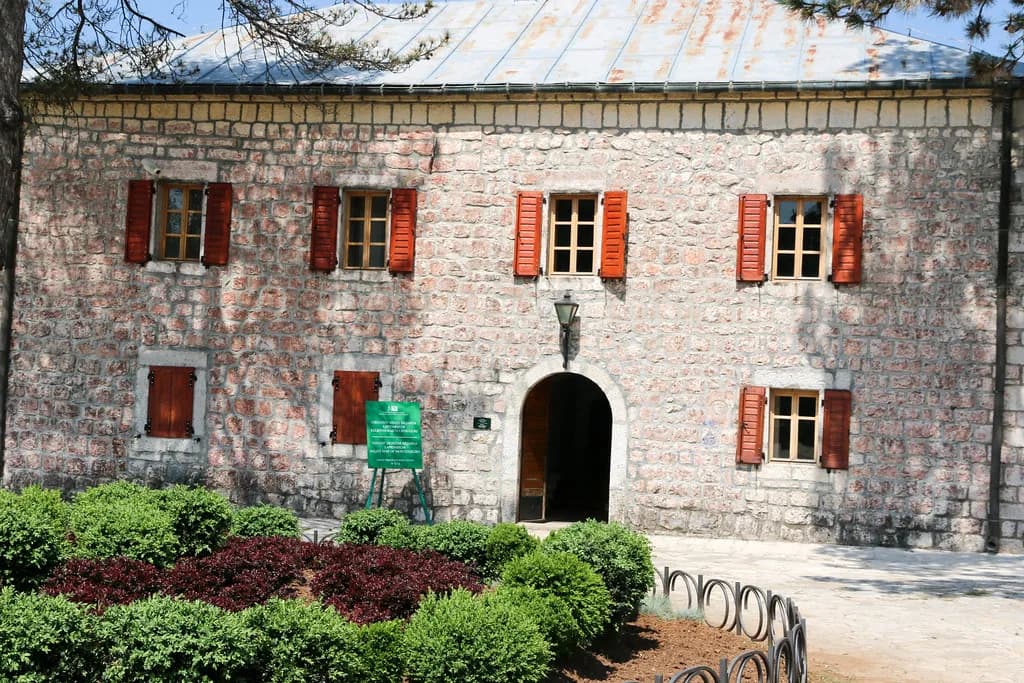
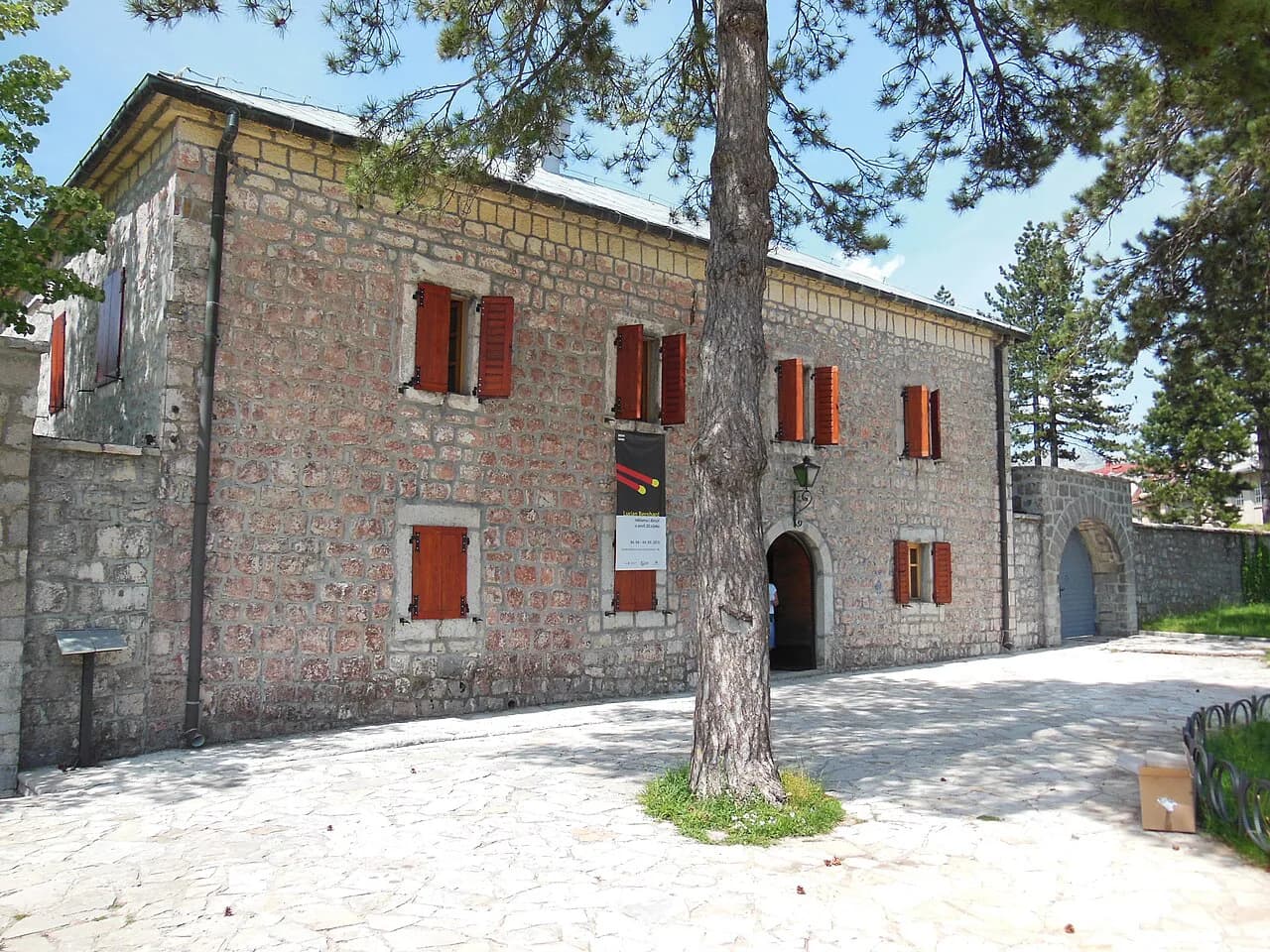
Biljarda, the Billiard Palace, is one of the museum locations and takes its name from the billiard table associated with Njegoš. It sits within the National Museum of Montenegro group, so the combined ticket covers it along with the other sites. If you are choosing one paid museum, this and the King Nikola Museum are the two that carry most of the town's story.
Museum of King Nikola and the Ethnographic Museum
The Museum of King Nikola occupies the former royal residence and covers the reign of Montenegro's last monarch; the Ethnographic Museum of Montenegro sits in the same national museum group. Both are included on the combined ticket, which is the simplest way to see several without paying at each door. Check the current opening days at the museum before you build a day around them.
Other sights in the centre: churches, parks and former embassies
Beyond the monastery and museums, the centre holds churches, public parks and the buildings of the former foreign embassies that gave the town its capital-era character. Walking between them is the point of a visit here rather than ticking off a single headline sight. Pick a route through the pedestrian streets and let the side streets pull you in.
Getting to Cetinje from Kotor or Budva, and combining it with Lovćen
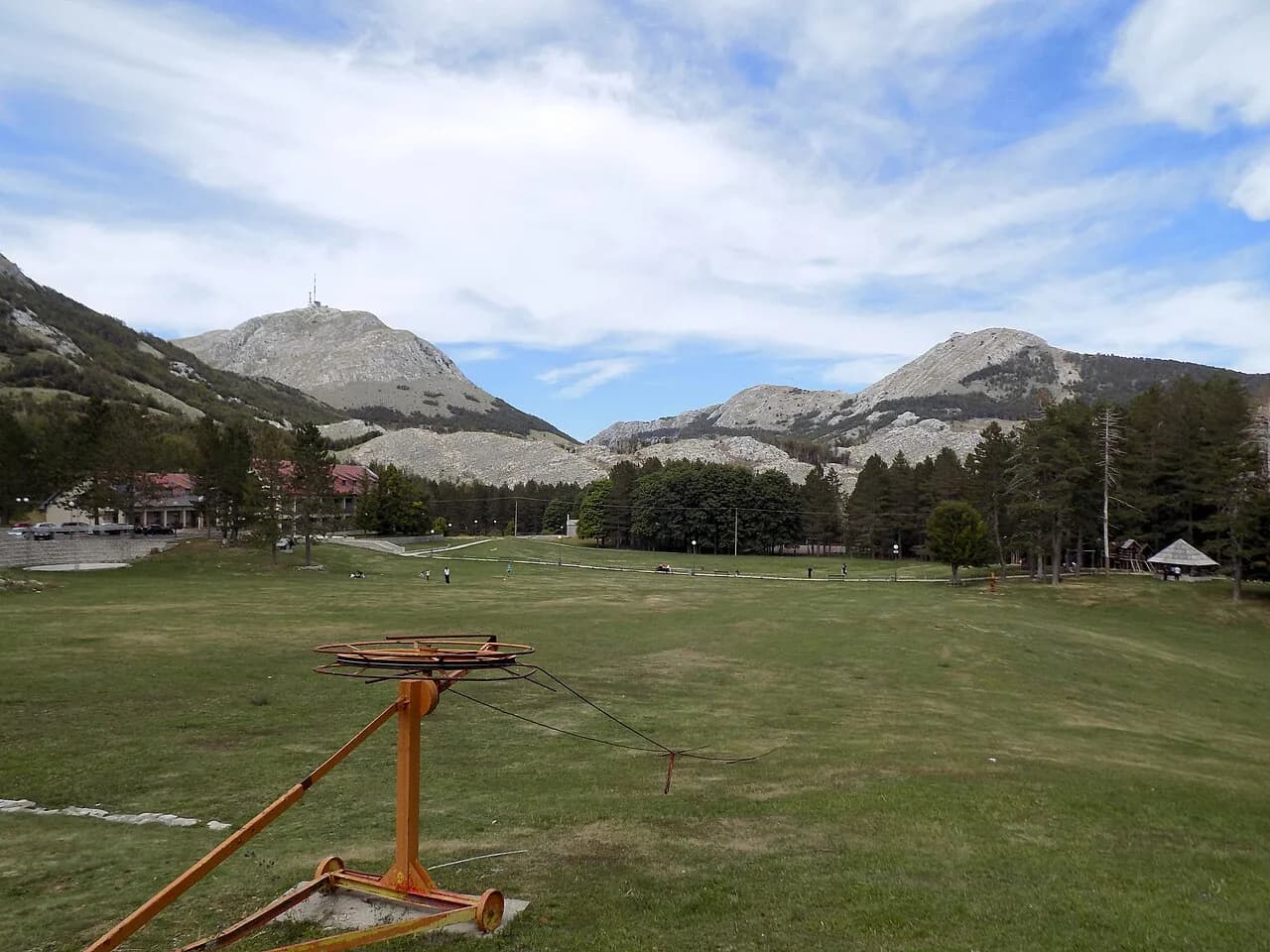
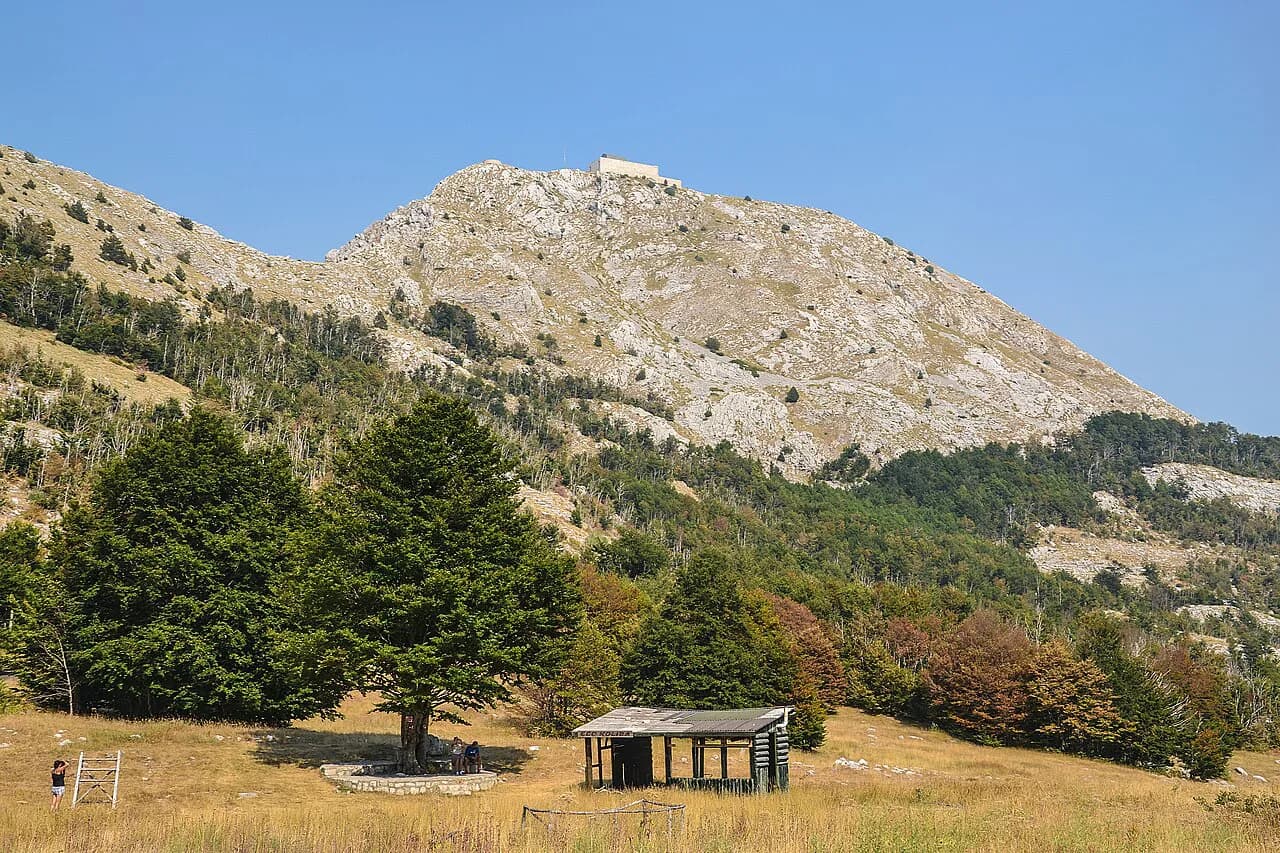
Cetinje sits inland behind the coastal towns and is usually reached by road from Kotor or Budva. The drive climbs into the mountains, and the same road continues up to Lovćen National Park, which makes a natural pairing: the town in the morning and the park afterwards. If you are based on the coast, look at what else is on offer in Budva before fixing your day.
Travellers heading north along the coast can also approach from Herceg Novi, though the road distance makes it a longer day out. Public transport and organised tours do run to Cetinje, but times and frequencies vary, so confirm them locally rather than relying on a fixed schedule.
Lipa Cave and Lake Skadar as add-ons by car
Lipa Cave and Lake Skadar are the two obvious extensions from Cetinje, and both need a car or a tour to reach comfortably. A rental car gives you the flexibility to combine the town, the cave and a lake viewpoint in one day. Without a car, treat Cetinje as the trip and leave the add-ons for another day.
How long to stay: half a day or a full day
Half a day covers the monastery, the main streets and one museum at a relaxed pace. A full day lets you take in several of the national museum locations on the combined ticket and still drive up to Lovćen. If your time is tight, the monastery and a walk through the centre give the clearest sense of the town.
Practical notes: walking, midday heat and checking hours
The centre is pedestrian-friendly, but the midday heat empties the streets, so start early or come later in the afternoon. Wear shoes you can walk in, since you will cover the core on foot rather than by car. Museum opening days and any seasonal changes to the monastery's hours are worth confirming before you travel.
Monastery first, or museums first?
Start at Cetinje Monastery when it opens, then decide whether the 12-euro combined museum ticket earns its place in your day. If you have half a day, the monastery and a walk through the embassy streets are enough; with a full day, add the museums and drive on to Lovćen. Either way, check current opening days before setting out.
Explore more Cetinje guides
Frequently Asked Questions
Where is Cetinje in Montenegro?
Cetinje lies inland in the mountains behind the coastal towns, reached by road from Kotor or Budva, and the same road continues to Lovćen National Park.
What does Cetinje mean?
Cetinje is the old royal capital rather than the working capital, which is Podgorica; it was founded in the 15th century and grew into the centre of Montenegrin culture.
Is Cetinje worth visiting?
Yes if you want the monastery, the royal-era buildings and the national museum collections in a quiet, walkable town. It is a half-day stop rather than a beach destination, and a car helps only for the mountain and lake add-ons.
Sources
Notes for your Montenegro trip
Optional updates to our Montenegro town guides.
You might also like
Continue reading
More guides you'll find useful