Things to Do in Tivat: Old Town, Waterfront and Day Trips
Plan your time in Tivat with the old town sights, Porto Montenegro marina, churches and boat trips, plus how long each takes and what to skip.
On this page
Half a day covers Tivat's walkable sights: the Kalimanj waterfront, the Church of St Anton and the Buća Summer House, with Porto Montenegro marina as the modern counterweight to Kotor and Budva's walled cores. Tivat reads differently from those towns because the marina, not a ring of defences, sets the tone, and the older buildings sit quietly among it.
This guide splits the town by area and theme, then treats the boat-dependent islands and the Lovćen drive as separate decisions rather than add-ons. It gives the time each stop needs and keeps to what the sources actually state.
Tivat in one answer: a small core, a modern marina and offshore islands
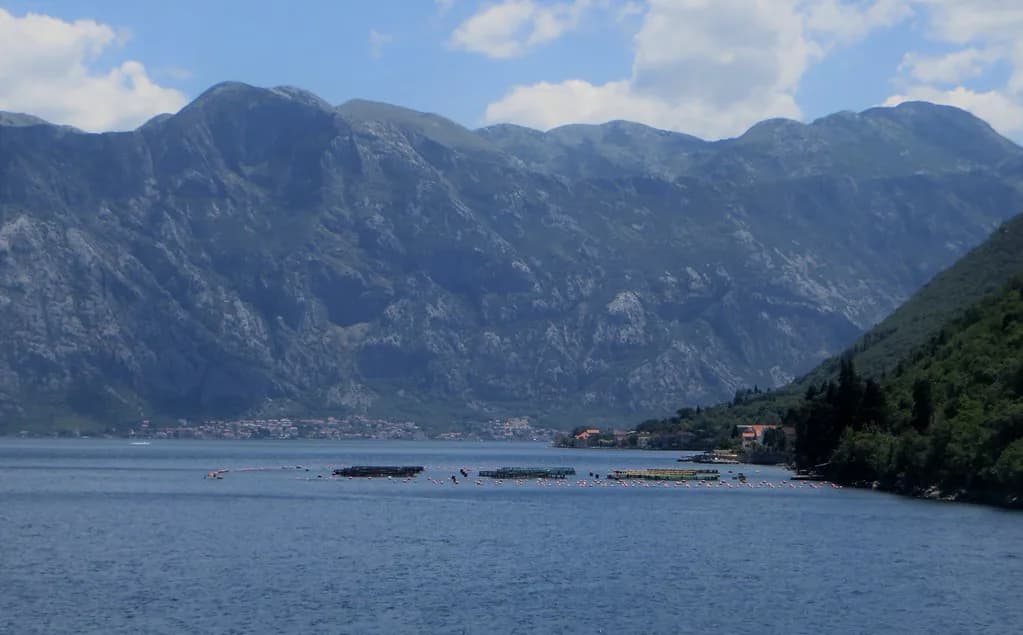
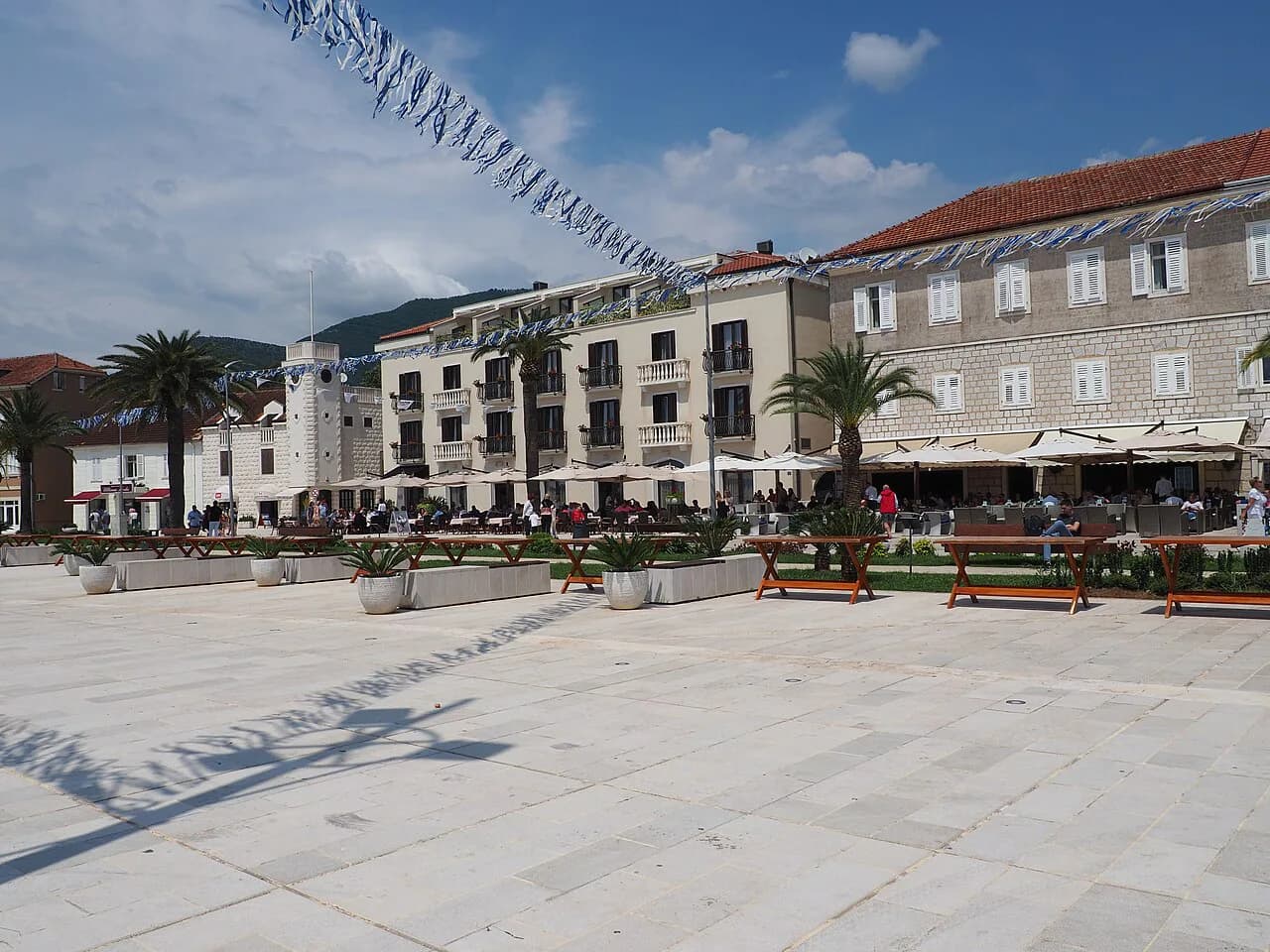
Tivat is a low-key stop: a compact centre, a walkable waterfront and a yacht marina built on the site of a former naval shipyard. Kotor and Budva both have ancient walled cities, while Tivat is much more modern, which is part of why a short visit here feels relaxed rather than crowded with monuments.
It is also still being built, with new hotels and apartments going up around the marina, and outside high summer some restaurants may not yet be open. Plan the town on foot and treat anything offshore as a booking decision, not a stroll.
How Tivat is laid out: Kalimanj, the old core and Porto Montenegro
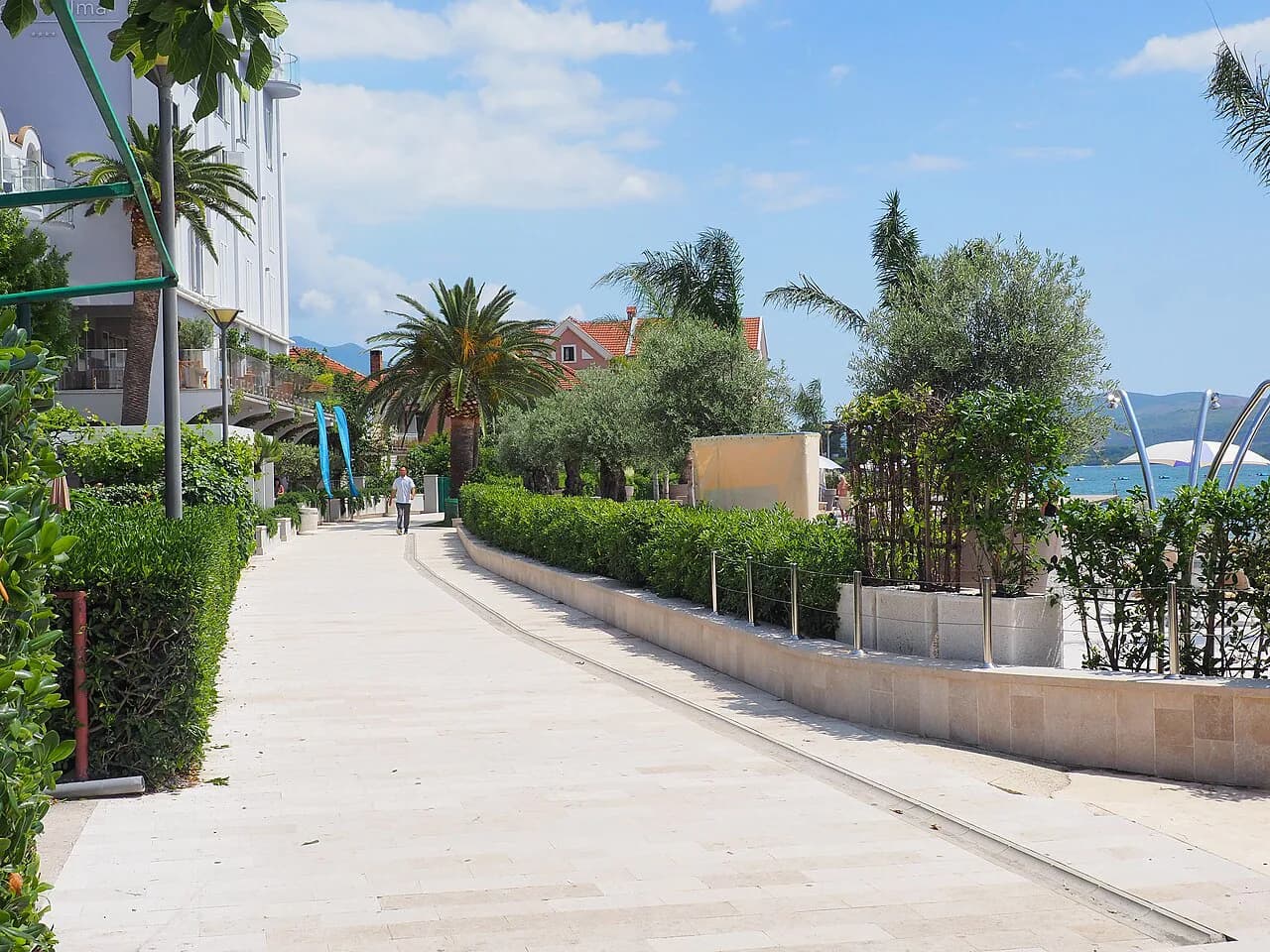
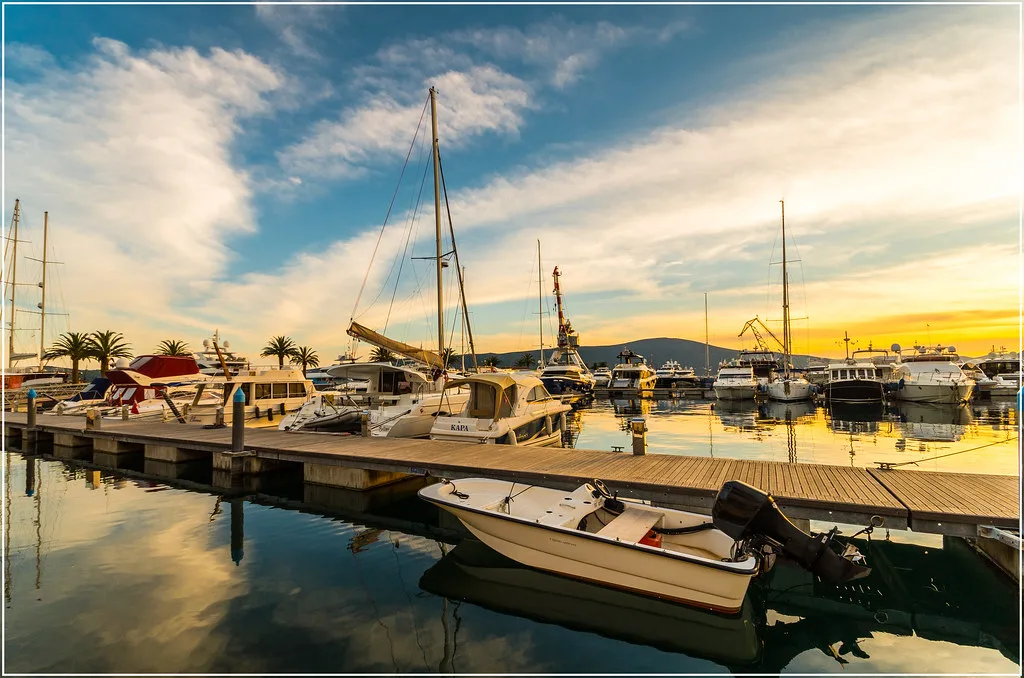
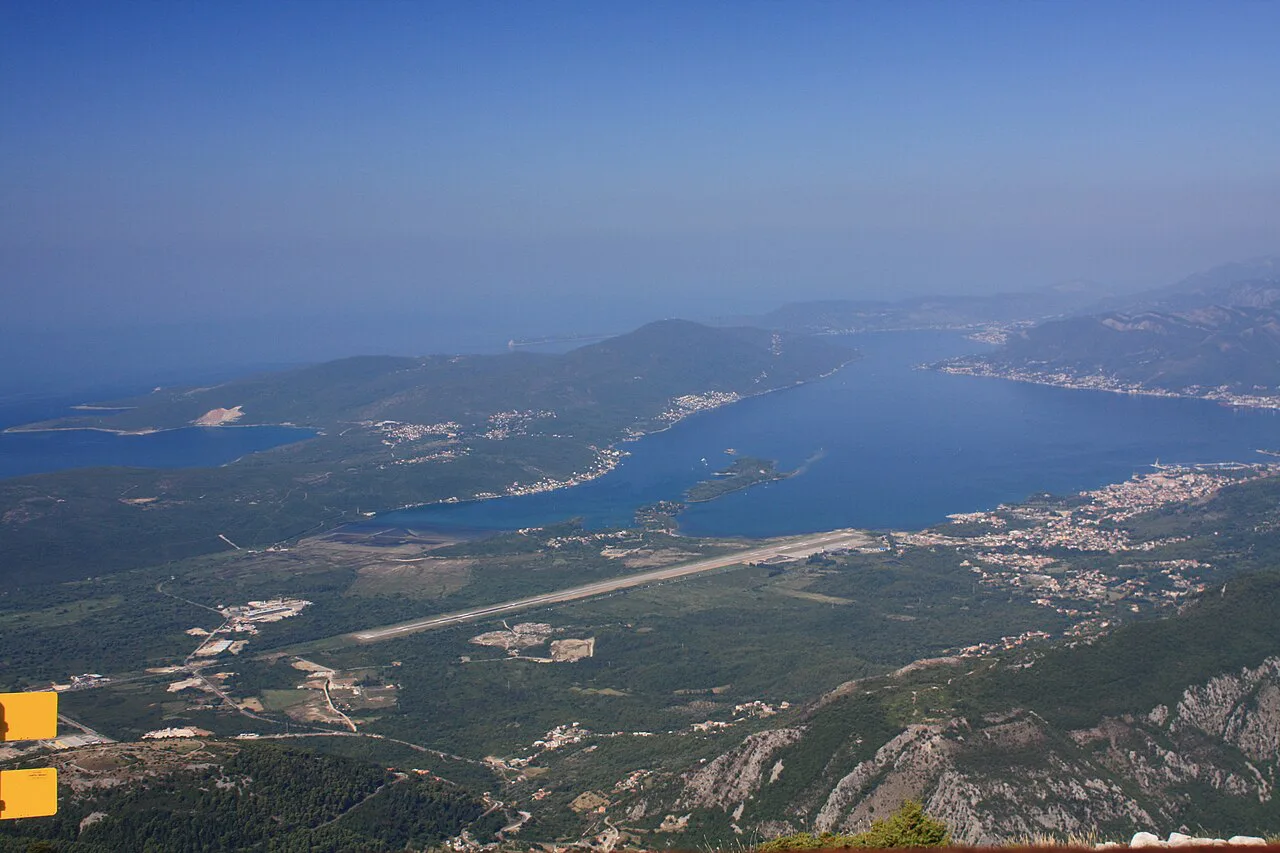
Three areas do most of the work. Kalimanj is the waterfront stretch with the yacht port, the Church of St Anton sits in this part of town, and Porto Montenegro occupies the former shipyard site further along the bay. Between them lie the small old core and the green park around the Buća Summer House, so you can string them together in a single loop instead of backtracking; see the Tivat Old Town guide for the historic core.
A Tivat map helps here because the town's sights are spread along the shore rather than packed inside gates; you are covering distance, not weaving through alleys.
Church of St Anton (Crkva Svetog Antona) in Kalimanj
The Church of St Anton in Kalimanj is small but carries real weight locally, and an inscription on the building records both its construction in 1373 and the name of I. Tvrtko, the Bosnian king who held power over the Bay of Kotor when it was built. Read the inscription before you go in: it is the reason the church is worth a stop rather than just a glance.
Frescoes once covered the interior, but humidity has damaged them, so set your expectations for a plain interior with a documented history rather than painted walls.
The Buća Summer House (Ljetnikovac Buća) and the Tivat Gallery
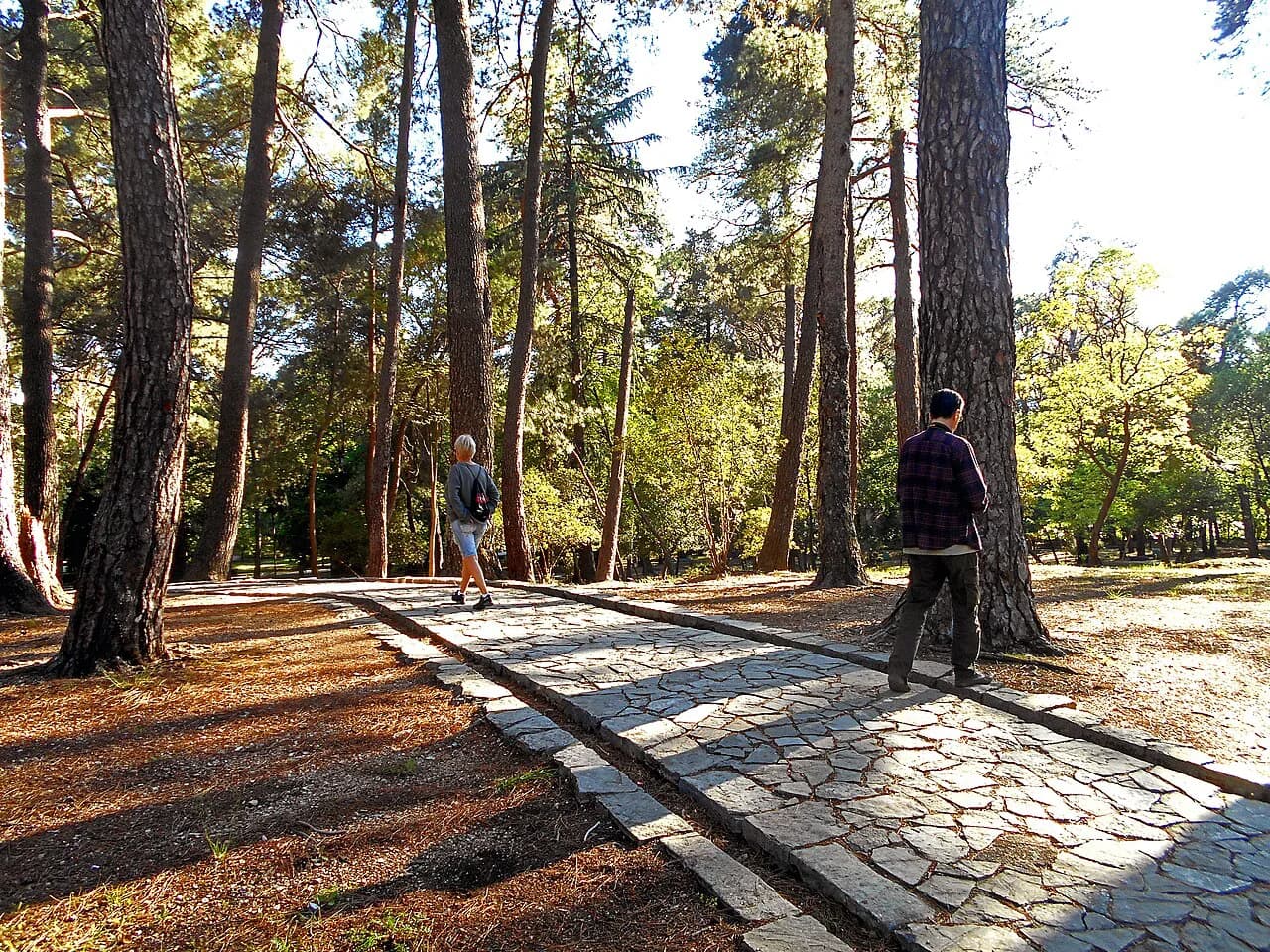
The Buća Summer House sits in the centre of town inside a park, built in Renaissance style roughly 500 years ago with late Gothic features worked into the design. It belonged to the Buća family of Kotor and is a complex of five parts: a residential building, a church, a chapel, a farm building and a porch, all in white stone within a protective wall.
The residential building houses the Tivat Gallery, and the walled garden hosts exhibitions and literary events during high season. Check locally for what is on during your dates, since the garden programme is seasonal rather than year-round.
Porto Montenegro: what you actually do at the marina
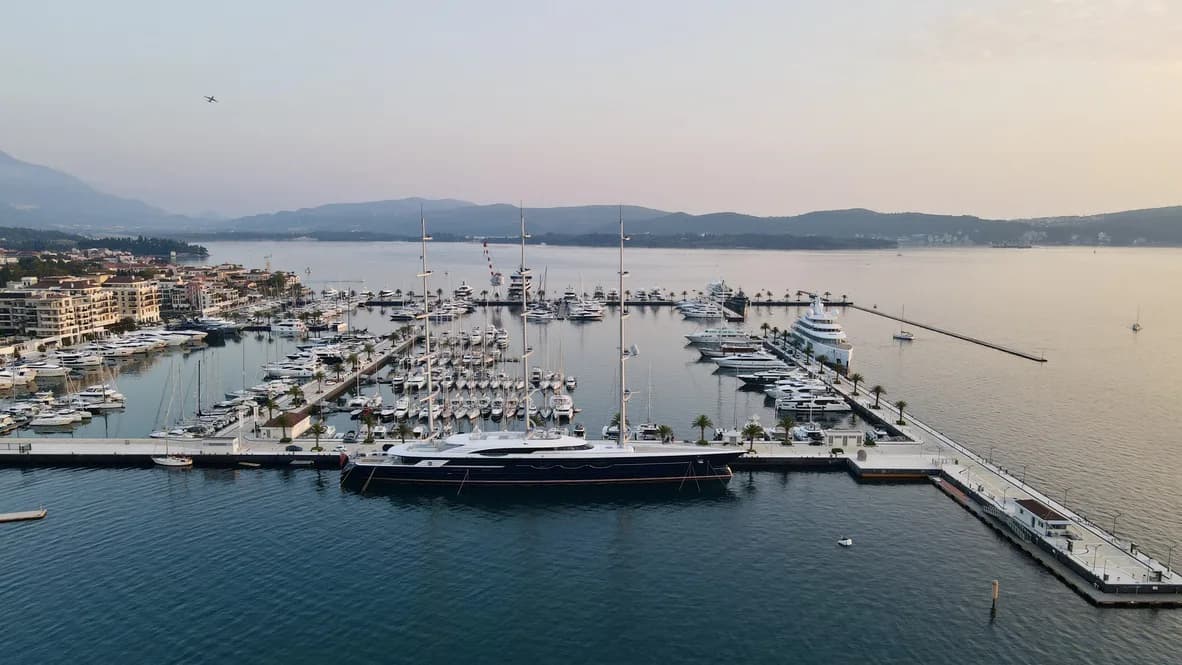
Porto Montenegro is the reason many visitors tack Tivat onto a Bay of Kotor trip: a yacht marina with restaurants, bars and a waterfront walk, built where the naval shipyard once stood. It is a place to stroll, eat and watch the boats rather than tick off sights, and the contrast with Kotor's stone lanes is the point.
The marina restaurants are highlighted as some of the best encountered on a trip through the region, and the marina is where Tivat's modern character is most obvious. Between the marina and the older streets you have the town's two halves, and a self-guided walk is a sensible way to link them without doubling back.
Gornja Lastva: the hillside village and the views
Gornja Lastva sits in the mountains above Tivat at about 300 metres above sea level, with views over the Bay of Tivat and the Porto Montenegro marina. The village has old stone buildings and olive groves, and it rewards a slow walk rather than a quick photo stop.
Getting up there usually means a car, taxi or a determined walk uphill, so decide before you set out whether the view justifies the transport; on a half-day visit, it usually does not.
Island of Flowers (Ostrvo Cvijeća): the isthmus walk and St Michael's Monastery
The Island of Flowers is about 300 metres long and 200 metres wide, connected to the mainland by a narrow isthmus, so you can walk over from Tivat. It takes its name from the vegetation that flowers in spring, around May, alongside olive and palm trees.
On the island are the remains of the Orthodox St Michael's Monastery, currently being restored, and a beach of about 1,200 square metres. The island once served as a holiday resort for Yugoslav military personnel, which explains some of the buildings, and you will find restaurants offering seafood and wine-and-cheese tastings rather than a developed resort strip.
Island of St Mark (Ostrvo Svetog Marka): a boat decision
The Island of St Mark, formerly known as Stradiotti after the soldiers the name refers to, is covered in olive and cypress trees and has some beaches. It ran as a luxury holiday resort under a French company from the 1970s until the 1990s, and today it is described as quiet and largely unspoilt.
Because it lies offshore, reaching it depends on a boat, and that makes it a separate planning decision from the walkable town. Arrange a crossing in advance rather than assuming you can simply turn up.
Blue Cave on the Luštica Peninsula
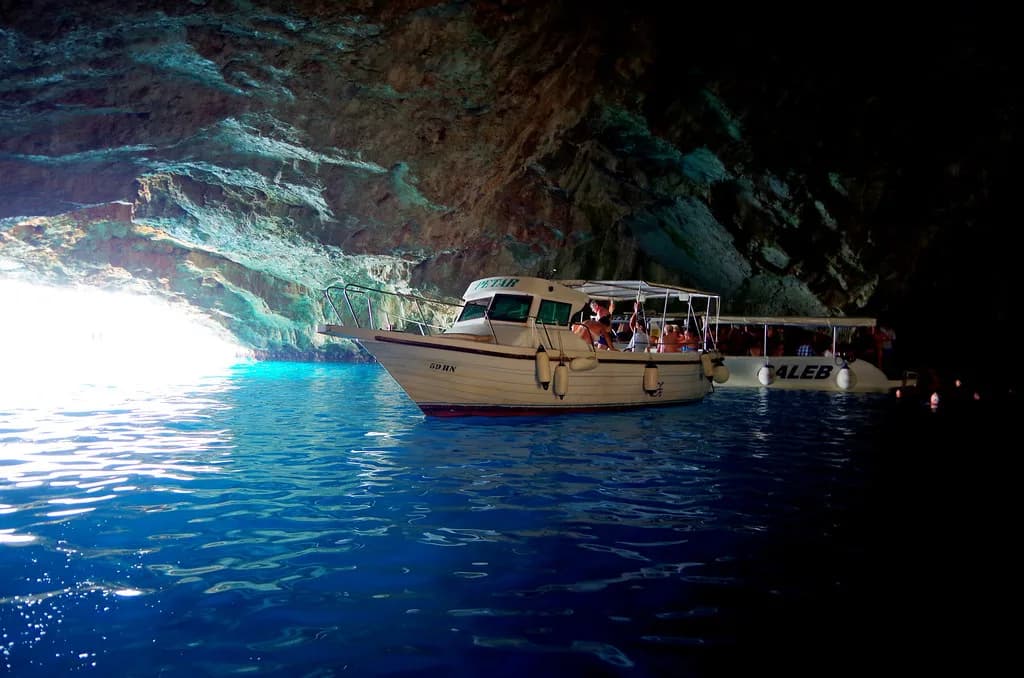
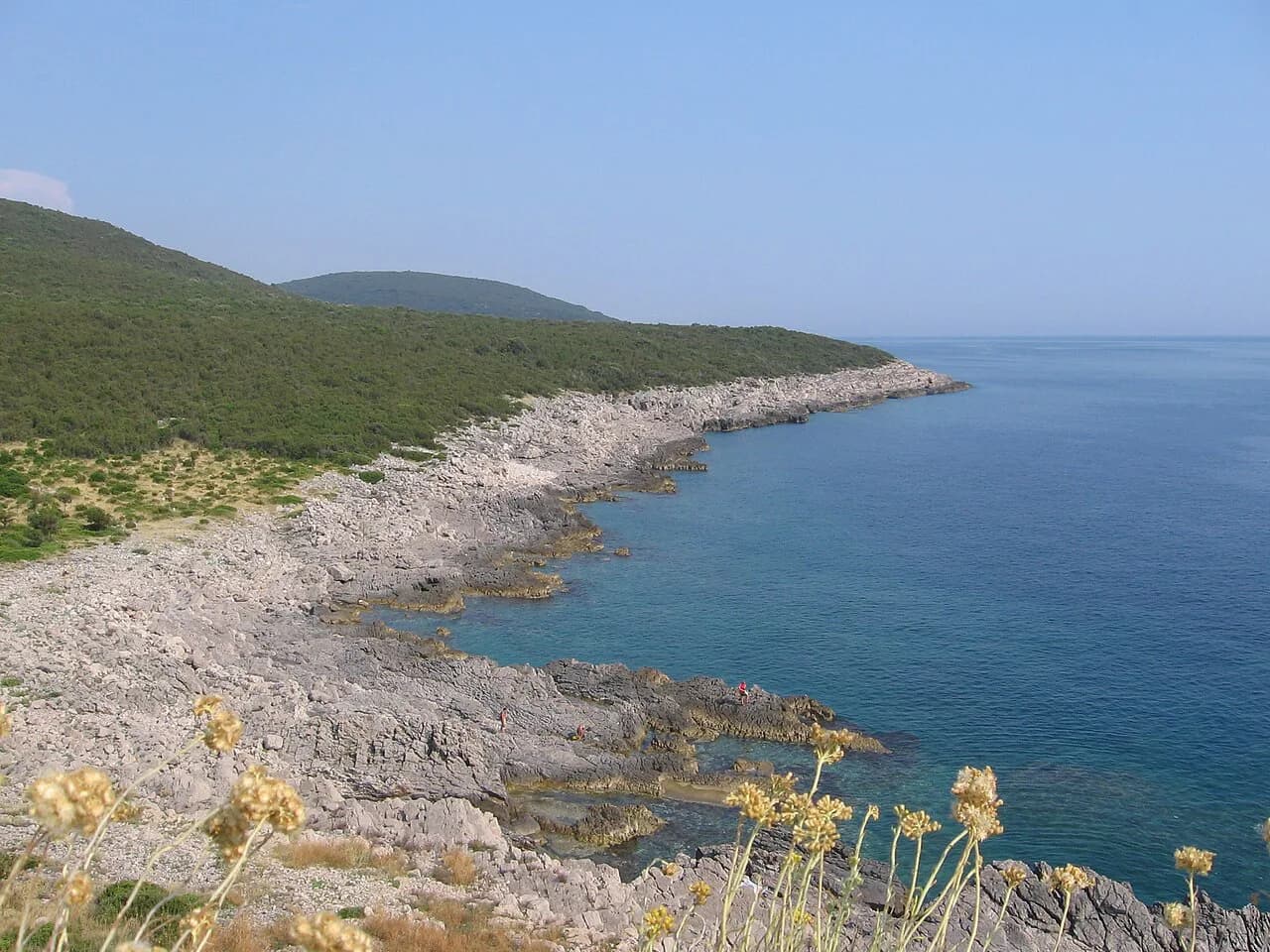
The Blue Cave sits on the Luštica Peninsula between Zlatna Luka Cove and Mokra Gora Cape, with two entrances: one wide but low, the other narrow but high. Inside, the water is 3 to 5 metres deep and the cave about 9 metres high, and sunlight reflecting off the walls turns the sea a striking blue.
This is a boat trip rather than a sight you can walk to, and small boats are the usual way in. Check departure points and whether your operator enters the cave itself, since sea conditions can change the plan on the day.
Lovćen National Park from Tivat
Lovćen National Park sits on the border of Mediterranean and mainland climates, with 200 bird species, 85 butterfly species and around 1,300 plant species recorded. Its headline sight is the mountaintop Mausoleum of Petar II Petrović-Njegoš, with a stone statue of the bishop and poet and wide views across the region.
The park is reached by road from Tivat, and the mountain driving is the trade-off for the views; allow it a proper half day rather than squeezing it around the town. Marked trails also run through the park if you want more than the mausoleum.
How long Tivat needs: half a day or a full day
Give the town itself half a day: Kalimanj and the Church of St Anton, the Buća Summer House and its garden, then Porto Montenegro for a walk and a meal. That pace leaves time to sit down and covers the town's specific sights without padding; the Tivat itinerary suggests an order if you want one.
Turn it into a full day by adding Gornja Lastva by car, or by choosing one offshore trip such as the Island of Flowers, which you can walk to, or the Blue Cave by boat. Adding both a hill village and a boat trip is where the day starts to feel rushed, so treat them as alternatives.
Getting around Tivat on foot, by boat or by car
The centre, Kalimanj and Porto Montenegro work best on foot, and the stretch between them is manageable in a single walk. Gornja Lastva needs wheels, and the islands and Blue Cave need water, so your transport choice decides which items on the list are realistic.
If you are arriving without a car, base the day around the waterfront and the old core, then pick one boat trip. If you have a car, the hillside village and the drive toward Lovćen become the better use of the extra time.
What to skip if you are short on time
With only a few hours, skip anything requiring a boat or a car and concentrate on the town's walkable sights. If the marina is not your thing, the Church of St Anton and the Buća Summer House give you the older layer of Tivat in a single short loop.
If you are weighing Tivat against a bigger day out, keep the things to do in Budva and things to do in Herceg Novi for a different trip, since each needs its own time from this base.
Which Tivat half day fits your trip
Choose the town loop if you have a few hours: Kalimanj, the Church of St Anton, the Buća Summer House and Porto Montenegro cover the core without transport. Add Gornja Lastva only with a car, and choose one boat trip if you want to be on the water rather than trying to do both.
Explore more Tivat guides
Frequently Asked Questions
Do you need a car to see the sights in Tivat?
No for the centre, Kalimanj and Porto Montenegro, which you can walk between. Gornja Lastva needs a car or taxi, and the Blue Cave and the offshore islands need a boat, so decide which of those you want before you set out.
Can you walk to the Island of Flowers from Tivat?
Yes. A narrow isthmus connects the island to the mainland, so you can walk over rather than take a boat. The island holds the remains of St Michael's Monastery, which is being restored, and a small beach.
How much time should you set aside for Lovćen National Park from Tivat?
Plan it as a separate half day, because the park is reached by road and the mountain drive is part of the trip. The Njegoš Mausoleum is the main sight, with marked trails and wide views across the surrounding area.
Sources
Notes for your Montenegro trip
Optional updates to our Montenegro town guides.
You might also like
Continue reading
More guides you'll find useful