Things to Do in Kotor: Old Town, Fortress Views and Boat Trips
Plan the best things to do in Kotor by time: the Sea Gate and Old Town, St Tryphon's Cathedral, the fortress climb, Perast and Our Lady of the Rocks.
On this page
Kotor fits into one long day if you start early: climb to St John's Fortress first, walk the Old Town while the cruise crowds are ashore, then spend the afternoon on the bay. Two or three days let you add Perast, Our Lady of the Rocks and a swim at Muo without rushing. This guide runs through the gates, churches and museum, the two ways up to the fortress, and the boat trips out to the island churches, with times and prices where they are published.
The Old Town is compact, so most of what follows is on foot. The three gates lead into different parts of the walls, and the entrances for the fortress trail sit near two of them, which shapes the order of your morning. Get the walking done before the heat and the day-trippers arrive, and keep the bay for when the town is busiest.
What to do in Kotor, in the order that makes a sensible day
Start at the Sea Gate, cross to the Square of Arms, climb the fortress trail as soon as it opens, then drop back into the Old Town for the churches and museum. After lunch, head out to Perast and take a boat to Our Lady of the Rocks, finishing with a swim or a waterfront stroll at Muo. This order puts the hardest walking in the cool morning and leaves the enclosed sights for the middle of the day.
Cruise ships change the rhythm of the town. Passengers come ashore from around 7:15am, and from 8am the streets get busy, so check the port schedule and either climb first or shift your Old Town wander to the evening. If you cannot avoid a ship day, staying overnight buys you quieter mornings and evenings.
Start at the Sea Gate and the Square of Arms
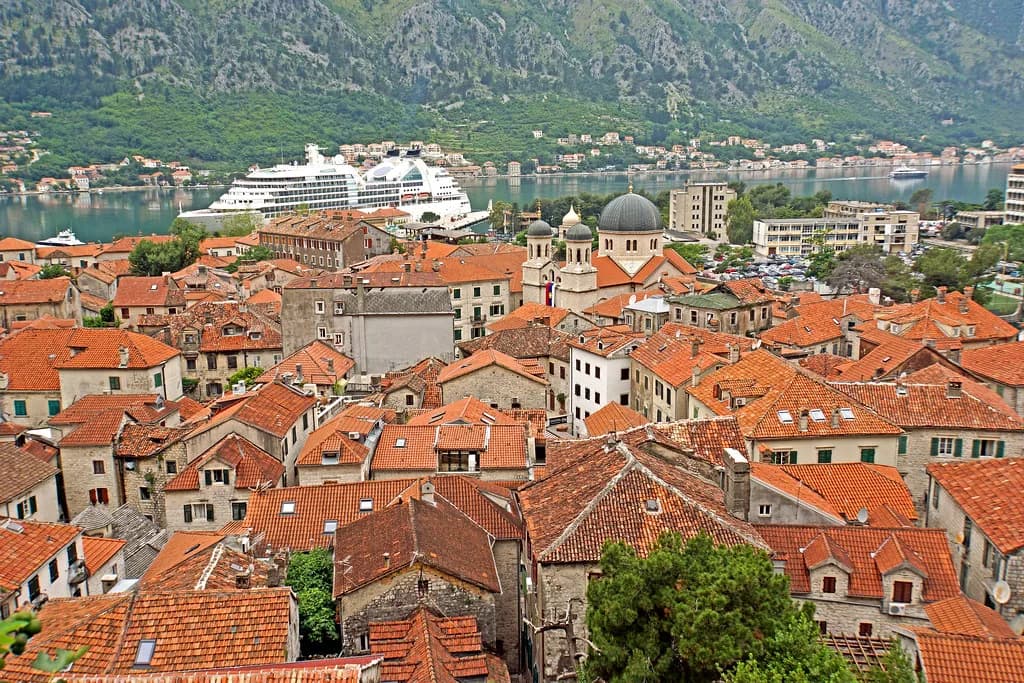
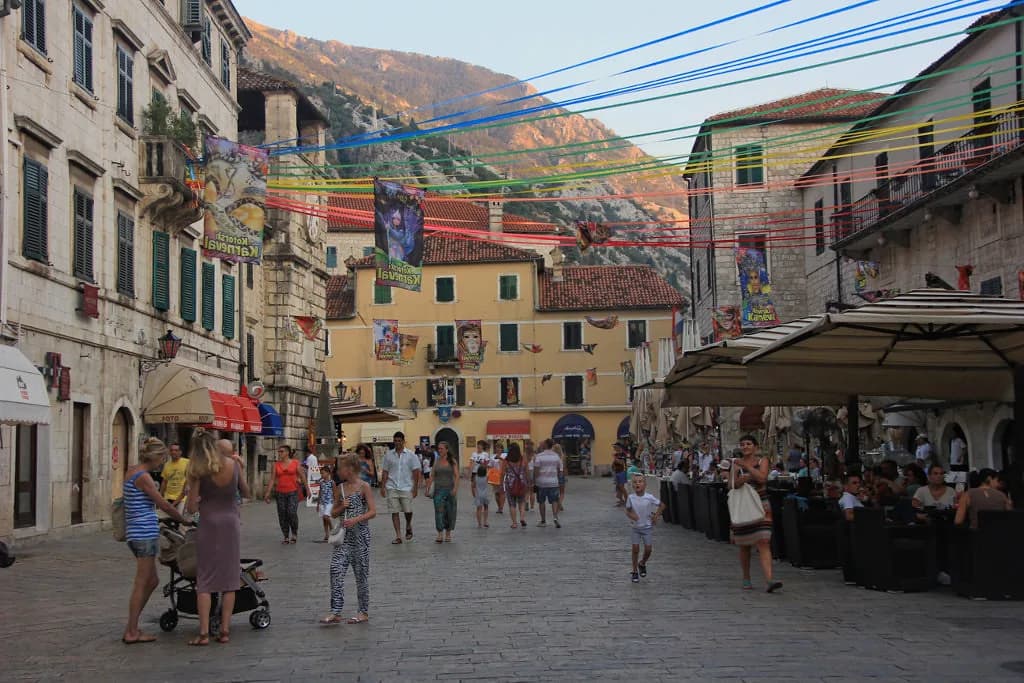
The Sea Gate is the main entrance, reached from just outside the marina, and most walking tours gather at the information desk in front of it. Step through into the Square of Arms and you meet the Kotor Clock Tower, the natural place to get your bearings before diving into the alleys. From here the Old Town opens in every direction, and the tourist information booth nearby is the place to pick up a town map.
Walking tours leave from this gate, and if you want context as you go, a guide is the quickest way to make sense of the Venetian buildings. A tip-based tour or an agency walk both cover the same compact centre, so pick one that starts at the Sea Gate and finishes inside the walls.
Walk the Old Town: St Tryphon's Cathedral and the other churches
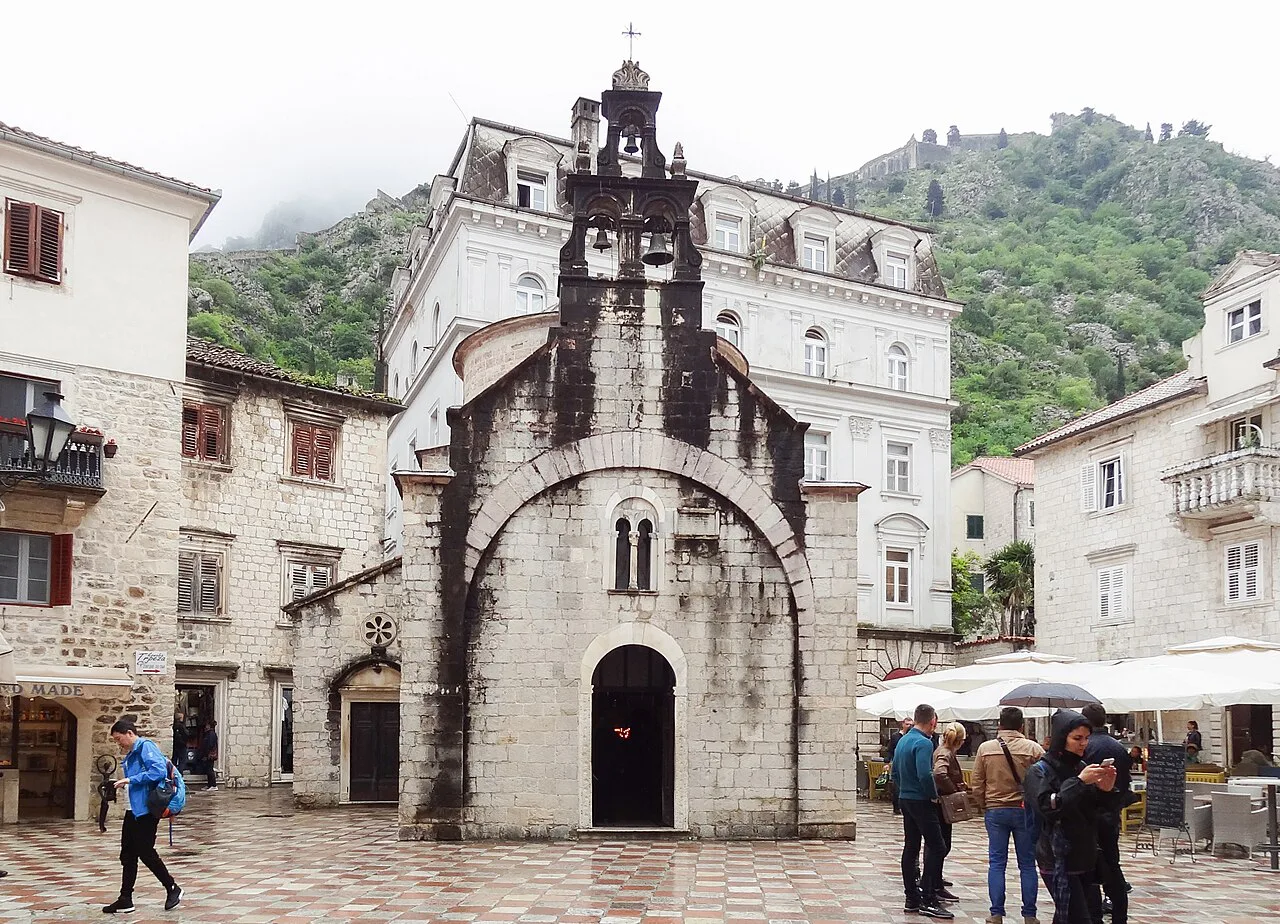
Four churches sit within easy reach of one another and give the Old Town its shape. St Tryphon's Cathedral is a 12th-century Catholic church near the Palace of the Drago Family, with a small museum on its second floor. Saint Nicholas Church is the large Serbian Orthodox church with a striking interior, and Saint Luke's Church is a small 12th-century building across the same courtyard. The Church of St Mary Collegiate, in the northeast corner of the walled town, keeps preserved frescoes and a bronze door covered in bas-reliefs.
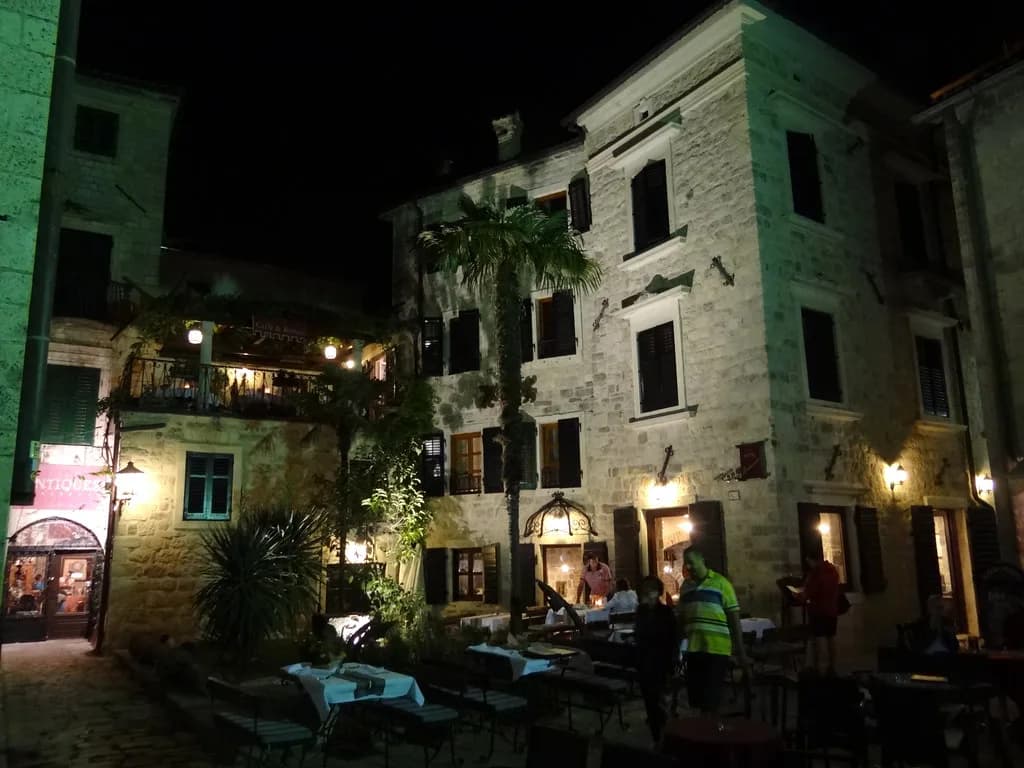
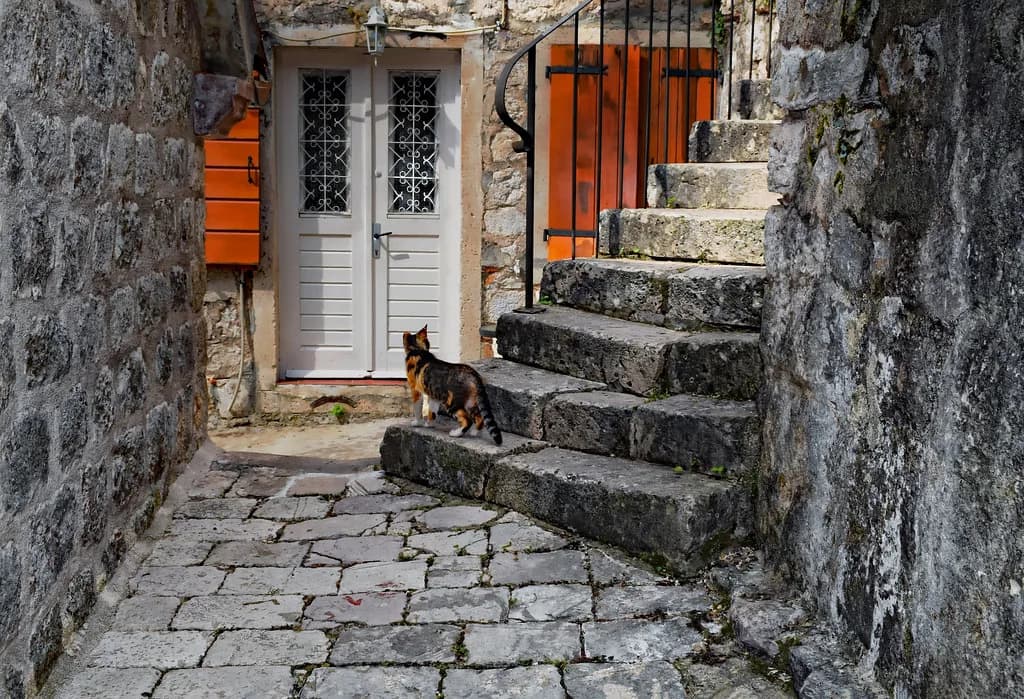
The lanes connect even when you feel disoriented, so the most rewarding approach is to wander and look up at the stonework and the cats that gather in the shaded courtyards. Restaurants and small shops fill the ground floors, which makes the Old Town an easy place to break up a day of sightseeing. If you want to carry on browsing rather than sightseeing, the shopping in Kotor is concentrated in these same streets.
Between the churches, Kotor is a good place to eat, and the Old Town's kitchens lean on Adriatic fish and simple pasta. Booking matters in high season, when the enclosed streets fill up and the best tables go early. The best restaurants in Kotor are spread across the lanes and the waterfront rather than in one square, so pick a direction and walk.
The Maritime Museum: entry price, opening hours and the audio guide
The Maritime Museum occupies a three-storey historic building and tells the story of Kotor as a port, with model boats, old weapons, naval paintings and an ethnography section of furniture, ornaments and folk costumes. Allow about an hour, and take the audio guide that comes with the entry price. The museum charges €6, opens in summer from 9am to 6pm and in winter from 9am to 3pm, with shorter hours of 9am to 1pm on Saturdays and holidays.
The museum is also a sensible refuge when the sun is at its strongest or when rain pushes you indoors, since it sits inside the walls and needs no booking. Pair it with the churches nearby and you have covered the town's indoor sights in a single block of the afternoon.
Find the other two gates: the River Gate and the Gurdić Gate
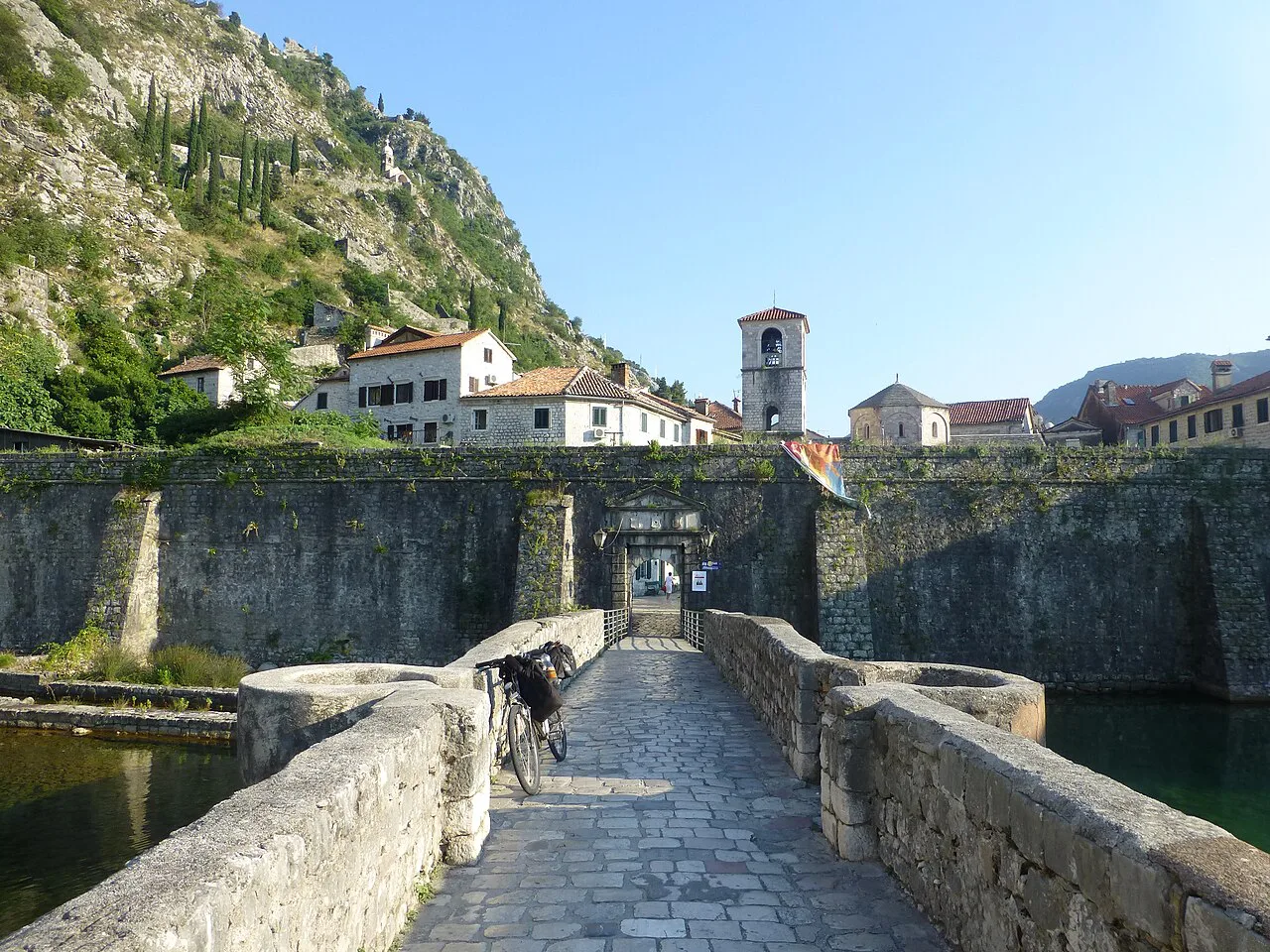
All three gates date to the 16th century, and each gives a different way into the walls. The River Gate on the north side is reached across a stone footbridge over the short Škurda river, with good views of the Kampana Tower and the city walls. The Gurdić Gate to the south is crossed by a small wooden drawbridge, is the quietest of the three, and sits by a shallow, clear inlet; a few metres inside, a stairwell climbs to views over the top of the walls.
Treat the gates as route markers rather than monuments to tick off. Coming in through the River Gate puts you close to one fortress trail entrance and the north side of town, while the Gurdić Gate is the easiest way to reach the wall walk without the crush at the Sea Gate.
Climb to St John's Fortress: the official trail, the fee and the morning start
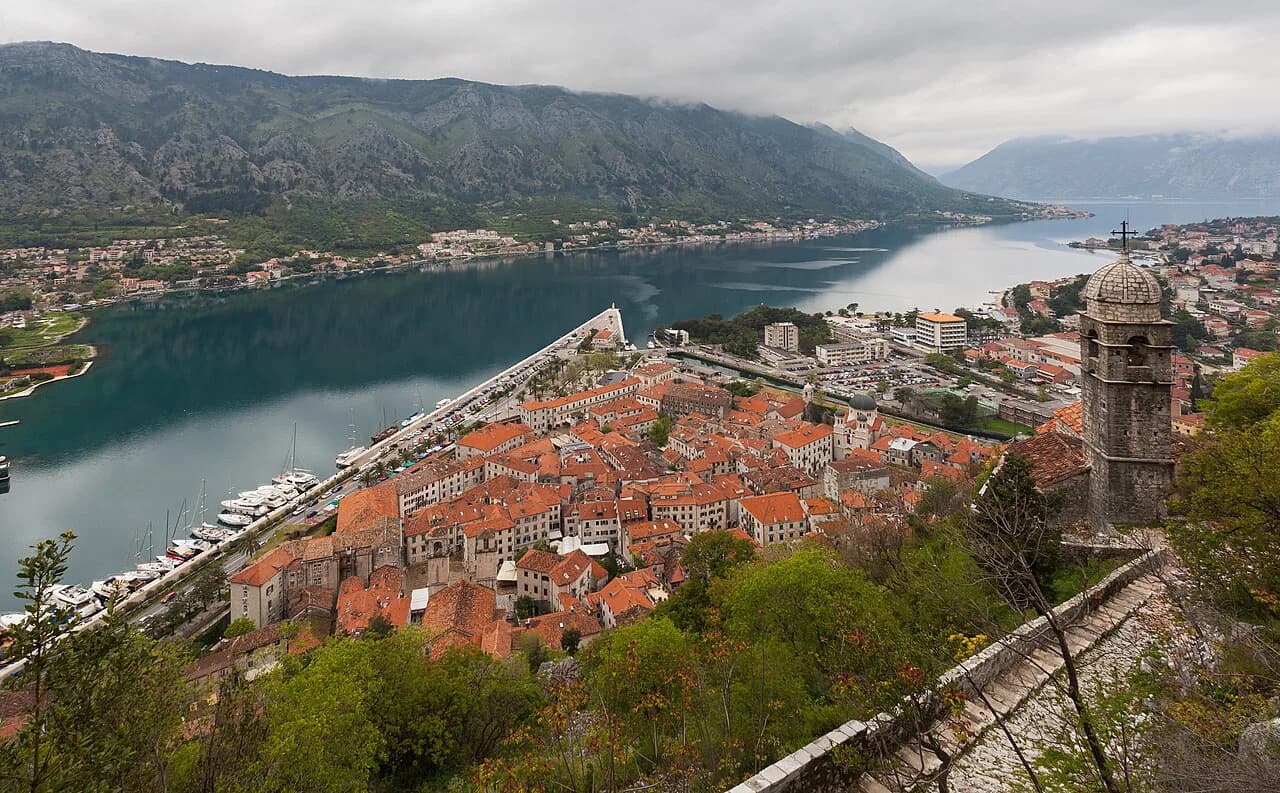
The climb to St John's Fortress, also called the Castle of San Giovanni, is the defining Kotor activity, and the official trail runs up more than 1,300 stairs. The published hours are 8am to 8pm, and the entrance fee is €8; walkers who start before 8am pay nothing. Entrances sit in the Old Town near the River Gate and behind Trg od Salata.
Allow roughly 45 minutes for the ascent, wear proper shoes rather than flip-flops, and expect the path to be busy after 10am. Go early for cooler air and clearer photographs. The route is easy to follow, and a stop at the Church of Our Lady of Remedy on the way down breaks up the descent.
If the full climb sounds like too much, the views start well before the top, and turning back halfway still gives you the bay spread out below. Carry water and snacks, since the fortress itself is not well maintained and only occasional sellers offer drinks. For a wider choice of viewpoints and how they compare, see the Kotor Old Town Views guide.
The Ladder of Kotor as an alternative way up to the fortress
A second route, known as the Ladder of Kotor, starts outside the Old Town and joins the main path higher up. It takes longer but involves fewer stairs and carries no entrance fee. After roughly 30 to 40 minutes of climbing you reach a large window in the rock that you pass through to reach the official trail, and the opening can be closed at times, so check before committing to this way.
The trade-off is real: the Ladder is quieter and gentler on the knees, but the final stretch through the window is awkward with small children or a dog. The official stair trail is better marked and better for anyone unsure of their footing.
Take a boat trip on Boka Bay and out to Perast
Boat trips from Kotor run out across Boka Bay and typically combine the two island churches with time in Perast, which is 15 to 20 minutes away by road. On the water you get the classic view back towards the walls and the mountains behind them. Our Lady of the Rocks takes 30 minutes to an hour ashore, and there is not a great deal to do once you land, so go for the crossing and the setting on a clear day rather than for a long visit.
A boat tour is the easiest way to see both islands in one go without driving, and it frees you from finding a cab at each end. Operators set their own routes and departure times, so compare what each crossing includes before booking. Kotor boat tour options differ in how long they give you at Perast, and the Kotor Boat Tours page sets out what to look for.
Our Lady of the Rocks and the island of Sveti Đorđe: what the trip covers
Two small islands sit out in the bay off Perast, each with a church and monastery, and the sight of the buildings floating in the water is the reason most people make the crossing. Boat trips usually circle Sveti Đorđe and land on Our Lady of the Rocks, where you can step ashore and look back at Perast from the water. Exact landing arrangements vary by operator, so confirm which island you actually get off on when you book.
If you would rather arrange it yourself, you can reach Perast by road and take a short crossing from the waterfront. Buses between Kotor and Perast run roughly every hour, so check the timetable before setting out for the return leg. A cab one way and the bus back is a workable combination.
Perast in half a day: the bell tower and lunch
Perast deserves more than the twenty minutes a boat stop allows. Climb the bell tower of the Church of Saint Nicholas for the best view over the two islands, then eat at one of the waterfront restaurants before heading back. A half day covers the tower, the shoreline and a leisurely lunch without hurrying.
Keep the afternoon free if you can, because Perast is at its best once the morning tours have moved on. If you are working to a tight schedule instead, the one day in Kotor plan shows how to fold Perast into a single day.
Walk the bay shore at Muo for a swim and a quieter side of Kotor
Muo sits across the water from Kotor, a five-minute drive or an easy fifteen-minute walk around the bay. The water there is salt sea without waves, so you can float rather than fight a surf, and locals swim straight off the shore. There are no tourist beaches, just the bay and the mountains, which makes it a calm way to end the day.
The walk back into town is short enough to do without a car, and staying on this side means quieter mornings. If you want more time on the water, Kotor kayaking gives you another angle on the bay at your own pace.
How long you need: half a day, a full day or two to three days
Half a day covers the Old Town, the gates and either the museum or a shortened fortress climb. A full day adds the climb at dawn, a proper lunch and an afternoon boat trip to Perast. Two or three days let you spread the Old Town over two visits, add inland Montenegro or Budva as a day trip, and still have time to swim.
Build the itinerary around the fortress and the boat, which are the two fixed points, and let the churches and museum fill the gaps between them. A Kotor itinerary with the walking grouped by area saves you crossing the town repeatedly. If you are here for one day only, the one-day plan trims the list to what genuinely fits.
When cruise ships are in port, and how that changes the order of your day
Cruise ships dock at Kotor and the town fills on the days they are in, so check the schedule before you set your plan. If a ship is due, climb the fortress first and save the Old Town lanes for late afternoon or early evening, when the day visitors have gone. Between May and September the busy months make this timing matter most.
Staying inside the walls puts you in the middle of the crowds but lets you enjoy the town after they leave, while Muo trades convenience for quiet. Neither is wrong; decide which you value more and plan the day around it.
Practical costs and timings
The two set costs are the fortress trail at €8, free before 8am, and the Maritime Museum at €6 with its audio guide. Boat crossings, taxi fares and restaurant bills are set by each operator or venue and are not listed as fixed rates, so ask before you commit.
On a wet day, the museum and churches keep you indoors and dry. The Kotor on a Rainy Day guide covers the alternatives when the fortress and the bay are out.
Which Kotor day suits your schedule?
With one day, climb to St John's Fortress before 8am, walk the Old Town and the churches mid-morning, then take a boat to Perast and Our Lady of the Rocks in the afternoon. With two or three days, add a swim at Muo and a day trip inland or to Budva. Either way, the gates, the fortress and the bay are the three things worth building around.
Explore more Kotor guides
Frequently Asked Questions
What should you not miss in Kotor?
The climb to St John's Fortress for the view over the bay, the Old Town churches led by St Tryphon's Cathedral, and the boat trip to Perast with Our Lady of the Rocks. Those three fill a day and give you the town, the walls and the water.
Can you see Kotor for free?
Yes. Walking the Old Town, the gates and the shoreline costs nothing, and the fortress trail is free if you start before 8am. The Maritime Museum and the fortress each publish their own entry charges, which the museum and fortress sections above set out.
Sources
Notes for your Montenegro trip
Optional updates to our Montenegro town guides.
You might also like
Continue reading
More guides you'll find useful