Things to Do in Budva: Old Town, Citadel and Waterfront
Plan a day in Budva with its walled Stari Grad, the Citadel and its churches, the Mogren path, the marina and the beaches, plus how long each part takes.
On this page
Budva fits into a single loop: the car-free lanes of the Stari Grad, the citadel and its three churches at the southern tip, then the waterfront and the clifftop path out to Mogren. Give the walled town and citadel half a day, and a full day if you add the Mogren walk and a swim. This guide orders those parts by geography, adds the marina and the places within reach, and sets out how long each piece takes.
The town is compact but not quiet in summer, so timing matters as much as the list. Budva sits on the coast just south of Tivat and its summer season can be very crowded, as To Travel Too notes in its Budva guide, which makes an early start the practical choice for the old town and the beaches. Read on for where each sight sits, what it costs where a source gives a figure, and the trade-offs between wandering, museums and the water.
What there is to do in Budva, in short
Four things anchor a visit: the walled old town, the citadel and churches on its southern tip, the harbour and marina, and the beaches that run east and west from the walls. Each sits within walking distance of the others, which is why Budva works as a half-day stop from Kotor or as a base for a longer stay. The wider Budva attractions guide collects our separate pages on each part if you want to go deeper on one.
Plan by theme rather than by checklist: history inside the walls, shoreline outside them, and the water for boat or paddle trips. Budva is only 15 miles from Kotor, which makes it a natural day trip from the Bay, as Jetsetting Fools sets out in its day-trip guide. Arriving early leaves room for the citadel before the midday heat and a swim afterwards.
Budva Old Town (Stari Grad): lanes, squares and city gates
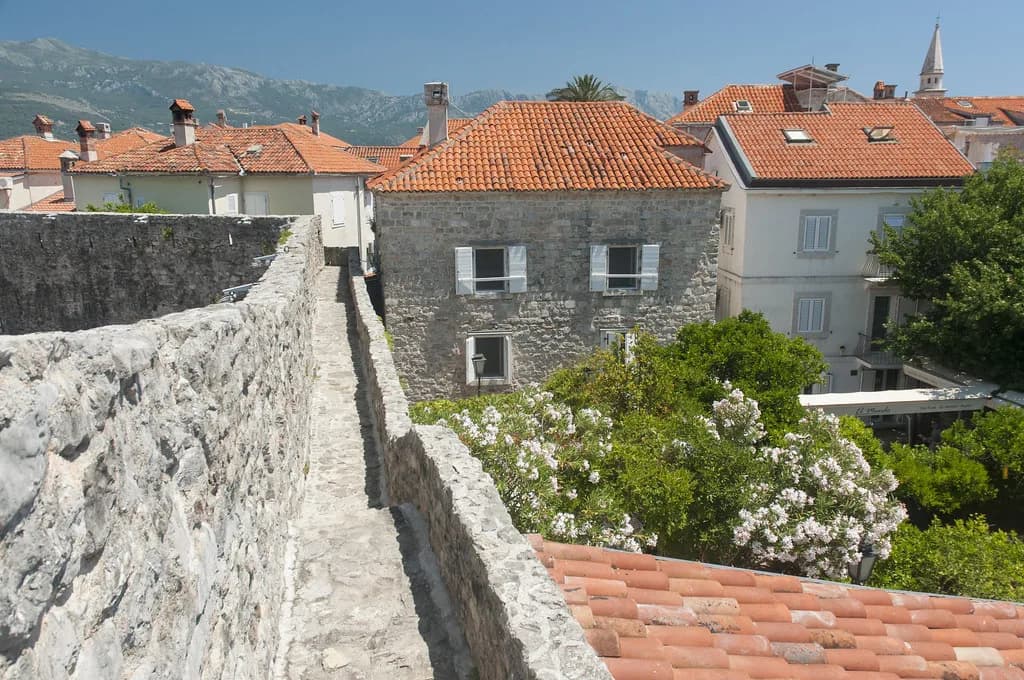
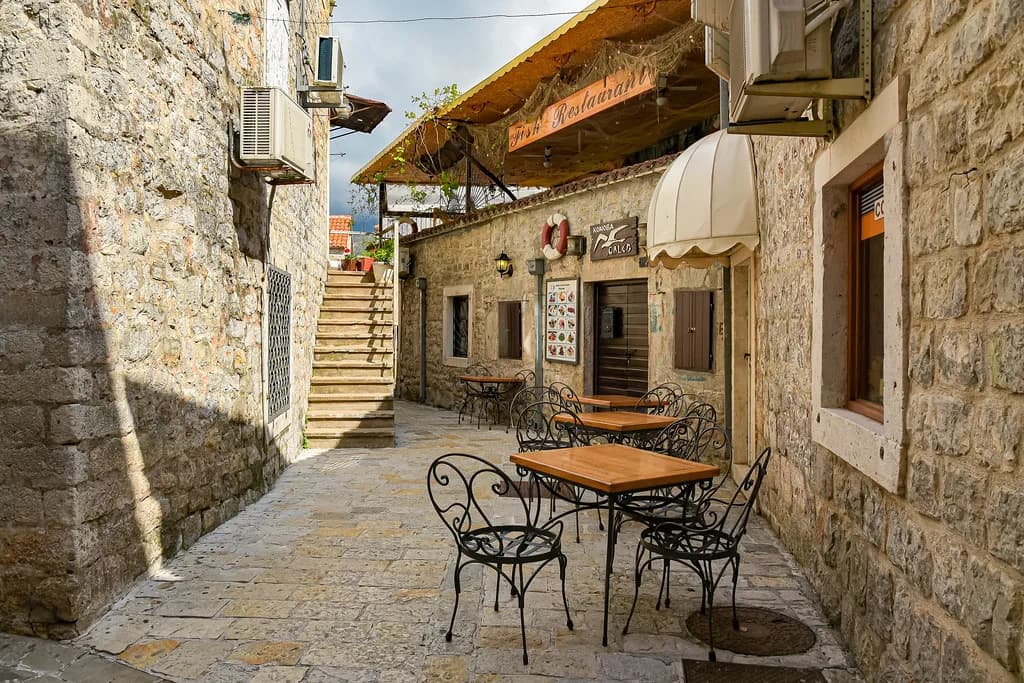
Start inside the walls. Budva old town is car-free, a tangle of cobbled lanes, small squares and souvenir shops where wandering beats following a fixed route; some lanes end at windows over the sea, others at the city gates. It is small and markedly quieter than Kotor's old town, which makes it easy to cover on foot in an hour or two. Our Budva old town page walks through the gates and squares in more detail.
The walls themselves are worth a slow look: built by the Venetians and wrapped around a rocky outcrop, they explain why the town feels sealed off from the modern blocks behind it. For orientation before you go, our Budva Map page shows how the Stari Grad sits against New Budva and the shoreline. Pick up a paper map at a tourist info kiosk if you would rather not navigate by phone inside the lanes.
Time your visit around the day trippers. The old town is calmest early in the morning or late in the evening, once the coaches have gone, and that is when the courtyards and cats-on-steps pace of the place shows through. If you only have an afternoon, accept that you will share the main lanes and aim for the quieter side streets instead.
The Budva Citadel at the southern tip
At the sea-facing corner of the old town, the Budva Citadel was built in the Middle Ages and later expanded with towers and a church; it was once called the Castle of St Mary. Visitors pay a small fee to go inside, where the citadel museum, church ruins and an observation deck with views out to sea are the draw. Budget twenty to thirty minutes inside plus time on the terrace.
Treat the citadel as the pivot of your day: it sits at the far end of the old town, so it works better as a destination than a first stop. Walk the lanes towards it, climb the fortifications, then drop down to the water outside the walls. If you want the fortifications and gates explained step by step, a Budva walking tour page covers the route.
The three churches on the citadel square
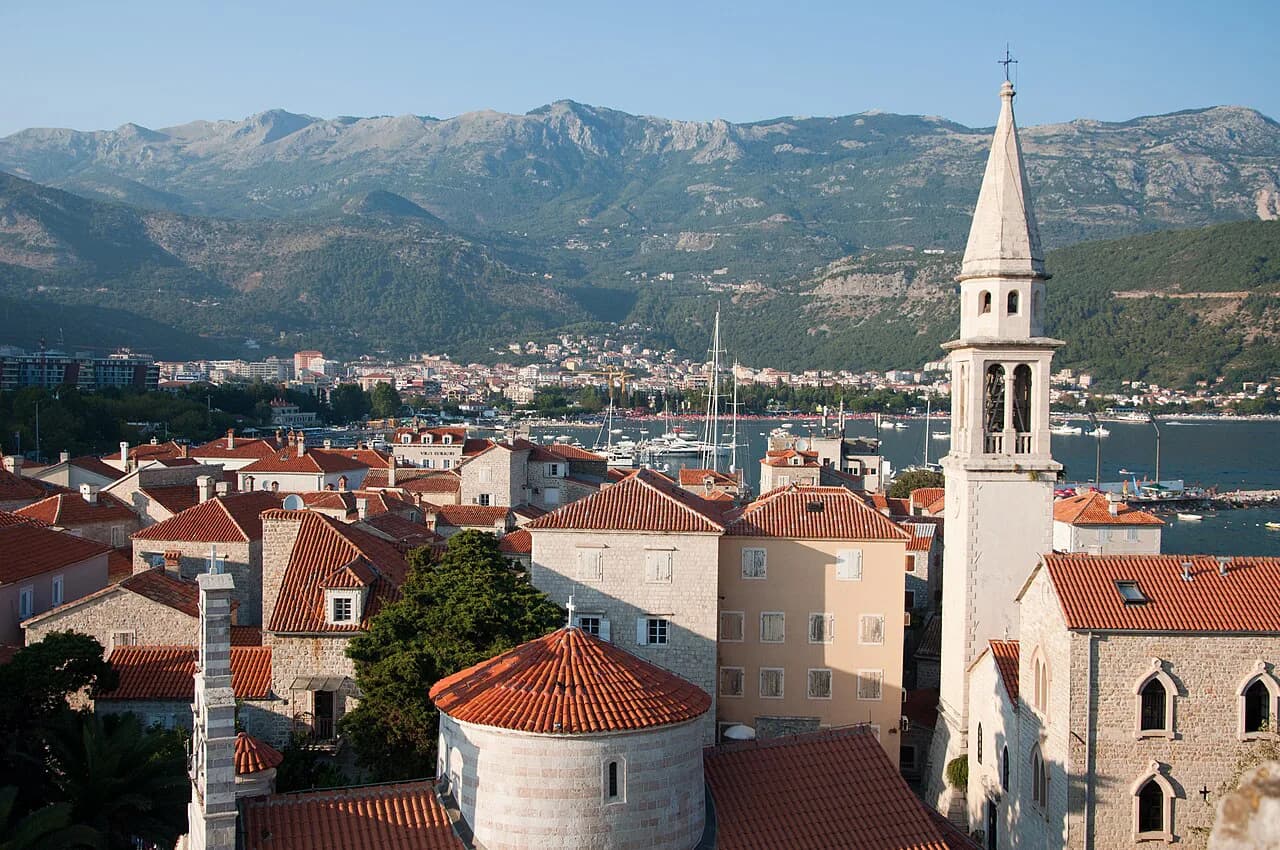
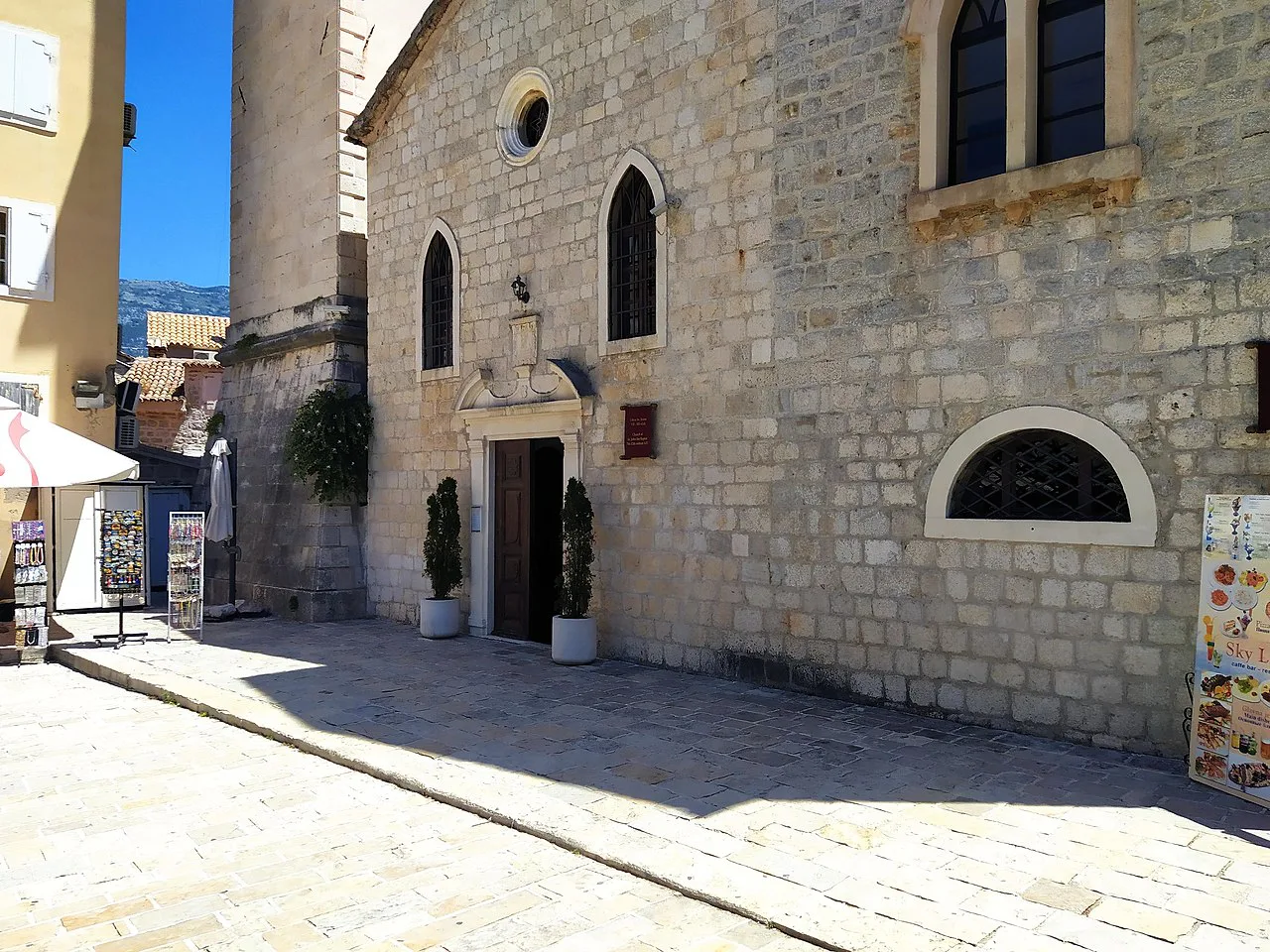
The square in front of the citadel holds three churches that most round-ups blur together. St Ivan Church, also called the Church of St John, is Catholic, Gothic on the outside with a bell tower added in 1867, built on the site of an earlier seventh-century church. Holy Trinity is the small Orthodox church on the square, built in 1804 and decorated with colourful artwork; candles are sold at the back for the votive stands.
The third, Santa Maria in Punta, dates to 840 and is built into the town walls; today it houses a café and hosts occasional performances and art displays. Look at the three together for the contrast between Gothic, Orthodox and the small wall church, then step back out to the square for the group photograph the setting invites.
Museums and smaller sights inside the walls
Beyond the citadel museum, Budva holds smaller sights that suit a slower hour: the town museum, galleries tucked into the lanes and tiny chapels that open off the courtyards. Set aside time to step into whatever is open rather than chasing a fixed list; the pleasure of the old town is in the turns, not the tick-boxes.
If you want the background before you walk, read up on Budva history first so the walls, gates and church dedications mean something when you arrive. It also helps you decide which sights deserve your limited time inside the walls and which can wait for a return visit.
The waterfront: Old Town Beach and the gate onto it
Leave the old town through the gate at the end of the main street and you are on Old Town Beach, also called Plaza Ricardova Glava, tucked under the city walls. A large beachfront restaurant dominates the strip on sunny days, so expect noise and sunbeds rather than solitude. It is the most convenient swim in Budva and the quickest way to see the walls from below.
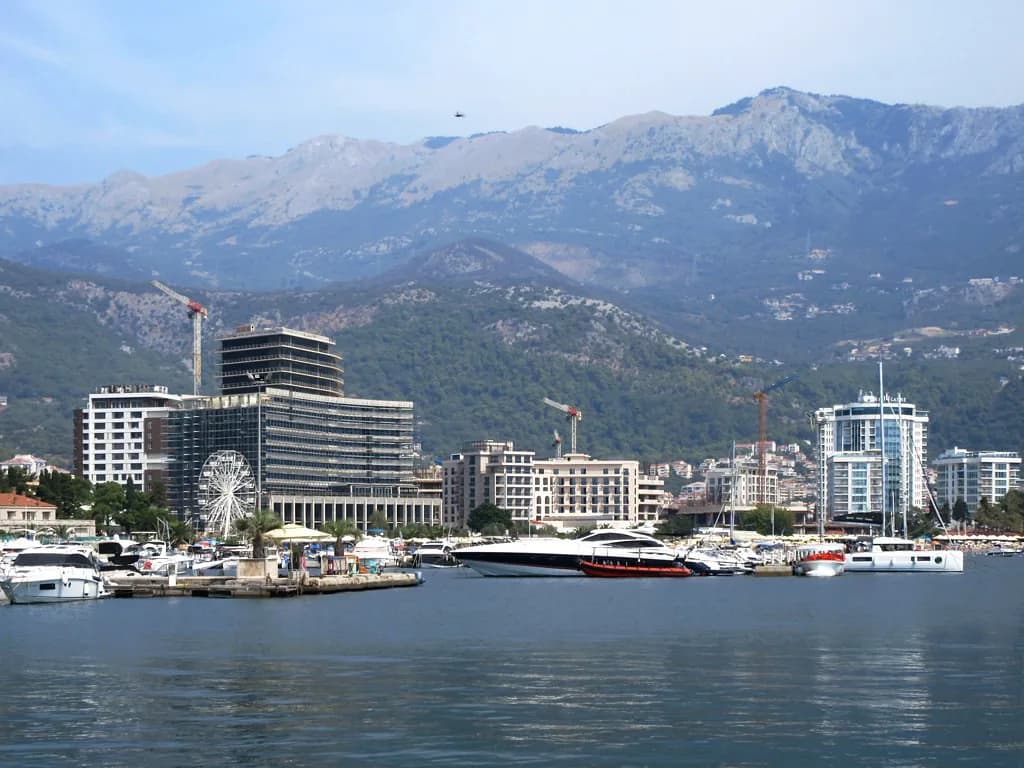
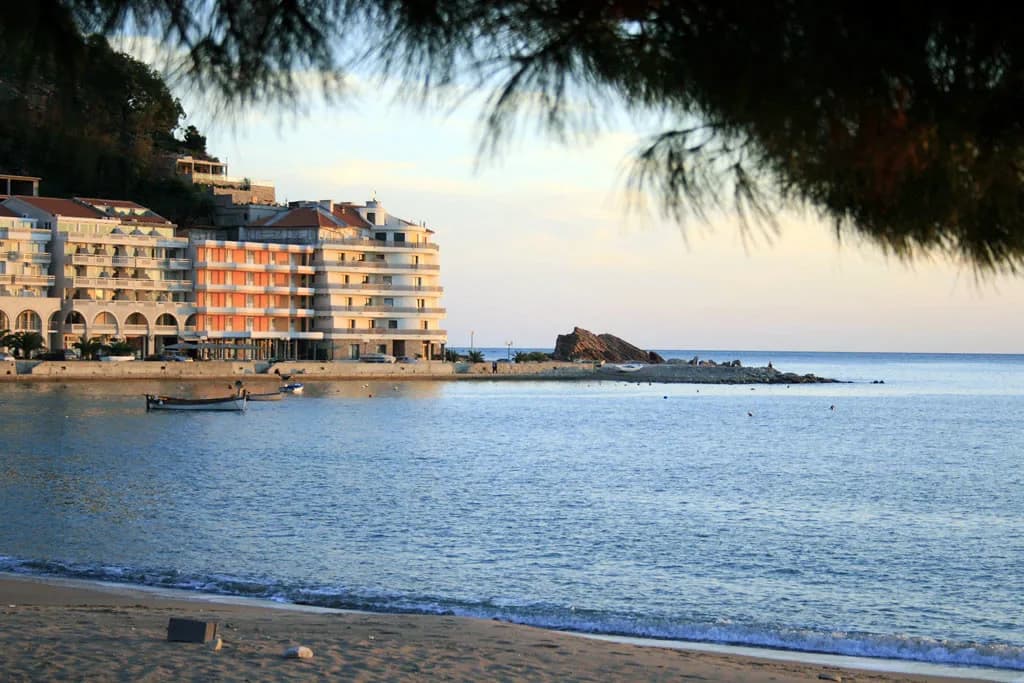
The marina sits beside the old town and makes a gentler walk than the beach: yachts, a sweep of waterfront and the modern town rising behind. From here you can judge whether the water or the lanes suit the rest of your day. Our Budva Boat Tours page covers the options that leave from this harbour if you want to get out on the sea.
The Mogren path and its two coves
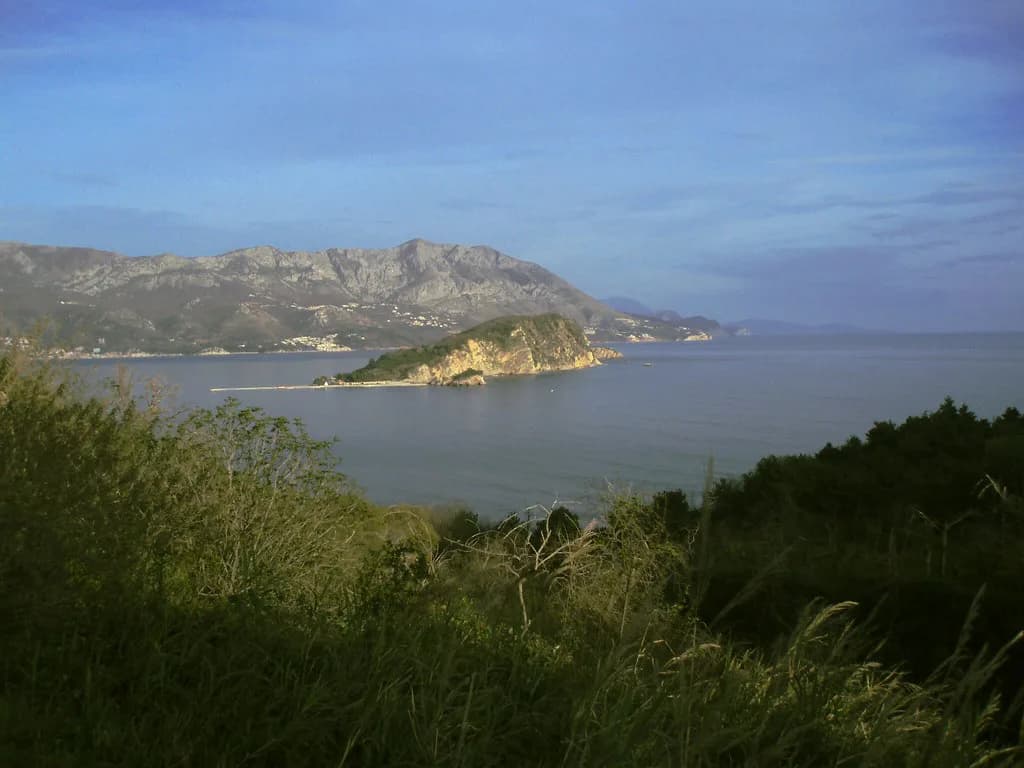
West of the old town, a clifftop path carved into the rock leads to Mogren, two neighbouring coves joined by a doorway in the stone. The path starts near the Ballerina statue, and the walk itself is half the appeal: high cliffs above, the sea below and, from the stretch between Mogren and town, one of the best views back to the old town. It is a short walk from the walls, yet feels tucked away.
In summer, arrive before 10am if you want space on the sand, and head through the door in stone to Mogren 2, which tends to be quieter. Facilities are limited to a small café on the second beach, so bring what you need for the day. Further west along the shore you reach the quieter Calypso Beach and, beyond it, the long sandy run of Jaz Beach.
The Ballerina statue and the best views back to the old town
The Ballerina statue, or Dancer from Budva, stands on a rocky outcrop a short walk from the old town walls, bronze and about 1.7 metres tall. It marks the start of the Mogren path, so most visitors pass it twice in a day. The viewpoint near the statue is where you get the classic picture of the old town from the water side.
Come back at sunset if you can: the light on the walls from the path between Mogren and the town is at its best then. Otherwise, take the shot in the morning on your way to the beach and save the evening for the lanes.
Eating in Budva around the old town
Seafood is the obvious order on this coast, and the lanes and squares inside the walls are full of restaurants and cafés competing for the same day-trippers. For a calmer meal, walk a few minutes out of the old town or eat late after the coaches leave. Our guide to the best restaurants in Budva picks out the addresses worth your time.
Budget matters more than cuisine here: the closer to the main square and the beach, the more you pay for the setting. The euro is the currency throughout Montenegro, so bring cash or check with the venue whether cards are accepted before you sit down.
Podmaine Monastery and what lies beyond the centre
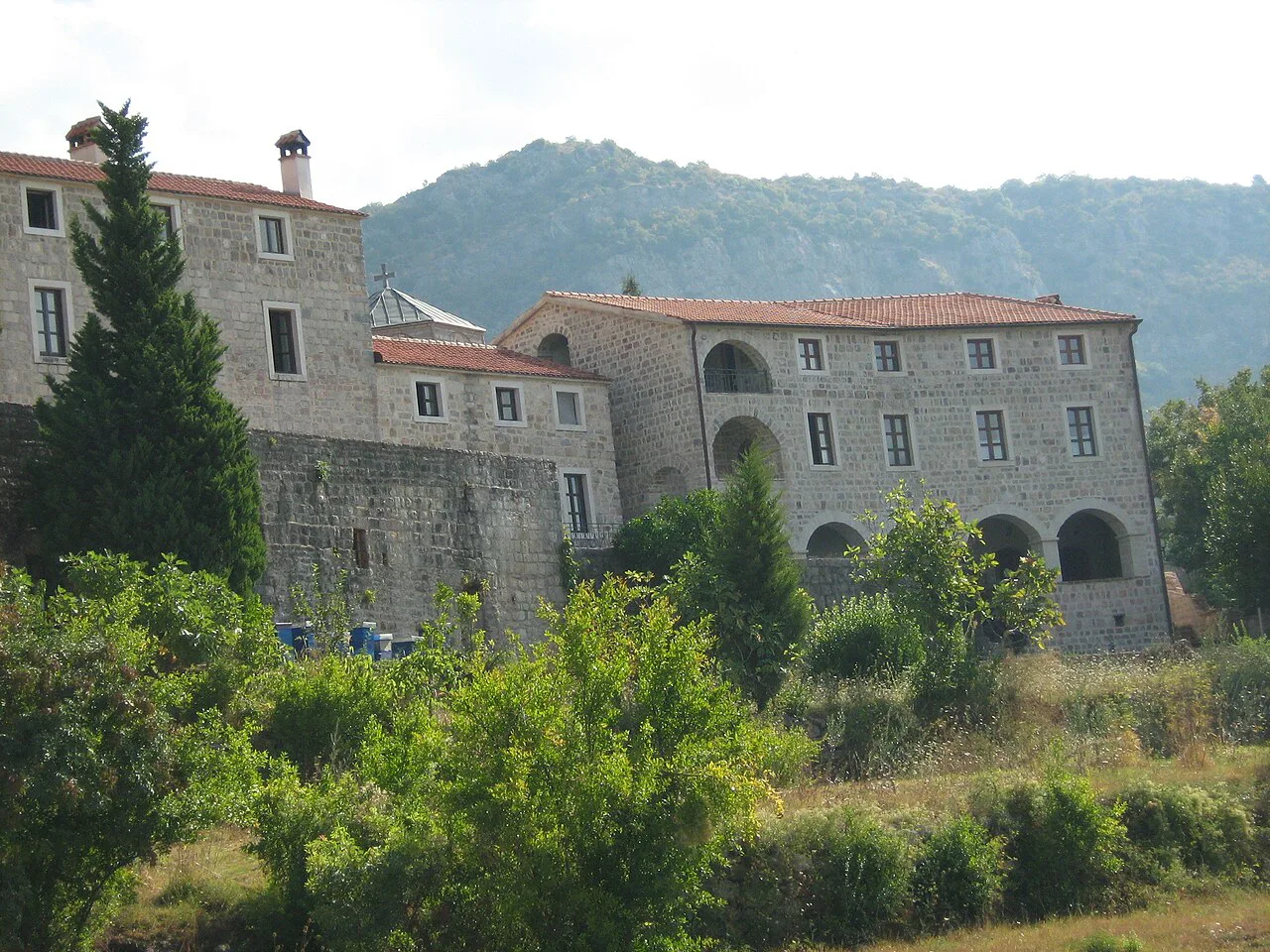
Beyond the old town and marina, Podmaine Monastery is a sight within Budva itself, a short detour from the beach strip and a change of pace from the lanes. The coast either side of town is lined with resorts, shopping and entertainment rather than sightseeing, which is why the walled centre holds most of the visitor's attention.
If you are staying along the coast beyond Budva, Bečići: What There Is to See Beyond the Beach covers the neighbouring strip and what you can reach from it on foot. It is a useful way to plan a morning away from the old town crowds.
Places within reach of Budva: Sveti Stefan, Lovćen and Cetinje
Budva makes a good base for the southern coast and the mountains behind it. Sveti Stefan lies along the coast, and Jetsetting Fools includes it among the trips worth making from town. Allow a half day for the round trip and check how you will travel before you commit, since the coast road is the obvious route.
Inland, Lovćen and Cetinje reward a full day rather than an afternoon, and readers regularly pair Kotor and Budva in one trip, with Kotor as the walled base and Budva as the beach stop. Our Kotor Old Town guide covers the churches, walls and gates on that side of the bay. If you are weighing another walled coastal town against this one, our guide to things to do in Herceg Novi compares its fortresses, old town and waterfront with Budva's.
How long Budva needs: half a day or a full day
A half day covers the old town lanes, the citadel and its three churches, the waterfront and a coffee. That is the right shape for a day trip from Kotor: arrive mid-morning, walk the walls, eat, and leave before the afternoon heat. A full day adds the Mogren path, a swim and the Ballerina viewpoint, which is where most of the photographs come from.
If you are staying longer, add Podmaine Monastery, a boat trip from the marina or a paddle to the coastal caves, and keep one day for Sveti Stefan or the mountains. Two days is enough to see Budva without rushing, and a third lets you take a day trip.
How to reach Budva from Kotor and where to start
Budva is 15 miles from Kotor, which makes a bus, taxi or car the practical options, and most day trippers arrive from the Bay. Start at the old town: the gates lead straight in, and the lanes give you the layout before the heat builds. The harbour and marina are a short walk from the walls if you prefer to begin with the water.
Within town, everything in this guide is walkable, and the clifftop path to Mogren is the only stretch that needs proper shoes. Our Budva page gathers the practical detail, and our things to do in Kotor guide covers the town on the other side of the bay if you are splitting your time.
Is the citadel worth the small fee?
Yes, if you have an hour to spare: the citadel gives you the sea-facing walls, the church ruins and the observation deck in one stop, and it anchors the southern end of the old town. Skip it only if you are pressed for time and would rather spend the hour on the Mogren path, which costs nothing and delivers the best views of the walls.
Whichever you choose, go early, walk the lanes before the coaches arrive, and leave the afternoon for the water. Our Budva Old Town page and Budva Map page cover the layout in detail so you can plan your route before you arrive.
Explore more Budva guides
- Best Restaurants in Budva
- Bečići: The Resort Village Between Budva and Rafailovići
- Budva Boat Tours
- Budva Map
- Budva Old Town
- Budva Riviera
- Budva Viewpoints
- Paragliding in Montenegro
- Rafailovići
- Sveti Nikola Island (Hawaii), Budva
- Budva History
- Budva Itinerary
- Budva Kayaking
- Budva Market
- Budva Parking
- Budva Promenade
- Budva Tours
- Budva Walking Tour
- Budva's Ballerina Statue
- Cafes in Budva
- Churches in Budva
- Museums in Budva
- One Day in Budva
- Shopping in Budva
Frequently Asked Questions
How many days in Budva is enough?
One full day covers the old town, the citadel, the waterfront and a swim at Mogren. Two days lets you add Podmaine Monastery and a boat trip from the marina, and a third gives you time for Sveti Stefan or the mountains behind the coast.
Is Budva quieter than Kotor?
The old town is smaller than Kotor's and markedly quieter, though both fill up when day trippers arrive. Budva is calmest early in the morning and late in the evening, once the coaches have gone.
Sources
Notes for your Montenegro trip
Optional updates to our Montenegro town guides.
You might also like
Continue reading
More guides you'll find useful