Island of Flowers, Tivat: the Monastery of St Michael the Archangel
The Island of Flowers near Tivat holds the monastery of St Michael the Archangel, ruins of the old monastery and the 19th-century Holy Trinity church.
On this page
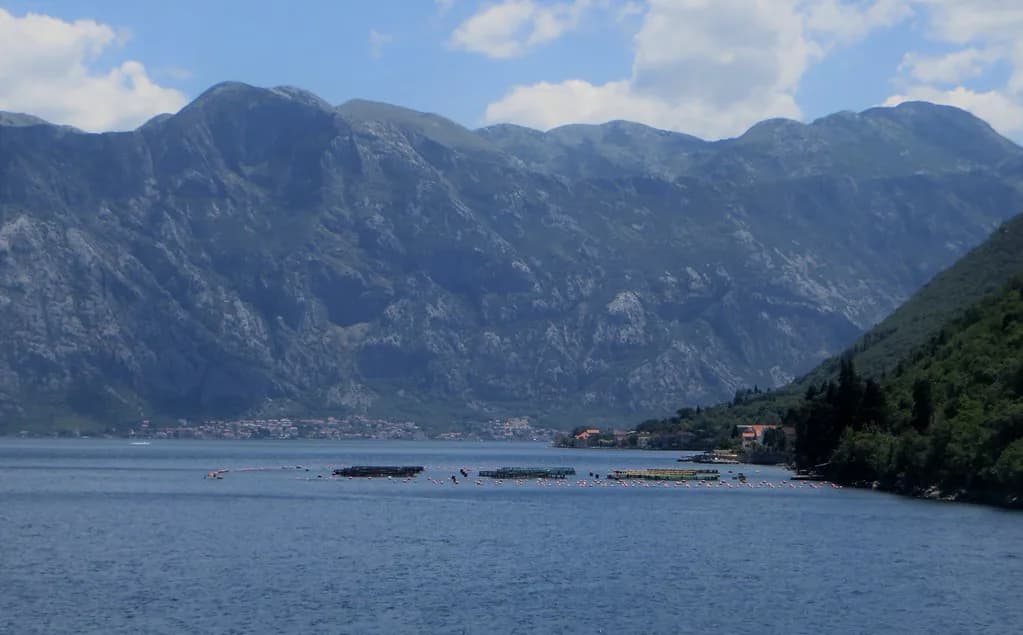
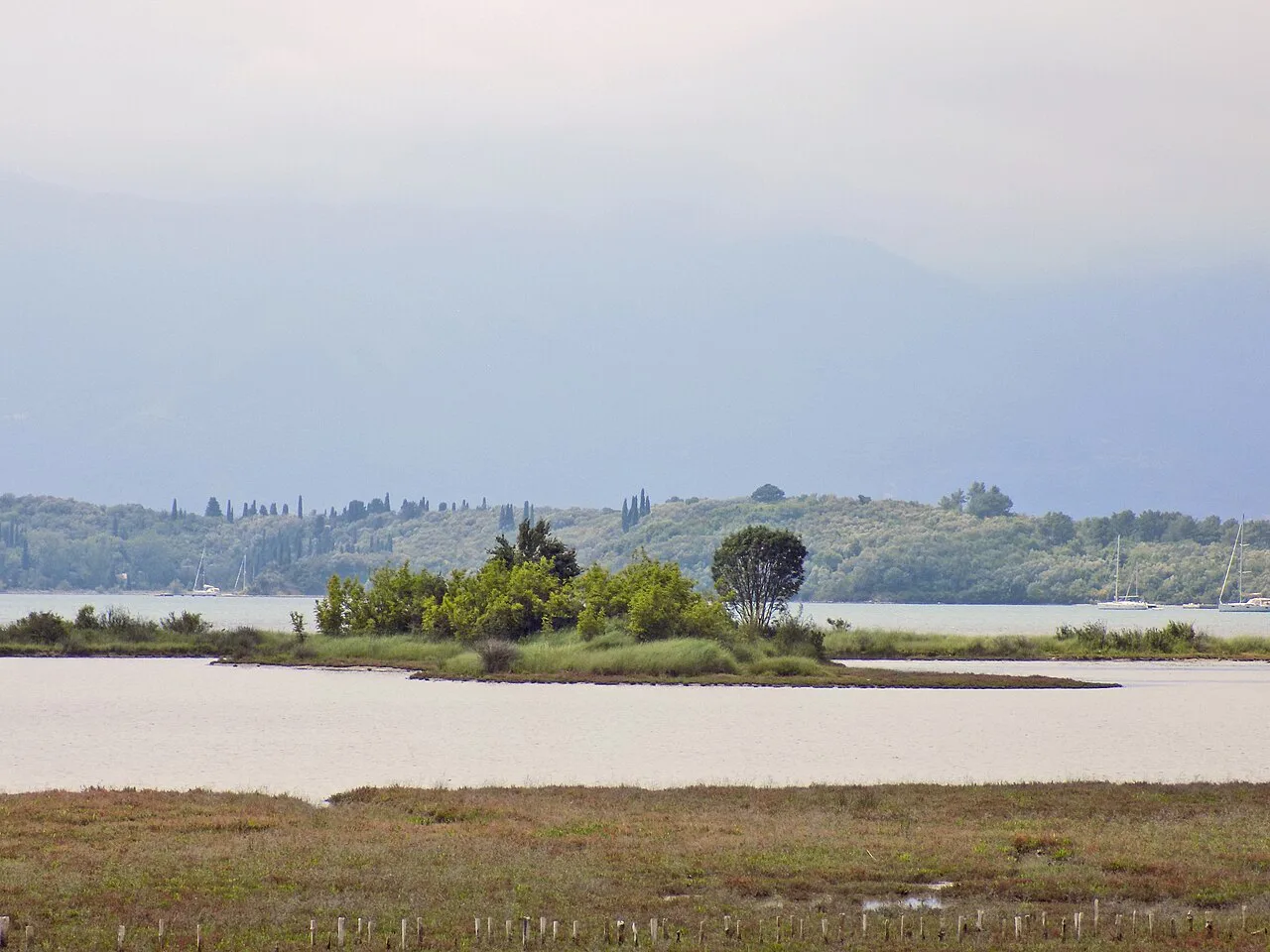
The Island of Flowers is a small island beside Tivat in the Bay of Kotor, joined to the mainland by a narrow isthmus, and its draw is one compact religious site rather than a day out. On 300 m by 200 m of ground you find the monastery of St Michael the Archangel, the remains of the older monastery, and the Holy Trinity church built in 1833. This guide sets out the three names the place appears under, what each part of the site is, and the conduct a working Orthodox monastery expects.
What the Island of Flowers is and where it sits
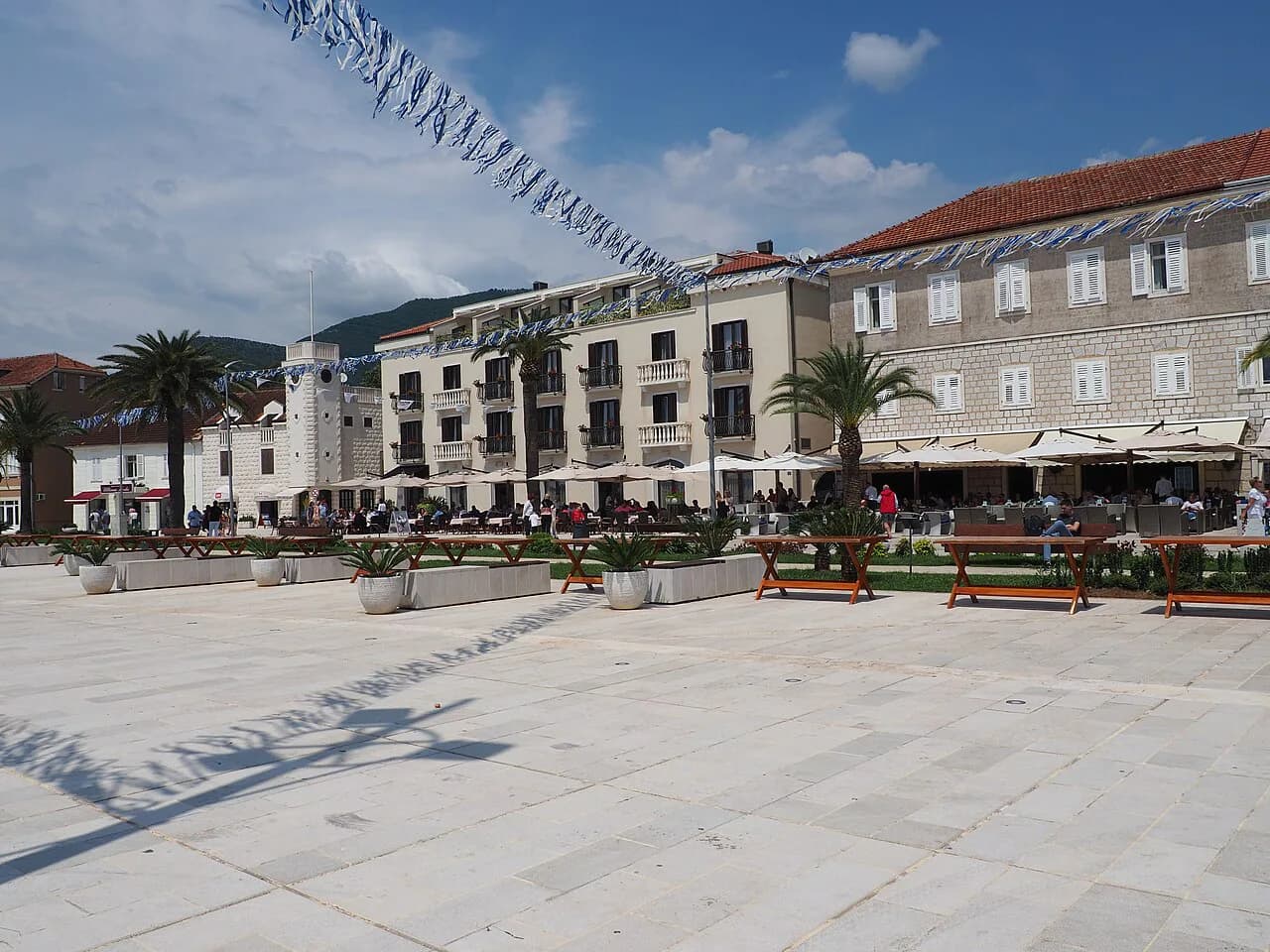
The island lies in Tivat municipality on the Montenegrin Littoral, close to the town of Tivat in the Bay of Kotor. It measures roughly 300 m long and 200 m wide, and a narrow isthmus links it to the mainland, which is why you arrive on foot rather than by boat. About a hundred people live on the island, mostly in bungalows.
Treat it as a coastal stop of an hour or so within a wider day around the Bay of Kotor, not a destination in its own right. The dimensions explain the pace: the monastery, the ruins and the church sit within a few minutes of each other, so the visit is about looking, not covering ground. Pair it with something else on the Luštica Peninsula or the Tivat shore rather than building a day around it alone.
The names you will see on signs: Ostrvo cvijeća, Miholjska prevlaka, Island of St Archangel Michael
The same place carries several names, and knowing them saves confusion when a sign, map pin or timetable uses a different one. In Montenegrin it appears as Ostrvo cvijeća (Острво цвијећа), the literal Island of Flowers; as Miholjska prevlaka (Михољска превлака); and as the Island of St Archangel Michael (Острво Свети Михаило). The English forms you will meet are Island of Flowers and Prevlaka Island.
If a local sign says Miholjska prevlaka, you are in the right place; the name refers to the same island beside Tivat. Search for either the Montenegrin or the English form when planning, and expect maps to place the pin on the Tivat side of the bay.
The monastery of St Michael the Archangel and its ruins
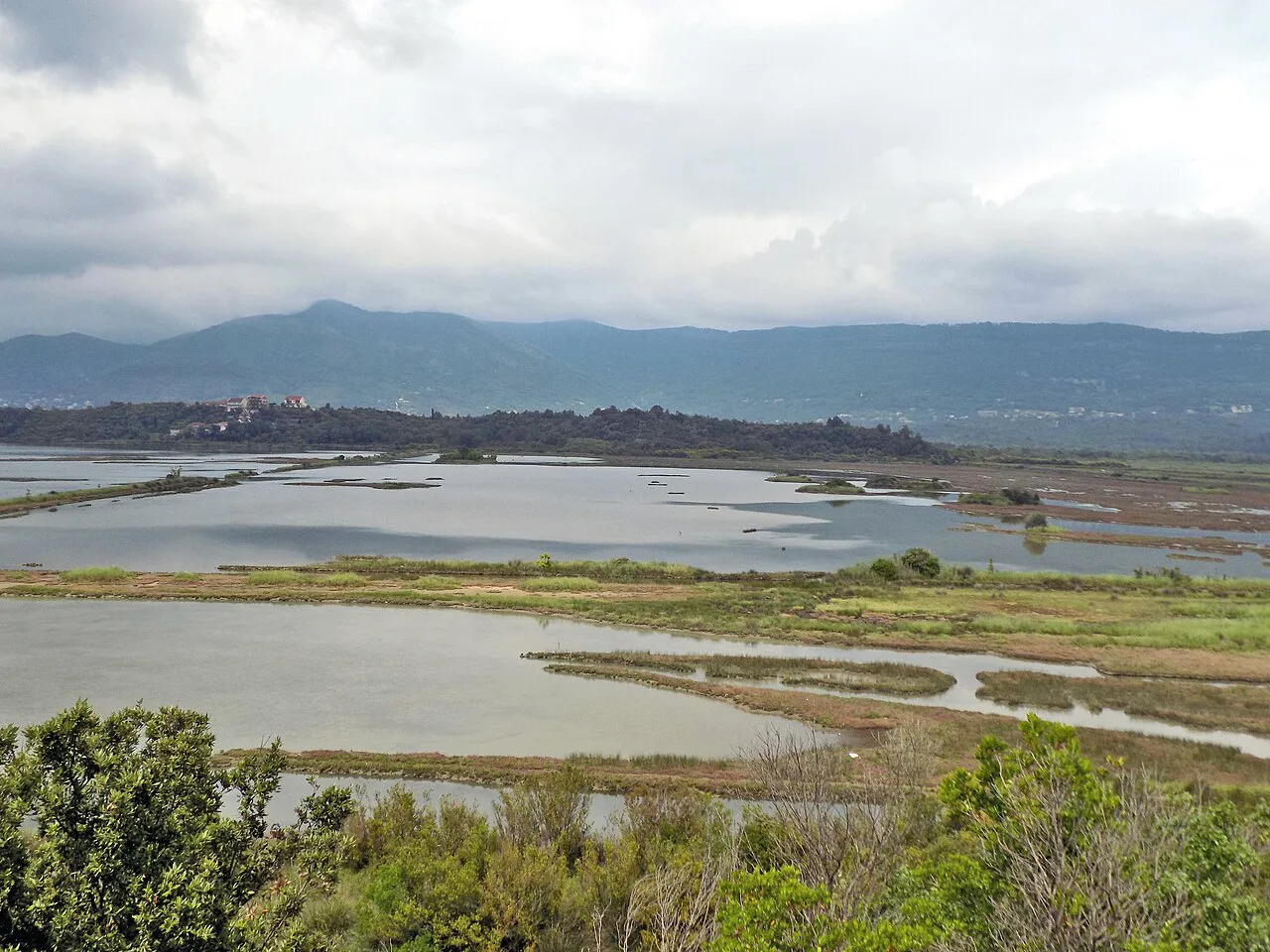
The monastery is dedicated to Archangel Michael and was founded by Serbian Archbishop Sava, who held the office from 1219 to 1235. Its church base was built earlier, reconstructed in the ninth century and destroyed in the eleventh. The monastery then served as the seat of the Eparchy of Zeta between the thirteenth and fifteenth centuries.
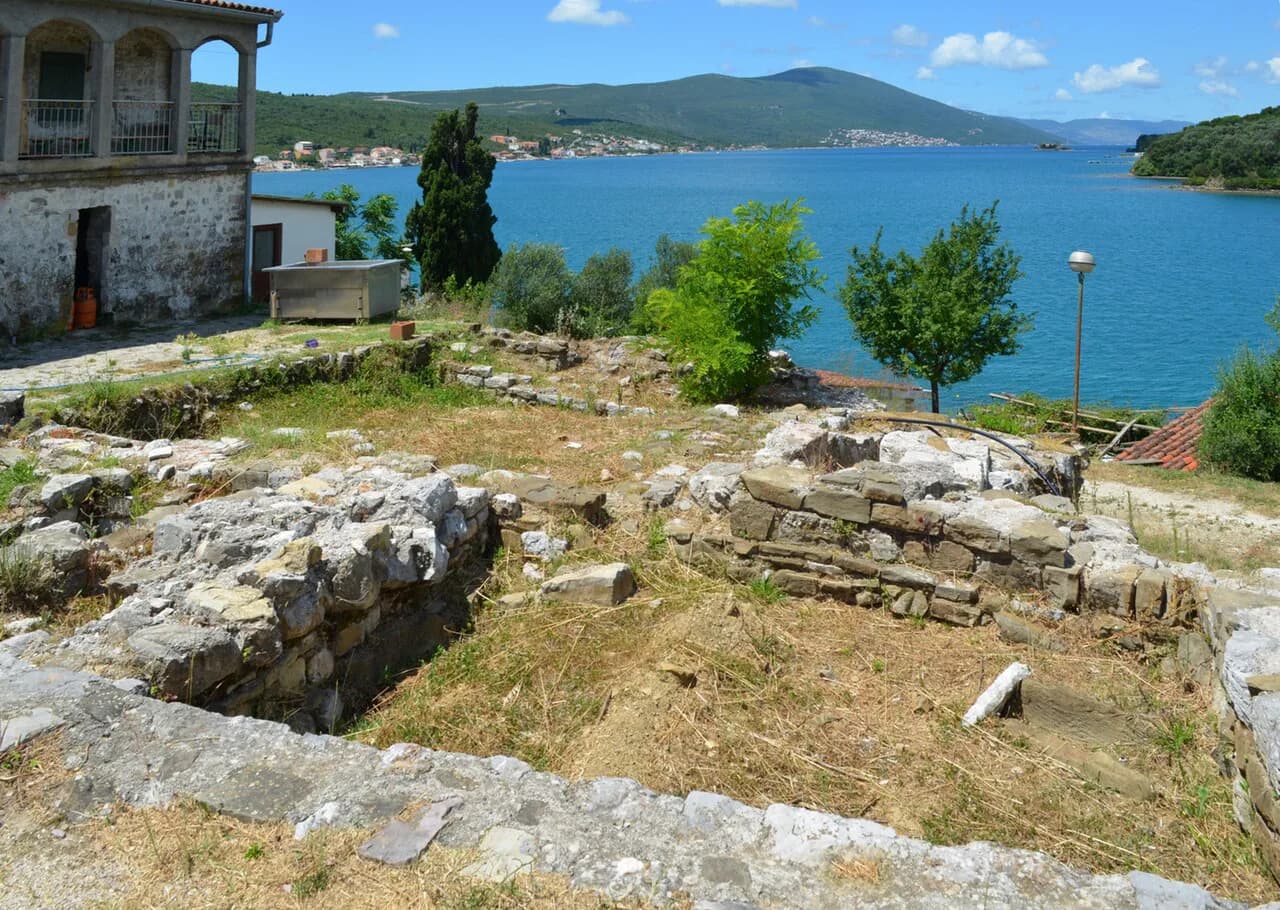
The Republic of Venice destroyed the monastery in 1441 after it was declared unsafe amid rumours of plague. Research by the Military Medical Academy in Belgrade, working from the recovered remains of monks from that period, found that arsenic poisoning caused their deaths, which reframes the plague story as something more deliberate. The ruins of the old monastery survive on the island today.
A monastic community has been on this ground since the sixth century, and the island later became a residence of the Metropolitan of the Serbian Orthodox Church. In the 1950s archaeologists working here found a range of artefacts. The medieval fabric and the later church belong to different building campaigns, so read them as two layers of one site rather than a single structure.
Holy Trinity church: the mosaic gate, the Rose window and the carved interior
A new Orthodox church went up on the island in 1833, and a stone wall surrounds it. Above the gate a colourful mosaic shows the Holy Trinity, to whom the church is consecrated. The churchyard opens views across the Bay of Tivat.
The building follows the local pattern: one nave with a semicircular apse on the east side, and a rose-shaped window above the main entrance. The interior is deliberately plain, its walls hung with only a few icons, and the furnishings are wood with carved detail. The bells in the belfry are the most recent addition to the church.
One icon holds a particle of the relics of an Orthodox saint, and the relics of the island's martyrs are kept in a special chest. Priests and monks returned to the island only at the end of the twentieth century, after a long period when the church did not operate. A small history museum is planned for the site; it is not yet a place you can count on visiting.
What the visit involves and how long it needs
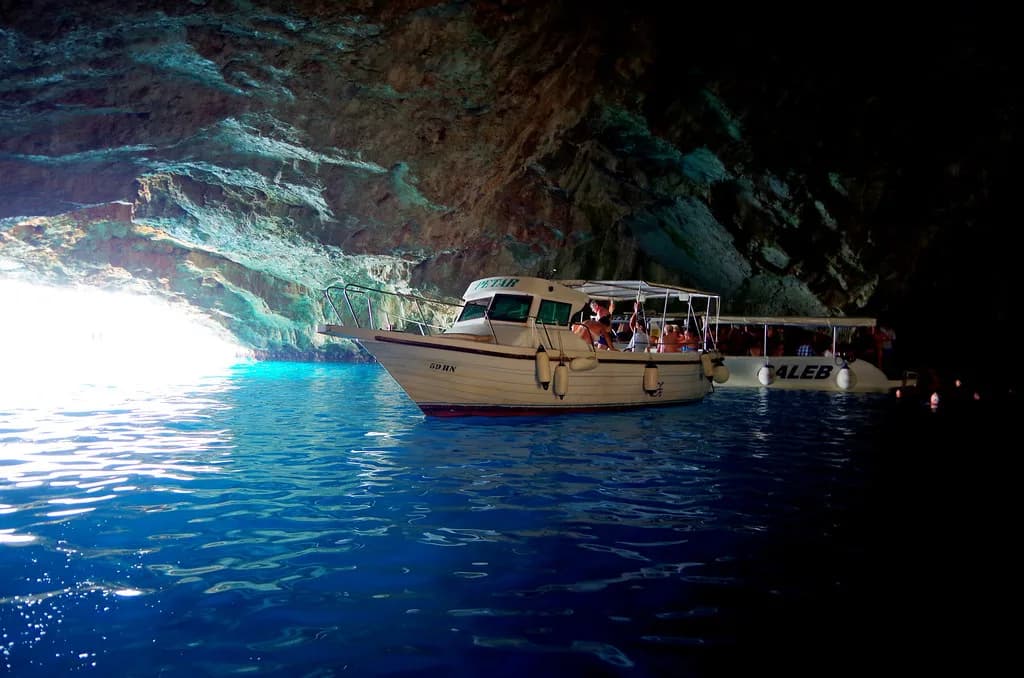
Plan on a short stop. The island is small, the church and ruins are close together, and there is no long circuit to walk; most visitors will see what there is to see inside an hour and move on. Build the rest of the day around the coast either side, whether that means the Blue Cave Montenegro boat trips from the Kotor side or the villages along the Luštica Peninsula.
The monastery is an active religious house, with building work continuing on the island: a new dormitory and storehouses have gone up, and part of the monastery grounds is enclosed by a massive stone wall with an arch over a broad passageway. Expect some areas to be off limits or in use, and keep to the paths around the church and ruins. The island itself is not a beach or a swimming spot, so come for the church, not for a shore day.
For a change of scene nearby without a long drive, Krašići on the Tivat side of the bay gives you a working waterfront village to walk through, which suits the same half-day as the monastery.
Dress and conduct at an active Orthodox monastery
This is a working Orthodox monastery, so dress and behaviour should follow the usual church standard rather than beach wear: covered shoulders and knees for men and women, and a quiet voice inside the church. Photography inside the church may be restricted, so ask before you raise a camera, and do not enter spaces that are cordoned off for the monks.
Visitors are welcome to look, but the site is not a museum with labels on everything; the church, the icons and the chest of relics are objects of veneration for the people who come here. Keep out of the way during services, and treat the churchyard as a place of prayer as much as a viewpoint.
What is not there for visitors
Do not plan around a visitor centre, café or ticketed entrance: the sources describe a monastery with a planned museum, not a managed attraction. The sources give no opening hours, no entry price and no boat service to the island, so work your day around the isthmus walk and check the position of things on arrival. If the church is closed when you reach it, the ruins and the exterior mosaic gate are still there to see.
Because the island is reached over the isthmus, it fits naturally into a drive around the Luštica Peninsula or a day on the Tivat side of the bay, with the Bay of Kotor as the wider setting. Other stops on the same coast, such as Mamula island or Luštica Bay, Montenegro, are further along and need their own time in the plan.
Is the Island of Flowers worth the detour?
Yes, if you are already on the Tivat side of the bay and want a short, quiet stop with real substance: the ruins, the 1833 church and the mosaic gate are all within a few minutes of each other. It is not a half-day in itself, so build it into a coast drive rather than making it the reason for the trip.
Come dressed for a church, allow under an hour, and keep expectations to what is there: a small island, a working monastery, and a view across the water towards Tivat.
Frequently Asked Questions
Do you need a boat to reach the Island of Flowers?
No. The island is connected to the mainland by a narrow isthmus, so you walk over from the Tivat side rather than taking a boat. The island sits close to the town of Tivat in the Bay of Kotor.
What is the difference between the monastery and the church on the island?
The monastery of St Michael the Archangel is the older foundation, associated with Serbian Archbishop Sava, and its medieval ruins survive on the island. The Holy Trinity church is the 1833 building with the mosaic gate, the Rose window and the carved wooden interior; it stands within a stone-walled churchyard.
How long should you spend on the Island of Flowers?
Under an hour is enough for most visitors. The island is about 300 m long and 200 m wide, and the church, ruins and churchyard sit close together, so the visit is short and entirely on foot.
Sources
Notes for your Montenegro trip
Optional updates to our Montenegro town guides.
You might also like
Continue reading
More guides you'll find useful