Donja Lastva: Tivat's Waterfront Village and Seafront Walk
Donja Lastva is a small waterfront settlement just north of Tivat on the Bay of Kotor. Here is how to walk there, what you see and how long to allow.
On this page
Donja Lastva is a short add-on to a Tivat day, not a destination in its own right: a waterfront settlement immediately north of Tivat on the Bay of Kotor, with a shoreline walk and a village centre that reward an hour or two. It is a lived-in place rather than a walled old town, so plan for a walk rather than a circuit of gates, bastions or ticketed sights. This guide covers where it sits, how to reach it on foot or by car, what you actually see along the seafront, and how to fold it into a wider day of things to do in Tivat.
Where Donja Lastva sits in relation to Tivat
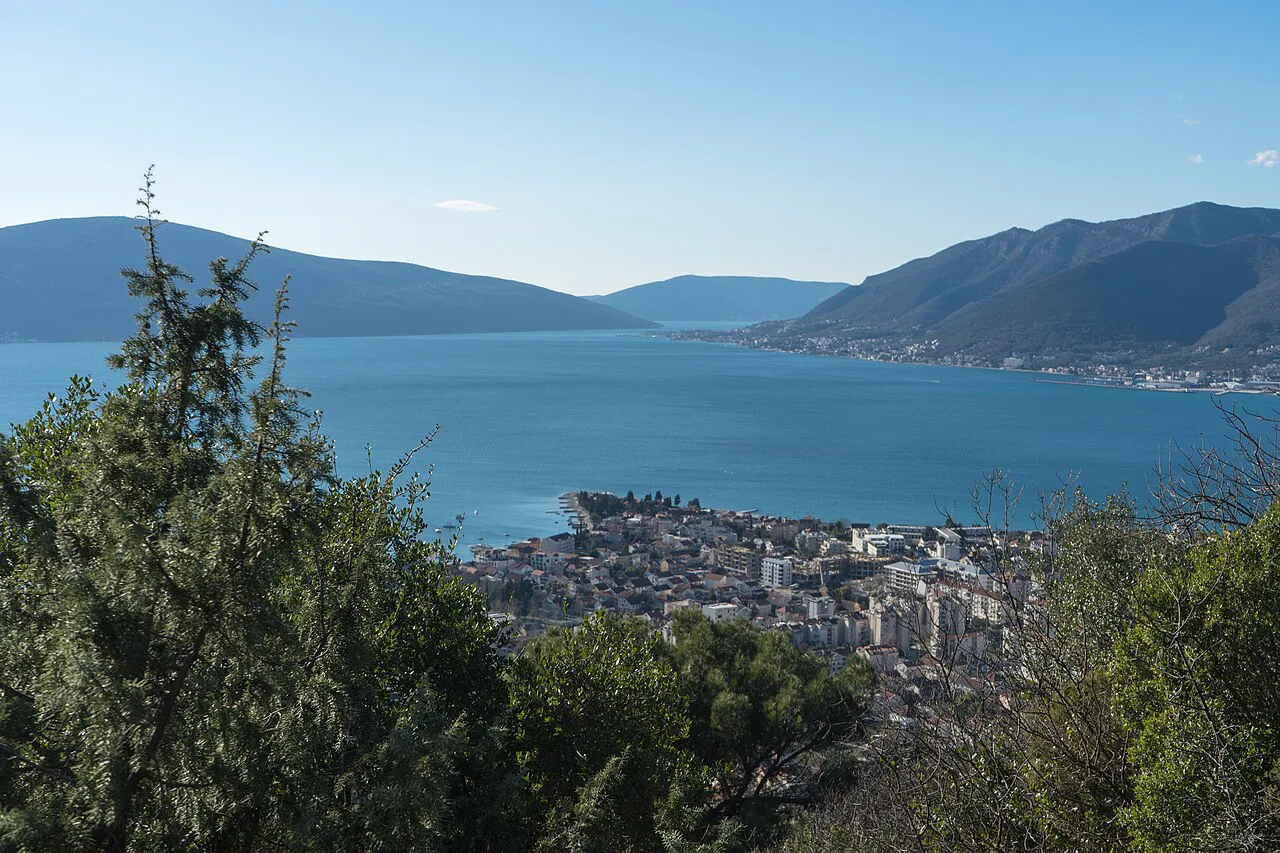
Donja Lastva lies just north of Tivat, on the same strip of coast that carries the town out towards the bay. It reads as an urban settlement in its own right rather than a detached resort, which is why the walk between the two feels like moving between neighbourhoods rather than leaving town. Treat it as the first stretch of coast north of the centre, and the geography becomes simple to plan around.
The settlement is recorded as an urban settlement north of Tivat, which is the most reliable description of its position for planning purposes. The census material attached to it dates from 2003 and should not be read as a current population figure, so ignore any number you see quoted without a recent date. For orientation, pin the waterfront rather than a single address: the coast road and shore are what you will actually use.
Because it sits on the bay shore, Donja Lastva works best as a linear walk rather than a loop with a centre point. You arrive along the water, follow the shoreline, look at the village core, and either turn back or continue. That shape is what makes it easy to bolt onto a Tivat itinerary instead of dedicating a whole day to it.
Getting there from Tivat: walking the waterfront versus driving
Walking is the better choice if you are already in central Tivat: follow the shore north and you arrive without needing to find parking or read a bus timetable. The trade-off is that the walk is one-way unless you retrace it or arrange a lift back, so decide before you set out whether you are walking both directions.
Driving makes sense if Donja Lastva is a stop on a longer run around the bay, or if you are coming from beyond Tivat. Parking in a residential waterfront settlement is not something to count on, so plan to park where you find a legal space and walk the rest rather than circling for a spot beside the water.
Public transport timetables for the settlement are not something to rely on from memory; check locally on the day if you intend to arrive by bus. For most visitors the realistic options are legs and a car, with the shore path doing the work in between.
What you see along the seafront: the village layout and shoreline
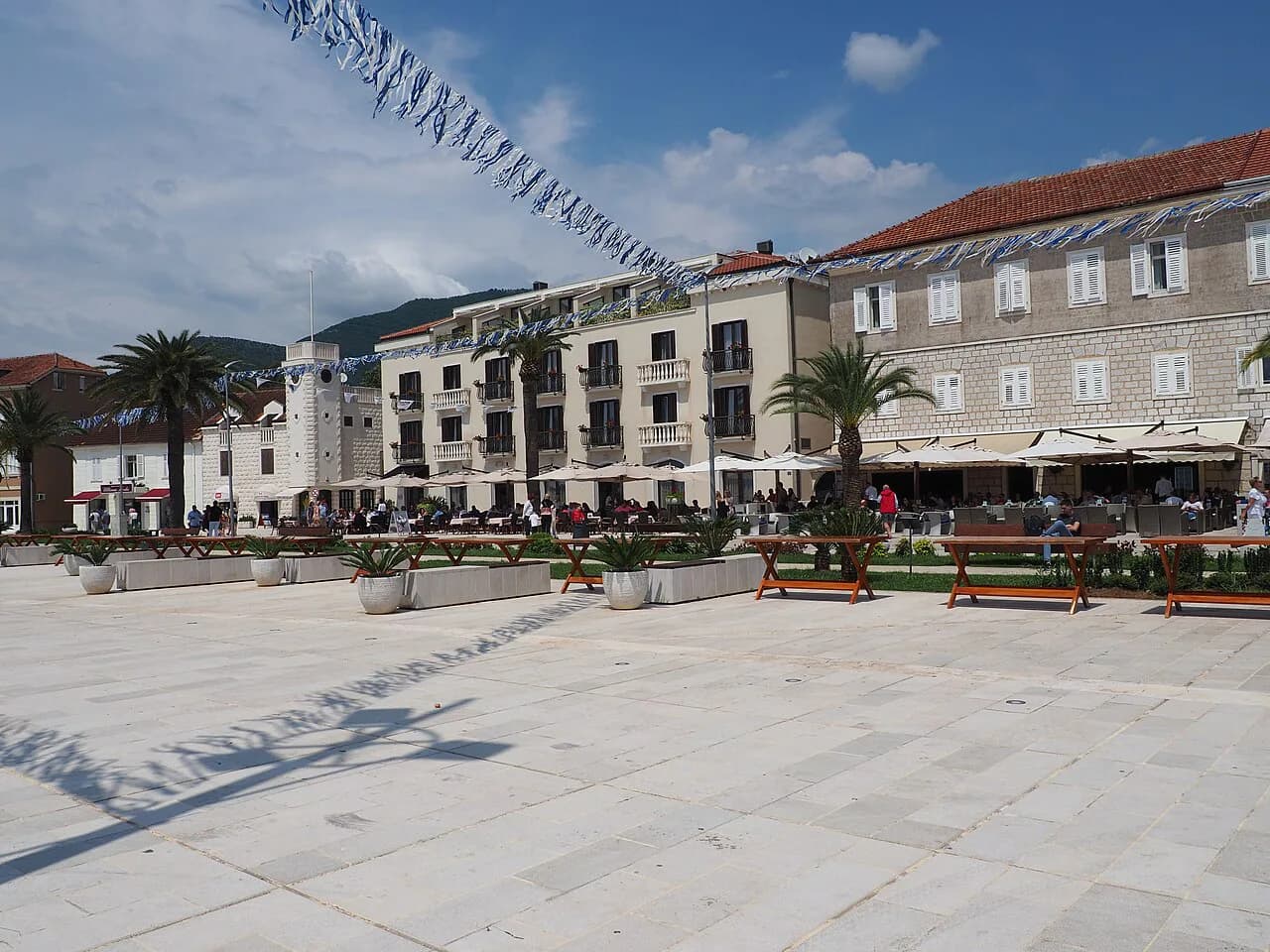
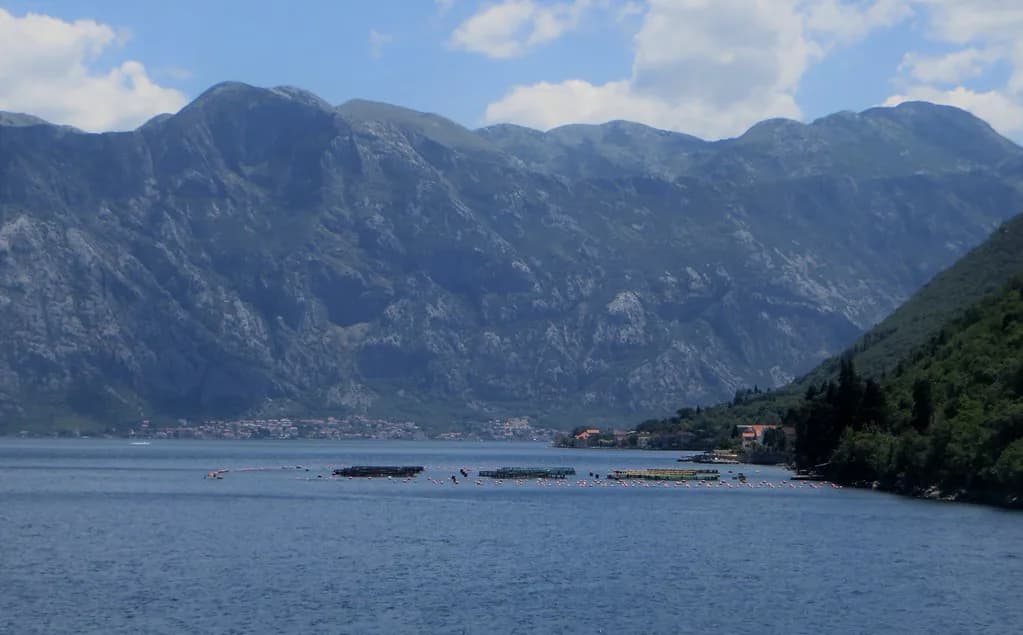
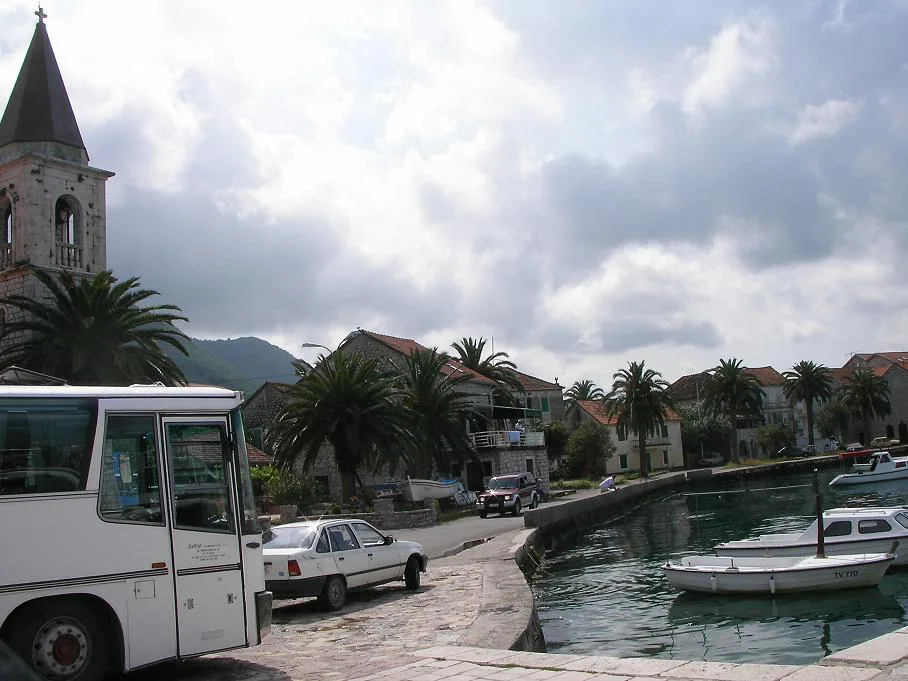
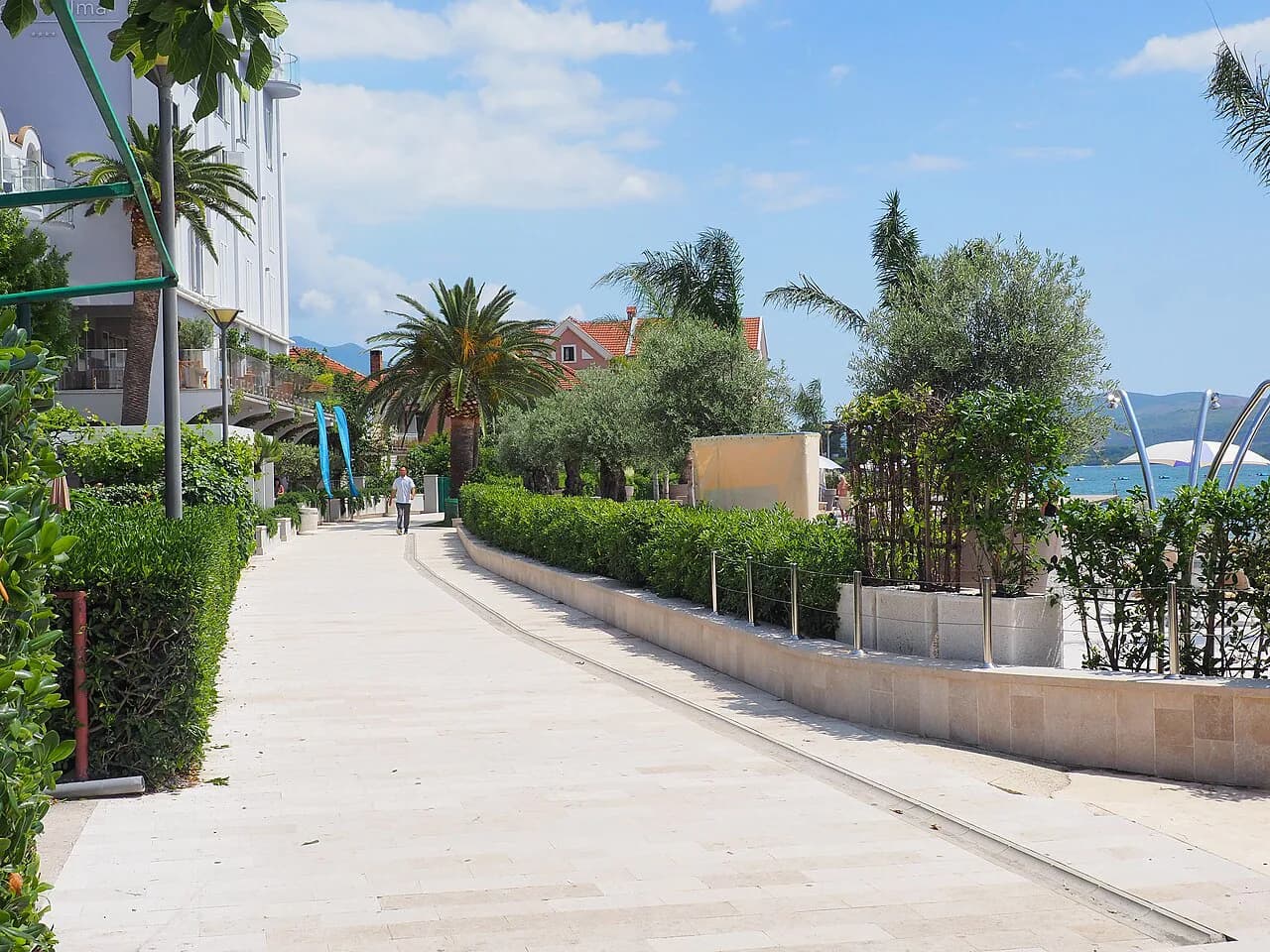
The draw here is the waterfront itself: a settled shoreline with the bay in front and the village behind, which is why photographs of the area focus on the coastal setting rather than monuments. Expect a working seafront rather than a promenade built for visitors, and plan to look rather than to do.
This is a residential place, so the pleasure is in the ordinary fabric of the settlement: houses close to the water, boats, and the sense of a village that continues its own life around you. Walk quietly and treat the lanes as someone's street rather than a sight.
Beaches, bathing water and beach facilities at Donja Lastva are not covered here; if a swim is part of your plan, check conditions and access on the ground rather than assuming a set-up. The shoreline is best approached as a walk with a view, not as a beach day.
The church and village centre
The village core is compact and best seen on foot, with the church as the natural point to aim for when you leave the shore. If the doors are shut, the exterior and the surrounding lanes are the visit; treat any interior look as a bonus rather than the purpose of the trip,
Donja Lastva pairs naturally with Gornja Lastva, the settlement above it, if you have a car and want to extend the trip inland. Where the upper village is a separate stop, the lower one is the waterfront piece you can reach on foot from Tivat.
Linking Donja Lastva with Porto Montenegro on foot
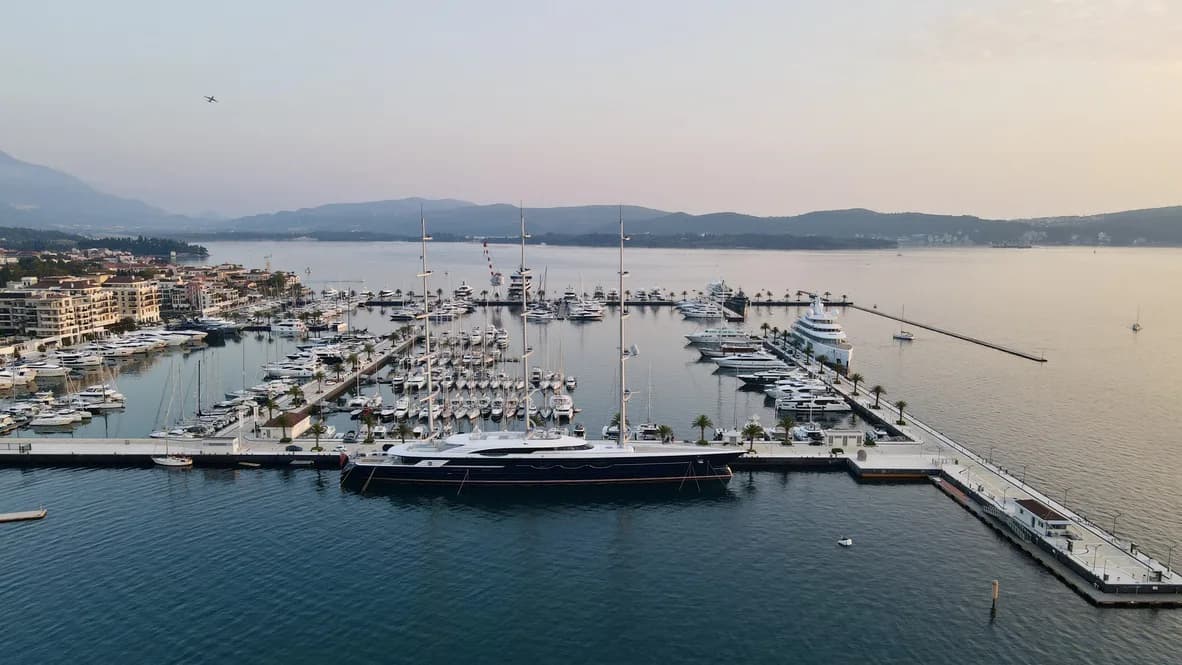
Donja Lastva sits close enough to Porto Montenegro that the two can be joined in a single walk along the shore, which is the most practical way to combine them. Walk out from the marina side, follow the water north, and return the same way or by car. For a wider picture of Tivat's older core, the old town and the marina quarter make a sensible pairing before or after the walk.
An estate agent's description of a seafront property in Donja Lastva puts the marina a 15-minute walk away, which is a useful indication of scale rather than a fixed measurement for every starting point. Use it to judge whether the link suits your pace, and allow a little more time if you stop along the way.
If you would rather keep the day free of paid attractions, the waterfront link is exactly the kind of low-cost outing that fills a morning without a ticket. Pair it with other free things to do in Tivat and keep your spending for the marina end of the walk.
How long to allow and when to go
Allow an hour for Donja Lastva on its own, or two to three hours if you walk there from Tivat, look around the village and come back by the same route or by car. The visit is short because it is a linear shoreline walk rather than a fixed circuit, so you can stop when the lanes run out.
Early morning and late afternoon give the softest light on the water and the quietest lanes, which suits a place that is primarily a walk. Midday works too if you are combining the shore with Porto Montenegro and want facilities nearby.
Practical notes for drivers and walkers
Wear shoes you can walk in for an hour or more, carry water in summer, and keep to the shore path where it exists rather than cutting through private yards. There is no ticketed attraction to plan around, so leave time to wander the lanes rather than working to a schedule.
The settlement is residential, so keep noise down and do not treat doorways or boats as photo props. If you want a broader picture of the town you are starting from, the old town and marina quarter make a sensible pairing before or after the walk.
Is Donja Lastva worth the walk from Tivat?
Yes, if you want a quiet hour on the water without paying for it, and no, if you are hoping for a walled old town with gates and monuments. The honest framing is a waterfront walk with a village attached, best done on foot from Tivat and best combined with the marina quarter.
Give it a morning or a late afternoon, walk the shore, look at the church and the lanes, and head back before it starts to feel like a detour. If you want a fuller day, build the walk into a wider plan rather than making Donja Lastva the whole outing.
Explore more Tivat guides
Frequently Asked Questions
Do you need a car to visit Donja Lastva?
No. If you are staying in Tivat, the waterfront settlement is reachable on foot along the shore, which is the simplest option and avoids hunting for parking in a residential area. A car helps only if you are combining the stop with places further around the bay.
Are there opening hours or tickets for Donja Lastva?
There is no ticketed attraction and no set opening time for the settlement itself; it is a lived-in waterfront place you walk through. Church doors may be shut, so treat any interior visit as a bonus rather than the purpose of the trip.
What language is spoken in Tivat?
Montenegrin is the local language, and Serbian, Croatian and Bosnian are widely understood in the same way across the bay. English is commonly used in visitor-facing settings around Tivat and the marina, though less so in residential lanes.
Sources
Notes for your Montenegro trip
Optional updates to our Montenegro town guides.
You might also like
Continue reading
More guides you'll find useful