Lake Skadar Birdwatching: Pelicans, Boat Trips and Where to Look
Plan birdwatching on Lake Skadar: Dalmatian pelicans near Virpazar, boat trips from the village, autumn migration and the salt pans at Ulcinj and Tivat.
On this page
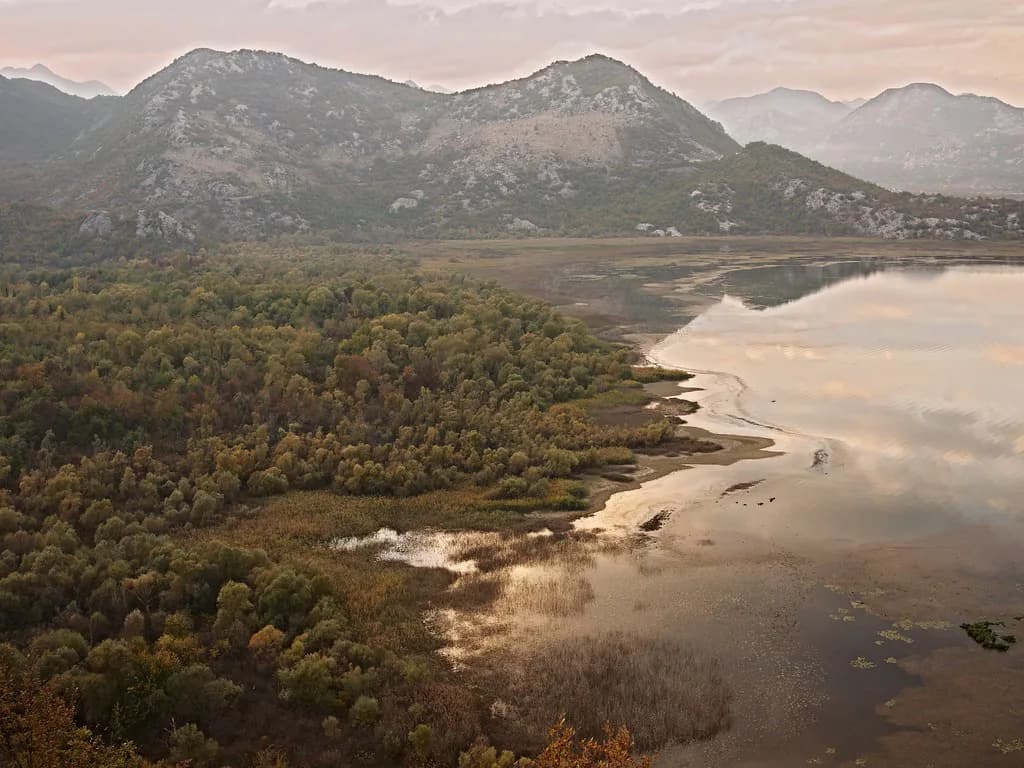
Lake Skadar birdwatching works best as a two-part plan: a boat or kayak trip from Virpazar for the Dalmatian pelicans, and land-based watching around the village for everything else. Pelicans feed close to Virpazar in late May and June, and September brings the autumn migration; both windows are the best the sources give, not a forecast.
This guide separates what you can realistically see from how you reach it: the species recorded around the lake, the seasonal split, the boat operators working out of Virpazar, the protection status that governs access, and the salt pans at Ulcinj and Tivat as coastal alternatives. Mountain parks appear only as optional add-ons if you are already heading north.
What you can realistically see on Lake Skadar
Start with the Dalmatian pelican. Lake Skadar is one of the few nesting sites for the species, and the birds have settled to roost on the lake's shores for a long time, with ornithologists recording the first here at the end of the 19th century. That is lake-wide context from a birding guide, not a count you should expect to reproduce on a single morning.
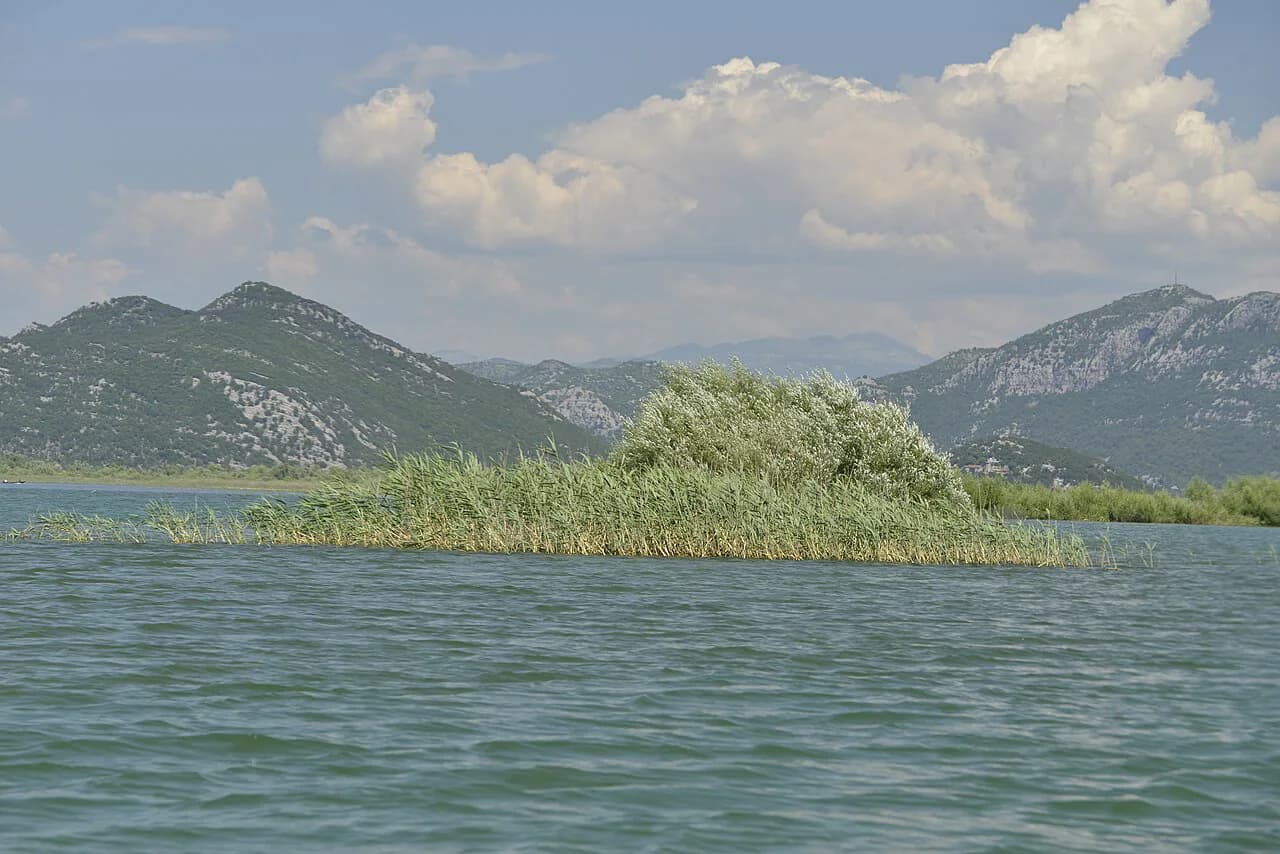
Around the pelicans, the lake supports a working set of waterbirds you can identify without much trouble. Great and pygmy cormorants, great egrets, Eurasian coots and western marsh harriers are present year-round, and whiskered terns and great reed warblers appear on and around the water in the warmer months.
For a sense of the local list, the western isles hotspot in the Cetinje section of the lake carries 134 species across all years, with recent October records including Dalmatian pelican, pygmy cormorant, little egret, great egret, grey heron, common kingfisher and Ferruginous duck. Treat that as a site-specific checklist rather than a promise for your visit.
When to go: pelicans, migration and winter visitors
The pelican window is late May and June, when the lake is not yet too shallow and the birds fish close to Virpazar. Outside that period you can still see pelicans, but the reliable close views from the village side thin out, so plan the boat trip around this window if pelicans are the priority.
September is the migration month, when large numbers of birds move over the lake heading for warmer African climates. Spring and autumn generally give the best birding, and early morning improves your chances of spotting or photographing migrants, so build the day around a dawn start rather than a midday departure.
Winter brings its own visitors: common starling, Eurasian wigeon and the white-eyed Ferruginous duck come to the lake specifically for the cold months. If you are in Montenegro outside the summer season, the waterfowl are the reason to bring binoculars rather than the pelican colony.
Getting on the water: boat and kayak trips from Virpazar
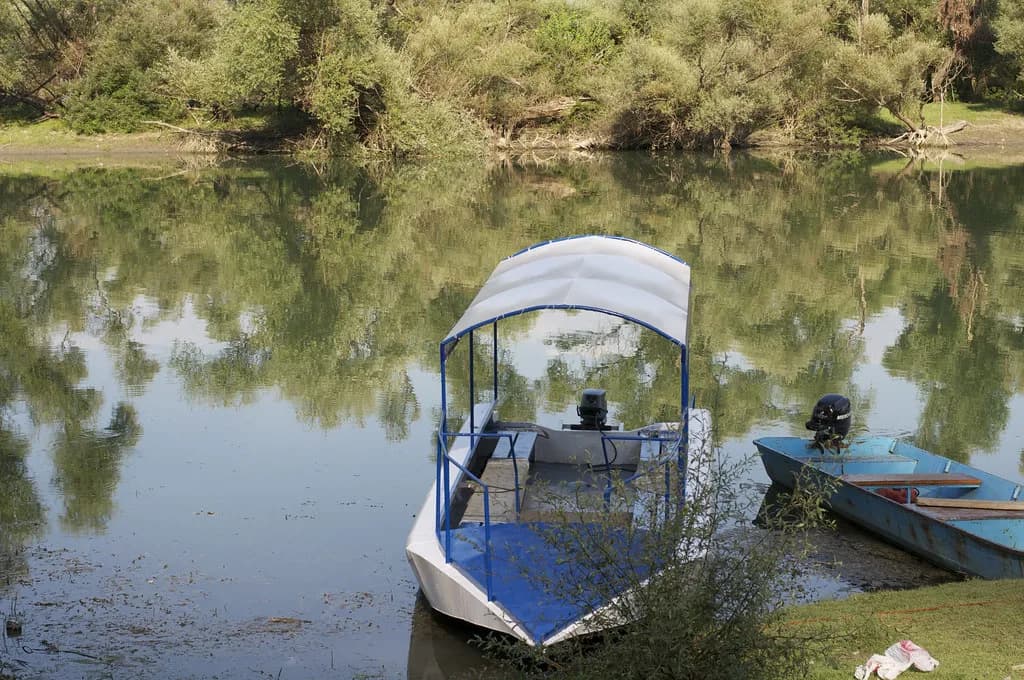
Virpazar is the lake's main settlement and the practical base for boat trips, with operators running both conventional boats and eco-friendly kayak trips out to the pelican nesting areas. The trips keep a safe distance from the nests so the birds are not scared away, which means a boat trip gives you good views and photographs rather than close approach.
A guided boat trip is the lower-effort option: someone else handles the navigation and knows where the birds have been feeding, and you can concentrate on identification. The trade-off is that you share the water with other passengers and follow the operator's route rather than your own.
Kayaks suit birders who want to work the reedy edges slowly and quietly, but they demand more of your own judgement about wind, distance and where the nesting sites are. If you have not paddled before, take the boat trip and keep the kayak for a second visit.
Arranged through operators working out of Virpazar, boat trips are the practical way to reach the water; the village is the lake's major settlement and the gateway to the lake. For the wider picture of the park, the Lake Skadar National Park guide covers the lake's layout and the main access points.
Birding from land around Virpazar
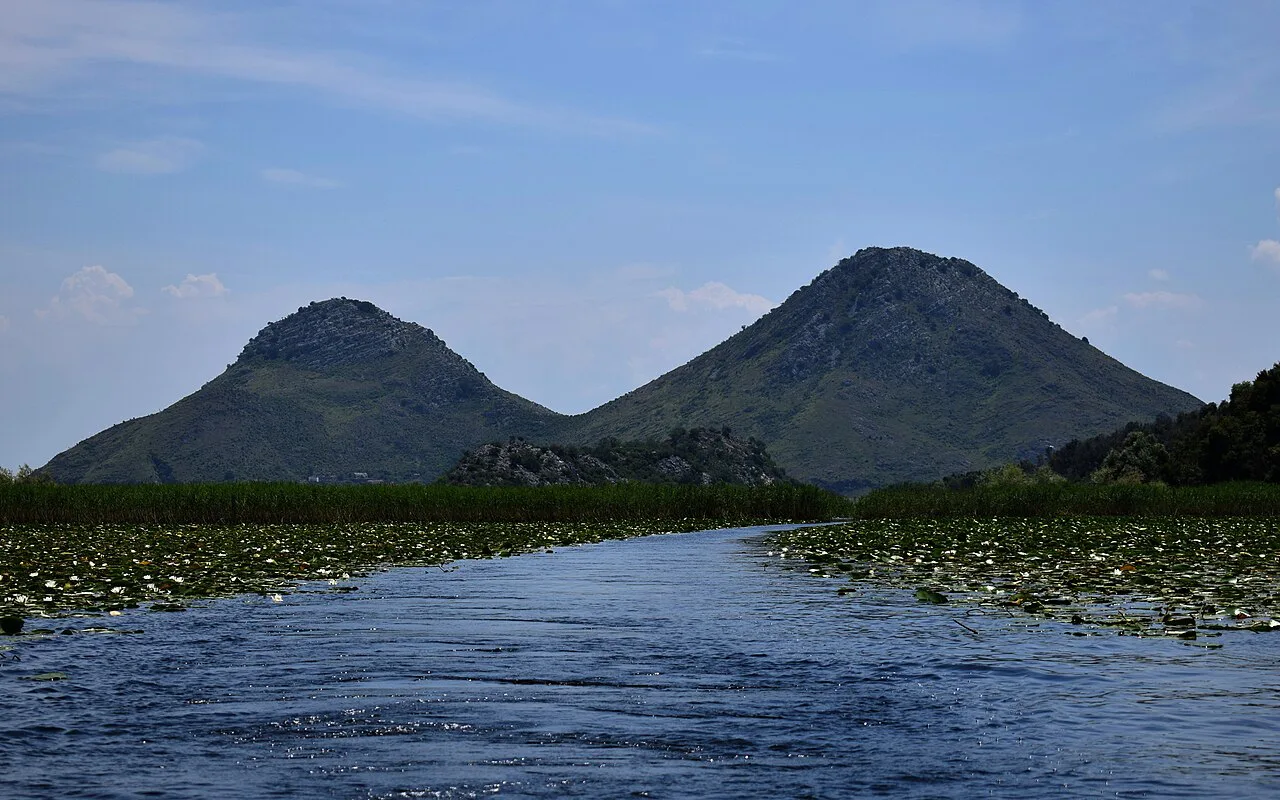
You do not need a boat to see a good range of species. A trail starting in Virpazar runs through shrubland, where you can pick up scrub species and enjoy wide views over the surrounding landscape without paying for a trip on the water.
Land-based birding rewards an early start and a slow pace: walk the edge scrub, stop wherever you hear movement in the reeds and scan the open water from the shore. It also leaves the afternoon free for the village or the drive to Rijeka Crnojevića.
If you want the context before you walk, the Lake Skadar National Park visitor centre guide is a natural first stop, and you can pair it with an hour on the shoreline for a cheaper, slower day that still produces birds.
The lake's protection status and what it means for where you can go
Lake Skadar is protected under the Ramsar Convention as a wetland of international importance, and the lake is a national park. Conservation work has included building floating nests to protect birds from human interaction and predators, so keep your distance from nesting areas and follow the routes your operator uses.
The lake straddles the border between Montenegro and Albania, so a trip on the water can cross an international boundary. Carry your passport if your operator's route includes the Albanian side, and confirm the route before you board rather than assuming the boat stays in Montenegro.
Conservation measures such as floating nests and distance-keeping are part of why the birds remain worth watching, so treat those rules as the thing that keeps the colony worth visiting. If an operator offers to take you closer to the nests, that is the trip to decline.
Beyond the lake: Ulcinj Salina and the Tivat Solila
The salt pans at Ulcinj are a serious birding stop in their own right, with over 250 species recorded including European rollers, bee-eaters, stone curlew, collared pratincole and greater flamingo. The shallow pools, salt pans and marshes make it a critical stopover on the Adriatic Flyway, so it is worth a full morning rather than a quick look.
Near Tivat, the Solila Nature Reserve is a former salt pan a short distance from the resorts and airport. Around 180 species have been spotted there, including grey herons, little and great egrets, and it acts as a stopover for migrants in spring and autumn.
Treat both as coastal alternatives rather than second-best add-ons: if you are based near Budva or Tivat, the Solila saves you the drive inland, while Ulcinj Salina suits anyone heading south towards the Albanian border. Neither replaces the lake for pelicans.
Mountain species if you are adding days inland
If you are extending beyond the lake, the mountain parks add different birds rather than more of the same waterbirds. Lovćen National Park combines high ground and forest with the historic town of Kotor nearby, and Prokletije National Park holds western capercaillie, hazel grouse and Black woodpecker in one of Europe's wildest ranges.
Further north, Durmitor National Park offers glacial lakes, deep canyons and species such as ring ouzel and alpine chough, with Biogradska Gora nearby. These are day-additions to a lake trip, not substitutes, and they need their own travel time.
What to bring and how to time a morning on the lake
Bring binoculars, a camera with a longer lens if you have one, and layers for a cool start on the water. Birding rewards an early arrival, so aim to be on the shore or at the jetty for first light and keep the middle of the day for driving or the village.
Pack a hat, sun cream and water, because the lake offers little shade once you are out on a boat, and keep your gear in a dry bag on kayak trips. A scope is useful from land but awkward on a small boat, so decide which half of the day gets it.
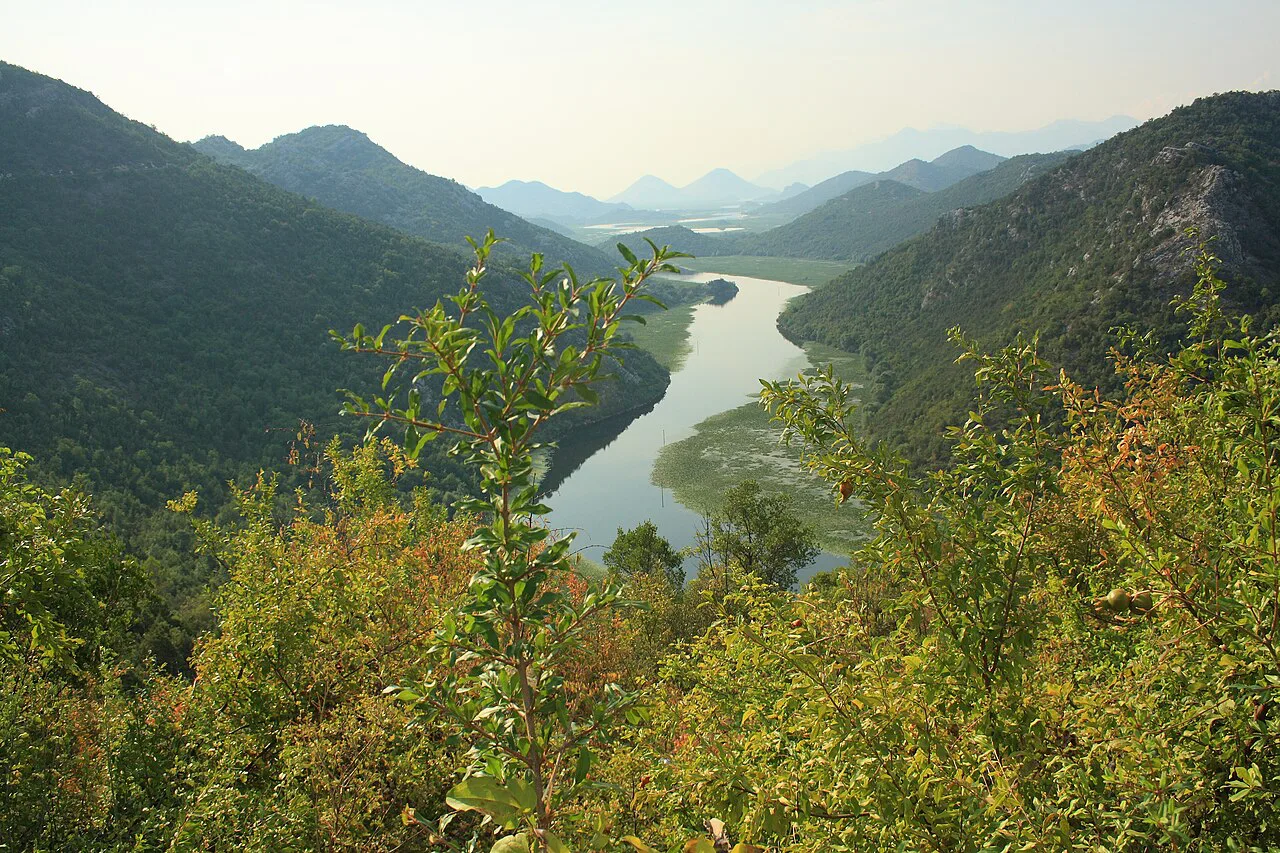
If your morning ends early, the drive to Rijeka Crnojevića gives you a second landscape and a different set of birds along the Crnojević River. It is a natural half-day extension from the Virpazar side of the lake rather than a separate expedition.
For a viewpoint over the lake's western arm, Pavlova Strana is the classic bend above Rijeka Crnojevića and works as a late-afternoon stop after a morning on the water.
Which Lake Skadar birding day to book
Book the boat trip from Virpazar if pelicans are the point of the visit: late May and June give the best chance of birds feeding close to the village, and the operators keep the distance that protects the colony. September suits migrants, winter suits wildfowl, and land-based birding from Virpazar covers the rest without a ticket.
Add Ulcinj Salina if you are driving south, or the Tivat Solila if you are on the coast, and confirm your route, departure point and any border crossing with the operator before you set out. That way the lake gets the morning it deserves and the salt pans fill the rest of the day.
Frequently Asked Questions
Do I need a guide to go birdwatching on Lake Skadar?
No. The scrub around Virpazar can be walked independently, and the lake shore is accessible from the village. A guided boat or kayak trip is the practical way to reach the pelican feeding areas, and operators keep a safe distance from nesting sites.
Can I see Dalmatian pelicans without a boat?
Sometimes, from the Virpazar shoreline, but the reliable close views come from the water when the birds feed near the village in late May and June. Outside that window, plan on other waterbirds and winter wildfowl.
How long should I allow for a birding morning on the lake?
Allow a full morning: arrive for first light, spend two to three hours on the water or in the shoreline scrub, and keep the afternoon for the village or the drive to Rijeka Crnojevića. Early starts give the best chance of migrant activity.
Sources
Notes for your Montenegro trip
Optional updates to our Montenegro town guides.
You might also like

Continue reading
More guides you'll find useful