Lake Skadar National Park Visitor Centre: A Practical Guide
The Lake Skadar National Park visitor centre is the orientation stop for boat trips, birdwatching and lakeside walks, with Besac Fortress and Vranjina nearby.
On this page
The Lake Skadar National Park visitor centre is in Virpazar, the village most visitors use as the gateway to the park, and it works best as a first stop rather than a destination in itself. Call in for orientation, then spend your time on the water and in the village. This guide covers where the centre sits, the hours it keeps, how to reach Virpazar by road or rail, and what to pair with it.
What the visitor centre is and where it sits
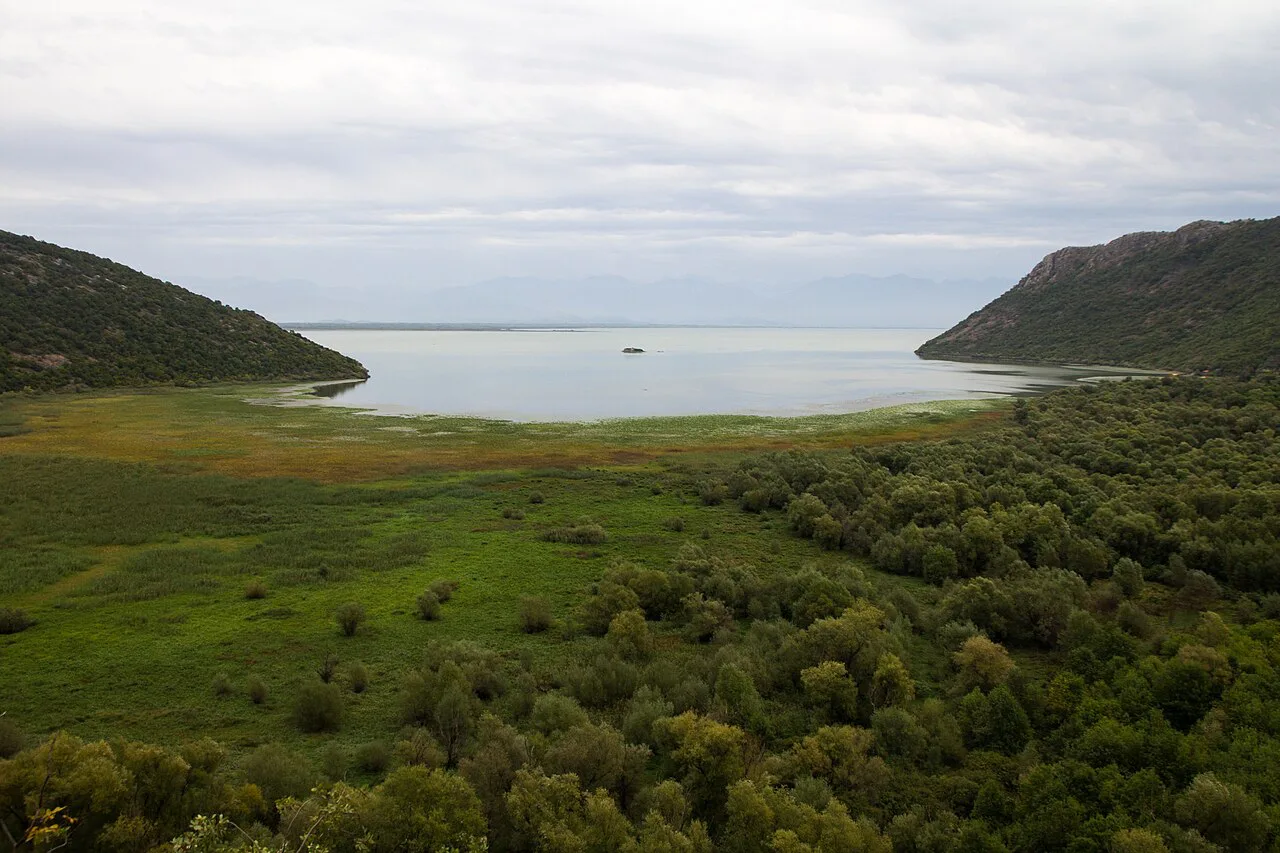
Virpazar is the practical base for the Montenegrin side of the lake, and the visitor centre there is pitched as a good place to start a park visit, with the village itself worth exploring for activities inside the park. The park is easily reached from Podgorica and Bar by road, or by train via Virpazar, so the centre is a natural orientation stop before you commit to a boat or a walk.
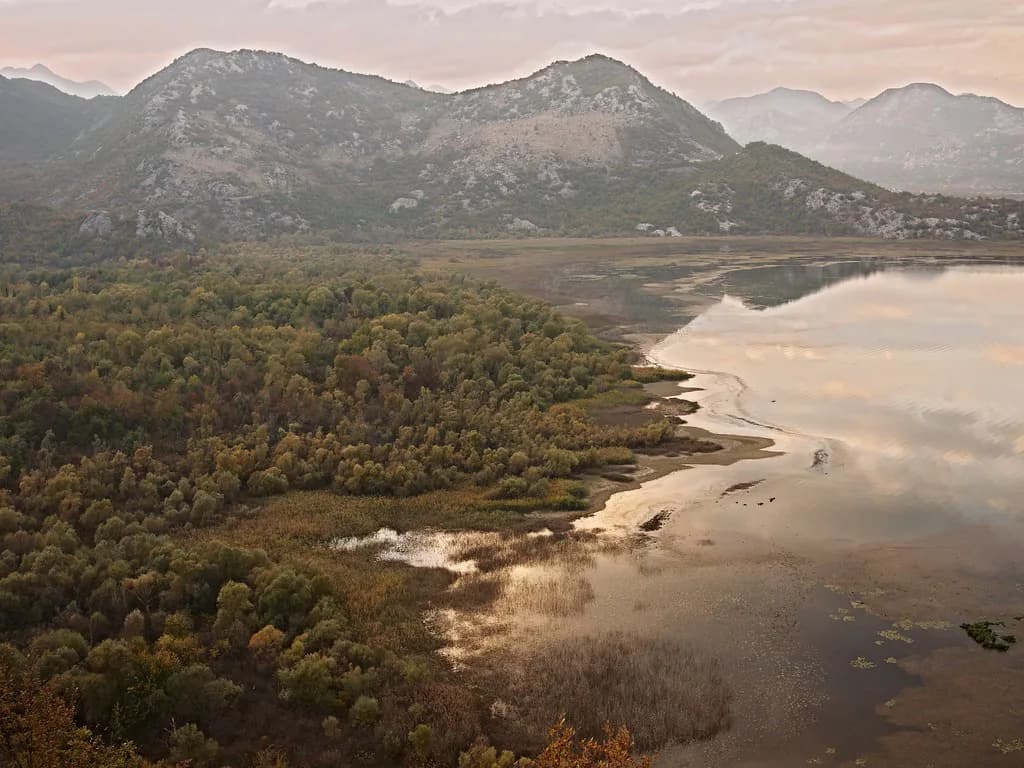
Only part of the lake lies in Montenegro: about two thirds of it is Montenegrin and the remainder is in Albania. The park was founded in 1968 to protect the lake and its shores, and a development plan followed in 1997, so the centre serves the Montenegrin national park rather than the Albanian side.
Treat the centre as a small information stop, not an attraction that fills an afternoon. It sets you up with the lie of the land before you head for the jetty, the fortress path or the village square.
Opening hours and when to plan around them
The visitor centre is listed with opening hours of 9am to 3pm. Plan your arrival inside that window if you want to pick up information, and treat the rest of the village as flexible around it.
Those are the centre's listed hours, and they can shift around weekends, winter and public holidays, so confirm before you build a day around a mid-afternoon stop. The number listed for the centre is +382 20 879 103 if you want to check in advance.
Because the centre closes in the mid-afternoon, an early start from Podgorica works better than a late one, both for the centre itself and for getting onto the water before the middle of the day.
How to reach Virpazar
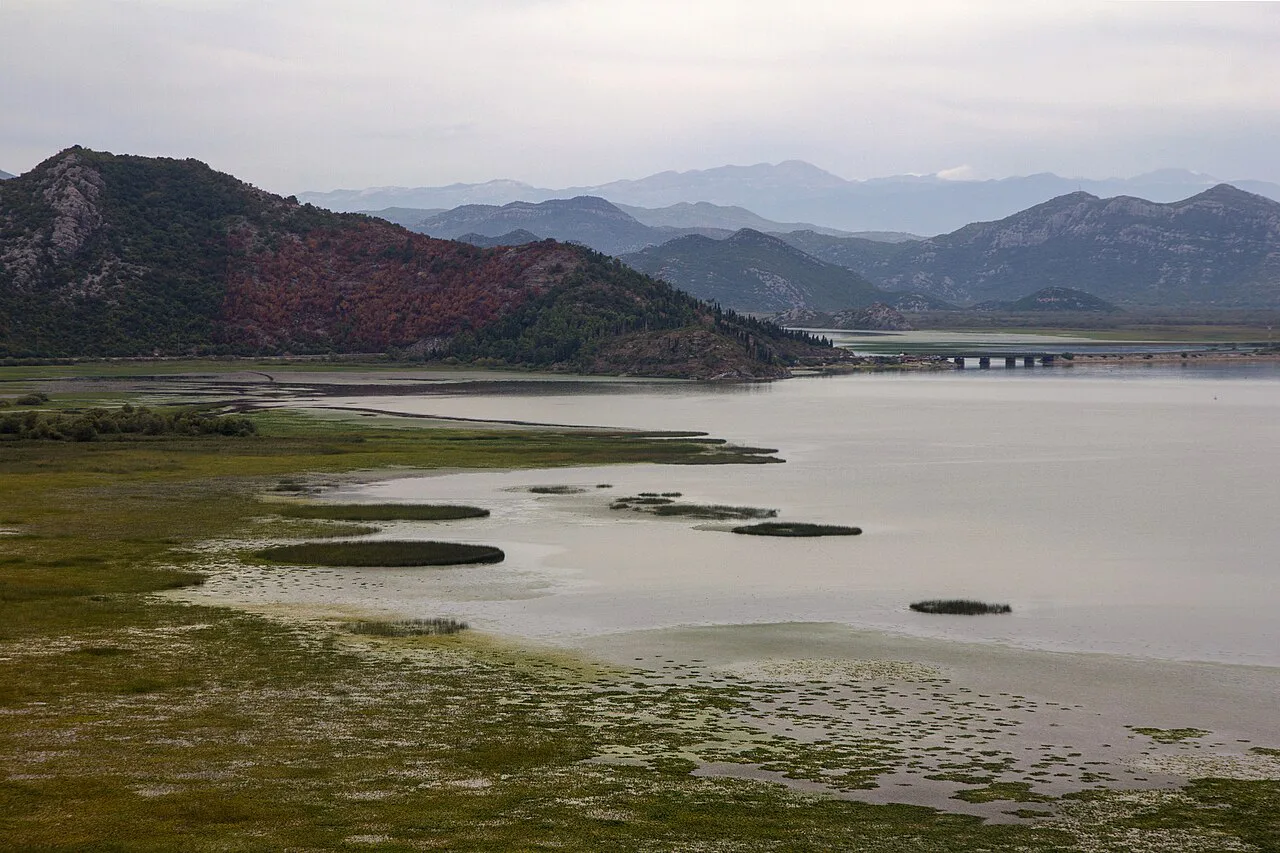
By road, Virpazar sits on the route between Podgorica and Bar, which makes it straightforward to combine with either city or with the coast. Coming from the Bay of Kotor, the drive brings you through a long mountain tunnel and out into the greener Skadar valley, a noticeable change of scenery from the stone and sea of the coast.
The railway is the alternative, with Virpazar served by train, so you can arrive without a car and still reach the centre and the jetty on foot. The trade-off is that you are tied to the timetable rather than free to stop at viewpoints on the way.
Inside the park beyond Virpazar, your own car or a taxi is the practical way to move between villages, and travel agents in Podgorica sell one-day trips that include a boat ride and a meal at a fishermen's village. A tour removes the logistics but gives you less control over where you linger.
What to do from the centre: boats, birds and lakeside walks
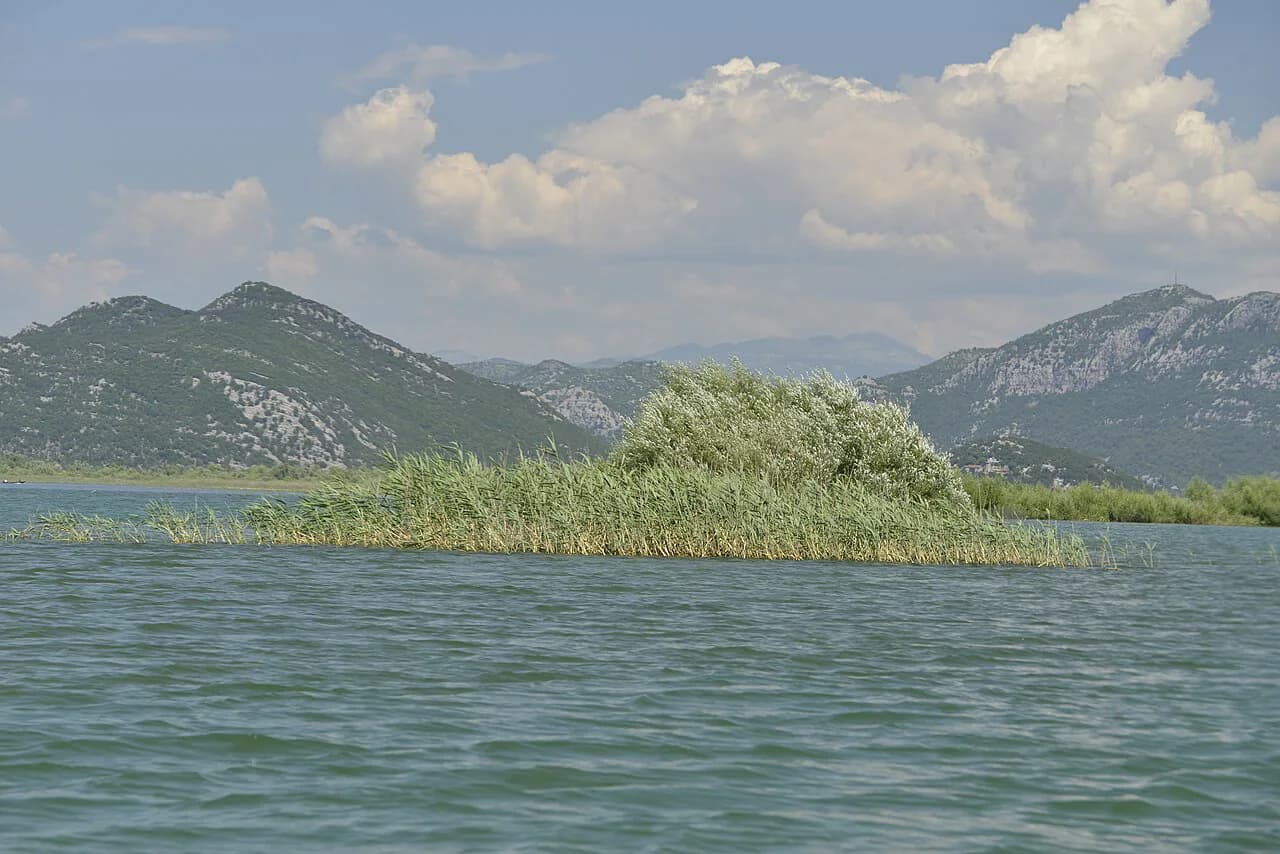
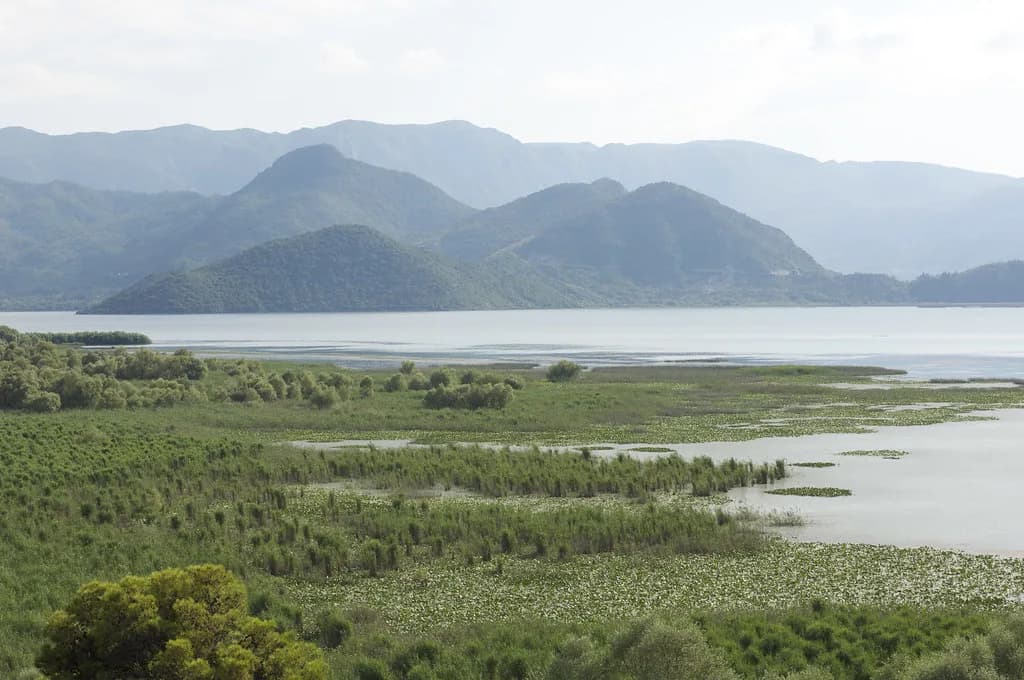
The main reasons people come are birdwatching, fishing, boat rides and swimming from the shore, and the centre is where you get your bearings before choosing one. For wildlife, the lake holds 270 kinds of birds, roughly 90 per cent of them migratory, with curly pelicans nesting on floating peat islands at the northern end and cormorants breeding in the northern swamps.
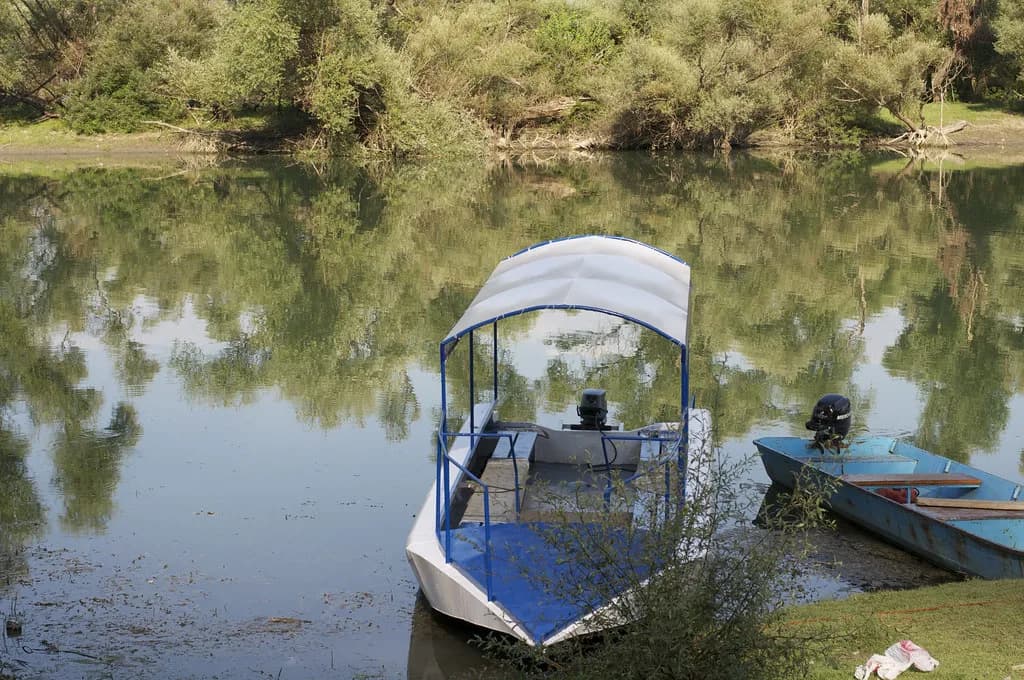
Boat trips are the usual way onto the water, and short trips run to island sites such as Beška and Grmožur around the lake, often combined with birdwatching or lakeside walks. Times, routes and prices vary by operator and season, so ask at the jetty or the centre on the day rather than relying on a figure quoted months earlier.
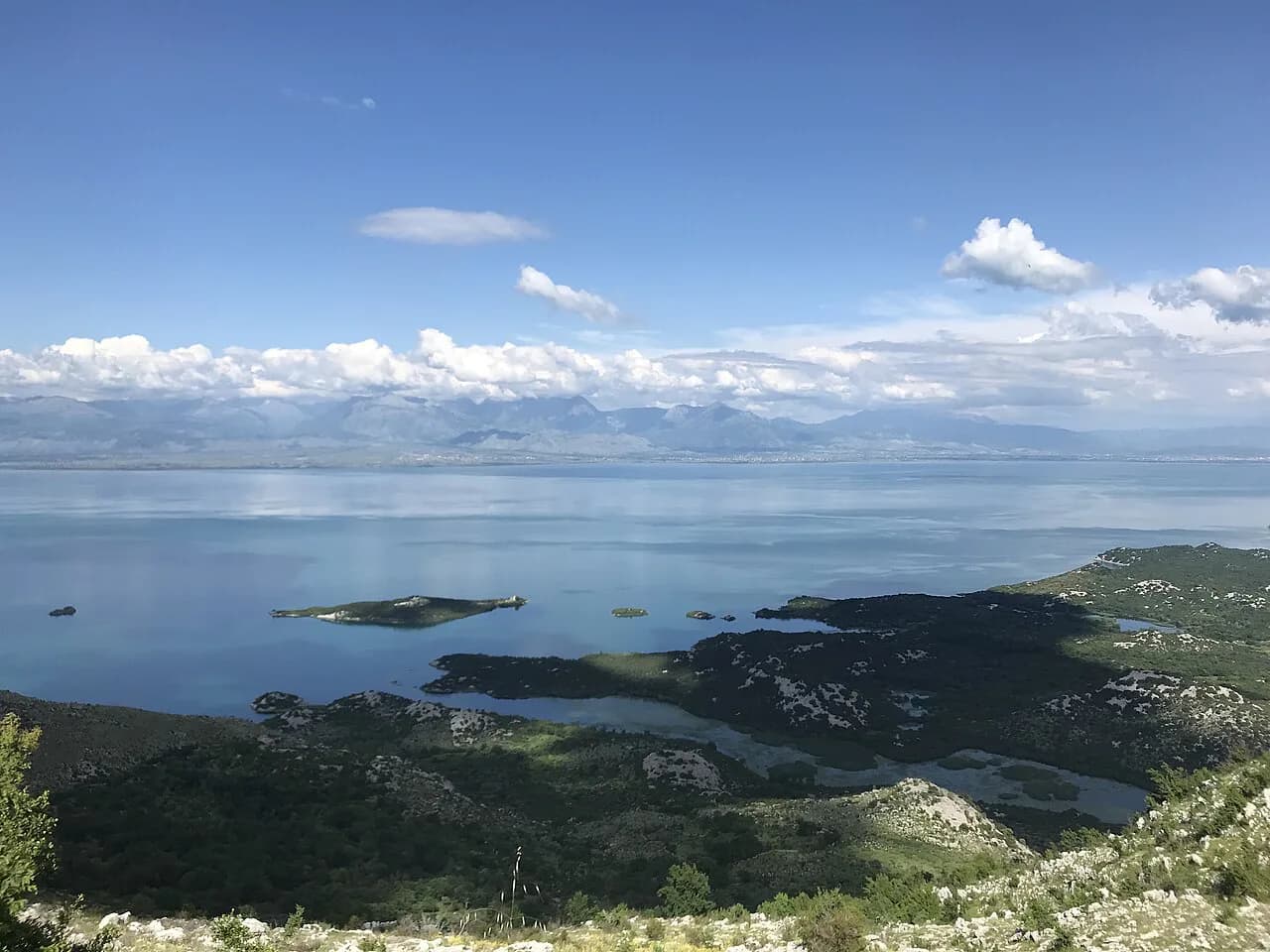
The lake's size varies from roughly 530 square kilometres down to about 370, and it is 44 km long and 14 km wide, which changes which channels and shorelines a boat can reach. Spring brings water lilies and a chorus of frogs that can drown out lunch.
One traveller's account describes a few hours on the water with a local family that included a stop at Vranjina and a climb to the monastery, with rakija handed round on board. It is a fair picture of the pace: slow, unhurried and mostly about the water rather than covering distance.
Sights within walking distance: Besac Fortress and the Friday market
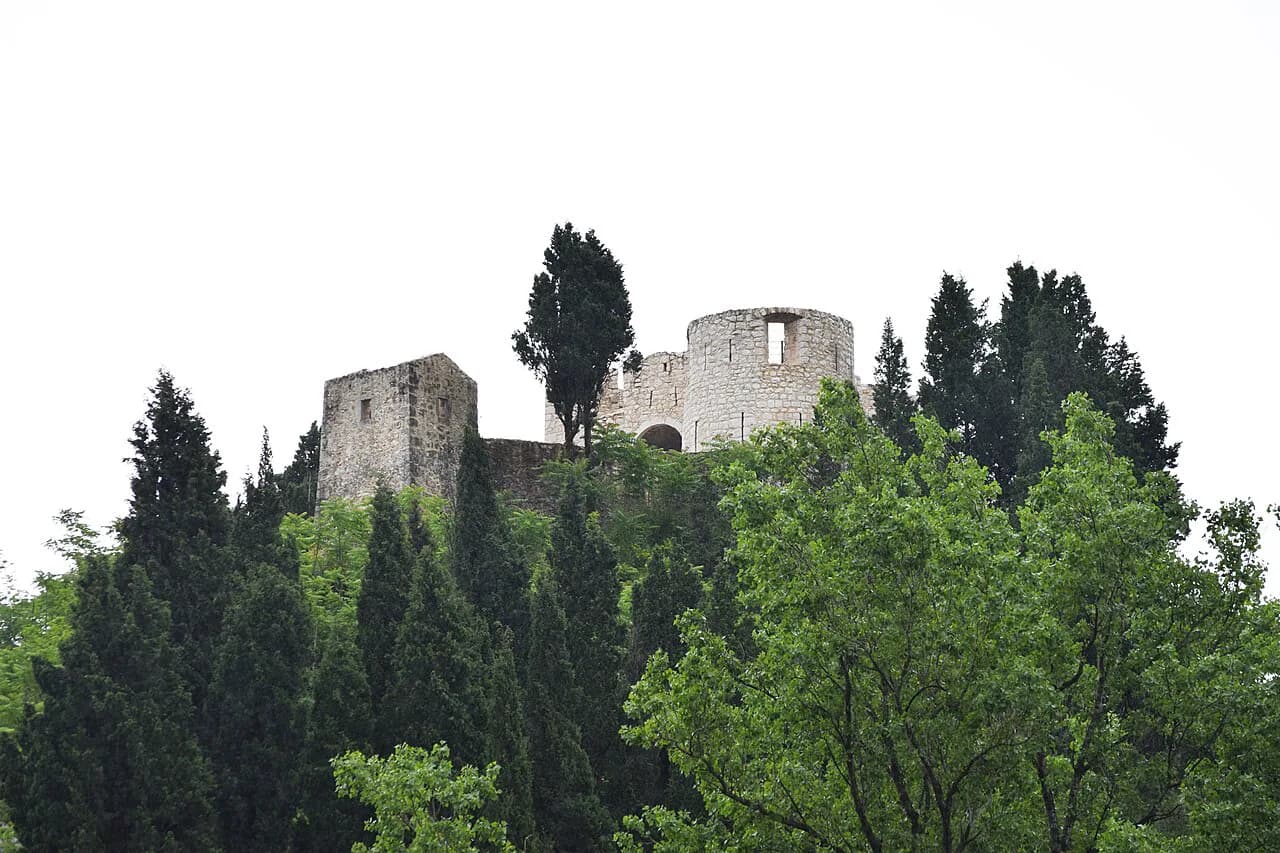
From the village you can walk uphill to Besac Fortress, a white stone fort built by the Ottoman Turks in the 15th century, with a short climb that rewards you with views over the water. The same account pairs it with the jetty and the square, so it fits neatly into a morning or afternoon around the centre.
Virpazar has a small Friday market where you can pick up cheese and picnic supplies; check locally that it is running on the day if the market is your reason for coming. The square is also where you find Silistria, a restaurant on a boat deck, for coffee or lunch by the water.
A stroll around the village between the centre, the jetty and the fortress takes barely an hour or two, so a full day makes more sense if you add a boat trip or a longer walk along the shore.
Vranjina and St Nicholas Monastery, reached on the water
Boat trips cross to Vranjina, where a short uphill walk brings you to the St Nicholas Monastery, a Serbian Orthodox monastery rebuilt in the 19th century and decorated inside with golden icons and hanging lanterns. The views back over the lake from the monastery are the reason to make the climb rather than stay on the water.
A beekeeper on the island sells honey made from the wild thyme growing around it, and the monastery itself keeps hives. Dress modestly and behave as you would in any working monastery; it is a place of worship before it is a stop on a boat route.
The region around the lake holds around 20 monasteries, churches, villages, fortresses and sacred monuments, and 18 of these are described as important historic monuments. If this side of the lake appeals, Rijeka Crnojevića makes a natural second excursion by road, with the river bend and the green pyramid view that is one of the best-known images of Montenegro.
Boats and permits: what national park status means
Fishing, hunting and boating are all part of the lake's life, and the park was created in 1968 to protect the surroundings while allowing them. A development plan followed in 1997, and today's visitors face the usual compromise of a protected area: plenty to see, with rules on where you can go and what you can take.
The park authorities set the rules for fishing and boat use, and the visitor centre is the natural place to ask what applies to your plans, including whether a permit is needed for what you intend. Fees and permit conditions are not something to guess at, so confirm with the centre directly.
For most travellers this is background rather than bureaucracy: you turn up, pick a boat, and let the operator hold whatever paperwork is required. If you plan to fish or bring your own craft, ask before you travel.
How long the centre and village need in a day
Give Virpazar half a day if you only want the centre, the fortress and a coffee by the water, and a full day if you add a boat trip to Vranjina and the monastery. Those are the two honest options, and the first works well as a stop between Podgorica and the coast.
If you want to see more of the lake than one village can show, add a second stop on another shore: the natural pairing is Virpazar for the centre and boats, then Rijeka Crnojevića for the river viewpoint, before returning to the coast. Pavlova Strana is the other celebrated river viewpoint nearby.
Is the visitor centre worth building a day around?
Yes, as a starting point rather than the main event. The centre gives you orientation and its opening hours; the boats, the fortress and the monastery are what fill the day. Arrive in the morning, inside the listed hours, and keep the afternoon free for the water.
Explore more Lake Skadar guides
Sources
Notes for your Montenegro trip
Optional updates to our Montenegro town guides.
You might also like
Continue reading
More guides you'll find useful