Lake Skadar: A Practical Guide to the National Park
Plan a visit to Lake Skadar National Park: its seasonal size, the lake villages, boat trips, viewpoints and how to reach Virpazar from Podgorica or the coast.
On this page
Lake Skadar is best visited with a night on the shore and a boat trip booked for first light, not squeezed into a hot midday excursion. The lake spreads between Montenegro and Albania, and its villages, viewpoints and wetland edges are split across a shoreline large enough that a single two- to three-hour boat trip only skims the surface. This guide covers where the lake sits, how its seasonal size shapes a visit, which villages to base yourself in, and how to reach the water from Podgorica or the coast.
Most day-trippers funnel through Virpazar, the small town on the lake's northern edge, and the experience there changes sharply with the time of day. Plan around the quieter hours and give yourself room to drive the shore roads and stop at viewpoints rather than treating the lake as a single stop.
What Lake Skadar is and where it sits on the Montenegro–Albania border
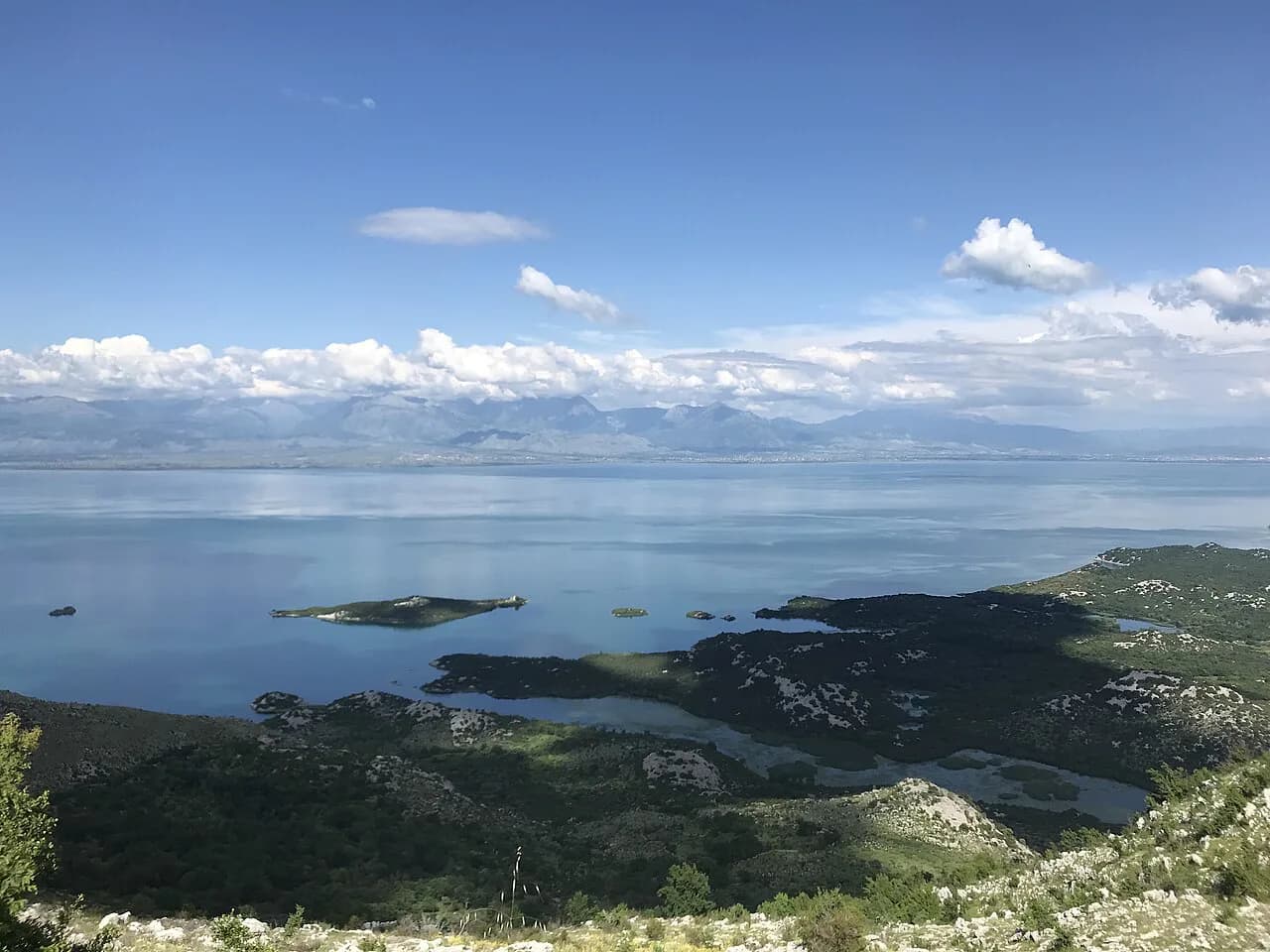
Lake Skadar is a national park and protected wetland that straddles the border between Montenegro and Albania, with roughly one-third of its surface on the Albanian side. The Montenegrin shore is the part most visitors see, and it holds the villages, viewpoints and boat departures covered in this guide. Montenegrins call it Skadarsko jezero; the town it takes its name from lies in Albania.
Montenegro has protected the lake as a national park since 1983, and in 1996 the Ramsar Convention added it to the list of wetlands of international importance. From 5 June 2026 UNESCO lists the lake as an official Biosphere Reserve, a designation that underlines how the lake is managed as a living landscape rather than a fenced-off attraction.
The lake is fed by the Morača river and a series of underwater springs, and its deepest point is a spring at Raduš that sits below sea level. That combination of river inflow and submerged springs is why water levels swing so widely through the year.
How big it is, and why the seasonal swing matters
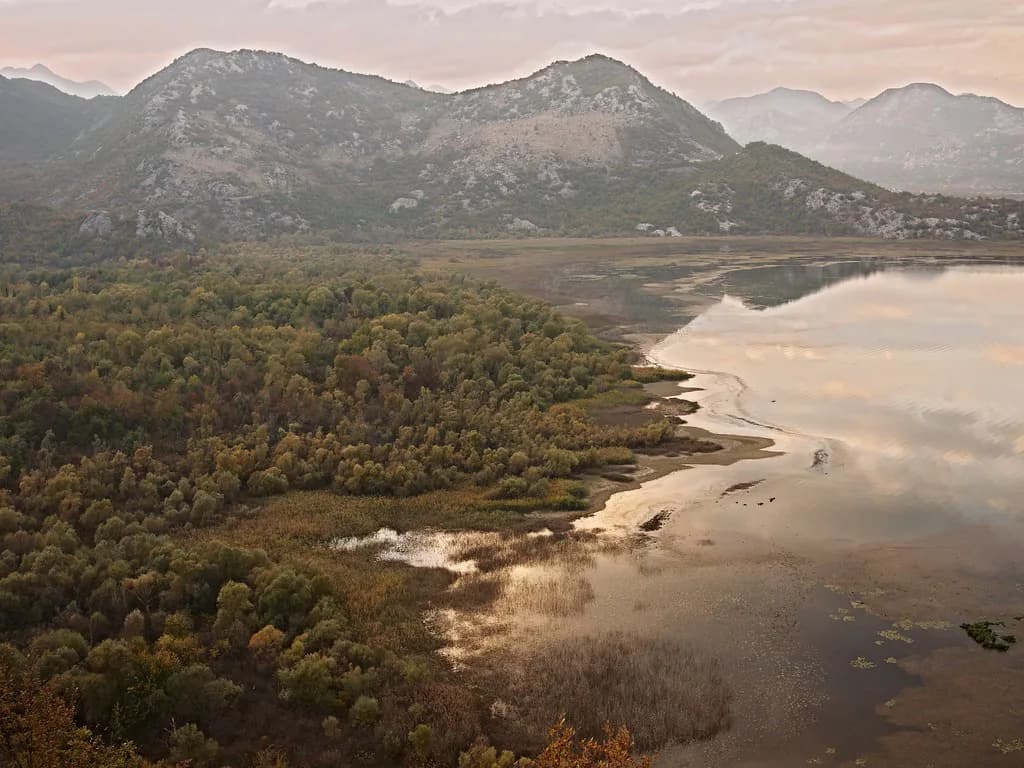
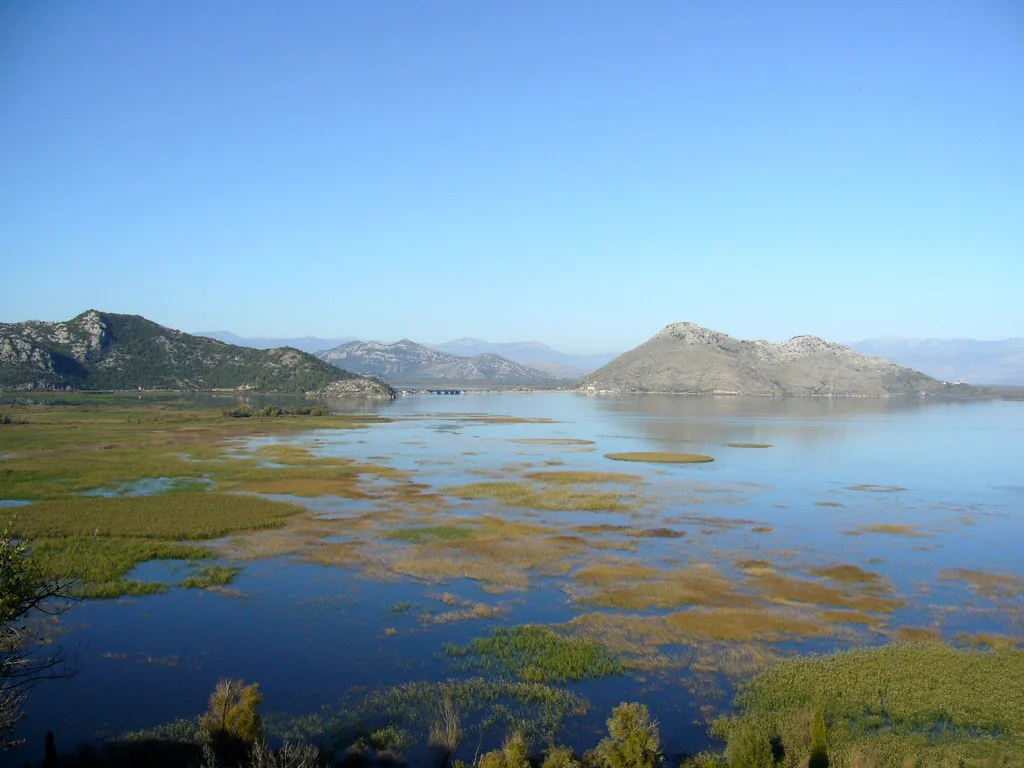
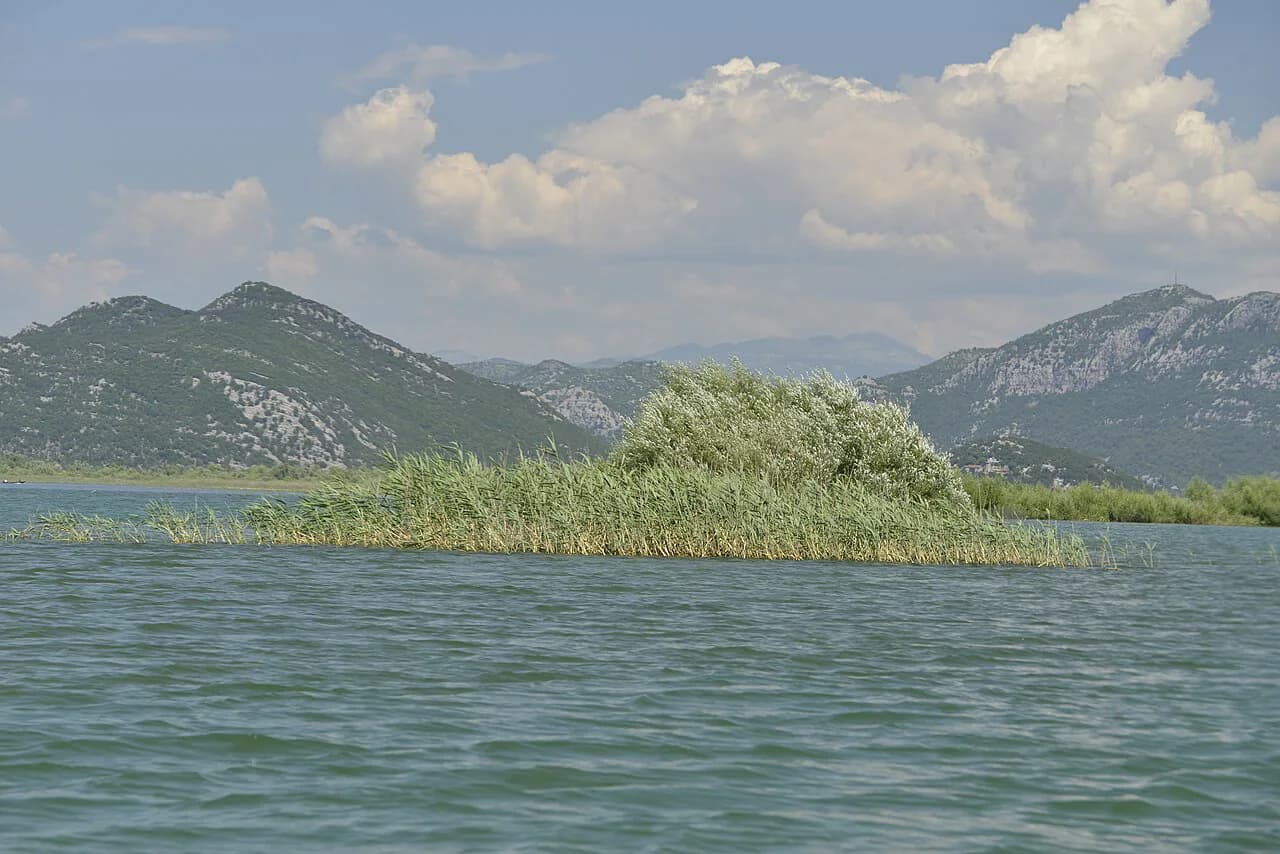
The lake covers about 370 square kilometres in summer and expands to around 530 square kilometres in winter, so treat any single figure you see quoted as only one season's measurement. On average it runs 44 kilometres long, 10 kilometres wide and 8 metres deep. The differences are large enough that the shoreline you can walk in August may be under water by December.
For a visitor this means a boat trip covers only a fraction of the water, and what it reaches depends on the season. A short loop from Virpazar is not the same journey as a longer run towards the channels and reed beds, so ask what route a trip follows before you commit.
Where to base yourself: Virpazar, Rijeka Crnojevića and quieter shore villages
Virpazar is the lake's tourist hub and the most convenient base if you want boat departures, cafés and services on your doorstep. It sits where the main road from Podgorica meets the lake, which makes it the natural first stop for anyone arriving from the capital or the coast. The trade-off is that a busy afternoon brings crowds and touts, and the town's own appeal shrinks when it is at its fullest.
Rijeka Crnojevića, further round the shore on the Crnojević River, was the summer court town of King Nikola and remains a quieter place to stay or to break a drive. Basing outside Virpazar, whether in the Crmnica villages or further along the shore, gives you the lake at dusk and dawn without the throughput of the main hub.
If you would rather structure the day around the water than around a town, build the trip from whichever village is closest to your boat departure and treat the rest of the shoreline as the second half of the day. Staying two nights gives time for both a boat trip and a slow drive.
Boat trips on the lake: what two to three hours covers, and why morning wins
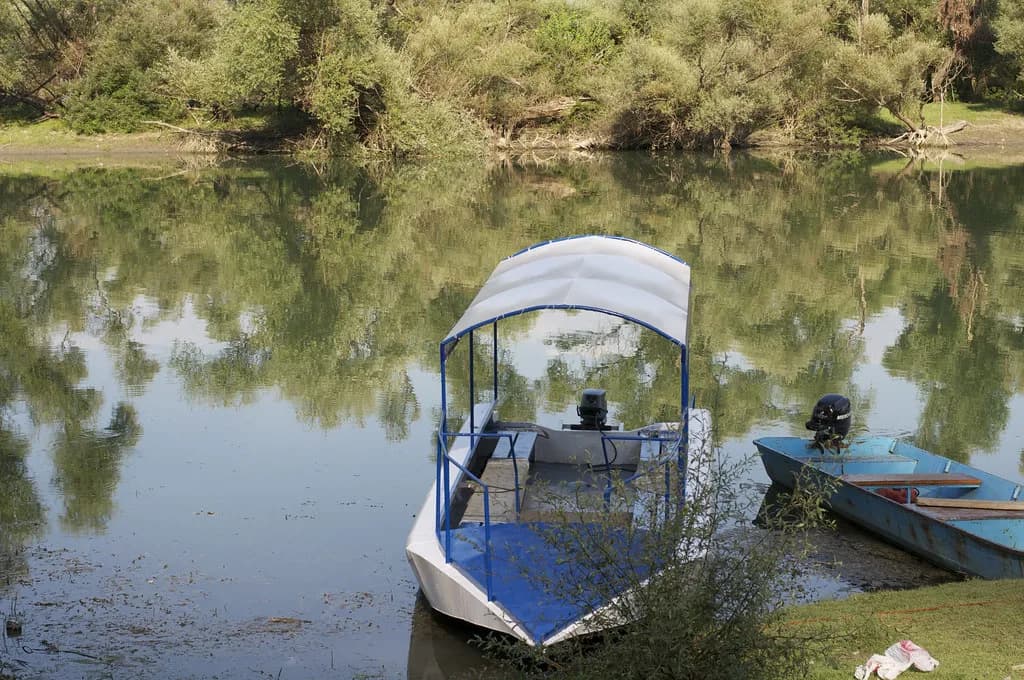
Boat trips run from Virpazar and typically last two to three hours. They skim only a small fraction of the park, so pick a longer run if you want more than a short loop through the channels. Book ahead if you are travelling in a busy period and want a specific departure.
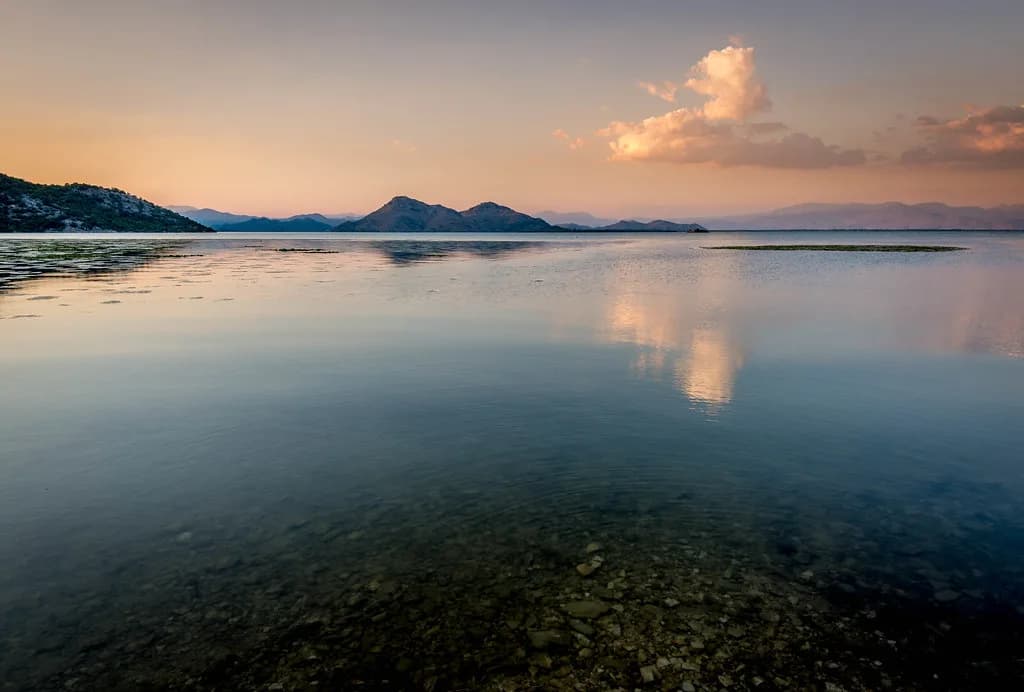
The early-morning trip is worth rearranging your day for: the water is still, the light is soft and the touts are not yet out in force. The 10am to 3pm window is the peak, when the lake receives the bulk of its day visitors, so scheduling outside it changes the whole experience.
Prices, departure times and which operator runs which route are set locally and change, so confirm what you are booking before you pay rather than relying on a figure from a blog. Ask what the trip covers, whether it stops anywhere, and how long you will actually be on the water.
Kayaking, swimming and the shore
Kayaking gives you the freedom to leave the boat routes behind and follow the reed beds and shorelines yourself. Check what equipment and support is included and what happens in a sudden change of weather before paddling out.
There are wild swim spots around the shore, especially in the quieter reaches away from the main jetties. Take local advice on where and when to swim rather than assuming any stretch of water is safe.
The panoramic road and the Pavlova Strana horseshoe bend
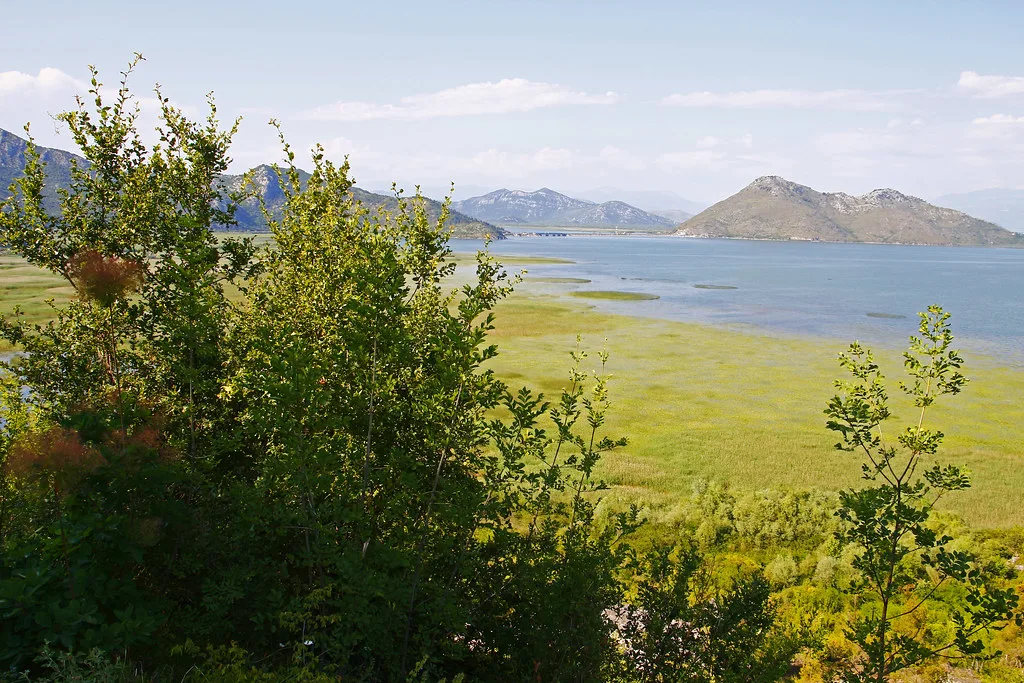
The drive around the shore is one of the best reasons to have your own car, and the horseshoe bend viewpoint above the lake is the view most photographs are taken from. The panoramic road to Pavlova Strana climbs to it; go in good light and accept that the final stretch calls for careful driving.
Time your drive so you are not on the viewpoint road in the middle of the day's boat traffic; an evening or early-morning pass rewards you with less haze and far fewer people. Carry water and allow time for the bends.
Rijeka Crnojevića: the old royal summer town on the water
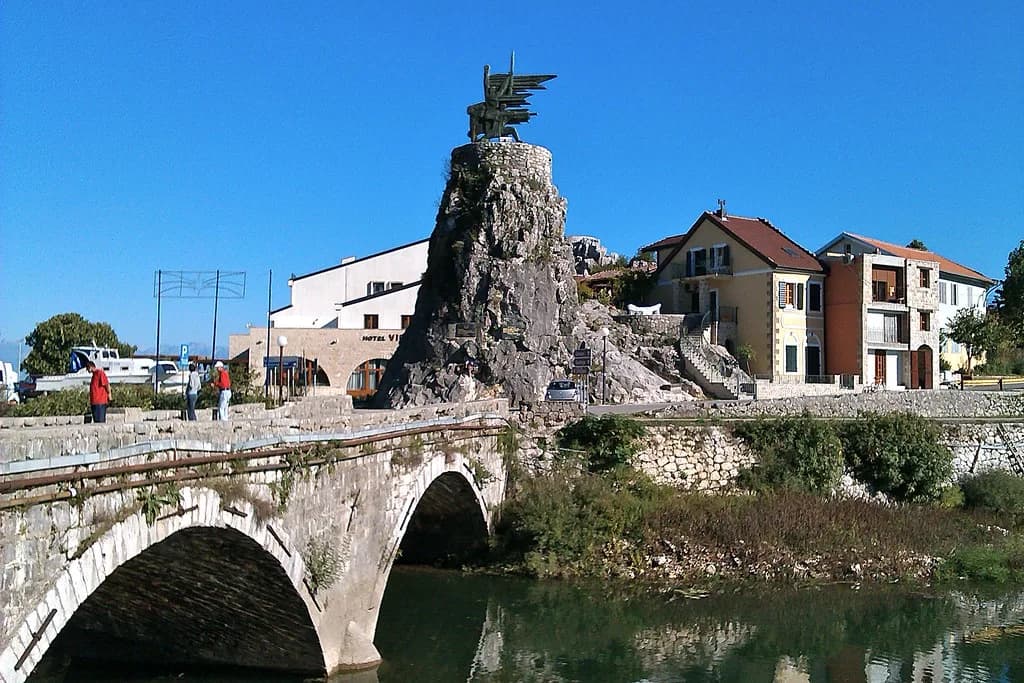
Rijeka Crnojevića sits on the Crnojević River where it meets the lake, and it offers the easiest way to combine a waterside wander with a drive around the northern shore. The old royal summer town is small enough to cover on foot.
Treat it as the stop where you leave the car, walk the bridge and the riverfront, and eat before heading on. It pairs naturally with the viewpoint roads and works as an alternative to basing in Virpazar.
Fortresses and island monasteries around the shore
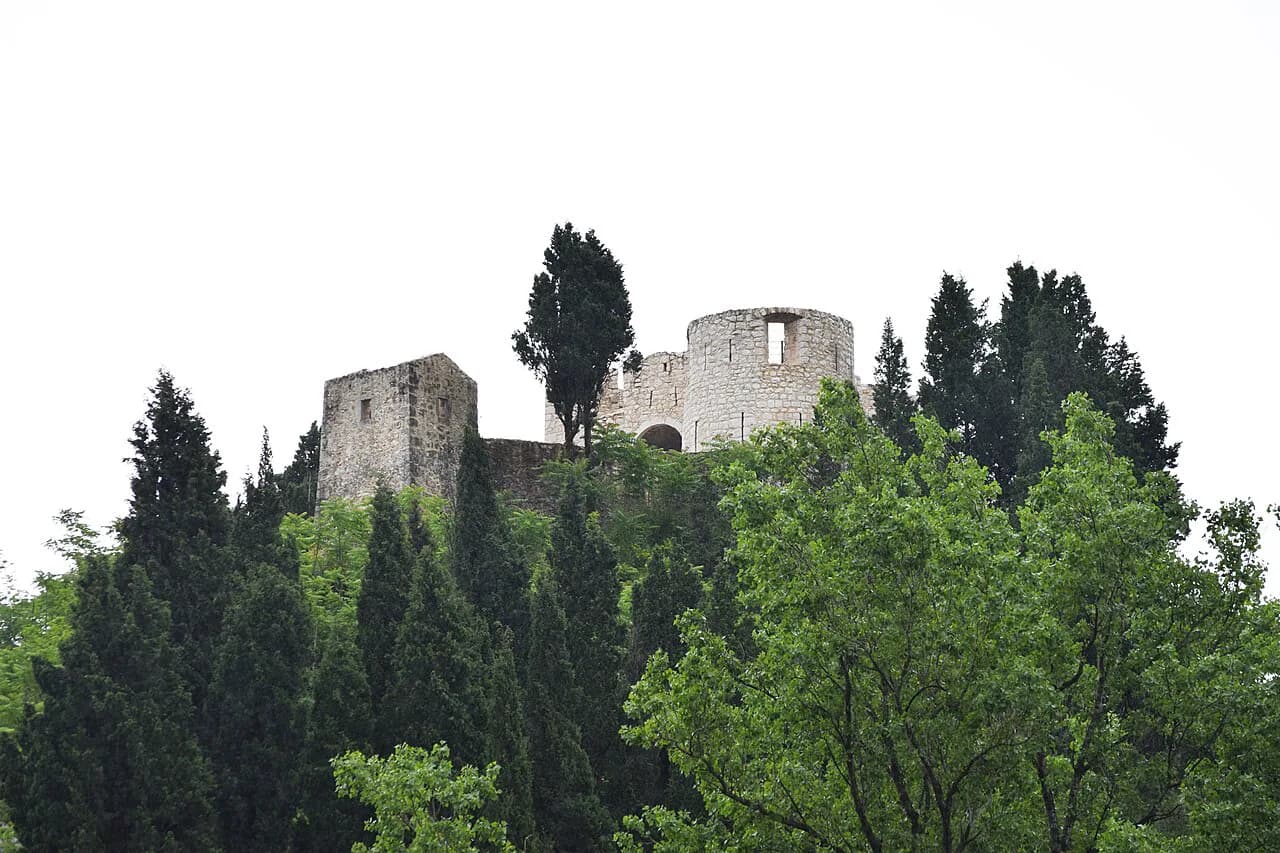
Ruined fortresses sit around the lake's edges rather than in its centre, which means you need a car to visit more than one in a day. The smaller forts are the sort of stop you make for half an hour on the way between villages, not a destination in themselves.
Island monasteries and small churches are scattered through the lake landscape, and some sit on islets out in the water. If a monastery visit matters, ask your boat operator which ones their route passes before you book.
Birdlife, the Dalmatian pelican and the winter count
The lake is a rewarding birdwatching site, with the Dalmatian pelican and the pygmy cormorant among the species that draw visitors. Herons, egrets, ibises, falcons and eagles also work the reeds and rocky shores.
In winter the lake swells with water and birds together, and around 50,000 birds are estimated to winter in the region. That makes the cold months a serious season for birders, with pike, perch, trout and carp in the wider water.
Wine and food in the Crmnica and Godinje valleys
The slopes above the shoreline form a notable wine region, and the villages of Crmnica and Godinje hold small family cellars where you can taste the local wines. Godinje is the place the sources point to for a wine-tasting afternoon in family-run cellars.
Local produce includes lake fish, goat's cheese, honey and cured ham, and a slow lunch is a decent way to round off a morning on the water. Book a cellar visit ahead if you want a tasting rather than just a meal.
How to get there by car, bus and train from Podgorica and the coast
The lake is reachable by car, train and bus, and it works as a first stop for anyone flying into Podgorica before heading to the coast. Driving gives you the shore roads and the viewpoints; without a car you are tied to the main hubs and boat departures.
The lake is served by road and bus, with boat departures concentrated at Virpazar. Check current timetables before you set out, and plan the bus leg around a boat departure if you are travelling without a car.
Lake Skadar as a day trip from Kotor, and the trade-off
Lake Skadar works as a day trip from Kotor, and many organised tours combine it with other stops such as Biograd National Park. The trade-off is time: a day trip usually lands you in the busy middle of the day when the lake is at its least pleasant.
If you only have one day, try to go outside the peak and take a longer trip on the water rather than a short loop. Better still, give the lake two full days and base yourself on the shore.
Parking and arrival in Virpazar
Parking in Virpazar is limited and the town can be awkward to enter on a busy afternoon, so arrive early enough that you are not circling the centre. Leave the car and walk to the jetties rather than trying to reach each one by road.
Expect touts near the jetties and the main road, especially in peak season. Book through a place you can hold accountable and keep your own transport plans flexible for the drive back.
How long you need: half a day, two nights or longer
A half day covers one boat trip and a short stop in Virpazar, which is the minimum. Two nights lets you take an early boat trip, drive the viewpoint roads and eat a slow lunch on the shore.
If you can stay longer, add the Crmnica and Godinje villages and Rijeka Crnojevića to the plan. That is the version of the lake that rewards you most.
Practical notes for visiting the national park
The park is administered as a national park, so check fees and access arrangements through the official national park service rather than assuming a figure you have seen quoted. Visitors centre staff are the most reliable place to ask about current arrangements.
Take cash for small operators, cellars and village cafés; be ready for mosquitoes along the reeds; and leave room in the day for the drive, which takes longer than the map suggests. Wear shoes you can walk in on wet ground.
Which side of the lake should you base yourself on?
Base yourself in Virpazar if convenience and boat departures matter most, and outside it if the quiet evenings and mornings do. Either way, book a boat for first light and keep the middle of the day for the drive.
For the rest of your time in Montenegro, the coast towns of Budva and Herceg Novi make a sensible contrast to the lake's wetland landscape.
Explore more Lake Skadar guides
Frequently Asked Questions
Is Lake Skadar in Albania or Montenegro?
Both. The lake straddles the border, and around one-third of its surface lies in Albania. The villages, boat departures and viewpoints covered here are on the Montenegrin side, which is the part most visitors see.
Is it safe to swim in Lake Skadar?
There are wild swim spots around the shore, but safety depends on the place and the conditions. Take local advice on where and when to swim, and do not assume a stretch of water is safe because it looks calm.
Is Lake Skadar worth visiting?
Yes, especially if you stay a night and go out on the water early. Day trippers who arrive in the peak hours and take a short boat trip see a busier, less appealing version of the lake than those who time it well.
Sources
Notes for your Montenegro trip
Optional updates to our Montenegro town guides.
You might also like
Continue reading
More guides you'll find useful