
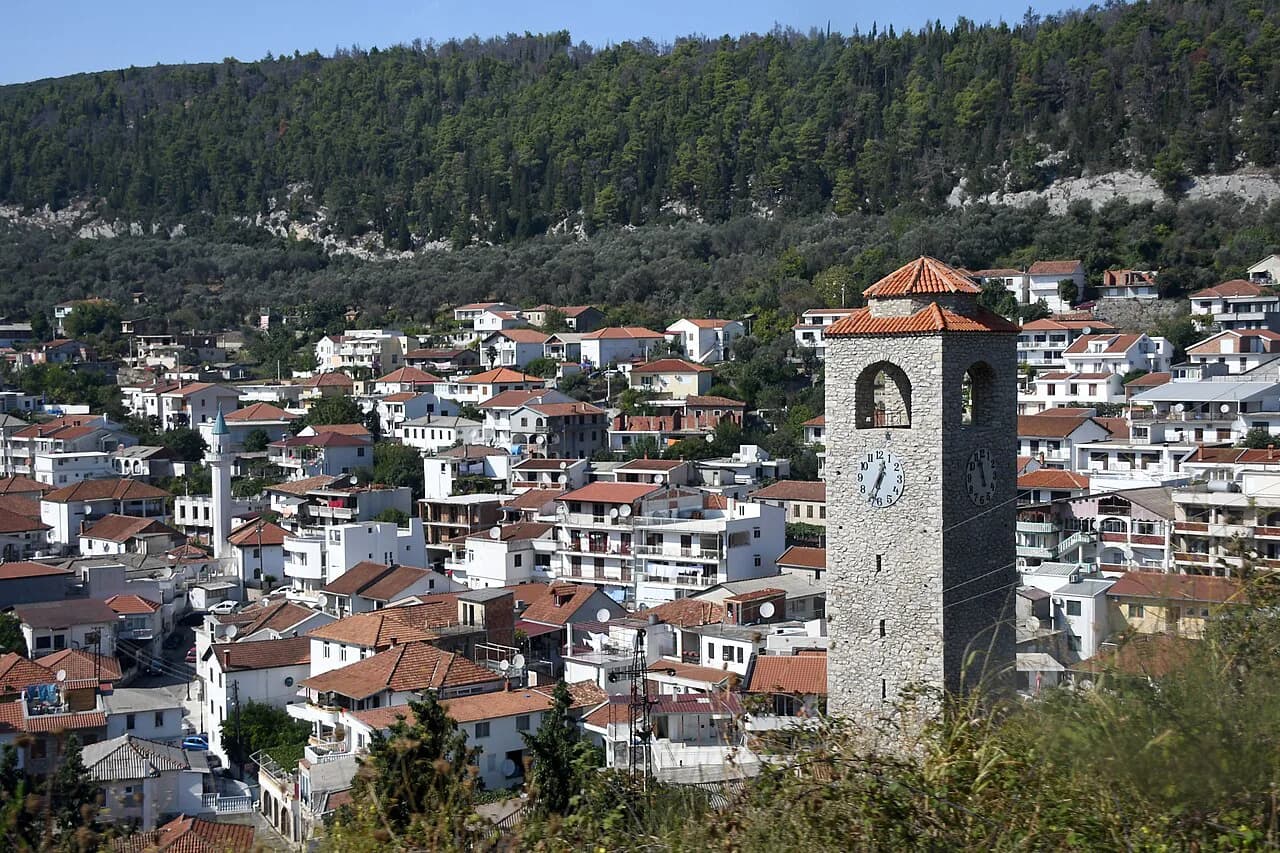
Sahat Kula, Ulcinj: the Clock Tower and How to See It

Sahat Kula is Ulcinj's clock tower, a stone structure paid for by donations from the town's citizens and built in 1754. It is a short look-at-it stop in the town centre rather than a museum or an attraction with a turnstile. This guide covers what the tower is, where it stands, what you can actually see and how to fold it into a walk around Ulcinj.
The one firm fact to carry with you is the date: 1754, raised by public subscription, according to reporting on the tower. Everything else, including whether the clock is running when you arrive, you should judge on the spot. Allow a few minutes, not an afternoon.
What Sahat Kula is
Sahat Kula is a clock tower, and it is one of the cultural and historical monuments of Ulcinj. It was built in 1754 with voluntary donations from the town's citizens, and the intention was practical: to call people to work, remind them of civic duties and give them a secular sense of time. Treat it as a piece of street architecture with a clock in it, not as a visitor centre.
The tower is often described locally as a tourist attraction, and it sits in the everyday fabric of the town rather than behind a fence. There is no reason to expect guided tours, displays or a shop inside. If you are working out how the tower fits with the rest of the centre, the Ulcinj attractions guide puts it in context.

Where the tower stands
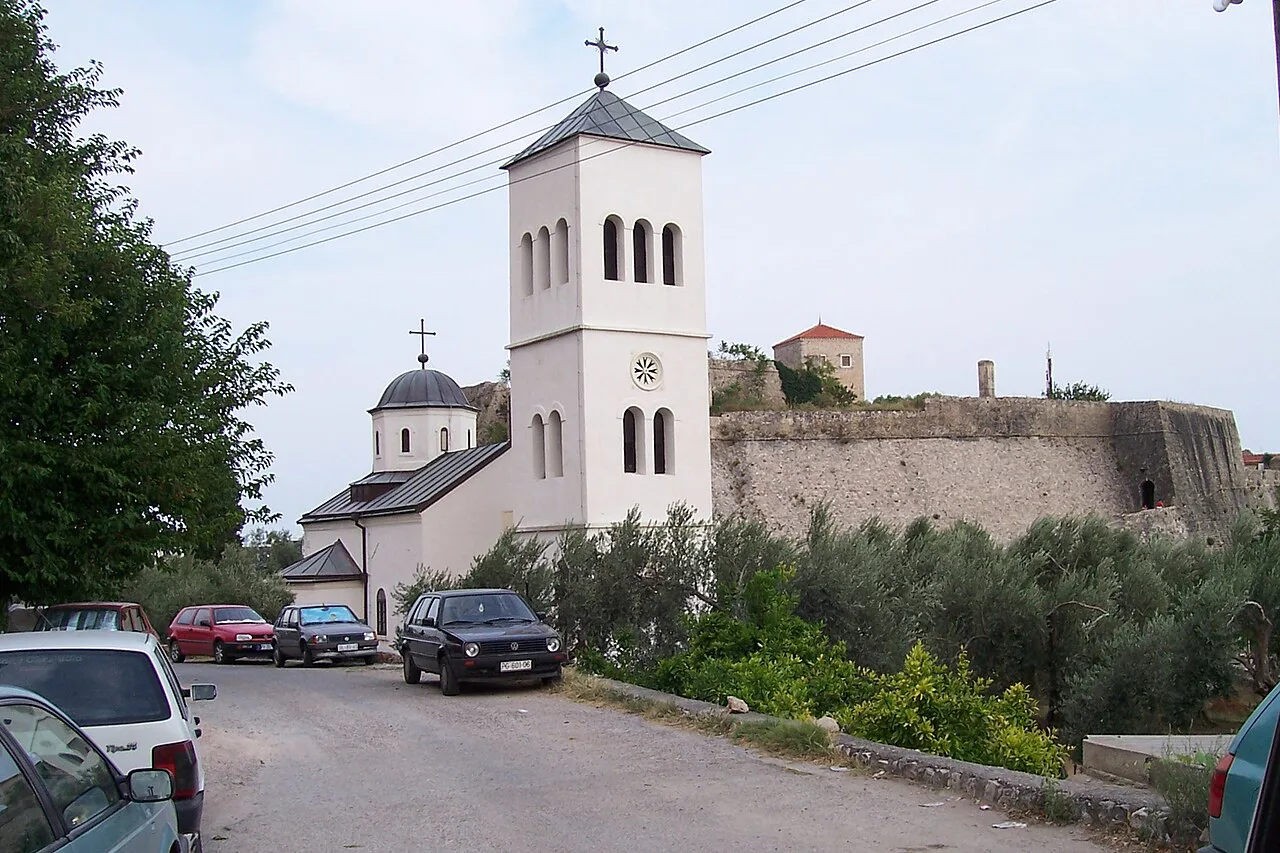
The tower stands within Ulcinj's town centre, on the streets where people live and shop rather than in the walled old town on the hill. Its position was chosen deliberately so that the strikes of the bell could be heard across the different parts of the city. That is your best orientation tool: you are looking for a tower among ordinary streets, not a landmark on a headland.
Plan to reach it on foot from the centre; the tower is a small structure and it appears without much warning between buildings. If you are staying on the edge of town, the walk into the centre is straightforward and the tower makes a natural first or last stop before you carry on.

What you see: the tower, the face and the bell
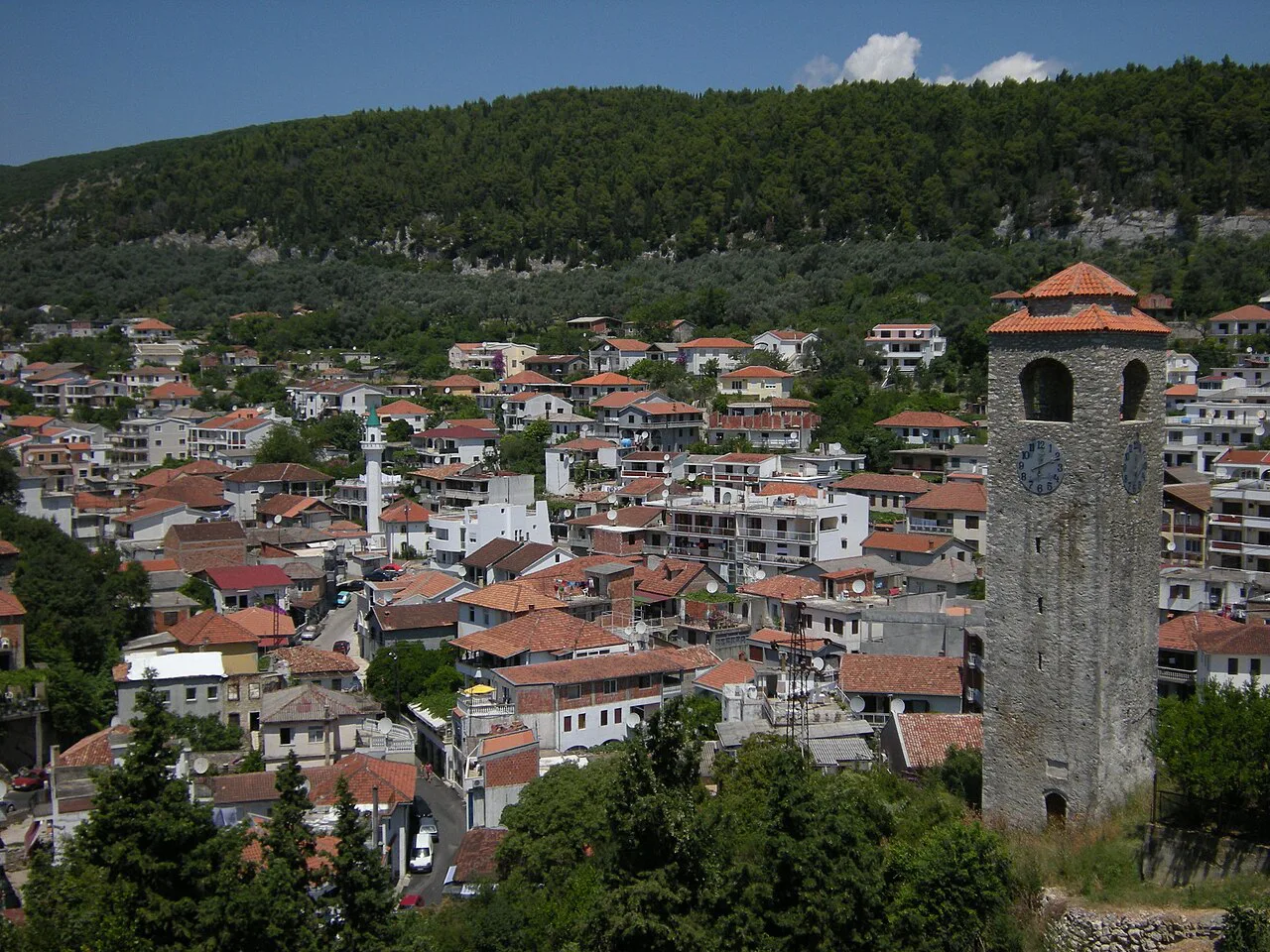
What you are looking at is a restored stone tower with a clock face and a bell housing at the top. Reporting describes the building as well restored and as carrying the stamp of the period in which it was built. Look up rather than straight ahead, because the face and the bell are the whole point of the structure.
There is no interior to tour and no viewpoint to climb. The pleasure is in the reading of the stonework, the proportions and the clock face against the surrounding roofs. Bring a camera if you like facade detail; otherwise it is a two-minute look and you are moving on.
The clock mechanism
Do not arrive expecting a chime. In 2013 the tower's clock was out of order: the bell was silent, the mechanism was stopped, and the museum curator at Ulcinj's old town said the building itself was well restored but the clock needed to be made to work again. That description is the only firm statement to go on about the mechanism.
Whether the clock has since been repaired is not something you can rely on from a written guide. Check the time against a clock face on arrival and treat a silent tower as normal rather than as bad luck. Your phone is the reliable timekeeper here.
How to get there
The tower is in the centre, so walking is the sensible way in from anywhere in the middle of Ulcinj. The hotels-me listing for the Sahat Kula Residence on Bulevar Teuta places that hotel about a 10-minute walk from the centre, which gives you a rough sense of the distances involved on this side of town.
If you are coming from further out, take a bus or taxi to the centre and finish the last stretch on foot, since the tower is embedded in the street layout. Bus stop positions, taxi fares and the exact street address you would hand a driver are all things to confirm locally on the day rather than from any guide.
How long to allow
Give the tower five minutes, and count it as one stop on a walk through the centre rather than as an outing. That is enough for a look at the face and bell housing, a couple of photographs and a read of the stonework. Anyone expecting a site with numbered rooms will be finished almost immediately.
Slot it in on the way between the town centre and the old town, when you are already moving through the streets rather than making a special journey. The tower works best as punctuation in a walk, not as the reason for one.
Nearby: the old town and the centre
Two other buildings sit easily on the same walk, both mosques in Ulcinj: the Sailors' Mosque (Mornarska džamija), Ulcinj, and Pasha's Mosque (Pašina džamija), Ulcinj. Treat all three as one errand in the centre rather than three separate trips, and check access rules at each door as you go.
Ulcinj Old Town sits on the hill above and is a separate visit with its own walls and museum; the museum curator who spoke about the clock was based there. Budva and Bar are the closest larger towns along the coast if you are stringing together several stops on the same day.
Should you make the trip for the tower alone?
No: Sahat Kula is a brief stop to fold into a walk through central Ulcinj, not a reason to plan a day around it. Go for the 1754 stonework, the clock face and the bell housing, and accept that the clock may well be stopped while you are there.
Walk in from the centre, allow five minutes, then carry on to the mosques and pick up the old town on the hill. That is how the tower earns its place: as one good look on the way to somewhere else.