
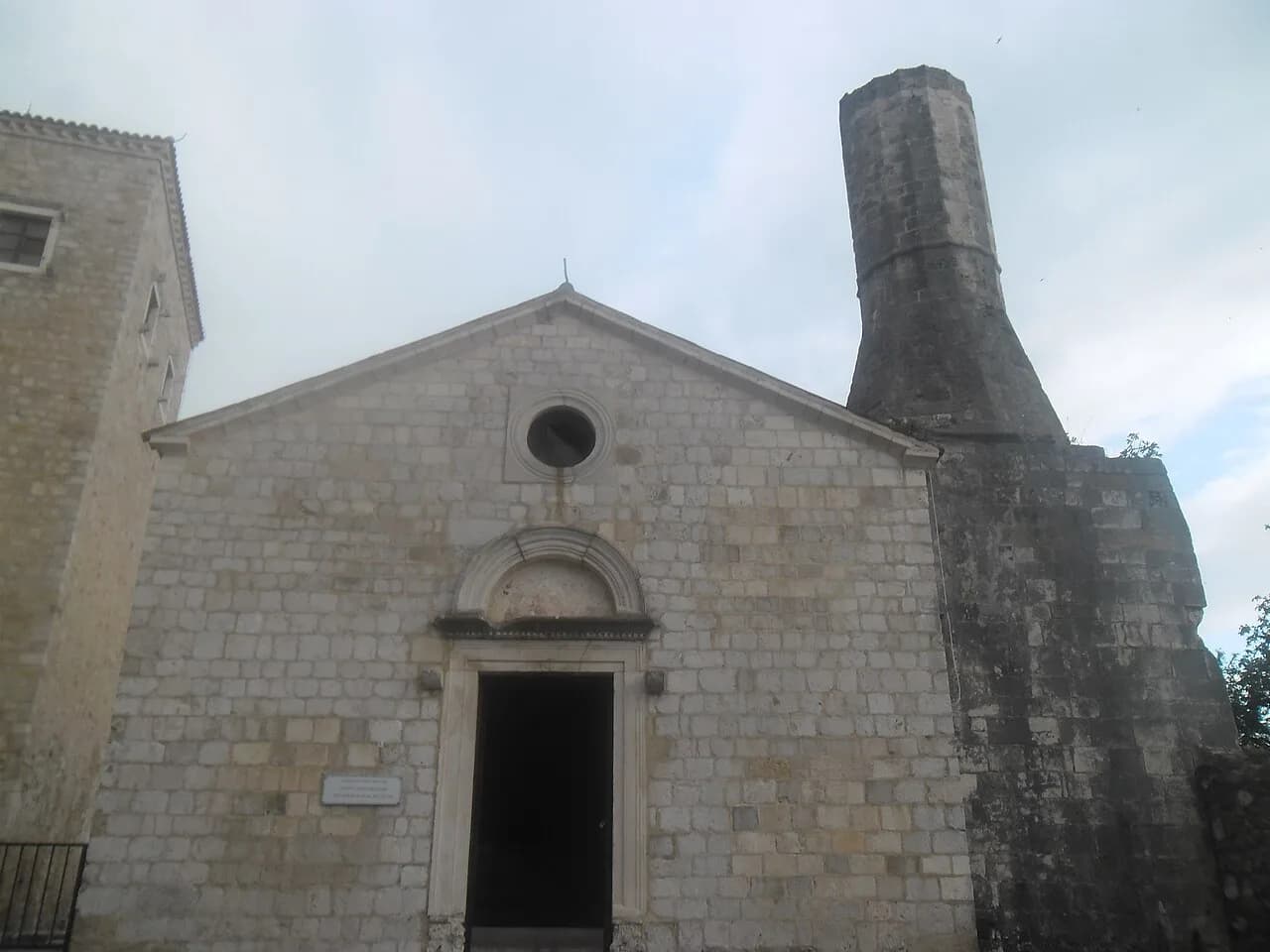
Ulcinj Museum: What to See Inside the Old Town

The Ulcinj Museum is a small old-town stop that fits into an hour-long walk through the walls, and it is worth entering for the Roman and Ottoman collection and the building itself. It sits just inside the gates at the top of the steep path up from the town, so you pass it on the way in. This guide covers where the museum is, what is inside, how long to allow and what to see nearby in the old town.
Where the museum is in the old town
The museum is the first thing you reach after climbing the steep path through the old town gates, which puts it at the start of any visit rather than the end. The old town itself is compact and the main draws inside are the museum and the views out over the Adriatic. Set aside no more than about an hour for a walk through the whole old town, with the museum as the stop inside the gates.
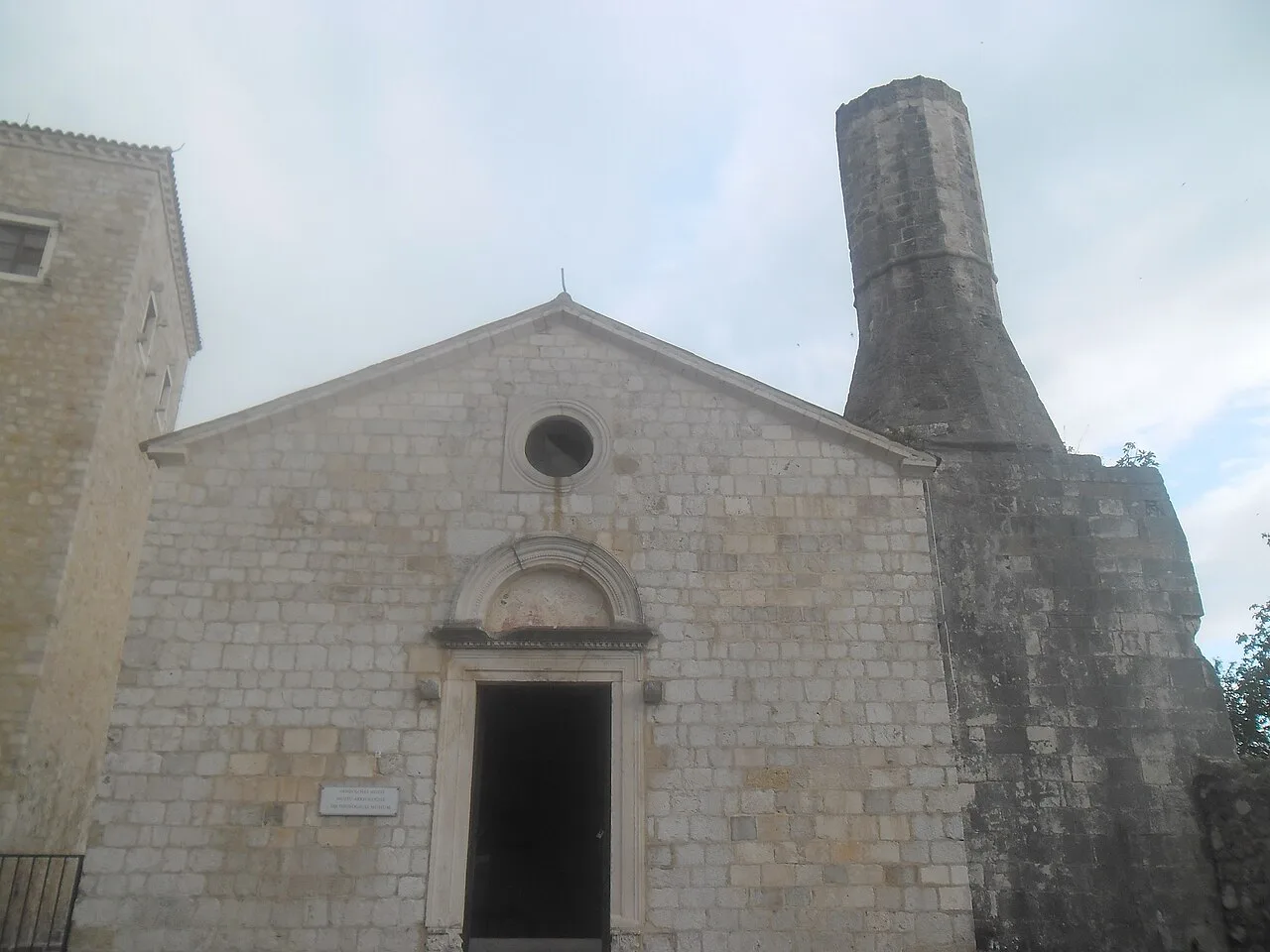

Walking up from Mala Plaza to the museum gate
From Mala Plaza, the 350-metre sandy beach beside the old town, the climb to the museum gate is short but steep, and there are lots of stairs with no lifts. Wear shoes you can climb in and carry water in summer. The effort pays off at the top with the museum, the old-town restaurants and the view down over the beach.
What is Ulcinj known for? Ulcinj is known for its old town above the sea, its long sandy beaches including Velika Plaza, and a distinctive Albanian-influenced culture at the southern end of Montenegro. The old town, with the museum, Slave Square and the Venetian Palace, is the historic core to see on foot.
What language is spoken in Ulcinj? Albanian is spoken more often than Montenegrin or Serbo-Croatian in Ulcinj, reflecting the town's ethnic Albanian majority. English is widely used in tourist settings, but a few words of Albanian or Montenegrin go a long way in the old town.
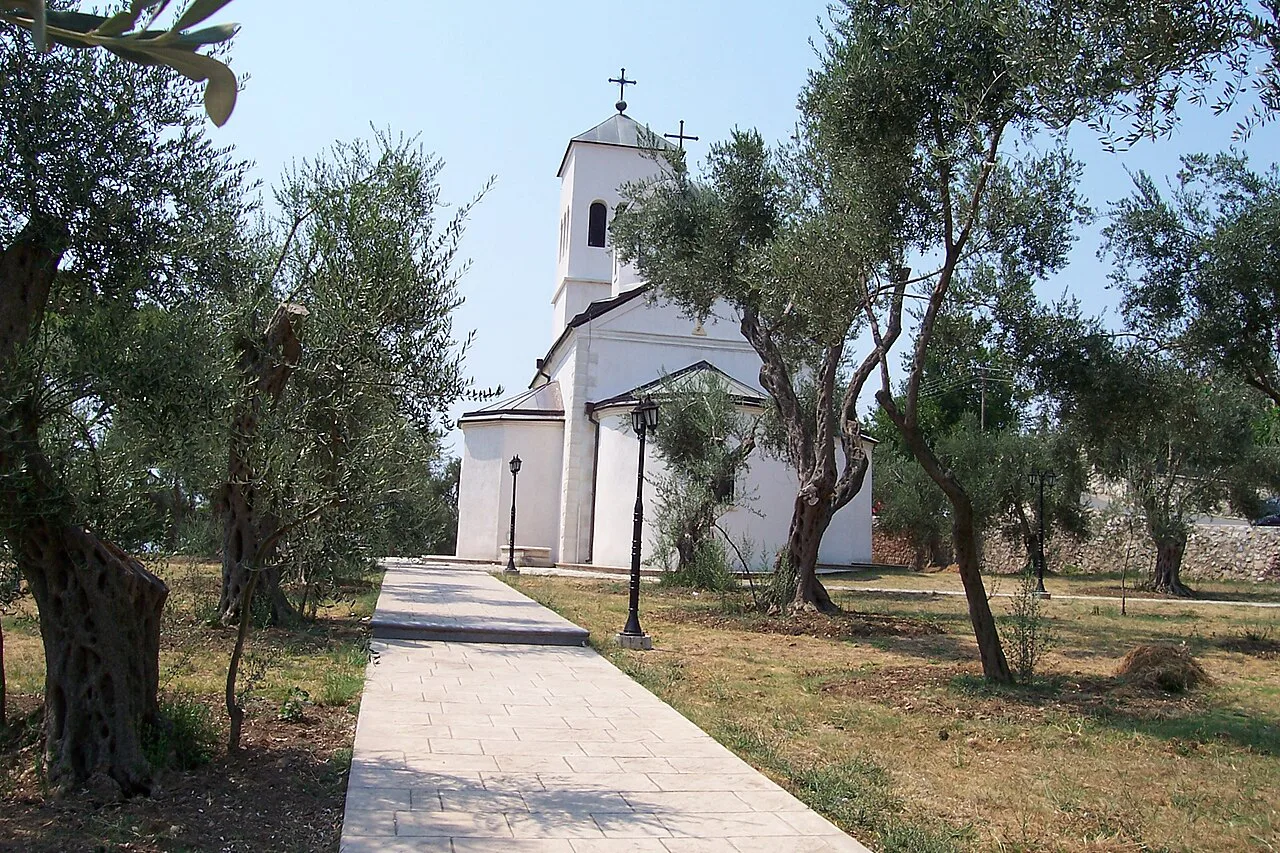

What is inside: Roman and Ottoman pieces, the 1510 church turned mosque, Balsic Tower
The collection covers Roman and Ottoman artefacts, and the building includes a church dating from 1510 that was turned into a mosque in the 17th century. Behind the church you will find displays of old photographs of Montenegro and examples of traditional dress. Part of the museum is Balsic Tower, which houses art displays.
Opening hours and stairs
The museum has lots of stairs and no lifts, and the upper levels reward the effort with views across the old town and the Adriatic. Opening times vary by season, so check the current hours before you climb up.
How long the museum and the old town walk need
Budget most of your old-town time for the walk itself: the whole circuit should take no more than an hour or so, and the museum is a short stop within that. The museum has few rooms, so 20 to 30 minutes inside leaves time for the walls, the views and a drink afterwards. If you are short of time, do the museum first and then walk the lanes rather than the other way round.
Stairs, tower edges and small children
The museum has lots of stairs and no lifts, so pushchairs and anyone with limited mobility will struggle. Safety barriers and signs are not up to Western standards, and the top of the tower needs particular care with small children. Keep hold of young children on the upper levels and on the stepped path up from the beach.
Nearby: Slave Square, the Venetian Palace and old-town restaurants
Slave Square is the open square right outside the museum, so you pass through it on the way in and out. The Venetian Palace, now the Palata Venezia hotel, is nearby and its pool and restaurant overlook the town and Mala Plaza. Old-town restaurants make a sensible finish to the walk, especially if you time it for sunset over the Adriatic.
Two other old-town landmarks are worth a look on the same walk: the Sailors' Mosque and the clock tower Ulcinj, both close by in the lanes. Neither needs long, but together they round out a short visit to the museum and the walls.
Sunset timing for the old-town walk
Time your walk through the old town to finish at sunset, when you can watch the sun go down over the Adriatic over dinner at one of the old-town restaurants. Visit the museum first, while it is still open, then take the lanes and settle at a table for the view.
Is the museum worth the climb?
Yes, if you are already walking the old town: the museum adds Roman and Ottoman pieces and the 1510 church turned mosque to a short climb that ends with views over the Adriatic. Skip it only if stairs are a problem or you are short of time, in which case the lanes and viewpoints still justify the walk. Check the day's opening hours before you set out, then build the visit into a sunset circuit.
Explore more Ulcinj guides
Frequently Asked Questions
What is Ulcinj known for?
Ulcinj is known for its old town above the sea, its long sandy beaches including Velika Plaza, and a distinctive Albanian-influenced culture at the southern end of Montenegro. The old town, with the museum, Slave Square and the Venetian Palace, is the historic core to see on foot.
What language is spoken in Ulcinj?
Albanian is spoken more often than Montenegrin or Serbo-Croatian in Ulcinj, reflecting the town's ethnic Albanian majority. English is widely used in tourist settings, but a few words of Albanian or Montenegrin go a long way in the old town.