Tivat Old Town: What's Actually There and How to Walk It
Tivat has no walled old town: its centre is a grid of pedestrian streets and squares with a few historic houses. Here's what to see and how to walk it.
On this page
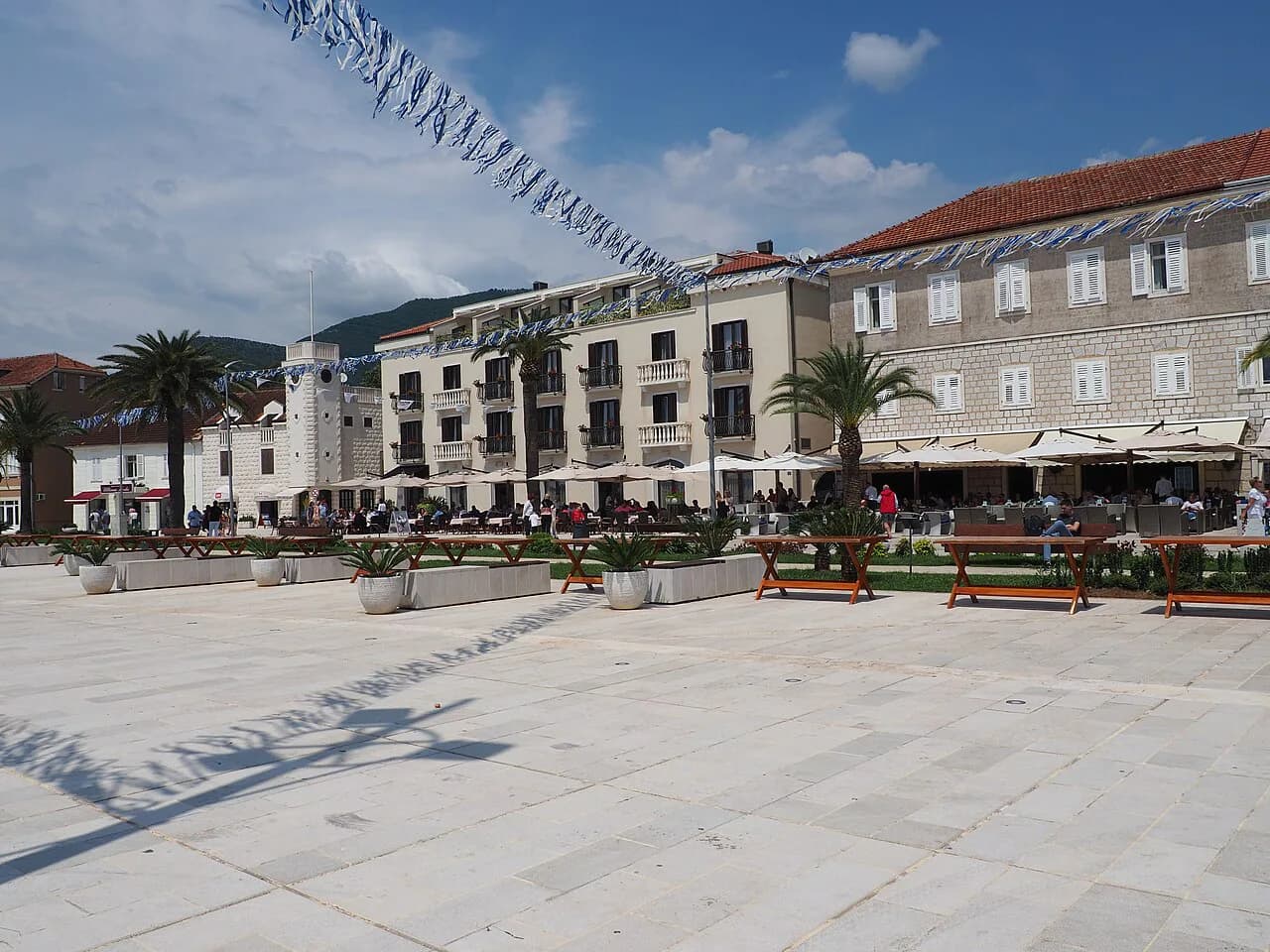
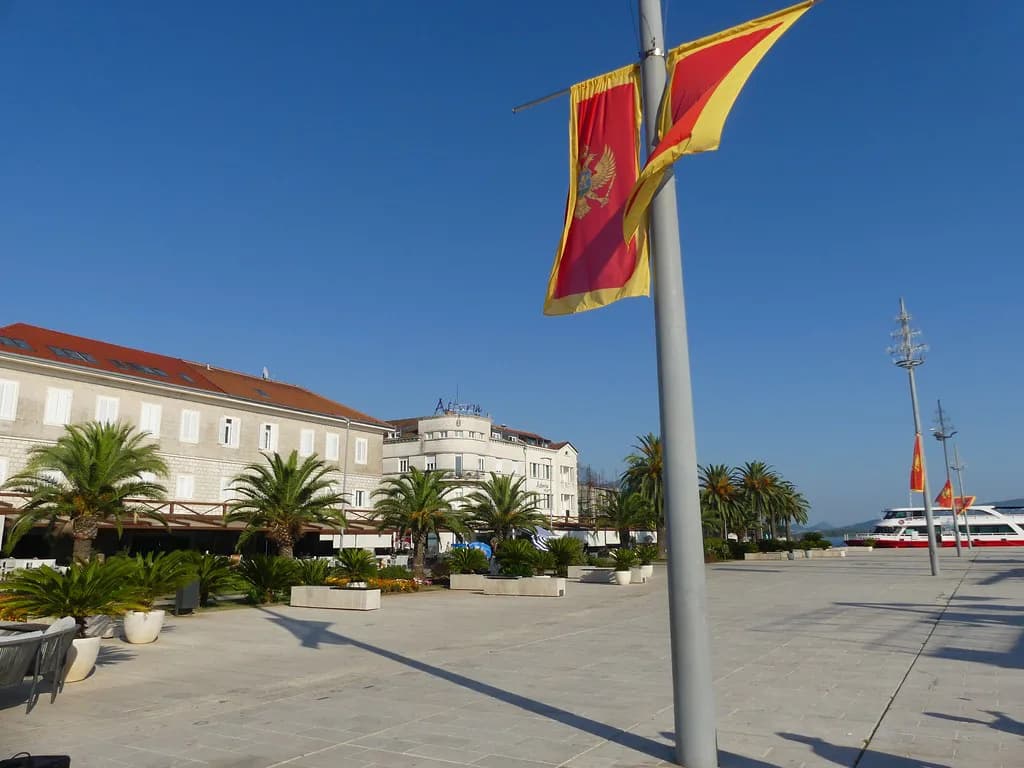
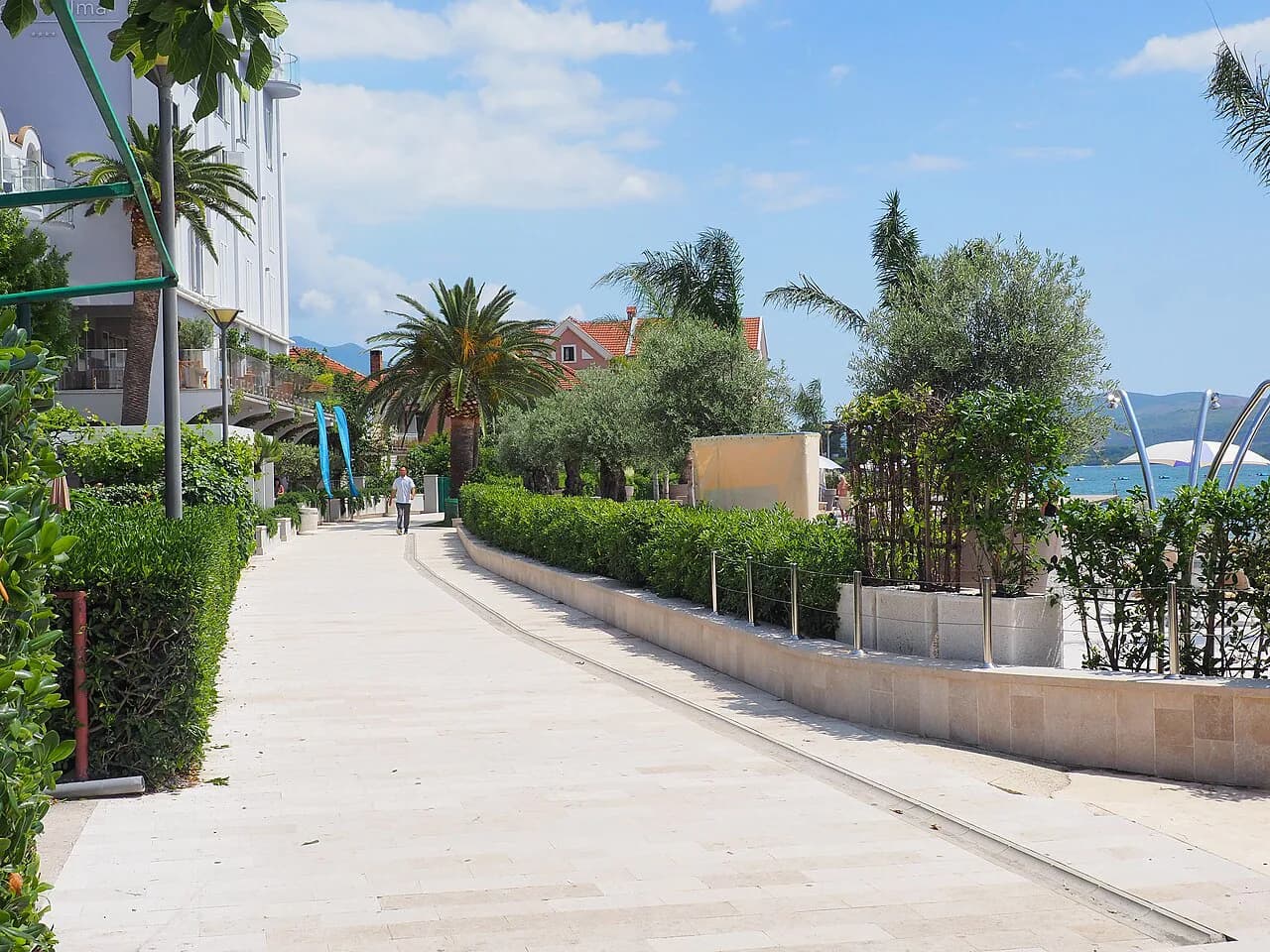
Tivat has no walled old town. What visitors mean by the phrase is the modern centre: a compact network of crisscrossing streets and pedestrianised squares, green and clean, with shops, cafés and local services, sitting just back from the waterside promenade known as Pine. The practical instruction on arrival is to ask for Pine and start there.
This guide sets out what the centre actually contains, how the streets and squares fit together, where the historic buildings and the remodelled marina district sit, and how to spend a couple of hours on foot. It also points you to Gornja Lastva, the stone village on the slopes above town, for the old-quarter experience the centre itself does not offer.
What 'Tivat old town' means in practice
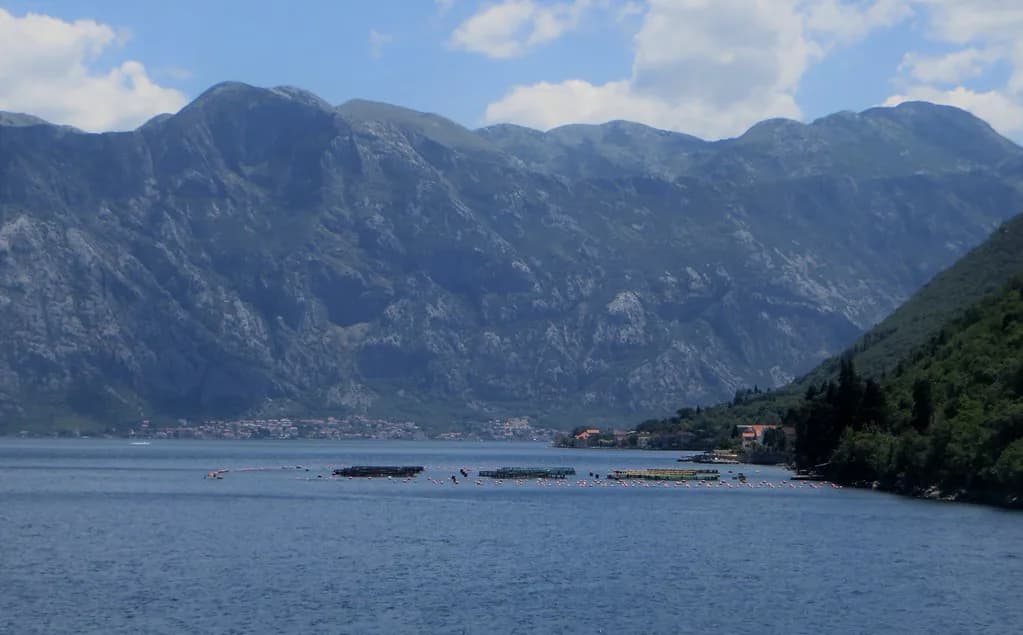
Tivat is the youngest town in the Bay of Kotor, established on the plateau at the foot of Mount Vrmac, the ridge that separates it from Kotor. It spent more than a century as an Austro-Hungarian navy base, arsenal, port and dry dock, which is why the town grew as a working settlement rather than a fortified medieval quarter. Plan your expectations accordingly: there are no town gates, walls or bastions to walk here.
The upside is that the centre works as a place to wander rather than a sight-by-sight checklist. A compact grid of streets and squares delivers everything you need in terms of shops, cafés and services, and public art turns up on the streets as you go. Treat the centre as a short, unhurried circuit and you will enjoy it far more than if you hunt for monuments that are not there.
How the centre is laid out
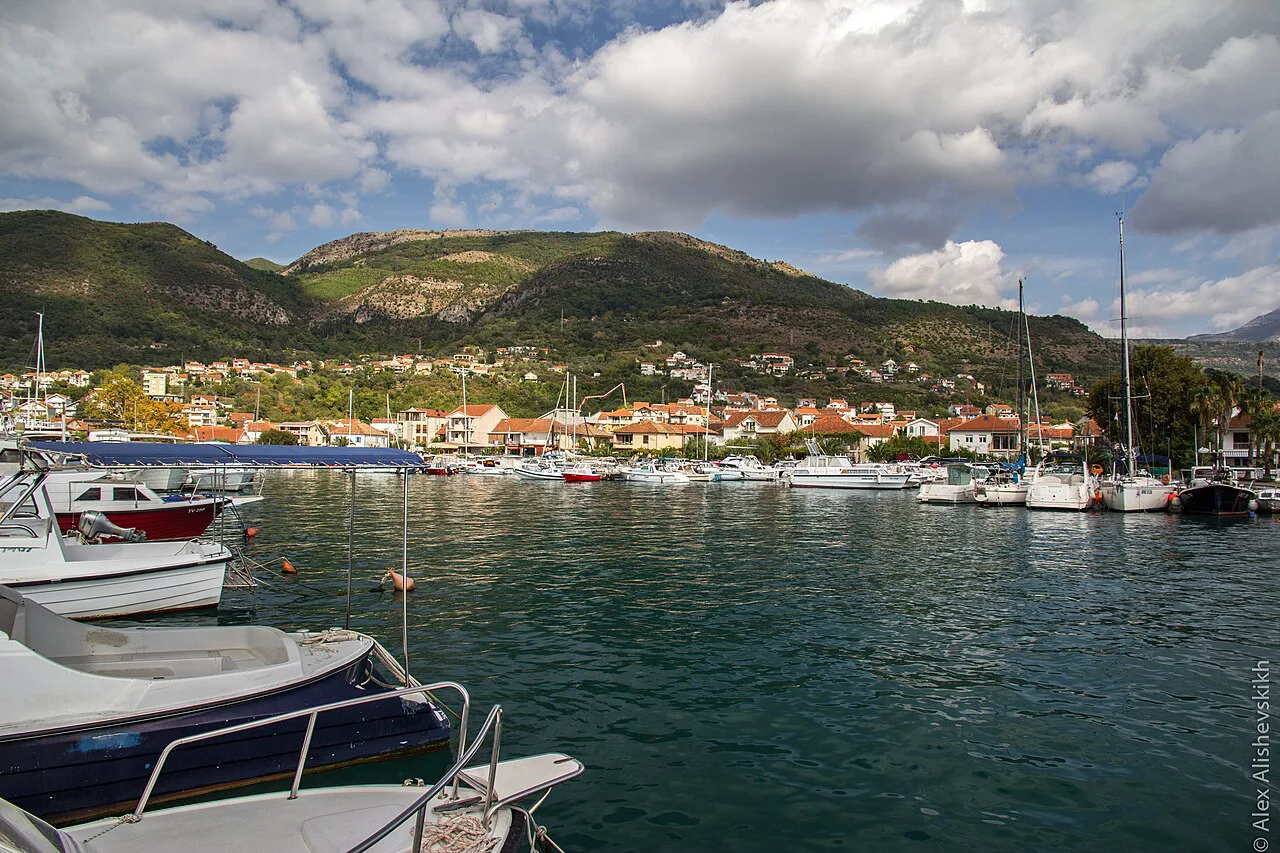
Start at Pine, the waterside promenade, where café bars sit next to one another along the sea and you can walk with the water on one side and the town on the other. From Pine, the streets run back into the grid: leafy residential lanes climb gently towards the hills, with houses and gardens along the way. A walk down from the upper streets to the centre takes about twenty minutes at an easy pace.
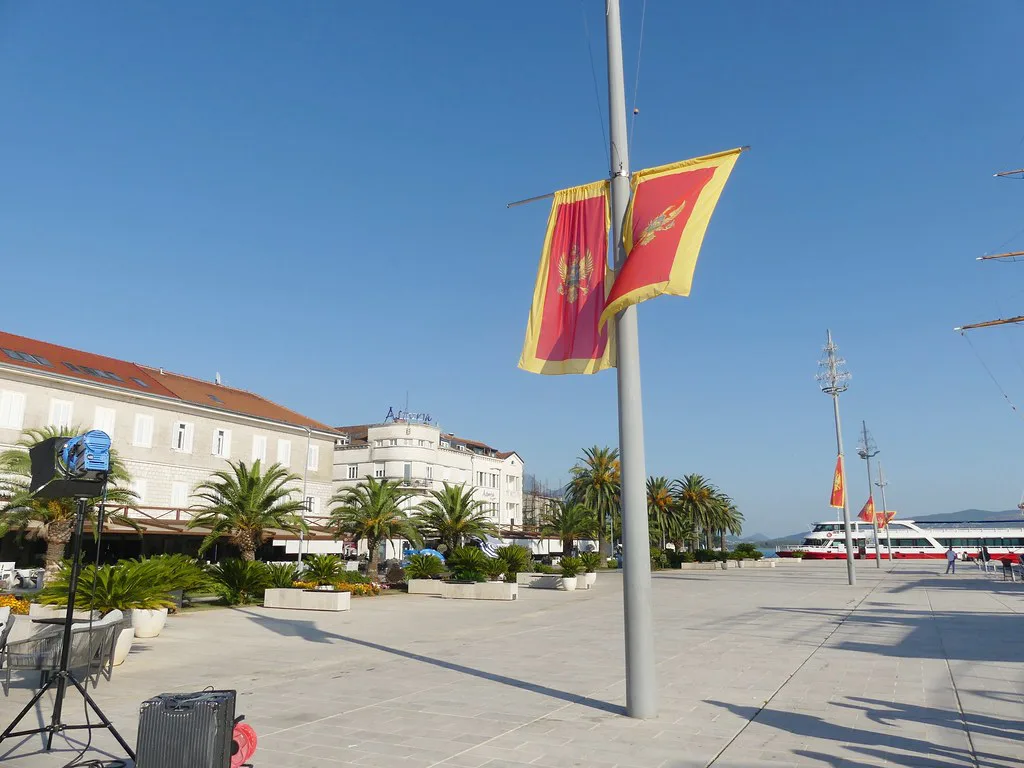
The pedestrianised squares are the anchors of the circuit, and the streets between them are short enough that you cannot get properly lost. Shops, cafés and local services are clustered here rather than spread across a wide area, so a single loop covers most of it. If you want the route spelled out rather than improvised, follow a self-guided Tivat walking tour and you will cover the squares, the public art and the waterfront in one go.
The historic buildings worth finding
The standout historic building in the centre is the summer residence of the Buća family, a noble family from Kotor, built more than half a Millennium ago. It now operates as a museum and gallery, with an open-air summer stage in its garden. Opening hours and any entry charge are set by the museum rather than fixed here, so confirm them before you build your morning around it.
The town park was founded in 1892 on the estate of Kotor noblemen and functions as a botanical garden, with fir, cedar and pine trees plus exotic plants brought back by seafarers from around the world. It makes a natural pause between the streets and the water.
Public art is scattered through the centre rather than gathered in one place. Look for the headless Fallen Angel sculpture on Luke Tomanovića Street, and the playful Giant Bench by Dejan Mirošević and Mitar Jovanović, which invites you to sit and look at your surroundings from a different height. Both are easy to pass without noticing, so keep your eyes off the pavement.
Porto Montenegro: the remodelled waterfront district
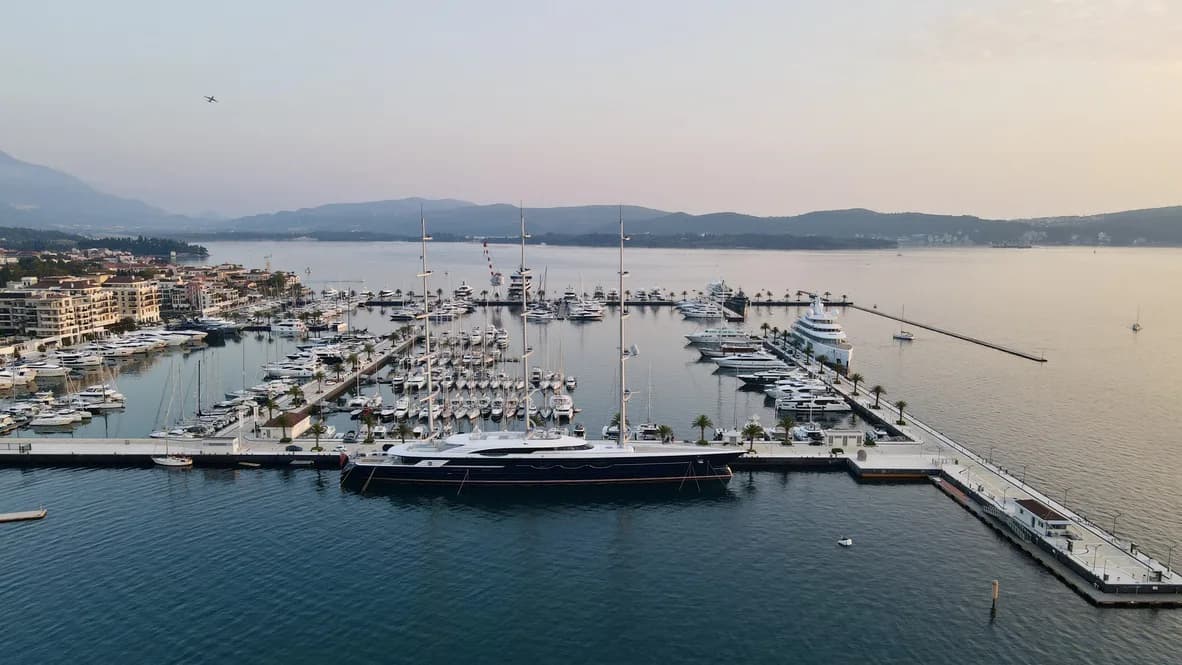
The waterfront district of Porto Montenegro is the centre of gravity for most visitors, and it is entirely modern in feel. The land was bought up in 2007 and redeveloped into a marina with cafés, restaurants and polished streets, complete with classical fountains, potted plants, stone benches and manicured trees. Come here for the atmosphere and the boats, not for old stone.
The district sits directly alongside the older streets, so you can move between the two in minutes and see the contrast for yourself. Super yachts, a high-class promenade, ritzy apartment blocks, polished restaurants and shops make up the marina side, while the Buća house, the town park and the residential lanes make up the older side. Give the marina an hour and the centre another, and you have covered the town's two halves.
Gornja Lastva: the stone village above town
If you came looking for stone houses and narrow lanes, head up rather than into the centre. Gornja Lastva is an idyllic village of stone houses with a parish church dedicated to the Birth of Our Lady, about 3 km north of Tivat on the slopes of Mount Vrmac, with views over the bay and the Luštica peninsula. This is the old nucleus that the town centre itself lacks.
The climb is the trade-off: it is a short distance but uphill, so allow more time than the map suggests and go in the cooler part of the day. Down on the coast, Donja Lastva sits at the foot of the same slope and can be folded into the same outing on the way back. If you want a viewpoint over the bay without committing to the village, the slopes above town are where to look.
The three islands in the bay
Three islands lie in the water off Tivat, and each is a boat trip rather than a walk. The Island of Flowers, Ostrvo Cvijeca, holds the remains of the Holy Archangel Michael Monastery, founded in the 13th century; Saint Marco Island is the largest in the bay and hosted a Club Med resort in the 1970s; and Our Lady of Mercy carries the Church of the Immaculate Conception, erected by hermit friars. Which services run, and on what days, changes with the season, so ask at the waterfront or a local agency before relying on one.
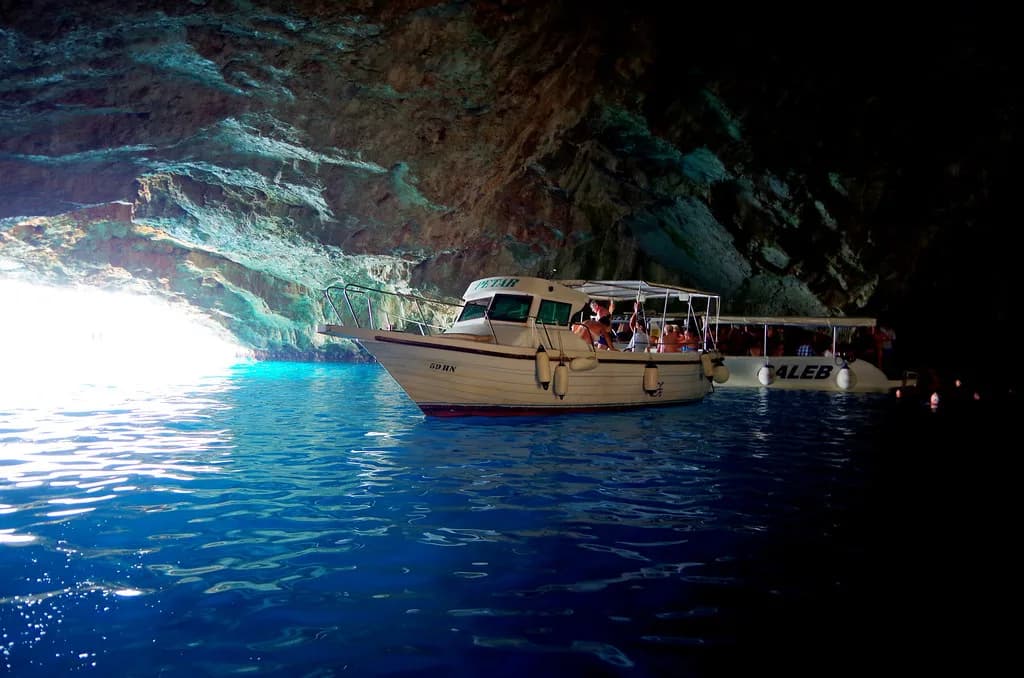
Boats also run from Tivat to the Blue Cave, which can be reached only by water. Compare what is on offer in town before booking, and check whether a trip combines the bay islands with the cave or covers just one. Organised options take the guesswork out of timing.
Walking the centre in a couple of hours
Begin on Pine with a coffee and a look along the water, then turn inland into the pedestrianised squares and the streets between them. Work your way up through the residential lanes to Luke Tomanovića Street for the Fallen Angel, find the Giant Bench for the view back down, and drop into the town park for shade on the way. Finish at the Buća summer house and its garden before crossing into Porto Montenegro for the marina.
Two hours covers the circuit comfortably, and most of what you will spend goes on coffee rather than tickets. If you are building a longer day, this loop slots into a Tivat itinerary alongside the waterfront and an afternoon swim.
Practical trade-offs
Bathing in town is not the sandy sort: Tivat lacks sand or pebble beaches, and the swimming spots are concrete platforms instead, with sandy beaches further out on the Luštica peninsula. That is fine for a quick dip but not for a beach day, so plan the centre as a walking and café stop and treat swimming as a separate outing.
Tivat's small airport sits 3 km south of the town, and there is no public transport from it into the centre, so a taxi is the practical arrival option. The town is compact once you are in it, which makes up for the gap at the airport. If you arrive by road from Kotor, the drive rounds Mount Vrmac rather than crossing it.
Should you walk the centre or head for the villages?
Walk the centre first. Pine, the squares, the Buća summer house, the town park and Porto Montenegro make an easy two-hour circuit and give you an honest picture of a town that grew around a naval yard rather than a set of walls. Expect a modern waterfront and a handful of historic buildings, not a walled quarter.
Then go up to Gornja Lastva if you want stone lanes and bay views, or take a boat if the islands appeal. For a proper meal back in town, the Tivat restaurants cluster around the centre and the marina.
Frequently Asked Questions
Is there an old town in Tivat?
Not in the walled, gated sense. Tivat's centre is a modern grid of pedestrian streets and squares behind the Pine promenade, with a few historic buildings including the Buća summer house and the 1892 town park. For stone houses and narrow lanes, the old village of Gornja Lastva sits about 3 km north on the slopes of Mount Vrmac.
How long does it take to walk the centre of Tivat?
About two hours covers Pine promenade, the pedestrianised squares, the public sculptures, the town park and the Buća summer house, with time left to cross into Porto Montenegro. The streets are compact and the walking is flat apart from the lanes rising towards the hills, so it suits an unhurried morning or late afternoon.
Sources
Notes for your Montenegro trip
Optional updates to our Montenegro town guides.
You might also like
Continue reading
More guides you'll find useful