Montenegro Monasteries: Which to Visit and How to Visit Them
Plan a visit to Montenegro's monasteries, from Ostrog's cave church to Cetinje, Morača and Lake Skadar, with transport, dress codes and visitor etiquette.
On this page
Montenegro has more than 50 active Christian monasteries open to the public, and the ones that reward a detour are Ostrog, Cetinje, Morača, Piva and the island abbeys of Lake Skadar. This guide covers what waits inside each, how to reach them by car, bus or tour, and how to behave in a working religious house rather than a museum.
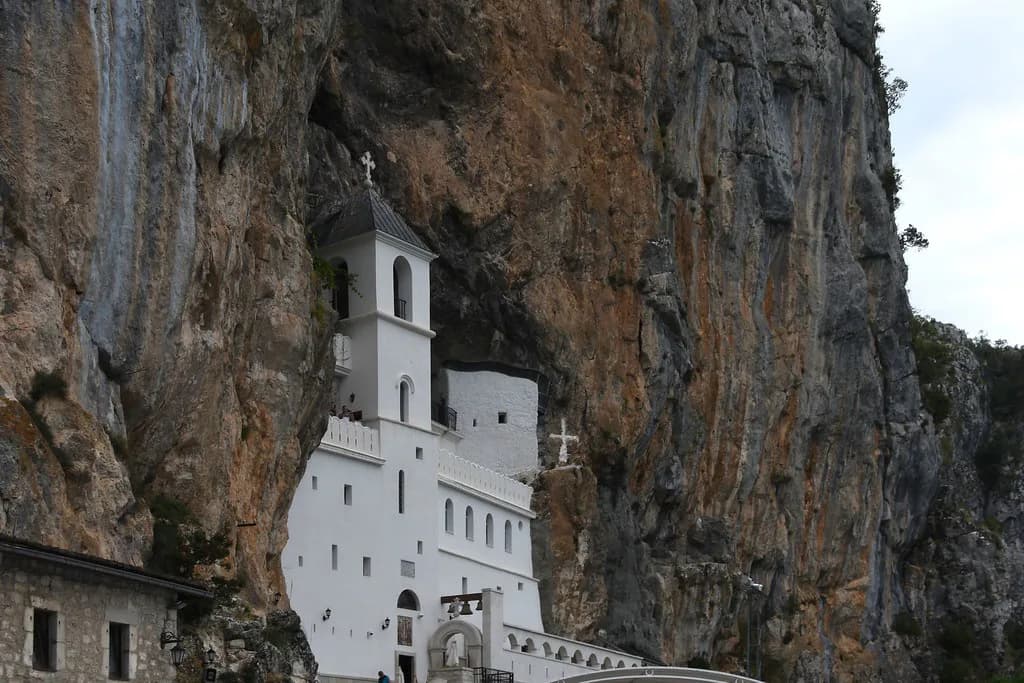
Ostrog is the one most travellers build a day around, and it splits into two distinct parts: the lower complex with the 19th-century Church of the Holy Trinity and the upper section carved into the cliff face. Plan for both, and for the steep, bendy road that links them.
Which monasteries in Montenegro you can actually visit
The practical shortlist runs from Ostrog above the Bjelopavlići plain to Cetinje in the old royal capital, Morača on the road south towards Podgorica, Piva near Plužine and Beška on an islet in Lake Skadar. Each is a working monastery, so visiting hours fit around services and the rhythm of the resident monks or nuns.
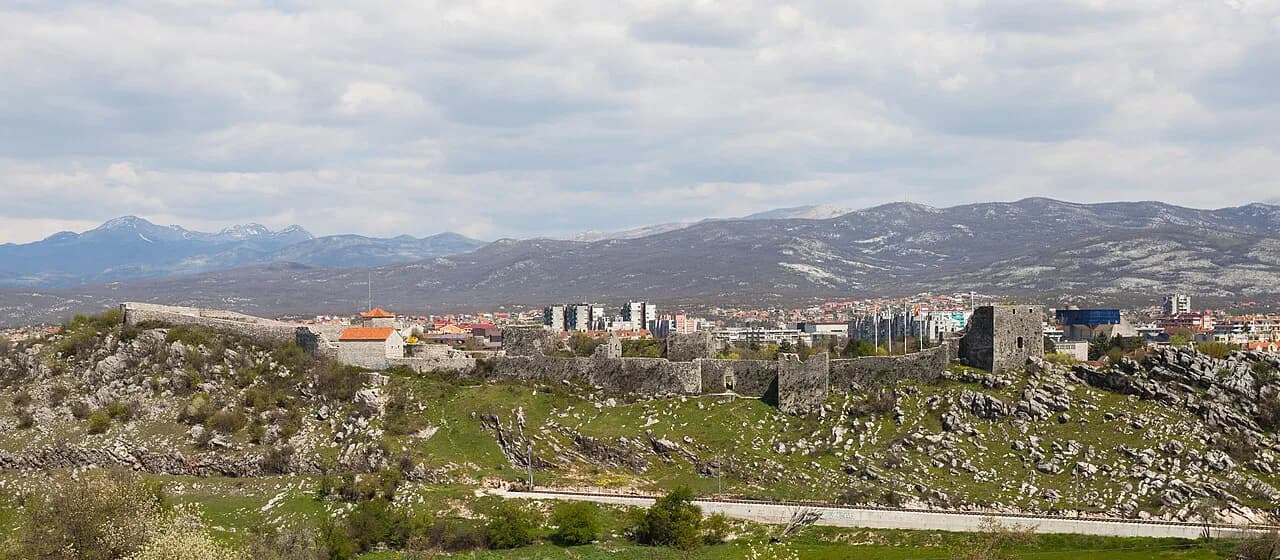
Most of the country's thousand Christian and Muslim religious sites are abandoned, but the monasteries that survive with communities are the ones worth your time. A coastal base around Kotor or Budva puts Ostrog, Cetinje and Morača within a day's drive; a mountain base near Plužine or Žabljak brings Piva into range.
Ostrog Monastery: upper and lower sections and what waits in each
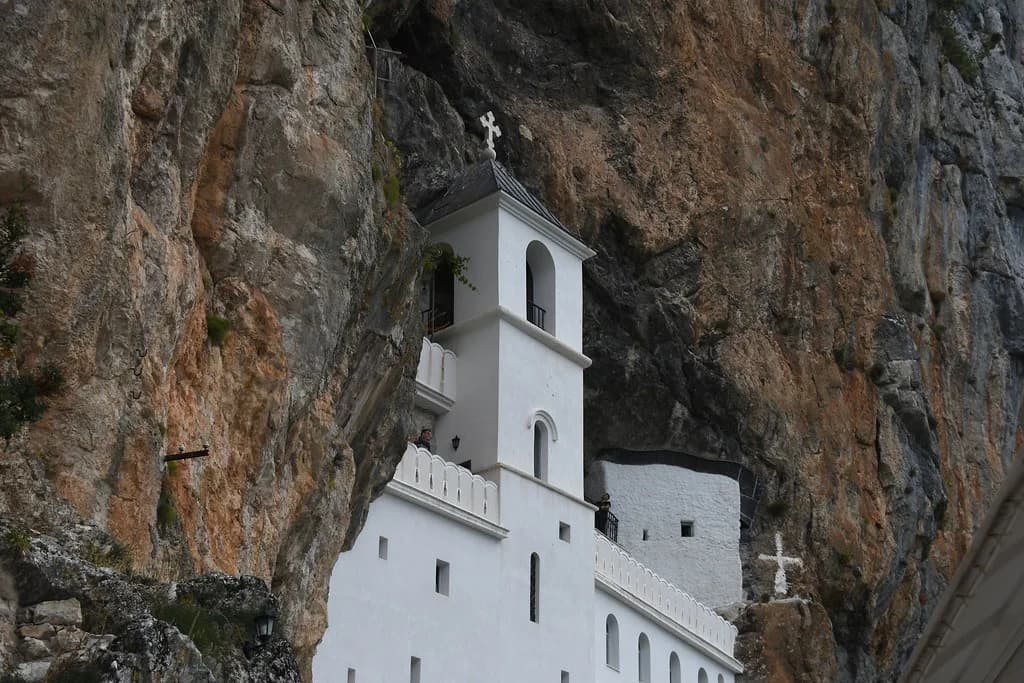
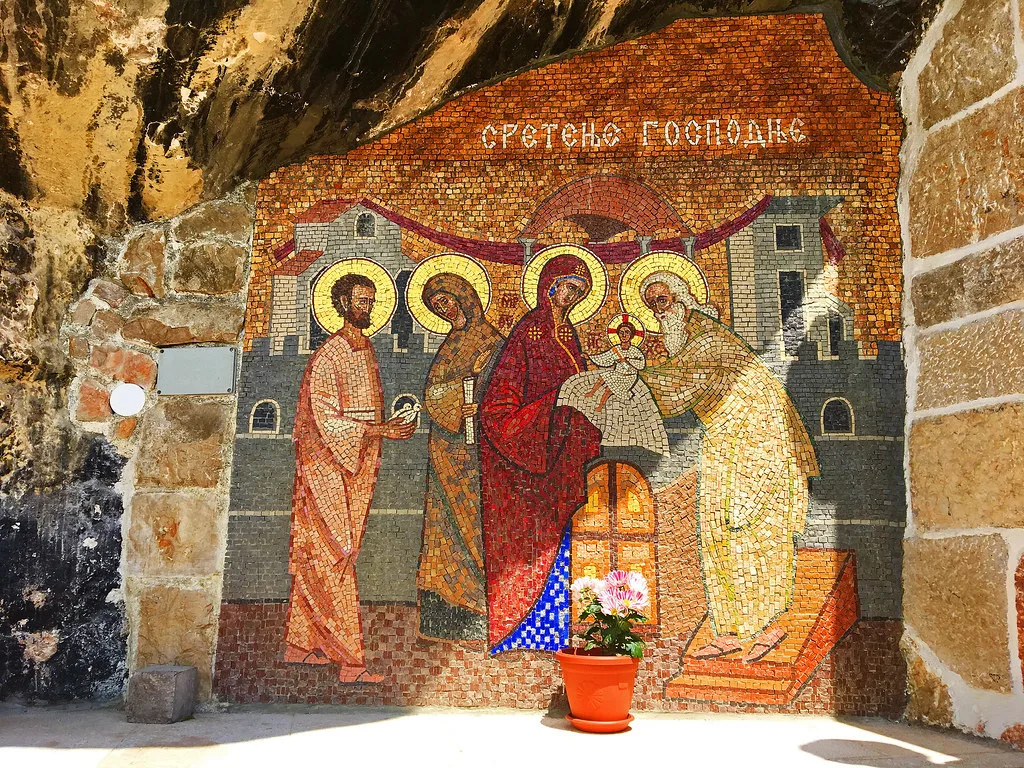
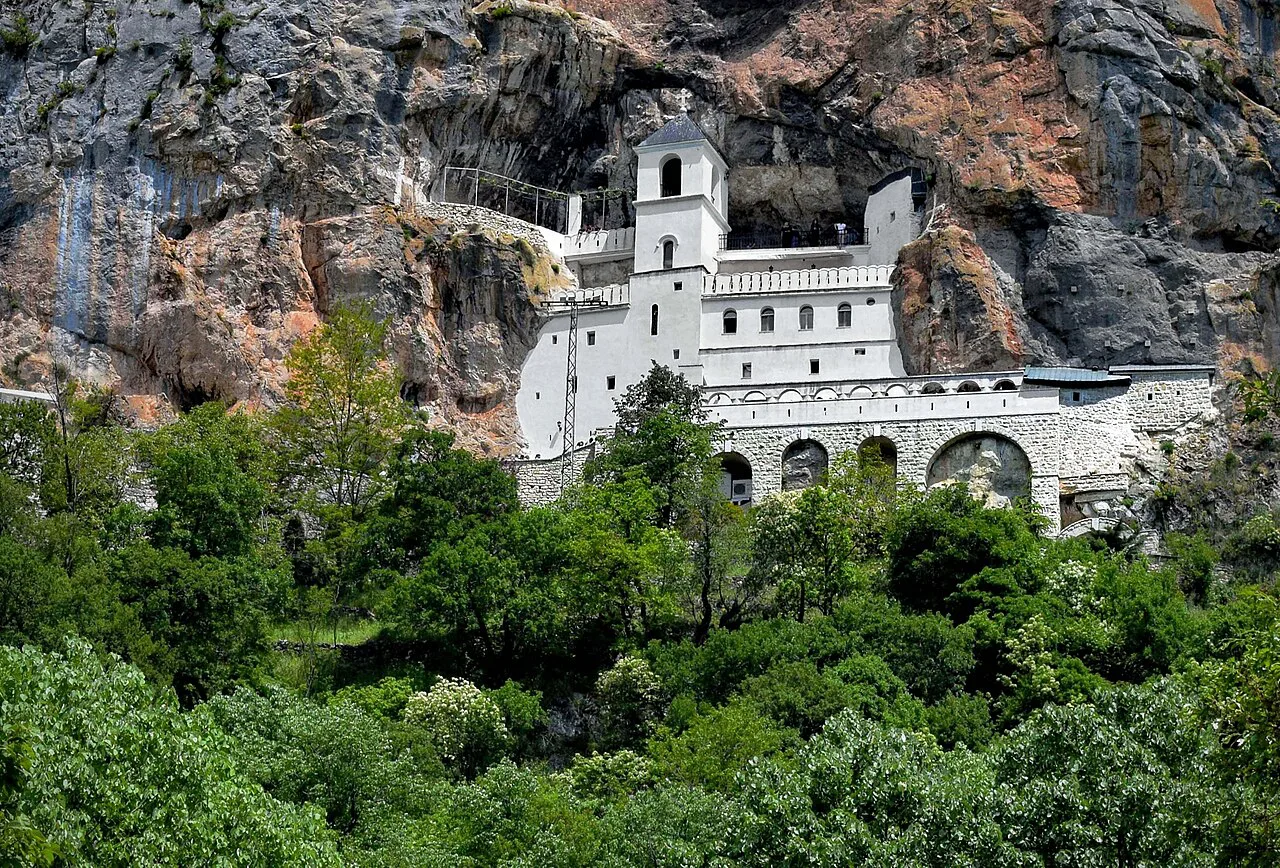
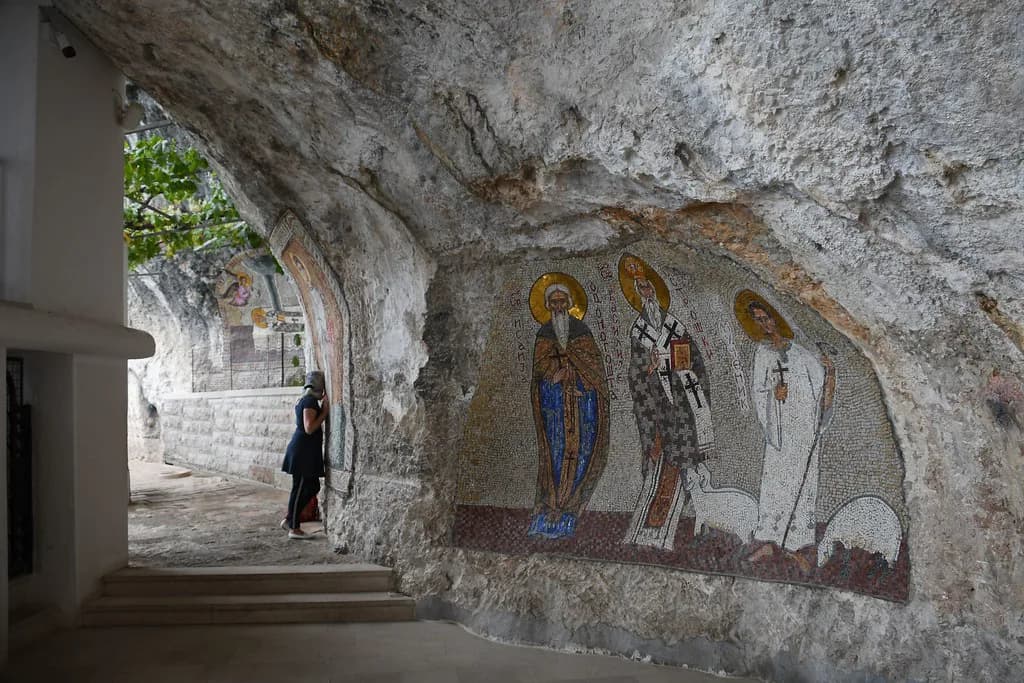
The white façade fixed into the cliff is the upper monastery, and it is the image everyone recognises. Two cave churches are cut into the rock there, including the narrow chamber that holds the relics of Saint Basil, the 17th-century bishop who retreated to these cliffs.
Down the slope sits the lower monastery, the main complex of courtyards and accommodation buildings with the Church of the Holy Trinity. National Geographic describes the frescoes in that church as vibrant and worth a proper look before or after you climb. Our full guide to Ostrog Monastery walks through both levels in detail.
Getting to Ostrog: driving, parking, public transport and tours
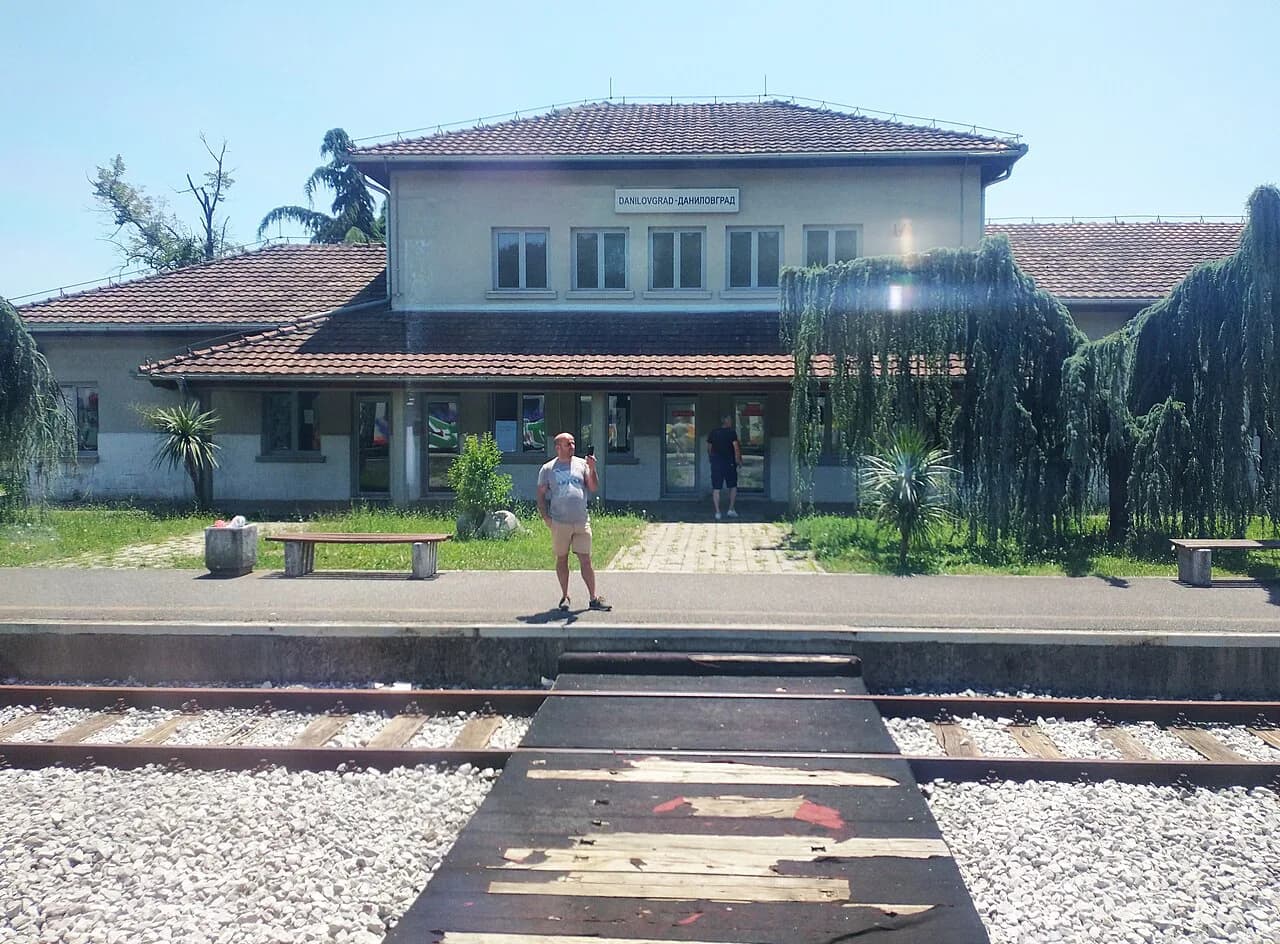
The monastery sits on the cliff face of Ostroška Greda, near the village of Dabojevići between Danilovgrad and Nikšić, and it is an easy day trip from Budva, Kotor, Podgorica and Lake Skadar. The road up is narrow and challenging, and the five-kilometre stretch between the lower and upper sections is steep, tight and very bendy.
Map listings for Ostrog are unreliable: some pins land nowhere near the site and others confuse the upper and lower sections, so set your destination carefully before you set off. If you would rather not drive the ascent, an organised Ostrog Monastery tour removes the navigation problem and often pairs the visit with Durmitor or the Tara canyon.
Pilgrims often walk the woodland footpath between the two sections, which takes roughly 30 to 40 minutes depending on pace and heat. Skip that climb in the middle of a summer day; early morning is the sensible window if you want to do it on foot.
How long Ostrog takes and what to expect at the relics
Allow one to two hours at Ostrog. Entry is free, and a large konak near the monastery offers overnight accommodation, with souvenir stalls around the complex selling religious goods to pilgrims and tourists alike.
Expect a queue at the relics: visitors file through a narrow doorway cut into the rock to stand briefly beside the glass-covered tomb while a priest blesses those who come forward. It is a devotional moment for the people around you, so keep voices low, dress modestly and put the camera away unless you are sure it is welcome.
Pilgrims of all confessions come here, including Orthodox, Catholic and Muslim visitors who believe prayers said beside Saint Basil's body can heal illness. Treat the site as the working monastery it is rather than a staged attraction, and you will get far more from the visit.
Dress code and etiquette inside a working monastery
Cover shoulders and knees, and keep swimwear and beach clothes for the coast. Photograph respectfully and never during prayer or in front of worshippers at the relics; if a service is under way, stand at the back and wait rather than walking through.
These houses are not uniform in their rules, so follow any sign at the gate about photography, shorts or head covering. A quiet voice, modest dress and a willingness to step aside for pilgrims covers most situations.
Cetinje Monastery: the church and its treasury-museum
The present Cetinje monastery was built in 1701 by Prince Danilo, founder of the Petrović-Njegoš dynasty, replacing an earlier foundation destroyed by the Ottomans. At the centre of the complex stands the church dedicated to the Nativity of the Virgin Mary, which holds the reliquary of Saint Peter of Cetinje.
The treasury-museum is the reason to linger: it holds manuscripts and printed books from the 13th to the 18th century, plus the hand of Saint John the Baptist and a fragment of the Holy Cross. Objects linked to Montenegro's rulers, from robes to sceptres, are kept here too, and the collection is one of the most striking treasuries in the country.
Morača Monastery: the courtyard, the frescoes and the icons
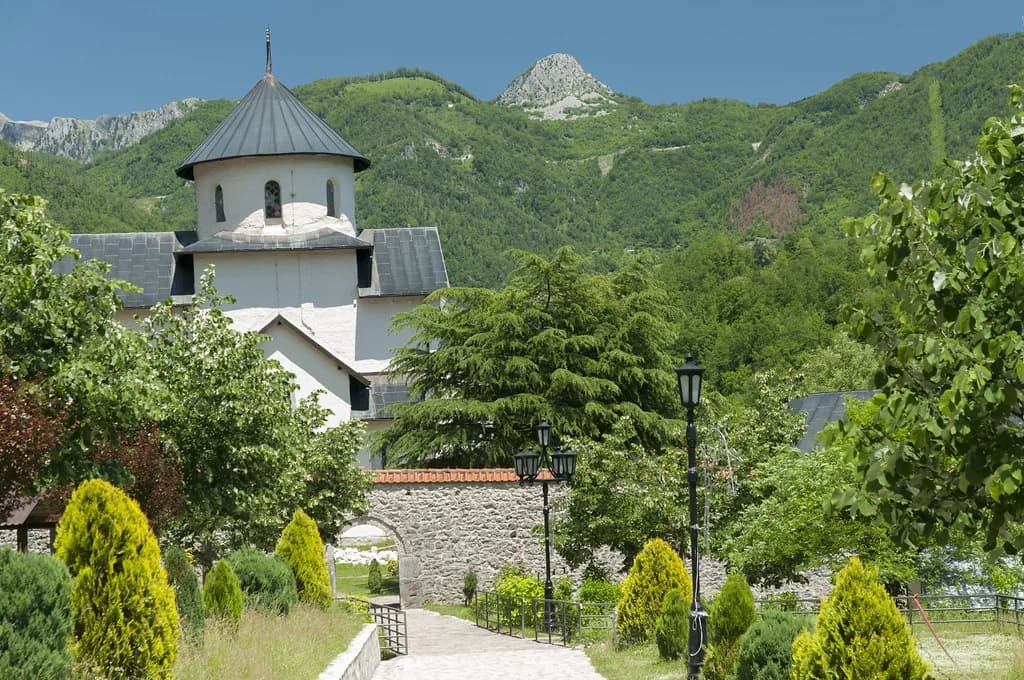
Morača was built in 1252 by Stefan Nemanja in Byzantine style, 46 kilometres from Podgorica, and its complex is deliberately simple: the Church of the Assumption of the Holy Virgin, a small church of St Nicholas and the sleeping quarters, arranged around a garden courtyard. The 13th-century frescoes include the famous image of the raven feeding the prophet Elijah.
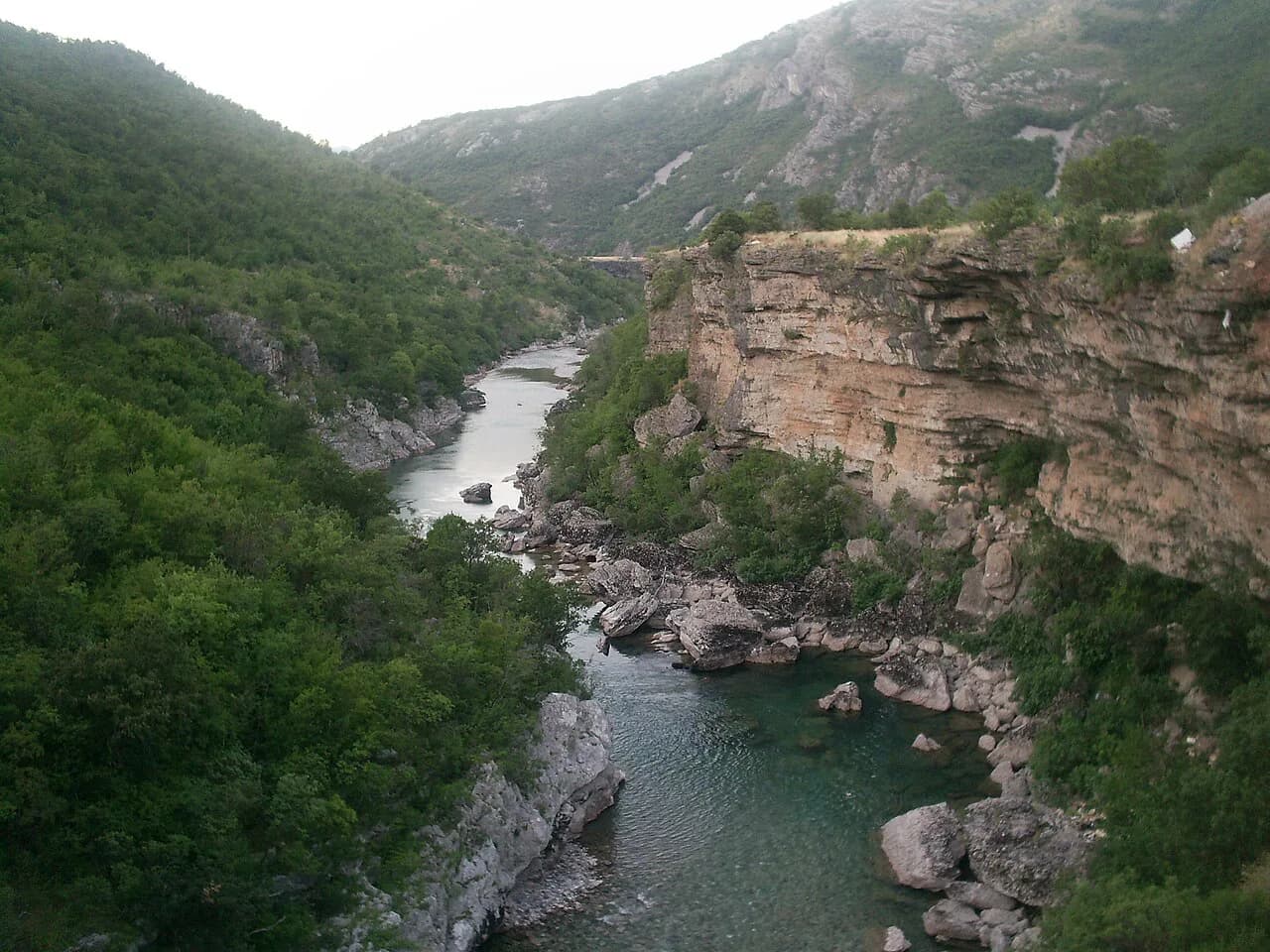
The icons here are celebrated as medieval works and are mentioned in foreign books on medieval art, while the small St Nicholas church holds frescoes of high quality. If you are driving between Podgorica and the coast, the monastery makes a natural stop; our page on Morača canyon covers the surrounding road.
Piva Monastery: the church rebuilt stone by stone
Piva was originally built between 1573 and 1586 at the source of the Piva river, then dismantled and rebuilt stone by stone at a new site nine kilometres from Plužine when a dam and storage lake were created for the Piva hydroelectric plant. The transfer took from 1970 to 1982 and included 1,260 square metres of frescoes lifted from the walls.
Inside, the frescoes are attributed to the priest Strahinja of Budimlje and the gilded, richly carved iconostasis carries icons painted by Kozma in 1626. The exterior is plainer than Ostrog or Morača, so come for the interior and the unusual story of a church that moved.
Beška Monastery on Lake Skadar and the island abbeys
Beška sits on a small islet on the western shore of Lake Skadar, one of around ten Orthodox sites left from more than two dozen medieval abbeys that dotted the lake's islands under the Balšić dynasty. It holds two churches, including St Mary's with traces of Greek, Byzantine and Slavic frescoes.
The sanctuary stood abandoned for nearly 400 years before a community of nuns began restoring it, and they now paint icons on wooden panels and sell them to support the site's upkeep. Visiting supports that work directly, and the lake setting makes a calm counterpoint to the cliffside drama of Ostrog.
Our Lady of the Rocks at Perast: a church island, not a monastery
Gospa od Škrpjela, Our Lady of the Rocks, is a Roman Catholic church on a man-made islet off Perast, and it does not belong on an Orthodox monastery itinerary. Local belief holds that two brothers spotted an icon of the Madonna and Child on a rock in 1452, and that the island was built up from stones after the icon was found.
National Geographic relates that the Roman Catholic Church claimed the site in 1630 and built the church. Boats run from Perast, but services, boat times and any admission charge vary by season, so confirm with the operator on the day rather than relying on a printed timetable.
Monasteries beyond the main circuit: Pljevlja and the north
In the far north, the Holy Trinity Monastery at Pljevlja is a well-preserved 16th-century complex set among hills above the source of the Breznica river, with frescoes painted around 1600 by the priest Strahinja of Budimlje. Its scriptorial school, treasury of icons and library of illuminated manuscripts justify the long drive.
The feast day to avoid at Ostrog
Saint Basil's Day falls on 12 May, when pilgrims walk from Podgorica to Ostrog and the site becomes extremely crowded. Thousands come to commemorate his death, some barefoot, and the terraces and relic queue fill accordingly.
If you want quiet rather than spectacle, plan around that date entirely and visit on an ordinary weekday morning instead. The monastery is a place of devotion first, so a little scheduling on your part keeps the experience respectful for everyone.
Linking the monasteries into a route by car or bus
A sensible car loop starts at Ostrog from the coast or Podgorica, continues to Cetinje for the treasury, then drops to Morača on the way back towards the capital. Add Piva and the north only if you have days rather than hours, since the drive from the coast to Plužine is long.
Public transport reaches Cetinje and Morača reasonably well, but Ostrog and Beška are far easier with your own wheels or an organised tour. If you are basing yourself inland, our guide to Nikšić puts you close to Ostrog and the road to Piva.
Which monastery should you build your day around?
Build the day around Ostrog if you want the cliffside cave church and the relics, and add Cetinje or Morača if you are driving back through the centre. Choose Beška or Piva if you prefer a quieter, less crowded site with a story of its own.
Whichever you pick, go early, dress modestly and treat the visit as a few hours in someone's place of worship. Check current opening arrangements with the monastery or your tour operator before you travel, since access can change around feast days and services.
Explore more Nikšić guides
Sources
Notes for your Montenegro trip
Optional updates to our Montenegro town guides.
You might also like
Continue reading
More guides you'll find useful