Ostrog Monastery Tours: What the Trip Involves and How to Choose
What an Ostrog Monastery tour involves, how the upper and lower monastery differ, the dress code at the cave churches, and how to visit by car or tour.
On this page
An Ostrog Monastery tour is a guided or transfer-based visit to the cliffside monastery above the Zeta valley near Nikšić. The trip covers two parts of the site: the upper monastery, with its two cave churches cut into the rock, and the lower monastery on the slope below. This guide breaks down what each part involves, how long to allow, the dress and photography rules enforced at the upper monastery, and how to choose between a half-day tour, a coastal transfer and driving yourself.
What an Ostrog Monastery tour is
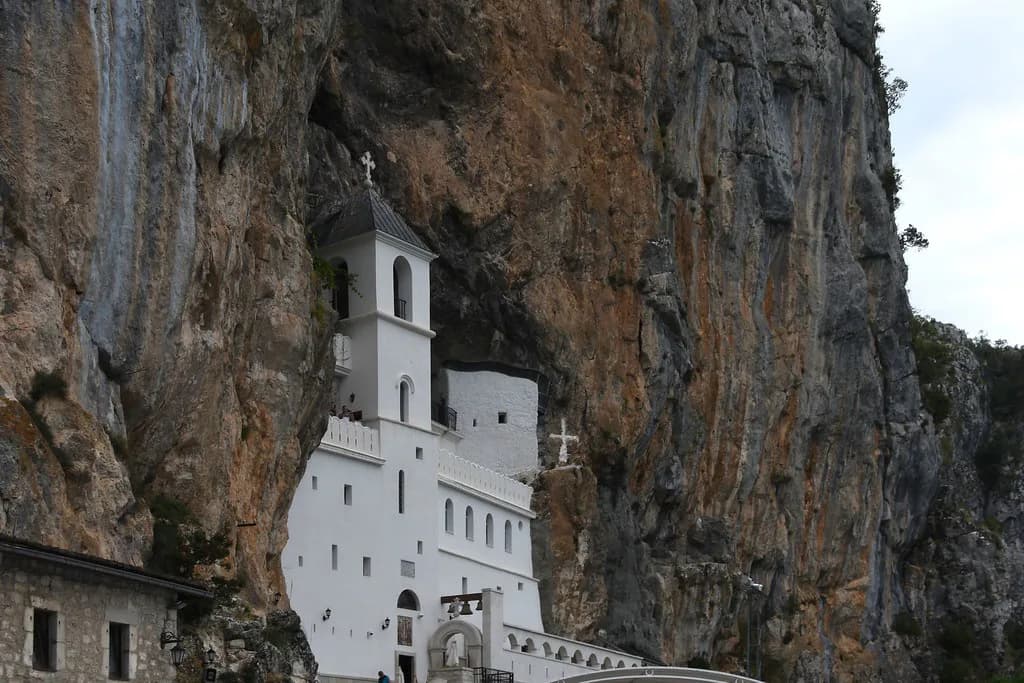
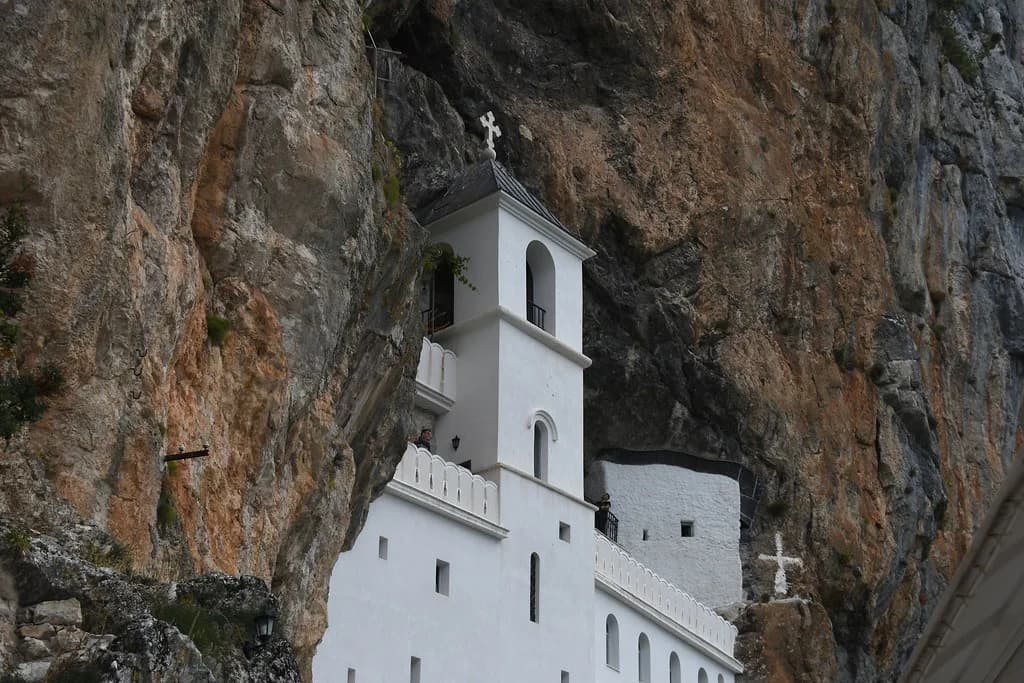
Ostrog is an Orthodox monastery built into a grey-red cliff face in the Mandici area of central Montenegro, near Nikšić and above the Zeta valley. A tour is essentially a way of getting there with someone else handling the drive and, often, the final climb to the upper monastery. What differs between tours is how much time you get on site, whether the guide speaks English, and whether the lower monastery is included or passed through in a few minutes. Our broader guide to Montenegro's monasteries covers other sites you might pair with it.
The site sits in the Mandici region, with the address listed as Dabovići, Montenegro. The drive from Kotor takes around 1.5 hours, while the drive from Podgorica takes around 45 minutes. That gap matters when you are deciding whether a coastal pick-up is worth the extra time in the vehicle.
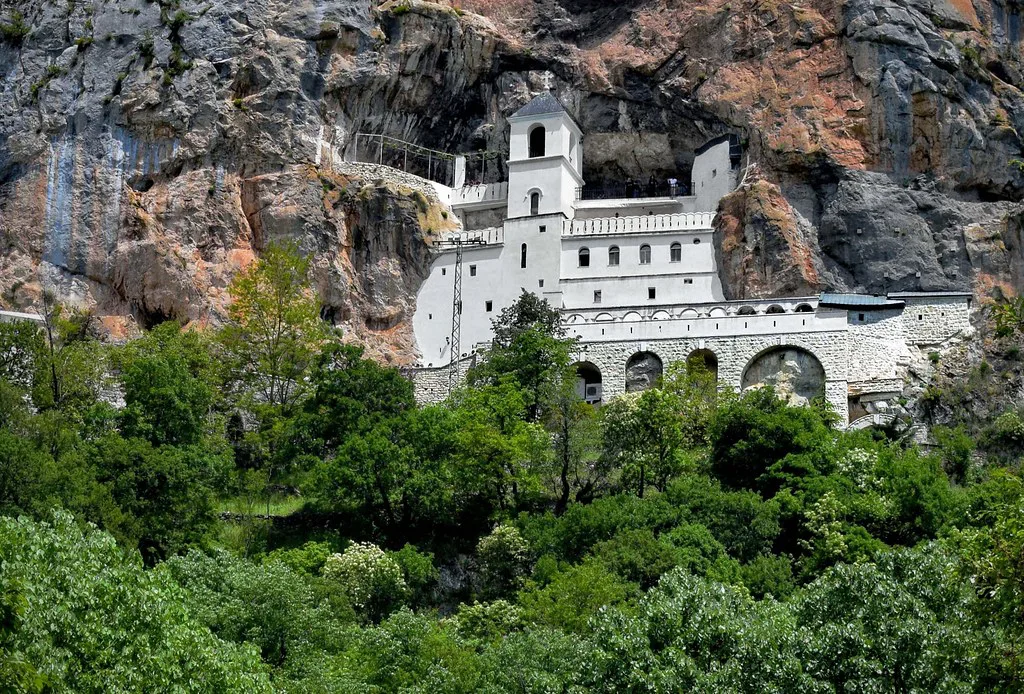
The two parts of the site: upper monastery and lower monastery
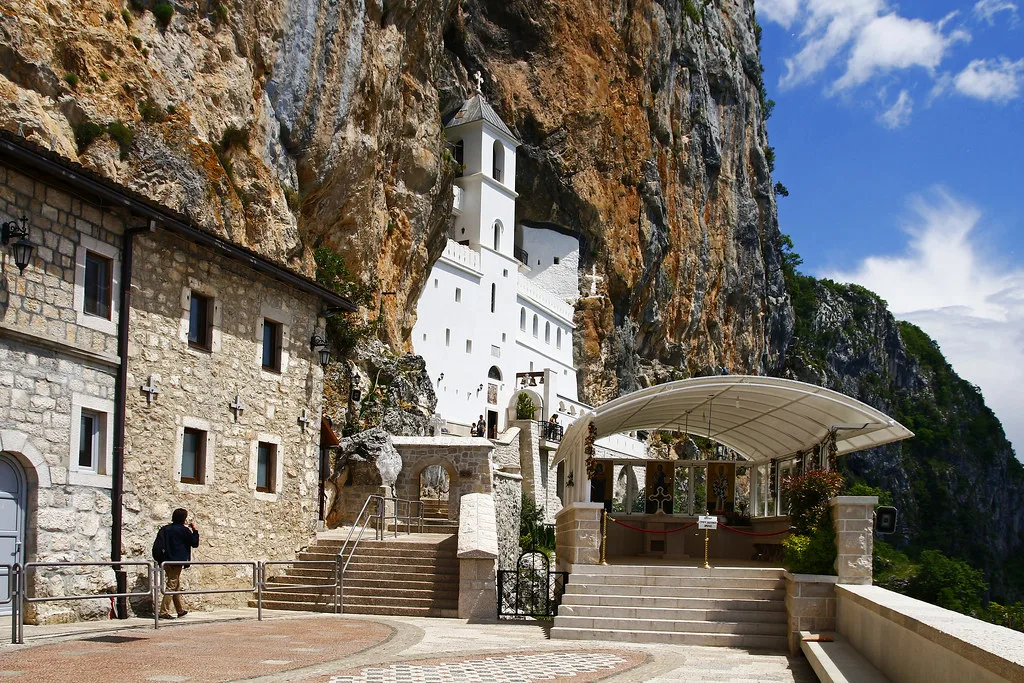
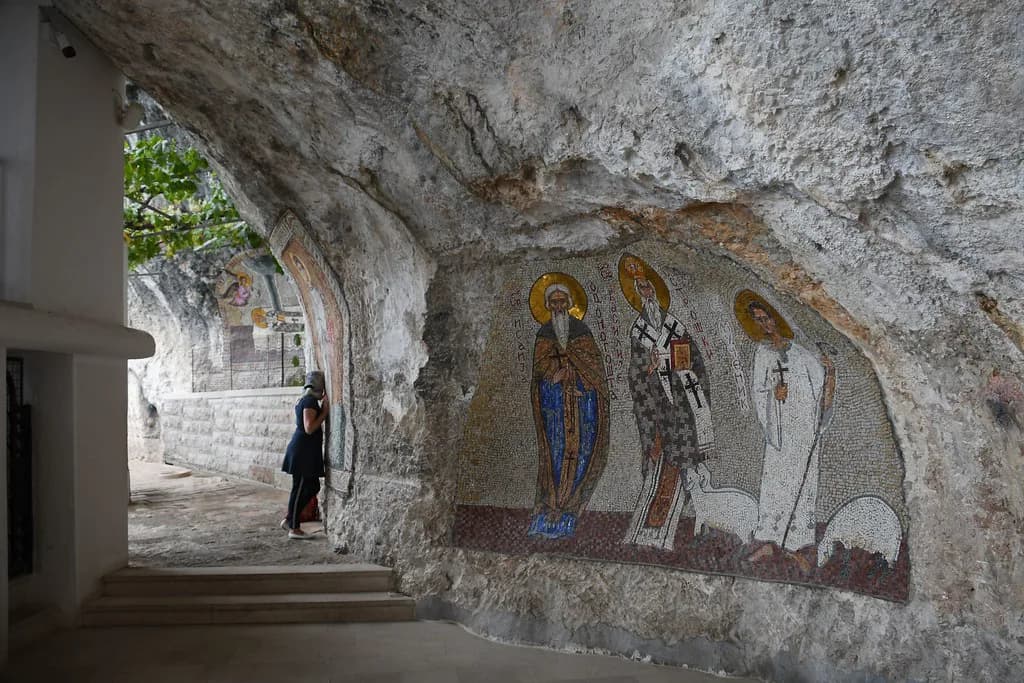
The upper monastery is the part most people picture: two cave churches carved from the living rock, with walls that are the rock itself and interiors painted with frescoes. The Church of the Holy Cross dates to 1665, and the Church of the Presentation holds the relics of Saint Basil of Ostrog in a silver reliquary. Both are small and dark, lit by oil lamps and pilgrims' candles, and the pace inside is set by the people venerating rather than by visitors taking photographs.
The lower monastery sits 300 metres below the upper complex on the slope and is a more conventional Orthodox arrangement: a nineteenth-century church surrounded by residential buildings for the monastic community. Most visitors stop there briefly on the way up or down. On a tour, check whether the itinerary treats the lower monastery as a genuine stop or as a drive-past, because it changes how the half-day is spent.
How long you need at the monastery
A recommended sightseeing time of one to three hours is listed for the monastery itself. That range is the realistic envelope for the upper and lower parts together, not a schedule you can bank on. The cave churches are tiny, so the time you actually spend inside them depends on how many people are queuing ahead of you.
On an ordinary day outside major feast days, the queue for the cave churches can run to about thirty minutes. On a major religious feast day, particularly in August around the feast of the Dormition, the line can stretch for two hours. If your tour has a fixed departure time from the coast, a feast day will compress your visit to the lower monastery or cut the cave churches short, so choose the date as carefully as the operator.
Dress code at the upper monastery
The dress rules at the upper monastery are enforced at the entrance, not suggested. Women need shoulders and knees covered in a skirt or trousers, and men need shoulders covered with long trousers and no shorts. Scarves are available to borrow at the entrance if you arrive without one, though bringing your own is the more considerate option.
This is a working place of pilgrimage, and the atmosphere follows from that. The monks and monastery staff speak basic English and are used to receiving visitors of all backgrounds, so respectful questions get generous answers. Loud conversation and phone calls are out of place inside the upper complex.
Photography and behaviour inside the cave churches
Photography is permitted in the outer areas and courtyard but not inside the cave churches. Treat that as a firm line: the rule is observed on site and enforced by the community's expectations as much as by a sign. Put the camera away before you step through the church door and pick it up again in the courtyard.
The interior of the Church of the Presentation, where the relics are kept, is very small and very dark. Non-Orthodox visitors who approach quietly are welcomed, and the monastery draws visitors of all faiths. The practical result is that you should follow the pace of the people around you rather than your own sightseeing rhythm.
The road up: what the final climb means for tours and drivers
The road from the lower monastery to the upper monastery is a steep single-lane track that climbs along the cliff face, and it is described as one of the most extreme stretches of the Montenegrin public road network. That final section is the reason many people book a tour rather than drive themselves. Access is often one-way and can mean parking far below and finishing the climb on foot.
If you are driving yourself, budget energy and patience for the last stretch rather than treating the journey as over when you reach the lower monastery. The same constraint applies to any tour: the time between the vehicle and the upper monastery door is part of the half-day. Ask a tour operator how they handle the final climb before you book, because it changes how much walking is involved.
Tour formats: half-day trips and transfer-style visits
Ostrog tours generally fall into two shapes. The first is a guided half-day trip with commentary on the site and its significance, often with a guide who explains the different elements of the site and its pilgrimage history. The second is closer to a transfer: you are driven to the monastery, given a time to be back at the vehicle, and left to visit the upper and lower parts at your own pace.
Kotor is full of day tours, but the standard listings are boat, walking and sightseeing experiences in and around Kotor rather than runs up to Ostrog. If you are searching for an Ostrog tour from the coast, check the itinerary for Ostrog by name rather than relying on the 'day tour from Kotor' label. The Ostrog Monastery page on this site covers the site itself in more detail.
Choosing an Ostrog Monastery tour
Group size and time on site are the two variables that matter most. A trip that includes Ostrog as one stop among several will give you less time at the cave churches than a dedicated Ostrog run, and the queue at the upper monastery eats into whatever time you have. Ask how long the group actually spends at the monastery rather than how long the whole tour lasts.
And check whether the lower monastery is included as a stop, since some tours pass it on the way up without giving it time. A half-day from the coast that leaves from Kotor should be weighed against the longer drive compared with a Podgorica departure.
Visiting independently by car
Driving yourself gives you the most control over timing and lets you combine Ostrog with other stops without waiting for a group. The drive from Kotor takes around 1.5 hours and the drive from Podgorica around 45 minutes. Plan for the final single-lane climb from the lower monastery to the upper one, and leave slack for parking and walking.
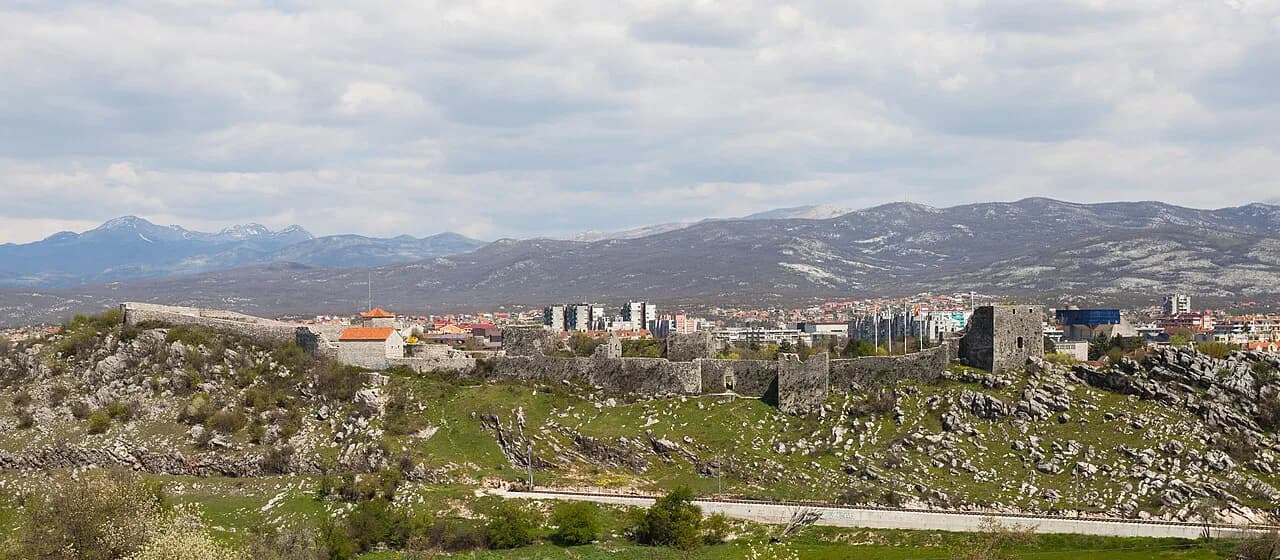
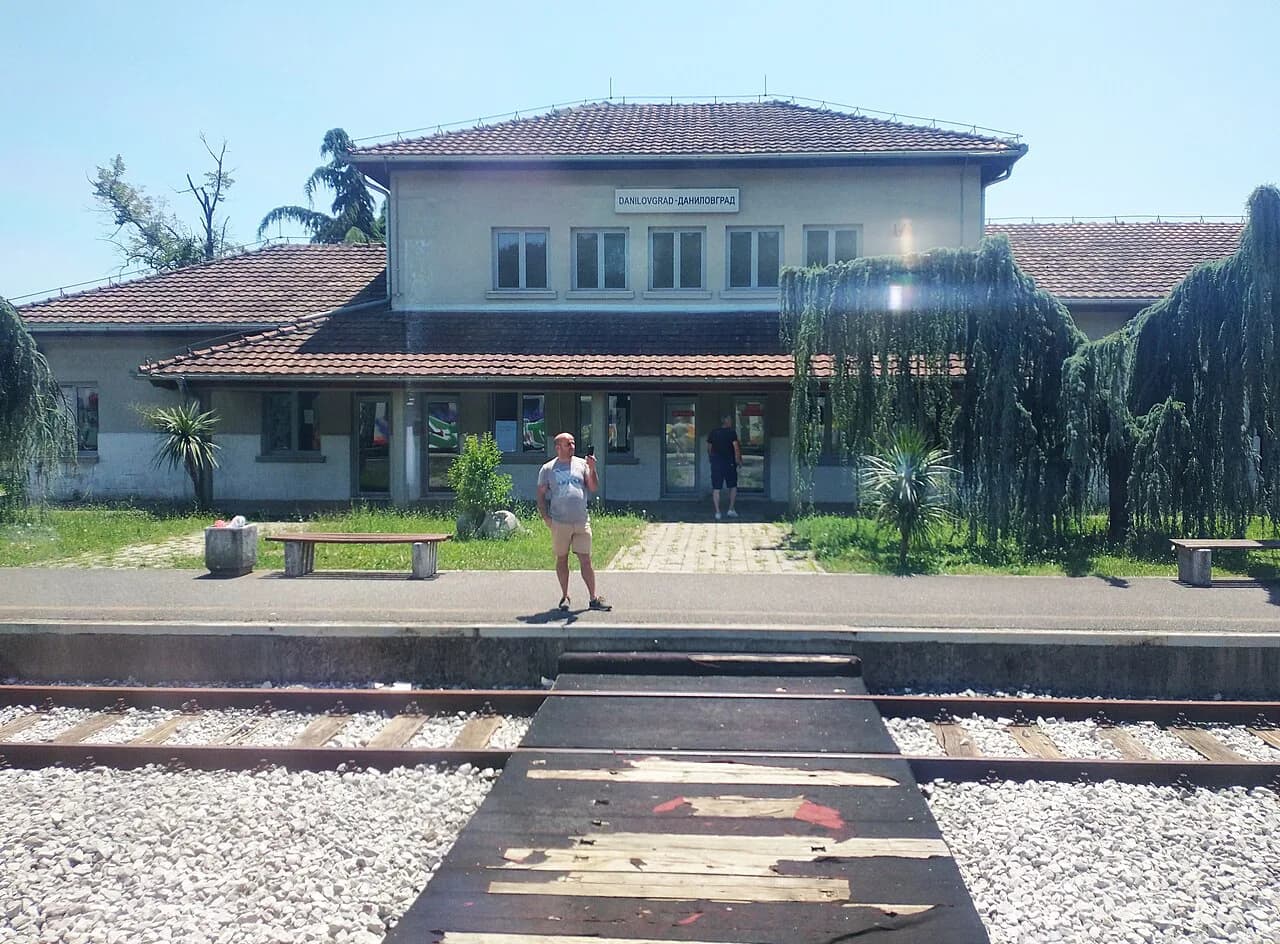
If you are based in Nikšić, the monastery is a straightforward outing and the town makes a useful base for combining it with other sites. Our guide to what to see in Nikšić covers the town itself, which is a sensible add-on if you are driving rather than joining a tour. The same goes for Danilovgrad, which sits in the Zeta valley below and can slot into the same day.
When to go and how feast days change the visit
Weekday mornings outside major feast days are the best bet for keeping the queue to the cave churches manageable. On a major religious feast day, particularly in August around the feast of the Dormition, the line can run to two hours and the pilgrimage atmosphere is intense but the logistics are challenging. If you are on a tour with a fixed departure, a feast-day visit will feel much tighter than the same tour on an ordinary morning.
Beyond the queue, feast days change the character of the visit: pilgrims arrive from across the region, some walking long distances, and the cave churches are shared with people fulfilling vows. For a first visit with limited time, an ordinary weekday is the easier introduction. For the atmosphere of a major pilgrimage, a feast day is worth planning around rather than stumbling into.
Combining Ostrog with other stops
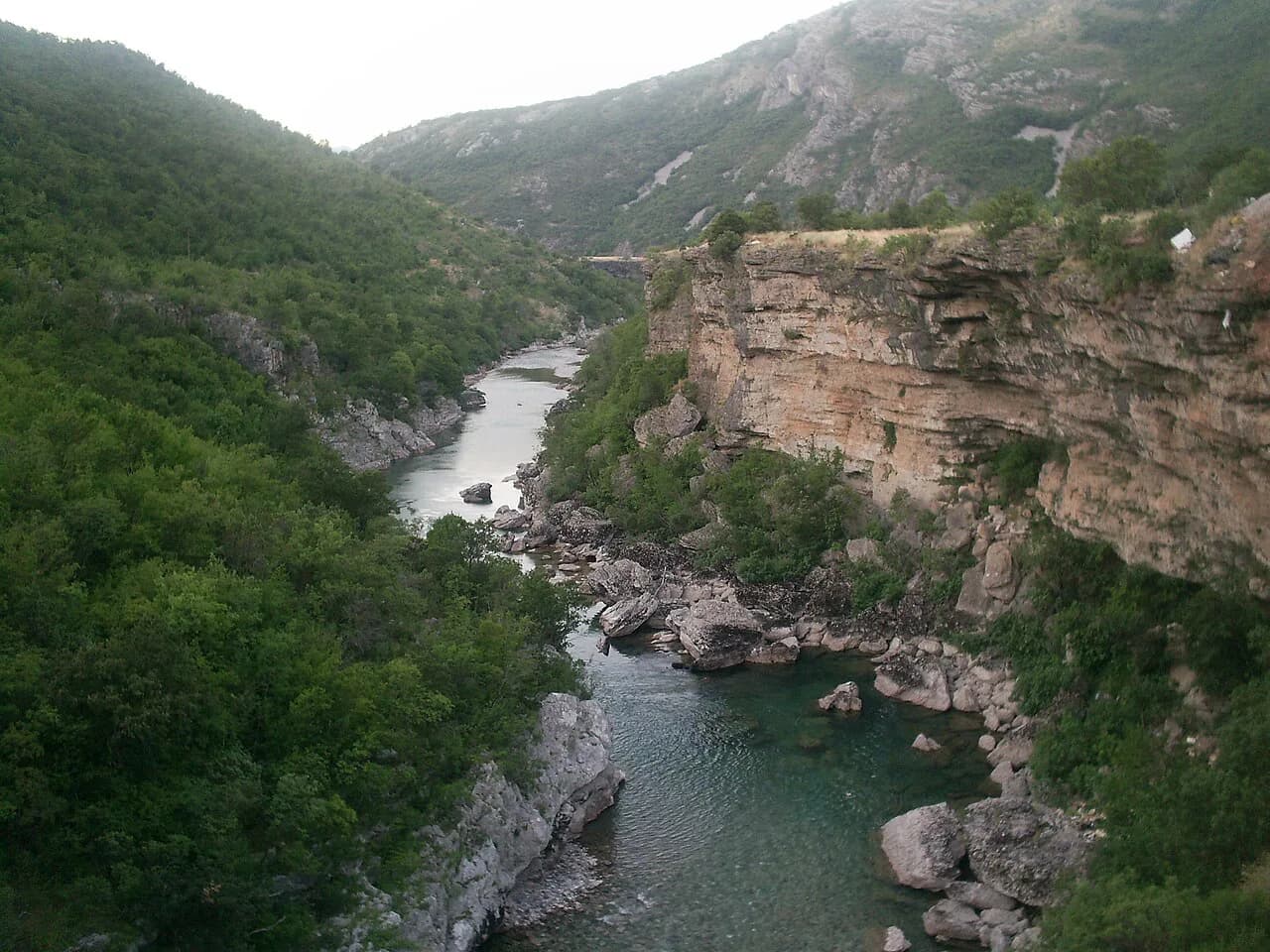
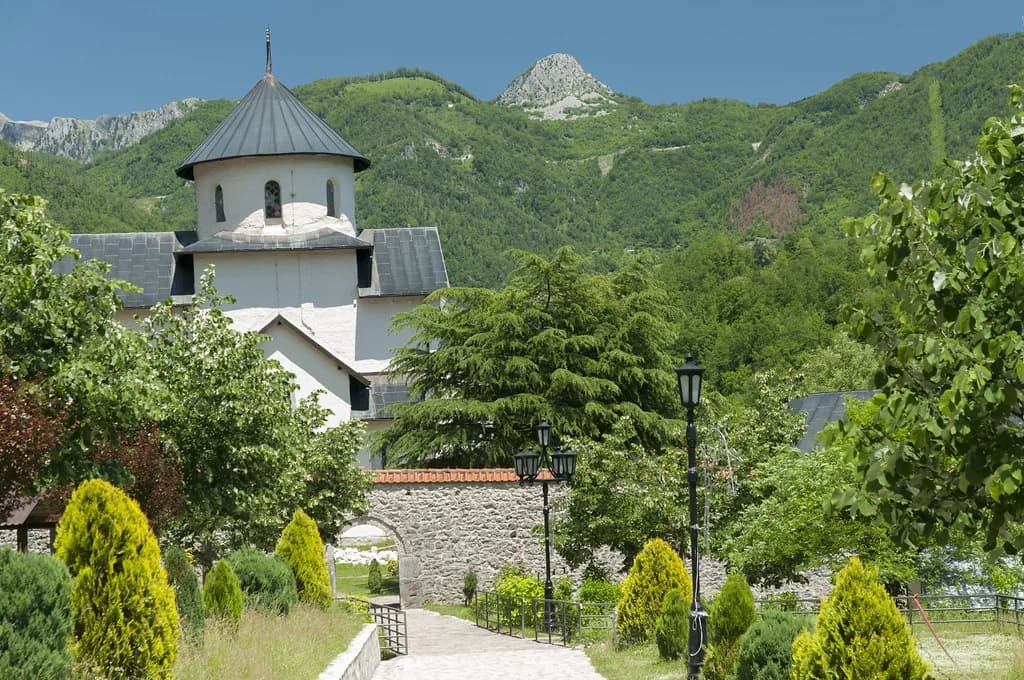
Ostrog pairs well with other religious sites and with the Zeta valley towns, but only if you accept that the monastery itself needs one to three hours. A half-day tour that adds one more stop is realistic; one that adds three will shortchange the cave churches. The Morača monastery is a common pairing on longer tours, and the Morača canyon and river are on the same road corridor if you are driving.
If you are coming from the coast, a tour that includes Ostrog alongside the Bay of Kotor will spend most of the day in the vehicle. A dedicated Ostrog run or a self-drive from Podgorica or Nikšić gives you more time on site. The Morača Canyon page covers the drive-through stop that many tours use as a break.
Tour or self-drive: which suits your day
If you want the cave churches explained, do not want to handle the single-lane climb to the upper monastery, and are based on the coast, a half-day tour from Kotor or Risan is the simpler choice. If you have your own car and are staying in Nikšić or Podgorica, driving yourself gives you the same access with more control over timing. Whichever you choose, book around weekday mornings rather than major feast days and pack long trousers and covered shoulders.
Frequently Asked Questions
Is Ostrog a Serbian monastery?
Ostrog is an Orthodox monastery in Montenegro, in the Mandici area of central Montenegro near Nikšić, above the Zeta valley. It draws pilgrims from Serbia, North Macedonia, Bosnia, Greece, Russia and Montenegro itself, and visitors of Catholic and Muslim faith also come.
Sources
Notes for your Montenegro trip
Optional updates to our Montenegro town guides.
You might also like
Continue reading
More guides you'll find useful