Museums in Herceg Novi: What to See and How Long to Allow
Herceg Novi's museums are small and close together in the old core. Here is what each one holds, where it sits, and how long to allow.
On this page
Herceg Novi has one dedicated museum worth planning around, the Mikhail Bulgakov Museum in the old core, and it takes roughly an hour rather than a morning. The rest of a museum-minded half-day comes from the fortress sites the town's tourist board lists alongside it: Kanli Kula, Forte Mare and Sat Kula. This guide covers what the Bulgakov collection holds, where it sits within the Herceg Novi Old Town, how to slot it into a walk, and what to confirm before you set out.
Treat the town's museum quarter as a single stop rather than a circuit. Herceg Novi's appeal for a short break is the compact walled core, and the museum fits inside that rather than requiring a separate trip. If you want the wider sightseeing picture first, the Herceg Novi attractions guide sets out what else sits within walking distance.
Which museums in Herceg Novi can you visit?
The Mikhail Bulgakov Museum is the town's documented museum collection, housed in the old core and dedicated to the Russian writer Mihail Afanasjevič Bulgakov. The Herceg Novi Tourist Board lists the museum under cultural institutions and also promotes Kanli Kula, Forte Mare, Sat Kula and Orjen Nature Park among the town's main sights. Plan around this one museum rather than expecting a street of them.
That concentration is useful for planning: you can see the museum and the main fortifications in a single loop without crossing town. Travellers who come expecting a row of galleries will be disappointed, while those who treat the museum as one stop in a half-day of walls, gates and viewpoints get good value. The Herceg Novi old town guide is the place to build that order.
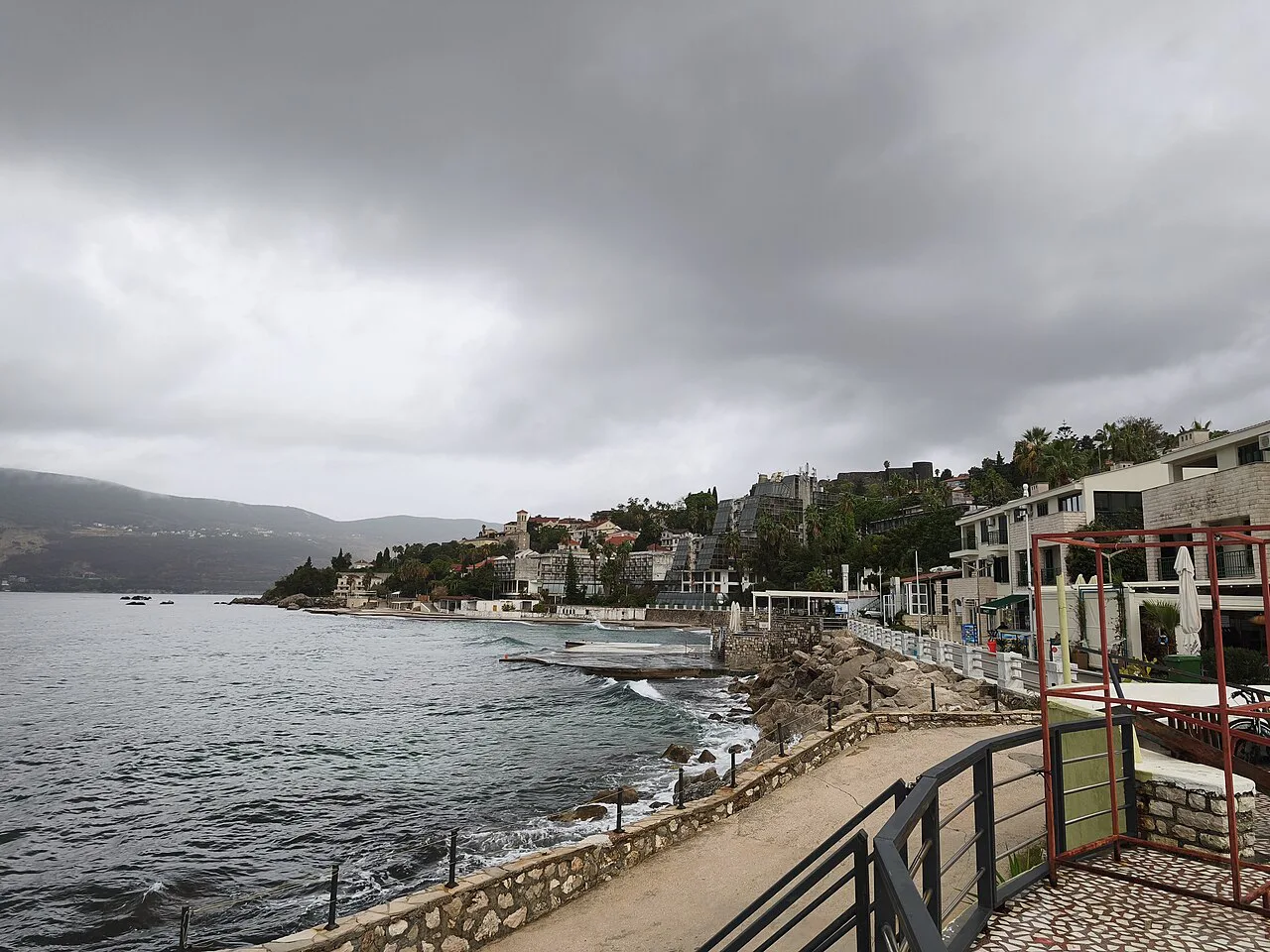
The Mikhail Bulgakov Museum: what is inside
The museum opened on 2 September 2020 and is described by the tourist board as the first museum of this writer outside Russia. Its exhibition space holds personal objects, manuscripts, photographs and documents connected with Bulgakov and his family, drawn from private collections. There are also theatre costumes, props and stage items that belonged to actors who performed in productions based on his work.
The display is arranged to evoke the period, and the tourist board describes the result as a journey through Bulgakov's world where reality and fantasy overlap. For a visitor, that means a literary collection rather than a national history museum: expect manuscripts, photographs and stage material in a domestic-scale space. If your interest is the town's own past, the Herceg Novi history page covers that ground better.
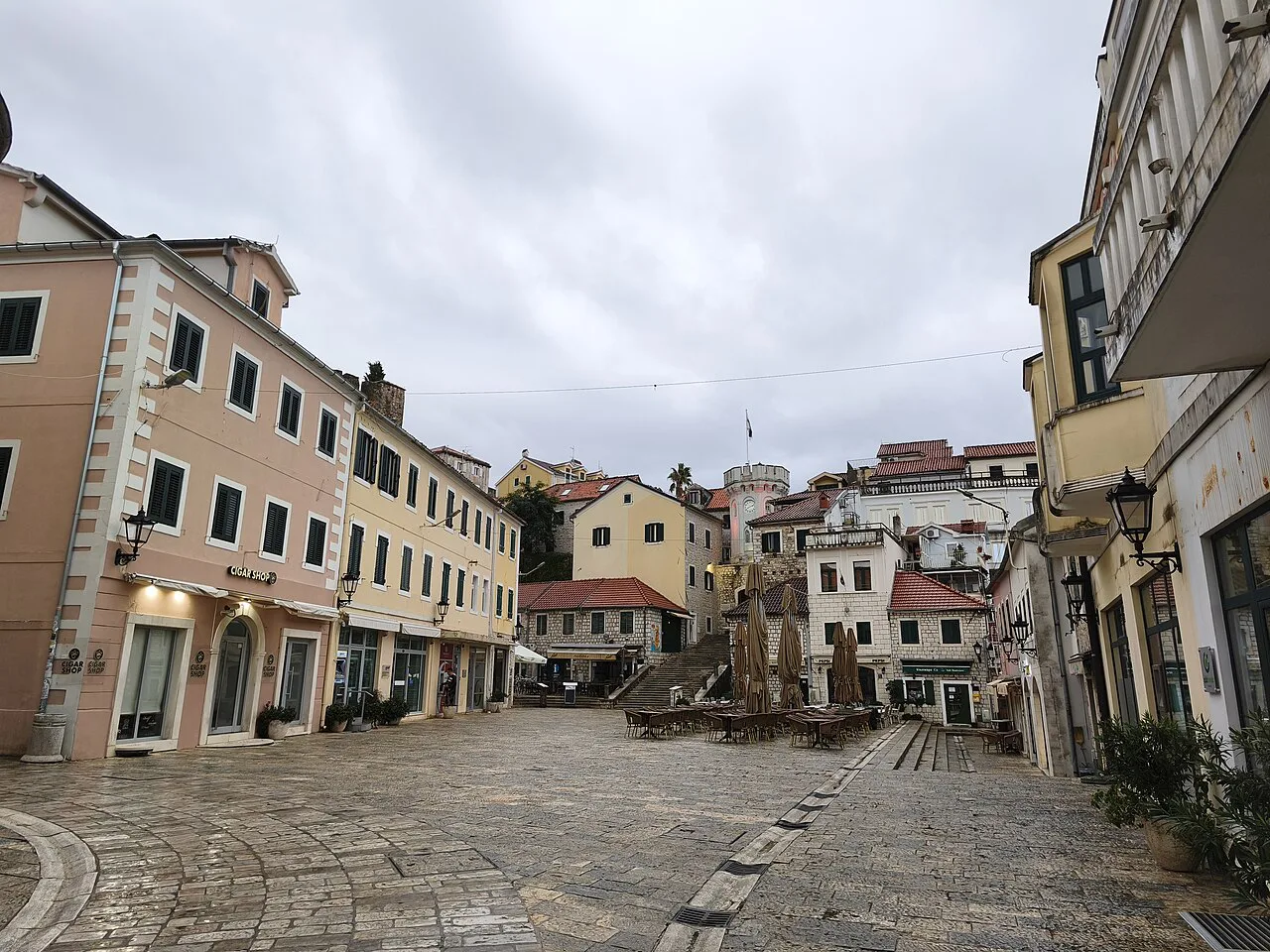
Where the Bulgakov Museum sits in the old core
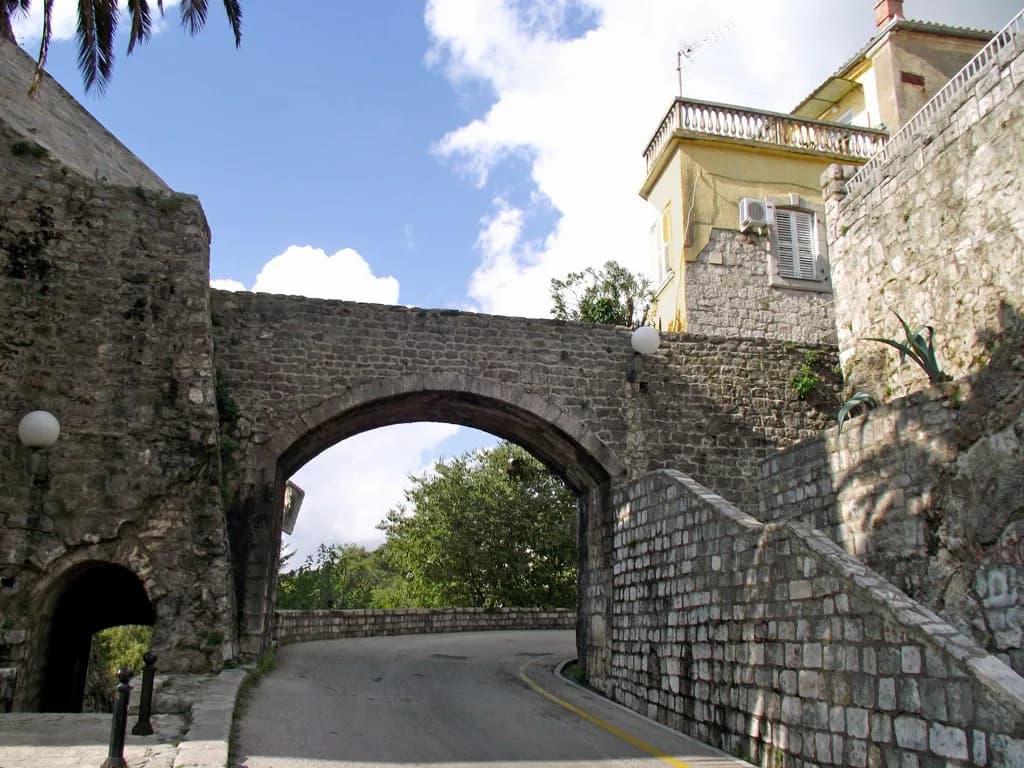
The museum is in the old core, so approach it as part of a walk through the walled town rather than as a separate excursion, since the streets around it lead on to the sea-facing fortifications. The Herceg Novi walking tour lays out a route that takes in the main sights in a sensible order.
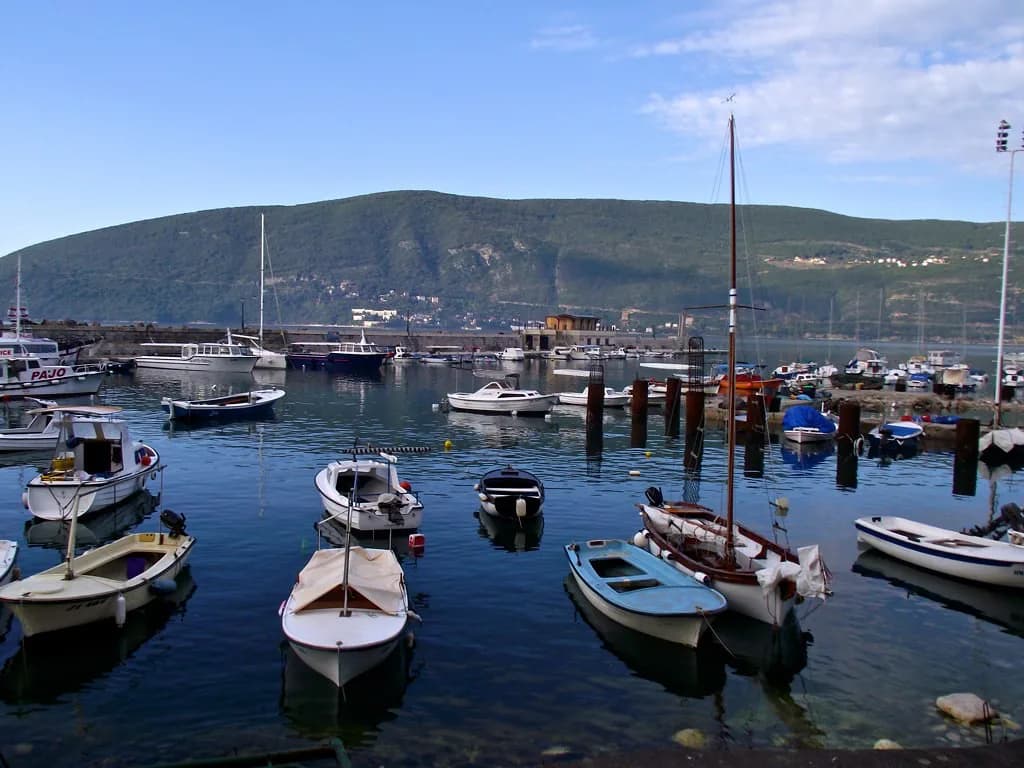
Practical orientation helps here: the old core climbs in steps and lanes between the gates and the upper fortresses, so the museum is best reached on foot from the centre. Wear shoes with grip for the polished stone, and carry water in summer. The town sits on the Bay of Kotor, whose coastal position shapes both the architecture and the pace of a visit.
How long the museums need
Allow about an hour for the Bulgakov Museum. The collection brings together manuscripts, photographs, documents and theatre material in a single compact space, so an hour covers it at a comfortable pace. Readers who linger over the exhibits may want a little longer, and there is no reason to budget a whole morning.
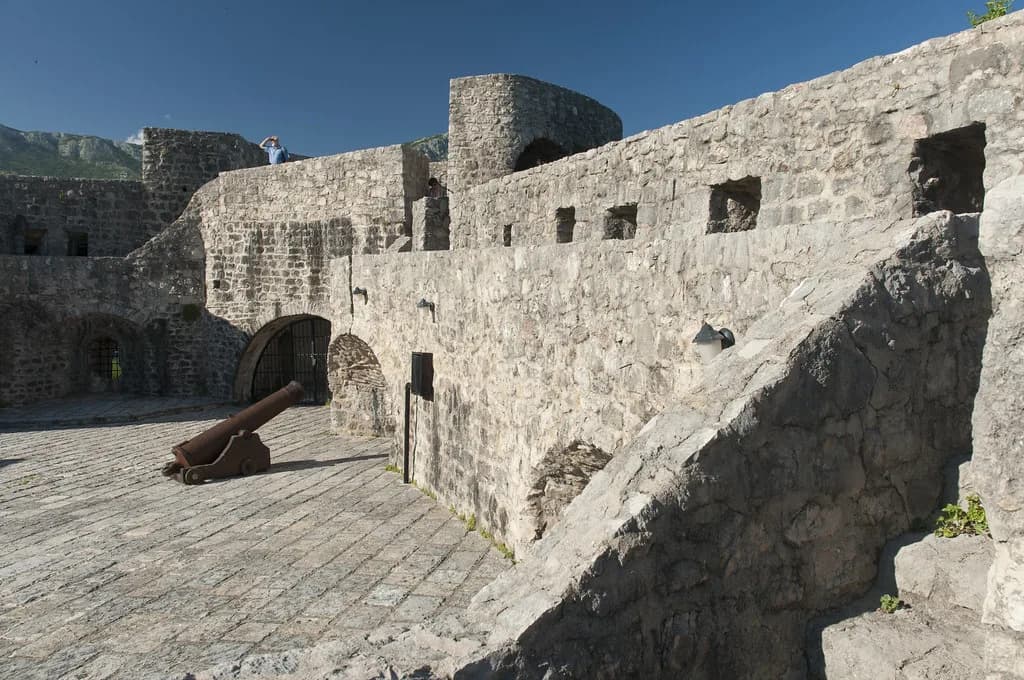
Build the rest of a half-day from the fortresses rather than from more museums. Kanli Kula, Forte Mare and Sat Kula are the sites the tourist board promotes as attractions in their own right, and together they fill a morning or afternoon comfortably. The Fortresses of Herceg Novi guide sets out what each one offers so you can decide which to include.
Pairing a museum with the fortresses nearby
A sensible walking order starts low in the old core, climbs through the stepped lanes to the museum, then continues up to the fortress sites. Kanli Kula sits high in the town, while Forte Mare guards the waterfront, so the route naturally uses the museum as a mid-point pause. The order matters most in summer, when the climb is easier in the morning.
Pair the museum with the waterfront rather than trying to see every fort in one day. Forte Mare and the sea walls are close to the old core and need little extra effort, while the higher sites reward those with energy for the steps. That trade-off is what makes the museum a good anchor: it gives the walk a purpose without consuming the whole day.
Opening hours, closing days and tickets
The tourist board's museum page gives the collection and its place in the old core, but carries no admission prices or daily opening hours, so confirm both directly with the museum before making the trip, particularly outside the main summer months. Bring euros in case cards are not accepted, and ask at the tourist information desk in town for current times.
Plan the museum as a flexible stop rather than the fixed point of your day. If it is closed when you arrive, the fortresses and the old core fill the time without difficulty, and you can return another day. That approach suits the town's scale, where the sights sit close enough together to shuffle the order.
Practical points: language, walking and the old-town steps
Expect Montenegrin as the local language, with English widely understood in tourist-facing places, and bear in mind that museum labels and leaflets may not be in English. The collection's focus on a Russian writer means some material could be in Russian, so a translation app helps. Montenegrin place names with their diacritics, such as Sveti Đorđe and Gospa od Škrpjela, appear on signage and maps around the bay.
The old core is stepped and steep in places, so allow extra time if anyone in your group finds stairs difficult. Choose footwear for polished stone, and avoid the middle of the day in high summer. The town remains a working place as well as a visitor destination, so expect narrow lanes shared with residents.
Beyond the museum, the tourist board points visitors towards Orjen Nature Park for walking and viewpoints, which suits a second day if the old core takes the first. It sits outside town, so plan transport rather than assuming you can walk there. The Herceg Novi attractions guide covers what else is worth adding.
Should the museum be your first stop?
Make the Mikhail Bulgakov Museum an early stop in a half-day through the old core, not a separate outing. It takes about an hour, is the first museum of this writer outside Russia, and pairs naturally with Kanli Kula, Forte Mare and the sea walls. Check current opening hours and ticket prices before you go.
If you have only an afternoon, choose the museum plus one fortress rather than trying to cover everything. The museum gives you the literary and cultural layer, and the walls give you the views and the sense of the town's layout. That combination covers Herceg Novi's sightseeing strengths without overloading the day.
Frequently Asked Questions
What language are the museum labels in?
The tourist board site is published in Montenegrin and English, but it does not state the language of the museum's display labels. Expect Montenegrin, with Russian likely for some material given the writer's background. Ask at the entrance desk or bring a translation app if this matters to you.
How do you get to the Bulgakov Museum from the centre?
Walk up into the old core, following the stepped lanes to the museum. The climb is short but steep in places, so allow a little time. The Herceg Novi walking tour page sets out a route that takes in the museum and the main fortress sites in one loop.
Is the Bulgakov Museum suitable for children?
The collection is manuscripts, photographs, documents and theatre items in a compact space, which suits older children with an interest in stories and stagecraft more than young ones. There is no separate children's programme mentioned by the tourist board. Combine it with the fortresses, which offer more room to move.
Sources
Notes for your Montenegro trip
Optional updates to our Montenegro town guides.
You might also like
Continue reading
More guides you'll find useful