Museums in Ulcinj: What to See and How Long It Takes
Ulcinj has one museum to plan around, set just inside the Old Town gates. Here is what it holds, how long to allow and how to fit it into an Old Town walk.
On this page
Ulcinj has one museum worth building a visit around: the town museum just inside the Old Town gates, which holds Roman and Ottoman collections and includes the Balšić Tower. Give the museum itself under an hour and the Old Town walk about an hour on top, then decide whether to stay for the views. This guide covers what is inside, the building, the tower, tickets and hours, and the practical points on the stairs.
The museum is the anchor of any museum-focused stop in Ulcinj, and everything else in the walled town is a short walk from its door. Read on for the layout around Trg roblja, the seasonal opening pattern, and what to see on the same climb.
Which museums Ulcinj actually has
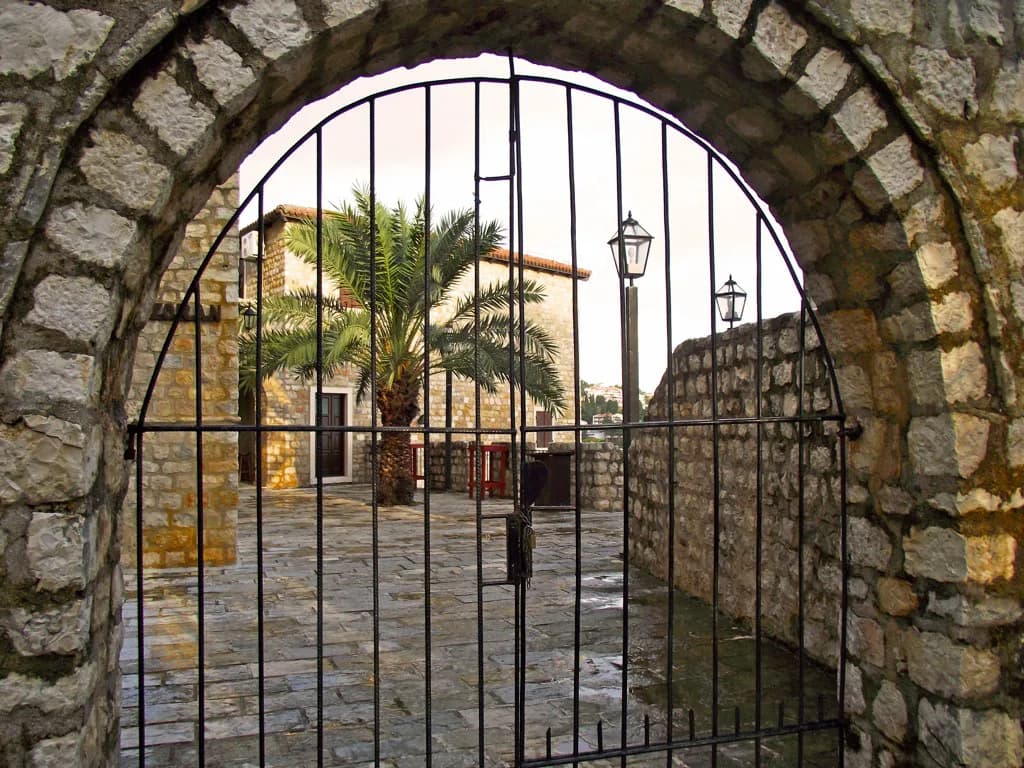
For practical planning, treat the Old Town museum as the museum in Ulcinj. Head up the steep path into the town and you reach it just inside the gates, which makes it the natural first stop rather than something you detour to later. The Ulcinj Museum of Archaeology, Ethnology and Local History occupies a position within the historic walled town, so the visit sits inside a walk rather than beside it.
A separate City Museum of Ulcinj is listed at an address on Buda Tomovića, away from the Old Town. Its contents, opening hours and ticket price are not set out, so treat it as a different address to look up locally rather than a second stop you can plan in advance.
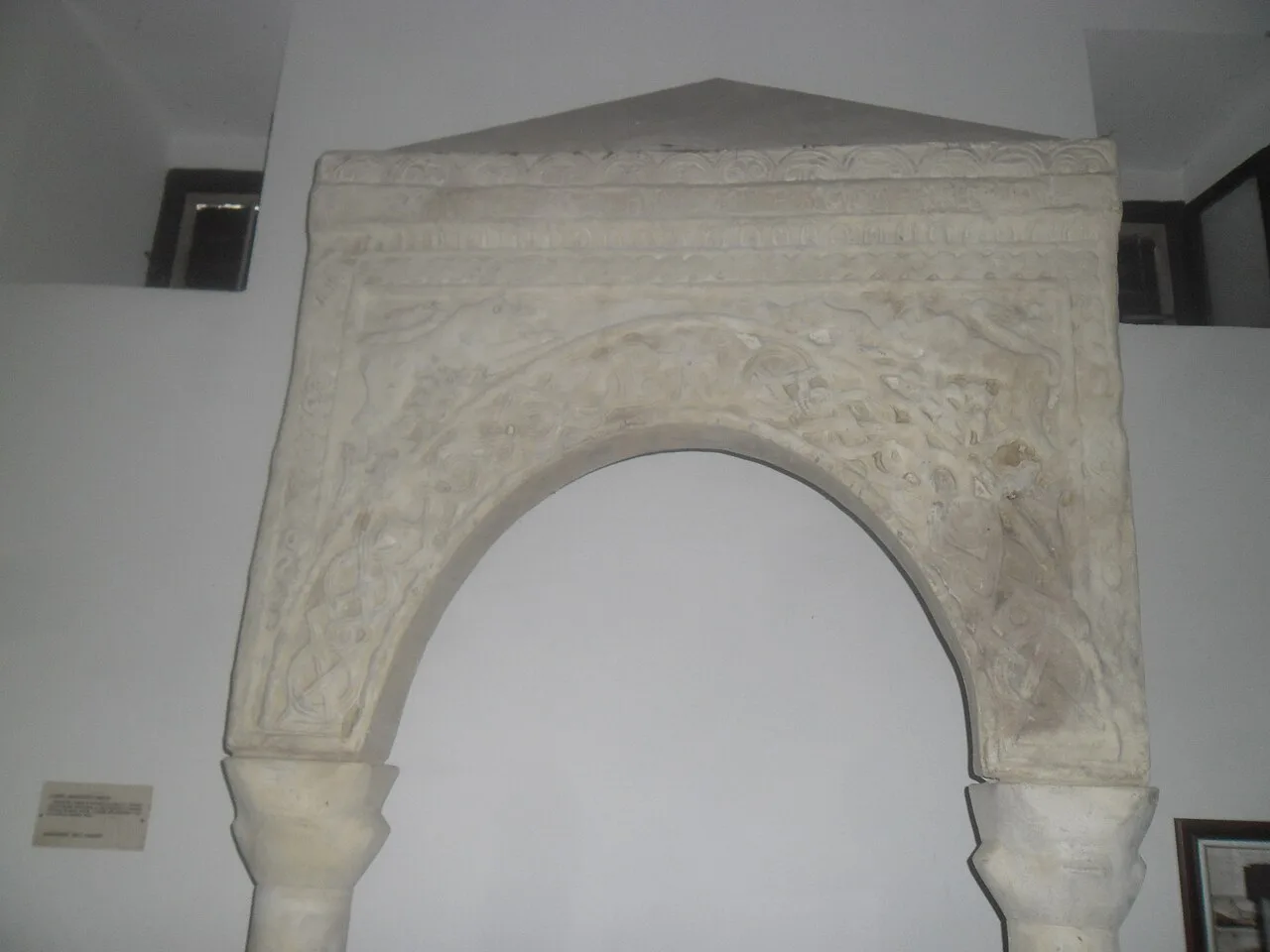
Where the museum is: inside the Old Town gates
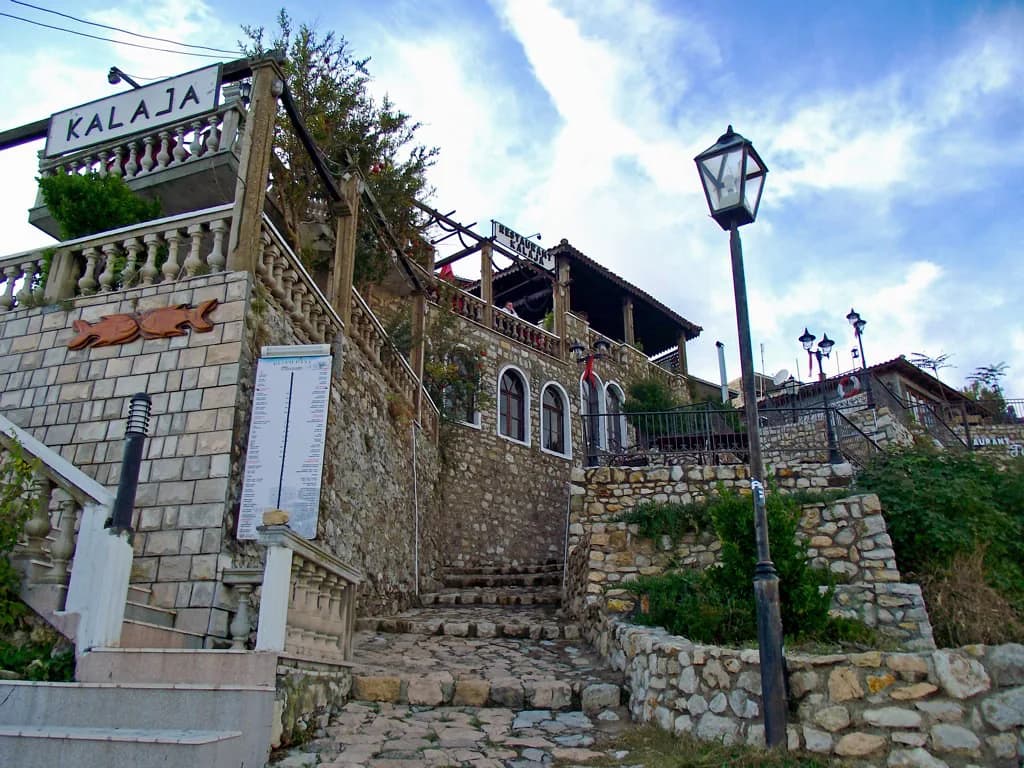
The museum address is Trg roblja in Stari grad, the Old Town, and the name of that square is part of the visit. You climb from the town below on a steep path that brings you through the gates, with the museum close by once you are inside. Budget the climb as part of the outing rather than as a few minutes at the start.
Because the museum sits at the entrance end of the walled town, it works as your orientation point: see it first, then continue to the squares and viewpoints. That order also means the steepest part of the climb is behind you before you start looking around.
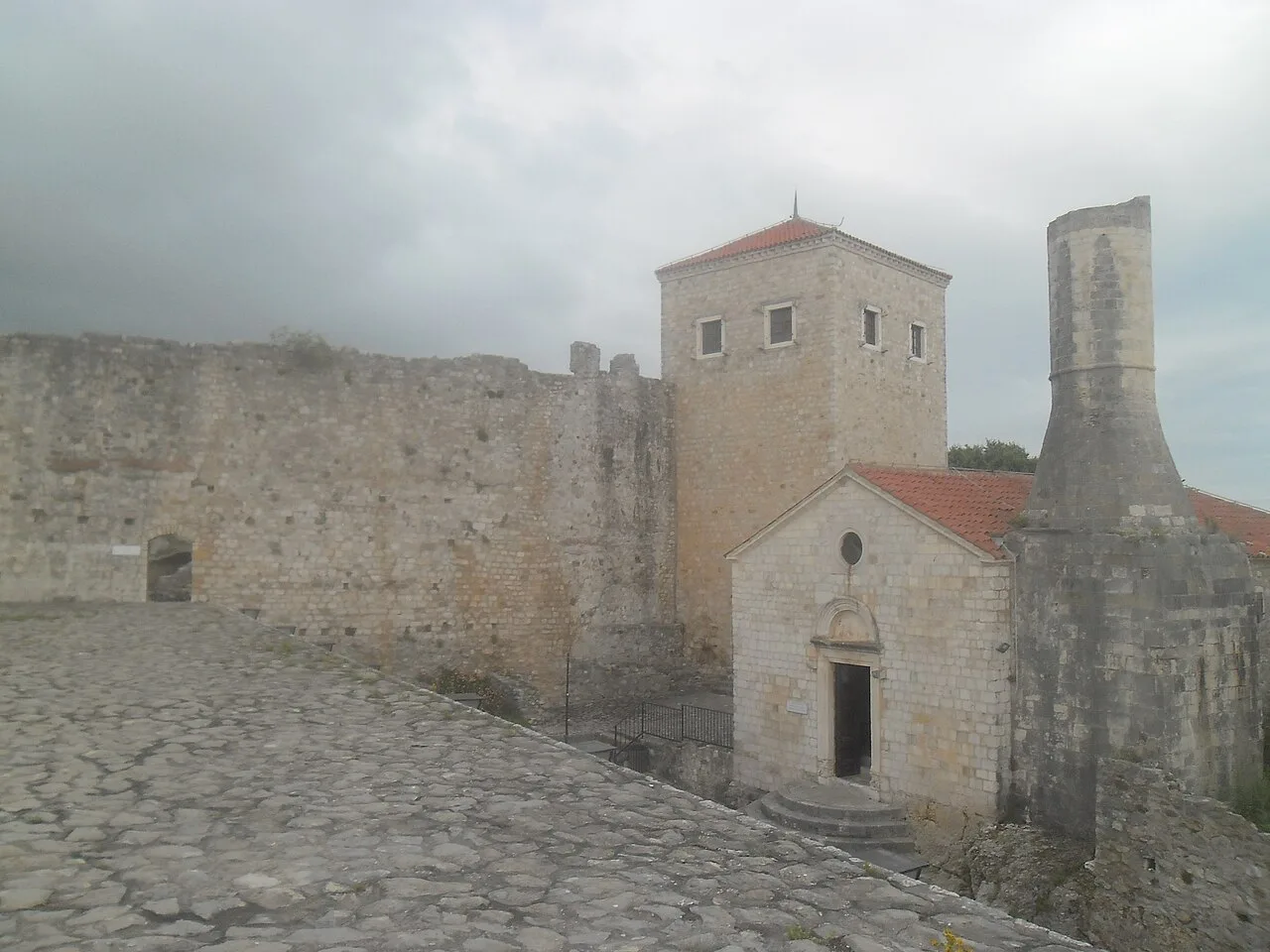
What is inside the collections
The displays cover the area's development across a long span, with relics from the Illyrian, Roman, Byzantine, Venetian and Ottoman periods. Ethnographic material is part of the same visit: traditional costumes, household items and displays on local customs and everyday life. If you want context for the town you have just walked through, this is where the sequence of ruling powers is set out.
Behind the church you will find displays of old photographs of Montenegro alongside examples of traditional dress. Allow time for this corner even if the archaeological cases are your main interest, since the photographs show a version of the town that the walls alone do not explain.
For the wider story of the town and its neighbours along the coast, the collections here are a starting point rather than the full picture. The Ulcinj History that runs through the fortress walls and the squares outside is worth reading before or after the cases.
The building: a church of 1510 turned mosque
Part of what you are paying to see is the building itself. A church dating from 1510 was turned into a mosque in the 17th century, and it now forms part of the museum rather than standing as a separate sight. Look at the fabric of the space as you move through the cases, because the conversion is the reason the interior reads the way it does.
Balšić Tower and its art displays
The Balšić Tower is part of the museum complex and houses art displays. It is not a separate museum with its own ticket, so do not plan it as a second entry on your budget. Climb it for the displays and for the position within the town, and treat the tower as the last part of the museum visit rather than the first.
The tower's displays sit alongside the archaeological and ethnographic material rather than replacing it, which is why the museum holds attention longer than a single room would. If your time in the Old Town is tight, see the church and the main collections before the tower.
Tickets and opening hours
Entrance is charged per person, with a seasonal split in hours: from 1 May to 30 October the museum opens daily from 9am to 8pm, and from 1 November to 30 April from 8am to 3pm. It is closed on Mondays in both seasons. Those hours and the per-person fee come from a published visitor guide, so confirm them before a long climb, especially in the shoulder months when the shorter day catches people out.
Check the current fee and the season dates before you set out, since ticket prices and hours change. Outside the published pattern, ask at the entrance rather than assuming the museum is open.
How long to allow
A walk through the Old Town takes about an hour or so, and the museum sits within that rather than being an extra excursion. Add museum time on top of the hour if you want to read the cases and climb the tower. Half a day covers the climb, the museum and a slow look at the squares without rushing.
If you time the walk to finish at sunset, you can watch the sun go down over the Adriatic from one of the Old Town restaurants. That argues for starting the museum in the late afternoon and letting the visit run into the evening, and the best Ulcinj sunset spots sit on the same stretch of wall.
Practical points: stairs, barriers and children
There are lots of stairs and no lift, so the museum is not a quick flat stop. Safety barriers and signs are not up to the standard you may expect at home, and that matters most at the top of the tower. Keep a close eye on small children on the upper levels and on the stairways.
Wear shoes you can climb in, since the approach up to the gates and the stairs inside both add up. If anyone in your group struggles with steps, plan for the lower rooms and skip the tower rather than pushing to the top.
What else is on the same visit
Trg roblja, known as Slave Square, is the open square right outside the museum, so it is the first thing you cross after the gates. The Venetian Palace stands in the Old Town too, and it now operates as a four-star hotel called Palata Venezia rather than as a sight you enter. Plan your photos of it from outside.
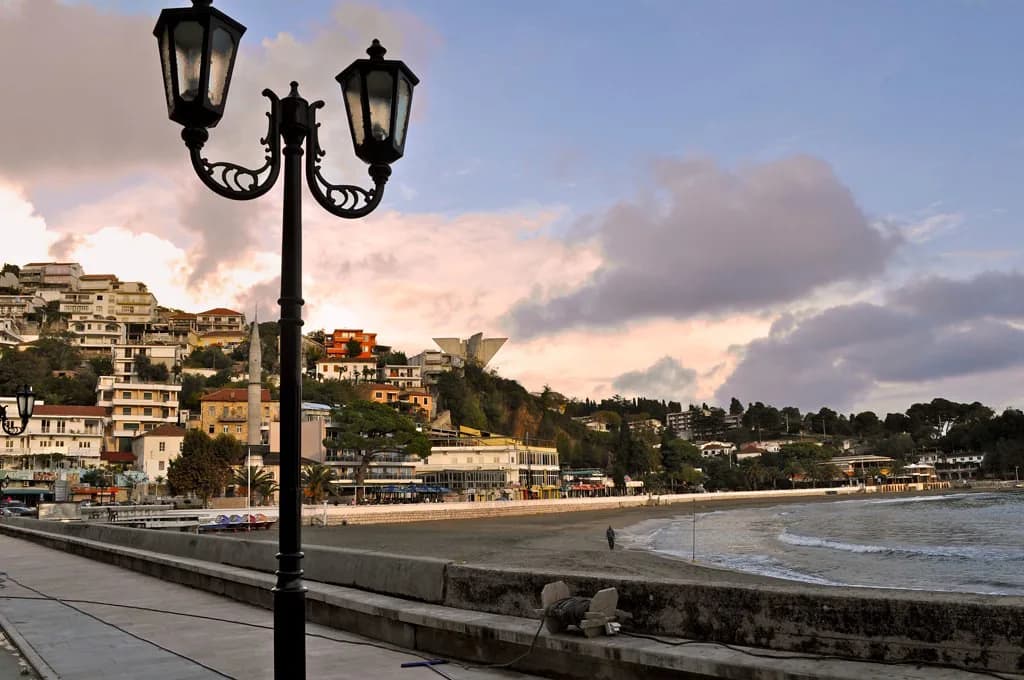
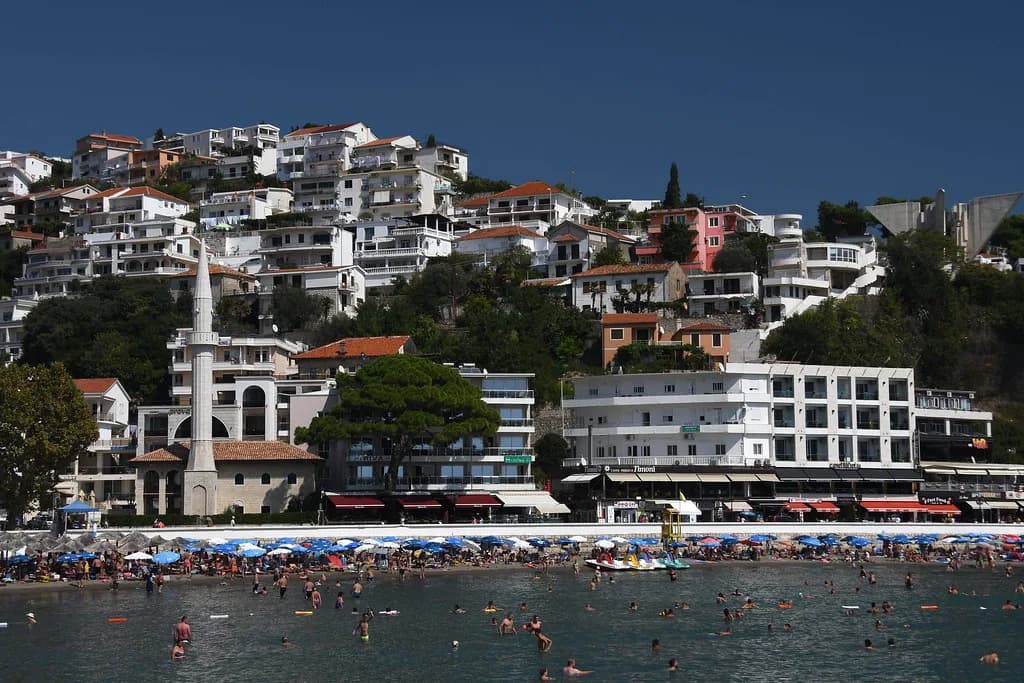
Below the walls, Mala Plaza, or Small Beach, is a sandy stretch next to the Old Town, so the museum and the waterfront fit into one day without transport. The Old Town restaurants are where the walk usually ends if you stay for the evening.
Walking down afterwards puts you on the waterfront, where the Ulcinj promenade runs along the shore and makes a gentle way to finish a climbing day.
If you are tracing the coast's layered past beyond Ulcinj, the same mix of powers appears in Herceg Novi and the towns further north.
Getting to the Old Town entrance from below
From the town below, head for the steep path that climbs into the walled town; it brings you in through the gates with the museum close by. The climb is short in distance but steady, so allow for it on a hot day and carry water. Leave the car below and walk up rather than trying to drive to the entrance.
Should the Old Town museum be your first stop?
Yes: it sits just inside the gates, so seeing it first orients you in the walled town and puts the steepest climb behind you. Aim for the morning or late afternoon, remember the Monday closure, and check the current opening pattern before you go.
With the museum done, spend the rest of the hour on Slave Square and the viewpoints, then walk down to the waterfront. If you only have time for one cultural stop in Ulcinj, this is the one to build the day around, and the Ulcinj Old Town guide shows what else fits alongside it.
Explore more Ulcinj guides
Frequently Asked Questions
Is the museum in Ulcinj Old Town open on Mondays?
The published visitor information gives a Monday closure in both the summer and winter seasons. Opening patterns can change, so check the hours at the entrance or with the town's tourist information before you climb up.
How much does it cost to visit the Ulcinj museum?
Entrance is charged per person, with one rate given in a published visitor guide. Prices change, so confirm the current fee at the entrance rather than relying on an older figure.
What language is spoken in Ulcinj?
Albanian is spoken more often than Montenegrin or Serbo-Croatian in Ulcinj, and most of the population identifies as ethnic Albanian. Museum labels and staff may therefore not be in English, so read up on the collections beforehand if that matters to you.
Sources
Notes for your Montenegro trip
Optional updates to our Montenegro town guides.
You might also like
Continue reading
More guides you'll find useful