Ulcinj History: A Short Timeline Tied to Its Old Town
A short history of Ulcinj for visitors, from Illyrian and Roman roots through Venetian and Ottoman rule to 1880, tied to the Old Town and its museum.
On this page
Ulcinj history in a single arc: an Illyrian settlement that became Roman Olcinijum, passed through Byzantine, medieval and Venetian hands, then spent three centuries under Ottoman rule until 1880. What makes the town worth reading about before you arrive is that this arc left marks you can still find on foot, from the cramped lanes of the old town to the museum inside the walls. This guide gives the short timeline and attaches each era to a place in Ulcinj.
What Ulcinj is known for: a coastal town with a walled Old Town
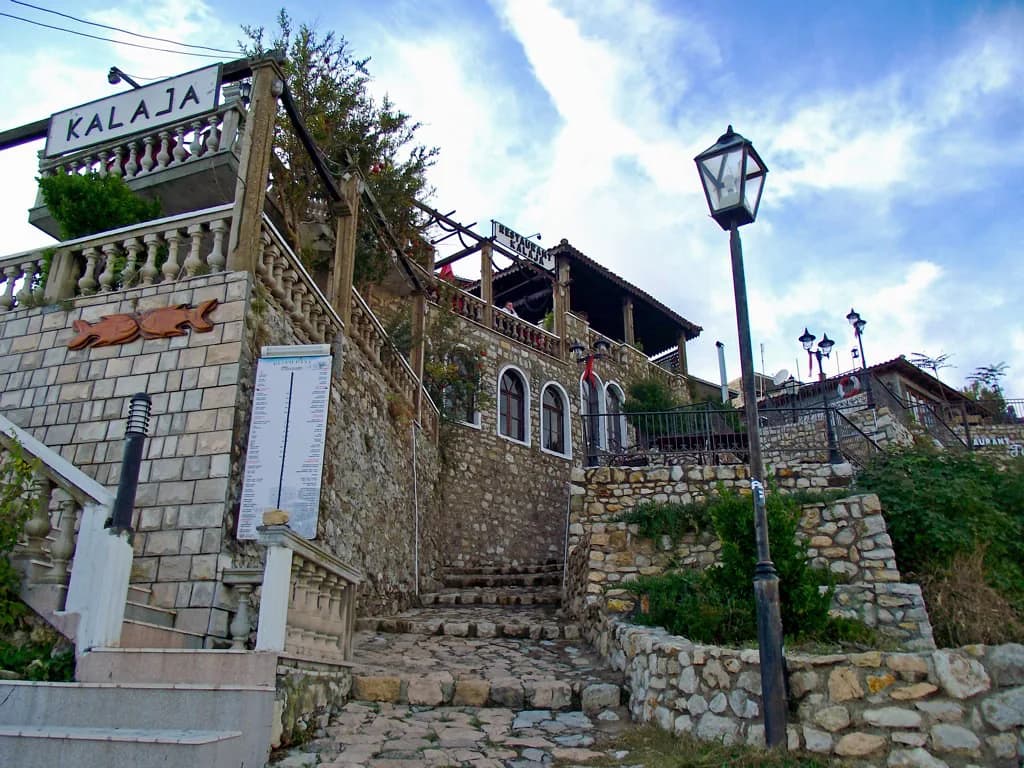
Ulcinj sits at the far southern end of the Montenegrin coast, and its Old Town is a compact walled pocket that has absorbed each ruling power's architecture. The Visit Montenegro history page describes the town as one of the oldest on the Adriatic coast and traces more than two thousand years of settlement, though that superlative is the source's framing rather than a neutral measure. For a visitor, the practical consequence is density: a short walk crosses Roman foundations, Ottoman mosques and Venetian fortifications in a few minutes.
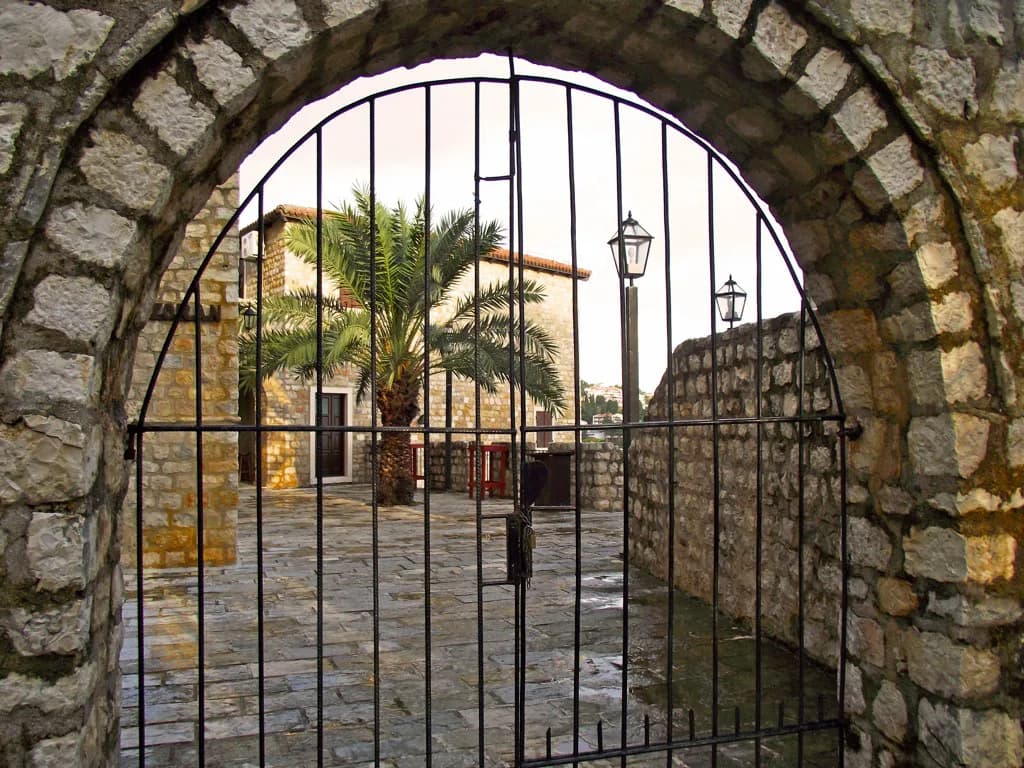
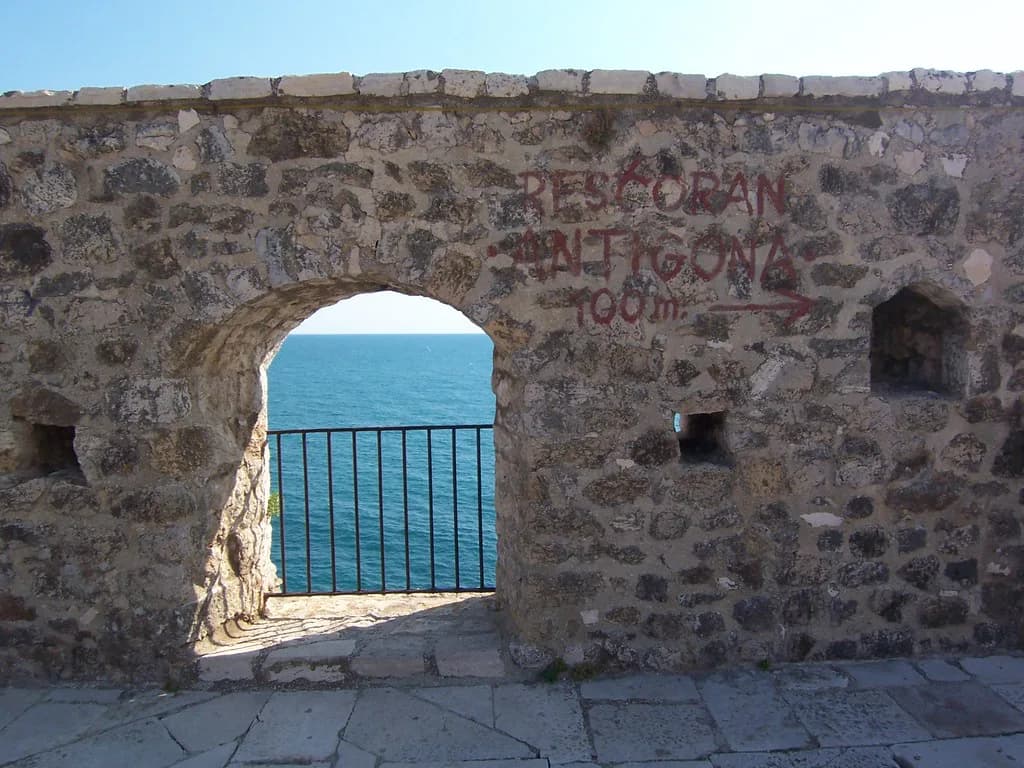
The shape of the old town reflects conquest rather than planning. Each occupier widened or rebuilt it, so the gates, towers and lanes stack awkwardly against each other. Set aside an hour for the walls and lanes alone, longer if you plan to stop at the fortress walls and look out over the water.
Before Rome: Illyrian Ulcinj and the Colchis foundation story
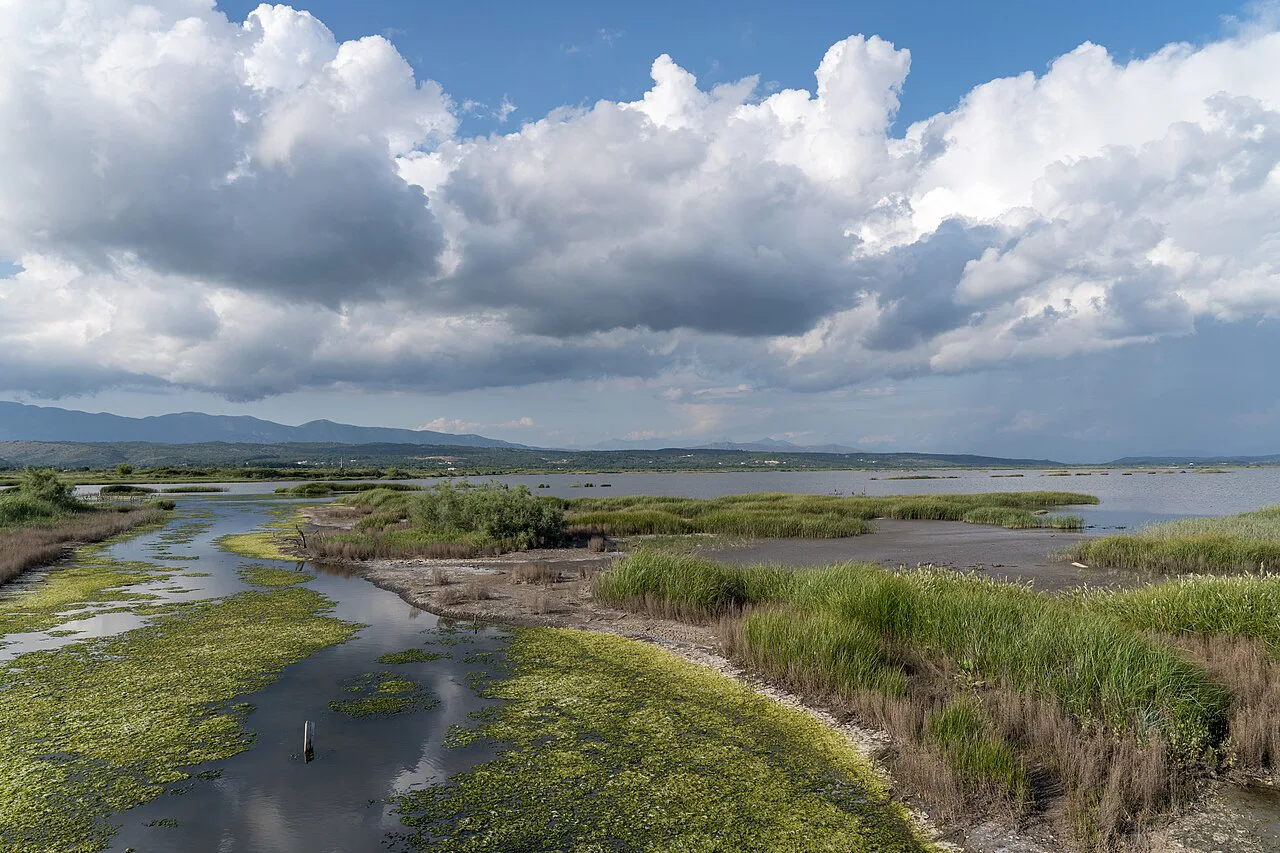
Traces of settlement here predate the fifth century BC, and the Visit Montenegro page attributes the founding to Illyrians, an Indo-European people whose free state saw the town's early flourishing. The same page links the original name Kolhinijum to the Kolhidians, a tribe of Greek origin it credits with founding the older Ulcinj Lake. Treat the Colchis connection as a tradition rather than a documented fact, since Wikipedia describes the beginnings of the settlement as uncertain.
Before the Roman conquest the town was held by an Illyrian tribe, the Olcinijantas, and it took its next name from that conquest, which the Visit Montenegro page places in the second century BC. That shift explains why the town appears in sources under several spellings: Kolhinijum, Colchinijum, Olcinijum, Ulcinj. When you read an information panel in the old town, the older names are the same place.
Roman, Byzantine and medieval Ulcinj
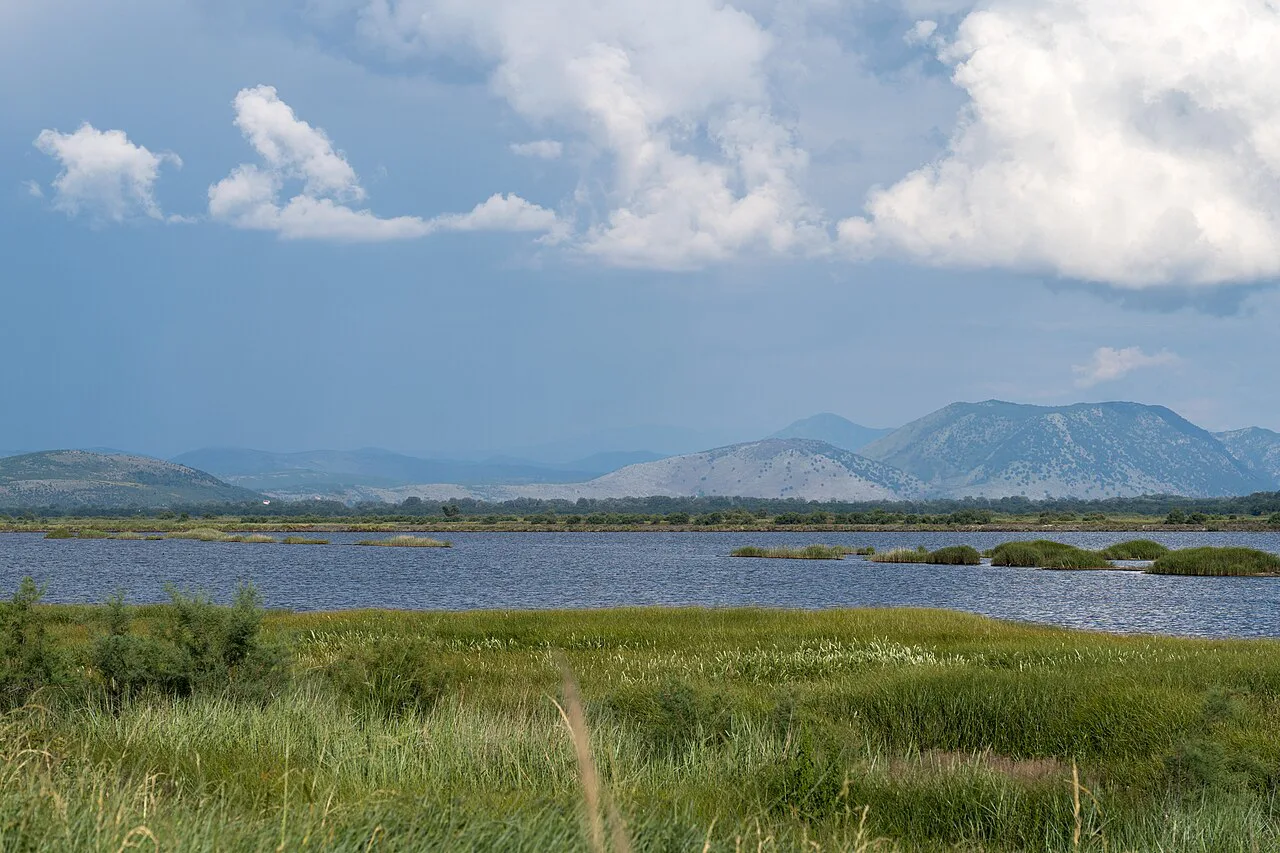
Under Rome the town gained the status of a privileged town and later a Municipium with temporarily independent standing. After the empire split it belonged to the province of Prevalis within the eastern half, and its inhabitants became Christian. Those administrative details sound dry, but they explain why the archaeology under the old town spans Roman and late antique layers rather than a single period.
The medieval centuries brought repeated rebuilding. The Byzantine emperor Justinian renewed the town, and the Nemanjić, Balšić, Venetian and Ottoman rulers each added to it. Stefan Nemanja took Ulcinj in 1183, when it ranked among the significant coastal towns, and under the Balšić dynasty, particularly Djuradj Stratimirović Balšić from 1385 to 1403, its political weight was pronounced. The lanes of the old town are the obvious place to picture this era while you walk; Museums in Ulcinj pick up the story where the lanes leave off.
Venetian rule and the Ottoman takeover in 1571
In 1405, after the fall of the state of Zeta, the Venetians took the town and held it for 150 years. The Visit Montenegro page notes that Ulcinj fell to Ottoman control in 1571, comparatively late for this coast and around ninety years after Herceg Novi. That lag matters for the streetscape: the Venetian legacy sat alongside, rather than in place of, earlier layers when the Ottomans arrived.
Ottoman rule gave Ulcinj a markedly different look. Mosques, Turkish baths, drinking fountains, watchtowers, inns and burial chambers went up, and the whole town adjusted to its new rulers. For a modern visitor, this is the era that most obviously explains the old town's oriental character and the presence of Islamic architecture beside older fortifications.
The pirate era and Ulcinj's fleet
Ulcinj's maritime tradition was substantial, and the source is specific: in the seventeenth century its fleet had 500 two-master ships working the Mediterranean. With its trading fleet, the town became the Ottoman Empire's main pillar on the Mediterranean during the period from 1571 to 1880. The same page records 400 pirates from Malta, Tunis and Algeria settling there after the Cretan War of 1669, turning the town into what it calls a dangerous pirate nest through the seventeenth and eighteenth centuries.
It is easy to romanticise piracy from a distance, but the town's naval power was inseparable from ransom and captivity, which the next section sets out plainly. Read the two together. The ships paid for the buildings, and the money behind the ships came from the trade detailed below.
The slave market and Ulcinj's Afro-Albanian community
By the start of the Cretan War in 1650, Ulcinj had become a significant trading post for Christian slaves, captured by local pirates along the Italian and Dalmatian coasts and elsewhere in the Ottoman Empire, having displaced Herceg Novi as the main Adriatic destination for that trade. A slave market operated in the Old City, and the town's residents generally held captives for ransom rather than as a labour force, allowing them to write home so their families could buy their freedom. Final transactions often happened on neutral ground, usually in Dubrovnik.
In the mid-eighteenth century demand grew for Black African slaves. Ali Basha brought two women from Egypt in 1770, another group returned from North Africa in 1775 with thirteen slaves, and residents later bought slaves in Tripoli, where people from Sudan and Chad were mainly brought, then resold them across the Mediterranean or brought them back to Ulcinj. Once freed, these Afro-Albanians became ordinary citizens working in agriculture or seafaring, speaking Albanian and dressing like their neighbours, and some became naval captains with boats of their own.
Rizo Šurla and the end of that community
After Montenegro took over Ulcinj in 1880, some of the town's African population moved to Albania, and around sixty Afro-Albanian residents remained. The community's numbers kept falling through the twentieth century. The most famous member was Rizo Šurla, a photographer, fisherman and bohemian who died in 2003; his sister survived as the only direct descendant of Ulcinj's African community, and their children mostly intermarried and no longer live in the town.
This is the part of Ulcinj's past that leaves the fewest physical traces in the old town, which makes it worth holding in mind as you walk the lanes. A visit to the museums adds context to the maritime and trading story where the fabric of the town shows it more openly.
1880: the end of Ottoman rule
The Visit Montenegro account records Ulcinj's release from the Turks at the start of 1878 with the Berlin decision, while dating Ottoman rule to 1571–1880 and Montenegrin rule to 1880–1918. Under Montenegrin rule between 1880 and 1918, 107 sailing boats were registered in the town, and its people remained skilled mariners and shipwrights. The nineteenth-century shift is where this timeline stops deliberately, because it marks the point where the town's identity as a fortified Ottoman port ended.
What to look for in the Old Town today
Walk the lanes with three eyes: Roman and late antique traces near the base of the walls, Ottoman mosques, baths and fountains in the street plan, and Venetian and earlier fortification lines at the edges. The Archeological Museum in the Old Town is the natural first stop because it condenses the periods you will then spot piecemeal outside. No source gives museum opening hours or ticket prices, so confirm those before you go.
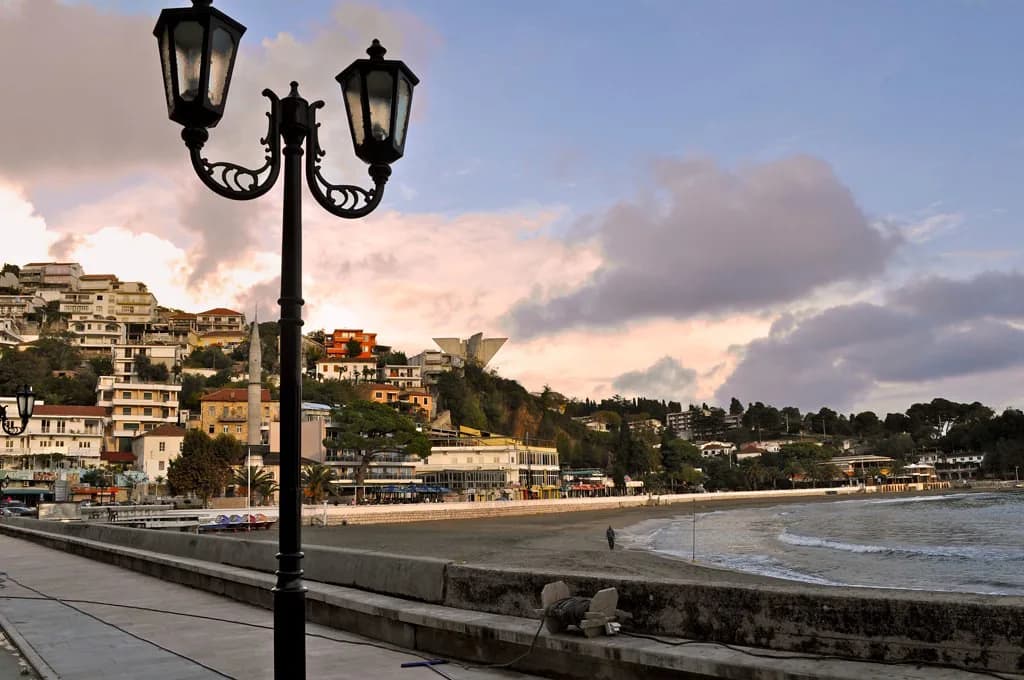
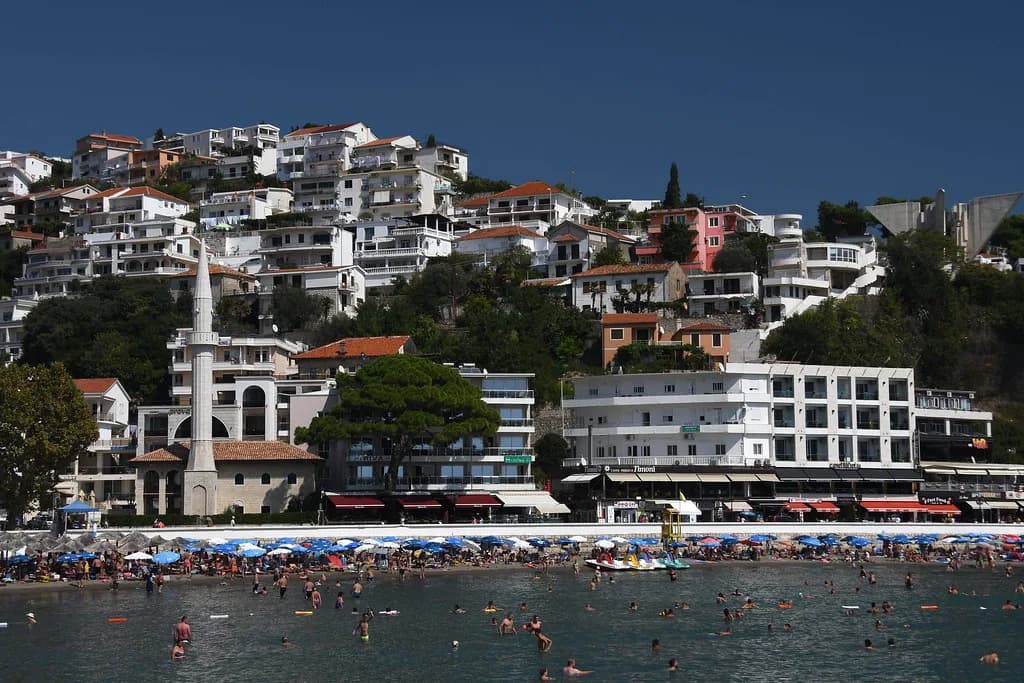
Plan the walls for the end of the day, when the light is lower and the stonework reads more clearly; the Ulcinj sunset view from the upper walls is part of why the old town repays a slow visit rather than a rushed one. Small Beach below the walls gives you a gentler exit route if the heat is climbing.
If you want the town's present alongside its past, the Ulcinj promenade gives you the modern resort face of the same place in a single walk. It is a useful counterweight to the walled lanes.
How long does the Old Town take?
Budget about an hour for the lanes and walls, and add time for the museums if the archaeology and maritime story are why you came. The town's history is compact enough to read in a morning and layered enough to reward a second pass. Check current museum hours before you set out, since they are not published in the source material.
If you want the wider picture, the Ulcinj attractions guide links the old town, the viewpoints and the promenade into one plan.
Sources
Notes for your Montenegro trip
Optional updates to our Montenegro town guides.
You might also like
Continue reading
More guides you'll find useful