Ulcinj Old Town: A Walk Through the Fortress Streets
A practical walk through Ulcinj Old Town: cobbled lanes, fortress walls, sea views and the uphill approach, with honest notes on footing, timing and crowds.
On this page
Ulcinj Old Town is a small walled settlement above the coast, best treated as a leisurely hour or two rather than a full day out. The lanes are cobbled, the climb is real and the payoff is the sea view from the fortress walls. This guide covers the approach on foot, what the streetscape is like inside, where the sunset views come from, and how to fit the visit around the beach below.
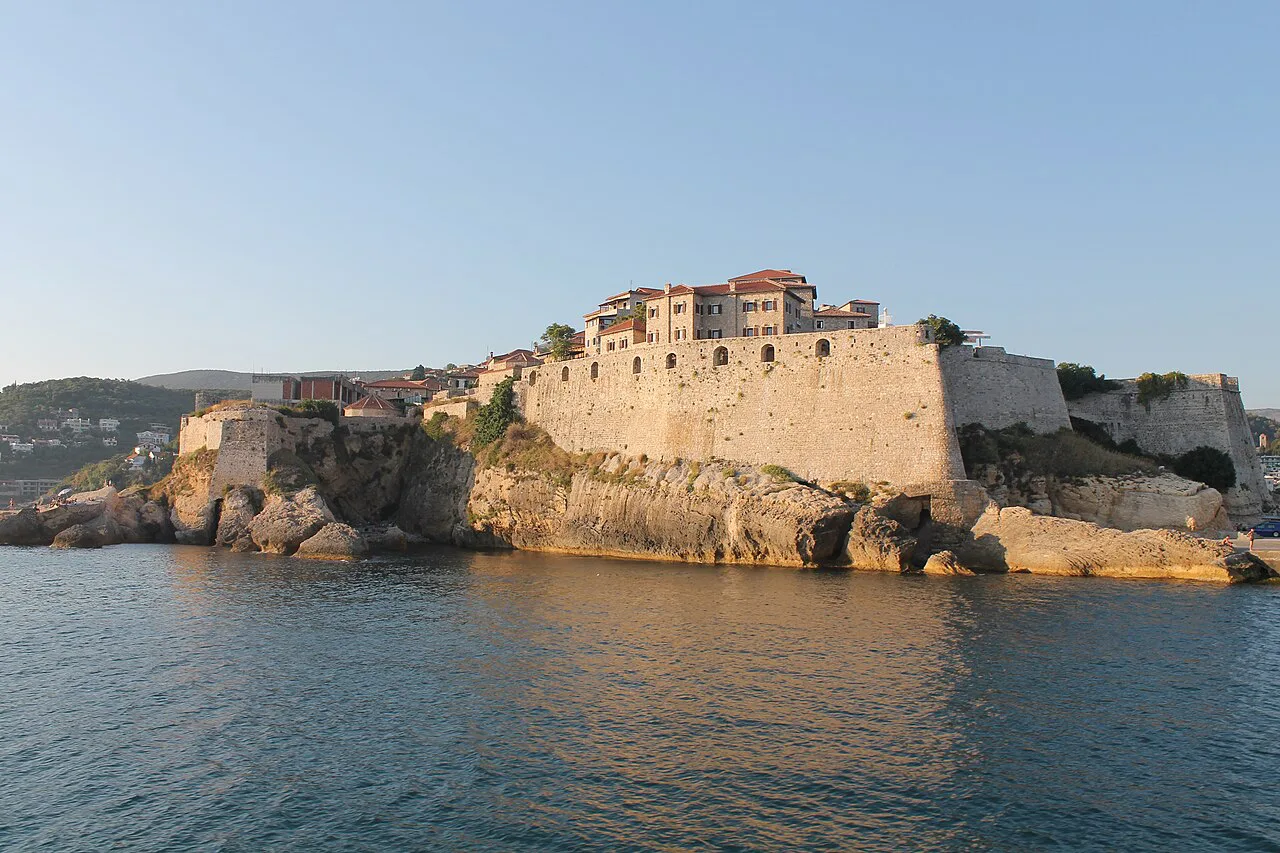
The old town occupies the fortified ground above the coast, with the sea close below. Plan your entry point before you set off, because the uphill approach shapes how much energy you have left for wandering.
What Ulcinj Old Town is and where it sits above the coast
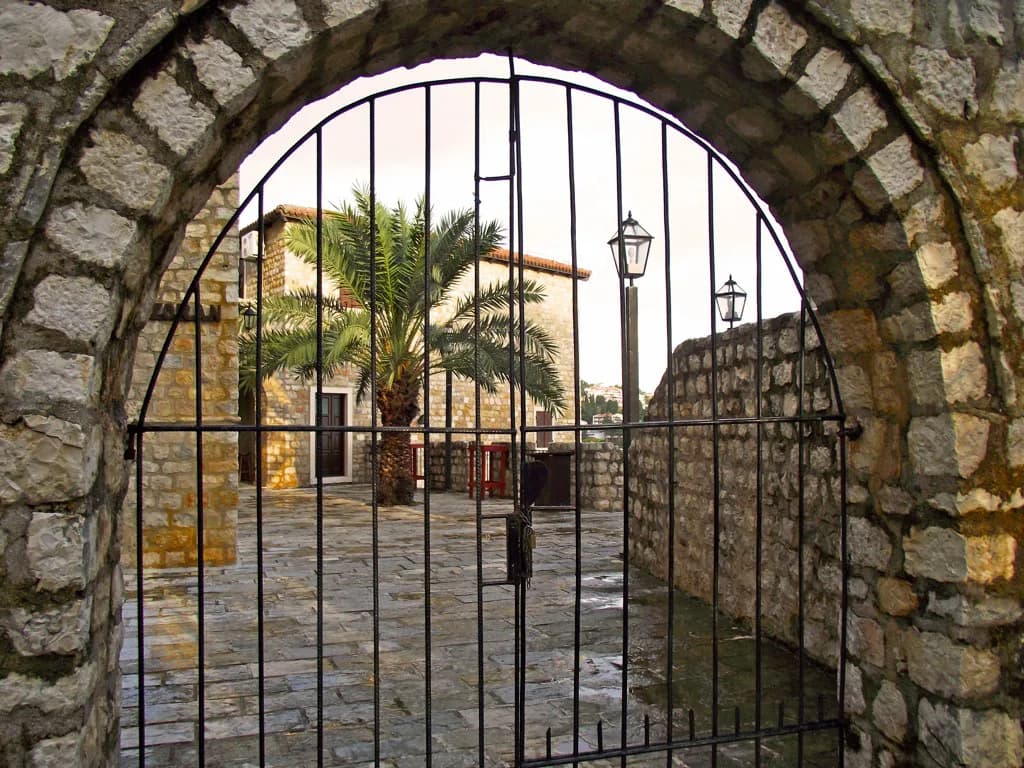
Ulcinj Old Town is a compact fortified quarter of narrow cobblestone streets, old walls and sea views, with restaurants, cafés, art galleries and boutique hotels tucked into the alleys. The streets carry a lived-in feel, with locals going about daily life inside the stone fortress.
The fortress is described as a three-hectare site with Greek origins and Ottoman heritage, and the lanes include Slave Square and the Balšić Tower. For the deeper background, the Ulcinj History guide covers the layers behind the walls; our Museums in Ulcinj guide points you to the Balšić Tower and the collections inside the town.
That matters for planning: the exposed stone walls and unshaded lanes feel very different in high summer than in spring or autumn.
Ulcinj is in Montenegro, on the country's southern coast, which makes the old town a natural stop for travellers working along the shore. If you are comparing walled towns on this stretch, the Herceg Novi old town and Kotor old town pages show how a gate-and-square layout works elsewhere; Ulcinj's charm is looser, more residential and less formal.
Getting in on foot: the climb from Small Beach and where to leave the car
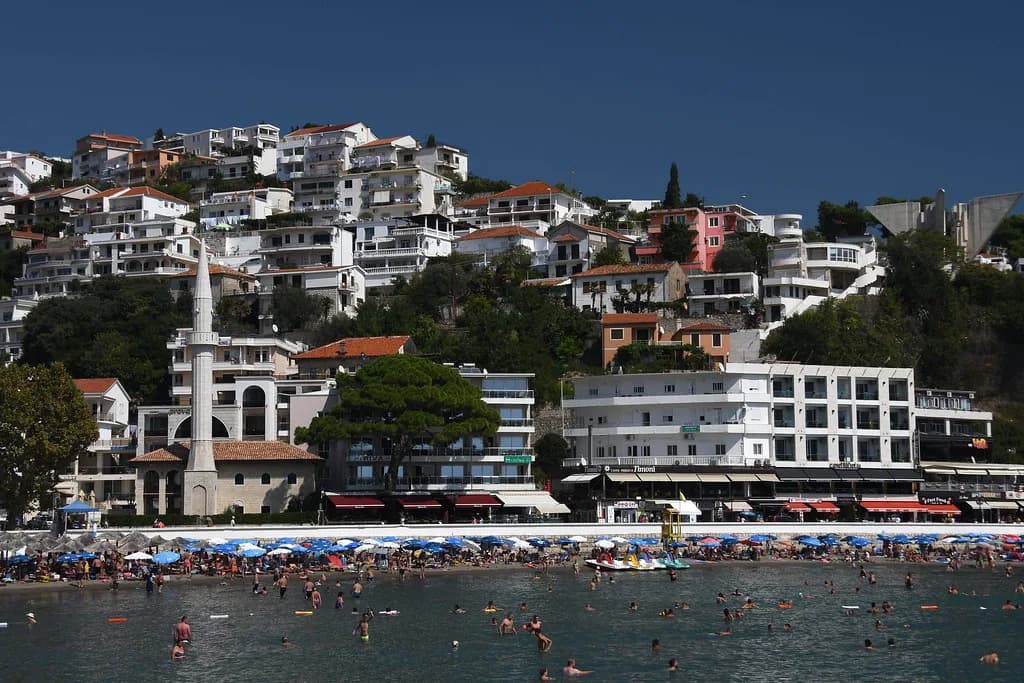
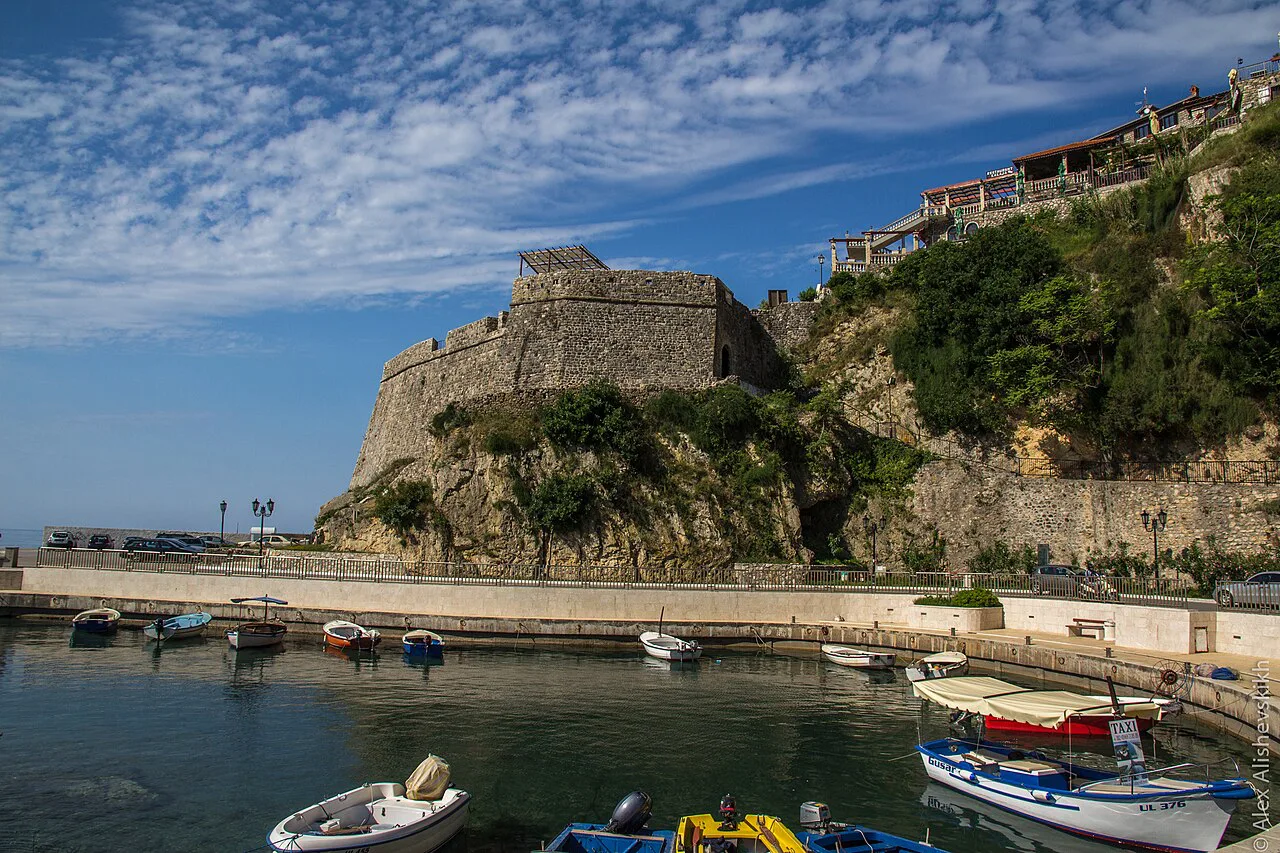
The uphill walk from Small Beach takes about ten minutes, and it is the standard way in for anyone coming from the shore. Wear comfortable shoes suited to uphill walking on uneven stones, because the surface is rough and the gradient is steady.
Drivers should think about parking before they arrive. Parking around the entrance can be tricky in summer, so it is worth parking lower down and walking up instead of circling the walls. That trade-off costs you the climb but saves the frustration.
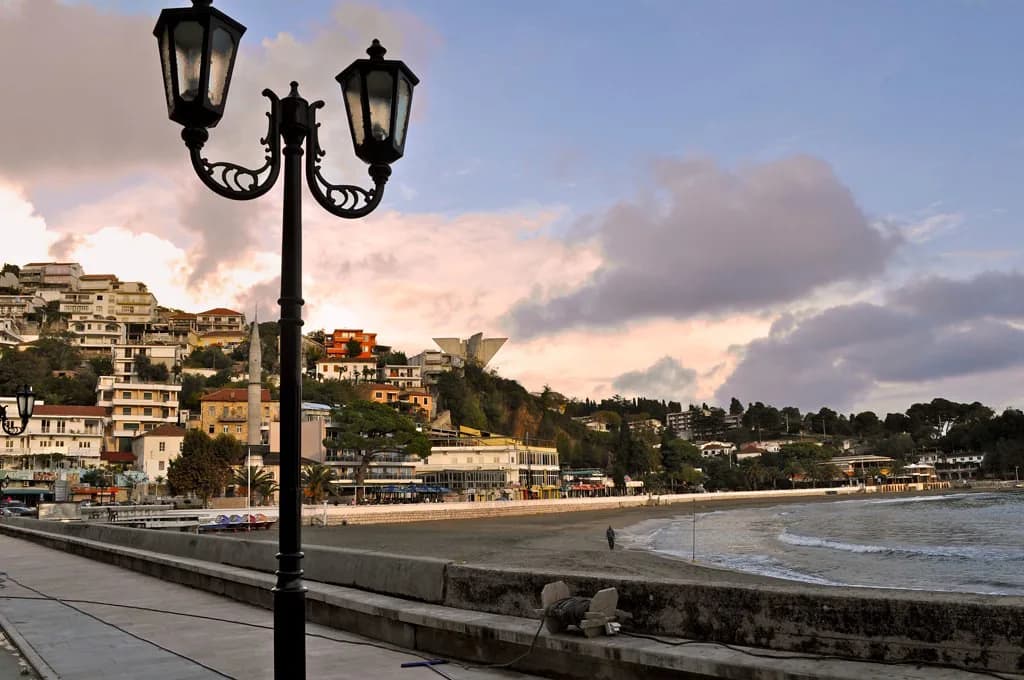
There is no ticket price or entry fee given for the old town in the sources here, so budget for food, drink and any museum entry separately and check locally when you arrive. If you are combining the visit with the seafront, the Ulcinj promenade is an easy add-on at the bottom of the hill.
The cobbled lanes inside the walls: what the streetscape is like
Inside the walls, the plan is a tangle of narrow cobblestone streets rather than a formal grid of squares. The buildings are low, the lanes are tight and the atmosphere is closer to a working neighbourhood than a staged attraction. Wander without a fixed route and you will find the corners worth stopping for.
Reviews describe the old town as charming and picturesque, with old walls and stunning sea views, and note that the real, lived-in vibe comes from locals going about their daily lives inside the stone fortress. Some visitors also mention litter in places, so set your expectations for a place that is lived in rather than polished.
The one-storey Turkish-style houses give the lanes their character, and the walls have seen many rulers pass through. Treat the architecture as the main sight: look up at the stonework, step into the small squares and let the town reveal itself slowly.
The fortress walls and the sunset sea views
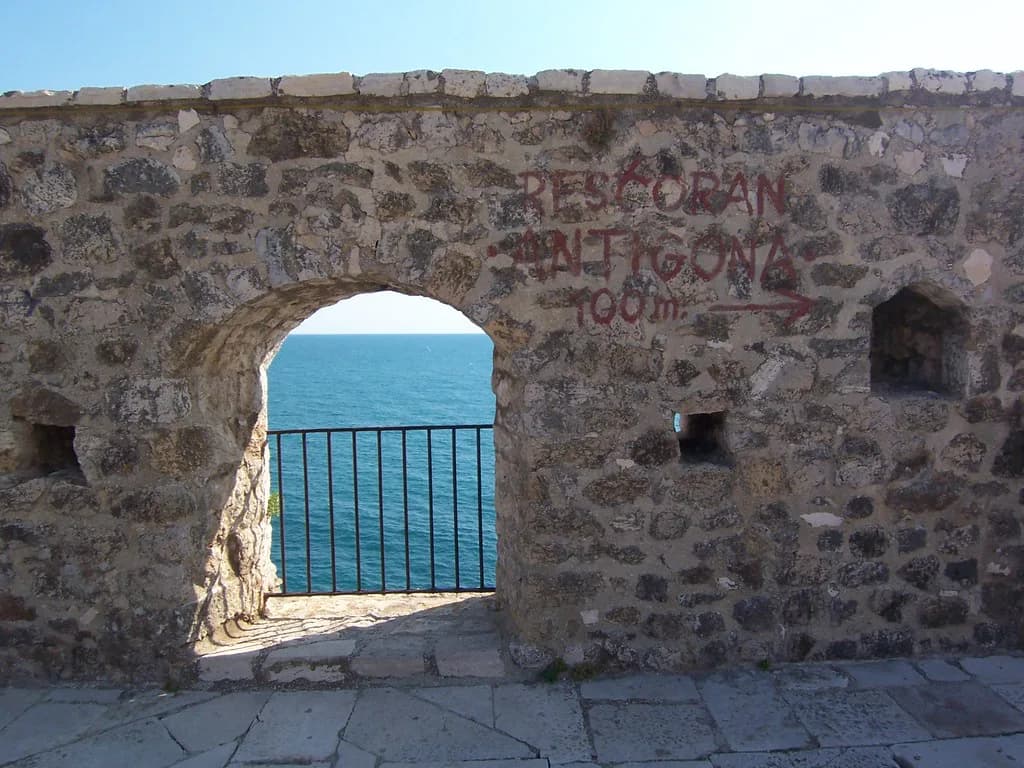
The fortress walls are the viewpoint, not the lanes themselves. Sunset is when the views over the water from the walls are at their most striking, so plan the end of your walk to finish up there rather than heading down to the beach early.
Give yourself time on the walls rather than treating them as a photo stop. The climb plus the lanes plus the wall circuit adds up, and a visit timed for late afternoon means you finish with the light at its best.
Food, drink and shops tucked into the alleys
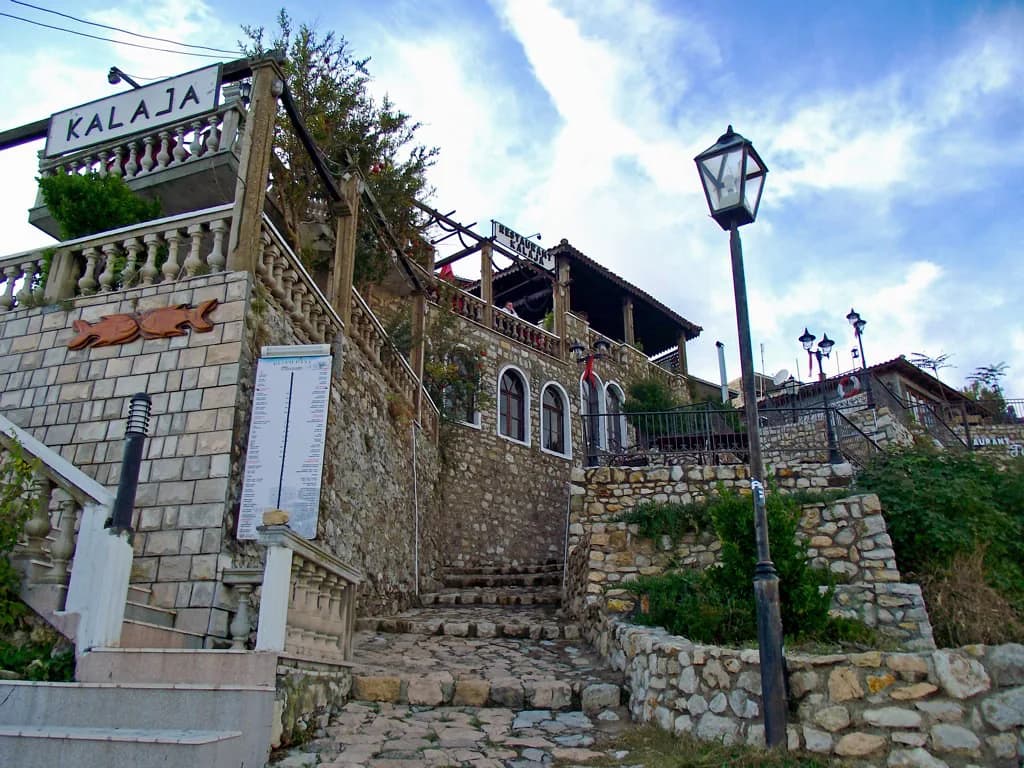
Restaurants, cafés, souvenir shops, galleries and boutique hotels are scattered through the alleys, so you can eat inside the walls rather than descending first. Vegetarian choice is reported as limited in the area, which is worth knowing before you build a meal around it.
Some reviewers describe parts of the old town as given over to apartments and restaurants aimed at tourists, so pick your table with that in mind. A short walk through the lanes first lets you judge the options before committing to one.
No specific restaurant, café or hotel names are pinned here, so use the lanes themselves as the guide and check menus as you go. Prices are best confirmed on the spot rather than assumed.
Footing, steps and stroller access: what to expect
The surface is uneven stone with steep steps, which makes the old town a poor fit for strollers and anyone unsteady on their feet. Comfortable shoes are essential, and a slower pace with handrails where available is sensible.
If mobility is a concern, plan to see the walls from the lower lanes and skip the upper circuit rather than pushing through. The views are generous even a little way up, and the climb from the beach is the hardest part of the day.
When to go to avoid the summer squeeze
Summer brings the tightest squeeze: parking near the entrance is harder and the lanes fill up. If you want the lanes with more room to move, aim for early morning or late afternoon, and avoid the middle of a hot day when the stone walls hold the heat.
Outside high summer you get the same lanes and walls with fewer people about. Check the day before you go rather than relying on any published schedule.
How long to allow and how to combine it with the beach below
Visitors typically spend around 25 minutes in the old town itself, which is a useful baseline for a quick look. Add time for a meal, the wall circuit and a slow wander, and a half-day with the beach becomes realistic.
The natural pairing is the climb up from Small Beach, a wander through the lanes, sunset on the walls and a descent for the sea. If you want more structure, the Ulcinj Attractions hub collects the town's main sights in one place.
The listed hours show the site open around the clock every day, and no entry fee is stated, but confirm both before a late or early visit rather than budgeting from a figure.
Is Ulcinj Old Town worth the climb?
Yes, if you want a lived-in walled quarter with sea views rather than a polished set piece. Go for the lanes, time your visit for sunset on the walls and dress for the uneven stones; it is the lived-in character and the views that make the climb worthwhile.
Build the day around the ten-minute climb from Small Beach, park lower down in summer and keep the visit short enough to enjoy. That way the old town is a highlight of the coast rather than an endurance test.
Explore more Ulcinj guides
Frequently Asked Questions
What country is Ulcinj in?
Ulcinj is in Montenegro, on the country's southern coast. The old town sits above the shoreline, a short climb from Small Beach.
Do you need tickets for Ulcinj Old Town?
No entry fee is stated for the old town in the sources used here. Check on arrival, and budget separately for food, drink and any museum entry.
Sources
Notes for your Montenegro trip
Optional updates to our Montenegro town guides.
You might also like

Continue reading
More guides you'll find useful