Perast Parking: Where to Park and What It Costs
Perast is pedestrian-only, so every drive ends at an entrance car park. Here is how parking works, when the ramps fill, and when the bus or a boat is simpler.
On this page
You cannot park in Perast itself. The old town is pedestrian-only at both entrances, so every drive ends at an entrance ramp car park and a short walk in. This guide covers what those car parks cost, when the ramps fill, the roadside alternative before town, and when the bus or a boat from Kotor is the simpler choice.
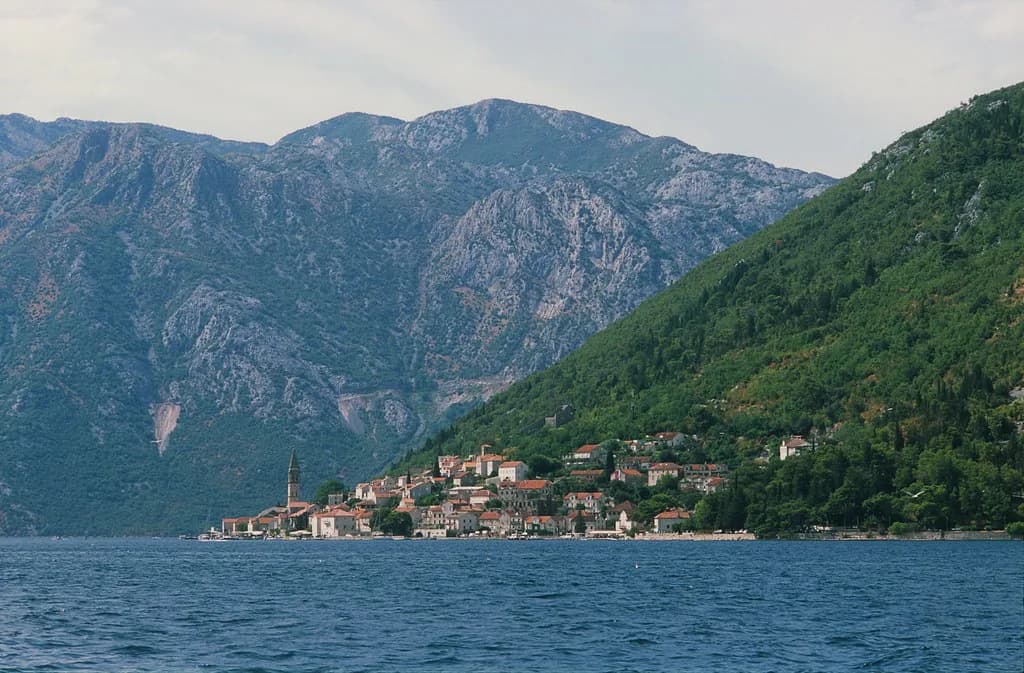
Perast sits about 12 km up the coast road from Kotor, a drive of 20-30 minutes on a quiet morning. Once you have parked, the visit itself is compact: one main street, a waterfront and two islets offshore.
Where you actually park in Perast: the two entrance ramps
Perast has been pedestrianised at both entrances, so no car gets past the ramps into the old town in any season. You park at one of the two entrance ramps, then walk in along the waterfront. Treat the ramp as the end of the drive, not a place to hunt for a space near the church tower.
Perast Beach lies within roughly a kilometre of the accommodation clustered around town, which gives a sense of scale: nothing in Perast is far once you are through the ramp. That makes the walk in short enough that the car park you choose matters less than arriving before the ramps fill.
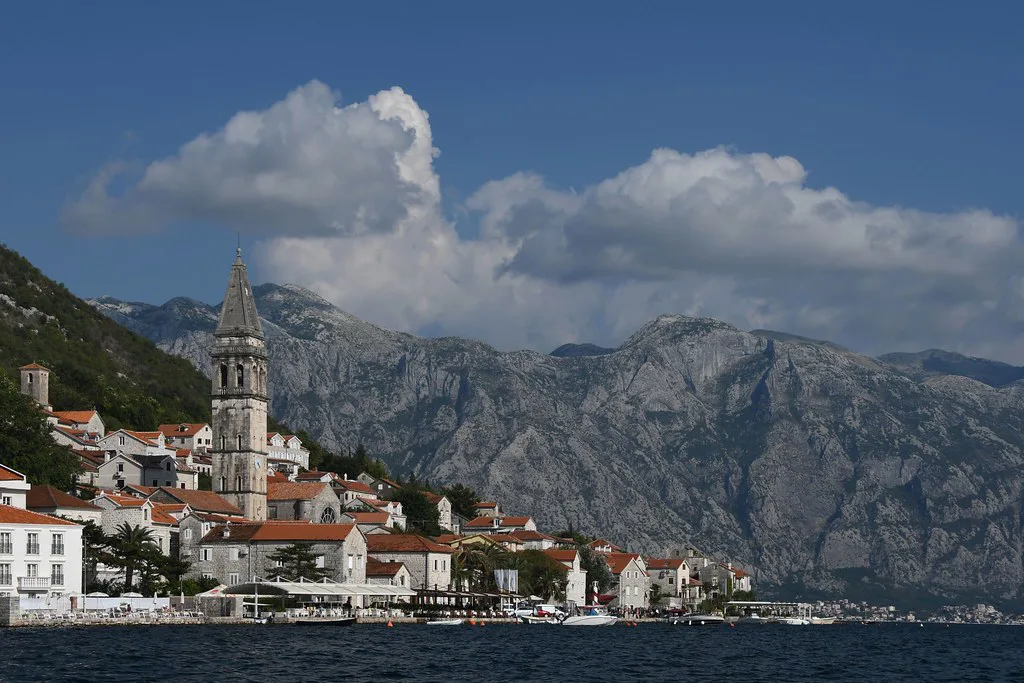
What parking costs in Perast in peak season
In peak season the entrance parking is metered and enforced, typically working out somewhere between €15 and €25 per day depending on the lot and how late in the season you arrive. Budget for the upper end in July and August, and check the rate on the barrier or meter before you leave the car, since it varies by lot.
How you pay depends on the lot: some have meters or attendants, others take payment on exit. Keep some euro coins or a card to hand rather than relying on finding a cash machine in town. If a rate is not displayed at the ramp, ask before parking rather than after.
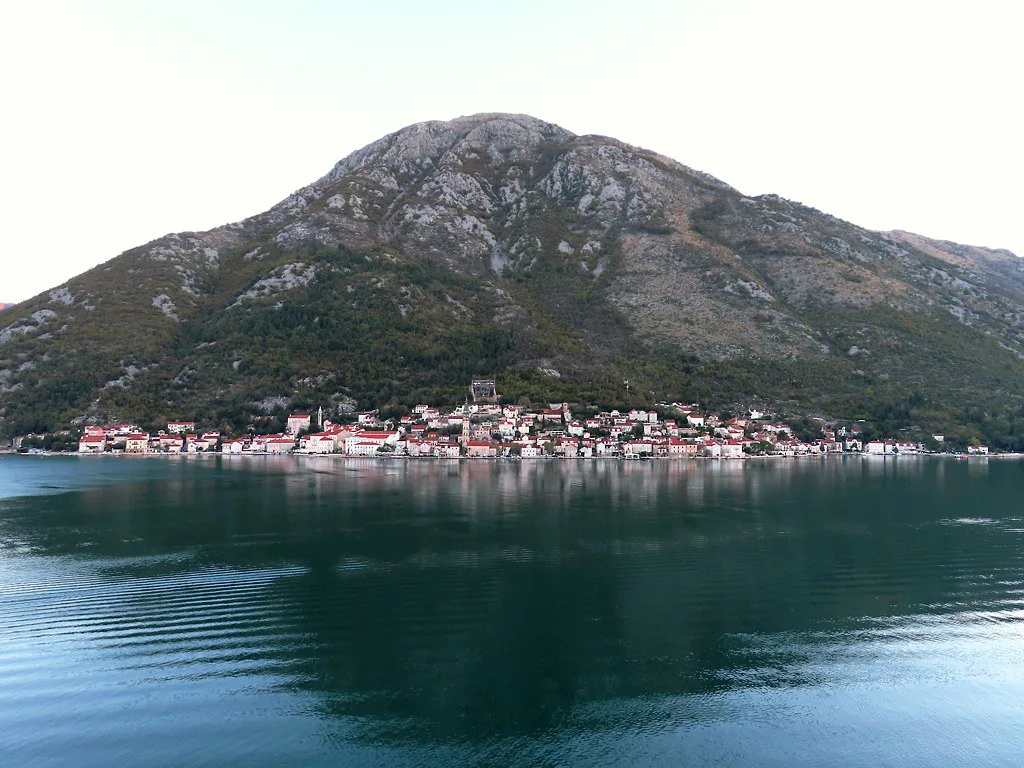
When the barriers are left open
Outside the May-October season, barriers are often left open and parking can be free, but that is the window when few visitors are around. Do not drive to Perast in winter assuming free parking as a right; treat it as a bonus if the barrier is up and be ready to pay if it is not.
The same logic applies to enforcement. Metered parking exists for the summer flow of cars, and it may simply not be staffed on a wet February morning. The trade-off is obvious: free parking and an empty town in exchange for off-season weather and shorter boat services.
The best times to arrive to avoid the midday queue
If you are driving, aim to arrive before about 9:30am or after about 4:30pm. Between roughly 10am and 4pm in July and August the entrance ramps fill and the coastal road itself slows behind tour buses and rental cars doing the same 12 km.
An early arrival buys you the main street before the day-trippers land and a better chance of a space at the first ramp you try. A late-afternoon arrival means softer light on the two islets and a shorter wait for the boats that run out to them; see our guide to the boat trips from the waterfront if you plan to cross to the islands.
Free and informal roadside parking before Perast, and why it can go wrong
There is a roadside parking area just before Perast, with stairs down to a small concrete beach and a 10-15 minute walk into the centre. That walk is the trade-off for avoiding the metered ramps, and the entrance is narrow enough that anything much larger than a campervan will struggle.
User reports on that spot describe confusion over who collects payment and on what condition. One account says a charge of €20 was demanded and lowered to €10 after an argument; others describe being told they could park there only by buying a boat trip ticket. Treat those as drivers' reports rather than official rules, and if a charge is demanded without a displayed rate, move on to the metered ramps.
There is also a hard rule that catches people out: wild camping is not allowed in Montenegro. Sleeping in a vehicle at a roadside spot is not the same as a day-visit park, so if you are touring by campervan, use a proper campsite rather than treating the verge as an overnight pitch.
The coastal road from Kotor: 12 km, 20-30 minutes, much slower in summer
The drive from Kotor is about 12 km and takes 20-30 minutes on a quiet morning, along a narrow road with one lane in each direction. In July and August the same 12 km can take far longer because every bus and rental car is making the identical trip at the identical hour.
That makes the road a timing decision rather than a distance one. A 20-minute drive at 9am and a crawl at noon are the same route; only the clock changes. If your day is built around Perast, go early; if Perast is one stop among several, accept that the road will set your pace.
Parking versus the local bus
The local bus from Kotor takes about 30 minutes, runs roughly hourly, and costs roughly €1.50-2. That is by far the cheapest way in, and you step off without a parking fee or a ramp queue. The cost is flexibility: you are tied to a schedule you did not set.
For a single day centred on Perast, the bus suits most travellers who are not combining stops, and you can plan the walk in along the promenade once you arrive. For a day that also takes in Risan or Herceg Novi, the wait between services eats the time you saved.
Parking versus a boat from Kotor
A boat from Kotor covers the same stretch in about 20-30 minutes and drops you at the Perast waterfront, with no ramp, no parking search and no walk in from the edge of town. Every route to Perast passes close to Our Lady of the Rocks and St George's Island, so the islets come with the journey rather than as a separate outing.
A two-hour shared tour covering Perast and both islets starts from about €31.50 per person with that operator. Set against a day of peak-season parking for a car full of people, the boat is competitive for couples and clearly cheaper for solo travellers; for a family of four paying four fares, the car park plus fuel usually wins.
The catch is that a boat is a booked departure, not a car you can leave when you like. If you want the islets on your own timing, a private boat costs more but removes the fixed schedule.
Combining Perast with Risan or Herceg Novi by car
If you are chaining Perast with Risan or Herceg Novi in one day, the car earns its fee, because you control the timing between stops rather than waiting on an hourly service. Park once at a ramp, walk the town, and drive on when you are ready.
Plan the order so Perast falls at the start or end of the day, outside the 10am to 4pm crunch, and leave the middle hours for the stops where parking is easier. That single sequencing decision does more for your day than any choice of lot.
What to do once you have parked
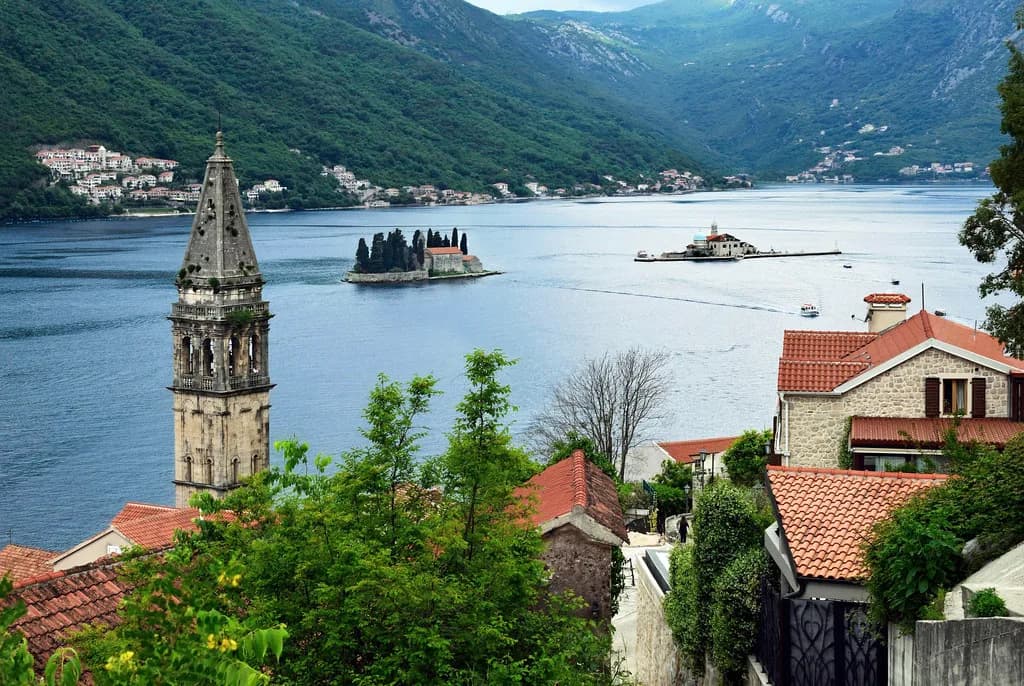
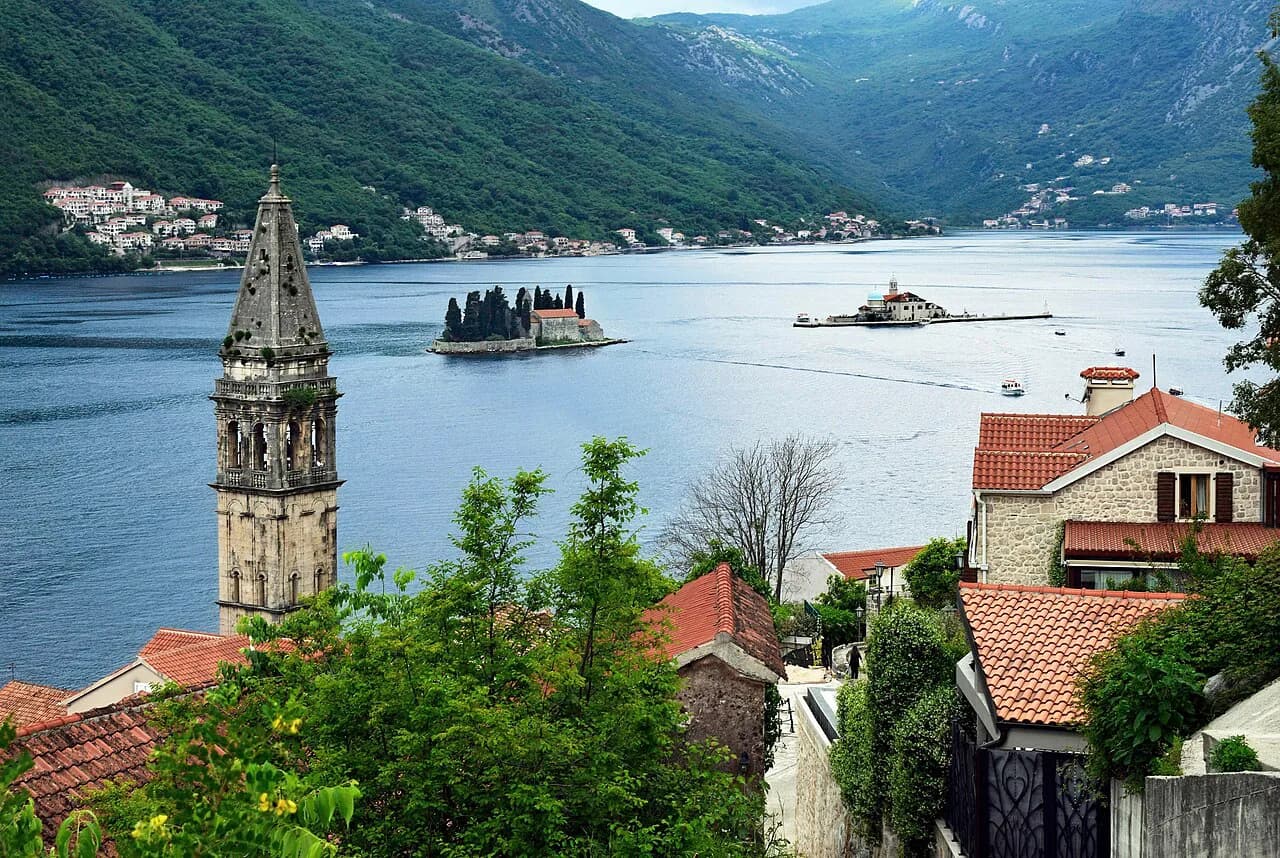
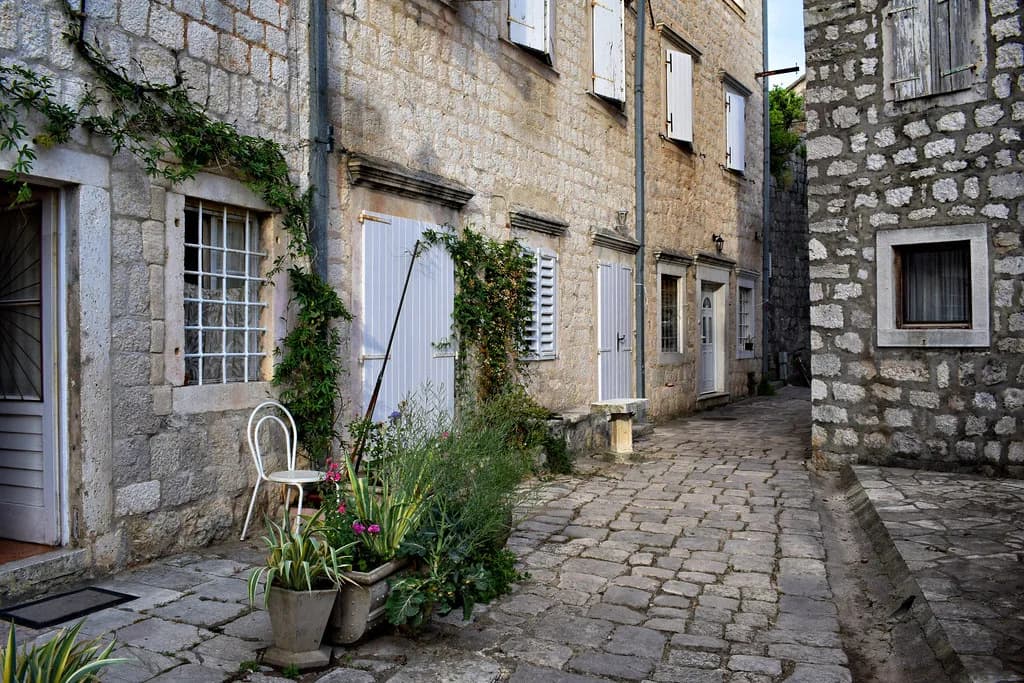
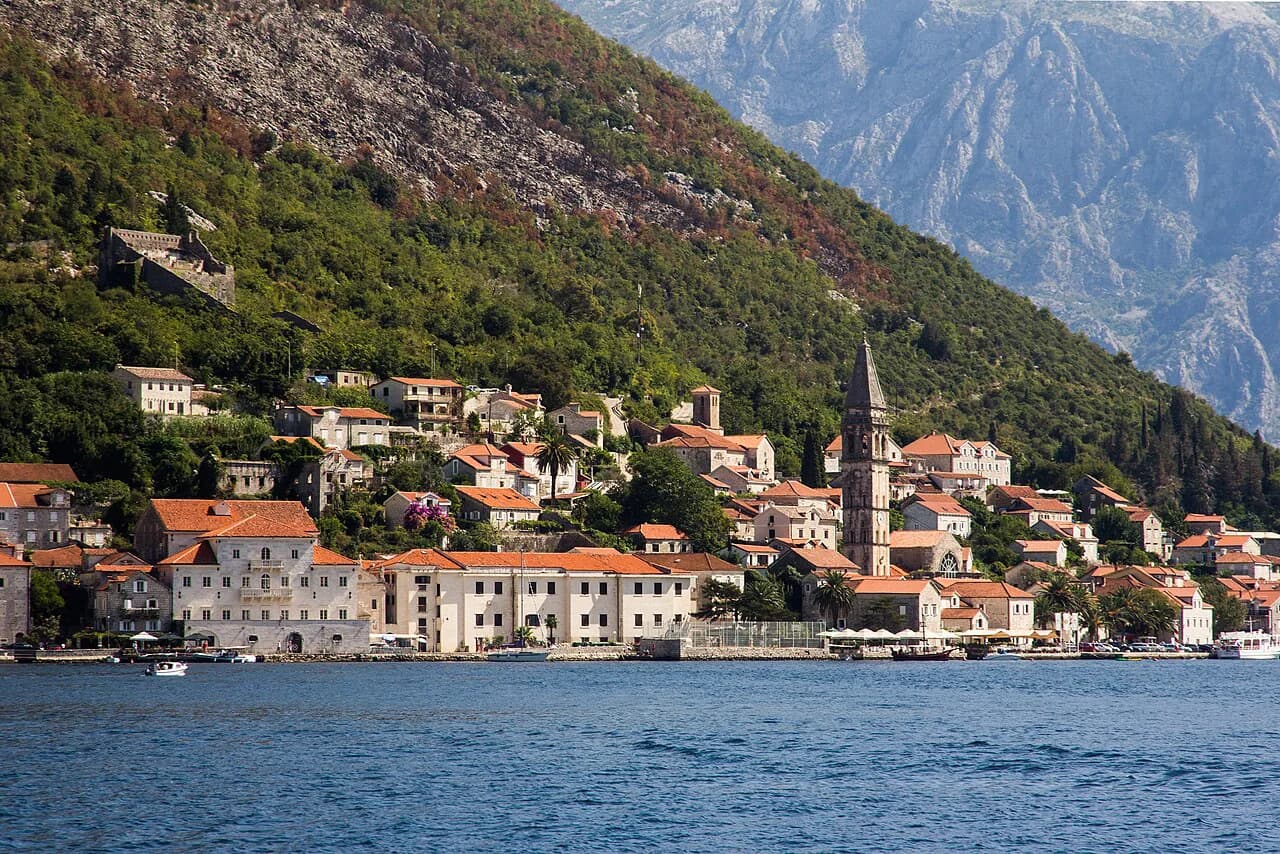
Perast is a one-street town on the water, so the walk in from the ramp is most of the orientation you need. Follow the waterfront, look out at the two islets, and let the side lanes off the main street take you past the captains' houses and church fronts; our old town guide maps the lanes you will cover.
Boats to Gospa od Škrpjela leave from the waterfront, and the climb to a higher Perast viewpoint pays off with the whole bay and both islands in one frame. Allow a couple of hours on the ground once parked, more if you are eating a sit-down lunch, and pick from the Perast restaurants along the waterfront rather than trekking back to the car.
Which way into Perast should you choose?
Drive if Perast is one stop on a wider day around the bay, arrive before 9:30am or after 4:30pm, and pay the peak-season ramp rate without resenting it. Take the bus if Perast is the whole day and you want the cheapest fare. Take a boat if the two islets are the point of the trip and you would rather not hunt for a space at all.
Either way, the visit works best as a morning or a late afternoon: the town is small, the walk in is short, and the parking problem disappears the moment you stop trying to solve it with a car.
Explore more Perast guides
Frequently Asked Questions
Is parking in Perast free?
In peak season the entrance parking is metered and enforced, so expect to pay a daily rate that varies by lot and by how late in the season you arrive; check the posted rate at the barrier or meter before leaving the car. Outside the May to October season, barriers are often left open and parking can be free, but that is not guaranteed.
Can you drive into Perast old town?
No. Perast is pedestrianised at both entrances, so cars stop at the entrance ramps in every season and visitors walk in from there. The walk to the main street and waterfront is short.
What is the cheapest way to get to Perast from Kotor?
The local bus is the cheapest option, covering the coast road in about 30 minutes and removing the parking fee, though it ties you to a timetable you did not set. Driving costs more once parking is added, and a boat is priced per person as a booked tour. Check the current fare and timetable at the Kotor bus station or with the operator before you travel.
Sources
Notes for your Montenegro trip
Optional updates to our Montenegro town guides.
You might also like
Continue reading
More guides you'll find useful