Plav, Montenegro: the lake town below the Prokletije peaks
Plav sits at 910 m on Lake Plav below the Prokletije range, with the Redžepagić tower, four mosques and a glacial lake to walk beside. Here is what to see.
On this page
Plav is worth half a day on foot for the Redžepagić tower, the Old (Royal) Mosque and the lake shore, and a full day or more if you intend to push into the Prokletije mountains above it. The town sits at 910 m in Montenegro's north-east, on the shore of Lake Plav where the Lim river flows into the lake. This guide sets out the walking order through the centre, the religious sites, the lake and the national park, then covers how long to allow and how the town fits a journey inland.
Where Plav is and what the town actually is
Plav lies in Montenegro's Northern Region along the Lim river, at the point where the Lim empties into Lake Plav, with the Prokletije range rising behind. The altitude of 910 m matters for planning: this is mountain country, not a coastal stop, and the walking you do here is at height. The cited summary records 3,717 residents in the 2011 census, so this is a small town whose centre is walkable in an hour.
The town is compact and the sights sit close together, so you can treat the centre as a single walk rather than a series of trips. Plan the morning for the tower and the mosques and leave the afternoon for the lake, which is the order that keeps you off the water in the middle of the day. Everything in town is reached on foot; only the national park and the outlying stops need wheels.
The old centre on foot: tower and mosques
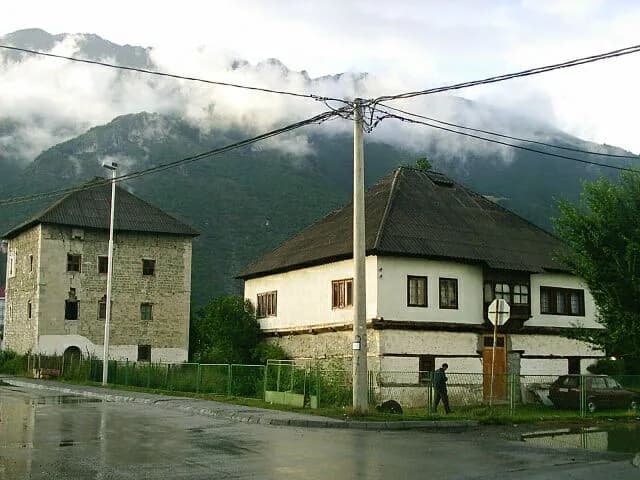
Start with the Redžepagić tower, described as the oldest preserved edifice in Plav and a monument of the town's defensive architecture, now listed as a protected tourist attraction. Other towers once stood in the same complex and have not survived, so what you see is the one that remains. No source gives a ticket price, opening time or confirmed interior access for the tower, so check locally on arrival before building your morning around going inside; for most visitors the exterior is a short stop.
Plav has four mosques, more than other towns in Montenegro, a legacy of the long Ottoman period here. The Old (Royal) Mosque is described as the oldest of them, with a stone main body and a wooden entrance, and it took its present appearance in the 18th century; accounts of its founding date vary, so do not build your visit around a specific year. Walk on to the Sultan Mosque, a 20th-century building that remains the centre of the town's Muslim community.
The town walk between the tower and the two mosques is short enough to do twice, so if a service is under way you can carry on to the lake and come back. Allow an hour for the whole centre at an unhurried pace, but note that opening times and access for the mosques and the tower are not published in the sources used here, so confirm before relying on a particular interior visit.
The Holy Trinity Church outside town
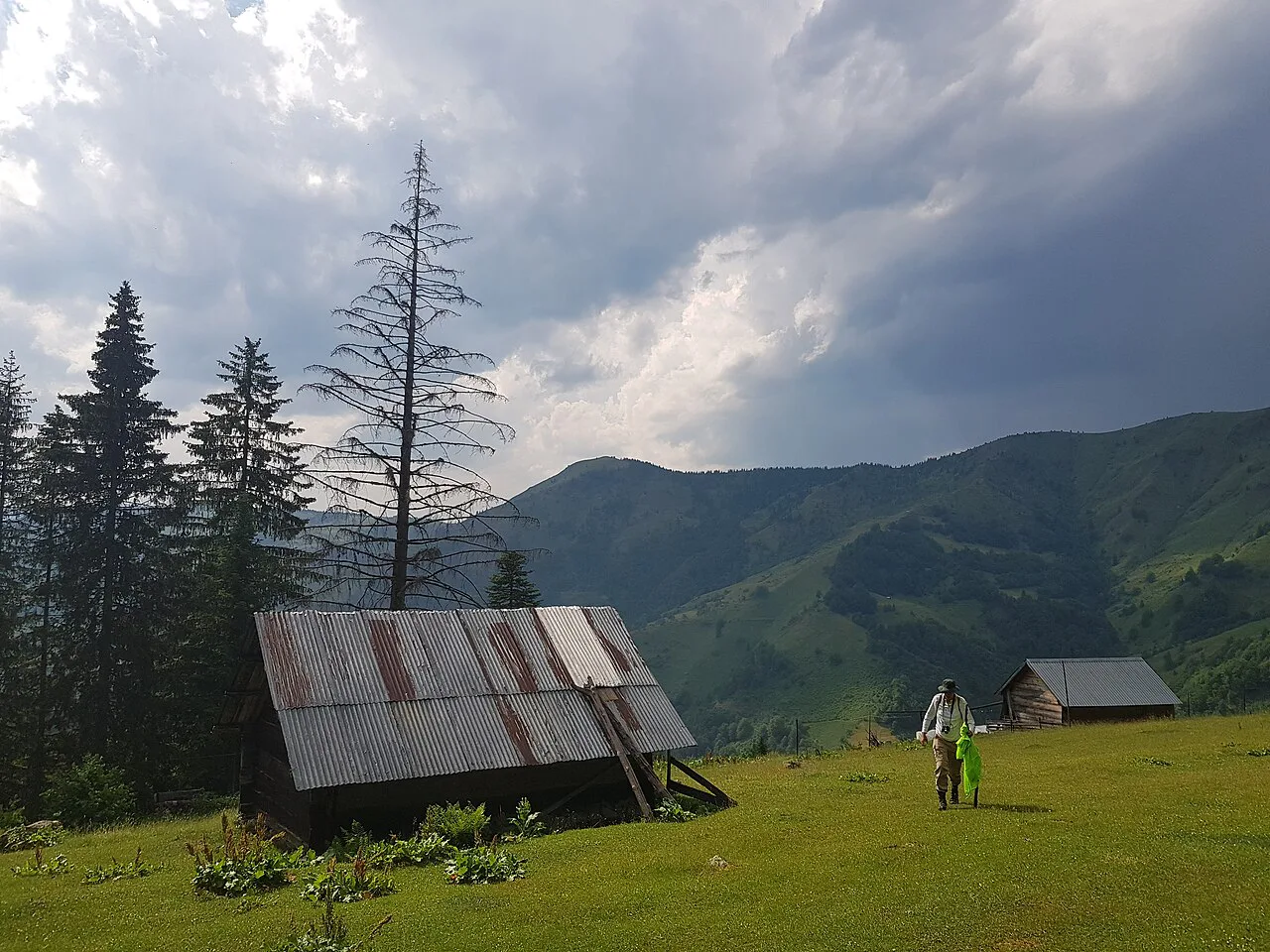
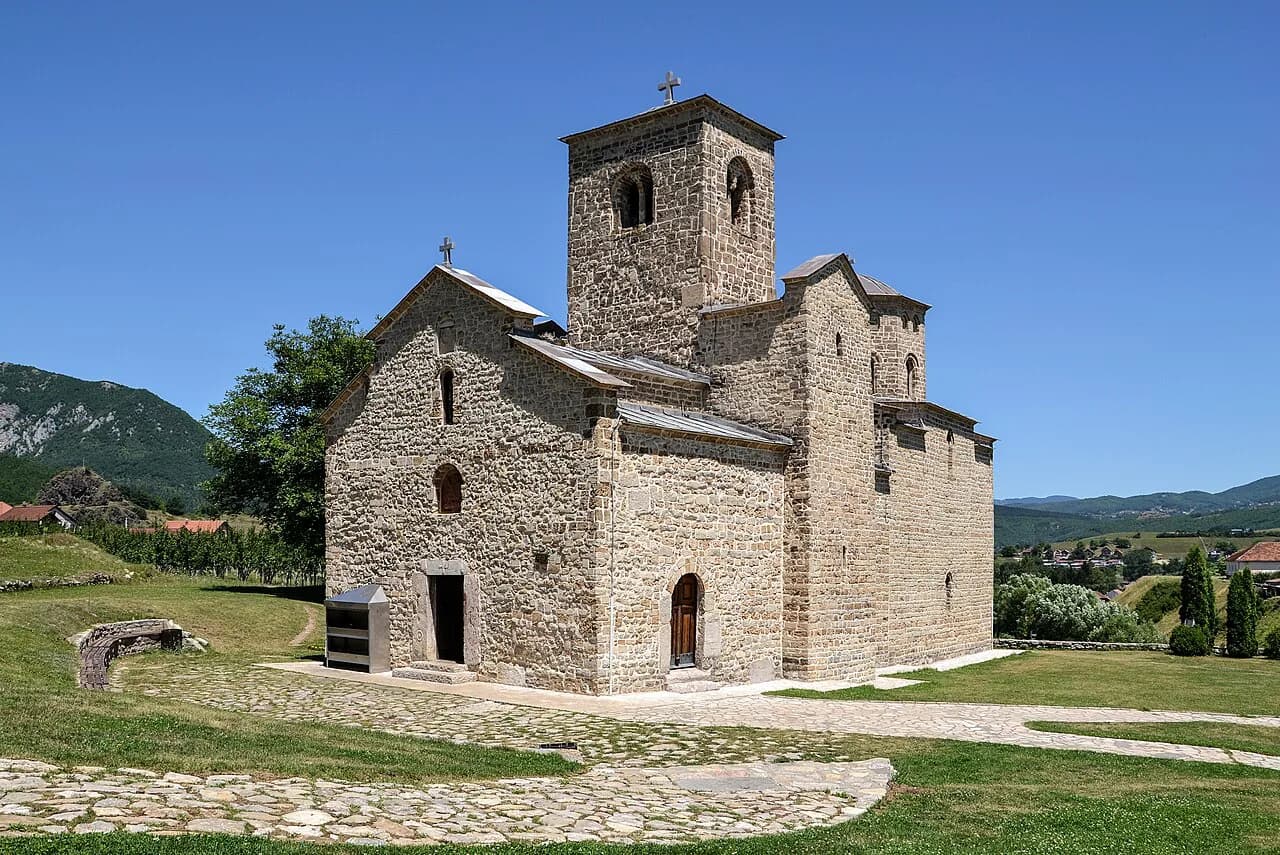
The main Christian site near Plav is the Holy Trinity Church, built in the Middle Ages and for a long period the centre of the Serbian Orthodox church in this region. It sits outside the town rather than in the centre, so it needs its own short trip rather than fitting into the town walk. Ask at your accommodation for the current access arrangements, since church opening depends on the parish rather than a published schedule.
Treat the church as a quiet stop of twenty to thirty minutes plus travel, and combine it with the lake shore if you are moving on that way. The same dress conventions apply as at the mosques, so cover shoulders and legs and keep voices low inside when the church is open. If your day is tight, the town centre and the lake give you more for the time than a detour to a locked church.
Lake Plav itself
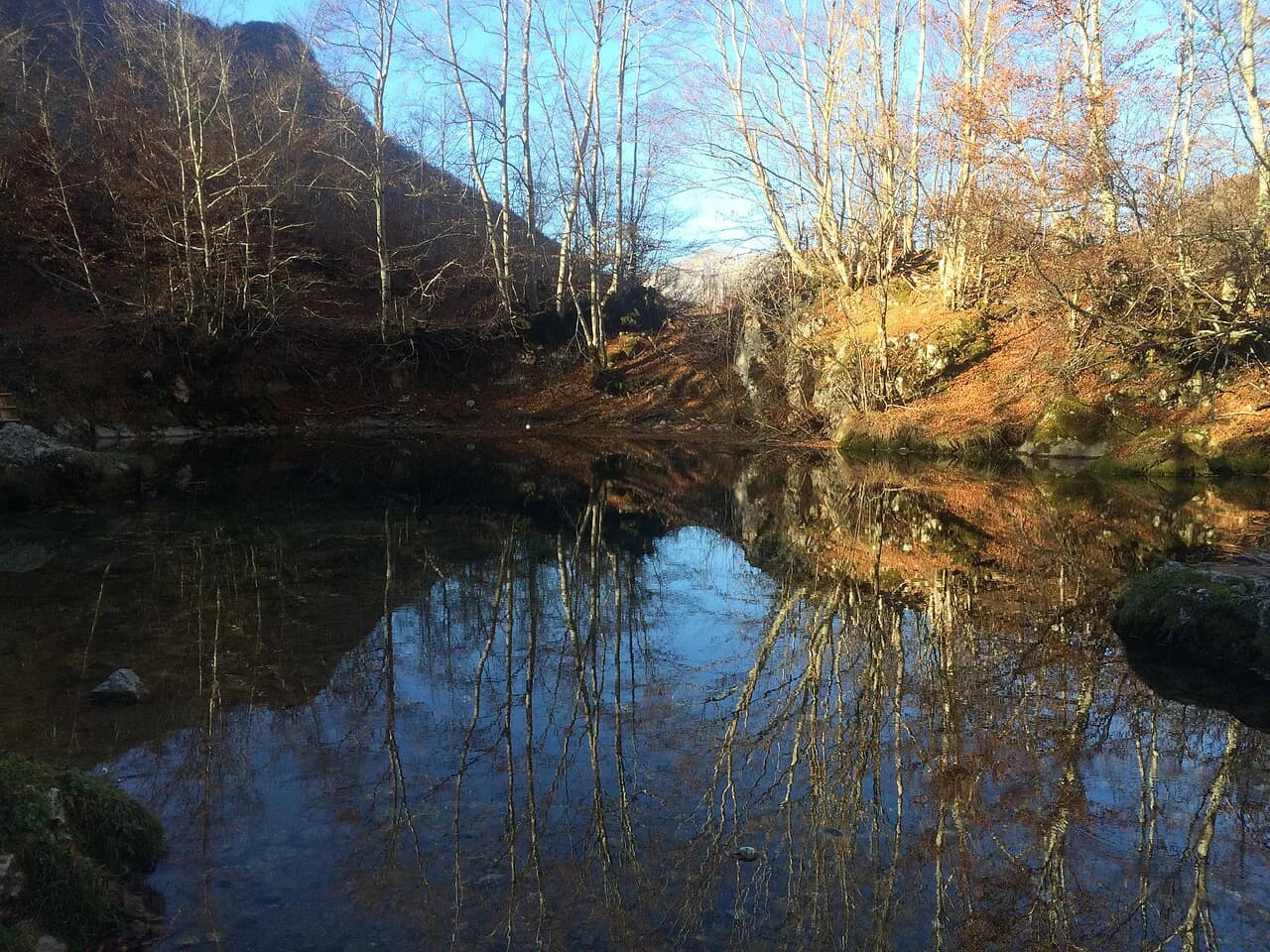
Lake Plav is the centre of the area's eco-tourism, described as beautiful and ideal for hiking, biking and water sports, and the source notes rowing, sailing regattas and sport fishing on the water. It gives you a flat, easy walk in a town where most other movement is uphill, which makes the shore a natural counterpart to the tower and mosques in the centre.
Walking part of the shore beats driving round it. A car takes you past the water without letting you stop where the views open up, and the lake is small enough that a stretch on foot fits comfortably into an afternoon. No source here describes specific beach facilities or a supervised swimming area, so treat summer swims as a local judgement.
In winter, Globtour says the lake freezes and is used as a skating rink, which changes the town entirely from the summer picture. That is also when the ski centres on the Prokletije peaks open, so the same visit looks very different depending on the month.
Prokletije National Park: the six glacial lakes
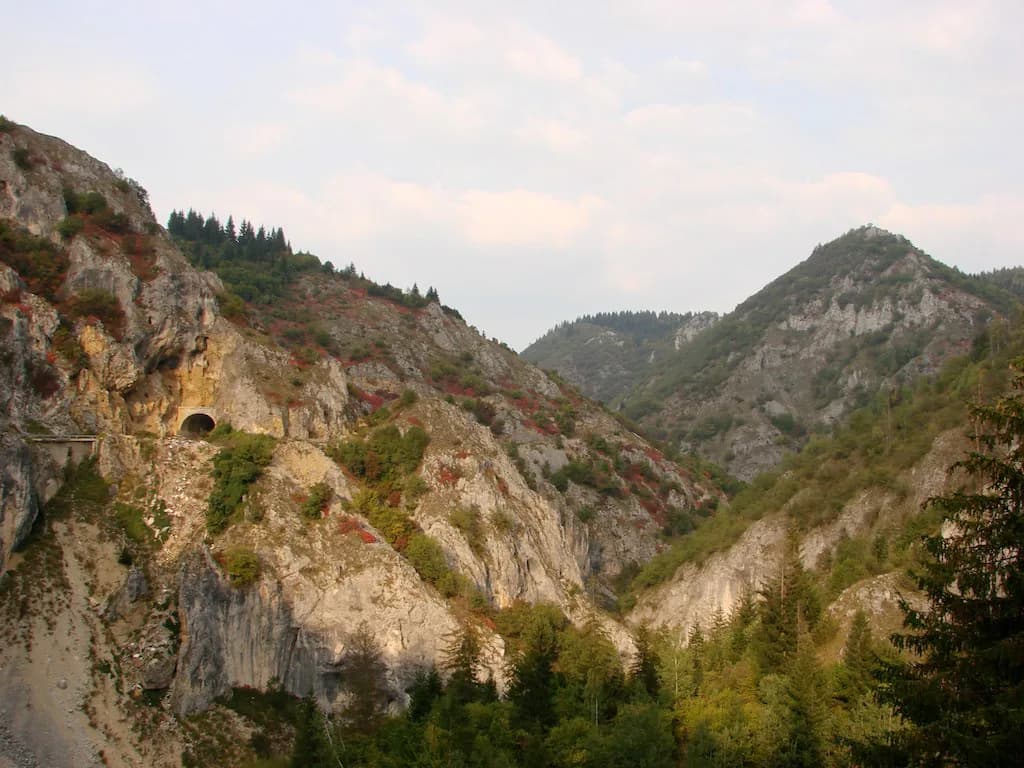
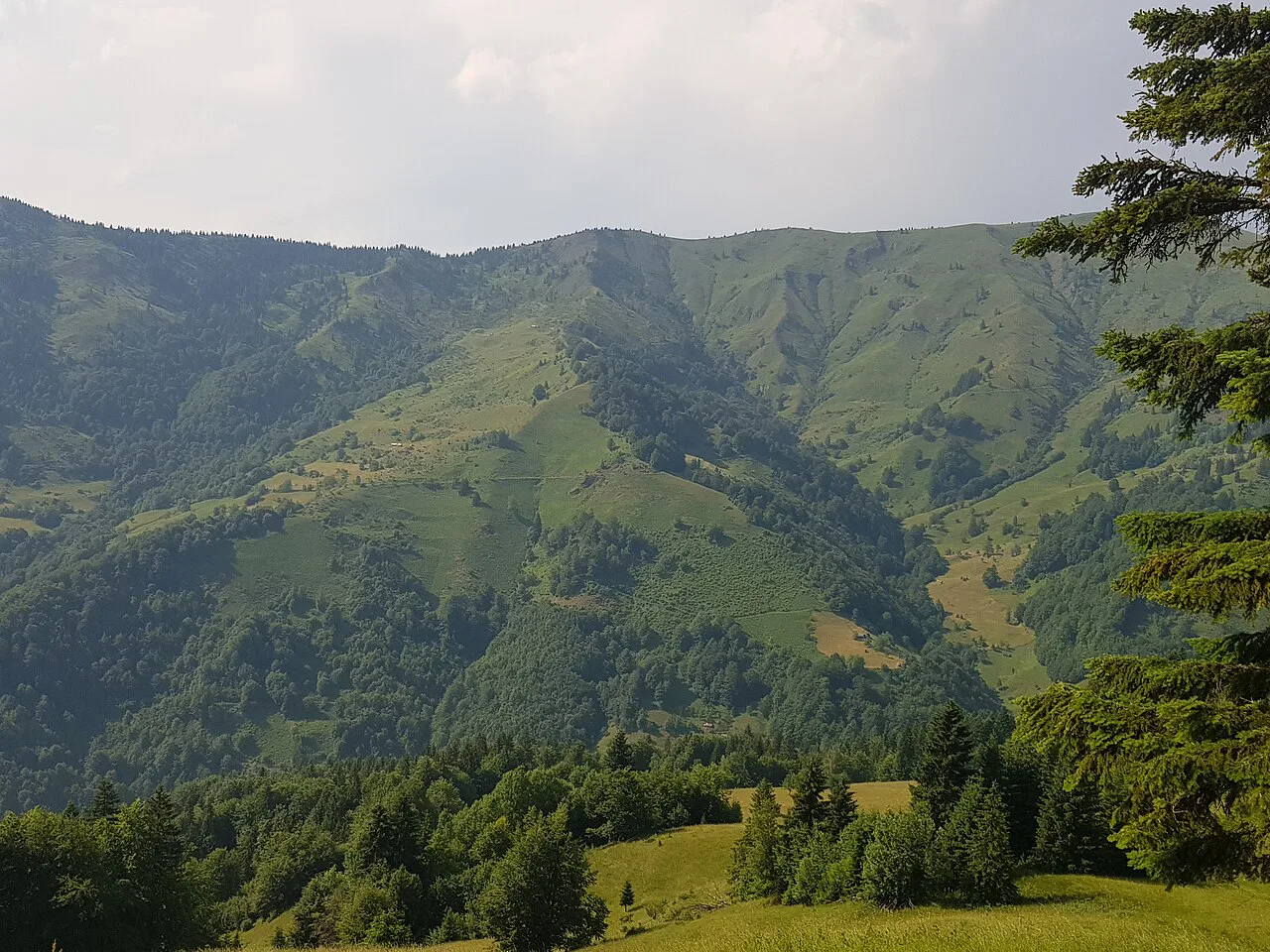
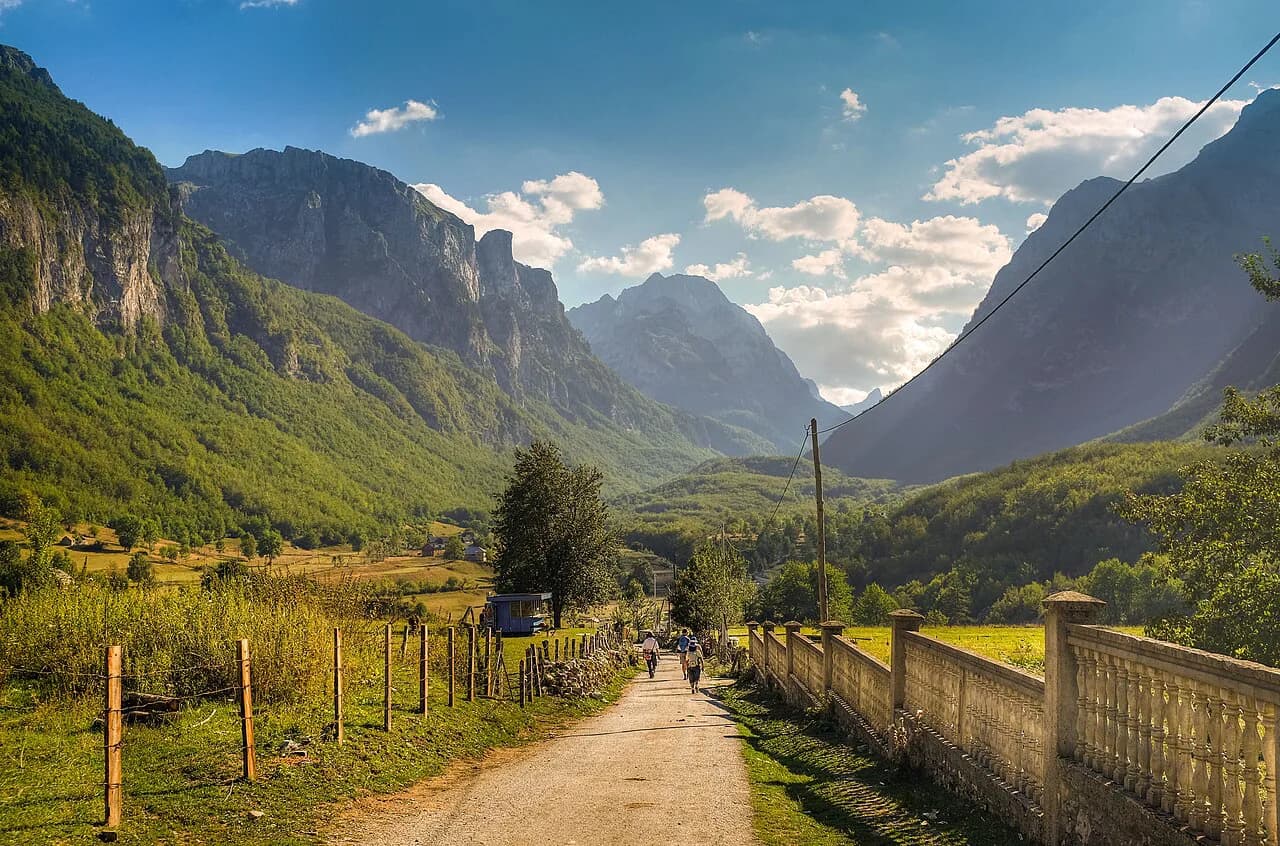
Prokletije gained national-park status in 2009 and holds six glacial lakes, peaks above 2,000 m and three separate climate zones across several ecosystems, according to Globtour. This is the reason to give Plav more than a day: the park is a mountain area in its own right, not a viewpoint on the edge of town. Our guide to Prokletije National Park covers the lakes and valleys in detail and is the natural next step if the mountains are your reason for coming.
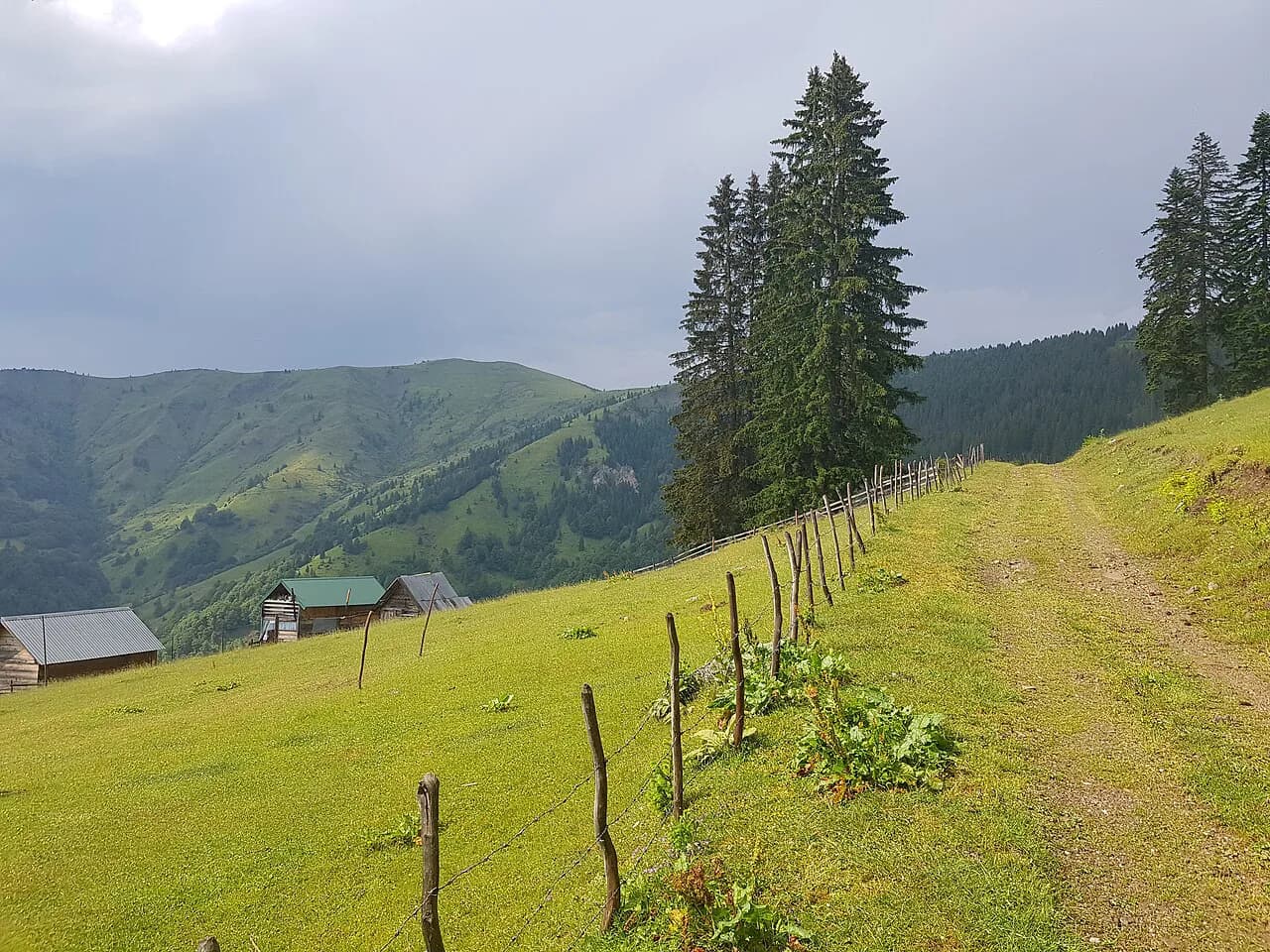
Plan a park day around one objective rather than a circuit of everything. The distances between lakes are mountain distances, and a late start in a valley this size means turning back before you reach the water. A car gets you to a trailhead; from there the day is on foot, so boots and a proper jacket are the minimum kit. Check current trail and access conditions locally, as no source here gives a published trailhead or route.
Hrid Lake and Ali-Pasha's Springs
Two named stops beyond the town are worth building into a day: Hrid Lake, a glacial lake in Prokletije National Park that also sits on the Peaks of the Balkans trail, and Ali-Pasha's Springs, where water bursts straight from the ground. Both are listed as attractions of the Plav region by Visit Montenegro. The sources give no trailhead or walking time for Hrid Lake, so ask locally and allow a good half day if you intend to reach it, and see our Prokletije National Park guide for the wider mountain area.
Ali-Pasha's Springs is the easier of the two to fit in: it needs a short stop rather than a day, and it pairs naturally with the road towards Gusinje, the next town along. If you are continuing that way, our guide to Gusinje: What to See in the Town Below Prokletije covers what to see in the town below the range. Choose one of the two for a single day out rather than trying to do both properly.
How long Plav needs
Half a day covers the town: the Redžepagić tower, the Old (Royal) Mosque, the Sultan Mosque and a stretch of the lake shore on foot. A full day adds the Holy Trinity Church and a longer lakeside walk, with time to sit by the water rather than pass it. Two or more days are only justified if Prokletije is the point of the trip, because the park and Hrid Lake each take a day of their own.
If you are passing through on the way to somewhere else, take the half day and skip the park; if the mountains are why you came, base yourself here and give them two clear days. Mixing the two produces a rushed visit to both. The town works as a stop, not as a base for the coast.
Getting there and getting around
A car is the practical choice for Plav, because it is the park, Hrid Lake and Ali-Pasha's Springs that justify the journey inland, and none of them is a walk from the centre. Driving also lets you time the lake shore for early or late light rather than around a bus. The town is a stop rather than a base: the Bay of Kotor is a long way south, so treat the two as separate legs of a trip.
Without a car, Plav is a bus stop on an inland route, and the town centre, lake shore and mosques still work on foot. There are no bus times in the sources used here, so check with the operator before you commit, since mountain services thin out outside summer. Once in town you need no transport at all for the centre and the nearer shore.
The honest trade-off: inland mountains or the bay
Days spent in Plav are days not spent on the Bay of Kotor, and the two give you quite different trips. Here you get altitude, a glacial lake, Ottoman-period buildings and a national park; on the coast you get walled towns, boat trips and the crowds that come with them. Plav suits travellers who have already seen the coast and want the north-east, not those squeezing Montenegro into a week.
The town also suits a slower pace: the eco-settlements and eco-hotels around Lake Plav are built for quiet stays rather than sightseeing sprints, according to Globtour. Come for that and Plav delivers; come expecting a resort and you will find a working mountain town.
Should Plav be a stop or a stay?
Make Plav a stop of half a day to a full day unless the Prokletije mountains are why you are travelling this far inland. The centre takes an hour, the lake and the Holy Trinity Church take the rest of a day, and the park and Hrid Lake need days of their own and lie outside the town. If you only have one free day, take the town and the lake and leave the mountains for a trip with more time.
Either way, arrive with transport sorted, since the stops beyond town depend on having a car or a booked lift. Confirm access to the tower and the church on the day, as no source gives a published schedule to plan around.
Explore more Plav guides
Frequently Asked Questions
What is the elevation of Plav, Montenegro?
Plav sits at 910 m above sea level, on the shore of Lake Plav where the Lim river flows into the lake. That height is why winter brings snow to the surrounding peaks. Plan your walking with the altitude in mind rather than treating this as a lowland town.
How many people live in Plav, Montenegro?
The 2011 census recorded 3,717 residents, as given by the cited summary, and no more recent count appears in the sources used here. It describes a small mountain town whose centre is walkable in an hour.
What religious buildings are there in Plav, Montenegro?
Plav has four mosques, more than other towns in Montenegro, a legacy of the Ottoman period, and the Sultan Mosque remains the centre of the town's Muslim community. The Holy Trinity Church outside town was for a long period the centre of the Serbian Orthodox church in the region. Both can be seen on the same day, but confirm access locally as no published opening times are given in the sources used here.
Sources
Notes for your Montenegro trip
Optional updates to our Montenegro town guides.
You might also like
Continue reading
More guides you'll find useful