Ali Pasha Springs, Gusinje: What to See and How to Get There
Ali Pasha Springs near Gusinje is a quiet natural stop below the Prokletije mountains, best seen slowly on a scenic drive through northern Montenegro.
On this page
Ali Pasha Springs is a short, free-form stop rather than a ticketed attraction: water rises from limestone into small pools and streams at the foot of the Prokletije mountains near Gusinje, and you walk around it at your own pace. The site suits a pause of a relaxed hour or so on a scenic drive through north-eastern Montenegro, not a fixed circuit with an entrance gate.
This guide covers what the springs are, where they sit in relation to Gusinje, what you actually do on site, when the surroundings look their best and what to watch for underfoot. It also explains how the springs fit into a wider Prokletije road trip instead of a coastal day out.
What Ali Pasha Springs is
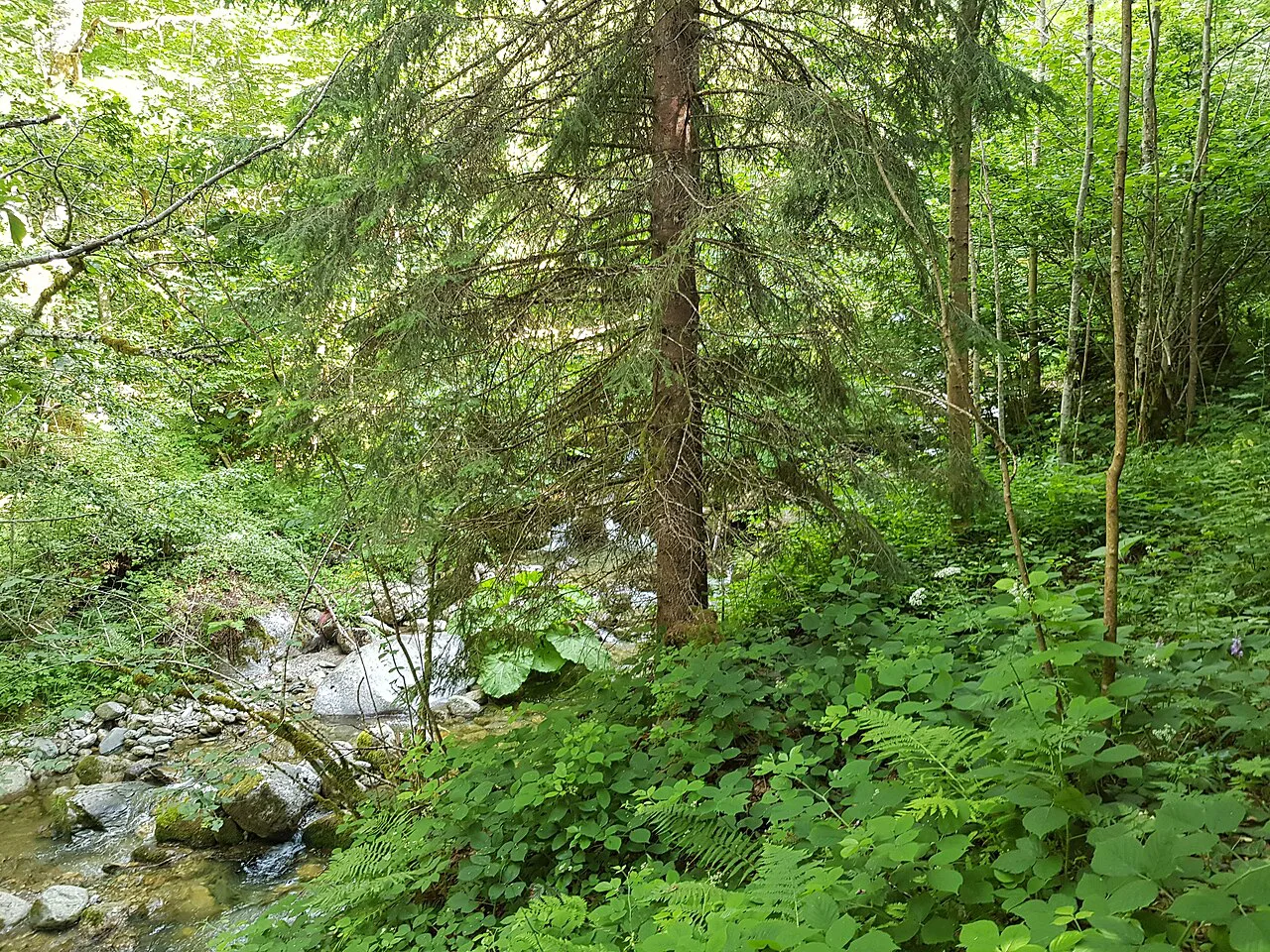
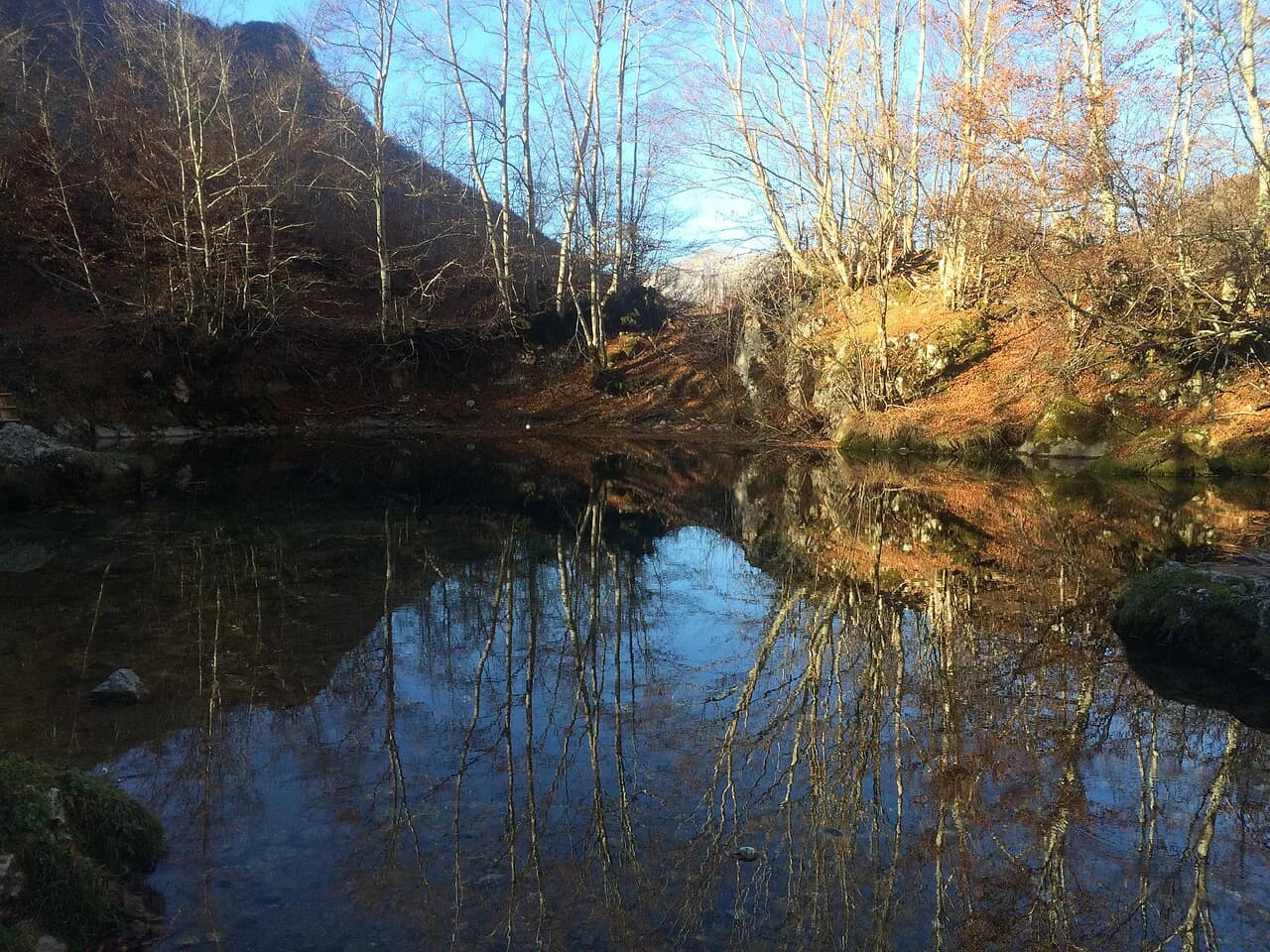
The attraction is the water itself. It emerges from underground sources in the surrounding limestone and gathers into shallow pools and streams before flowing on through the landscape, with green vegetation and rocky mountain slopes around it. There is no single monument or building to look at: the draw is the clear water in its setting, which you take in slowly.
Photographs of the site show the water running clear and turquoise between banks, with a wooden bridge crossing it and mountain slopes behind. Plan for wet ground rather than a paved promenade, and treat the bridge and banks as the kind of place where footing matters after rain.
Where it sits in north-eastern Montenegro
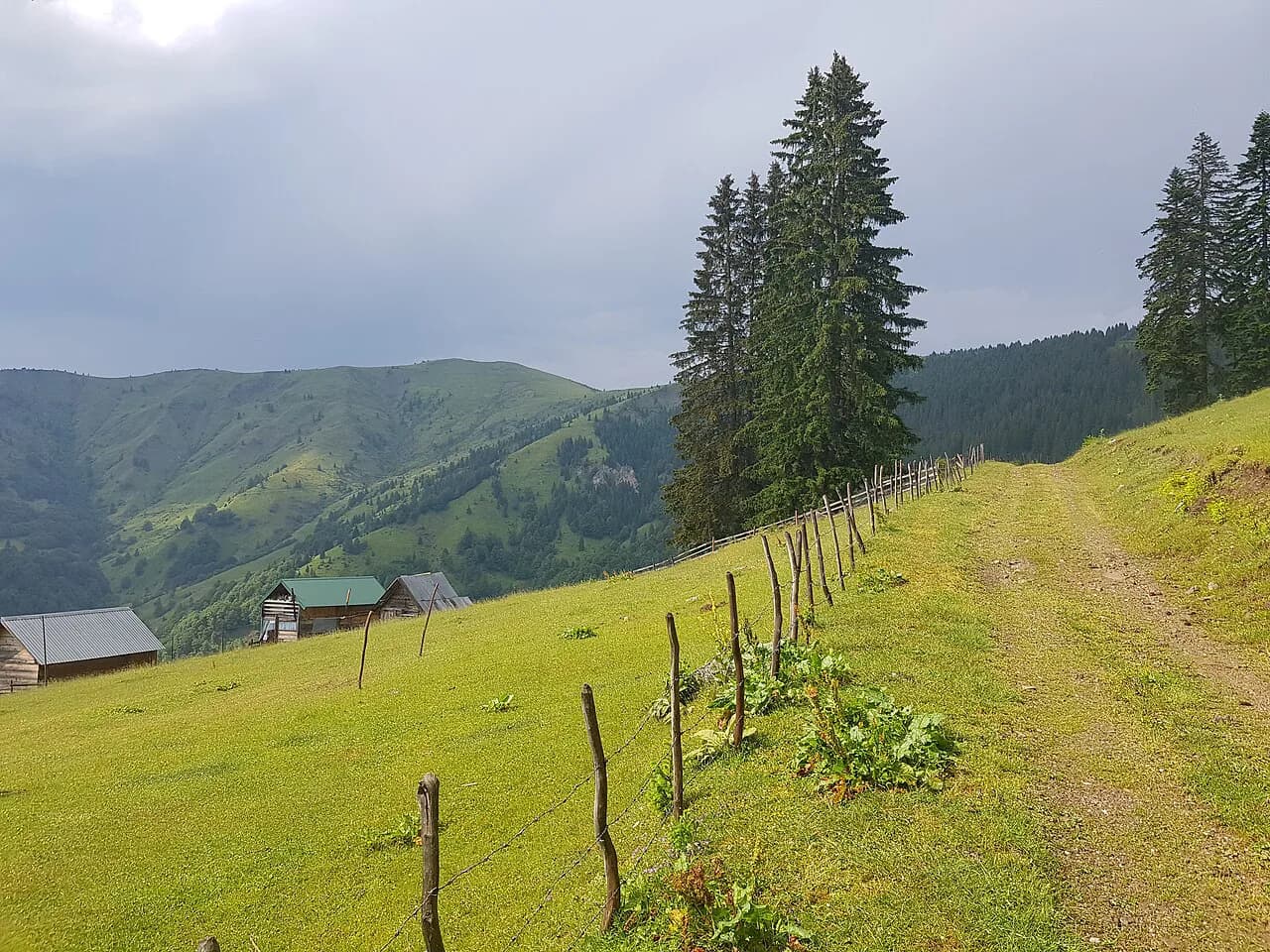
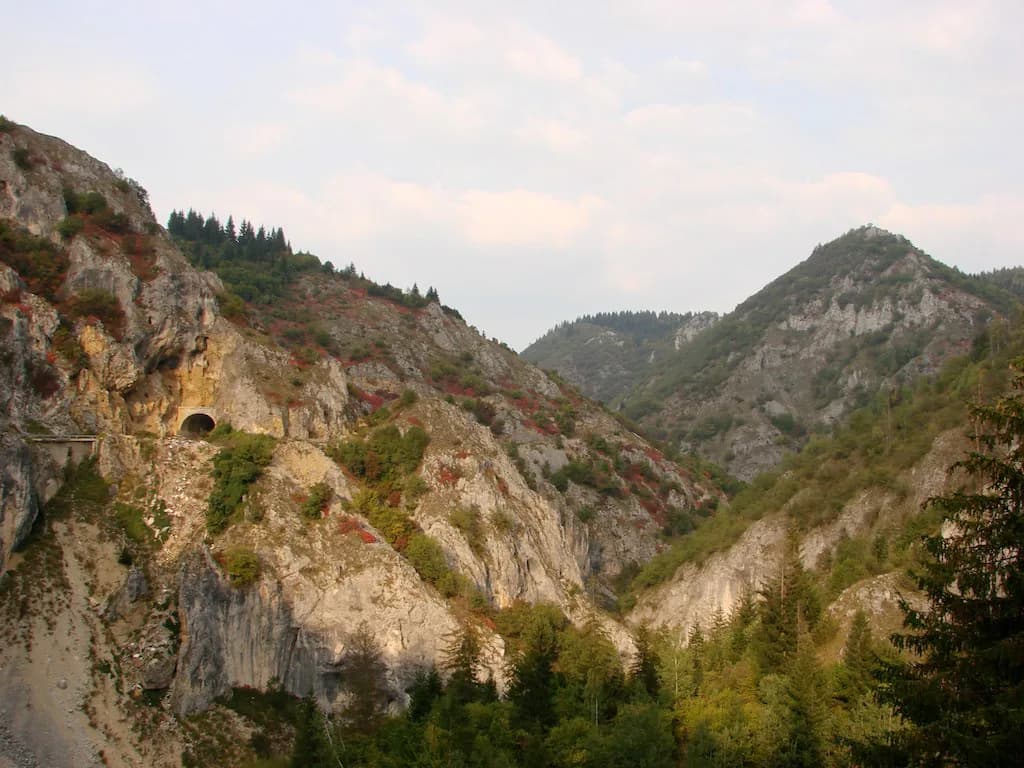
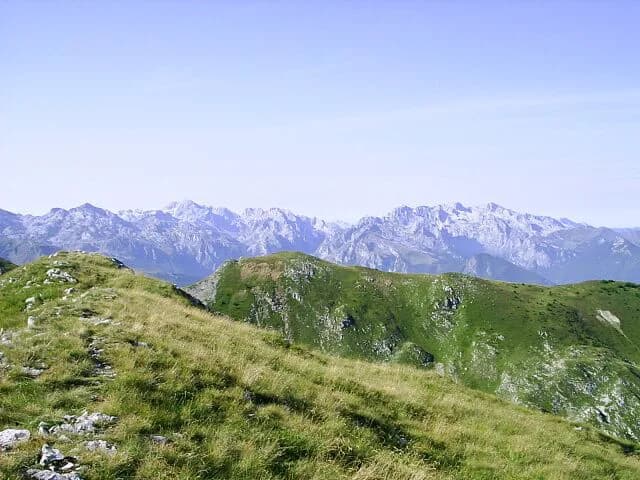
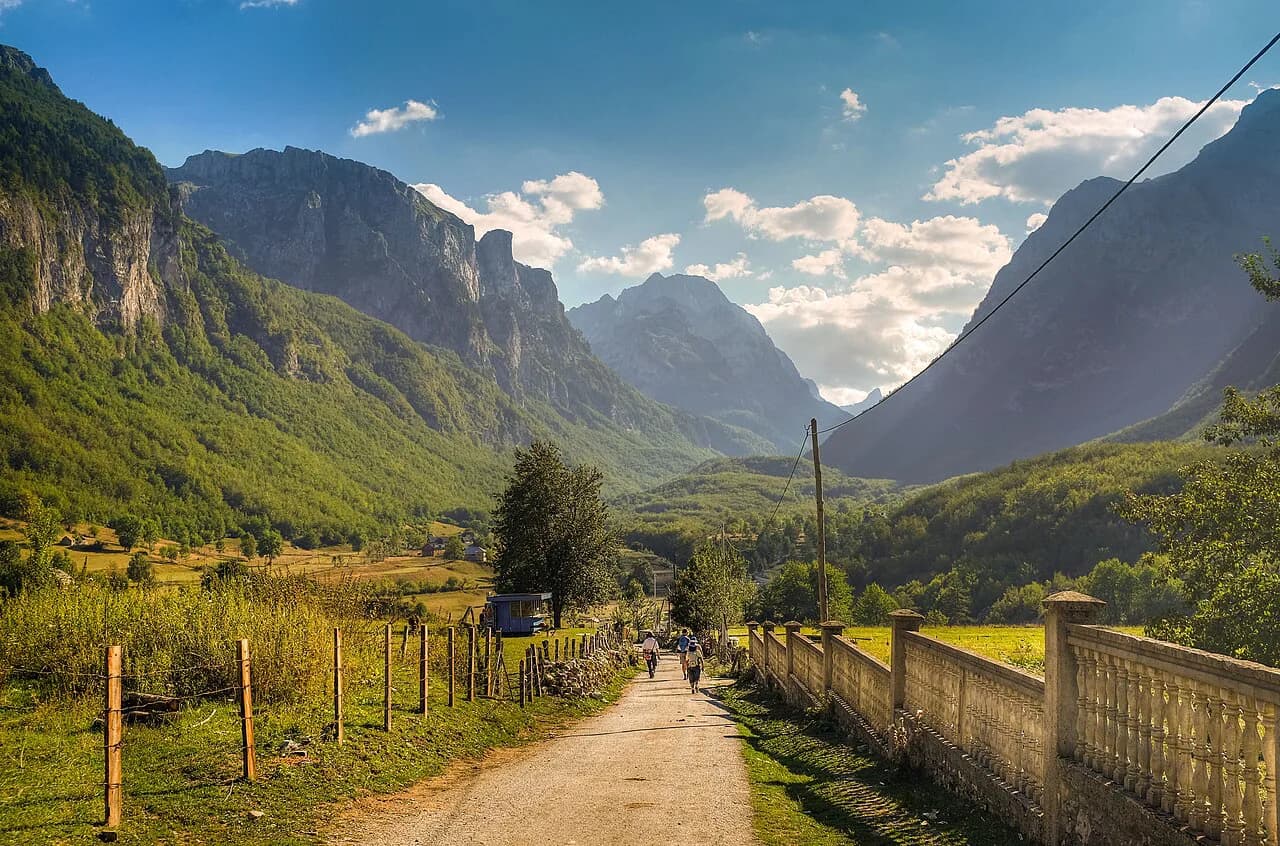
Ali Pasha Springs is near Gusinje in the north-eastern corner of Montenegro, with the Prokletije range forming the backdrop. The Prokletije mountains bring rugged peaks, deep valleys, forests and alpine landscapes to the horizon, so the springs sit in mountain country rather than on the coast.
That location is the key planning point: this is a northern add-on, not a detour from Kotor or Budva. If you are building a route around the Prokletije national park, the springs slot in as a gentle stop between mountain villages and valleys rather than a destination in their own right.
What you actually do there
Walk around the pools, watch the water move, photograph the scenery and sit by the water for a while. The site rewards a slow pace: the sound of flowing water and the surrounding greenery are the experience, and there is no route to follow or queue to join.
A picnic is reasonable where the ground allows, but nothing at the springs is set up for visitors in the way a formal attraction is. Carry what you need, take your litter away and keep off wet, slippery banks.
Gusinje itself is the natural companion stop: a relaxed town with a character of its own, useful as a base for the springs and the surrounding mountain region. Pairing the two makes more sense than driving out to the springs alone.
How long to allow and what pace suits it
Treat Ali Pasha Springs as a short stop of roughly an hour, longer if you are photographing or eating. It is not a half-day site with an exhibition, ticket desk or marked trail, and the visit is what you make of a walk around the water.
Because there is no fixed circuit, the time cost depends on the weather and the ground. After rain, or with snowmelt running, expect to move more carefully and allow extra time for the same ground.
Getting there by car
The springs work best as a scenic-drive stop, with Gusinje as the base for the area. The surrounding countryside holds valleys, rivers, waterfalls and traditional rural landscapes, so the drive is part of the visit rather than dead time between sights.
The springs are a refreshing stop on a longer road trip through northern Montenegro, and the region rewards drivers who treat the road as the point. If you are continuing towards Plav, the town and its lake make a logical next leg on the same loop.
Mountain roads and conditions change with the season, so confirm the route locally before setting out, particularly outside the warmer months. The springs are not served by a published timetable or shuttle in what is documented about the site.
Gusinje as the practical base
Gusinje gives you access to several natural attractions in the Prokletije area, and combining the springs with a look around the town covers both the natural and the cultural side of north-eastern Montenegro. The town has a relaxed atmosphere that suits a night or two rather than a rushed pass-through.
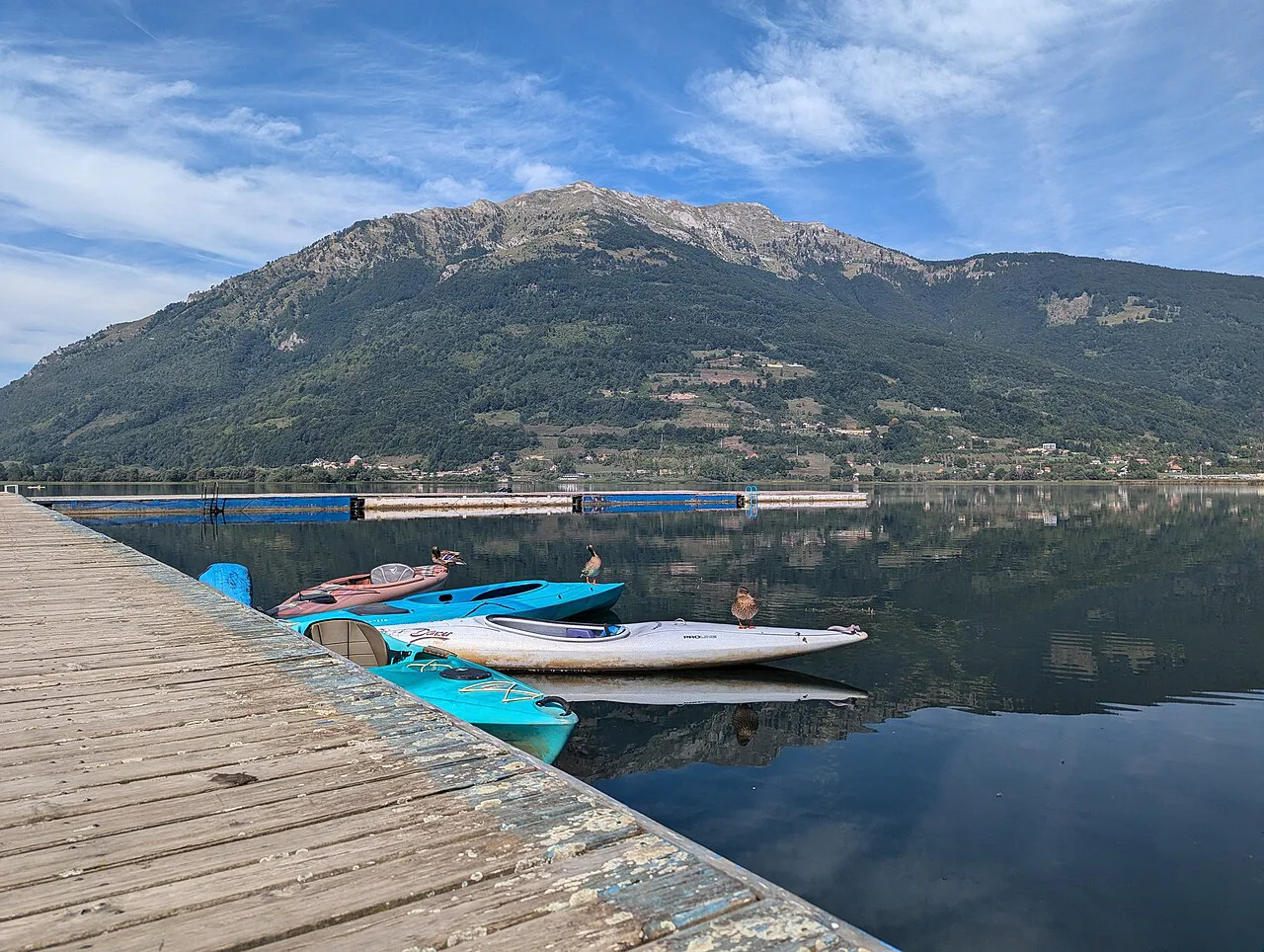
From Gusinje you can push on towards Lake Plav and continue round the Prokletije area as part of the same driving loop. The Grlja waterfall near Vusanje is another water stop that fits the same driving day.
For a fuller picture of the town itself, from its streets to what there is to see, keep Gusinje on the itinerary as a place rather than just a fuel stop.
When to go
Late spring and summer bring green vegetation and the most comfortable conditions for walking around the springs. Autumn is also rewarding as the surrounding forests change colour, while winter brings a colder mountain atmosphere and harder access.
The landscape shifts noticeably with the season and the weather, from lush greenery in warmer months to a cooler mountain feel outside summer. Choose your season by the experience you want, and check conditions before a serious excursion, because mountain weather can change quickly.
What to wear and watch for
Wear shoes with grip and expect wet, slippery ground near the water. Photographers should take particular care around damp rock and banks, and everyone should avoid disturbing the vegetation and the watercourse.
Take a waterproof layer even on a bright morning, since the mountain setting makes conditions less predictable than on the coast. Anyone planning a longer mountain excursion in the area should check weather and trail conditions beforehand rather than relying on a morning glance at the sky.
Photography: morning light or afternoon mountains
Early morning brings softer light and a quieter atmosphere around the water, which suits close shots of the pools and streams. Afternoon visits put more emphasis on the surrounding mountain scenery, so the same spot gives you two different pictures depending on when you arrive.
The mix of water, vegetation, rock and mountain behind makes the site rewarding for landscape and travel photography without any special equipment. Keep to the edges, watch your footing and leave the scene as you found it.
Combining it with the rest of the Prokletije area
The springs fit naturally into a northern road trip built around Prokletije National Park, with its valleys, rivers, waterfalls and rural landscapes. Plan the park as the spine of the trip and the springs as one of its gentler stops.
Lake Plav and the surrounding mountain valleys make a straightforward continuation if you are heading south-east from Gusinje. Add Vusanje and the Grlja waterfall if you want a second water stop without much extra driving.
Is Ali Pasha Springs worth the detour?
Yes, if you are already driving through northern Montenegro: the springs give you clear water, a mountain backdrop and a quiet hour, with no documented admission charge. They are not worth a dedicated journey from the coast on their own.
Build the visit into a Gusinje-based loop with Prokletije National Park and Lake Plav, go in the greener months if you can, and bring shoes that handle wet ground. Check conditions locally before you set off, especially outside summer.
Frequently Asked Questions
Is Ali Pasha Springs free to visit?
No ticket desk, entrance gate or admission charge is documented for the springs. Treat it as an open natural site and plan your day around the drive and time on site rather than a booked visit.
Sources
Notes for your Montenegro trip
Optional updates to our Montenegro town guides.
You might also like
Continue reading
More guides you'll find useful