Ulcinj Salina: Visiting Montenegro's Salt Pans for Birds
Plan a visit to Ulcinj Salina in Montenegro: where the entrance is, the opening time and fee, how to get round by bike, and the seasons when birds gather.
On this page
Ulcinj Salina is worth a half day if you carry binoculars and accept a flat, shadeless wetland with no facilities. You enter from Solanski Put by the old Solana building, pay a small fee and move through the pans by bike or on foot. This guide covers the entrance, the opening time and fee, cycling versus walking, the species recorded there and the seasons that suit birdwatching best.
Treat it as a large wetland shaped by salt production rather than a polished nature reserve: the birds are the attraction and everything else is basic. It sits outside Ulcinj itself, so pair it with time in Ulcinj town or a slow afternoon rather than trying to squeeze it into a beach day.
What Ulcinj Salina is and why birds gather there
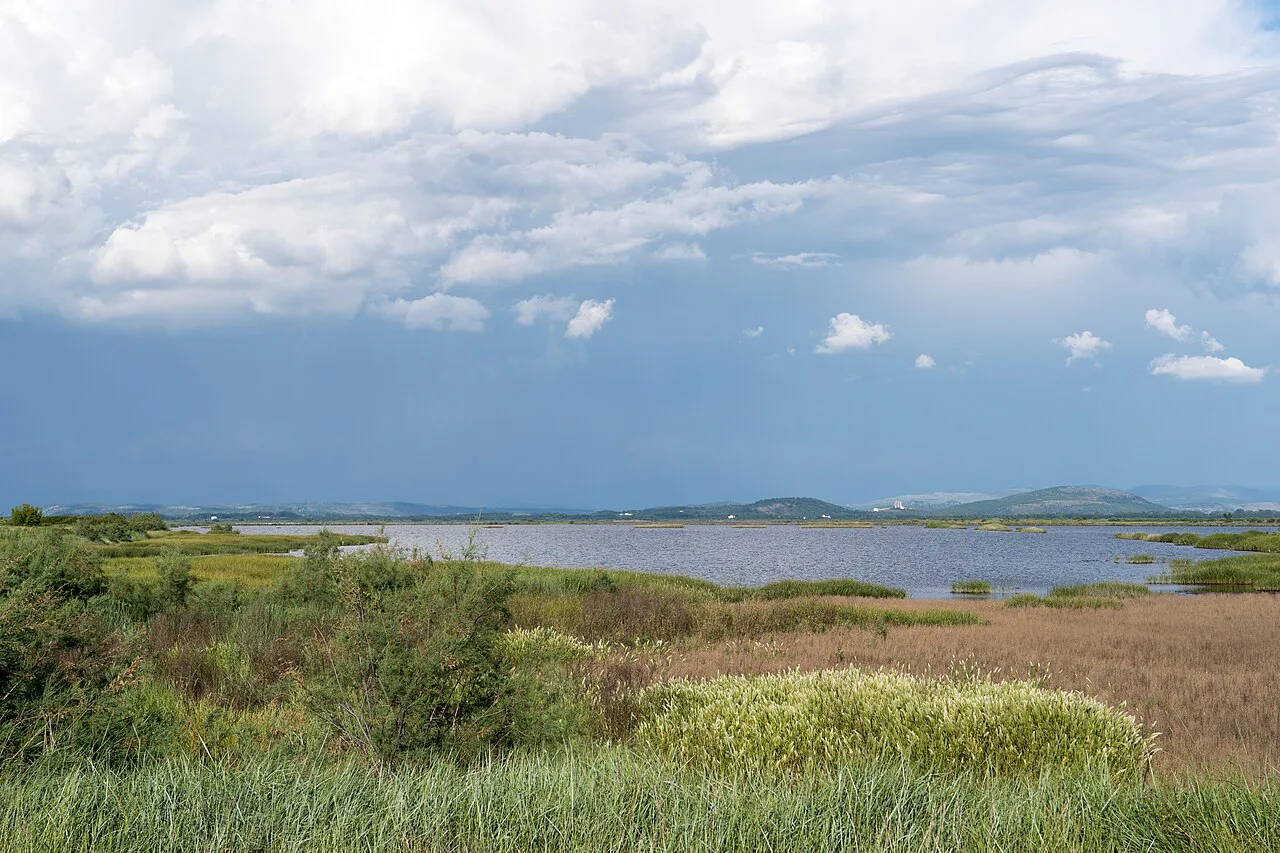
Ulcinj Salina covers about 1,500 hectares and is one of the most significant resting, breeding and overwintering sites for water birds in the whole of the Adriatic, according to the site guide published by Birdingplaces. Around 250 species have been recorded there, roughly 70% of Montenegro's bird species, and 19 globally endangered species are documented. BirdLife International labels it an Important Bird Area.
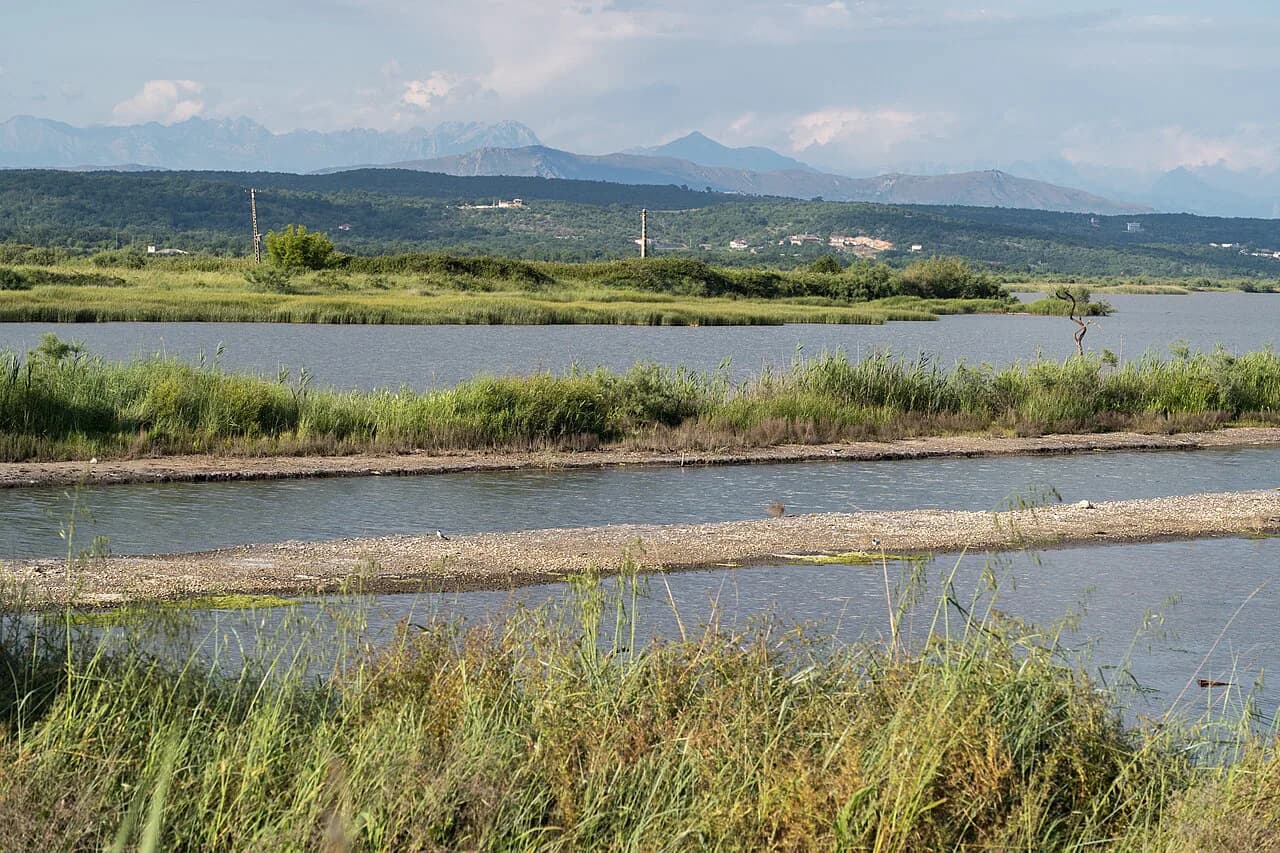
The draw is variety in one flat space: shallow pans, open grassland and open lake water sit side by side, so a single loop can produce waders, ducks, gulls and raptors. Spring and autumn migration are the strongest periods, with autumn and spring named as the best windows for watching. Birdingplaces lists the Greater Flamingo, Stone-curlew, Collared Pratincole and European Roller among its top five birds here.
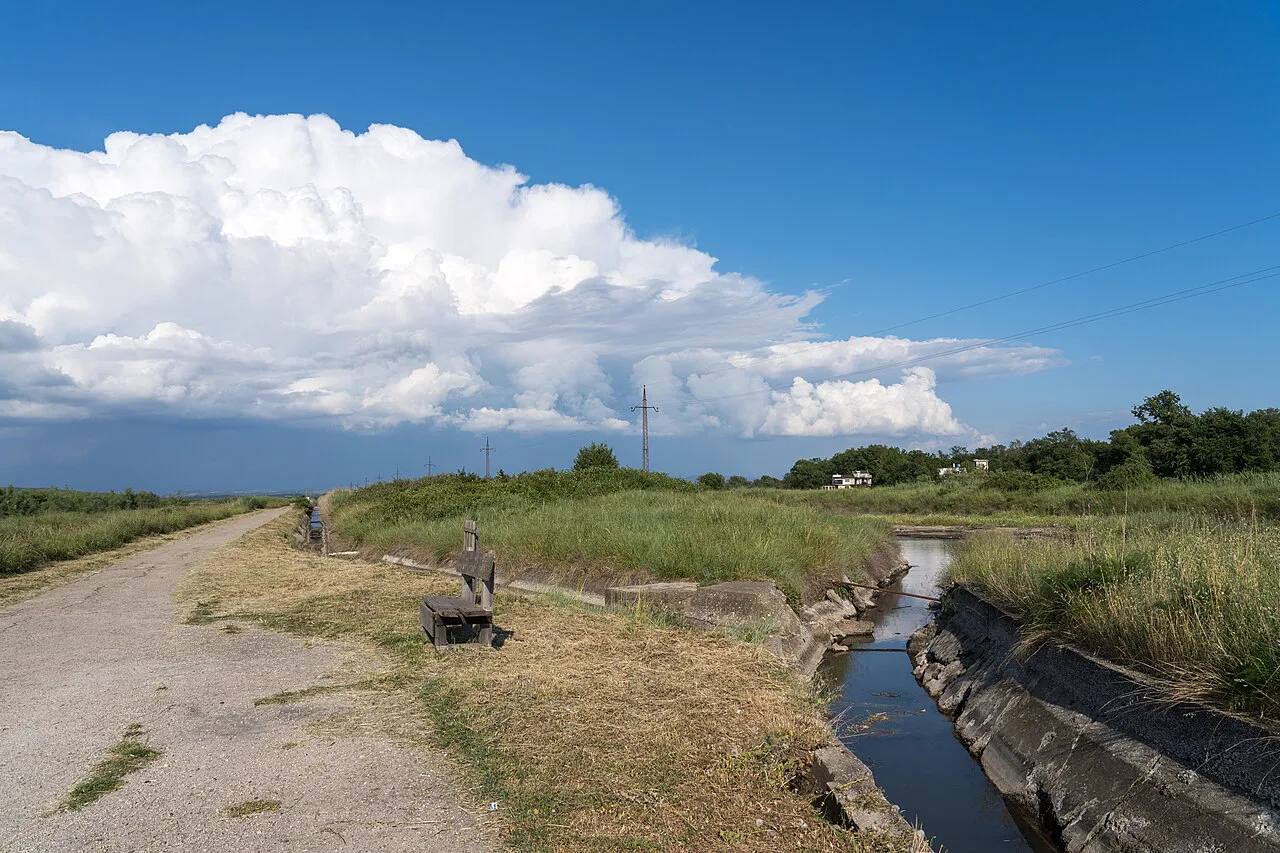
Where the entrance is: Solanski Put and the old Solana building
In Ulcinj, head for the street called Solanski Put and follow it to the end, stopping in front of the old Solana building. Security staff at that point direct you to the entrance, and you may be asked to show an ID card or passport.
The mapping for the hotspot marks the site as having parking and an entrance fee and as neither restricted nor seasonal in access, and eBird lists an entrance fee and parking as site features. The site is a short drive from Ulcinj town, so a car is the simplest approach; a boat tour is a different sort of day and does not replace the pans. If you are exploring the wider coast south of town, Ada Bojana sits past the Bojana river mouth and works as a separate outing.
Opening time, entrance fee and what security asks for
The Birdingplaces site guide gives an opening time of 7am and an entrance fee of 2.50 euro, so bring cash and a passport or ID card in case the guards ask. Confirm the fee and hours at the gate before you commit to a long visit, since the guide itself points readers to recent visitor comments on current conditions.
eBird's hotspot page marks the hotspot as not beginner-friendly, so allow time to orientate once inside. Do not plan on a staffed visitor centre or ticket desk beyond the security point.
Getting round the site: walking versus cycling, and asking about bikes
Birdingplaces advises that cycling is the best way to explore the whole area, and suggests asking security at the entrance about bikes, so ask when you arrive rather than assuming a rental desk exists. Walking is workable on the paved and narrow tracks, which are graded easy, but the distances across 1,500 hectares make a bike the better use of a morning.
The site guide describes a circular route, which suits a loop by bike with stops for birdwatching. Bring your own water and food because the pans have no shops, and treat the bike as transport between birding stops rather than a fast tour.
What you might see: flamingos, Dalmatian pelicans and spoonbills
Birdingplaces records Greater Flamingo, Dalmatian Pelican and Eurasian Spoonbill at the Salina, alongside Black-winged Stilt, which breeds there. These are species on the site list, not a promise of a sighting on any given day, so set expectations by what you can find with patience at the hides.
Recent eBird checklists from October show 40 to 67 species recorded in a single visit, with wildfowl such as Greylag Goose, Northern Pintail and Eurasian Wigeon turning up. Checking the latest checklists before you go gives a realistic sense of what is present that week.
The best seasons and times to visit
Spring and autumn migration are the strongest windows, and the site guide names autumn and spring as the best times. Birds can be seen all year, so a winter visit is still worthwhile for overwintering wildfowl.
Go early. The 7am opening gives you the calm first hours, and the flat open landscape offers no shade, so a midday visit in summer is punishing. A morning start also leaves time for a second loop if the birds are holding your attention.
What facilities the Salina does and does not have
There are no shelters, toilets or shops at the Salina, according to the site guide, so plan food, water and a toilet stop before you arrive. Bring a hat, sun cream and enough water for the length of your visit.
The site guide notes an observation hide or platform, while eBird lists no accessibility features and no observation structures, so check the hides and tracks yourself at the gate. Birding from the car is not part of the setup here, so expect to be on foot or on a bike between viewpoints.
Practical constraints: no shade, flat open terrain, telescope recommended
The terrain is flat, dry and open with no shade, and a telescope is recommended, which matters because much of the birdlife sits at distance across the pans. Binoculars work for closer waders, but a scope turns a distant flock of flamingos into something you can actually study.
Carry water, wear a hat and use sun cream even on a mild day, because the open pans give no relief. Binoculars and a telescope are worth bringing; no source describes gear to borrow on site, so arrive with your own optics.
How the salt pans are managed and what that means for a visit
The Salina is a man-made salt-production landscape where saltwater is pumped in from the sea via the Port Milena Channel, and NGOs including CZIP and EuroNatur have worked to compensate for lapsed management of the pans. The wetland's value for birds depends on that water management, which makes the site a place to visit with low expectations of polish and high expectations of wildlife.
For a wider sense of what else to see around Ulcinj, from the old town to the coast, the Ulcinj tours available from local operators can fill the rest of your day. Valdanos, a short drive up the coast, is a quiet alternative when the pans are too hot.
Is the Salina worth your morning?
Yes, if you carry binoculars, start at 7am and go by bike rather than on foot. The fee is small, the route is flat and the birdlife is the reason to be there, so build the visit around spring or autumn migration and leave the middle of the day free.
Skip it if you want facilities, shade or a guaranteed flamingo. The pans deliver a working wetland with no toilets, no shops and no shade, and the birds are wild, so the day works best for people who plan around that.
Frequently Asked Questions
How do you pronounce Ulcinj?
Ulcinj is pronounced roughly 'ool-tseen', with a soft 'j'. Locals will understand 'Ulcinj' spoken plainly, and the Salina is signposted by its own name, so pronunciation is not a barrier at the gate.
What country is Ulcinj in?
Ulcinj is a town in Montenegro, on the country's southern coast. Ulcinj Salina lies just outside the town and is reached by the street called Solanski Put.
Do I need a guide to visit Ulcinj Salina?
No, you can visit independently: security at the old Solana building directs you to the entrance, and you can ask there about bikes. Bring binoculars or a telescope and an ID card, and plan the visit around the opening time.
Are there flamingos at Ulcinj Salina all year?
Greater Flamingo is recorded at the Salina, but sightings vary with water levels and season. Check recent eBird checklists for the hotspot before you go to see what has been reported that week.
Sources
Notes for your Montenegro trip
Optional updates to our Montenegro town guides.
You might also like
Continue reading
More guides you'll find useful