Montenegro Rafting: Tara River Trips, Prices and Season
Rafting in Montenegro runs on the Tara River from May to October. Here is what a day trip covers, how long it takes, what it costs and how to pick an operator.
On this page
Rafting in Montenegro happens on the Tara River, on an 18 km commercial stretch from Brstanovica to Šćepan Polje that carries about 21 rapids, and a one-day trip puts roughly three to four hours on the water. Rafting Camp Modra Rijeka runs that section and describes the tour length and the rapid count, which is the clearest way to compare what operators actually sell. This guide covers the stretch itself, how water levels change the trip, what a package includes, euro prices from two named operators, and how to reach the river from the mountain towns.
Where rafting in Montenegro happens
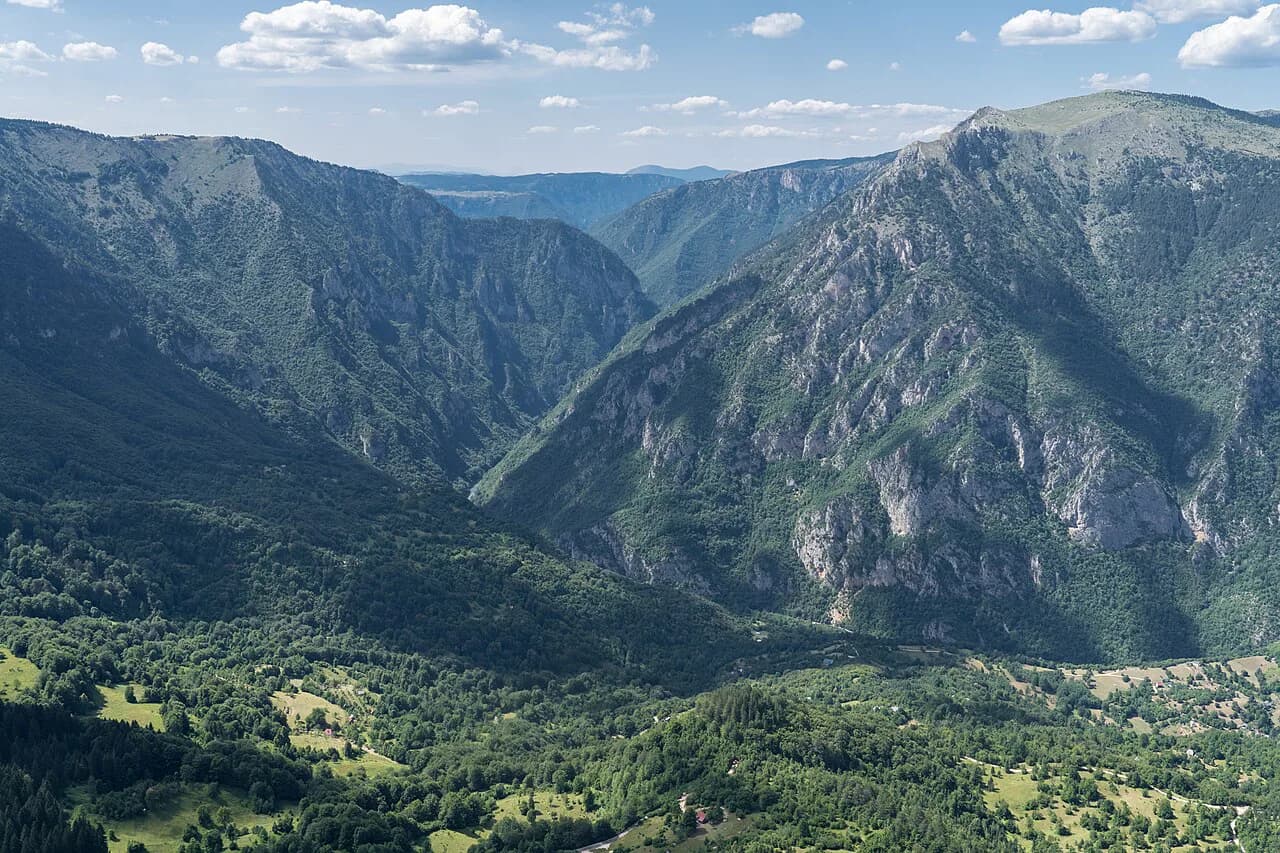
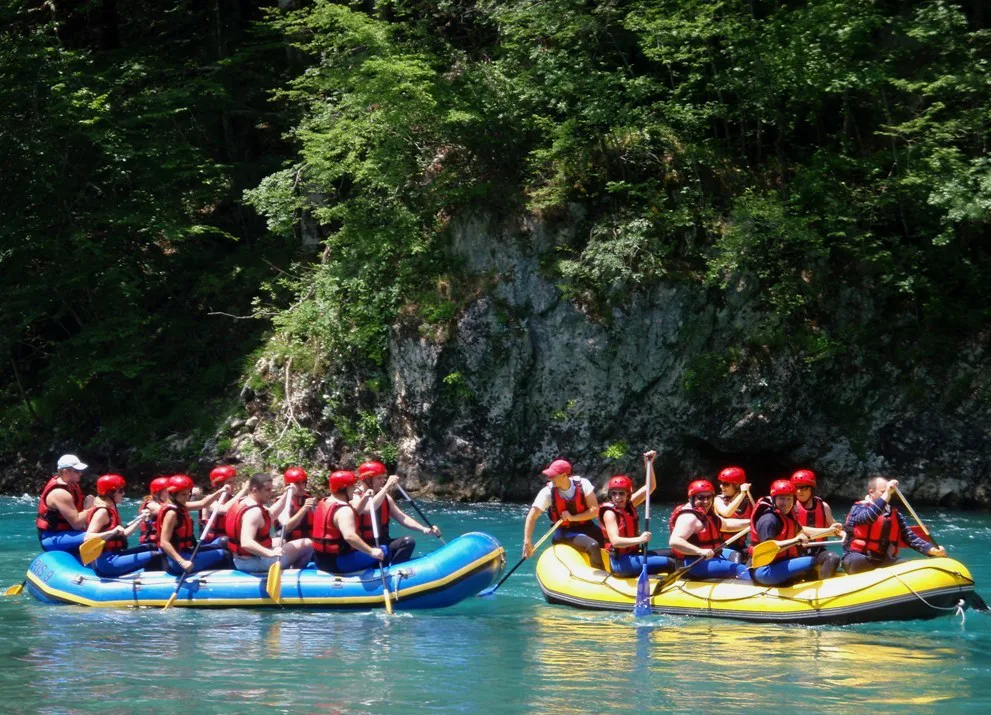
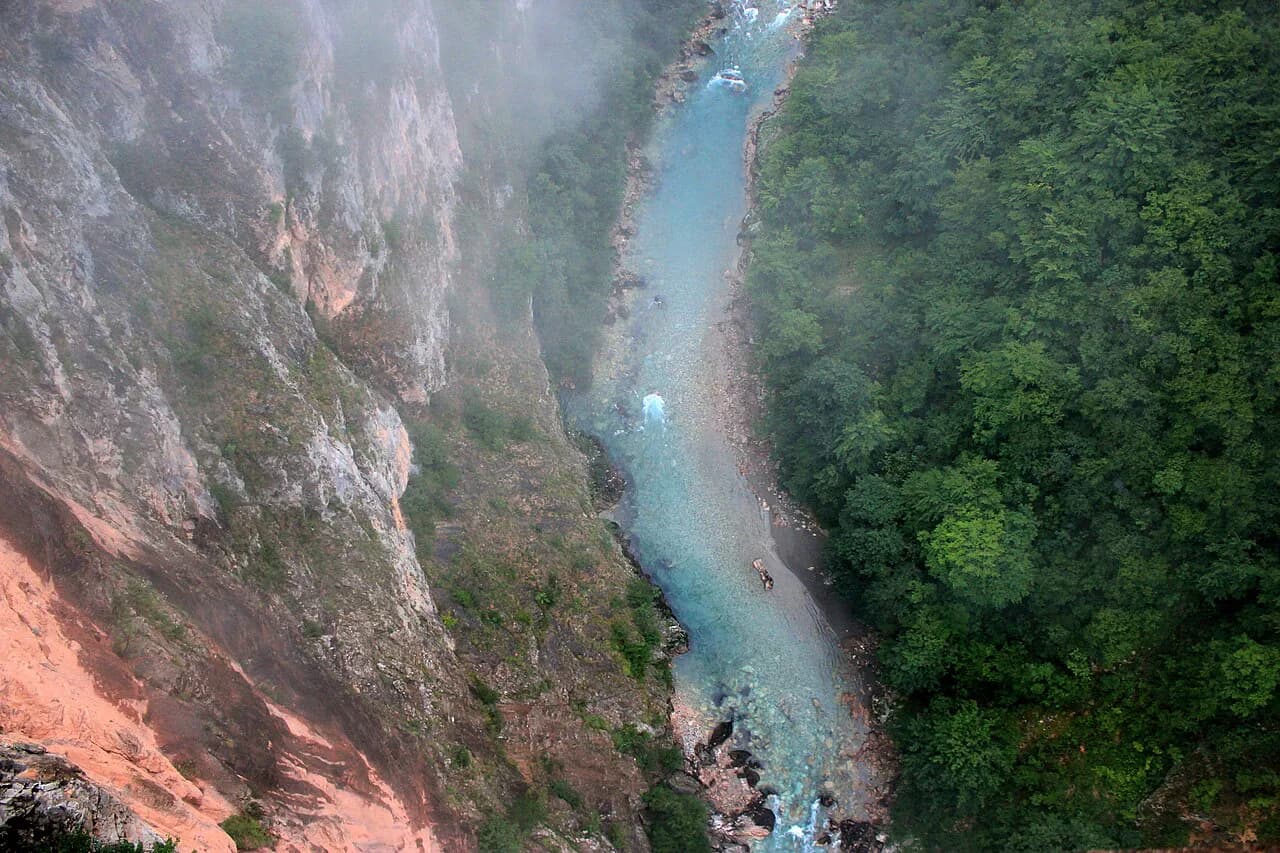
The commercial run is the Tara, which cuts the canyon separating the Durmitor massif from the Piva mountains. The standard run begins at Brstanovica and finishes at Šćepan Polje. Rafting Camp Modra Rijeka lists that section as the most attractive part of the river and gives its length as 18 km.
This is a defined corridor rather than a choose-your-own river. You put in upstream, follow the flow, and take out near Šćepan Polje, so the trip has a fixed start and finish and the road transfer to the put-in is part of the package. Boats are rubber rafts with a skipper on the standard trips.
The stretch: 18 km and about 21 rapids
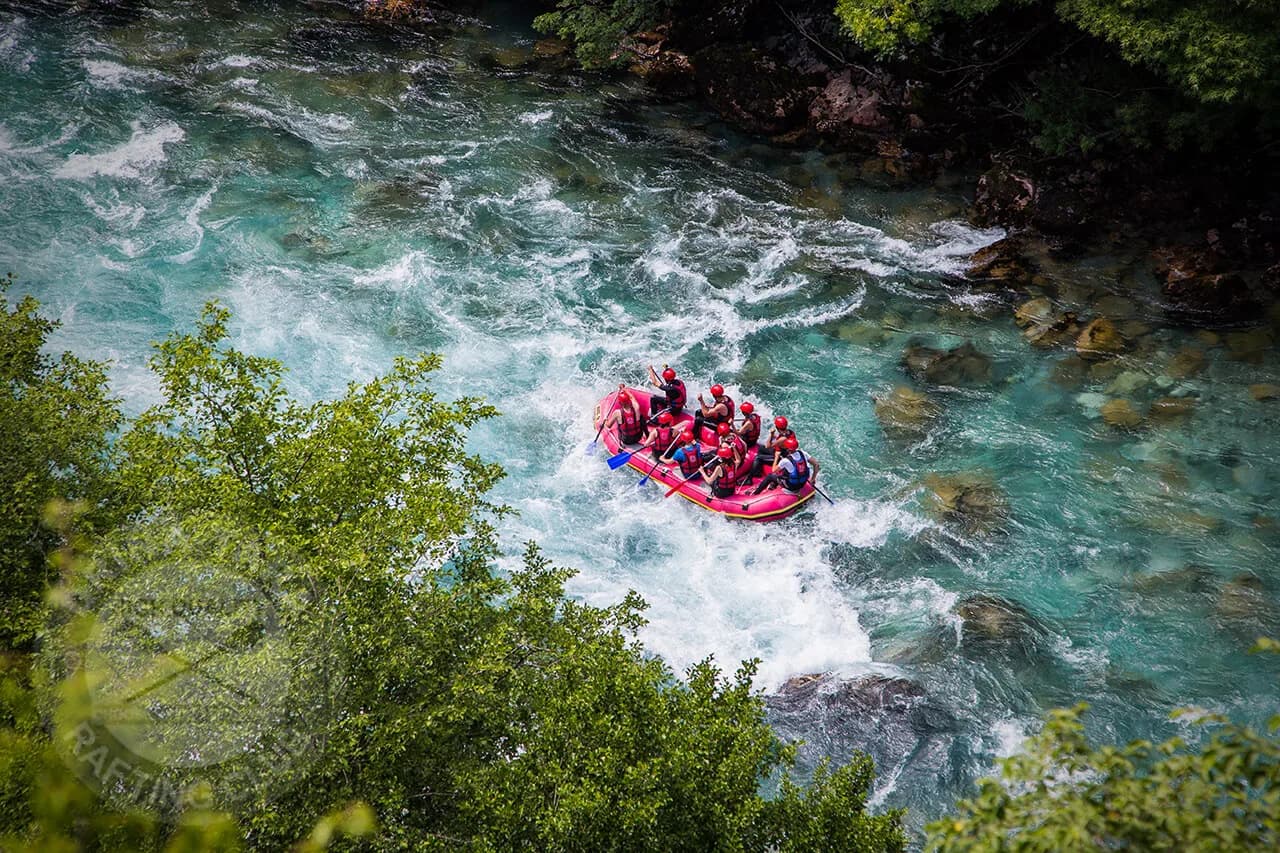
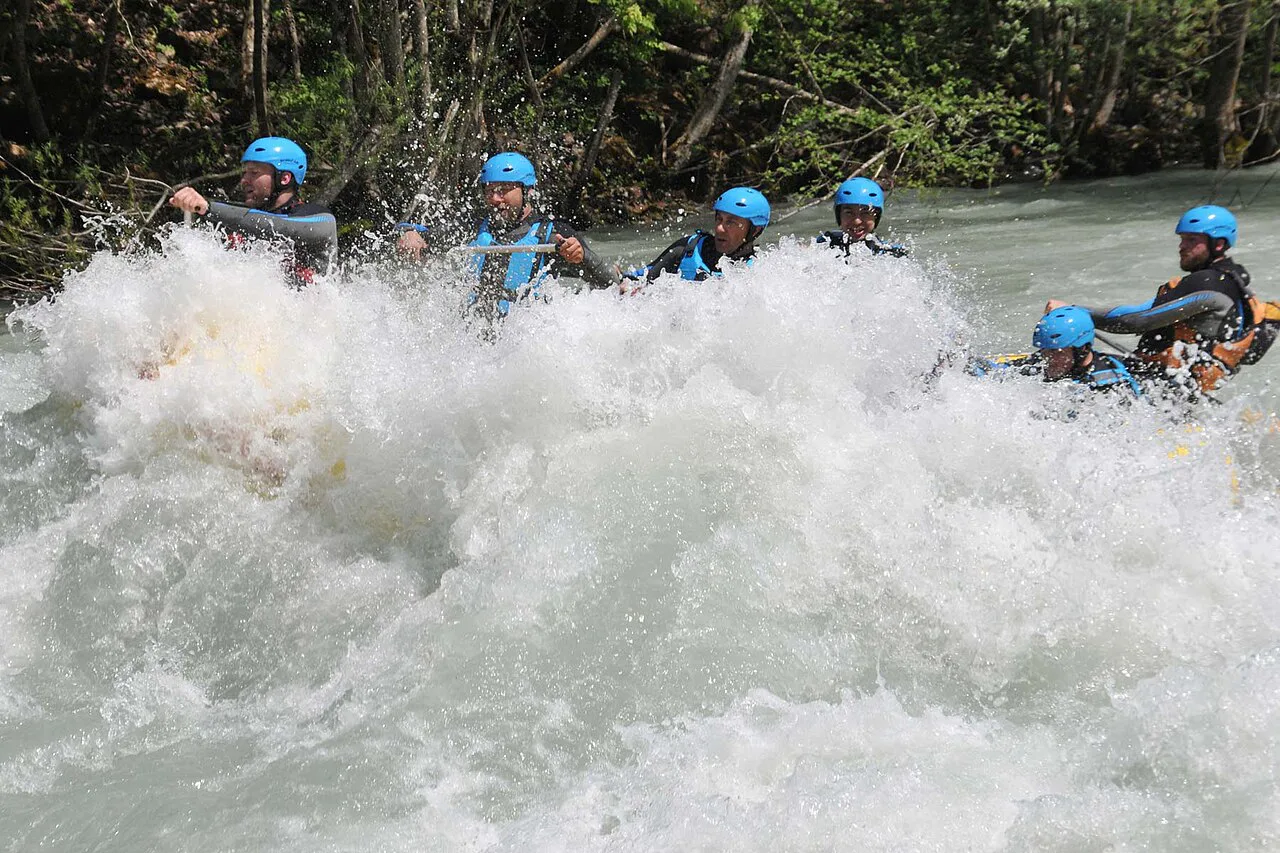
The 18 km between Brstanovica and Šćepan Polje is the section you will actually paddle, and Modra Rijeka counts about 21 rapids along it. Rafting Camp Modra Rijeka grades the river between third and fifth degree on the difficulty scale, so expect sustained white water rather than a gentle float with one or two drops. The character changes with the flow: a high river makes the same rapids faster and more technical, a low summer river exposes more rock and demands cleaner lines.
Rafting Montenegro's own centre describes its one-day trip as 18 km of white water, and places the run in Europe's deepest canyon as the operator's description rather than a measured claim. For a first look at how the canyon is laid out and where the viewpoints sit above the water, the Tara River Canyon guide covers the geography separately from the rafting logistics.
How long a Tara rafting trip takes
Time on the water is about three to four hours, and Rafting Camp Modra Rijeka notes the exact figure depends on the river level and the time of year, with high water in May and June shortening the run because the current does more of the work. A one-day product from Rafting Montenegro is advertised as six hours in total with two meals, which is the realistic shape of the day once you add breakfast, the transfer, kit fitting and lunch afterwards.
Treat the river time and the day length as two different numbers when you plan. A three-to-four-hour run inside a six-hour package leaves the rest for eating, changing and driving, and if you are coming from the coast that road time sits outside the advertised package. Ask the operator for the meeting time at the camp before you fix your travel that day.
When to go: May to October and what water levels do
Rafting Camp Modra Rijeka puts the Tara season from May to October. It advises May and June for the most intense experience, when the water is highest, and calls July and August the most popular months for white water rafting in Montenegro. September and early October usually bring lower, clearer water and a quieter river.
Those two preferences pull against each other. High water in late spring gives the sharpest ride but shortens the float and asks more of anyone nervous in a boat; warm summer water is calmer and easier but brings the busiest days. Choose the month by which of those you want, not by the calendar alone, and confirm the day's running conditions with the operator before you commit.
Rafting with children
For families, Modra Rijeka recommends July, August and September, when warm weather and lower, calmer water make the river easier to navigate with children. That is a direct trade: you give up the high-water thrill of early summer for a gentler ride and warmer conditions on the water. Confirm the minimum age for your chosen trip with the operator, since ages are set by the company rather than the river.
What a trip includes
The standard package is all-in: a qualified skipper in the boat, raft and safety equipment, breakfast before the run and lunch after it, plus transport to the put-in. Rafting Montenegro advertises exactly that bundle on its one-day trip, listing licensed guides, all safety equipment, a riverside breakfast and lunch, and transport. Modra Rijeka stresses the same safety point, that certified skippers are mandatory on its boats.
What you bring is the part you control. Modra Rijeka's trip pages list what to bring, so read the operator's kit list before you travel rather than assuming wetsuits and river shoes are handed out. A dry change of clothes left in the car at the camp is the practical insurance for a day that ends wet.
One-day, two-day and three-day options
The products differ in more than duration. A one-day trip is a standalone river run; a two-day trip adds an overnight at the riverside camp with meals, which suits anyone driving up from the coast who wants the river without a same-day return; a three-day trip stacks multiple river days and meals into a package. Modra Rijeka prices one, two and three days separately, and Rafting Montenegro sells the same ladder from a one-day run up to a three-day expedition.
Choose by how far you have come and how much time you have in the north. If rafting is one stop on a loop through Durmitor, the one-day run fits; if the river is the reason for the trip, the overnight version cuts the driving and puts you on the water early. Multi-day trips bought from a UK operator instead bundle rafting into a longer itinerary with other activities.
What rafting in Montenegro costs
Rafting Camp Modra Rijeka lists its 2026 prices in euros per person: a one-day Tara trip at 65 EUR, a two-day trip at 95 EUR and a three-day trip at 130 EUR, with taxes included. Rafting Montenegro prices its one-day trip from 75 EUR, its two-day trip from 109 EUR, a three-day expedition from 299 EUR and a rafting-and-zipline combination from 140 EUR per person. Those are the operators' own published figures for the season they describe, so treat them as a benchmark and check the current rate on the operator's site when you book.
Read the inclusions before you judge the gap between those prices, because a cheaper trip and a dearer one rarely cover the same ground. Meals, transfers and overnight accommodation swing the total, and the three-day figures especially differ in what is bundled. Much Better Adventures lists a four-night Montenegro packrafting trip from £967, available June to September, which is a different product from a camp day trip.
How to pick an operator
Start with the skipper. Modra Rijeka states that certified skippers are mandatory on its boats, and it advertises its safety practice as a priority on the river; Rafting Montenegro lists licensed guides among its inclusions. Ask any operator who will be guiding your raft and what certification that person holds, and check how many people go in each boat, since a crowded raft changes the experience as much as the rapids do.
Equipment is the second question. Both centres advertise the raft and safety kit with the trip, so ask what is provided, what you must bring and whether wetsuits and shoes are part of the price. A company that answers those points plainly before you pay is easier to trust on the day.
Combining rafting with canyoning, ziplining or Piva Lake
The Tara basecamps sell other river and mountain activities alongside rafting, and the combinations are worth planning rather than deciding on the spot. Rafting Montenegro advertises canyoning in Nevidio and Grabovica, a zipline above Piva Lake, e-bike tours in Durmitor National Park, kayaking on Piva Lake and guided hiking. Modra Rijeka adds Nevidio canyoning, jeep safaris and Piva Lake cruising to its rafting menu.
If a zipline is the draw rather than the river, the Montenegro zipline guide separates the different lines and what each involves, which helps you avoid booking two flights over the same view. For the canyons themselves, the Montenegro canyons guide covers what each descent demands before you commit to a full day in cold water.
Getting to the Tara from the coast and from Žabljak
Rafters reach the river from two directions: down from the mountain towns, or up from the coast. Šćepan Polje sits on the road along the Tara where it meets the Piva, and Brstanovica, the put-in, is upstream on the same corridor. Operators sell the transfer to the put-in within the trip package, which removes the need to arrange a separate lift to the water.
Žabljak is the usual mountain base for the northern side, and the practical guide to Žabljak covers the town, its fuel, food and driving logistics, which matter more than they sound when you are heading for an early river start. Before or after the rafting, the Đurđevića Tara Bridge is the landmark above the canyon and a natural stop on the drive, though the bridge's own viewing and access arrangements are a separate visit.
Which Tara trip should you book?
Book the one-day trip if the river is one part of a northern loop, a two-day if you want the overnight at the camp and an early start on the water, and a three-day only if rafting is the main reason for the journey. Go in May or June for the highest water, July or August for warmth and the busiest days, or late summer if you have children in the raft. Pick the operator on the skipper and the kit list, not on the euro figure alone, and confirm the season's prices on the operator's site when you book.
Frequently Asked Questions
Do you need experience to raft the Tara in Montenegro?
No. The standard trips run in rubber rafts with a certified skipper steering and calling the lines, so you paddle to instruction rather than read the river yourself. Tell the operator your group's comfort level when you book, because the water is graded from third to fifth degree and conditions vary with the flow.
Is the Tara the only rafting river in Montenegro?
The commercial rafting that visitors book runs on the Tara between Brstanovica and Šćepan Polje. Operators also sell kayaking on Piva Lake as a separate paddle, which is flat water rather than white water.
Sources
Notes for your Montenegro trip
Optional updates to our Montenegro town guides.
You might also like
Continue reading
More guides you'll find useful