Bar, Montenegro Markets: The Old Bazaar at Stari Bar and Olive Country
What Bar's markets sell: the Old Bazaar at the gates of Stari Bar fortress, olive oil from the groves behind the coast, and how to reach both places.
On this page
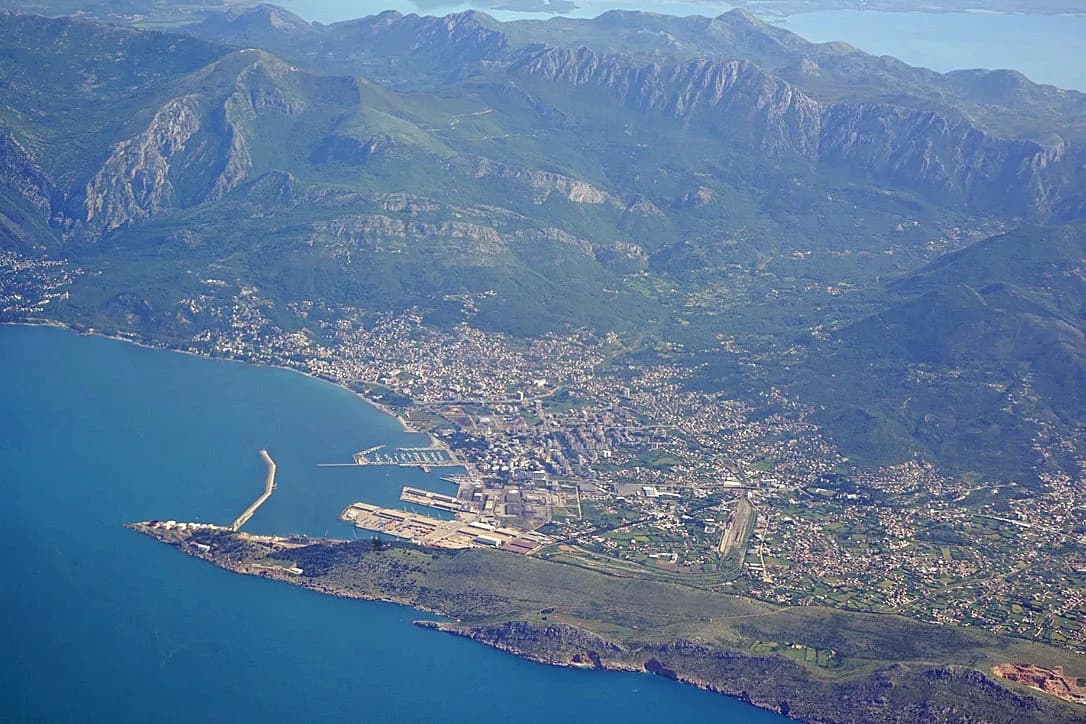
Bar's market is the Old Bazaar of Stari Bar, a historic market street at the entrance to the Bar Fortress about 5 km up the hill from the modern town. Central Bar itself has a rocky beach and, as Rough Guides puts it, no real attractions in its centre, so the bazaar works best paired with the fortress ruins rather than as a standalone stop. This guide covers what the bazaar is, how to get up there from town, what Bar's olive country produces, and how to split a day between the old and new towns.
What you can buy in Bar's markets
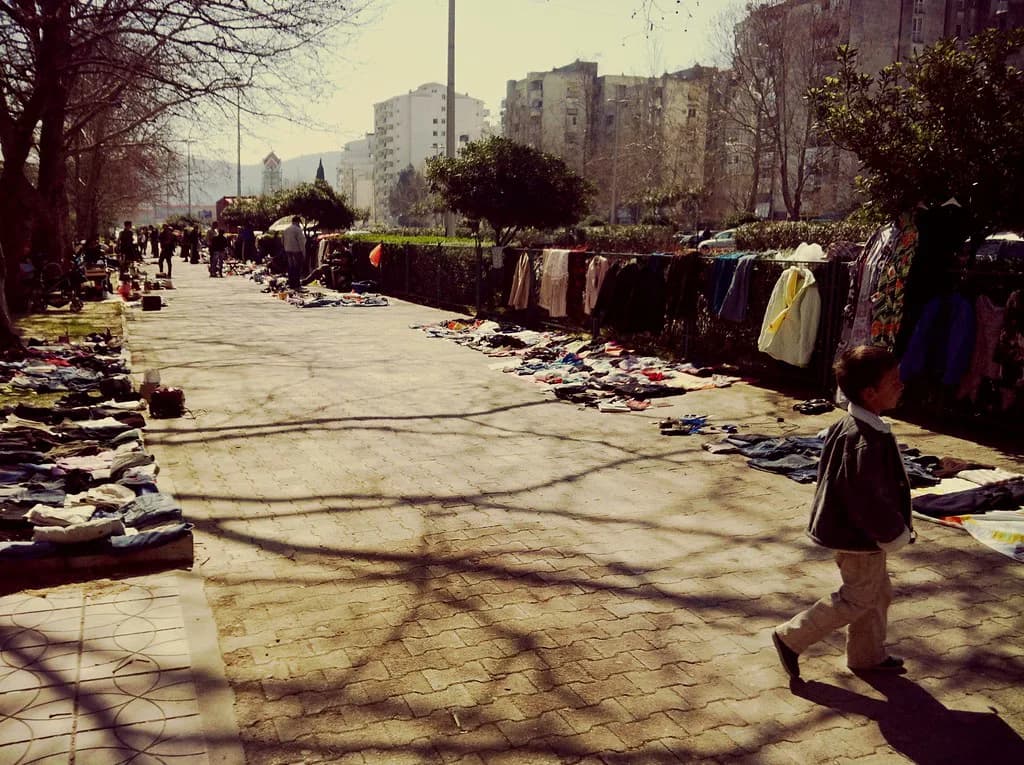
The buying splits into two places. In Stari Bar, the Old Bazaar is a historic market street at the entrance to the fortress, so the street runs on the approach rather than as a hall inside the walls. Down in the modern town, everyday shopping is ordinary shops, bakeries and cafés along the streets and the seafront, not a market quarter. Expect the bazaar to feel like part of the monument rather than a separate market building, and walk through it on the way up to the ruins. For the wider town, see the Stari Bar guide.
Bar's agricultural hinterland is where the edible story gets specific: olive groves on terraces, citrus orchards, pomegranates and fresh seafood landed on the coast. A local business feature bills Bar as Montenegro's olive capital and a winter olive-tourism base, with mills pressing new oil and oil-tasting workshops in the cold months; treat that label as promotional rather than an official designation, but it tells you what to look for on any stall or in any shop selling local produce. Buy oil, citrus and pomegranate products rather than imported souvenirs.
The Old Bazaar of Stari Bar: where it sits and what it is
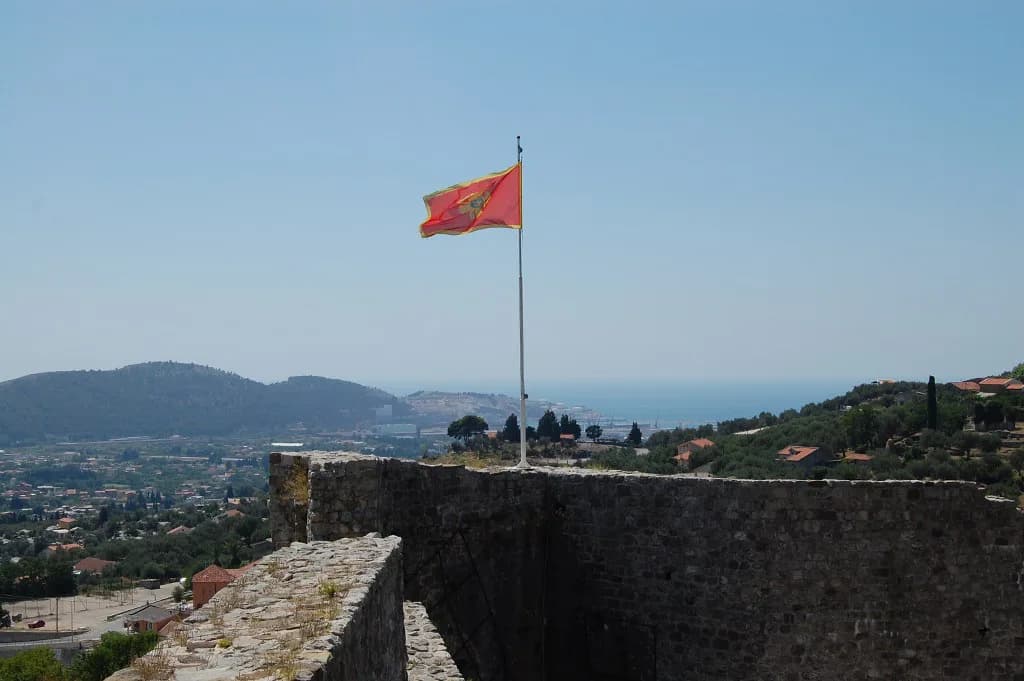
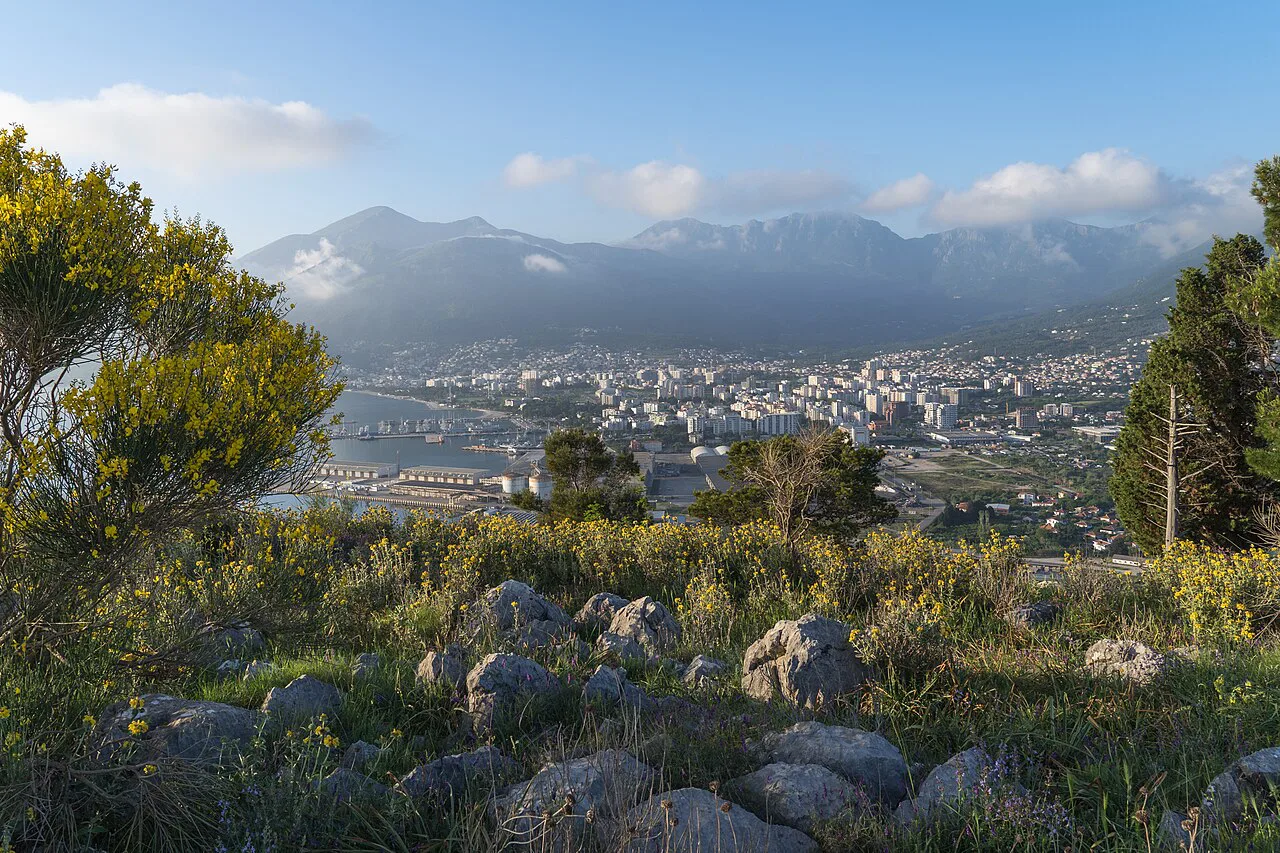
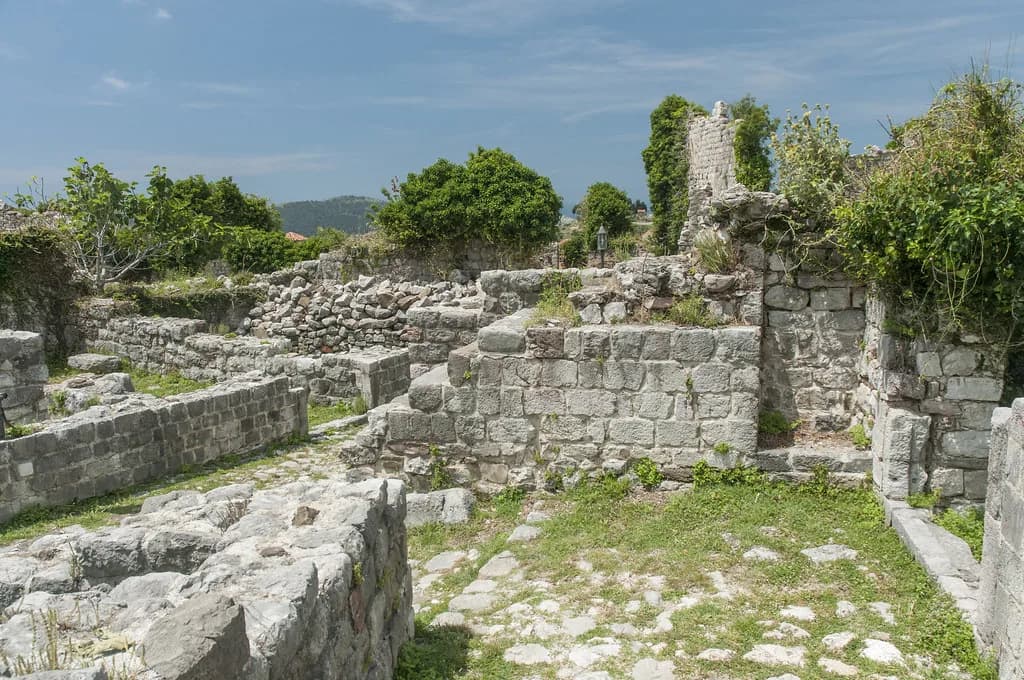
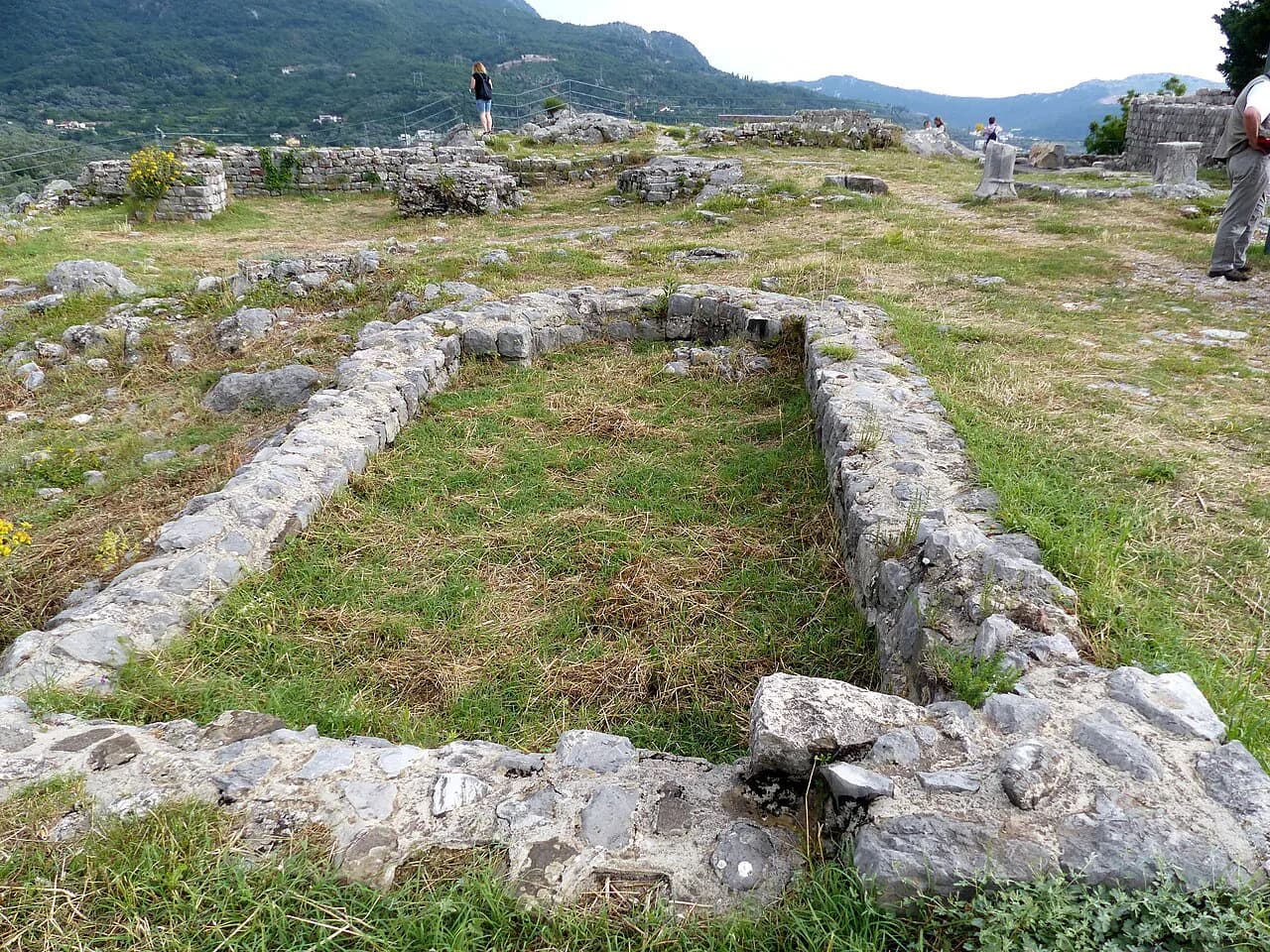
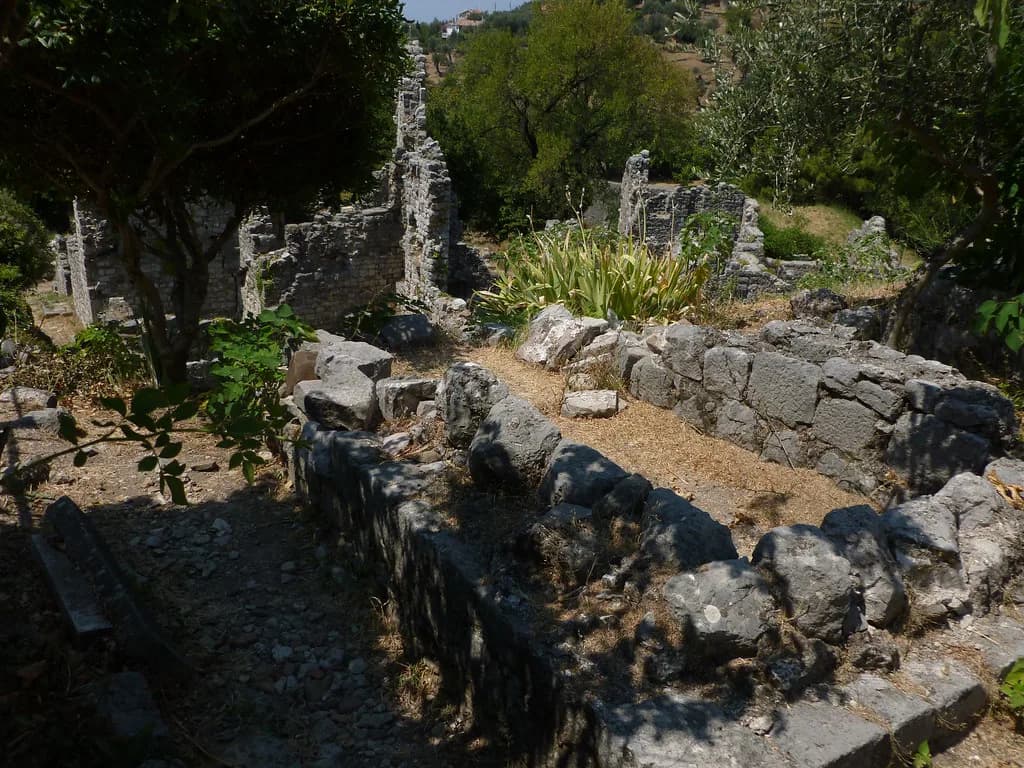
Stari Bar means Old Bar, and the settlement sits on a slope beneath Mount Rumija, with sheer cliffs surrounding the old town and tiny farming communities dotting the valleys below. The fortress ruins above the bazaar carry visible damage from the Ottoman resistance battles of the 1870s. The Old Bazaar is a historic market street at the entrance to the Bar Fortress, so treat it as the approach to that site, with the fortifications above the street.
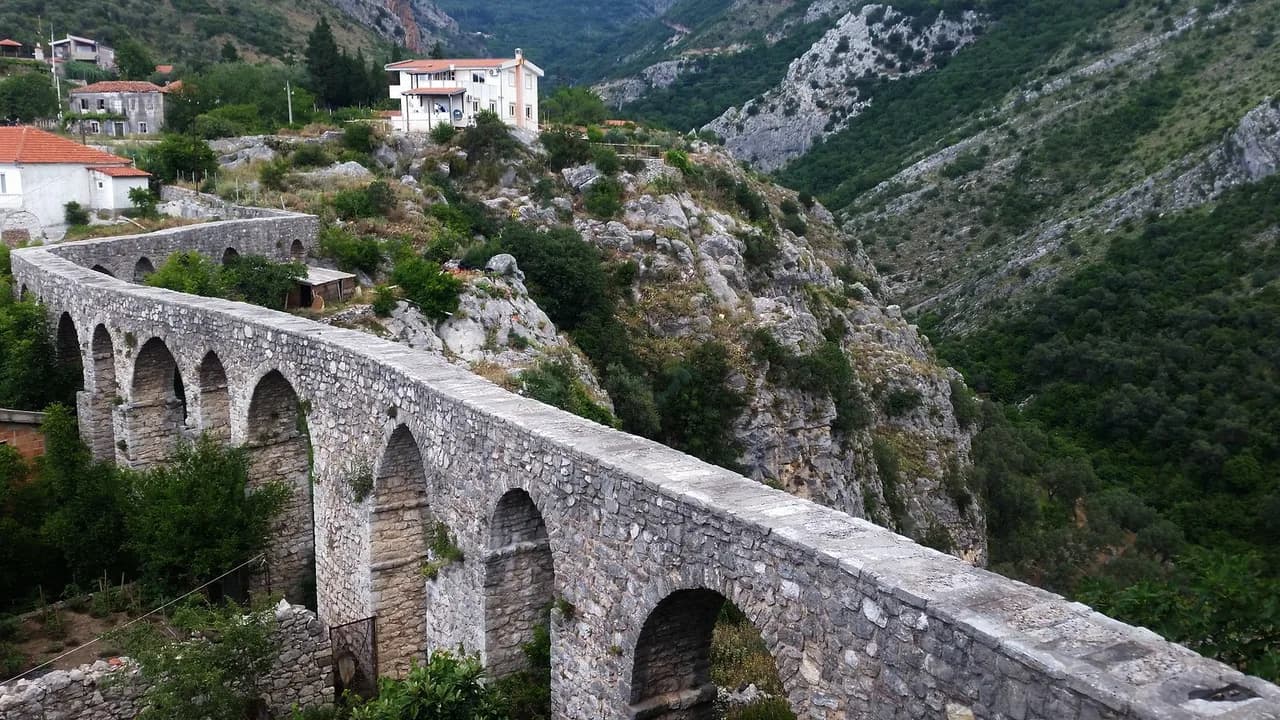
Within the old town you can see several mosques, including the Omerbaša (Omerbash) Mosque and the Dervish-Hasan Mosque, and an aqueduct that once supplied the elevated settlement with water. The Old Bazaar opens onto the fortress rather than standing apart from it, so a single walk takes in the market street and the monuments around the walls. Allow time to wander rather than treating it as a five-minute shopping stop.
Getting to Stari Bar and the Old Bazaar from Bar town
Stari Bar sits about 5 km up the hill from Bar town, and Rough Guides puts a taxi to the old town at no more than €5. That fare makes the climb easy to plan: take a cab up and walk back down, or arrange a return, rather than relying on finding a bus at the right moment. Set the price before you get in.
If you arrive by train or bus, the train station sits in the south of town with the bus station about 300 m further along, and the ferry terminal immediately west of the centre. From there it is a short taxi ride uphill to the bazaar. Bar is the final stop on the Bar to Belgrade train route, which also calls at Virpazar, Podgorica and Kolašin if you are extending the trip inland.
By air, Podgorica Airport is about 32.7 km from Bar, Tivat Airport about 46 km and Dubrovnik Airport in Croatia about 85.5 km away. Coming from Podgorica Airport, buses, taxis and the railway all reach the coast, and the airport sits near the railway line. From Tivat the drive follows the Adriatic Highway and takes about an hour, though peak-season traffic jams are possible.
What the bazaar stalls and surrounding streets sell
Treat the Old Bazaar as a historic street to browse on the way to the fortress rather than a fixed list of vendors: it runs to the fortress gate and mixes small shops with the passing trade of visitors heading up to the ruins. Bar's food identity is built on new olive oil, citrus, pomegranate, local wines, farm produce and seafood, which is the right shopping list for anything sold locally. Buy what you can carry and keep the rest for eating in town.
Central Bar works as an ordinary Montenegrin coastal city rather than a resort strip, with bakeries, shops and cafés supplying everyday provisions in place of one concentrated market street. Do not arrive in the centre expecting a single market hall; use central Bar for provisions and the hill for the atmosphere.
Olive oil and the Stara Maslina: Bar's olive country behind the coast
The Stara Maslina, the old olive tree at Mirovica, is estimated at over 2,000 years old and stands as the symbol of Bar's olive culture. Winter is when the groves come alive and olive mills operate day and night, with families pressing fresh oil, so a cold-month visit is the best chance to see the process rather than just buy the bottle.
The old olive tree at Mirovica pairs naturally with the bazaar and fortress in a single trip up the hill. The olive groves spread across the terraced hinterland behind Bar, so the oil you buy in Stari Bar often comes from slopes you have just driven past. That connection between the tree, the terraces and the bottle is the reason to buy oil here rather than anywhere on the coast.
Local produce and food specialities to look for
Bar's table is built on fresh seafood, extra-virgin olive oil, local wines, farm produce, traditional pastries and citrus and pomegranate specialities. Look for oil sold in plain bottles from the current harvest, and for citrus and pomegranate products that travel well. Fish is best eaten in town rather than carried home.
Souvenir shopping around the fortress rewards patience more than speed: the Old Bazaar's position on the climb means you pass the same doorways twice if you walk up and back down. Make your purchases on the way down so you are not carrying glass bottles up the slope. Keep small notes and coins for small purchases.
Markets versus the modern town: how to split your time
Central Bar has few sights of its own — Rough Guides notes a rocky beach and no real attractions in the centre — so give the modern town the transport and the evening and give the hill the day. King Nikola's Palace in Bar, the former royal summer residence now a local history museum, is the best reason to spend time in the town itself. The seafront promenade then makes an easy finish.
A sensible shape for the day is a morning taxi to Stari Bar, the bazaar and fortress on foot, then the old olive tree on the way back before an afternoon in the town. The Bar Promenade gives you somewhere to walk off lunch without another climb. To reach the hill cheaply, a short taxi beats waiting for a bus at the wrong moment.
Practical points: cash, timing and the walk up to the fortress
Bring cash for the bazaar and the taxi, and wear shoes that cope with stone and slope, since the old town sits on rising ground beneath the cliffs. Summer in Bar is typically hot and dry, with July and August averages around 25–26°C, so start the climb early and carry water. Spring and autumn offer comfortable temperatures for walking.
Stari Bar's ruins and the old town repay a guided look if you want the layers of Byzantine and Ottoman building explained, and the Bar Montenegro tours page covers what is on offer locally, including options that take in the fortress. Otherwise walk the walls yourself and read the site as you go. Either way, leave the shopping until you come back down through the bazaar.
If you want more context on the site itself, the Stari Bar history page sets out what happened on this hillside before you climb. It makes the ruined walls easier to follow. Check current opening arrangements for the fortress, and whether the bazaar's shops are trading, before travelling, as these change seasonally.
Should you build your Bar day around the bazaar?
Yes, if you want the market and the monument in one walk, but not as a shopping trip in its own right: the Old Bazaar is a historic market street at the fortress entrance rather than a market hall full of stalls. Take a taxi up, browse on the way, see the ruins, and buy oil and citrus on the way down.
Bring cash, go early in summer, and pair the hill with the old olive tree and King Nikola's Palace in Bar so the day covers more than one stop. If you are coming for olive oil at its freshest, plan around the winter pressing rather than high summer.
Explore more Bar guides
Frequently Asked Questions
Is the Old Bazaar of Stari Bar open every day?
The bazaar is a historic market street at the entrance to the fortress rather than a separate market hall, and no source supplies regular opening times. Shops keep their own hours, so check locally on the day you plan to go, especially outside summer, and time your visit for daylight either way.
How much is a taxi from Bar town to Stari Bar?
Rough Guides puts a trip from Bar up to Stari Bar at no more than five euros, so treat that as an estimate rather than a fixed fare. Agree the price before setting off, and ask the driver to collect you later or walk back down to town.
Can you buy olive oil at the bazaar?
Bar's hinterland is olive country, and new-season oil from local groves is the most characteristic thing to buy. Winter is when mills press, so ask whether a bottle is from the current harvest. The Stara Maslina, the old olive tree at Mirovica, makes a worthwhile stop on the same trip.
Do you need a car to reach the market and fortress?
No. A short taxi ride covers the roughly five kilometres uphill, and the train and bus stations in the south of town put you within reach of the centre. A car helps only if you plan to continue to Lake Skadar or the mountain roads afterwards.
Sources
Notes for your Montenegro trip
Optional updates to our Montenegro town guides.
You might also like
Continue reading
More guides you'll find useful