Stari Bar History: From Antivari to the Ruined Hilltop Town
Stari Bar history told through its ruins: Byzantine Antivari, Venetian rule, Ottoman Bar, the 1878 siege and the 1979 earthquake that emptied the hilltop town.
On this page
Stari Bar is not a separate town but the old hilltop settlement above the modern port of Bar, and its ruins let you read four centuries of rule in an hour or two. The name changed with each power that held the hill, and the water supply decided both how the town fell and why it was eventually abandoned. This guide works through the site feature by feature and then covers the walk up, the gate and how long to allow.
The approach street below the gate is lined with souvenir shops, restaurants and café bars, and it is busiest in season while most such places close in winter, as reported by visitors who went in the low season. Set aside the last part of the afternoon if you want low sun on the walls and thinner crowds, then turn back to the coast for dinner.
What Stari Bar is and where it sits above the port of Bar
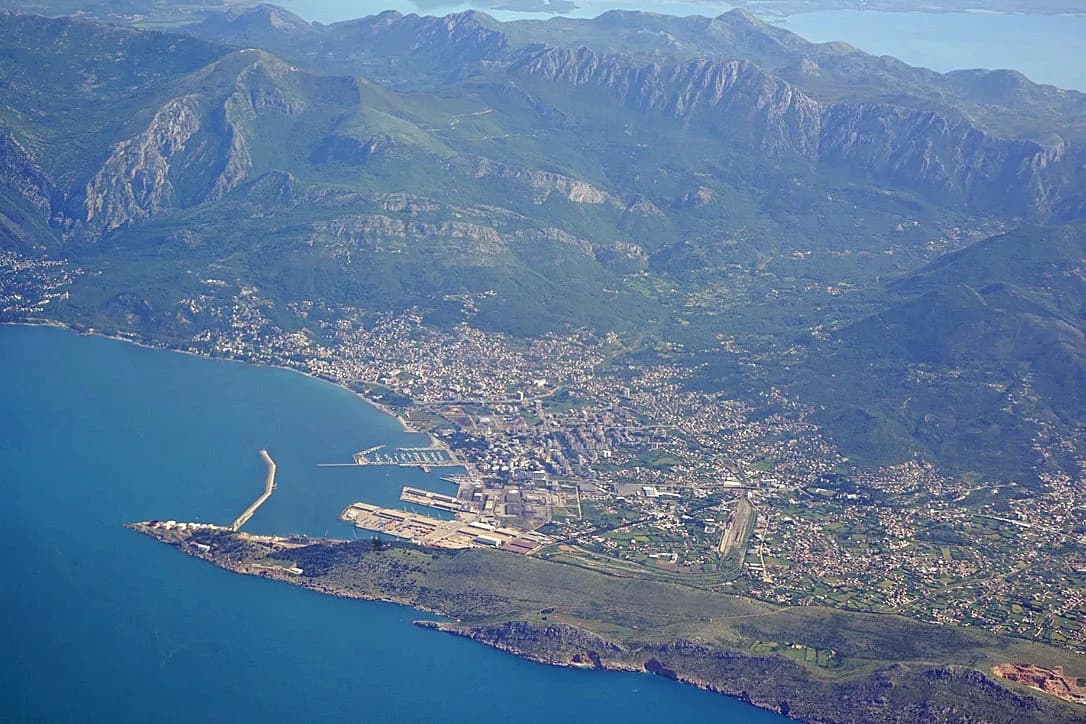
Stari Bar, also called Old Bar, sits on Londša hill, a foothill of Mount Rumija, a few kilometres above the new port of Bar on the coast. The ruins are extensive but compact enough to explore on foot, which makes them a half-day rather than a full-day outing when you are based in Bar. Plan the site first and the waterfront afterwards, because the two are a short drive apart and the light on the ruins is better in the afternoon.
If you are building a wider itinerary around the town, the Bar, Montenegro guide covers the harbour, the promenade and the museums below the hill. Treat the hilltop and the coast as two parts of one visit, with Stari Bar in the cooler part of the day if you are walking up from the car park.
Why the town is called Antibareos, Antivari and Stari Bar
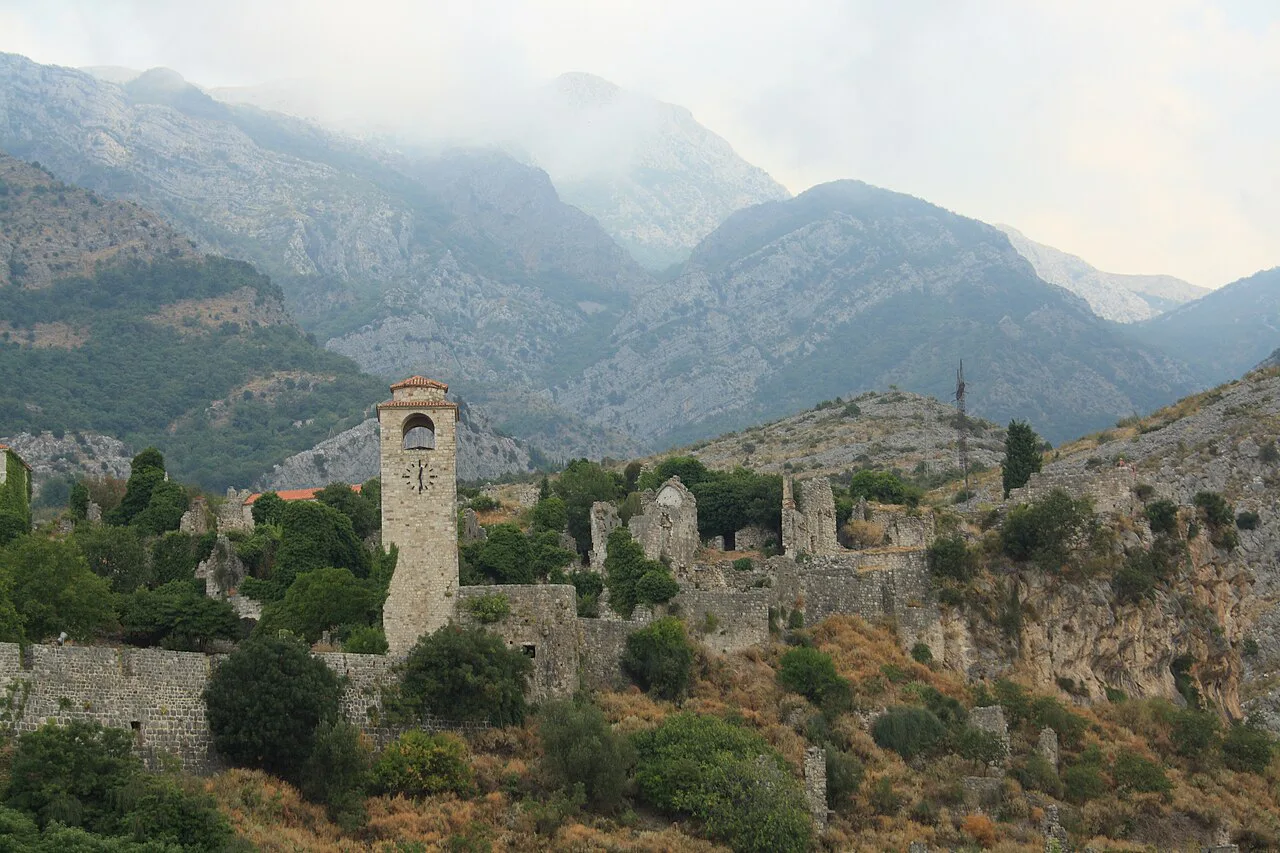
Historical sources first name Old Bar in the ninth century as Antibareos, a Greek form glossed as anti-old, and later as the Roman Antibarum and the Slavic Bar. The same town appears at the end of the ninth century as Antivari, a name that historical sources associate with the Avars who settled the area with the Slavs in the sixth and seventh centuries. When you read a label in the museum or a plaque in the ruins, those three names refer to one continuous settlement rather than three different places.
Some histories put the town's foundation between the sixth and seventh centuries, when a Roman settlement stood here, while archaeological finds from the wider area run back through the Illyrian, Greek and Roman periods. The distinction matters when you date the masonry: the walls you photograph are medieval and Ottoman, but the settlement below them is much older.
The Byzantine and early Montenegrin period: bishopric, archbishopric and royal coronation
Bar stayed under Byzantine control until the middle of the eleventh century, within the region known as Prevalis, and it was important enough to be the seat of a bishopric until the middle of the eighth century. In 1042 the Battle of Bar was fought on the slopes of Rumija, after which the ruler of Zeta, Vojislav, freed that part of the territory from Byzantine control. Prince Vladimir, the first nominally independent ruler of Duklja, is associated with Krajina near Ostros, a village towards Lake Skadar.
It is thought that Mihailo Vojislavljević was crowned in Bar in 1077, and in 1089 the bishopric was raised to an archbishopric through the efforts of King Bodin, which made Bar the centre of his state. That elevation is the reason the ecclesiastical buildings in the old town matter more than their size suggests.
Venetian Antivari and the centuries of contest for the hilltop
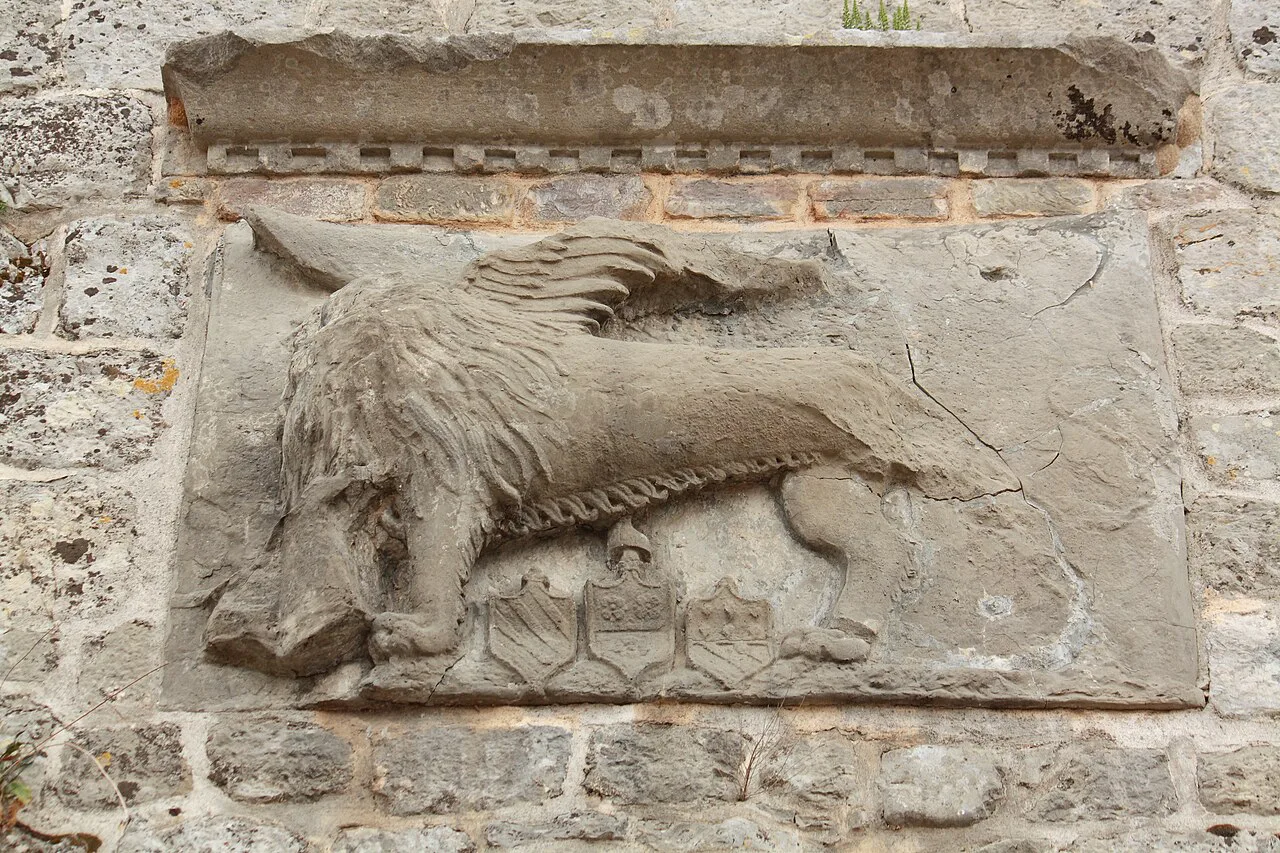
Under the Nemanjići, from the later twelfth century to 1360, Bar flourished with town autonomy, a statute, a coat of arms and its own coinage. The fifteenth century brought repeated changes of hand: Venice took the town in 1404, lost it in 1412, and seized it again in 1443 from the Bosnian lord Stefan Vukčić Kosača. Each of those transfers left a mark on the defences, which is why the citadel reads as a patchwork rather than a single design.
When you walk the wall-walks, look for the points where the circuit changes alignment and stone type, because those are the seams where one period of fortification meets the next. The cliff edge below the citadel is the most dramatic part of the circuit and the reason the site was defensible at all.
Ottoman Bar from 1571 and what survives from that period
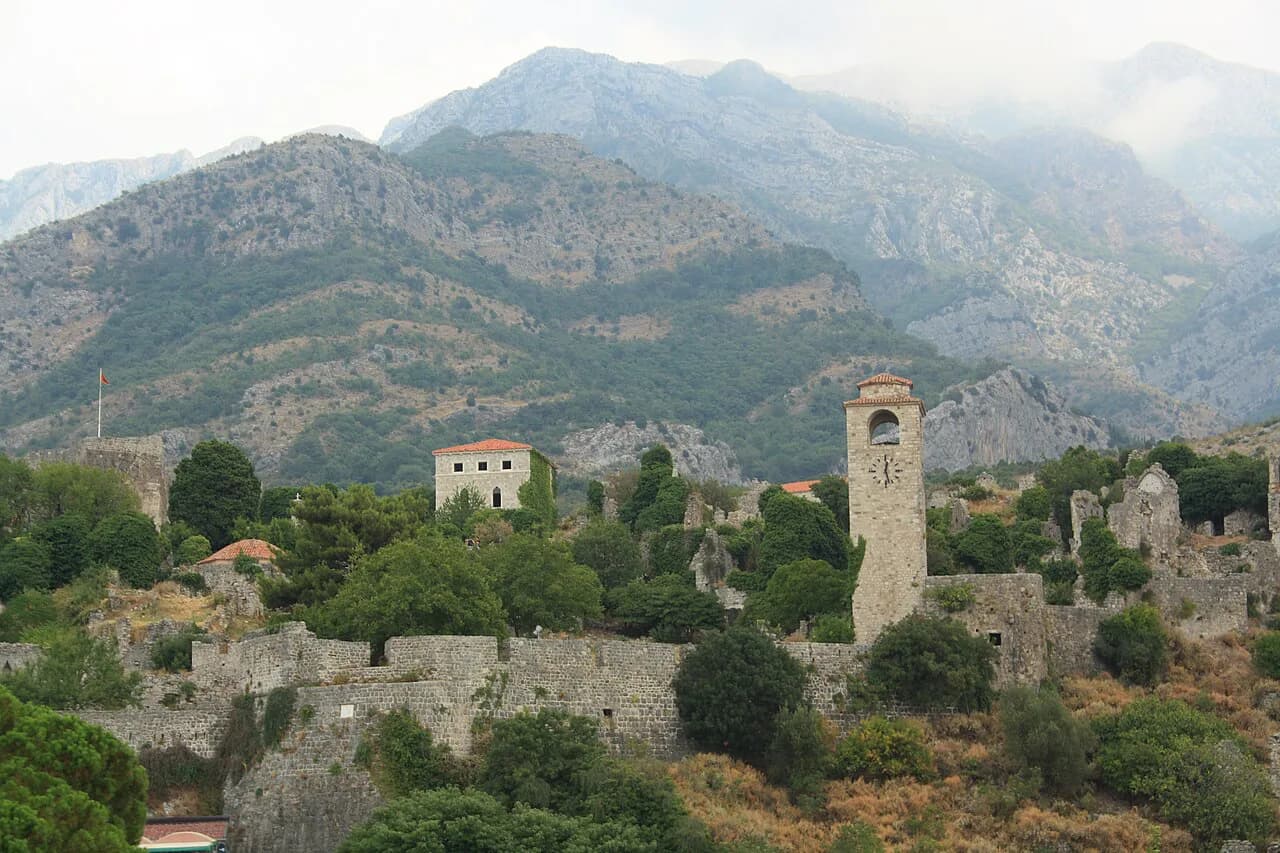
The Ottomans took Bar in 1571 and held the territory for 307 years. What survives from that long period is the most legible layer on the site today: the hamam, the clock tower, the aqueduct, and the mosque that served the Ottoman town. Walking from the gate towards the citadel, you cross this layer before you reach the older core, so it helps to know which structures belong to which century.
The lapidarium displays carved stones collected from destroyed buildings, which makes it the quickest way to see fragments that no longer sit in their original position. Pair it with the churches and the Episcopal Palace to get a picture of a town where several faiths and administrations shared one walled circuit.
The 1878 siege, the aqueduct and the end of Ottoman rule
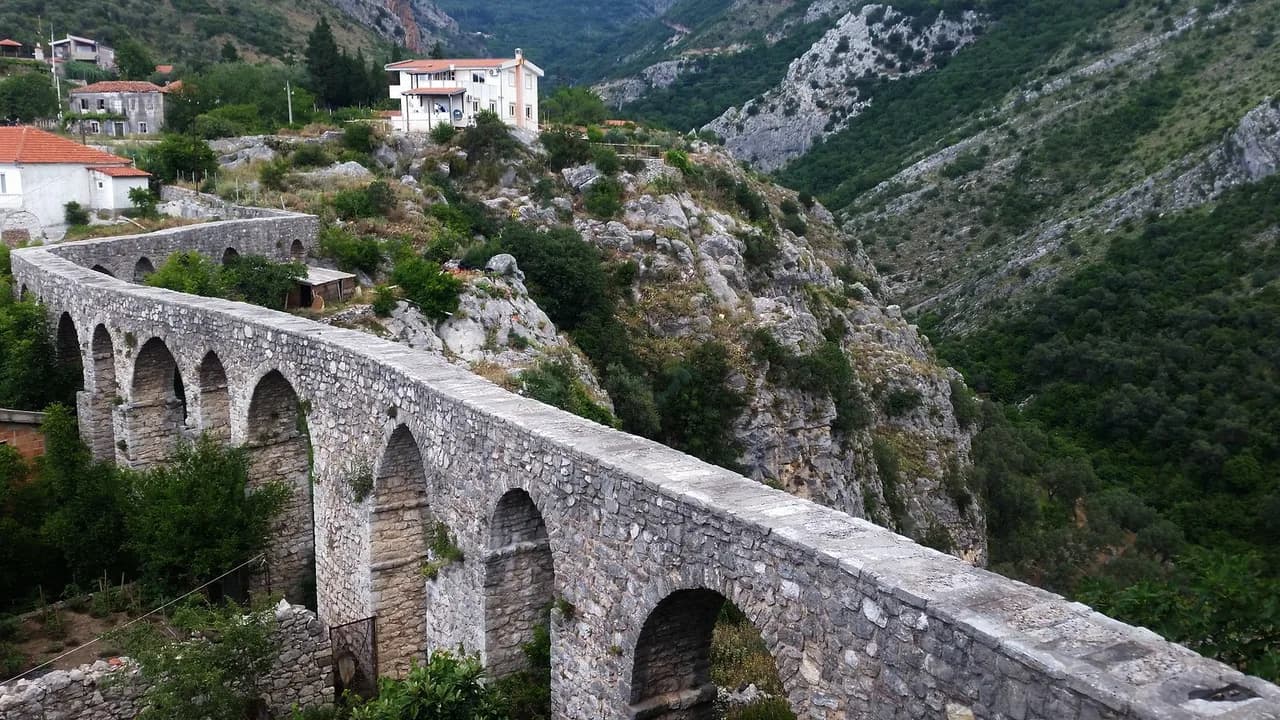
The town's weakness was its water: the supply came along an aqueduct from the mountainside, and in 1878, with the Ottomans still holding the town, the Montenegrins destroyed the aqueduct with a 225 kg charge and cut the supply. The Ottomans surrendered, and the Congress of Berlin awarded Bar to the Principality of Montenegro. Standing on the wall tops, you can see the restored aqueduct running down into the valley, which is the single clearest reminder of why the siege worked.
Bar was badly damaged during the 1878 liberation, and in 1908 the government of the Principality of Montenegro decided to build a new town, to be named Bar, lower down. Residents moved towards the shore, where in the early twentieth century the area known as Pristan, or the port, grew up. That new town became modern Bar, which is why the hilltop settlement was left standing as ruins rather than rebuilt on the same spot.
The 1979 earthquake and the move down to the coast
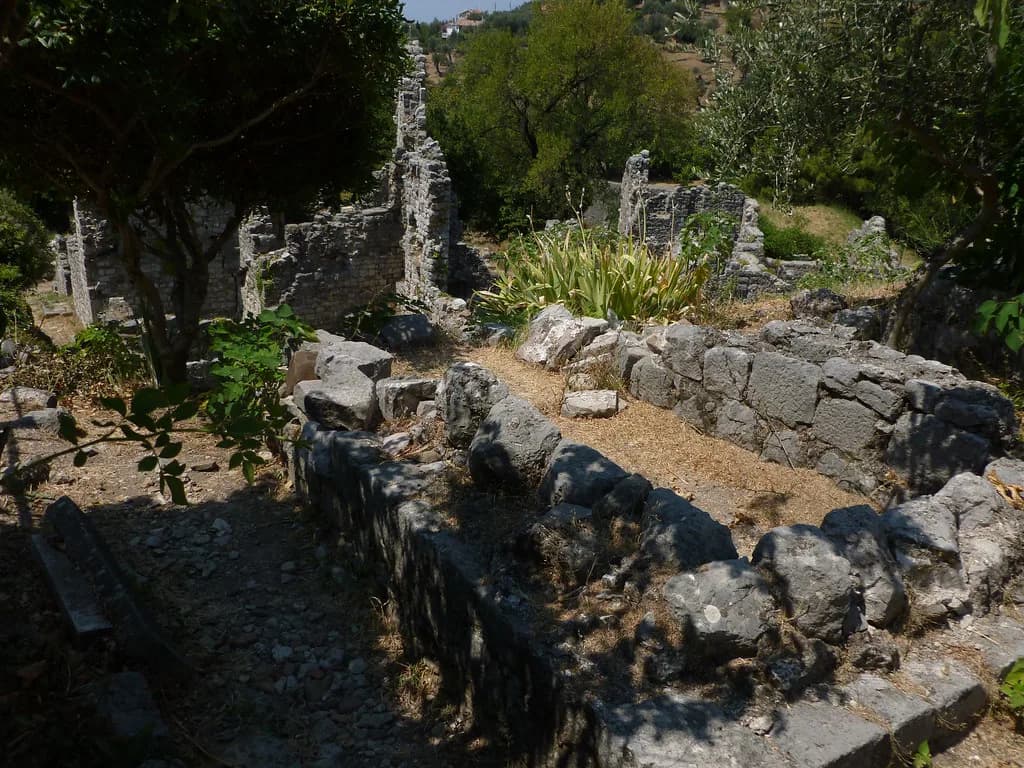
After the aqueduct was rebuilt the town was lived in again, until the 1979 earthquake damaged it and cut the water supply once more. Residents were forced to leave and relocated to the coast, which completed the shift that had begun after 1878. That is why the ruins read as an abandoned town rather than a monument: the houses, lanes and churches are intact enough to show how people lived there.
What to look for in the ruins: citadel, gate, aqueduct, hamam, clock tower and churches
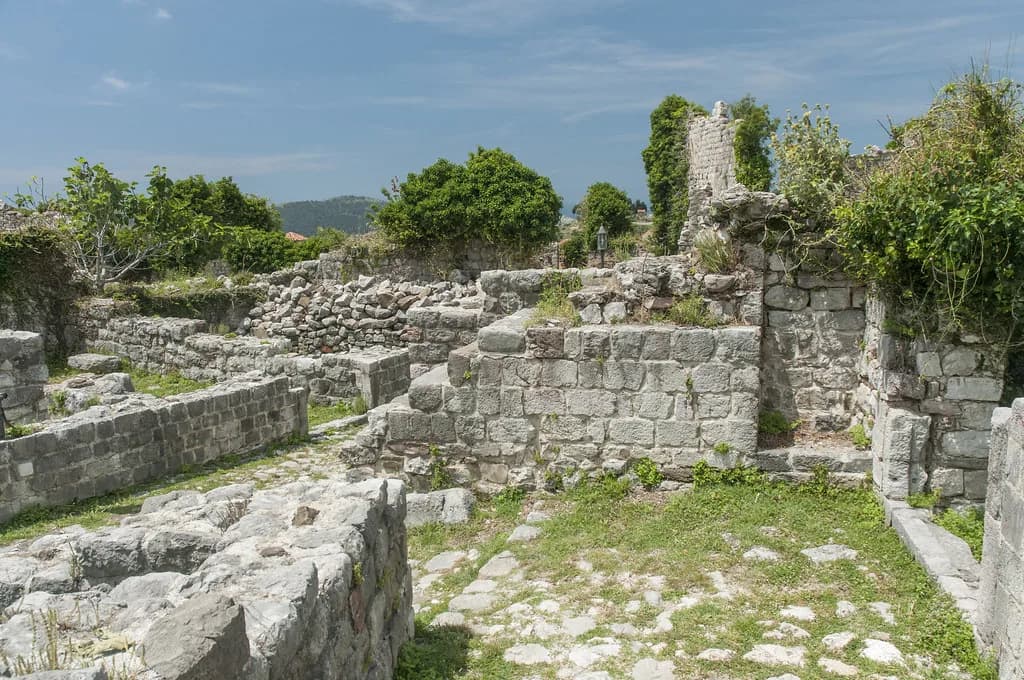
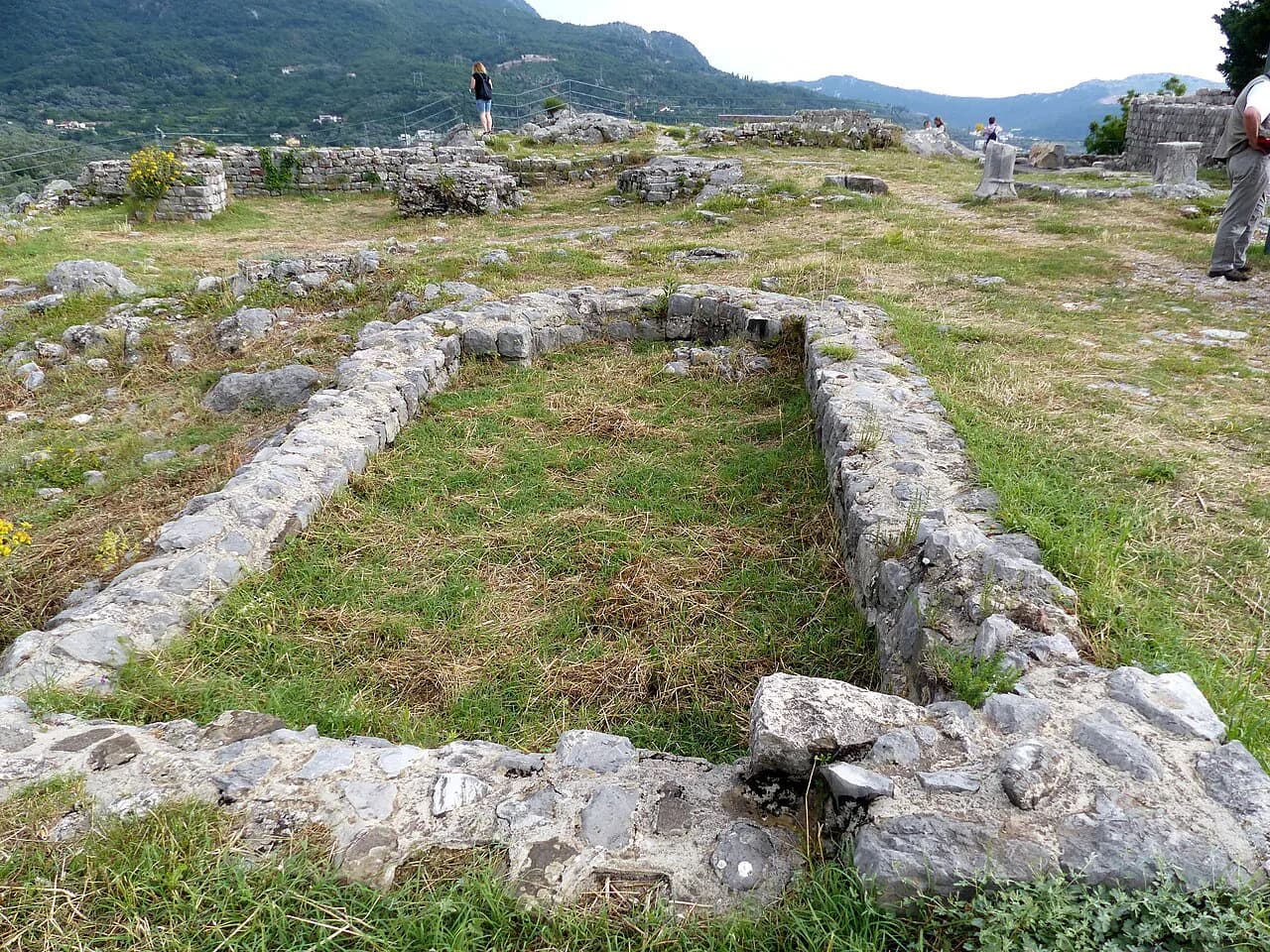
Start at the internal gateway and work uphill: the customs house, the gunpowder house and the open theatre sit among the outer buildings, while the citadel occupies the precipice above. The Church of St John, the Church of St Venus, St Ilarion Church and the Episcopal Palace are the main ecclesiastical stops, and the clock tower and hamam mark the Ottoman centre. The climb to the wall tops above the citadel gives the best view of the aqueduct and the valley below.
Allow time to wander rather than ticking off buildings: some lanes are paved in stone and others are grass tracks, and the site rewards a slow circuit. The walk up from the car park is steep and lined with shops, so wear shoes that cope with uneven stone.
Visiting Stari Bar: gate hours and entry fee
The gate at Stari Bar is open daily from 08:00 to 20:00 in summer and from 09:00 to 17:00 in winter, and the entry fee is 2 EUR for adults and 1 EUR for children, as reported by visitors who published those details. Treat those figures as the published rate rather than a guarantee for your dates, and confirm on arrival. Out of season those same visitors found the gate open with no one collecting, so entry was free on that occasion.
The walk up from the car park below the old town follows a steep pedestrian road, so give yourself ten to fifteen minutes for it and carry water in summer. If you are arriving by bus or taxi from the coast, check the return leg before you go up, because the site sits above the port rather than on a main road.
How long Stari Bar needs and when the site is quietest
Two to three hours covers the circuit, the churches, the lapidarium and the wall tops without rushing. Late afternoon works well: the low sun picks out the stonework, there are fewer people, and the light photographs better. If you are combining the hill with the town below, check the Bar Montenegro map to see how the port, the promenade and Stari Bar relate before you set out.
The old olive tree at Mirovica and the wider Bar area
At Mirovica, in the wider Bar municipality, stands a 2,000-year-old olive tree that testifies to long settlement in the area. A short distance from Stari Bar, an old olive tree is described with a circumference of 10 metres. The two figures come from different accounts, so keep them apart rather than treating them as one measurement. It is a short detour from the ruins and an easy addition to a half-day.
Back down on the coast, King Nikola's Palace in Bar and the Bar Montenegro promenade make a natural pairing with the hill for a full day out. St Jovan Vladimir Church in Bar adds a further church stop if you are following the ecclesiastical thread from the old town.
Should you put Stari Bar on your Bar itinerary?
Yes, if you want to see how a Montenegrin town worked rather than just photograph a ruin: the gate, citadel, aqueduct, hamam and churches together explain why the town was fought over and why it emptied. Allow two to three hours, go late in the day, and take the steep walk up from the car park steadily.
Check the gate hours and the entry fee when you arrive, since the published figures come from visitors rather than an official notice. If you are travelling on from Bar, the wider Bar, Montenegro guide covers the rest of the town.
Explore more Bar guides
Frequently Asked Questions
Is Stari Bar the same place as Bar?
They are the same settlement at different stages. Stari Bar is the old hilltop town on Londša hill above the port, while modern Bar grew up on the coast after 1878 and was planned as a new town from 1908. The ruins are a short drive from the waterfront.
Do you have to pay to enter Stari Bar?
Entry has been charged at the gate, with a lower rate for children, and visitors have found it unattended outside the season. Check the posted ticket price at the gate on the day rather than relying on a figure published earlier.
Can you walk around Stari Bar without a guide?
Yes. The site is compact and signposted, and the main buildings sit along a clear route from the gateway to the citadel. The walk up from the car park is steep, so sturdy shoes help more than a guidebook.
Sources
Notes for your Montenegro trip
Optional updates to our Montenegro town guides.
You might also like
Continue reading
More guides you'll find useful