Budva Viewpoints: The Old Town, the Citadel and the Views Above Town
Budva viewpoints worth the walk: the Old Town walls, the Citadel and the hills above town, with what each one looks over and the on-foot versus car trade-off.
On this page
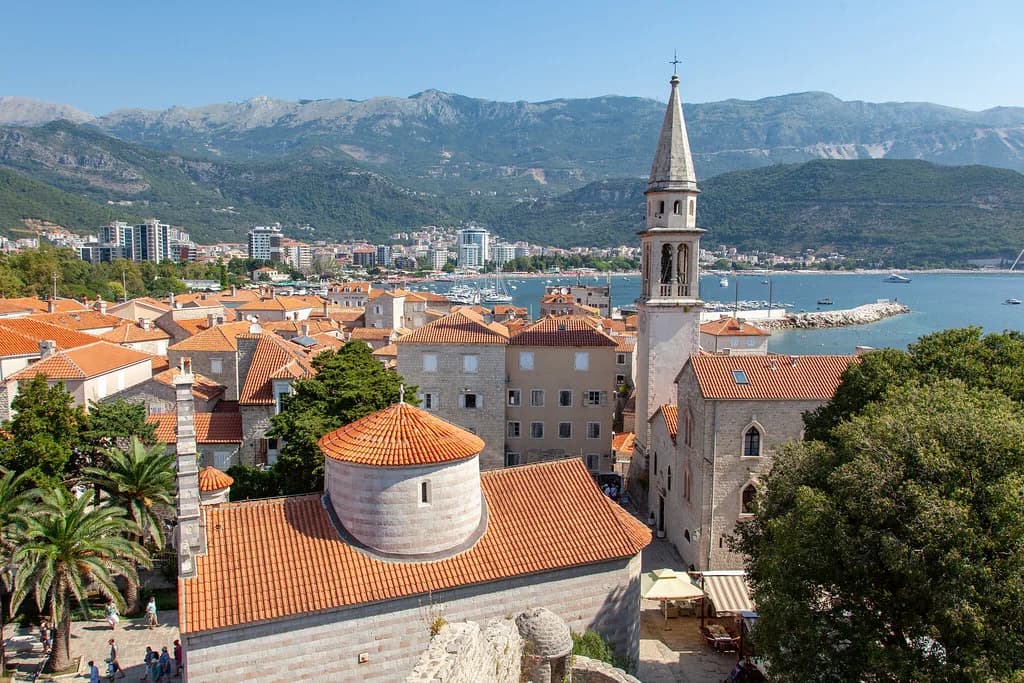
Budva's best views come from the Old Town peninsula itself. The medieval walls and the Citadel at the seaward tip give you the water, the rooftops and the new town rising behind in one sweep, and you reach both on foot without a climb. This guide sorts the viewpoints into street-level ones inside the walls and higher ones above the town, and sets out the effort each demands.
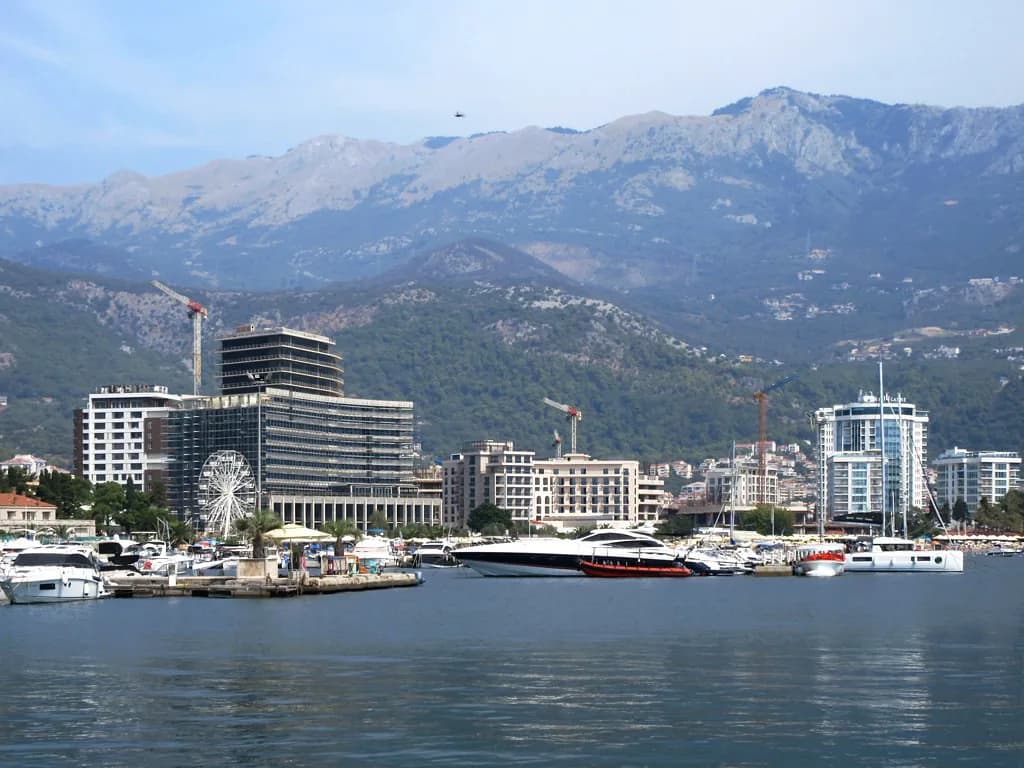
The town leads a double life, with a walled historic core on its headland and a modern resort spreading beyond it. That split is why the viewpoint question here is really about where you stand in relation to the walls, and it shapes the wider set of things to do in Budva.
What you are looking at: the peninsula, the walls and the bay
The Old Town sits on a peninsula that began as an island connected to the land by a sandy covering. The ramparts around it date from the medieval period, when the Venetians ruled this coast, and they remain the defining line of the town skyline.
That layout sets the geometry of every view. Stand on the walls and you look out to sea on one side and back over the town on the other; stand in the lanes and your view is a corridor of stone between buildings.
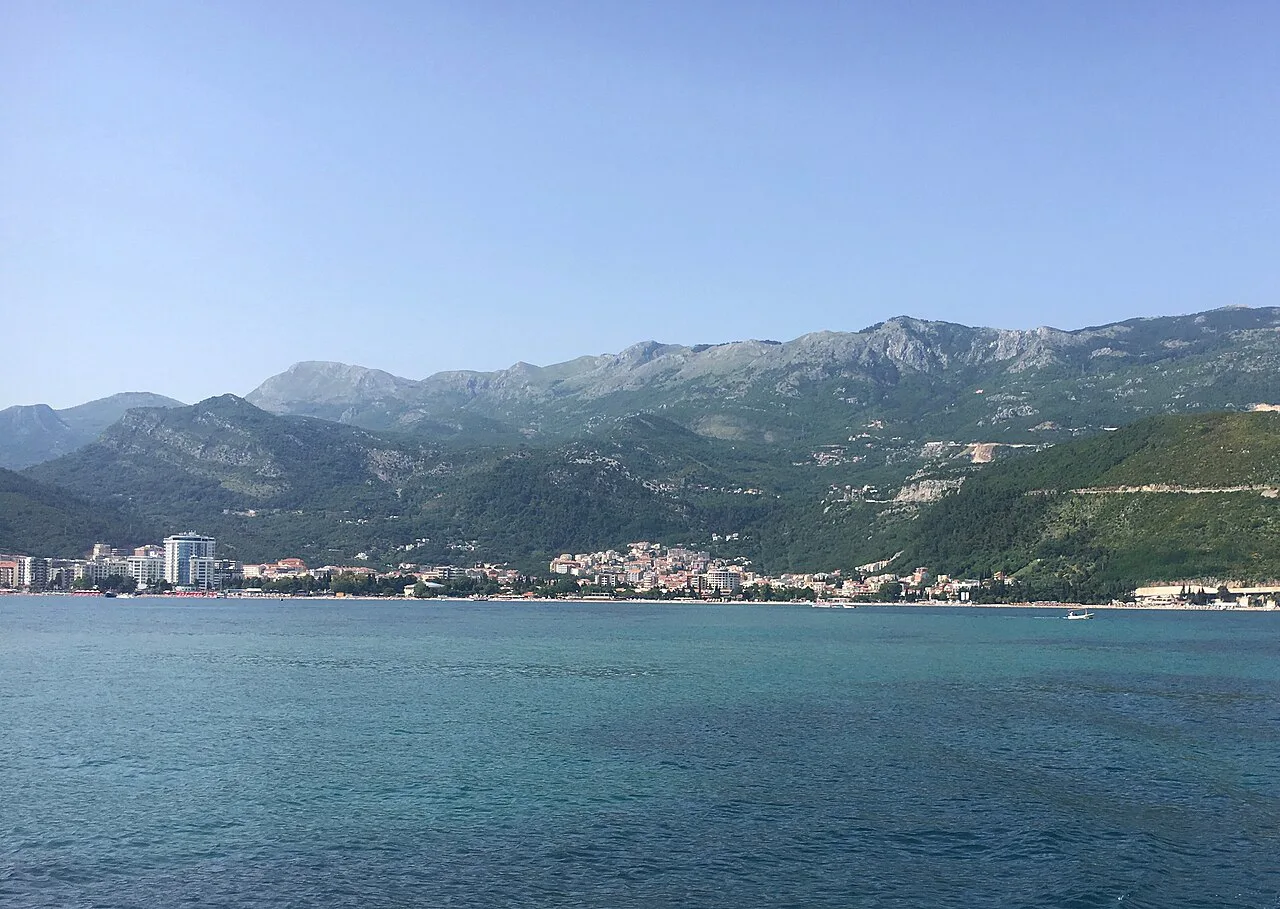
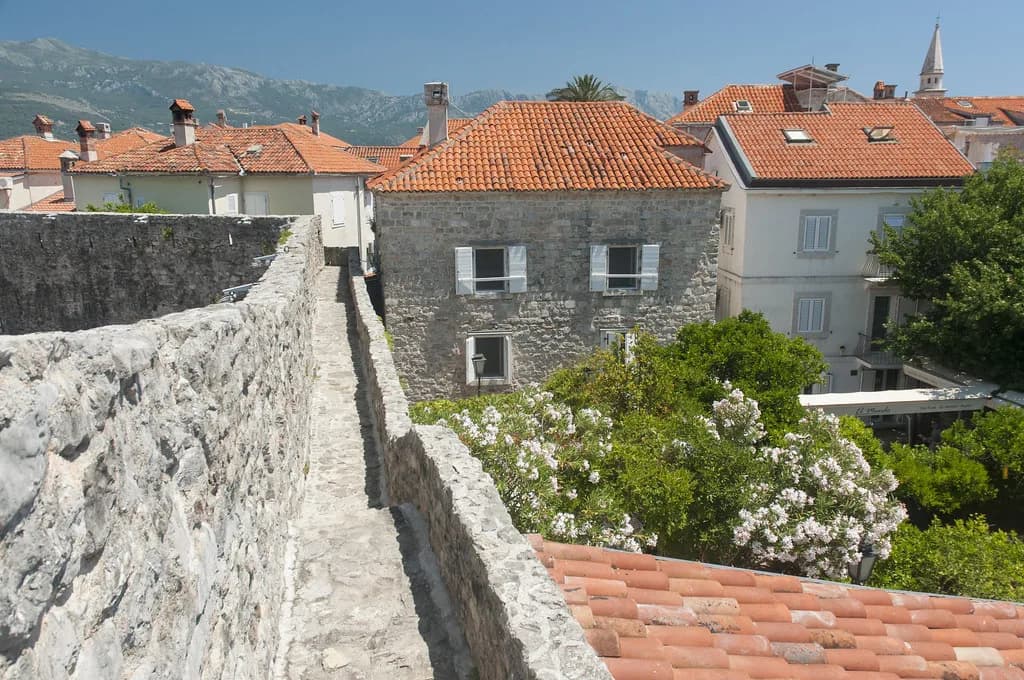
The Old Town walls and ramparts
The walls themselves are the first viewpoint, and they are an attraction in their own right. The braided streets, squares, bulwarks and towers from the late medieval period mean you meet a new angle every few dozen paces, which is why the interior can feel like a labyrinth on a first visit.
The urban core took damage in two earthquakes, in 1667 and again in 1979, so what you see overhead is a rebuilt and patched skyline rather than an untouched one. That history makes the wall walk as much a reading of the town as a photograph stop.
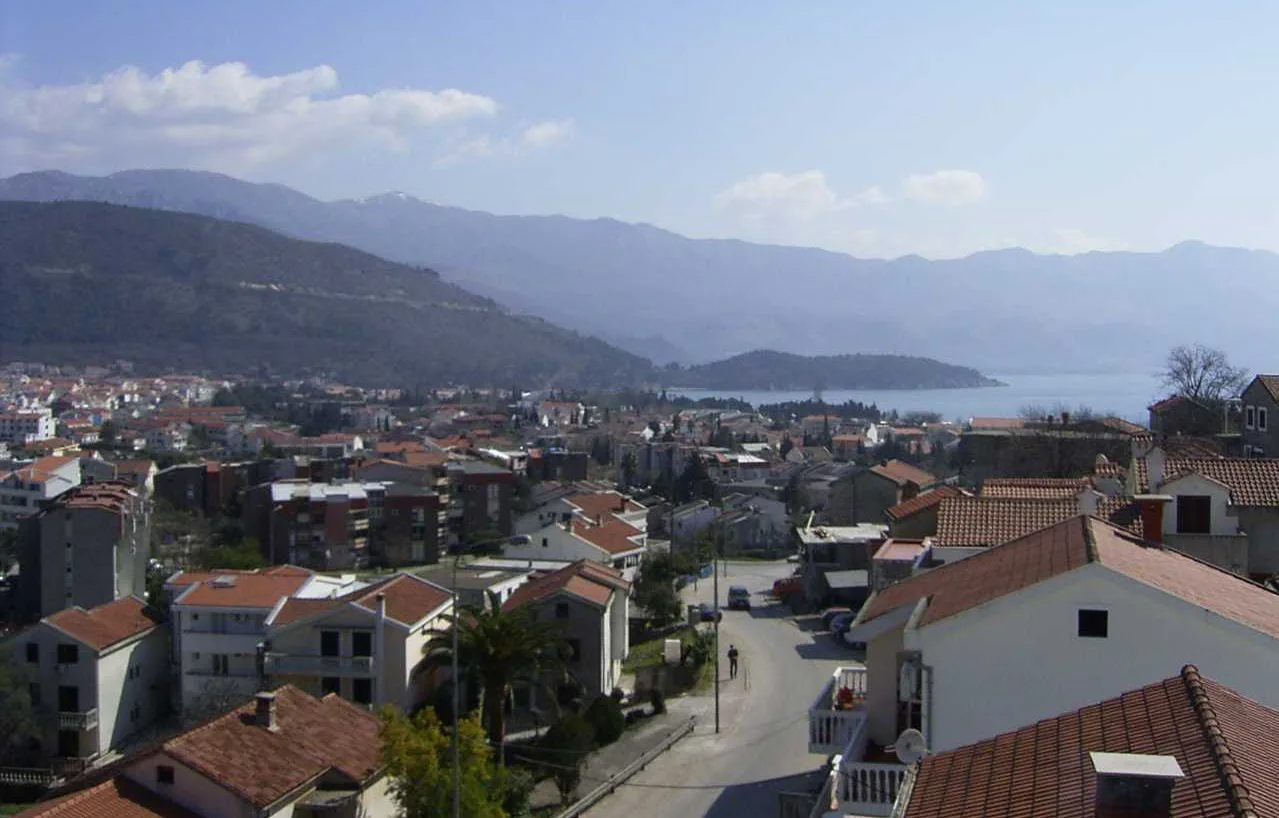
The Citadel at the tip of the peninsula
The Citadel, the fortress inside the Old Town, dates from the fifth to sixth century BC. It is not a silent ruin: it is the stage of the City theatre, so a fortress visit can collide with a performance or a set being built.
Treat the Citadel as the far end of your wall walk rather than a separate outing. The seaward tip is where the peninsula gives you open horizon on both flanks, so save it for when the light is changing.
The Citadel has no standing opening hours or entry fee published, and it doubles as a theatre stage, so check the current position with the town tourist office before you build a day around it.
Named viewpoints above Budva
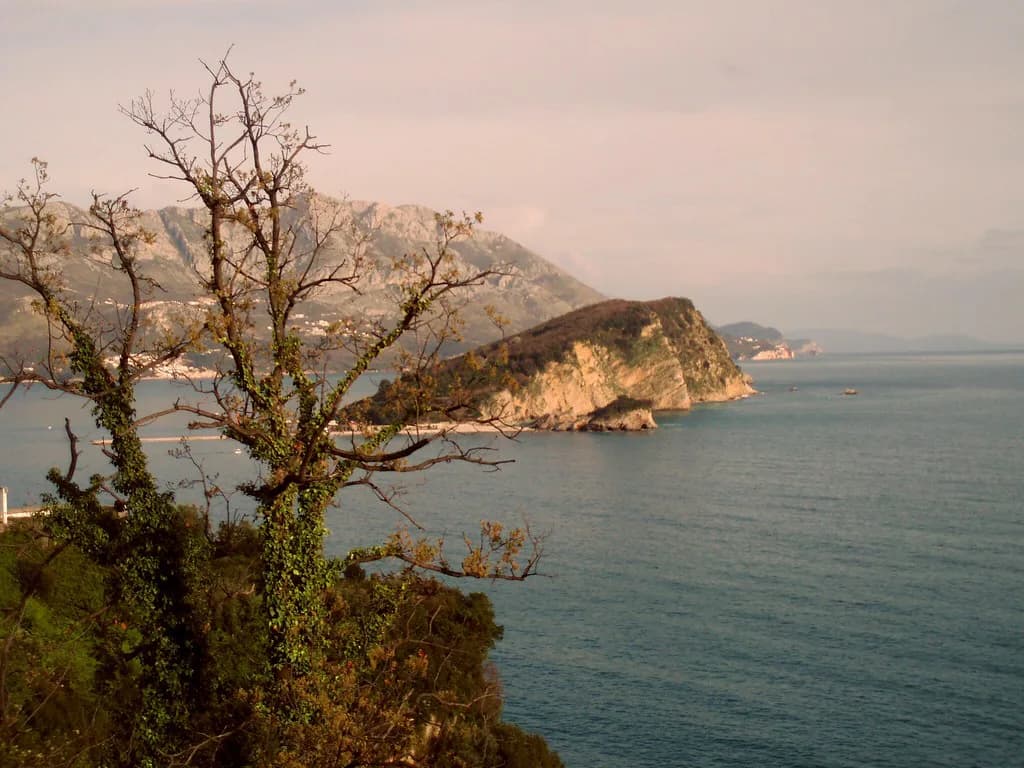
Above the town, two viewpoints appear in Budva travel coverage as names to navigate by: the Jaz Beach viewpoint, described in connection with golden sands and turquoise water, and the Vista viewpoint, which overlooks the Old Town and the coast towards Sveti Stefan. Neither comes with published access details, so treat them as landmarks rather than signposted attractions.
The coastal strip beyond Budva, towards Bečići and Sveti Stefan, is where the higher ground and the open sea views sit. That makes the hills above town a different proposition from the peninsula: you go for the wide picture, not the stone lanes.
Sveti Stefan, the walled islet settlement south along the coast, appears in the same sightlines as the Vista viewpoint. It is useful as an orientation point when you are working out which way to face.
Walking the Old Town as a viewpoint
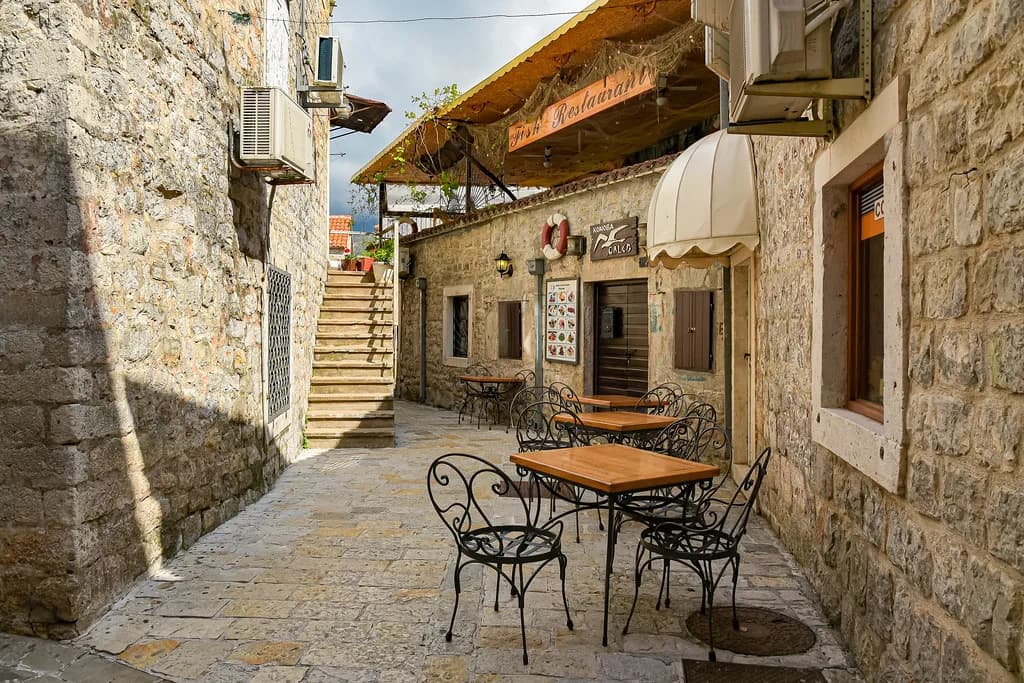
Inside the walls, the viewpoints are the squares and the church façades. The Church of Sveti Ivan (St John) is a monumental basilica with three transepts built in the seventh century, and the Church of Santa Marija from Punta dates from 840 AD, which makes them fixed orientation marks in a street plan that otherwise twists.
The Church of Sveti Trojica (Holy Trinity) from 1804 completes the trio. The Old Town holds the open-air stage of the City theatre, with literature evenings and concerts at the Poet's Square and exhibitions in the city gallery every summer, so the squares double as places to stop and look up at the surrounding stonework.
Pair the walk with the Museum of the City of Budva, which holds the finds from the Roman and Greek necropolis discovered in front of the Old Town, including a fifth-century BC Greek-Illyrian helmet. The Roman mosaic in the museum's lapidary gives you a different kind of floor-level view.
Getting up to the higher viewpoints
The on-foot versus car decision comes down to time and heat rather than distance. The peninsula is a flat walk; for the hills above Budva a car or taxi saves you a climb, and because published route and parking details for the upper viewpoints are thin, ask locally before you set out.
If you would rather pay someone else to handle the heights, a Budva boat tour covers the sea angle instead of the hill angle and keeps you off the roads entirely; our Budva map helps you fix where the waterfront starts.
Best time of day for light and crowds
Evening light is the strongest reason to time a viewpoint visit, and the promenade along the beach is where the town gathers as the day cools. That same promenade brings loud music from the cafés and the noise of nearby amusement parks, so the atmosphere cuts both ways.
This is a town awake until dawn during summer, and the coast road and lanes stay busy late. If you want the walls quiet, go earlier in the day and leave the evening to the waterfront.
What to skip if you only have an hour
With a single hour, walk the Old Town walls from the landward side to the Citadel and stop at the three churches on the way. That route gives you the harbour, the rooftops, the sea horizon and the town's main monuments in one continuous line.
Leave the hills above town and the named viewpoints out of a one-hour plan; they need transport and are a separate outing. If you still want the wide coastal picture, the seafront gives you a good share of it for no effort.
Which viewpoint should you choose?
Choose the Old Town walls and the Citadel if you want the town's own skyline, the sea and a walk that needs no transport. Choose the hills above Budva only when you have a car or a taxi and want the wider coastal sweep that takes in the coastline towards Bečići and Sveti Stefan.
Either way, build the visit around the light and the crowds rather than a fixed schedule, and leave time for a meal at one of the best restaurants in Budva after the walk.
Explore more Budva guides
Frequently Asked Questions
Where is Budva in Montenegro?
Budva sits on Montenegro's Adriatic coast, on a peninsula with a walled historic core and a modern resort spreading inland and along the shore. Sveti Stefan, the walled islet settlement, lies south along the same coast.
What can you see from the viewpoints above Budva?
The Vista viewpoint looks over the Old Town and out towards Sveti Stefan; the Jaz Beach viewpoint is mentioned alongside the golden sands and turquoise water of Jaz. Published access, parking and facility details for both are limited, so confirm the route locally before driving up.
Sources
Notes for your Montenegro trip
Optional updates to our Montenegro town guides.
You might also like
Continue reading
More guides you'll find useful