Budva Ballerina Statue: The Dancing Girl Below Mogren
The Budva ballerina statue is a bronze dancer on the rocky promenade between the Old Town and Mogren Beach. Here's where to find it and how the walk works.
On this page
Budva's ballerina statue is a bronze dancer set on a rocky outcrop beside the coastal promenade that runs from the Old Town towards Mogren Beach. It takes minutes to see, costs nothing to look at from the pavement, and works best folded into that walk rather than treated as a trip in itself. This guide gives the route, the timing and the nearby stops that make the detour worthwhile.
What the ballerina statue actually is
The figure is a bronze statue of a dancer, mounted on the rocks between Budva's old town and Mogren Beach so that it is visible from the pavement rather than from a museum room or a paid viewpoint. Travel guides list it simply as a monument in Budva, which is a fair calibration: it is one object on a coastal path, not a site with facilities, queues or a ticket desk.
Treat it as a roadside stop. You will spend longer walking to it from the old town than you will standing in front of it, so plan it as one link in a promenade stroll towards Mogren Beach. Anyone expecting an exhibition or an interpretation centre will be disappointed; anyone walking the coast anyway gets a good photograph for no effort.
Where exactly it stands
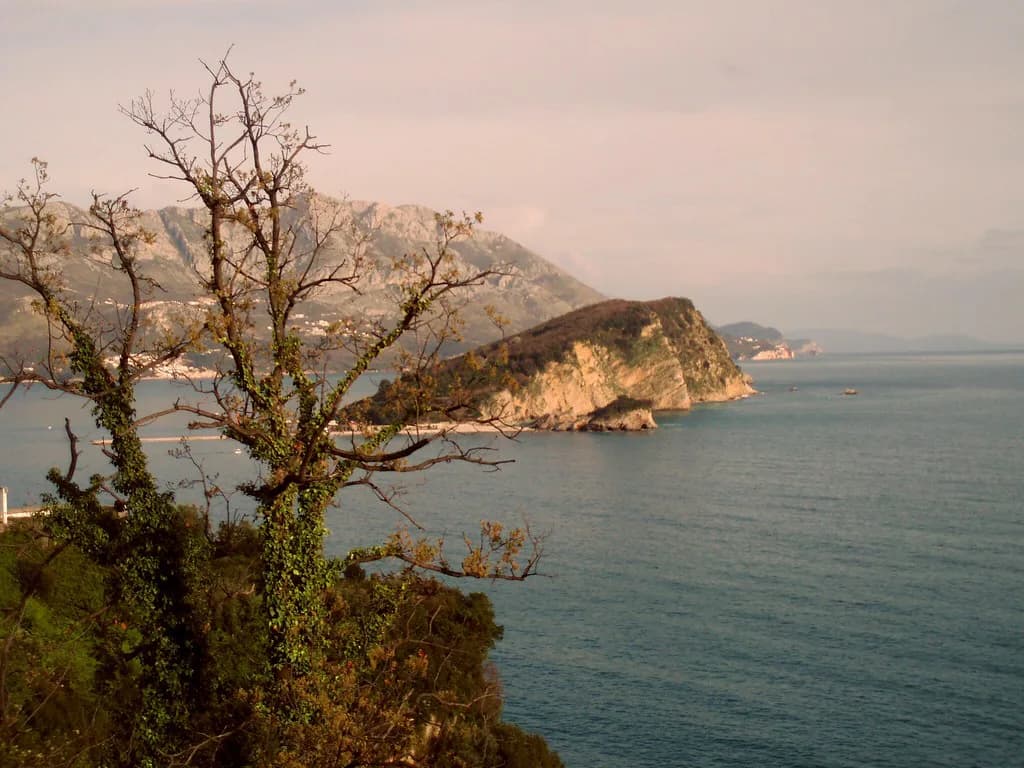
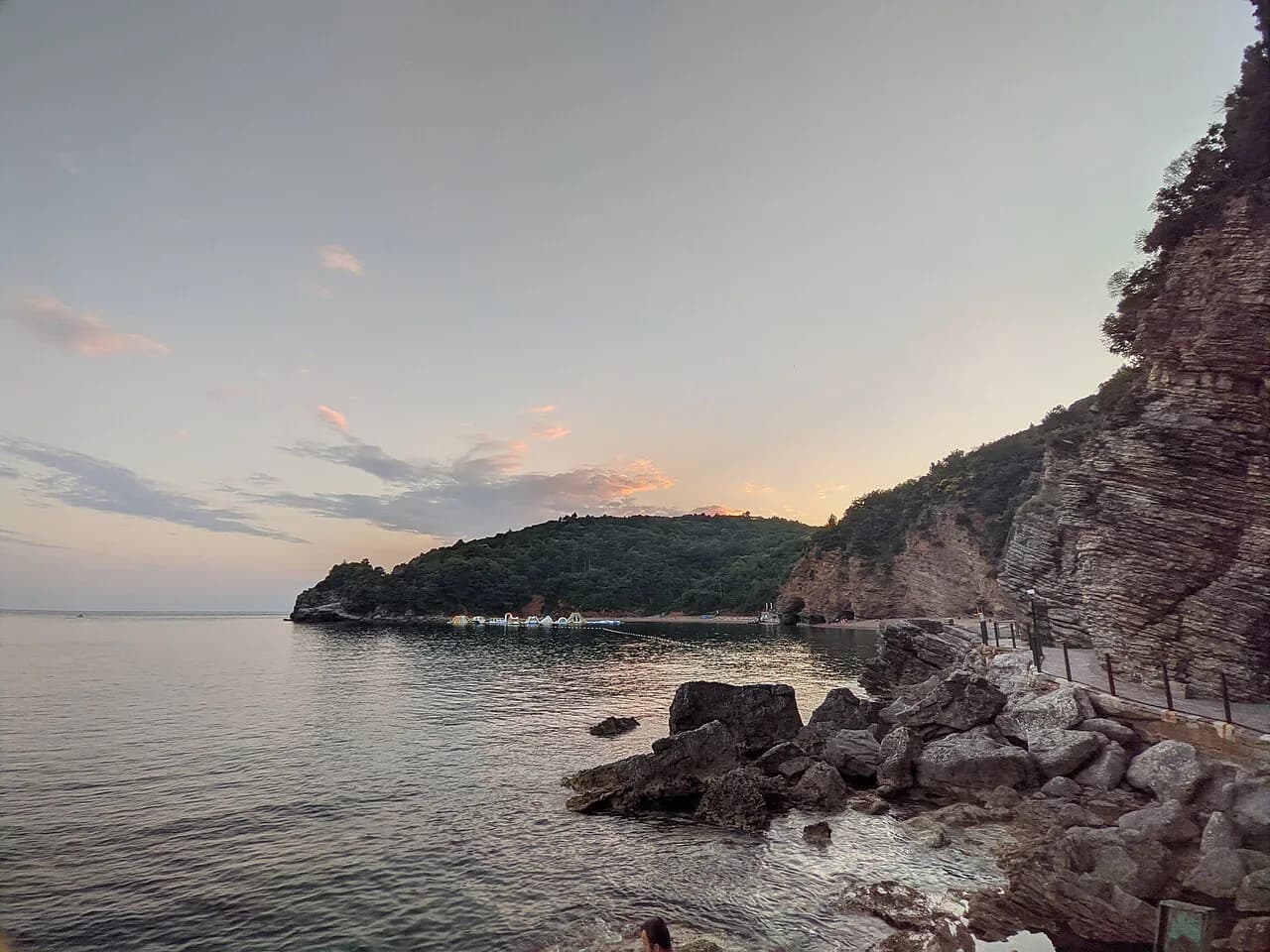
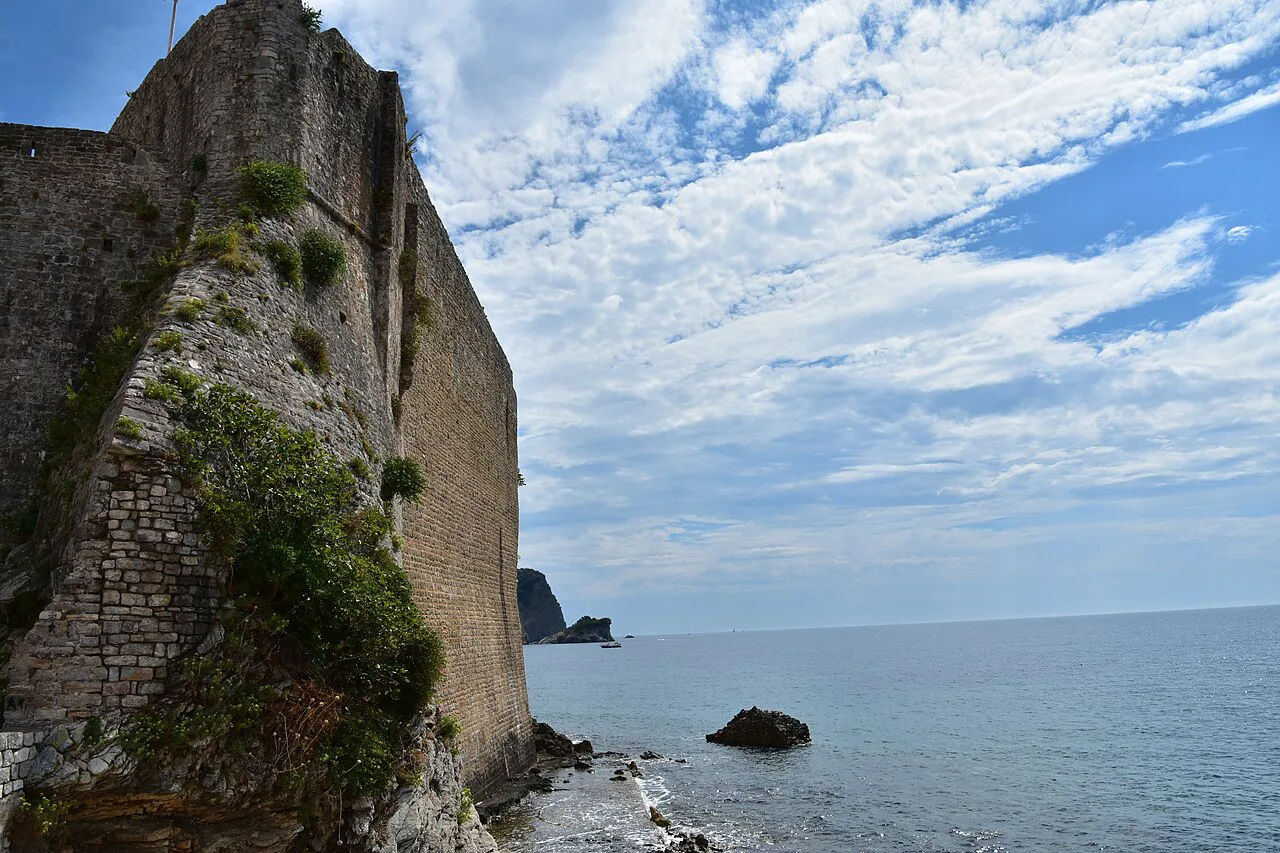
The statue sits on a rocky outcrop along the coastal promenade between the Old Town and Mogren Beach, which makes the pavement itself the viewing point. You do not need to leave the path or pay to enter anywhere to see it.
In practice, you leave the walled streets at the seaward side and turn towards Mogren, keeping the water on your right if you are heading south. The statue appears below the level of the path on the rocks, so watch the shoreline rather than the shopfronts. A Budva map helps on the first pass, because the old town's lanes give no sightline to the coast until you are nearly out.
The walk from the Old Town to the statue and Mogren
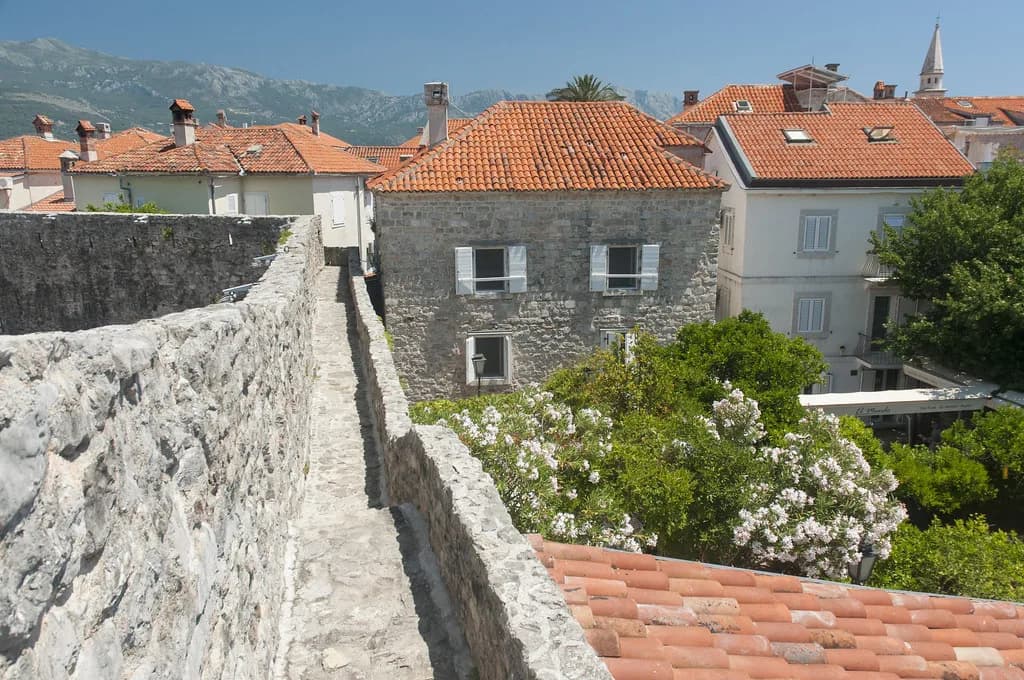
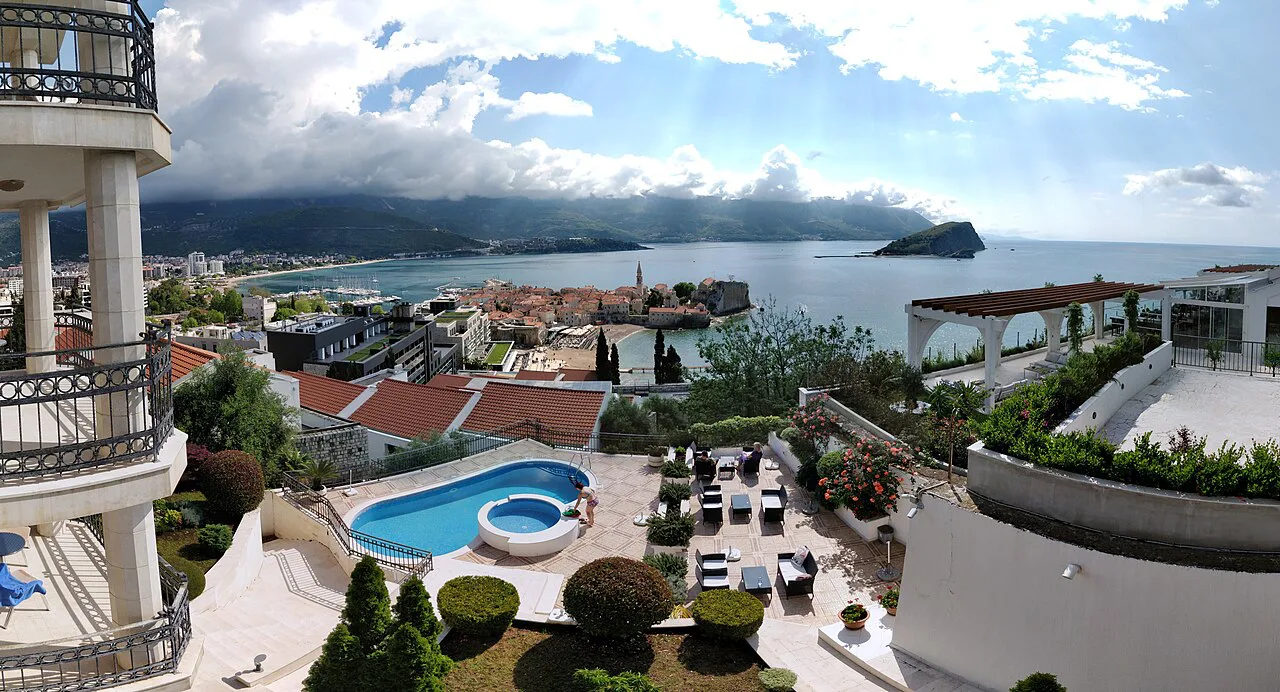
Start inside Budva old town, where the Venetian walls close the streets off from the sea, and work your way to the exit that opens onto the coastal path running south. From there the route is straightforward: follow the pavement towards Mogren Beach and the statue comes up on the rocks before the beach itself.
The advantage of doing it in this order is that the statue becomes a waypoint on a single continuous walk rather than a separate errand: old town lanes, coastal pavement, statue, then the Mogren path and the beach. Turn round at the statue and you have seen the main sight of the promenade in one direction; carry on and you add the beach walk. For the wider set of options in town, see the guide to things to do in Budva.
How long to allow and when to go
Allow the statue itself five to ten minutes, including a photograph from the pavement. The walk from the old town to the statue and back is a short stroll, so most visitors will pair it with something else rather than build an afternoon around it. If you are already heading to Mogren Beach, the stop adds nothing to your route at all.
Timing matters more than duration. The coastal path towards Mogren is the busiest stretch in Budva in high summer, and it fills up when the town is crowded, so early morning and late afternoon give you a calmer pavement and better light on the bronze. Midday in July and August means heat with no shade on the exposed sections, and you may be sharing the viewpoint with a steady stream of people walking to and from the beach.
The Copenhagen reference and the story behind it
The statue is a bronze dancer which, viewed from the pavement between Budva's old town and Mogren Beach, makes a reference to Copenhagen's Little Mermaid. That comparison is the useful way to read it: a solitary figure on the water's edge, seen in passing, with the town behind you.
The same account frames the figure around a goddess of love and loyalty theme, which is where the romantic reading of the ballerina comes from. Beyond that framing, keep your expectations modest: there is no visitor centre, no plaque trail and no scheduled anything at the site. Say what you see, take the photograph, and move on along the coast.
Practical points for the visit
You view the statue from the pavement, so there is no ticket to buy and no opening time to plan around. That also means there are no facilities at the spot itself: no bench, no shade and no vendor. Bring water in summer, and treat the stop as a pause on a walk rather than a place to linger for an hour.
The rocks below the statue are not a viewing platform. Stay on the path, take your photographs from the pavement and save the scrambling for the beach. The path itself is the sight, and the statue is the reason to look up from it.
What pairs with the statue: walls, Citadela and Mogren
The obvious pairing is the Old Town itself, whose walls you have just walked out of, followed by the Citadela at the seaward corner, then the promenade to the statue and on to Mogren Beach. Doing the walls and the Citadela first puts the statue at the end of a single loop back into town, which suits a half-day.
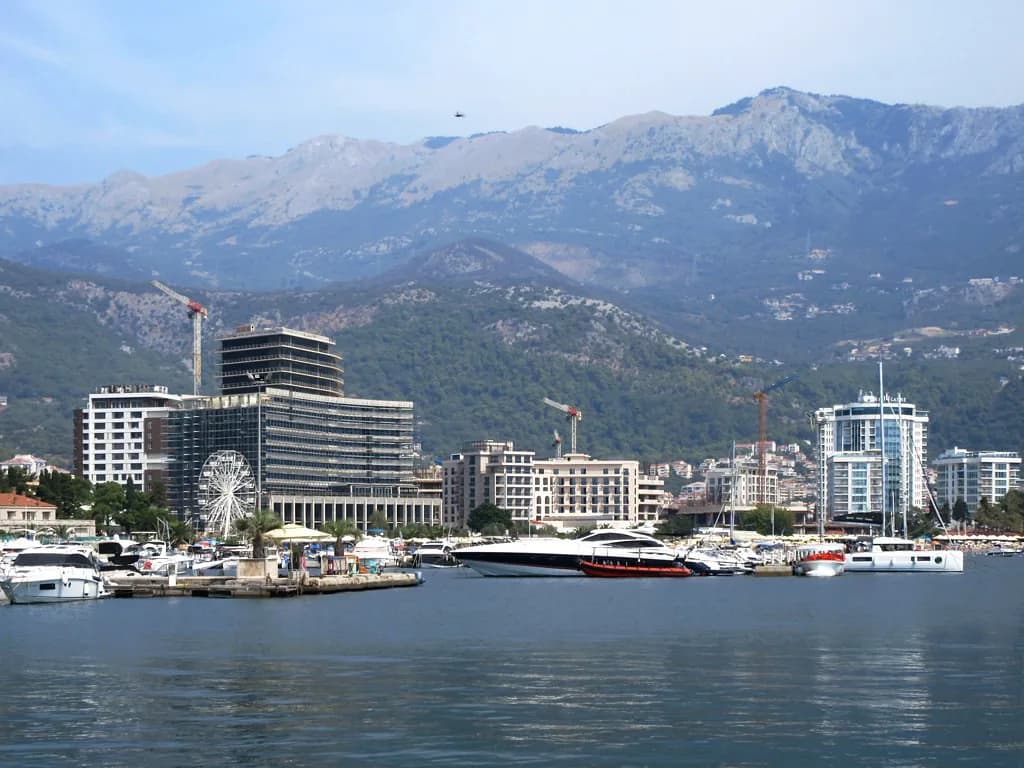
If you want more coastal wandering after Mogren, the riviera path continues beyond Budva, and boat trips leave from the town's harbour for the water view of the same shoreline. Neither is required to see the ballerina, but both make sense if the statue has whetted your appetite for the coast rather than satisfied it.
Should you walk to the ballerina?
Yes, if you are already heading from Budva's old town towards Mogren Beach, because the statue is on the pavement route and adds nothing to your distance. No, if you were planning a trip across town for it alone: it is one bronze figure on the rocks, seen in minutes and free from the path.
Build the walk around the Old Town, the walls and the Citadela, keep the promenade for early morning or late afternoon, and let the ballerina be the punctuation rather than the paragraph. Check the weather before you set out, since the path is exposed, and take the stop for what it is: a good photograph on a good walk.
Explore more Budva guides
Frequently Asked Questions
Can you see the Budva ballerina statue without paying?
Yes. The statue stands on rocks beside the coastal promenade between the Old Town and Mogren Beach and is viewed from the pavement, so there is no ticket desk or entrance to pass through. You simply walk the coastal route and look towards the shoreline.
How do you reach the statue from Budva Old Town?
Leave the walled streets on the seaward side and follow the coastal pavement south towards Mogren Beach. The statue appears on the rocks below path level before you reach the beach, so watch the shoreline rather than the buildings.
Is the ballerina statue near Mogren Beach?
It stands on the promenade route between the Old Town and Mogren Beach, which makes it a natural stop on the walk to the beach rather than a separate outing. Most visitors see it on the way there or back.
Sources
Notes for your Montenegro trip
Optional updates to our Montenegro town guides.
You might also like
Continue reading
More guides you'll find useful