Church of the Holy Trinity, Budva: What to See Inside
The Church of the Holy Trinity in Budva old town: where it sits on Starogradska Square, the 1833 iconostasis painted by Naum Zetiri, and what to look for inside.
On this page
Budva's churches come down to one short visit inside the walls: the Church of the Holy Trinity is a working Orthodox church in the heart of the old town, and it is the building to seek out if you have half an hour. Allow 15 to 20 minutes inside, then fold it into a wider walk through the lanes. This guide covers where the church sits, what to look for inside and outside, and the monasteries scattered around Budva if you want to go further.
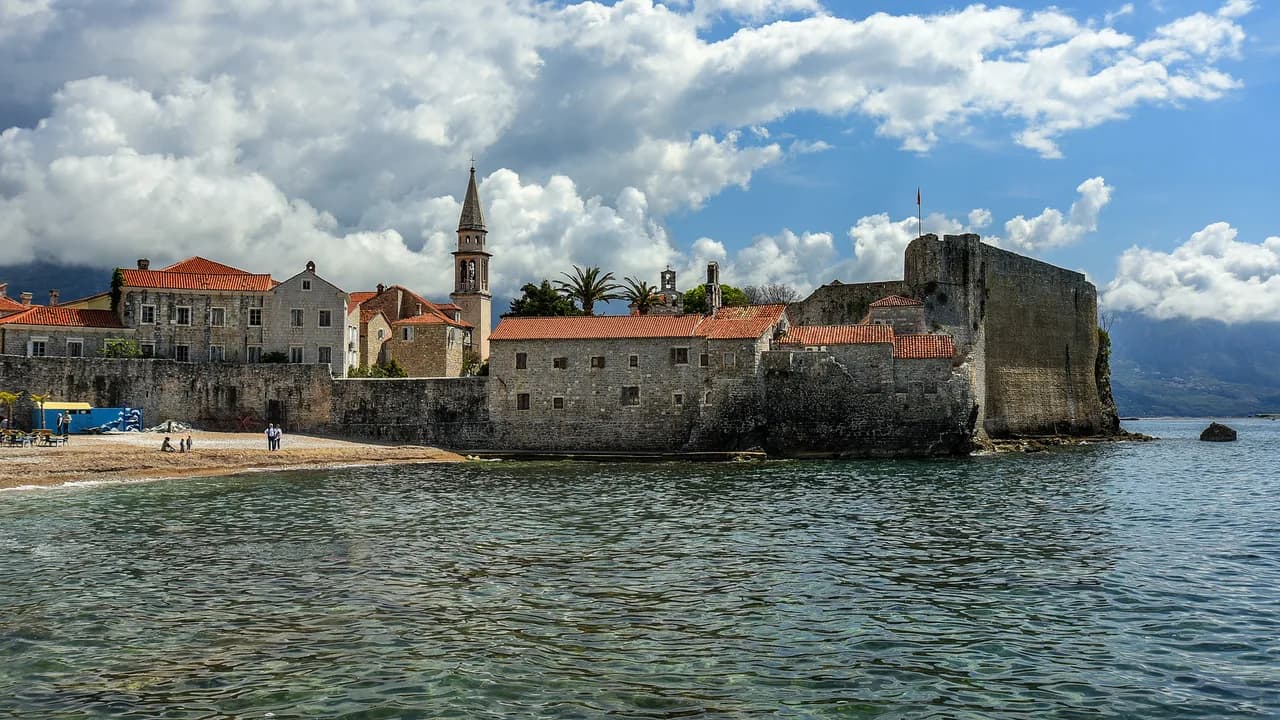
The church is easy to place once you are through the gates: the old town is compact, and the church stands on Starogradska Square opposite the Archaeological Museum, close to the Citadel. If you are still working out how the walls, gates and squares fit together, our guide to things to do in Budva sets the church visit alongside the rest of the day.
The Church of the Holy Trinity: the short answer
The church inside Budva's old town that repays a stop is the Church of the Holy Trinity, listed as a church in Budva in the Orthodox World directory of churches there. The rest of the town's church landscape is monastic, spread across the Budva municipality rather than the walled centre. Treat Holy Trinity as the church to see on foot and the monasteries as separate outings.
The directory that catalogues Budva's religious sites returns a list dominated by monasteries, with them tied to places such as Bečići, Petrovac and Budva itself. That spread tells you how to plan: a compact old-town visit for the church, and a car or bus trip out for anything monastic. If the beach villages are on your list anyway, Bečići makes a practical base for the northern monasteries.
The Church of the Holy Trinity in Budva old town
The Church of the Holy Trinity stands in the old part of Budva near the Citadel; its construction is dated to the stretch from 1798 to 1904. That long construction period explains why the fabric reads as a patchwork of campaigns rather than a single design. Look at the outside walls before you go in, because the building itself carries much of the story.
The church is a working Orthodox temple, not a museum piece, so people come and go for prayer as well as curiosity. Plan your look around anyone lighting a candle or standing quietly, and keep voices low near the icon screen. That single piece of awareness makes the visit better for everyone, yours included.
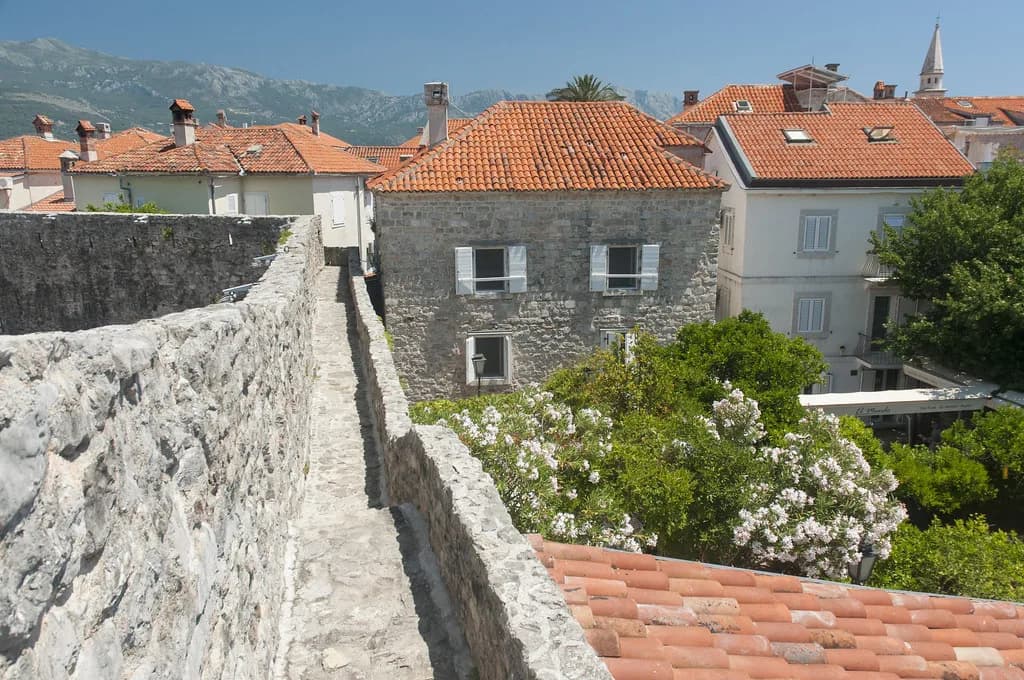
If you want the building's setting explained properly, our walk through Budva old town covers the gates, squares and Venetian walls that frame it. Pairing the two means you arrive at Starogradska Square already knowing what you are looking at.
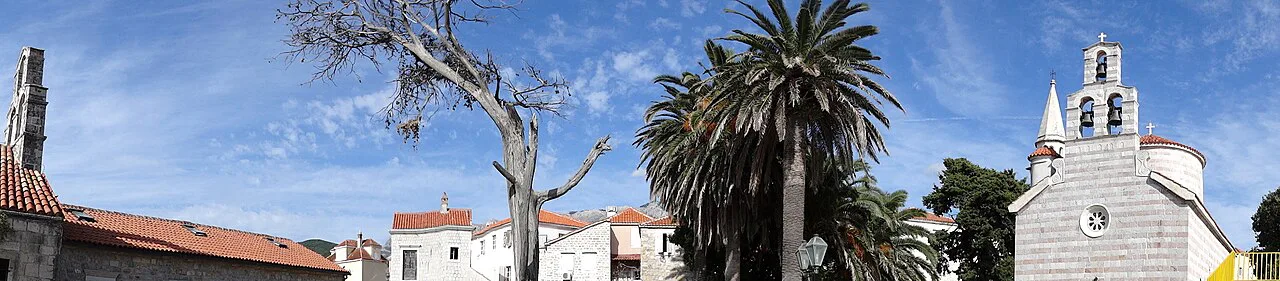
Where it sits: Starogradska Square, opposite the Archaeological Museum, near the Citadel
You will find the Church of the Holy Trinity on Starogradska Square, directly opposite the Archaeological Museum and near the Citadel. Those two landmarks are the easiest way to fix the church in your mind before you set off. Enter the walls, head for the square, and the church is on you before you have had to consult a phone.
Because the church, the museum and the Citadel share the same corner of the old town, you can stack them into one circuit. Give the church its 15 to 20 minutes, then decide whether the museum or the Citadel merits the rest of the hour. If you want a flat overview of what else fills the Stari Grad, our Budva attractions guide keeps the choices in one place.
What to look for inside: the iconostasis painted by Naum Zetiri in 1833
The focus inside is the tall iconostasis, painted in 1833 by Naum Zetiri, described as a Greek icon painter. Stand back far enough to take in the whole screen, then step closer to pick out individual panels. The painted screen is the reason to come in rather than simply photograph the doorway.
Beyond the iconostasis, look at how the interior is ordered around it: the screen divides the nave from the sanctuary, and the arrangement of icons and lamps follows that division. Knowing that saves you from wandering without a focus. Give the side walls and ceiling a slow scan too, since smaller painted details often sit away from the main screen.
If you are building a day around the town's sights, keep the church early and leave the afternoons free for the coast. A Budva boat tour or an hour on the water makes a natural contrast to a quiet interior, and you can slot either around the church visit.
Why the church looks the way it does: white and red stone banding in Byzantine style
From outside, the church is described as a Byzantine-style building faced in alternating bands of white and red stone, a detail worth knowing before you arrive. Walking the lanes, the banding makes the church stand out from the plain stone around it, so you can spot it from across the square. Circle the exterior once before going in.
For context on how this building fits the town's long story, our Budva history page fills in the wider timeline without turning the visit into a lecture. Read it before you go and the stonework will make more sense when you are standing in front of it.
How long a visit takes and when to go to avoid the midday crush
Budget 15 to 20 minutes inside the Church of the Holy Trinity, or a little longer if the iconostasis holds you. That is a church stop, not a morning's outing, so treat it as one component of a walk rather than a destination in its own right. Adding the museum opposite and the Citadel nearby fills a comfortable hour.
Go early or late in the day if you want the interior closer to yourself: small churches feel crowded quickly once the old town is busy in the middle of the day. The church is a small space, so a quiet half-hour matters. Check the position of the sun on your route with the Budva map if you want shade on the walk between stops.
If you are staying outside the centre, walk in from the Rafailovići end of the riviera and reach the walls before the coaches do. Morning light on the stone also suits the white and red banding.
The monasteries in the Budva area worth knowing about
The monasteries around Budva are separate places, some in Budva itself and others in outlying villages, and they are best treated as a short drive or bus trip rather than a stroll. The directory lists Monastery Podmaine in Budva, Monastery Stanjevici, Monastery Praskvica, Monastery Rustovo and Monastery Pastrovska Gora, among others, spread across the municipality. As our own pick, Podmaine and Praskvica are the two names to start with if you only have time for one.
Monastery Rezevici sits at Petrovac, a different base entirely, so do not fold it into a Budva morning. Plan monastery visits with the riviera in mind and check how you will get there before you set out. Our Budva Riviera Guide keeps the geography straight.
Practical points: dress and behaviour inside an Orthodox church in use
The Church of the Holy Trinity is an active Orthodox place of worship, so dress and behaviour should follow that rather than a tourist attraction. Dress modestly, covering shoulders and knees, and keep voices low inside. Photography is common, but a silent phone and a respectful manner matter more than the shot.
If a service is under way when you arrive, wait at the back or come back later rather than walking through the middle. That is simple courtesy, and it keeps the visit pleasant for the people there to pray. Check the notice at the door for anything the parish asks of visitors on the day.
Do the church first, then the coast
The Church of the Holy Trinity is a short, focused stop: find it on Starogradska Square opposite the Archaeological Museum, look closely at the 1833 iconostasis, and step back out into the old town within half an hour. Build the rest of the day around it rather than the other way round. If you want a viewpoint to close the afternoon, our Budva Viewpoints page has the options.
Eat afterwards rather than before, since the old town is at its best once the midday crowds thin. Our guide to the best restaurants in Budva covers where to sit within the walls.
Explore more Budva guides
Frequently Asked Questions
Is the Church of the Holy Trinity Catholic or Orthodox?
It is an Orthodox church in use, listed among Budva's Orthodox churches in the Orthodox World directory. Expect a working parish rather than a museum, with an iconostasis dividing the nave from the sanctuary.
How much time should I give the church?
Set aside 15 to 20 minutes. That is enough to see the iconostasis painted by Naum Zetiri in 1833, look around the interior and step back onto Starogradska Square, with the Archaeological Museum and the Citadel close enough to add next.
Can I visit the monasteries near Budva on foot from the old town?
No, they are separate places across the Budva area, some in Budva itself and others in villages such as Bečići and Petrovac. Plan a drive or bus trip rather than a walk, and check transport before setting out.
What should I wear to visit the church?
Dress modestly, covering shoulders and knees, following the norms of an Orthodox church in use. Keep your voice low and avoid walking through the centre of the church during a service.
Sources
Notes for your Montenegro trip
Optional updates to our Montenegro town guides.
You might also like
Continue reading
More guides you'll find useful