King Nikola Museum, Cetinje: The Palace in the Old Royal Capital
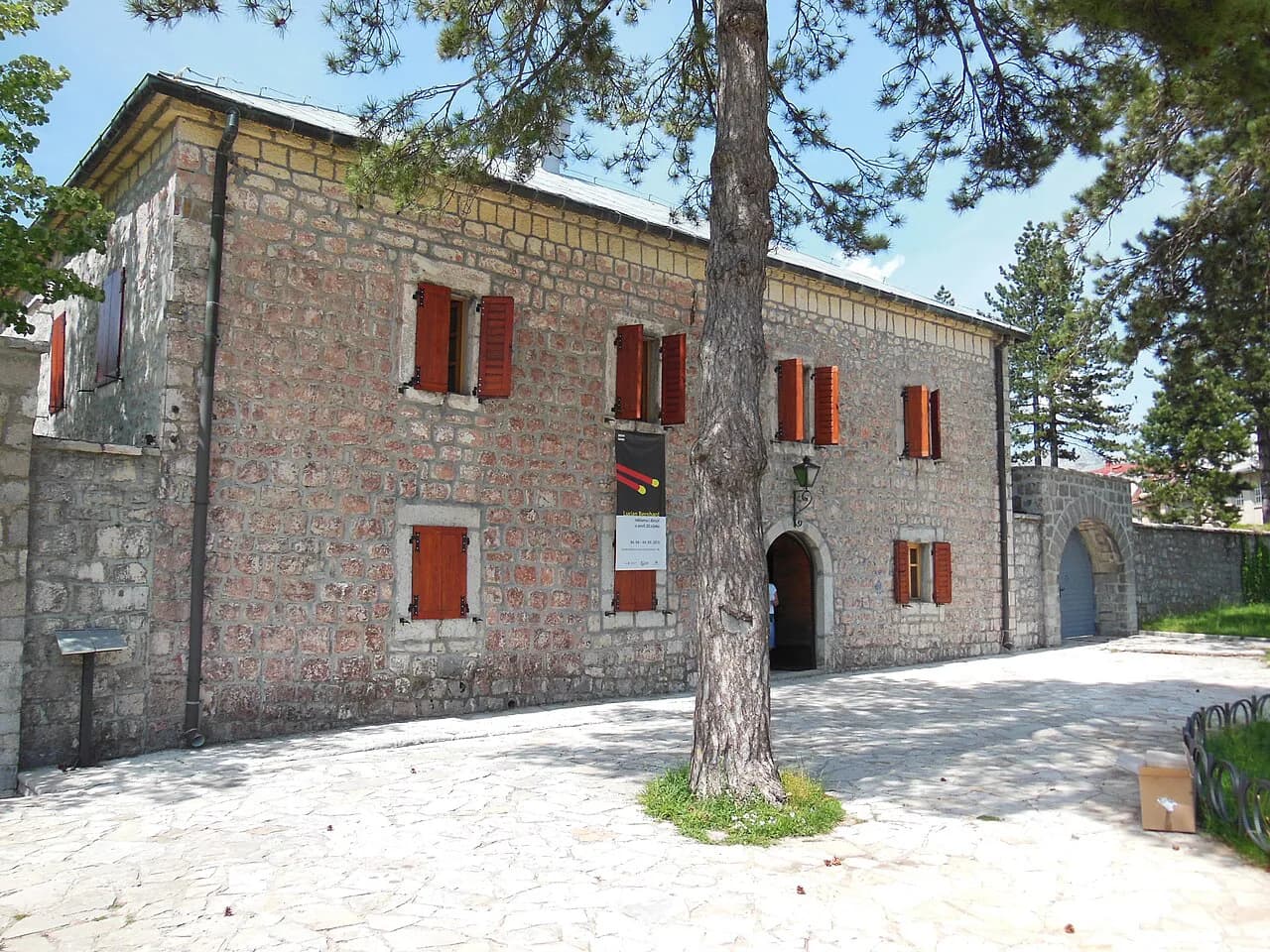
The King Nikola Museum sits in King Nikola's Palace in Cetinje's historic core. How the royal palace fits a walk past the monastery, Cipur and the old embassies.
On this page
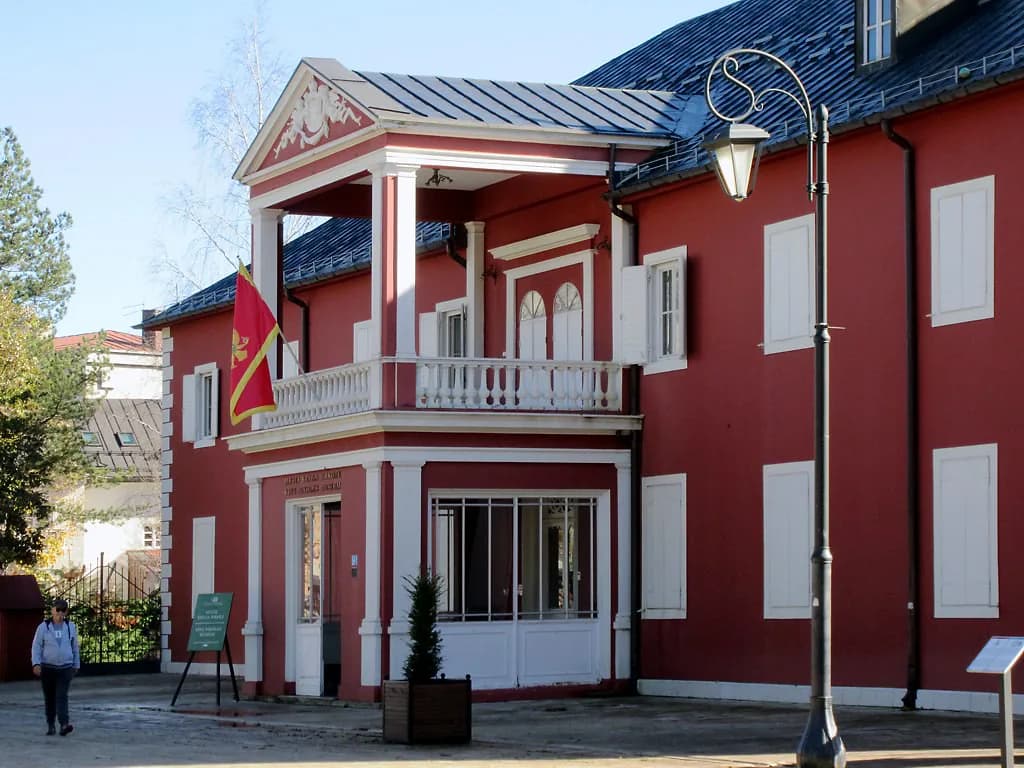
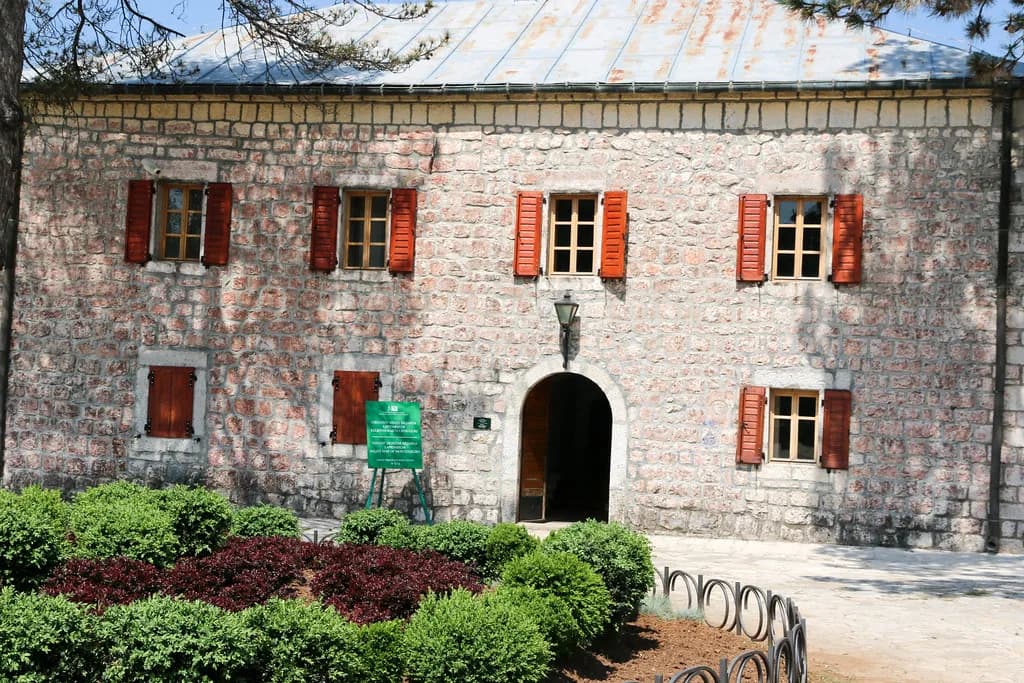
The King Nikola Museum is housed in King Nikola's Palace in Cetinje, a royal building that sits within a few minutes' walk of the monastery, Biljarda and the former embassy buildings of the historic core. Rather than a standalone sight, it works best as one stop on a walk: the palace belongs to the royal chapter of the town, while the streets around it carry the rest of the story. This guide sets out where the palace sits, what surrounds it and how to reach Cetinje from the Bay of Kotor coast.
Where the King Nikola Museum sits in Cetinje's historic core
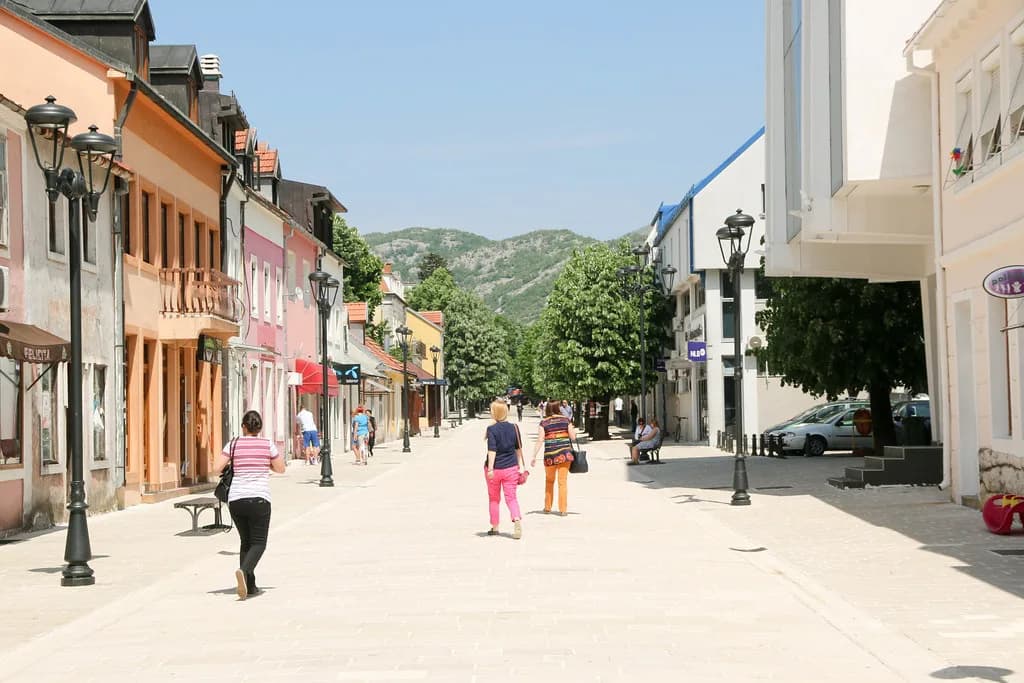
The palace stands in the centre of Cetinje, inside the area designated the Cetinje Historic Core, which is classed among the country's First category cultural monuments. That matters practically: you can leave the museum and reach several other sights on foot rather than planning separate trips. The old royal capital is a small, walkable town, and the historic core is where the diplomatic and court buildings cluster.
Cetinje lies in a limestone basin ringed by steep hills, between the Bay of Kotor to the west, the Budva riviera to the south and the Skadar Lake basin to the east. That enclosed setting is why the town feels like a single compact centre rather than a sprawl, and why a walk between the palace, the monastery and the museums takes minutes. Set aside the map and treat the core as one loop.
King Nikola and the palace as a museum
The building is known in English as King Nikola's Palace, and it is associated with King Nikola I, who reigned from 1910 to 1918. Read the palace as a royal residence rather than a gallery of state treasures: its interest is the court that shaped the town around it, so approach it as the setting for Cetinje's royal period rather than as a checklist of exhibits.
Cetinje's role as capital is the context for the palace. Since 1946 the official capital of Montenegro has been Podgorica, formerly Titograd, while Cetinje kept its standing as the country's cultural and spiritual centre. That split explains the town's quiet atmosphere: it holds the ceremonial and museum layer of the state without the daily traffic of government. Understanding this makes the palace visit read as history rather than as a working seat of power.
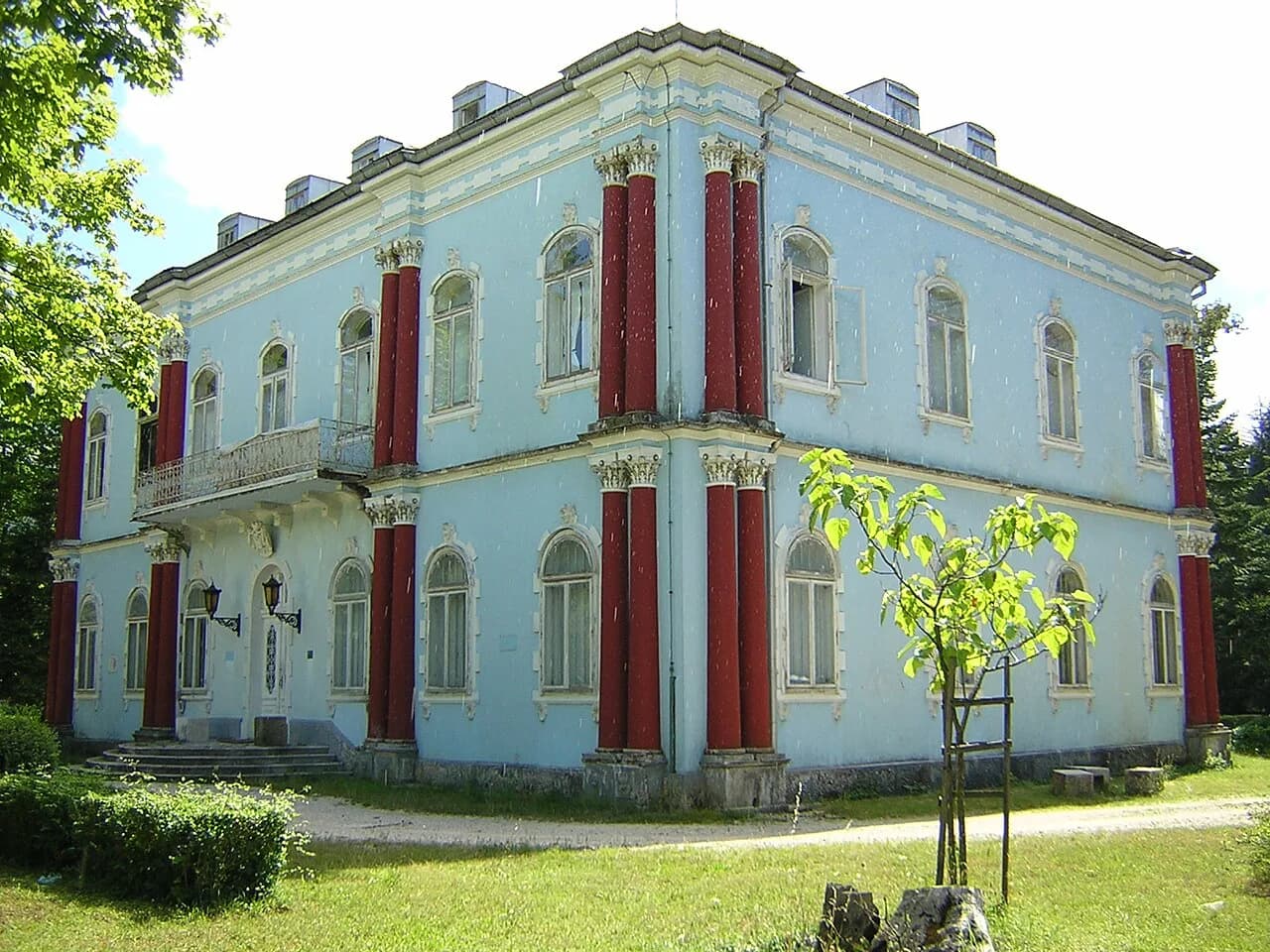
The palace's neighbours tell the same story. After Montenegro's sovereignty was recognised at the Congress of Berlin in 1878, countries including Italy, France, Russia and Britain opened representative offices in Cetinje, and their buildings still line the streets nearby. Several now have new uses: the former Italian embassy is the Central National Library Đurđe Crnojević in Nova Varoš, the former French embassy has served the National Library since 1949, and the former Russian embassy has been the Faculty of Fine Arts since 1988. Walking from the palace past these facades turns a single museum stop into a short architectural survey of the royal period.
Choosing between the royal residence and the town's museums
The palace is the personal, royal strand of Cetinje's story, while the town's wider museums supply the broader arc of Montenegrin history and culture. If your time in Cetinje is limited, decide first whether you want the royal residence or the wider collections, and build the rest of the walk around that choice. The museum quarter of the town is compact enough to combine both on foot.
The other town museums are covered in the guide to the museums of Cetinje, which sets out what else the old royal capital holds beyond the palace. Use it to weigh the royal residence against the town's other collections when you are planning the order of your walk.
The Court Church and the Cipur remains nearby
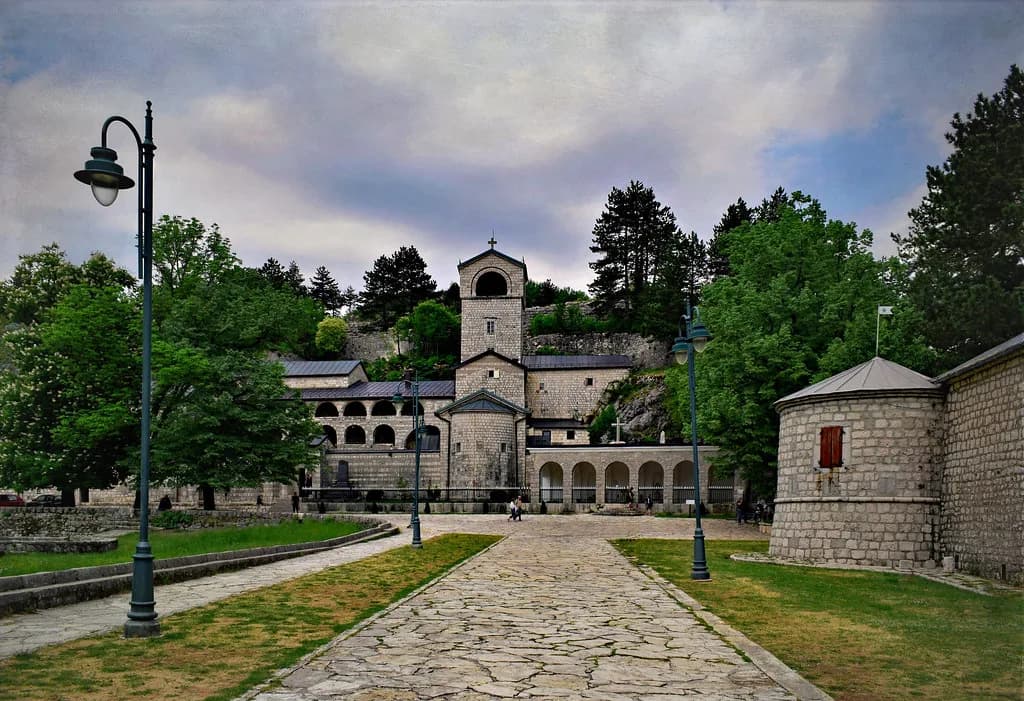
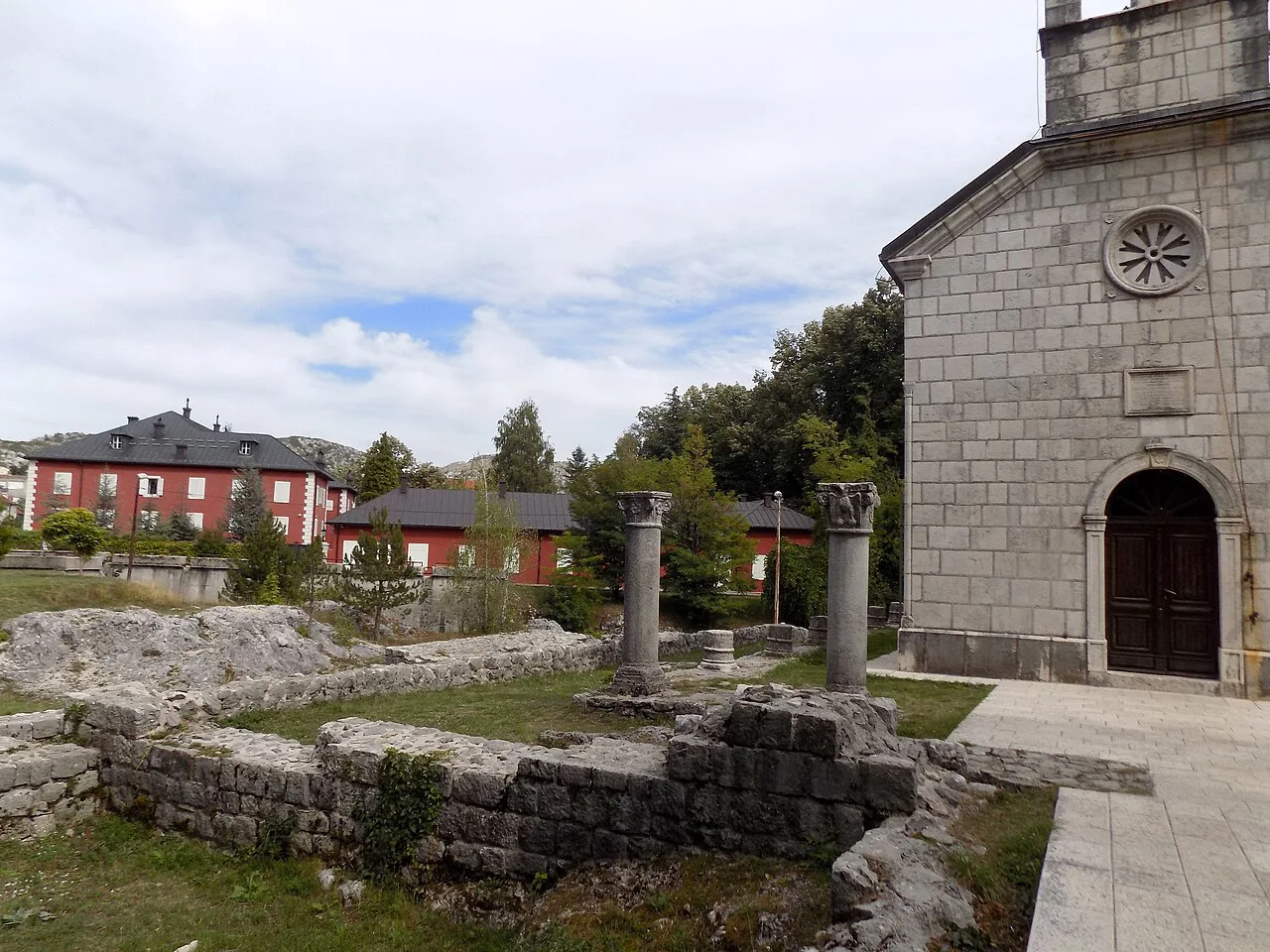
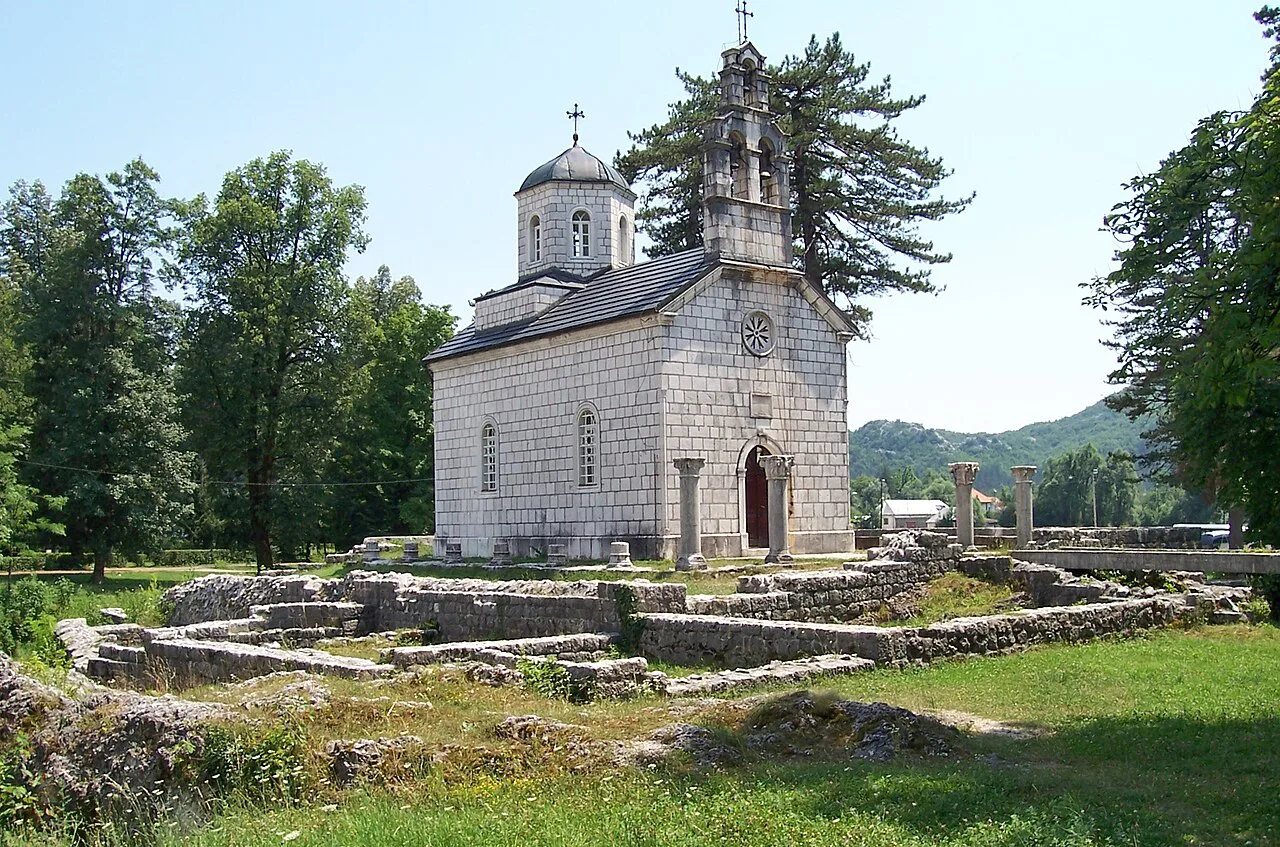
Near the palace, the remains of Crnojević Monastery stand on the site known as Cipur, between the Cetinje monastery, Biljarda and King Nikola's Court. Ivan Crnojević built the original monastery in 1484 as the residence of the Zeta Metropolitanate, and part of its footprint now carries the Court Church, built by King Nikola. Seeing the palace and this patch of ground together shows how tightly the royal and religious strands of Cetinje were woven.
The Court Church holds the graves of King Nikola and Queen Milena, whose remains were brought back from San Remo and buried here in 1989. That return is worth knowing before you walk in, because the church is modest in scale and easy to pass quickly. Pair it with a look at the working Cetinje Monastery further along the same walk.
Biljarda sits in the same cluster of buildings as the palace and the Court Church, so they can be seen in a single sweep without crossing town. If you are choosing how to order the morning, start at the monastery, walk through Cipur and the Court Church, then finish at the palace.
How the palace fits a morning in the old core
Because the palace, the Court Church and Cipur sit close together in the old core, the royal buildings can be combined with the monastery and a walk past the old embassy buildings without any extra travel. That makes a half-day in Cetinje enough to cover the palace and its immediate surroundings on foot.
The rest of the historic core rewards a slow loop rather than a list. Buildings such as the former French embassy, designed by Paul Gaudet with the Perret Frères firm, and the former Russian embassy, now the Faculty of Fine Arts, sit a few streets apart, each with its own small park. A town map helps you trace a route that links the palace, the monastery and Biljarda without doubling back.
Reaching Cetinje from the Bay of Kotor coast
Cetinje is reached by road from the coast, with Kotor and Tivat the closest bases on the Bay of Kotor and Budva to the south. Driving gives you the flexibility to stop on the way. Once in town, the historic core is small enough to cover on foot from wherever you park.
Start your walk at the monastery or the main square and work towards the palace, so the royal buildings come at the end of the loop. Wear shoes that cope with paving and steps, since the core mixes both.
Before you walk the historic core
The palace is a historic building in a compact town centre with paving and steps around it, so visitors with limited mobility should check access arrangements directly before travelling. The Court Church and the monastery are religious sites, so dress respectfully with shoulders and knees covered.
Should the palace be your first stop in Cetinje?
Make the palace one piece of a Cetinje morning rather than the whole reason for the trip. Start with the monastery and Cipur, walk the embassy streets and finish at the royal buildings, which gives the palace its context and keeps the walking short.
The palace and the rest of the historic core are easily done on foot once you are in town, so plan the walk around the monastery, Cipur and the embassy streets and leave the royal buildings for the end.
Explore more Cetinje guides
Frequently Asked Questions
Where is the King Nikola Museum?
It is housed in King Nikola's Palace in the centre of Cetinje, in the historic core, close to the monastery, Cipur and the former embassy buildings of the old royal capital.
What else can I see near the palace?
The Court Church on the Cipur site, Biljarda, the Cetinje Monastery and the former embassy buildings are all close by in the historic core, so the palace fits naturally into a loop of the old royal capital.
Sources
Notes for your Montenegro trip
Optional updates to our Montenegro town guides.
You might also like
Continue reading
More guides you'll find useful