Cetinje Monastery: The Relics, the Treasury and What You'll See
The Cetinje Monastery is the seat of the Metropolitanate of Montenegro, known for its relics including the right hand of John the Baptist.
On this page
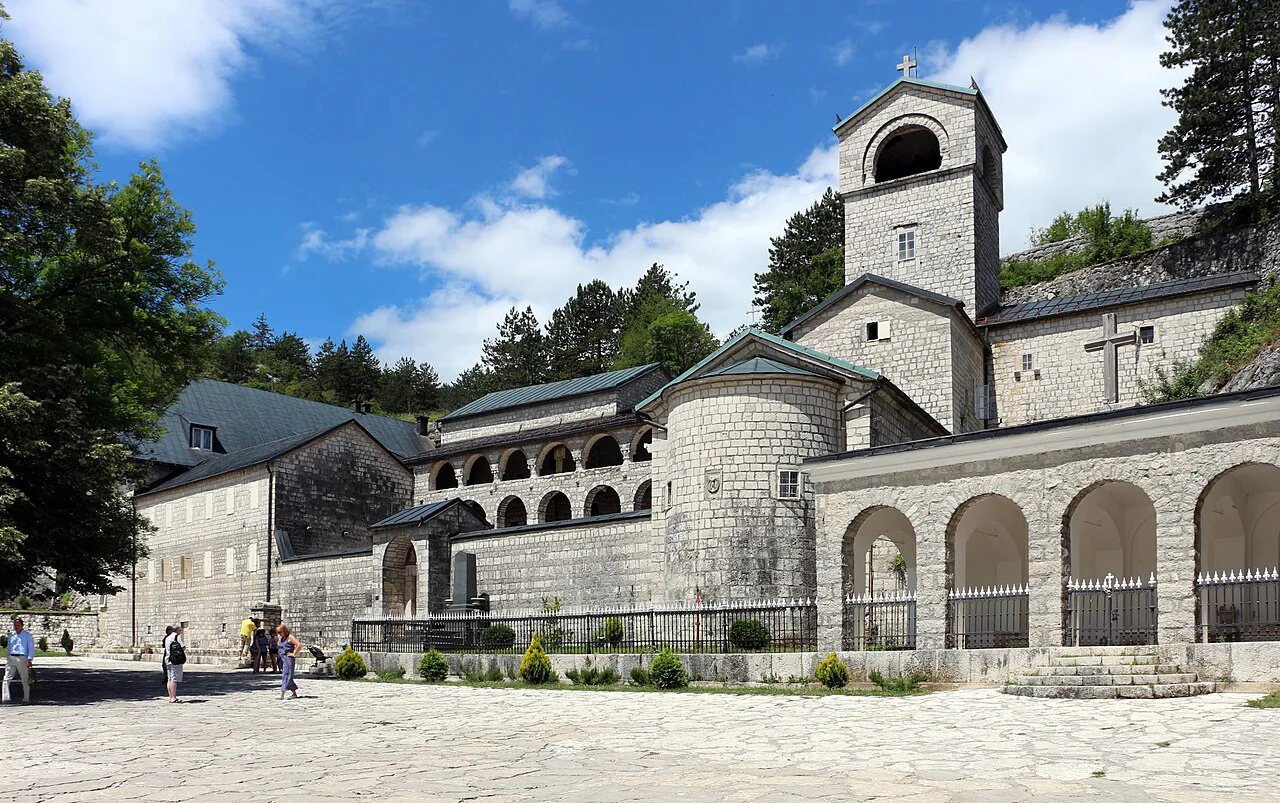
The Cetinje Monastery is the seat of the Metropolitanate of Montenegro and the spiritual anchor of the town, and the building you walk into today was rebuilt between 1701 and 1704 by Metropolitan Danilo Petrović-Njegoš on the site of Ivan Crnojević's court. Allow under an hour for the church and its relics, then step next door to the Biljarda and King Nikola's Museum to make a half-day of Cetinje. This guide sets out what is kept here, how the present structure relates to the 1484 foundation, and how to reach the town from the coast or Podgorica.
Where the monastery sits in Cetinje
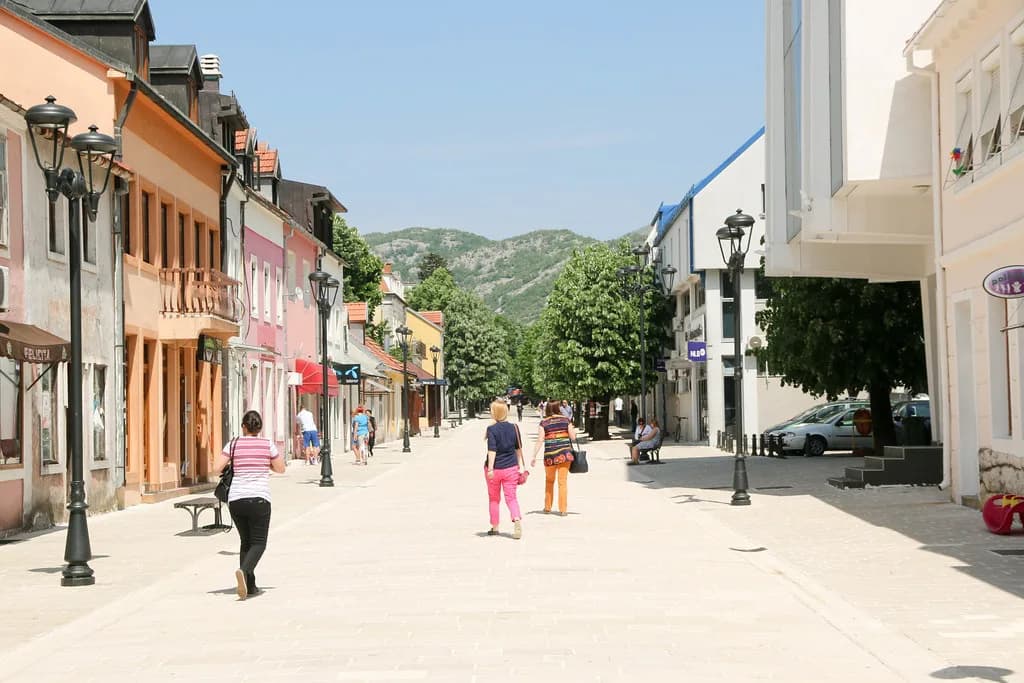
The monastery stands in the centre of Cetinje, a small city at the foot of Mount Lovćen, which served as Montenegro's political and religious centre and was the country's capital from 1878 to 1946. That compact layout is the practical advantage: the monastery, the royal palace museums and the Biljarda sit within a short walk of each other, so you are not crossing a sprawling city to see them. Plan your day around the centre rather than treating the monastery as an out-of-town excursion.
If you want the wider picture of what the old royal capital holds, from the museums to the streets between them, the Cetinje: the Old Royal Capital, Its Museums and Monastery guide covers the town as a whole and helps you slot the monastery into a route. It is worth reading before you book transport, because the town rewards a slower visit than a quick photo stop allows.
What the Cetinje Monastery is
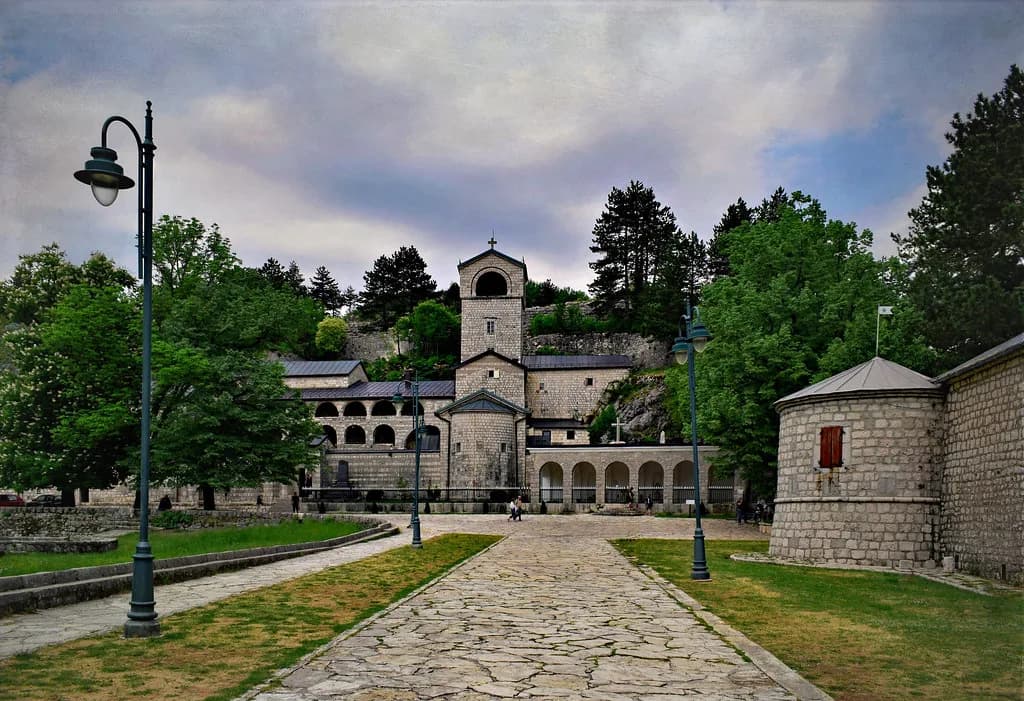
This is a Serbian Orthodox monastery, also known as the Cetinjski Manastir, founded around 1484 by Prince Ivan Crnojević of Zeta and originally designated as the cathedral monastery of the Eparchy of Zeta. It has since become the seat of the Metropolitanate of Montenegro, which is why it carries weight beyond its size. Treat it as a working place of worship first and a sight second, and the visit makes more sense.
Visit Montenegro lists the monastery among the principal attractions of Cetinje, describing it as a key spiritual and historical site with architecture, cultural treasures and a role as a symbol of Montenegrin heritage. That framing is accurate but broad; the specifics that matter on the ground are the relics and the building itself, both covered below.
The relics kept here
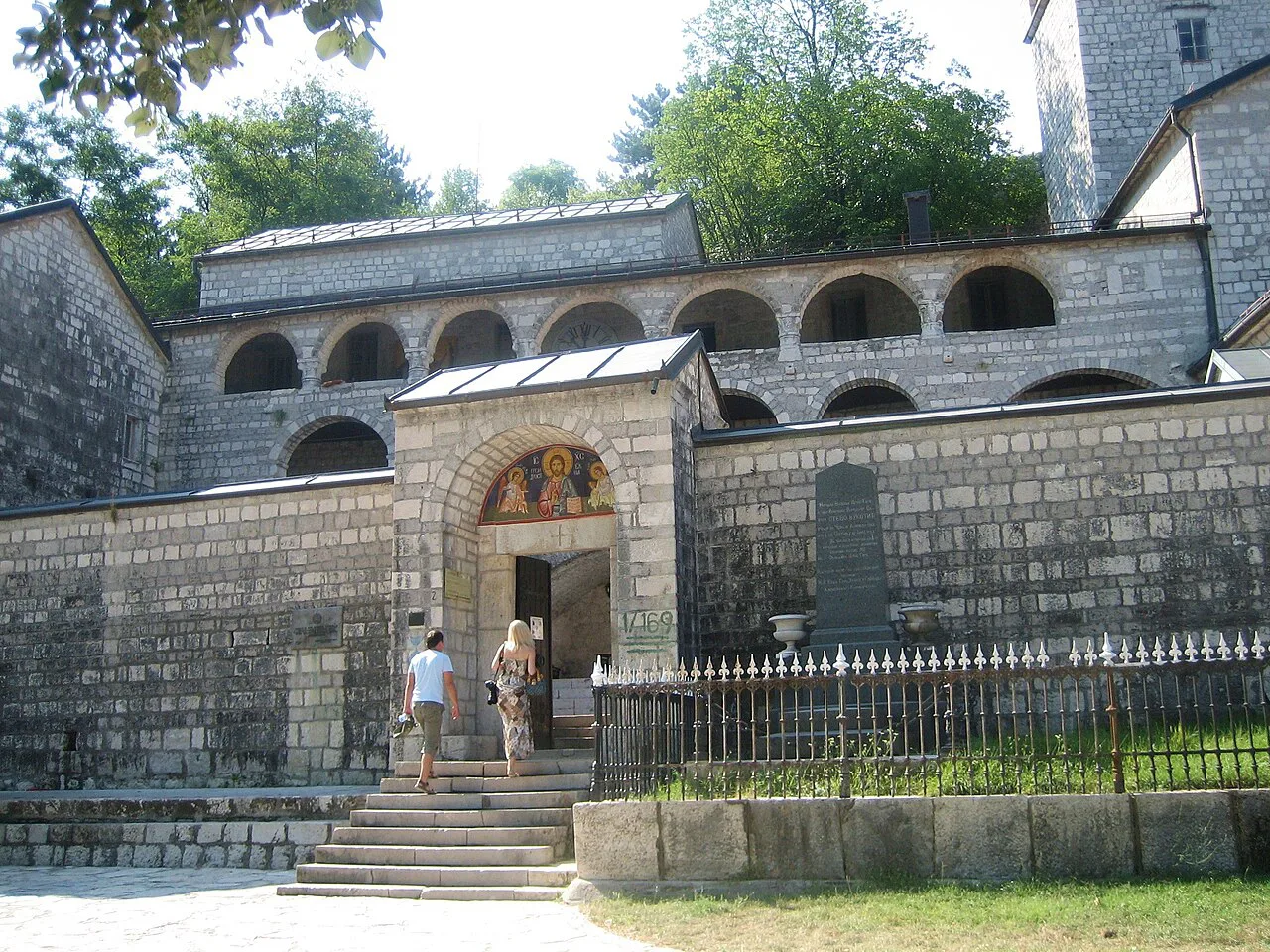
Inside, the monastery holds a collection that draws pilgrims as much as sightseers: the remains of St Peter of Cetinje, the right hand of John the Baptist, particles of the True Cross and the royal crown of Serbian king Stephen Uroš III Dečanski. Knowing this list in advance is useful, because the objects are easy to pass without realising what you are looking at.
The same relics are confirmed elsewhere, including the right hand of John the Baptist and the remains of St Peter of Cetinje, held within the monastery that is central to the town's religious heritage. The building itself was rebuilt between 1701 and 1704, the date to keep in mind when reading about its origins. What is consistent is that the treasures are the reason many visitors come.
The building you see today
The present structure was rebuilt between 1701 and 1704 by Metropolitan Danilo Petrović-Njegoš on the site of the former court of Ivan Crnojević, so the 1484 foundation date describes the origin of the monastery rather than the walls in front of you. The church shows Renaissance elements, with a three-naved basilica plan and a cupola over the central nave. Keep that distinction in mind when you read older descriptions that quote the founding date as if it were the current building.
The monastery has ties to a vow: while in Ancona, Italy, Prince Ivan Crnojević was inspired by the Basilica della Santa Casa in Loreto and promised to build a church dedicated to the Mother of God on his return to Zeta. The monastery was initially dedicated to the Nativity of the Theotokos, which is the dedication to look for as you enter. It is a small detail that connects a Montenegrin church to an Italian pilgrimage site.
Dress and behaviour inside an active monastery
This is an active Orthodox monastery and the seat of a metropolitanate, so dress and conduct should reflect a church rather than a museum. Cover shoulders and knees, keep voices low, and leave photography until you have checked what is permitted on site. Women may find a scarf useful for covering the head, and men should remove hats inside the church.
The practical point is to keep the visit short and quiet, and to step aside when worshippers are present. If a service is under way, wait rather than walking through with a camera. Religious sites in Montenegro expect a modest standard of dress, and erring on the conservative side costs you nothing.
How long to allow, and what to pair it with
Give the monastery itself around half an hour, longer if you want to read the church and its setting properly, and build the rest of the morning or afternoon around the town centre. Cetinje's compact size means the history and the surrounding landscape can be covered in one visit without rushing. The mistake is to treat it as a ten-minute stop on the way to Lovćen.
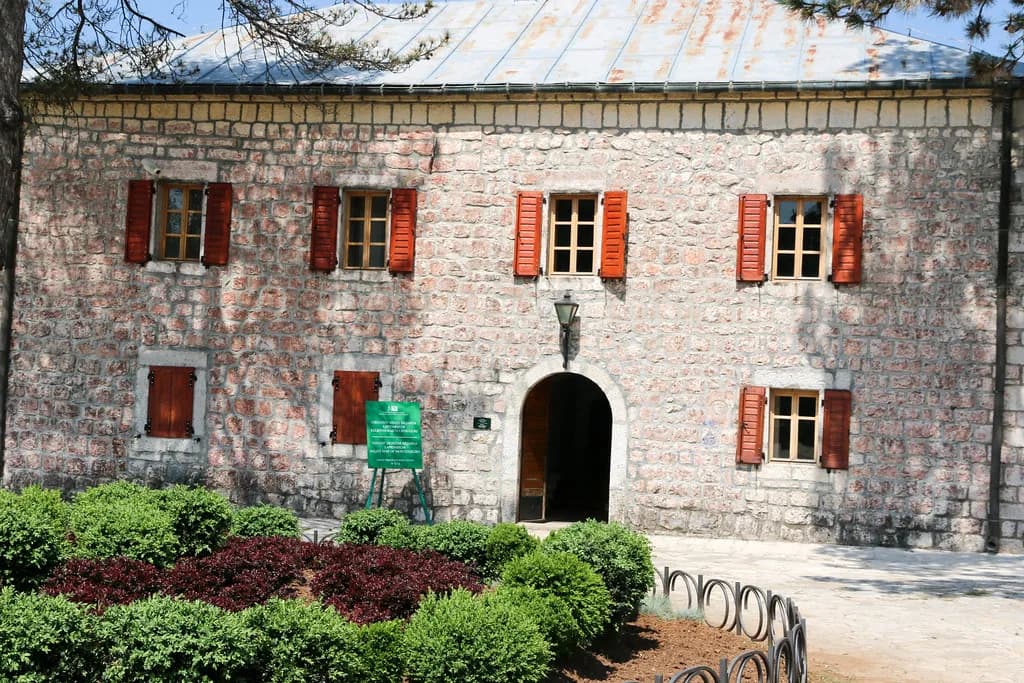
The obvious pairing is the Biljarda, once home to Petar II Petrović-Njegoš and now holding exhibits devoted to the ruler and poet. The Biljarda in Cetinje guide covers what is inside and how it fits the same short walk. It makes a natural second stop because the man commemorated there is also remembered in the monastery's collections.
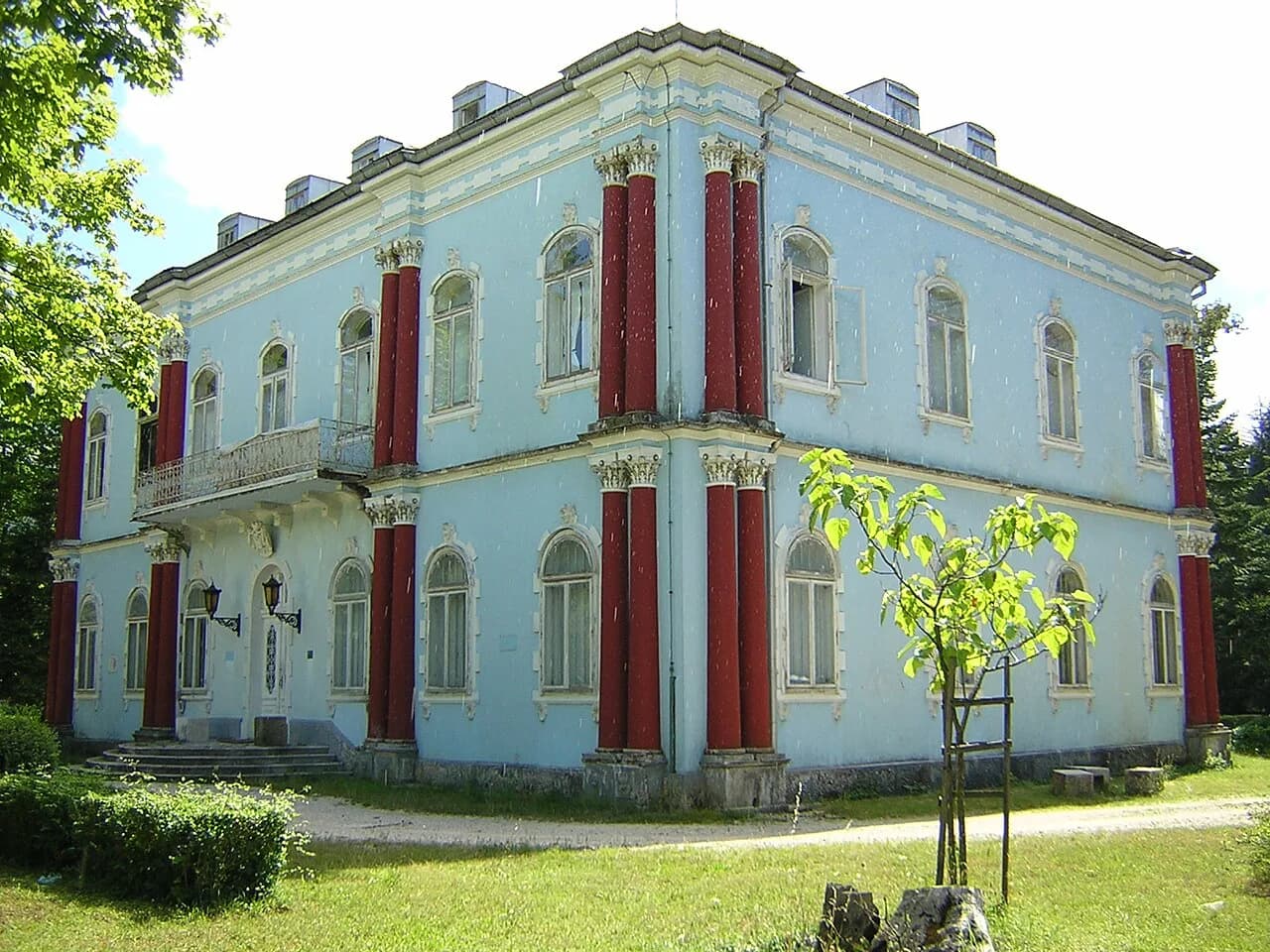
Then add King Nikola's Museum, housed in the former royal palace, where the rooms display period furniture and gifts from foreign leaders. The King Nikola Museum in Cetinje pairs well with the monastery because it shifts the focus from the church to the royal capital that grew around it. Together the two give you the religious and the political halves of the town in one circuit.
If you have longer, Lipa Cave lies five kilometres from Cetinje and runs guided tours through its chambers and passages. It is a different kind of visit, underground and outdoors, so it suits a second day better than a tight monastery morning. The national museum of Montenegro and the other town collections are gathered in a separate guide if you want to fill a full day indoors.
Getting to Cetinje from Kotor, Budva and Podgorica
Regular bus services connect Cetinje to Podgorica, 36 kilometres away, Budva at 32 kilometres and Kotor at 44 kilometres, so the town is reachable without a car on scheduled coaches rather than a private transfer. The nearest airports are Tivat at 50 kilometres and Podgorica at 55 kilometres. Buses are the simpler choice if you are basing yourself on the coast and do not want to drive the mountain roads.
If you drive, expect winding roads, especially on the approach from the coast, where the route climbs steadily towards Lovćen. The drive is scenic but slow, and it is the reason a coast-to-Cetinje day trip needs an early start. Once in town, park and walk, because the centre is compact.
Combining the monastery with Lovćen and the Njegoš Mausoleum
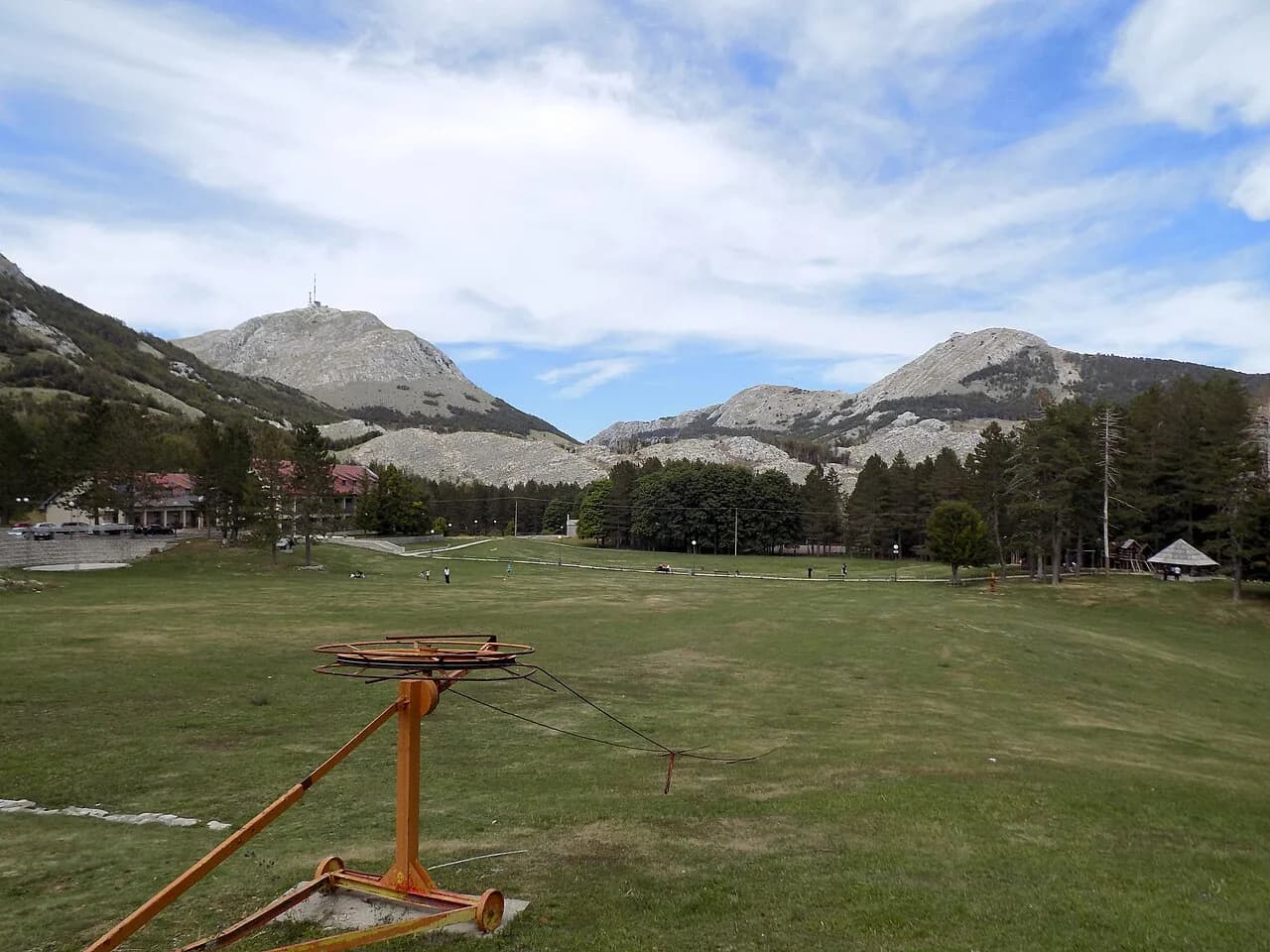
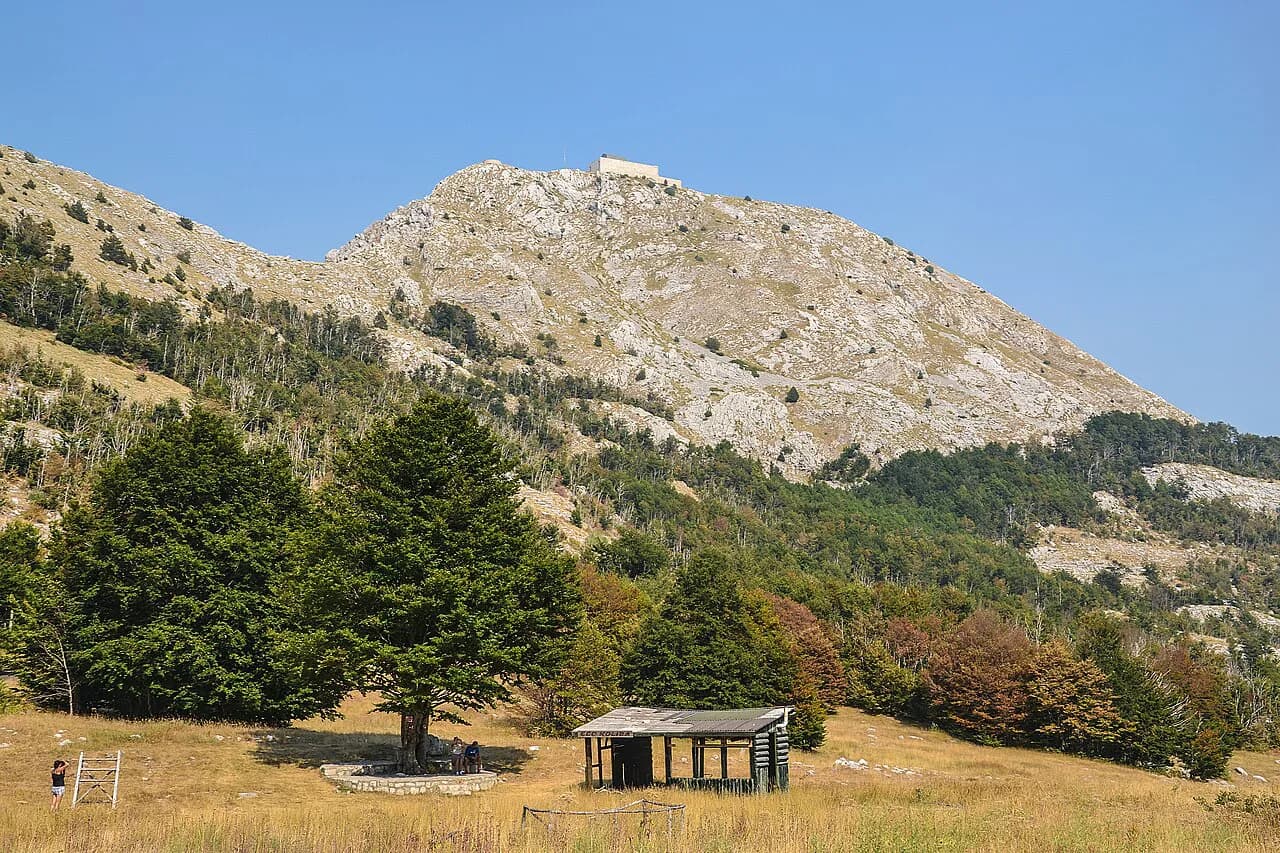
Lovćen National Park sits just above Cetinje, and within it the mausoleum of Petar II Petrović-Njegoš stands on Jezerski Vrh peak, with views over the surrounding mountains and valleys. The ruler honoured at the mountain tomb is the same man whose Biljarda stands in the town below, so the two sites read as a pair. That makes a single loop rather than two separate outings.
Visit Montenegro lists the mausoleum, Lovćen National Park and the nearby village of Njeguši under Cetinje's attractions, which confirms how the pieces cluster geographically. Njeguši, known for its smoked ham and cheese, sits on the mountain road and works as a lunch stop between the town and the park. Allow the winding ascent its own time rather than squeezing it into an hour.
For the town centre itself, keep a note of where the monastery sits relative to the Biljarda and the palace museums so you are not doubling back. A Cetinje map helps you see that the sights form a tight cluster you can walk in an afternoon. Small things, but they save the aimless circling that eats into a short visit.
Monastery first, then the town
Start at the monastery, give the church and its relics the attention they deserve, then walk the short distance to the Biljarda and King Nikola's Museum to complete the picture of the old royal capital. The building is a 1701–1704 reconstruction on Ivan Crnojević's court site, so read the history accordingly rather than expecting a medieval shell. Come dressed for a church, not a beach, and the visit will sit comfortably in a half-day.
If you have a car, push on to Lovćen and the Njegoš Mausoleum on Jezerski Vrh afterwards, or use Cetinje as the natural stop between the coast and the mountain park. Anyone travelling on from the town should read the wider Cetinje guide before fixing dates, and it is worth confirming visiting arrangements directly with the monastery if you are making a special journey.
Explore more Cetinje guides
Frequently Asked Questions
Is the hand of John the Baptist in Montenegro?
Yes, the right hand of John the Baptist is kept at the Cetinje Monastery, alongside the remains of St Peter of Cetinje, particles of the True Cross and the royal crown of Stefan Uroš III Dečanski. It is one of the reasons the monastery draws pilgrims as well as sightseers.
What is Cetinje known for?
Cetinje is known as Montenegro's former royal capital, with the monastery, the Biljarda, King Nikola's palace museum and the surrounding Lovćen landscape as its main draws. The town centre is compact enough to cover most of it on foot.
Sources
Notes for your Montenegro trip
Optional updates to our Montenegro town guides.
You might also like
Continue reading
More guides you'll find useful