National Museum of Montenegro: Cetinje Museums Guide
The National Museum of Montenegro is a group of museums in Cetinje, including King Nikola's palace. Here are the opening hours, prices and what to see.
On this page
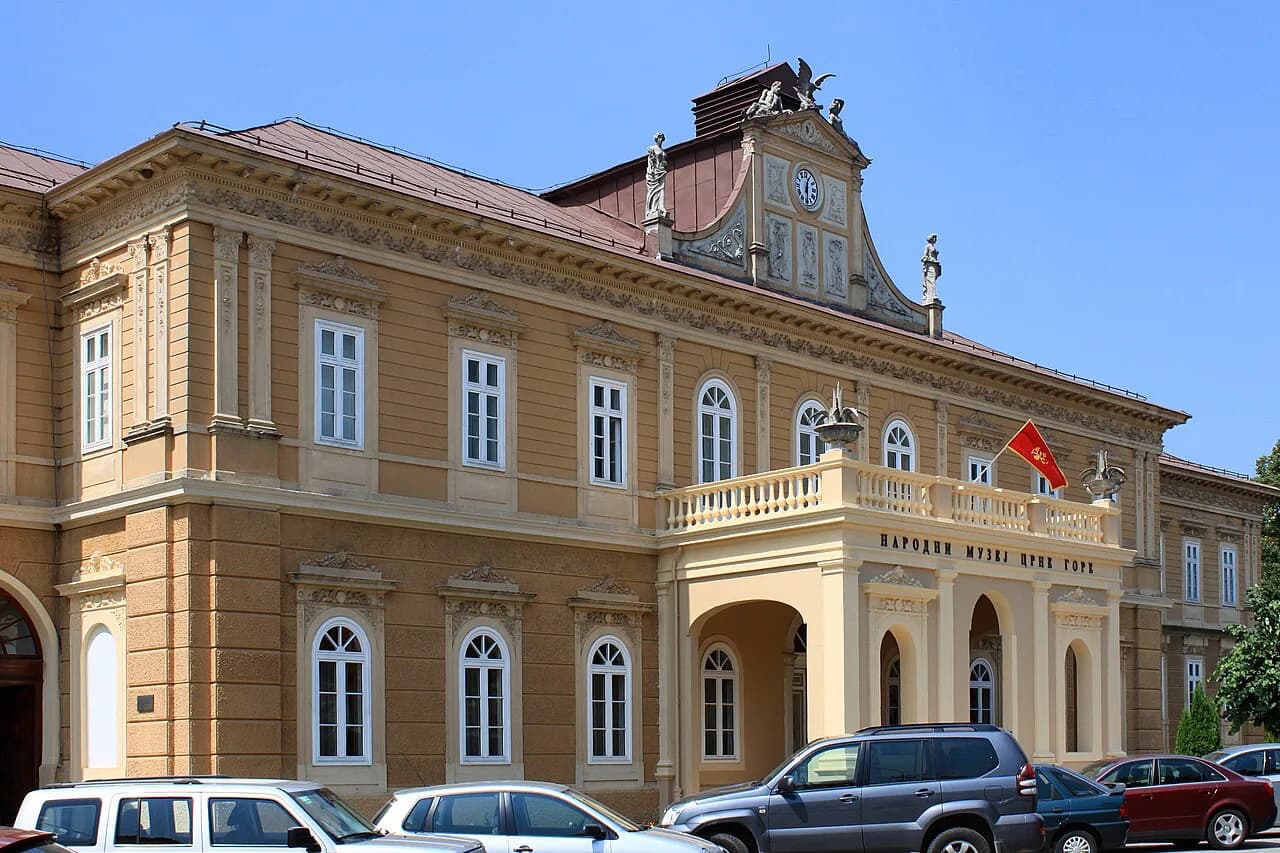
The National Museum of Montenegro is not one building but a group of museum units in Cetinje, and the one most visitors should start with is the Museum of King Nikola on Dvorski Trg, a reconstructed royal interior in the palace of the Petrović Njegoš family. Adult tickets cost €8 and pupils and students €4, and a €20 collective ticket covers all the museum units plus Njegoš's mausoleum on Lovćen. This guide sets out the hours for each unit that publishes them, what the collective ticket is worth, and a walking order for the town.
What the National Museum of Montenegro is and where it is in Cetinje
The National Museum is an umbrella organisation whose units sit at separate addresses around Cetinje, so you move between buildings rather than walking one long gallery. The Museum of King Nikola is on Dvorski Trg, and the Art Museum holds Montenegrin and Serbian painting of the 19th and 20th centuries alongside the Icon of the Mother of God of Philermos. Plan the town as a circuit of short walks rather than a single timed entry.
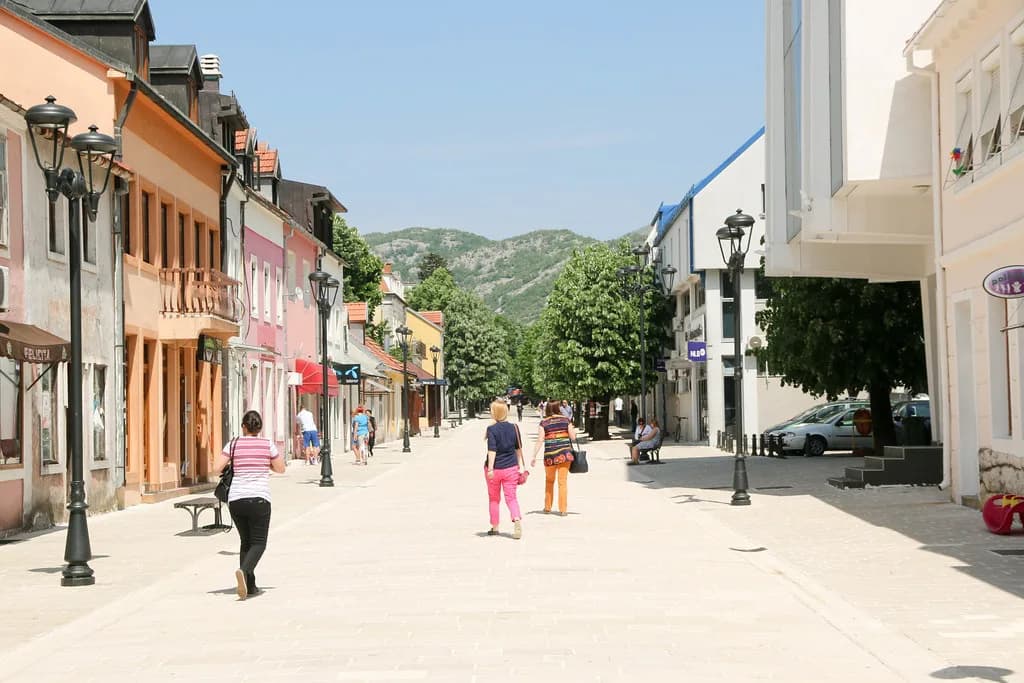
Cetinje itself is compact, sitting in a karst valley at around 670 m with Lovćen rising behind it, which is why the museums cluster within a few minutes of each other. Most of the named units are within easy walking distance of Dvorski Trg, so the constraint on your day is opening hours, not distance. Cetinje: the Old Royal Capital, Its Museums and Monastery covers the wider town layout, including the monastery, if you want to build the museums into a fuller day.
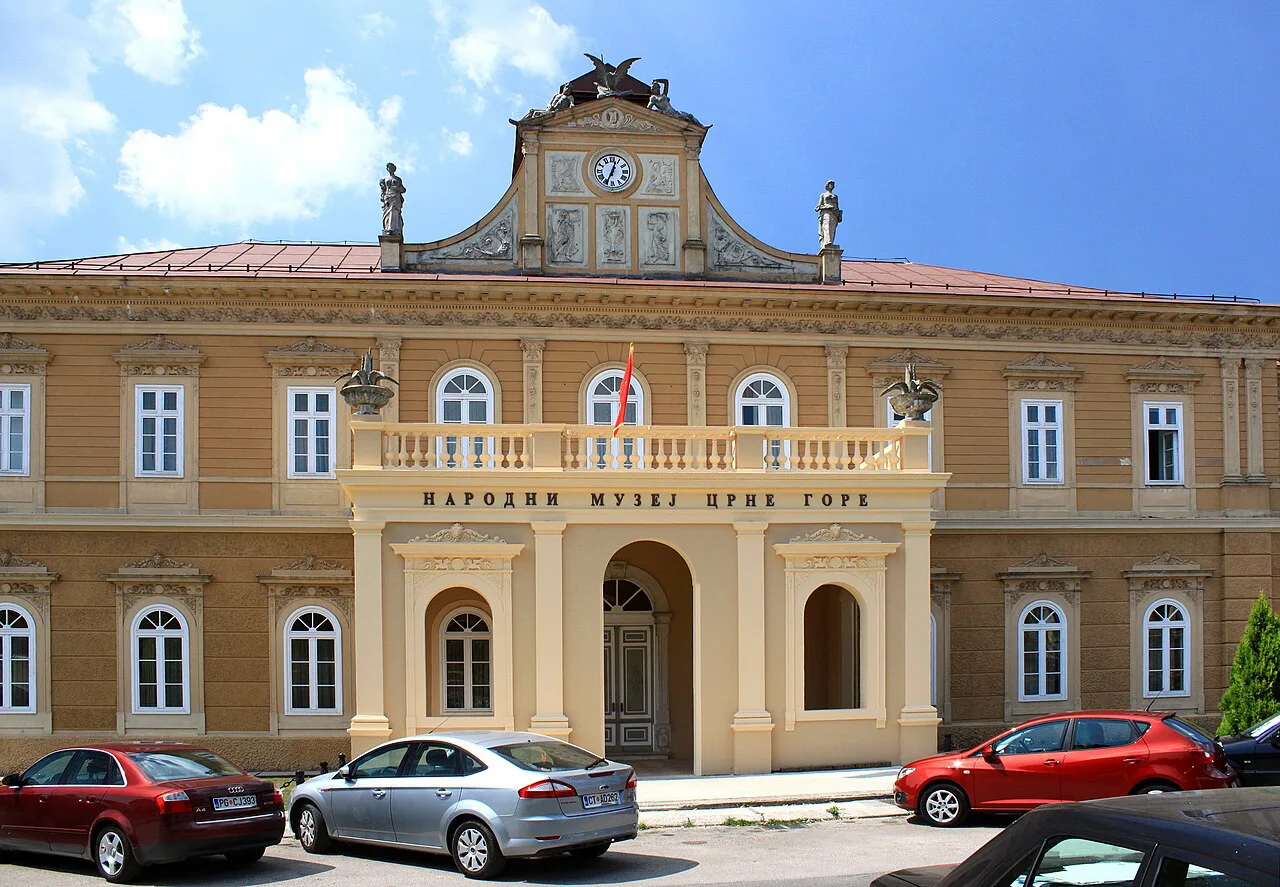
Opening hours and ticket prices for the Museum of King Nikola
From 11 April to 15 November the Museum of King Nikola opens daily from 9 to 17, and its gift shop keeps the same hours. From 16 November to 10 April the museum opens 9 to 15, Monday to Friday only, so a winter weekend in Cetinje means the palace is shut. The seasonal split is the single most useful fact for planning: summer gives you a long daily window, winter gives you weekday afternoons.
Adult tickets cost €8 and pupils and students pay €4, with a group ticket for pupils and students at €10. The castle was built in 1867 and the museum founded in 1926, and its permanent exhibition is arranged as a reconstructed royal interior rather than a glass-case chronology. The royal library holds copies of books from the Crnojević printing house, including the Oktoih printed in Cetinje in 1493.
Opening hours and ticket prices for the Njegoš mausoleum at Lovćen
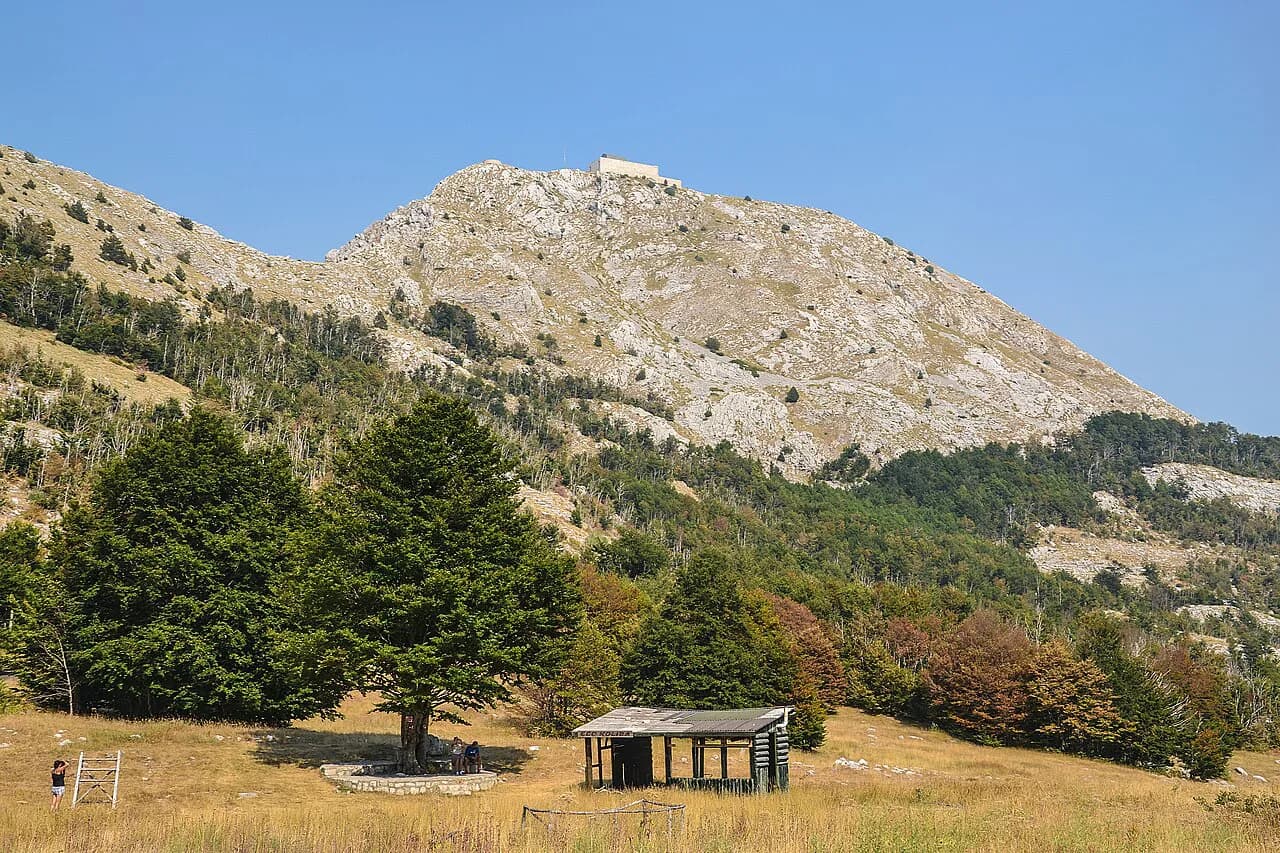
The Njegoš mausoleum is sold with the Cetinje museums but sits high on Lovćen at 1,660 m on Jezerski Vrh, reached through a tunnel with 461 steps. From 11 April to 15 November it opens 9 to 18 every day; from 16 November to 10 April it is closed for visiting, so it cannot be part of a winter trip. The mausoleum ticket, which also covers Njegoš's birthplace, is €8 for adults and €4 for pupils and students.
The building was completed in 1974 to a design by Ivan Meštrović, replacing the earlier chapel on the site, and it commemorates Petar II Petrović-Njegoš. Because the mausoleum closes for the winter while the Cetinje museums stay open on weekdays, a cold-season visit to the National Museum is a town-only affair. Treat the Lovćen trip as a separate half day with its own drive and the walk up through the tunnel.
The combined ticket: what it covers and when it pays off
The collective ticket for all museum units, including Njegoš's mausoleum, costs €20 for adults and €10 for pupils and students. At €8 per adult for the palace and €8 for the mausoleum, the €20 ticket only beats single tickets once you add a third paid unit, so it pays off if you intend to see the palace, the mausoleum and at least one more collection. If you are in Cetinje for a half day without Lovćen, buy the palace ticket on its own.
The ticket desks are the place to confirm exactly which units the collective ticket admits on the day you visit, since the units are spread across addresses. Ask before paying if you only want two of them.
The Museum of King Nikola: what is inside the palace
The palace tour runs through formal reception rooms, the king's study, a dining hall set for a royal dinner and the family's private chambers, with original furniture, silverware and gifts from European monarchs largely in place. A room devoted to the Petrović Njegoš dynasty holds genealogical material, coronation regalia and documents tracing the family's move from ruling bishops to secular kings. The collection brings together material from the Military and National Museums and from the royal residences, running from the medieval period to 1918.
Allow more time here than for the smaller units, because the palace is furnished room by room rather than displayed as objects in cases. King Nikola Museum in Cetinje goes deeper on the building and the royal collection if the dynasty is your main interest.
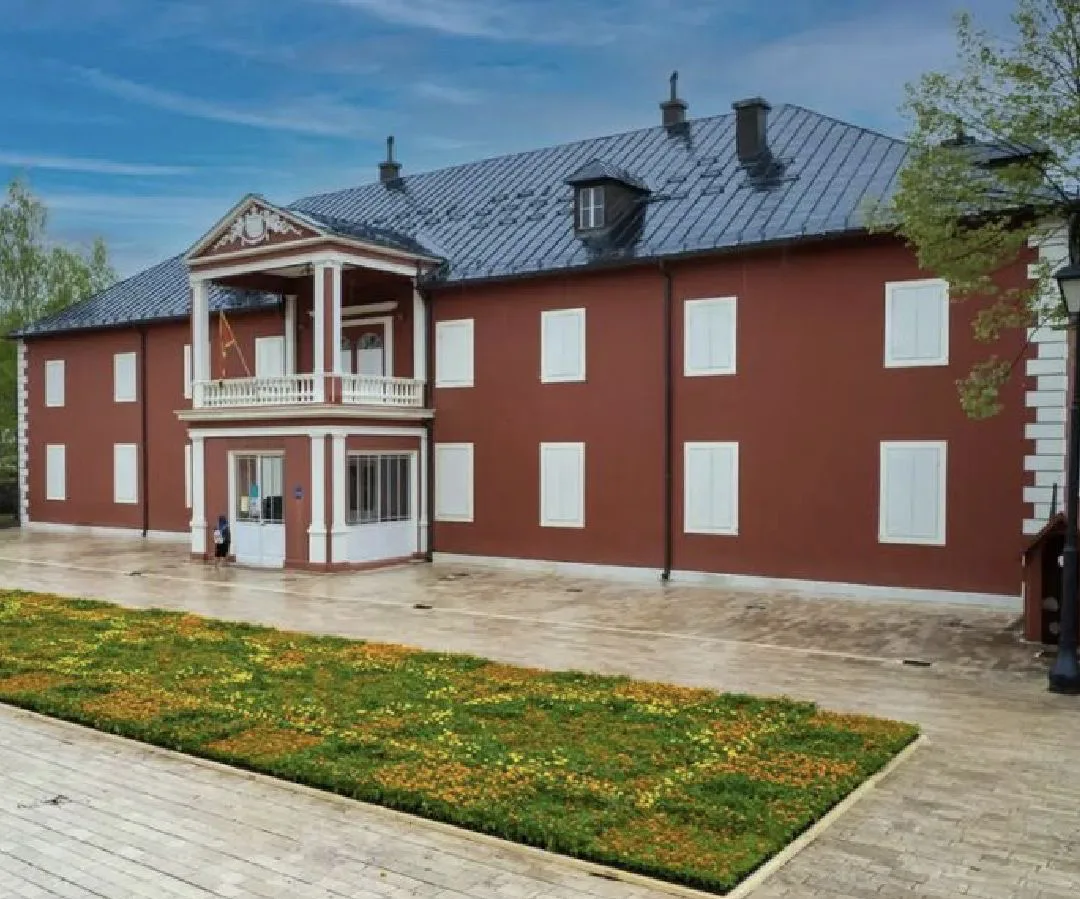
Other National Museum units in Cetinje: history, art, ethnography and archaeology
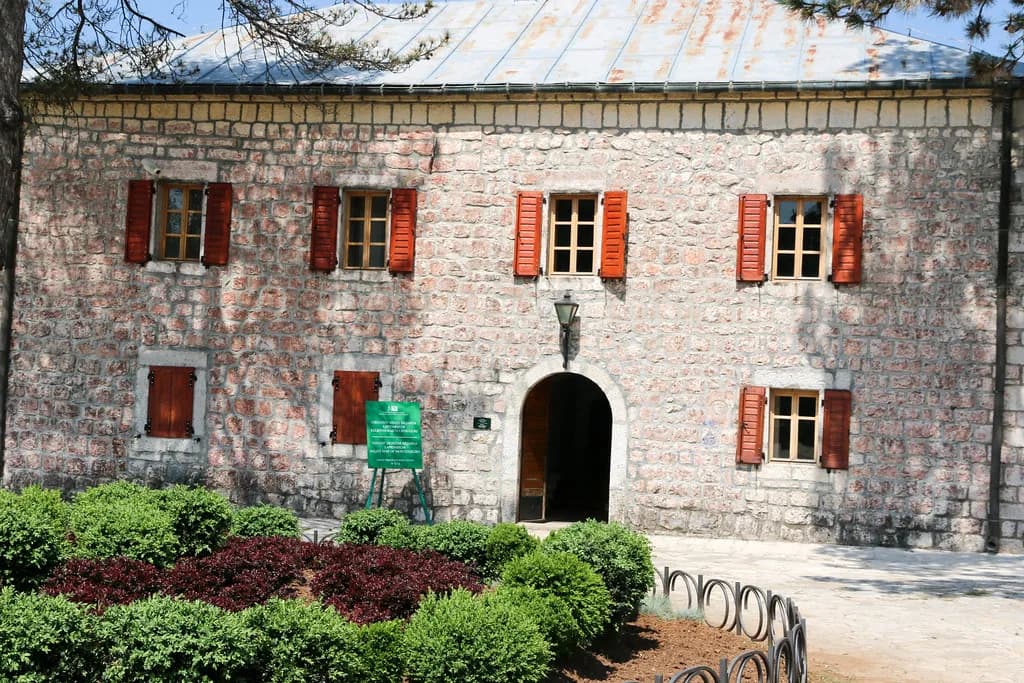
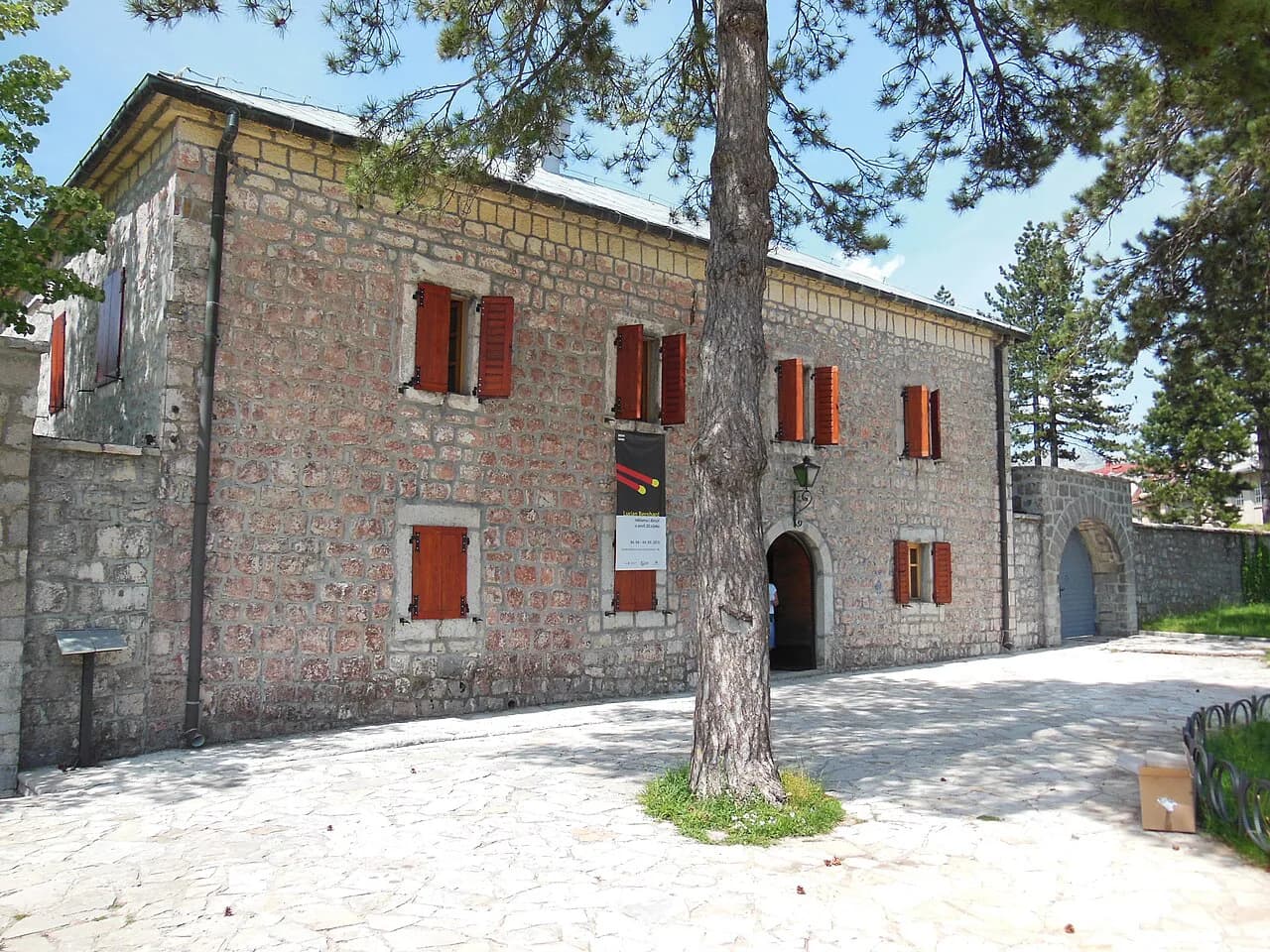
The Ethnographic Museum documents highland Montenegrin life through weaponry, national costume, tools, jewellery and domestic objects, and its ground floor holds a large relief model of the country built as a 19th-century military mapping project. The Money Museum traces Montenegrin currency from medieval Zetan coins to the euro and takes about 20 minutes. The Art Museum's permanent collection includes Serbian and Montenegrin painting, with the Icon of the Mother of God of Philermos as its centrepiece; what Cetinje displays is a medieval copy of considerable age and historical weight, not the original. The National Museum also lists a Historical Museum and an Archaeological Museum with a lapidarium, and Biljarda in Cetinje explains the building that carries the billiard-table name.
The National Museum publishes its unit list and ticket pages online, but it is worth asking at the desk in Cetinje which of the smaller units — Historical, Art, Ethnographic or Archaeological — are open that day. A combined route takes in the palace, the ethnographic collection and the art museum without rushing in four to five hours.
How long to allow and how to walk between the museums
A focused half day of four to five hours covers the palace museum, the art museum and the Cetinje monastery; a full day adds the remaining collections and Njegoš's birthplace without hurrying. Start at Dvorski Trg for the palace, then work through the town on foot, since the units sit close together.
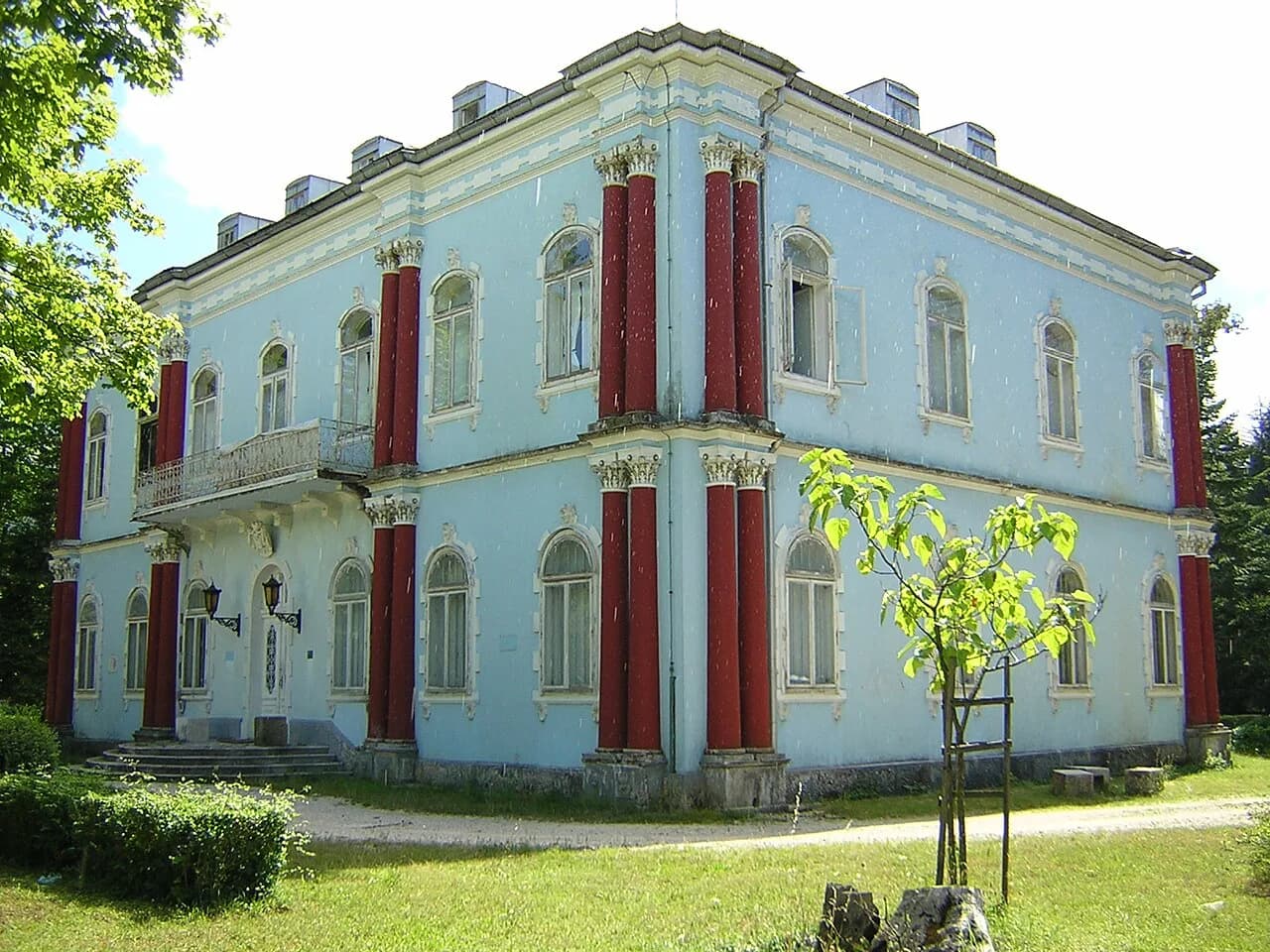
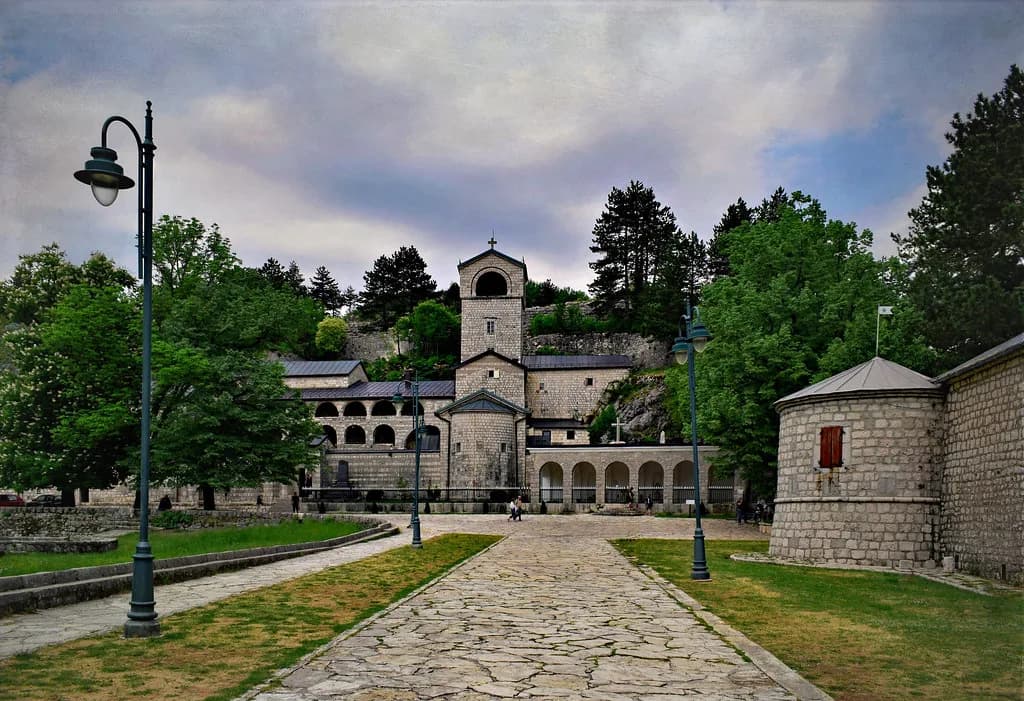
Keep the monastery separate from the ticketed museums: it is an active religious site, so dress modestly and cover shoulders and knees. Cetinje monastery has the practical detail on the relic of St John and visiting etiquette. If you have already seen the palace and the monastery, the Blue Palace in Cetinje is another royal building in town worth passing on the walk.
Getting to Cetinje from Kotor, Budva and Podgorica
Cetinje sits roughly 30 to 40 minutes by road from Kotor, Budva or Podgorica, which makes it a straightforward half-day trip from the coast or the capital. Regular buses run from Podgorica, and a rental car or taxi is an option from Kotor and Budva if you want to combine the museums with the Lovćen road in one day. Check current timetables with the operator before committing to a tight return.
Which museums should you book into your day?
Build your Cetinje day around the Museum of King Nikola on Dvorski Trg, add the art museum and the ethnographic collection if you have four to five hours, and take the collective ticket only when Lovćen is also on the plan. Remember the winter split: the palace runs weekday-only hours from mid-November to early April, while the mausoleum closes altogether. Confirm the day's opening units at the ticket desk when you arrive.
Explore more Cetinje guides
Frequently Asked Questions
Is it free to enter the National Museum of Montenegro?
No. The Museum of King Nikola and the Njegoš mausoleum both charge admission, with a reduced rate for pupils and students, and a collective ticket covers all the museum units and the mausoleum. The National Museum publishes the current figures on the price list pages for each unit.
What does the Museum of King Nikola display?
The palace museum at Dvorski Trg shows the Petrović Njegoš family's reception rooms and private chambers, reconstructed as a royal interior, with original furniture, silverware, gifts from European monarchs, genealogical material, regalia and documents tracing the dynasty from ruling bishops to secular kings.
How high is the Njegoš Mausoleum?
It stands at 1,660 m on Jezerski Vrh, at the top of Lovćen, and visitors reach it through a tunnel with 461 steps.
Can I visit the National Museum and the Njegoš mausoleum in one day?
Yes in the summer season, when the palace opens daily from 9 to 17 and the mausoleum daily from 9 to 18. Between 16 November and 10 April the mausoleum is closed for visiting.
Sources
Notes for your Montenegro trip
Optional updates to our Montenegro town guides.
You might also like
Continue reading
More guides you'll find useful