Kotor Parking: Where to Leave the Car by the Old Town
Municipal car parks, seasonal rates and a free street option minutes from the Sea Gate, plus why cruise days and summer traffic make parking in Kotor a gamble.
On this page
The nearest place to leave the car for Kotor's Old Town is Riva parking, a bayfront lot directly opposite the Sea Gate, and it is the most expensive of the municipal options. If you want to spend less, Benovo and the flat-rate lots on the edge of the centre trade a few minutes' walk for a lower hourly rate. This guide sets out which lot suits which trip, how payment works and where the rules catch drivers out.
Parking is the first practical decision of any drive into Kotor, because the historic core is closed to vehicles and the roads around it jam in summer. Rates split into a summer season from April to October and a winter season from November to March, and vans, campers and motorbikes are priced on separate scales. Expect to pay at an exit booth on the way out rather than at a barrier on arrival.
Where you can actually park in Kotor
The municipal car parks are the reliable choice: they are run by the town, signposted on the approach and equipped with on-street electronic displays that show how many spaces each lot has free. Riva, Benovo, Autoboka and Parking Puč cover the range from doorstep convenience to a short walk out of the centre. All four charge on exit, so you take a ticket or note your arrival and settle up when you leave.
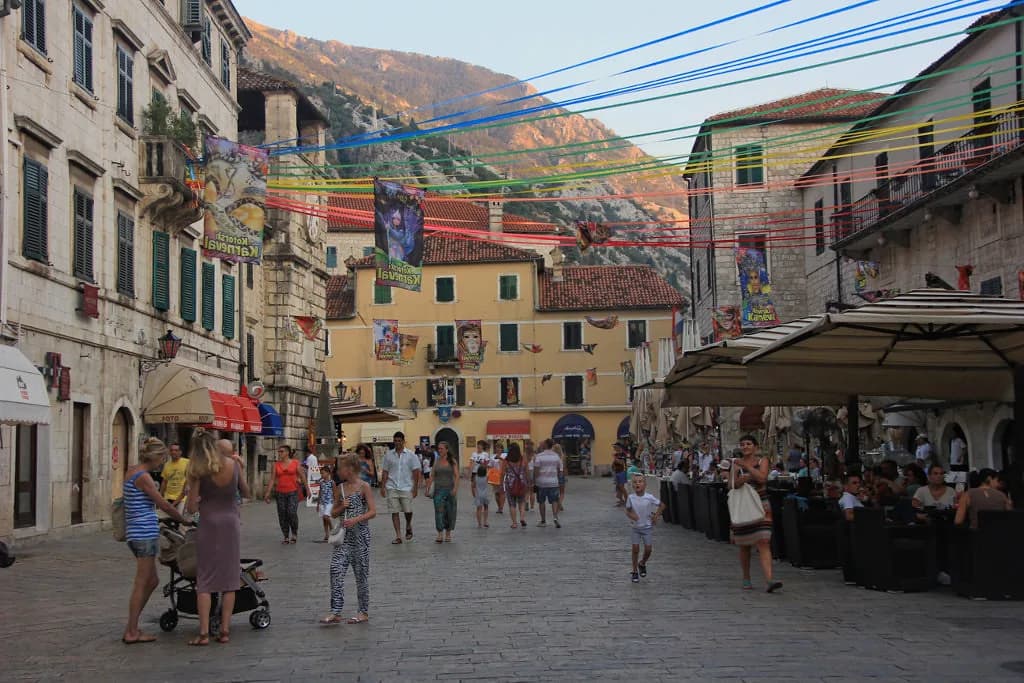
The Old Town itself is entirely pedestrianised, which is why every visitor arrives on foot through one of the gates. The Sea Gate is the main entrance and the one most drivers aim for, sited at the end of the bay closest to Riva parking. The North Gate sits at the opposite end, a short walk from Kamelija Shopping Center.
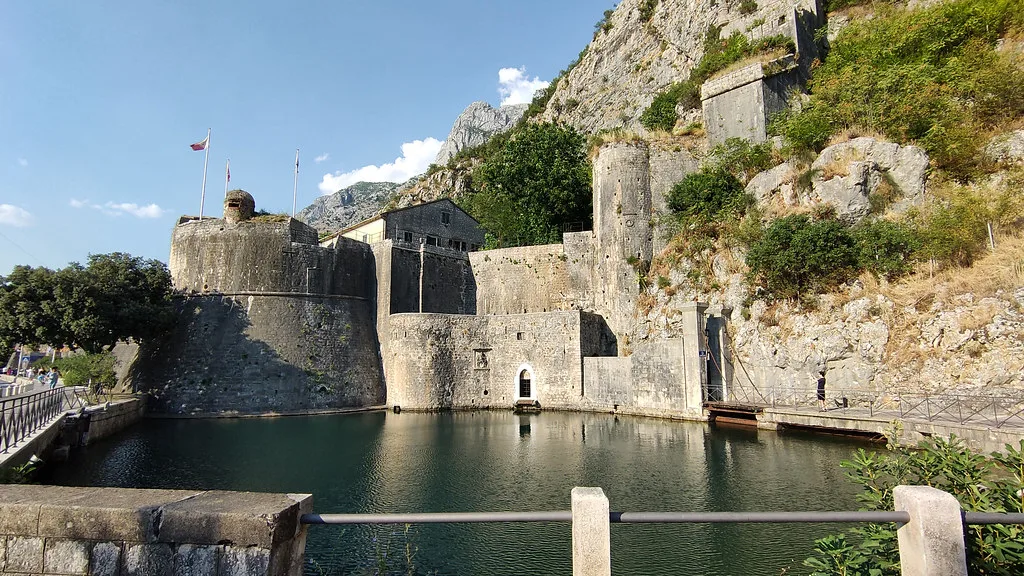
Riva parking: the closest lot to the Sea Gate
Riva is the lot to choose when proximity matters more than cost, since you step out of the car and cross to the Sea Gate. In summer, a standard car of up to five seats is charged at an hourly rate of €4.80, dropping to €2.40 per hour in winter. Vans and minibuses of seven seats or more, along with tourist quads and trikes, pay €15.00 per hour in both seasons. These figures come from a published parking guide that lists the municipal tariffs, so treat them as a guide rather than a guarantee at the barrier.
The trade-off is obvious: a full day at Riva rates costs more than a full day almost anywhere else in town. Drivers on a quick visit, or anyone arriving with luggage and children, usually find the premium worth paying once. For a longer stay, park once at a cheaper lot and walk in, then reward the walk with lunch at one of the best restaurants in Kotor.
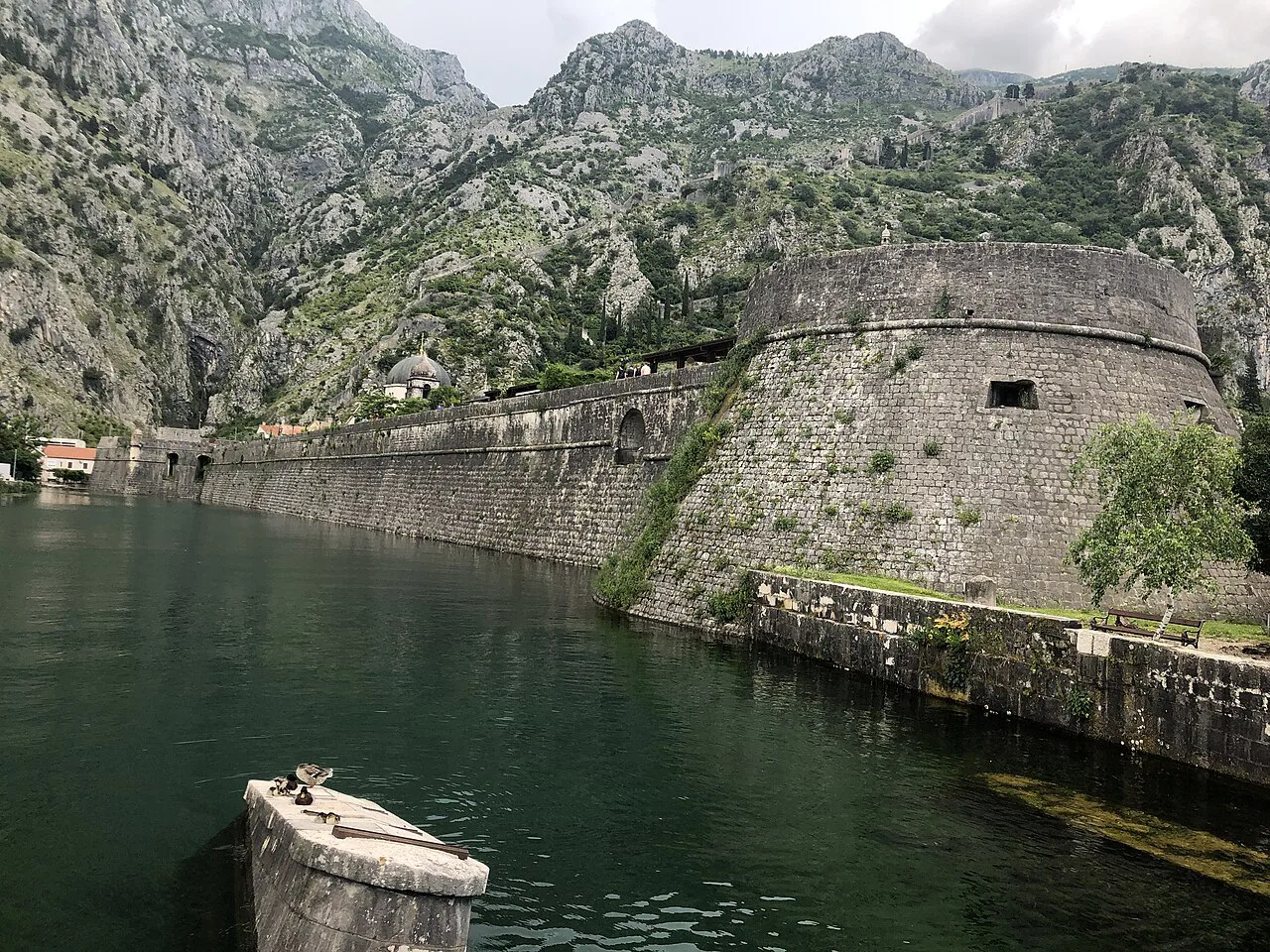
Benovo parking: cheaper per hour and best when Riva is full
Benovo is the sensible second choice when Riva shows full on the electronic display. A standard car pays €1.90 per hour in summer and €1.10 per hour in winter, roughly a third of the Riva rate. Vans and minibuses again pay €15.00 per hour, while campers are charged €30.00 per hour, so large vehicles gain nothing by moving here.
For a car, the saving is substantial over a morning or afternoon in the Old Town. Budget an extra few minutes on foot each way, and remember that the walk back to Benovo at the end of a hot day feels longer than it did on the way in.
Autoboka and Parking Puč: the flat-rate lots on the edge of the centre
Autoboka and Parking Puč work on fixed hourly rates rather than seasonal ones, which makes them predictable in a way the central lots are not. A standard car pays €0.90 per hour at Autoboka and €1.30 per hour at Parking Puč, with vans and minibuses charged €5.00 per hour. Campers pay €15.00 per hour, buses €15.00 per hour, and there are daily caps listed for larger vehicles at €50.00 and €75.00 respectively.
These lots suit anyone staying a night or two who wants a single cheap base and does not mind walking into the centre. They are also the more practical option for a camper or a minibus, where the central hourly rates would climb fast. Parking once and leaving the vehicle in place is the point.
The free option: Njegoševa Street
Njegoševa Street is the free parking that drivers pass on to each other, with spaces on the road about a five-minute walk from the Old Town. It is genuinely free rather than a rumour, but the supply is small and the early arrival gets the space. Come in the middle of a summer day and you should assume it is gone.
Arriving before the tour buses is the tactic that makes this work. Leaving Dubrovnik before seven in the morning puts you ahead of the traffic and the coaches that fill the Old Town later, and it also improves your odds on Njegoševa Street. If the street is full, fall back on Benovo rather than circling.
Kamelija Shopping Center: the private fallback near the North Gate
Kamelija is a private lot rather than a municipal one, and its position a five-minute walk from the North Gate makes it a useful fallback when the official lots are full. Cars pay a standard hourly rate or a flat daily rate, while vans, campers and minibuses are charged a premium per hour. There is a catch worth knowing: parking is free with a qualifying spend in the supermarket or shops inside, with the receipt presented at the booth on exit.
That receipt trick turns a shopping stop into free parking, and the supermarket is a practical place to stock up before a day out along the bay. For families arriving by van, though, the premium rate makes Kamelija an expensive stop compared with Autoboka.
How to pay: exit booths, vacancy displays and what to do if a lot is full
Municipal parking is paid at the exit booth on departure, not on entry, so you do not need to hunt for a machine as you arrive. Electronic displays on the approach roads give real-time space counts for each lot, which lets you decide before committing to a queue. If your first choice is full, the display is the quickest way to pick the next one.
Queuing at a full lot's entrance is normal and places free up soon enough, so waiting once is reasonable. Circling the block repeatedly is not: the roads around the Old Town are narrow and congested, and you will simply rejoin the same queue. Have euros ready, since card acceptance is not something to rely on at every booth.
Cruise days, summer bottlenecks and the traffic island
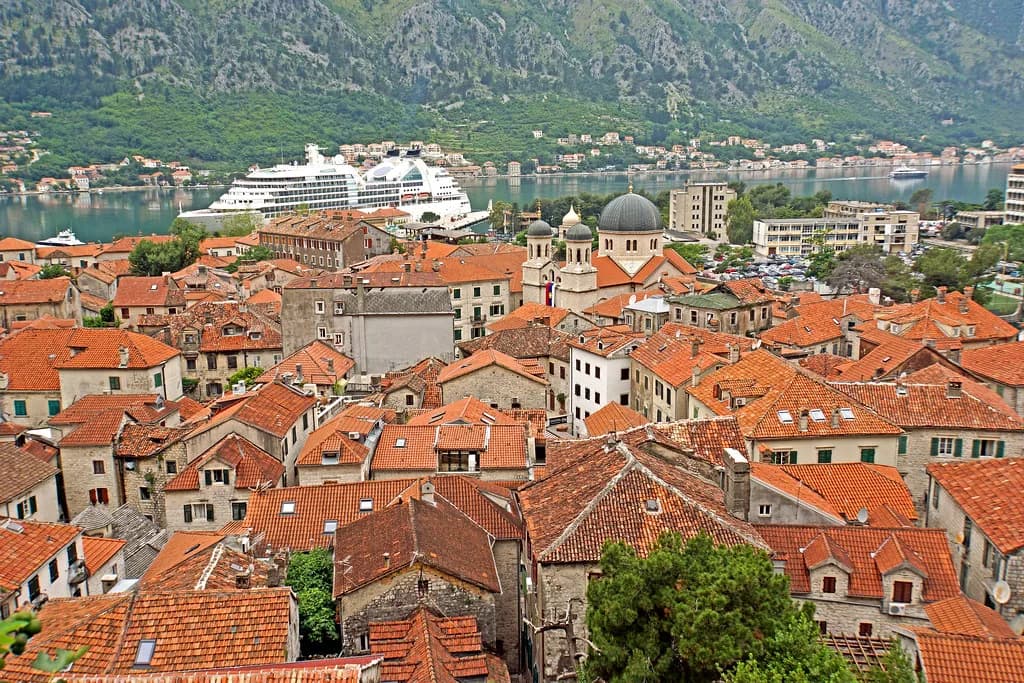
In summer, two or three cruise ships dock at Kotor on most days, and the largest carry thousands of passengers, which overwhelms the Old Town when tours land at the same time. The result is a double squeeze on drivers: the streets fill with pedestrians and coaches, and the parking lots empty early. Checking which ships are in port on your date lets you pick a quieter arrival window.
The traffic island to the south of the Old Town can become completely blocked when volumes peak. Build slack into any drive into town and do not plan a tight connection around a car park you have not used before. Once parked, walking is faster than moving the car.
Getting it wrong: yellow bays, tow trucks and fines
Yellow line markings are reserved for residents and official vehicles, and the local tow service removes unauthorised cars quickly. The temptation to grab a bay near the walls for ten minutes is what generates fines and a trip to recover the car. Park only within marked visitor areas, even if it means paying at Riva.
Motorbikes and scooters are the exception: they can park free in the designated area beside the Sea Gate, which makes two wheels far simpler than four in the height of summer. Riva is also free for motorcycles.
Parking a van, camper or motorbike in Kotor
Vehicle size changes the maths completely. Vans, minibuses and tourist quads pay an hourly rate at both Riva and Benovo, so a long stay becomes expensive fast. Campers pay an hourly rate at Benovo and at Autoboka, while buses pay an hourly rate with a daily cap at Autoboka and Parking Puč.
For a camper or a minibus, the flat-rate lots on the edge of the centre are the only sensible choice for anything beyond a brief stop. Motorbikes should head straight for the free bays by the Sea Gate. Cars sit in the middle: cheap enough at Benovo, convenient enough at Riva.
Which Kotor car park should you drive to?
Drive to Riva if you want the shortest possible walk to the Sea Gate and are staying a few hours; choose Benovo if you are paying for a car and want to cut the bill substantially, since its summer rate is less than half the Riva one. For campers, minibuses and overnight stays, the flat-rate lots at Autoboka and Parking Puč are the ones that make sense.
Start with Njegoševa Street if you are arriving early, keep Kamelija in reserve for its North Gate position and receipt validation, and check the current seasonal rates and traffic rules before you travel.
Explore more Kotor guides
Frequently Asked Questions
Is it safe to drive in Montenegro as a tourist?
Driving into Kotor is straightforward on paper, but the coast road is single-lane in places and curves around the bay, and traffic around the Old Town congests badly in summer. Allow extra time for slow sections and build in a parking plan before you arrive. For the country's road rules and any documents you need to carry, check the official Montenegrin government or UK Foreign Office guidance before departure.
How do you pay for parking in Kotor?
At the municipal lots you pay at the exit booth when you leave rather than on the way in, and the on-street electronic displays show which lots have spaces. Carry euros as a backup even if you plan to use a card. At Kamelija, keep your receipt from the supermarket or shops inside, because validated spending there waives the parking charge; the current rates and the spending threshold are set out in the body of this guide.
Sources
Notes for your Montenegro trip
Optional updates to our Montenegro town guides.
You might also like
Continue reading
More guides you'll find useful