Kotor Itinerary: A 2–3 Day Plan for the Old Town and the Bay
A practical Kotor itinerary for two or three days, covering the old town gates, the fortress walk, the Maritime Museum and a boat trip to Our Lady of the Rocks.
On this page
Two days is enough to see Kotor properly: one for the walled old town and its gates, churches and Maritime Museum, one for the climb to St John's Fortress. A third day is best spent on the water, pairing a boat trip to Our Lady of the Rocks with half a day in Perast. This itinerary orders each day by gate, square and time of day, so you know which entrance puts you where and when to be indoors or up the mountain.
The rhythm of the town is set by the cruise ships, which arrive around 7:15am and fill the streets from about 8am. Start early, take the museum at midday when the heat peaks, and save the walls for the late afternoon or early morning. The full list of sights sits in our guide to the things to do in Kotor; this page turns them into a plan.
How to shape a two- or three-day Kotor itinerary
Build the plan around three blocks: the old town on foot, the fortress climb, and a day on the bay. Keep the first two flexible, because the climb needs clear weather and a morning start, while the boat day depends on seasonal services. Two nights is the minimum that lets you see the old town without day-tripper crowds; three nights adds Perast and the islands without rushing.
The town itself is small, with a population of only about 13,000, so almost everything on foot is close together. That makes the old town an easy half-day and means you never need a car for the gates, churches or museum. Give the climb two to four hours including breaks, and keep the rest of that day light.
Day one: entering through the gates and reading the old town
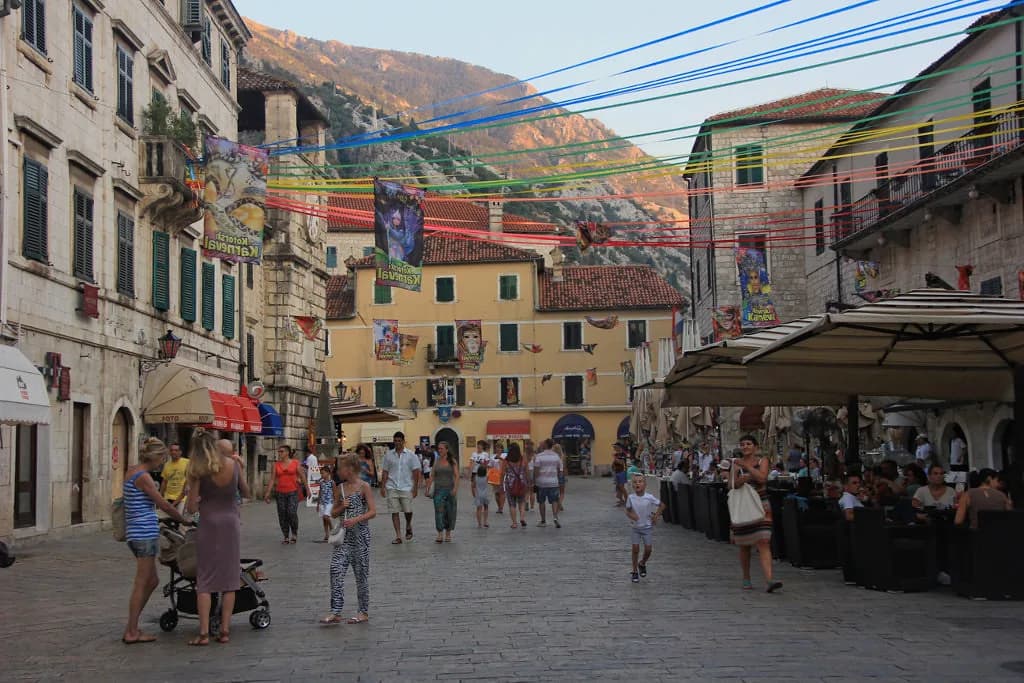
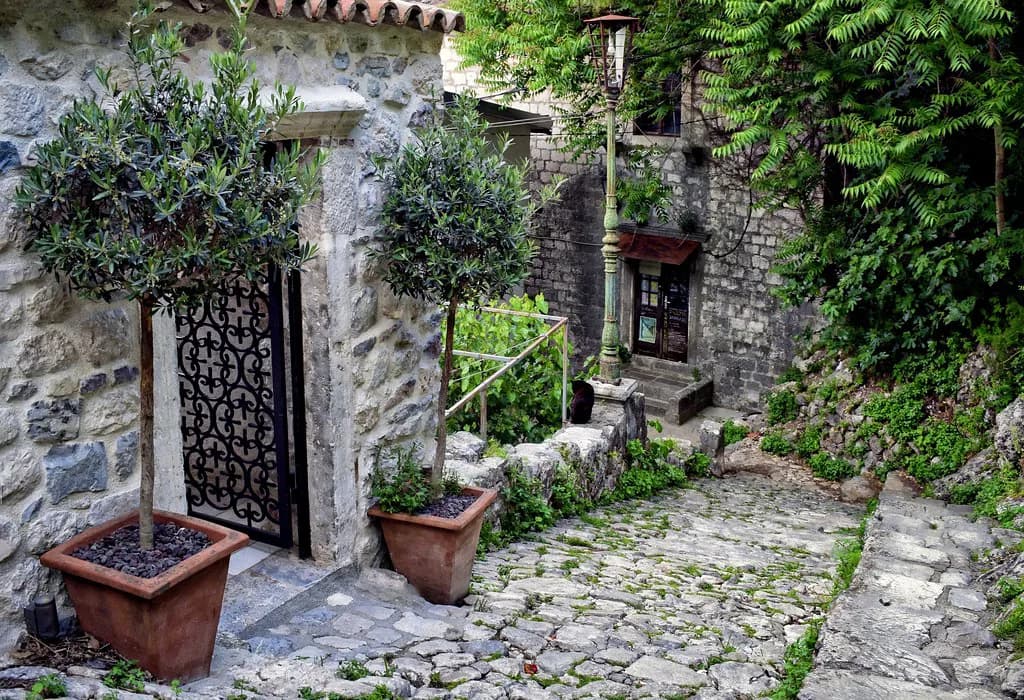
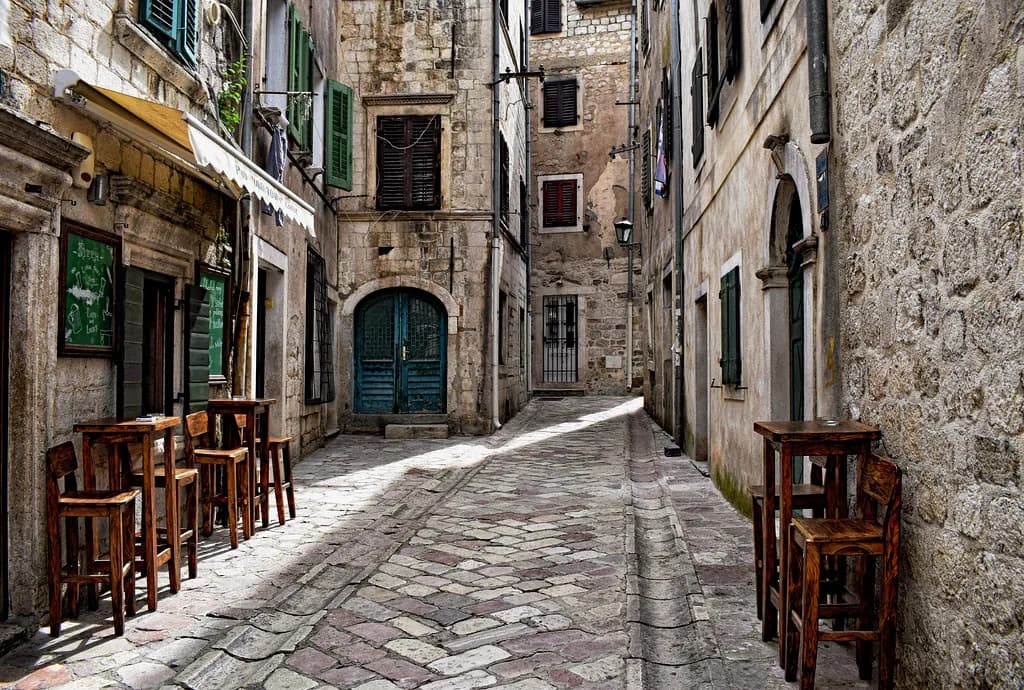
Start at the Sea Gate, the main entrance just outside the marina, which most walking tours use and which leads straight to the Square of Arms and the clock tower. A tourist information booth sits nearby, so it is the natural place to pick up a map. From there, the old town opens into a maze of narrow cobbled streets and small courtyards where former palaces, churches, restaurants and shops sit side by side.
Walk north to the River Gate, reached across a stone footbridge over the short Scurda River, for views of the Kampana Tower and the city walls. The southern Gurdić Gate, entered over a small wooden drawbridge, is the quietest of the three, and a stairwell just inside leads up for a view along the walls. Checking all three gates takes under an hour and explains how the town was fortified.
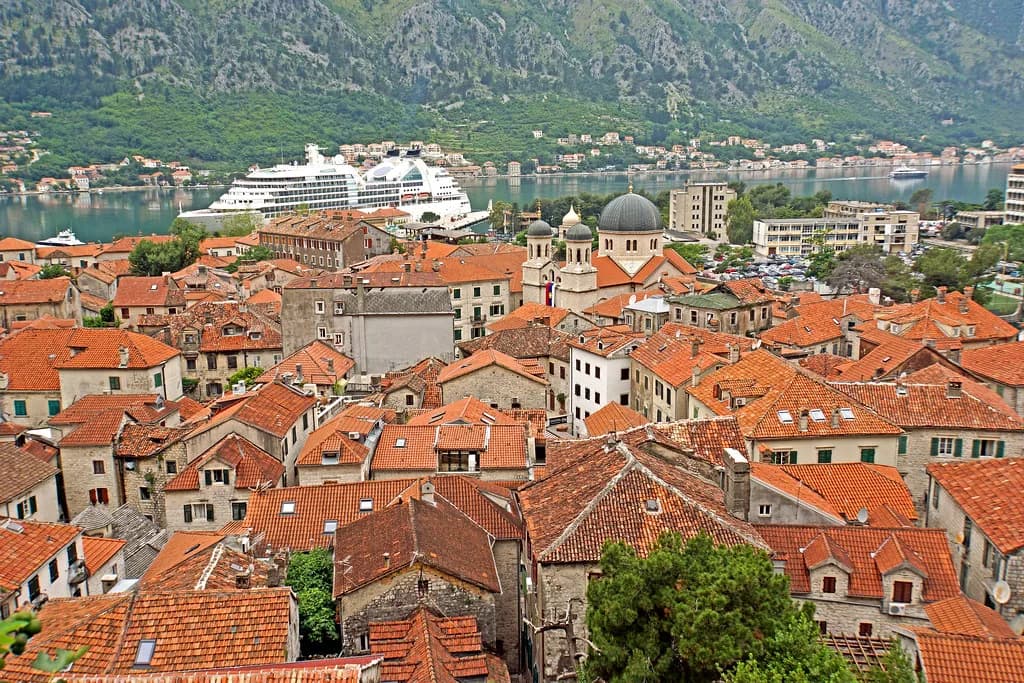
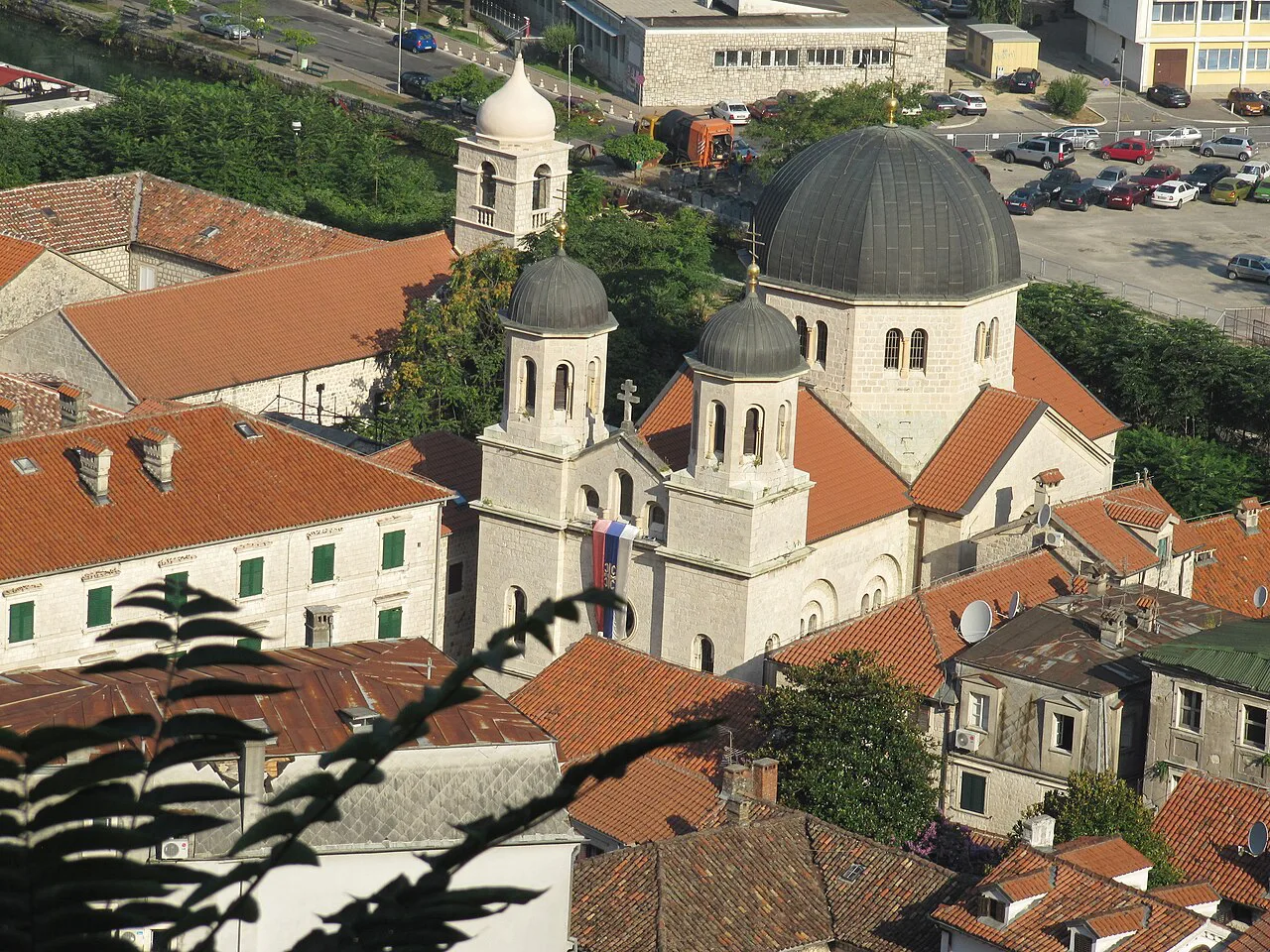
No source states opening hours or entry charges for Kotor's churches, so treat them as short stops rather than fixed appointments. St Tryphon's Cathedral sits near the Palace of the Drago family and houses a small museum on its second floor; Saint Nicholas Church is the large Serbian Orthodox church across the courtyard from the small Saint Luke's Church. In the north-east corner, the Church of St Mary Collegiate keeps preserved frescoes and a bronze door covered in bas-reliefs, with a shaded courtyard outside.
Book a walking tour for the first morning if you want the town's history explained quickly; most start at the info desk in front of the Sea Gate. Local operator 360 Monte has an office in the old town and runs guided walks and wider tours around Montenegro. Tip-based walks also run, so compare what each covers before committing.
Where the Sea Gate, River Gate and Gurdić Gate lead you
The Sea Gate is the one to use on arrival: it faces the marina, opens onto the Square of Arms, and puts you beside the clock tower within a minute. The River Gate is the northern entry, best for the walls and the Kampana Tower view, and it is where the climb route starts nearby. The Gurdić Gate on the southern side is the least busy and the quickest way in if you are coming from that end of town.
If you are driving, sort out where to leave the car before you walk in, since the gates sit inside a pedestrian warren. Our guide to Kotor parking covers the options outside the walls.
The Maritime Museum: what's inside, entry price and opening hours
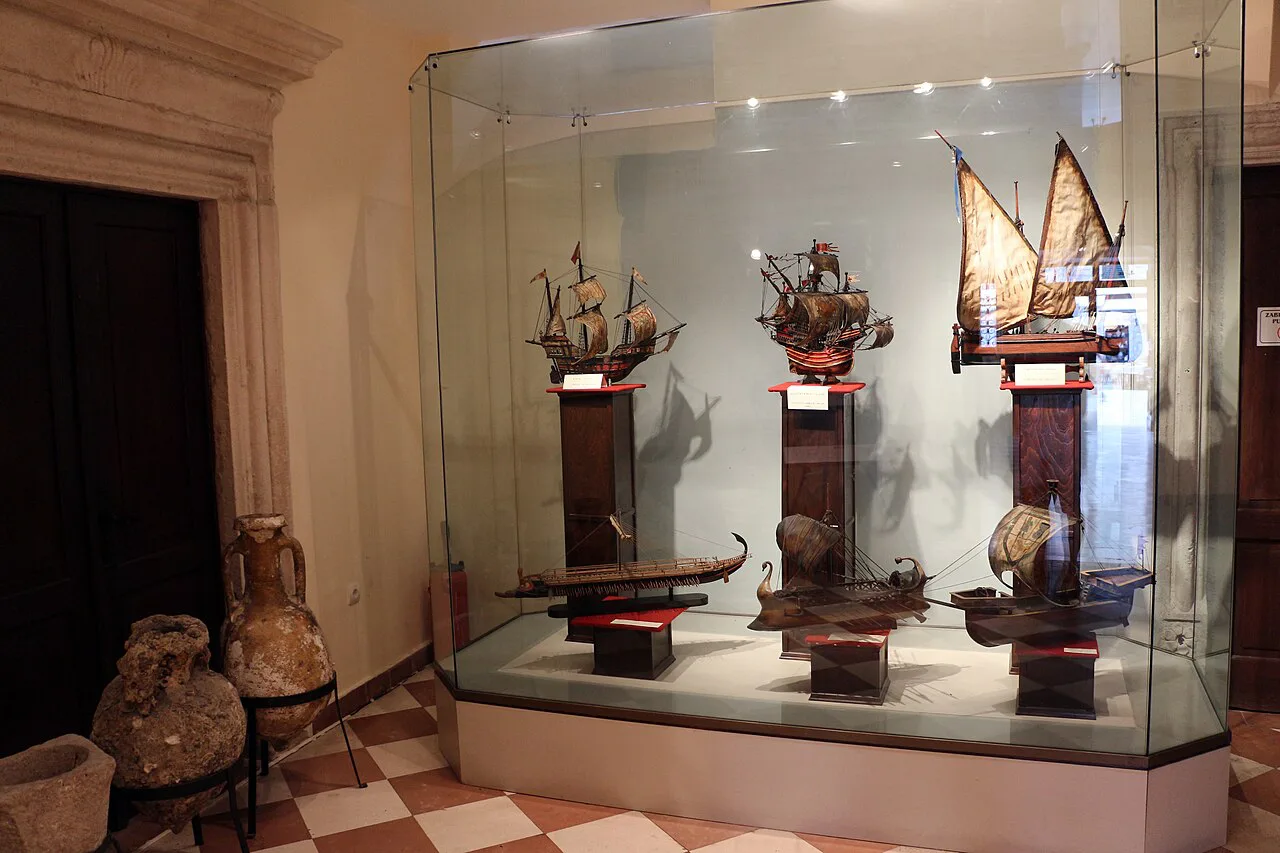
The Maritime Museum fills a historic three-storey building with model boats, old weapons and naval paintings, plus an ethnography section of antique furniture, ornaments and Montenegrin folk costumes. It takes about an hour, which makes it the obvious midday stop when the summer heat builds.
Entry is €6, with hours of 9am to 6pm in summer and 9am to 3pm in winter; on Saturdays and holidays it closes at 1pm. Confirm them at the door if you are visiting on a holiday. Plan the museum for the hottest part of the day and the streets for the cooler hours either side.
Day two: the walk up to St John's Fortress
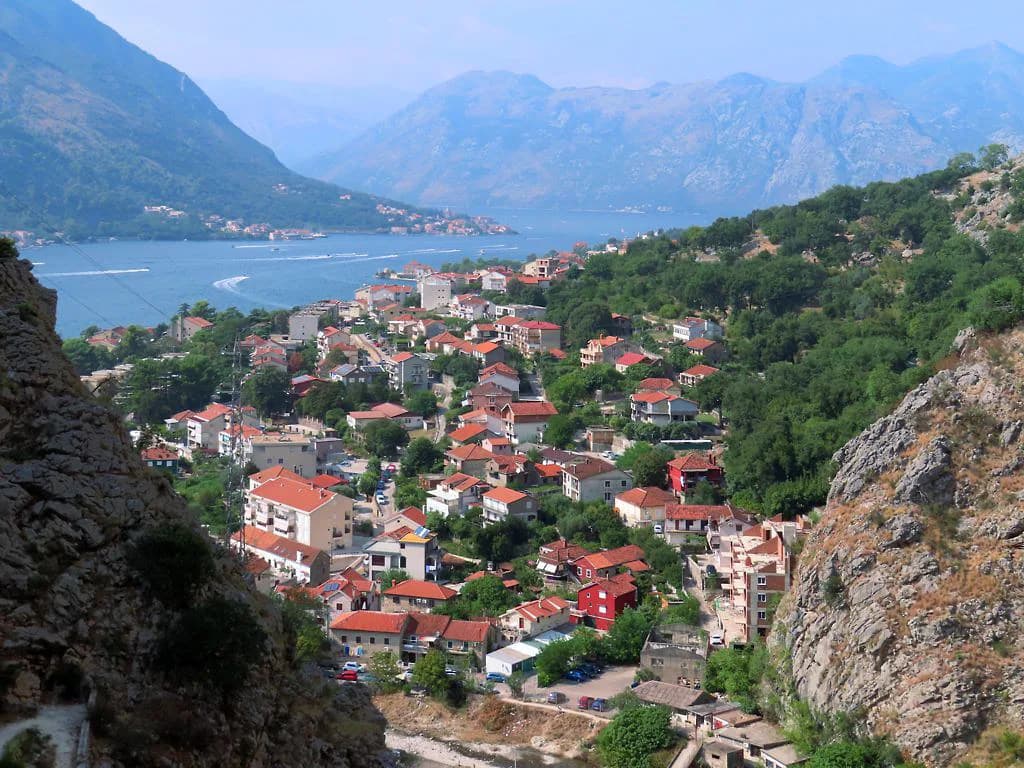
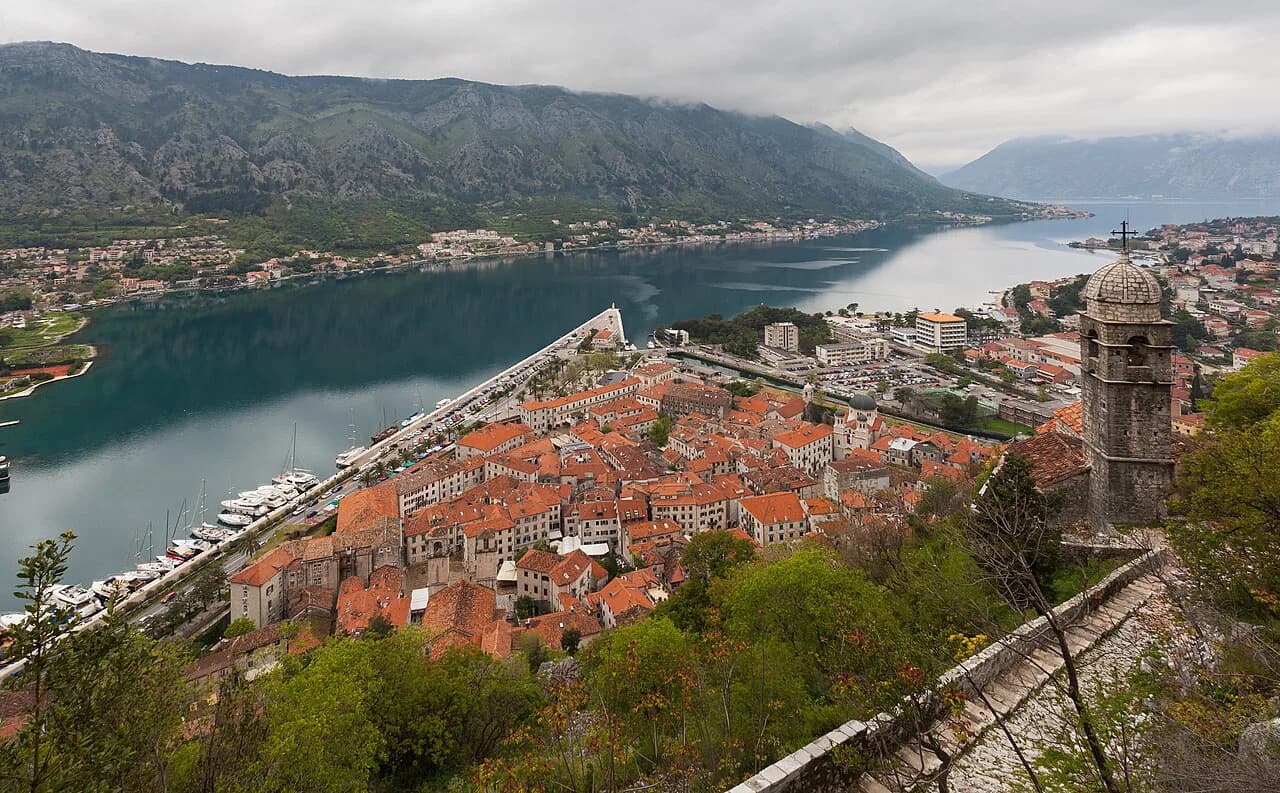
The climb to St John's Fortress is the highlight of a second day, and it has to be walked: there is no cable car or shortcut. Take the official stair trail from inside the old town, with entry points near the River Gate and behind Trg od Salate. The route is easy to follow and climbs more than 1,300 stairs.
The official hours are 8am to 8pm, and starting inside that window means paying an €8 entrance fee; starting before 8am avoids the charge. Aim to be on the steps early, both for the free entry and because the path gets busy after 10am. Sturdy footwear matters more than anything else you carry.
Allow about 45 minutes to reach the top, and two to four hours for the whole outing with breaks. Bring water and snacks, since only a few people sell drinks along the way, and the fortress itself is not well maintained. The shelter and shade thin out as you climb, so start in cooler air.
On the way down, stop at the Church of Our Lady of Remedy, which you can visit. If the stairs sound too punishing, the longer Ladder of Kotor route begins outside the old town with fewer steps and no entrance fee, though it takes longer and still demands solid footwear. It rejoins the main path partway up, and there is a window in the rock to climb through; check its condition locally before choosing that way.
Clear weather decides this day. If cloud or rain closes the view, swap the climb for the museum and the churches and take the walk on the next clear morning instead.
Day two or three: a boat trip to Our Lady of the Rocks and the island of Sveti Đorđe
Give the islands half a day. Boats run from the Kotor waterfront towards Our Lady of the Rocks, the church island, and past Sveti Đorđe, the island monastery that boats pass but do not land on. Operators set their own timetables and fares, so compare departures and confirm the return time before you board.
Tours along the bay typically combine the islands with a stretch of coast, and the trip is the easiest way to see the water without organising anything yourself. Take a morning departure so the afternoon stays free for the old town.
Half a day in Perast
Perast fits neatly alongside the islands, and many boat trips call there or leave from its waterfront. The town is small enough to walk in an hour or two, with the waterfront as the natural focus. Pair it with the boat trip rather than treating it as a separate outing.
Day trips from Kotor: Budva, Tivat and inland Montenegro
With a third day spare and no appetite for the water, Budva and Tivat are the straightforward coastal add-ons, both within reach for a day out. The Bay of Kotor itself also rewards a slow circuit by car or bus, with Perast the obvious stop. Inland Montenegro takes longer, so keep it for a trip with a full day to spare.
Where to fit a walking tour, souvenir shopping and an evening inside the walls
Slot the walking tour into the first morning, before the streets fill, and let it set the geography for the rest of your stay. Keep souvenir shopping for the late afternoon, when the day visitors have thinned and the shops inside the walls are calmer. The old town is compact enough to loop back through it in the evening for a slow walk and a meal.
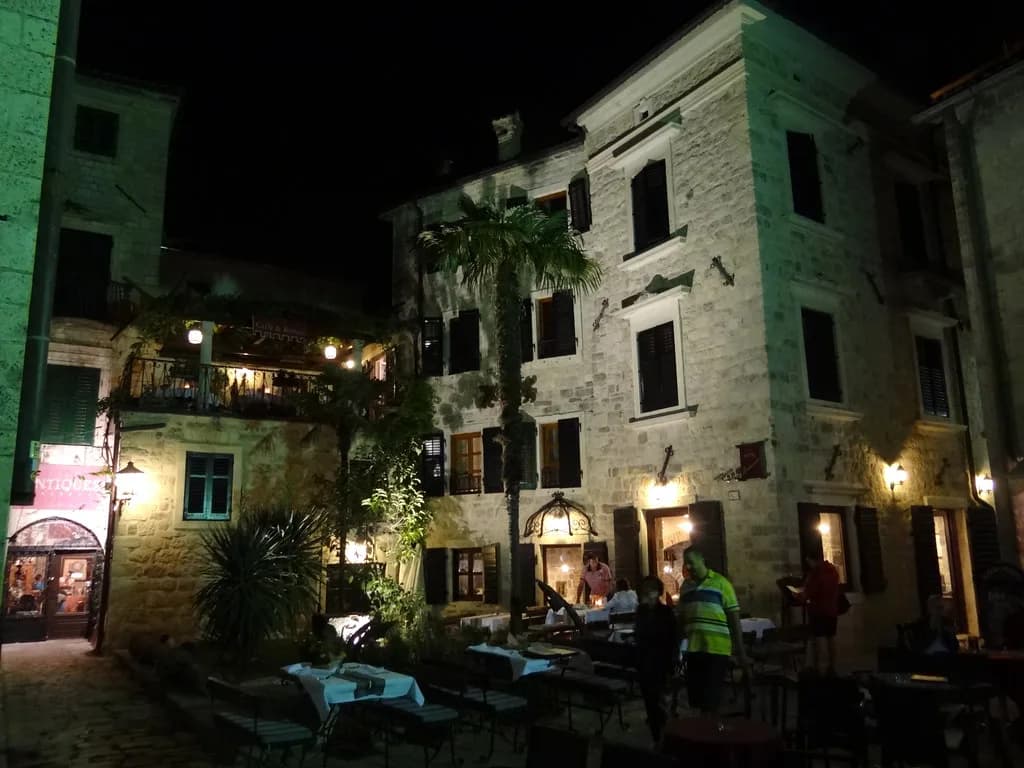
For dinner, book or choose somewhere inside the walls rather than walking out to the road. Our pick of the best restaurants in Kotor covers what is available within the old town, so you can eat without losing the evening atmosphere.
Breakfast works the same way: eat early near your accommodation before the cruise crowds land. Our guide to breakfast in Kotor lists the options that open in time.
A three-day Kotor itinerary at a glance
Day one: enter by the Sea Gate, walk the old town's churches and squares, check the River and Gurdić gates, and take the Maritime Museum at midday. Day two: climb to St John's Fortress early via the official stairs, visit the Church of Our Lady of Remedy on the way down, and keep the afternoon light. Day three: boat to Our Lady of the Rocks and a slow half-day in Perast, then a last evening inside the walls.
Swap the order freely: the boat day can slot into day two if the weather on the mountain looks doubtful. What matters is starting early, keeping the climb on a clear morning, and treating the museum as the midday refuge.
Which day to lead with
Lead with the old town on day one, so you learn the gates before committing to the climb, and hold the fortress for the first clear morning. Add the boat and Perast only if you have a third day. That sequence keeps the crowds at arm's length and leaves room for the weather to change your mind.
Explore more Kotor guides
Frequently Asked Questions
Do you need to book the fortress walk in advance?
No. You walk up the official stair trail from inside the old town and pay the entrance fee at the entry point near the River Gate or behind Trg od Salate during official hours. Starting before 8am avoids the fee.
Are the old town churches free to enter?
Treat each church as a short stop with its own arrangements at the door. St Tryphon's Cathedral houses a small museum on its second floor, and the Church of St Mary Collegiate keeps preserved frescoes and a decorated bronze door.
Can you visit Our Lady of the Rocks without a tour?
Boats run from the Kotor waterfront to the church island, so a tour is not the only way across. Operators set their own departure times, so confirm the return sailing before you set off.
Sources
Notes for your Montenegro trip
Optional updates to our Montenegro town guides.
You might also like
Continue reading
More guides you'll find useful