Museums in Budva: What Each One Holds and How Long to Allow
Budva's museum collections sit in the Old Town, with Roman and Greek finds from the necropolis. Here is what each one holds and how long to allow.
On this page
Budva's main museum collection sits inside the Old Town at the Museum of the City of Budva, and an hour covers it comfortably. The displays rest on Roman and Greek tombs found in front of the walls, alongside clay pots, lamps, gold jewellery, weapons and a 5th-century BC Greek-Illyrian helmet.
This guide separates what the museum actually holds, so you know what you are paying for before you reach the ticket desk. It also sets out a walking order through the Stari Grad, explains what the citadel rooms contain, and covers the mosaic at Risan that is worth a separate trip.
What museums are there in Budva, and where do they sit in the Old Town?
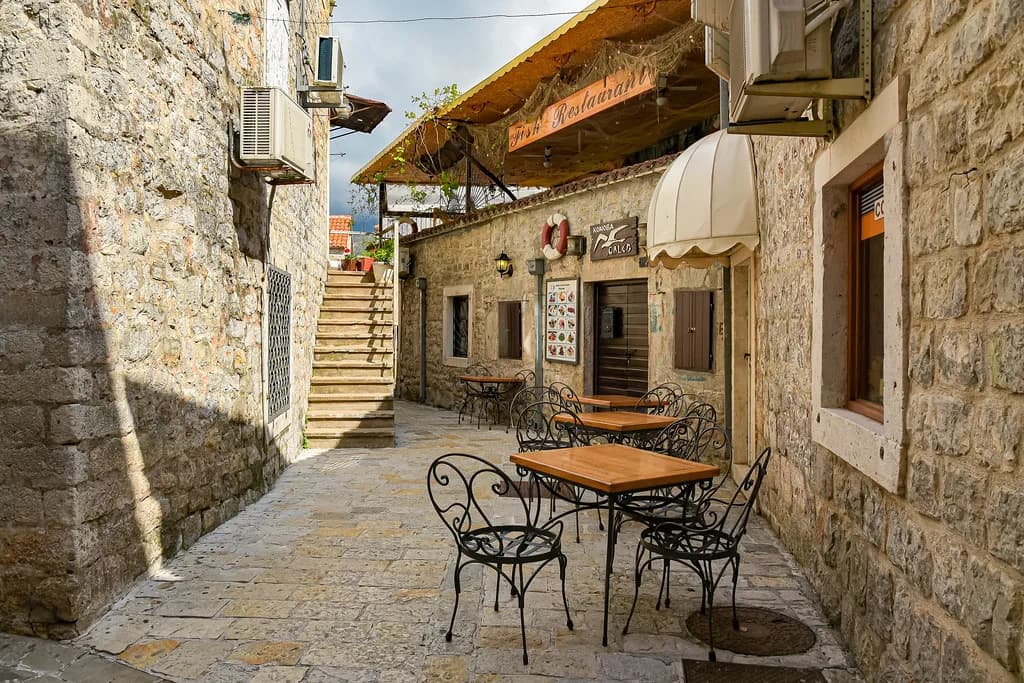
Budva's museum collection sits within the walled peninsula, so you can walk to it in minutes rather than driving. The Museum of the City of Budva occupies a building inside the Old Town, and the medieval fortress wall wraps around the whole cluster, which keeps a museum morning compact.
That layout makes Budva unusual for museum-going: you are not crossing a modern city to reach the collection. Come in through the landward gate, work the lanes on foot, and leave the seaward side for last. A Budva map is handy for pinning the museum entrance against the churches and squares before you set off.
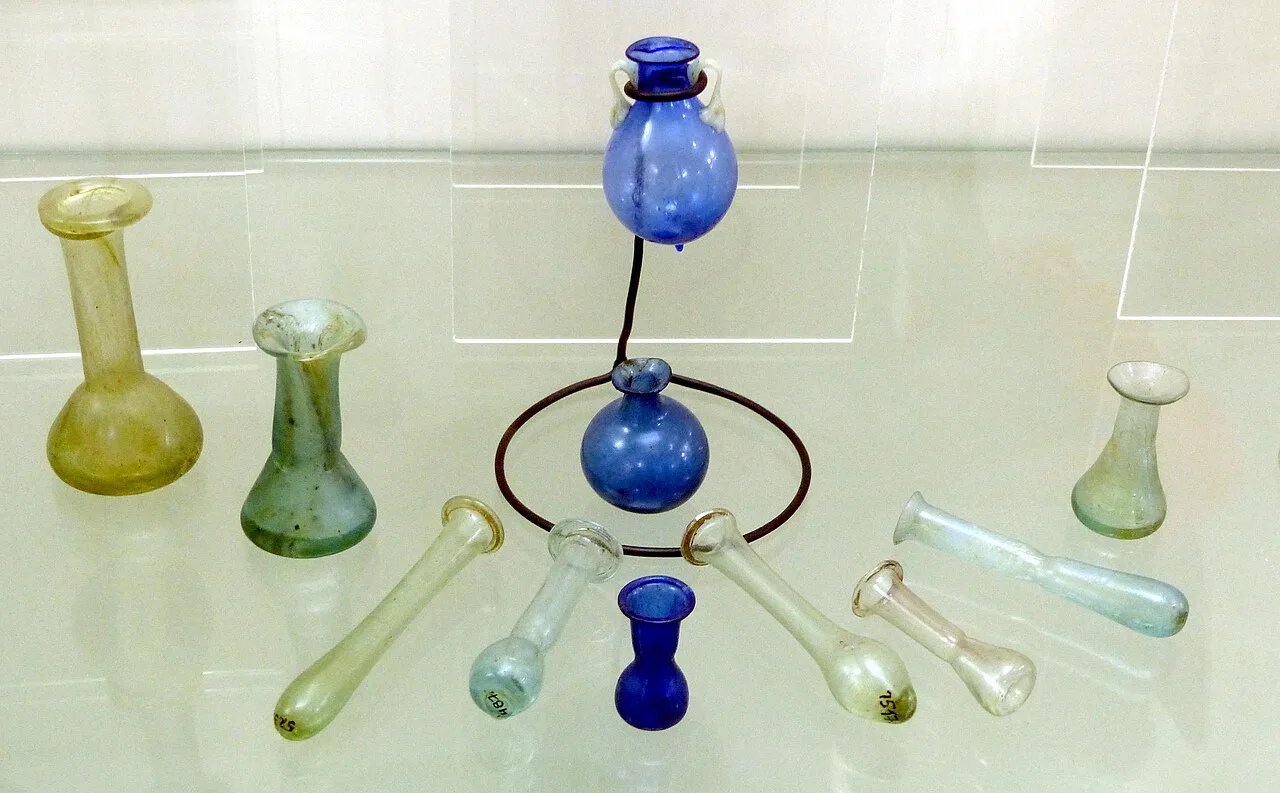
The Museum of the City of Budva: necropolis finds, the Greek-Illyrian helmet and the Roman mosaic
The Museum of the City of Budva is the collection that earns a detour. It holds material from Roman and Greek tombs uncovered by chance in front of the Old Town, displayed as clay pots, lamps, gold jewellery, playsets and weapons. Set aside around an hour, and linger over the Greek-Illyrian helmet from the 5th century BC.
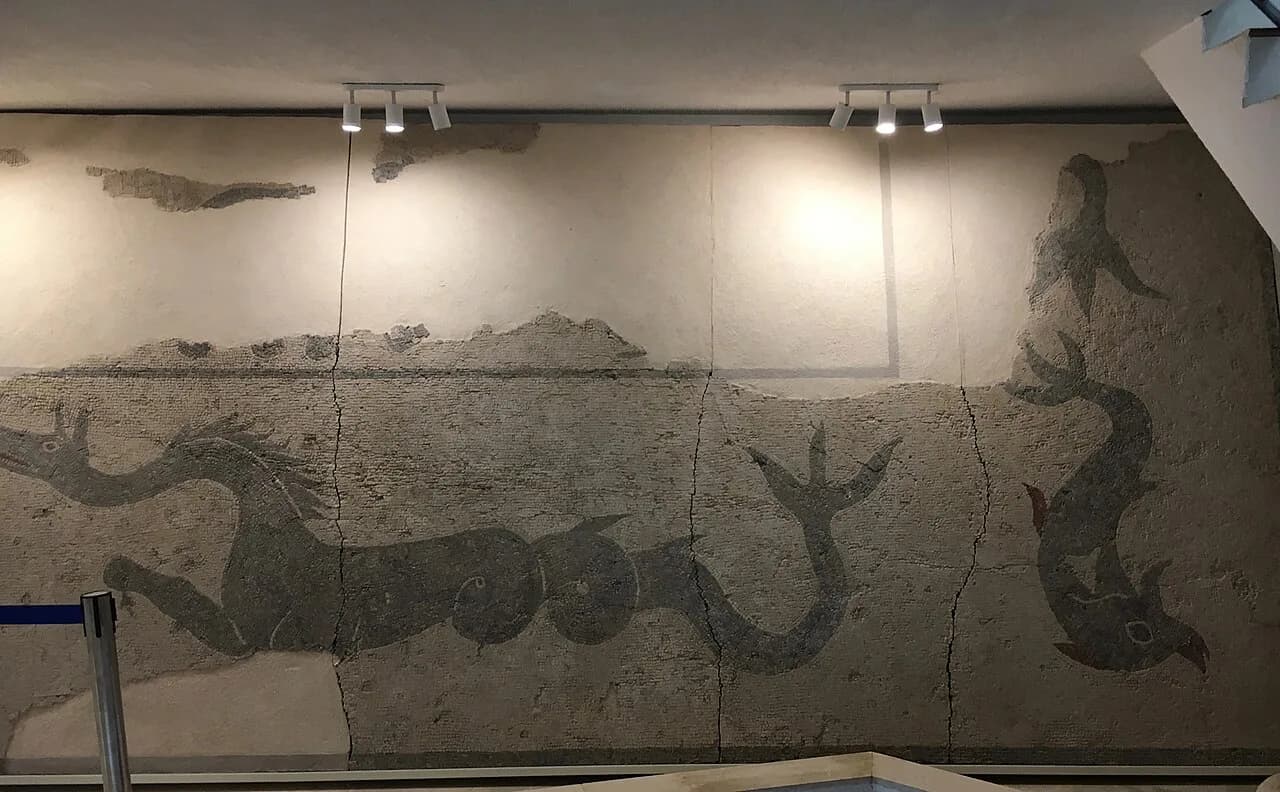
The museum also keeps a Roman mosaic that once decorated the floor of a Roman villa during ancient Budva's growth, now in the museum's lapidary. Treat the lapidary first and the finer objects second, so the sequence makes sense as you go. Photography rules and room closures change, so confirm at the desk on the day.
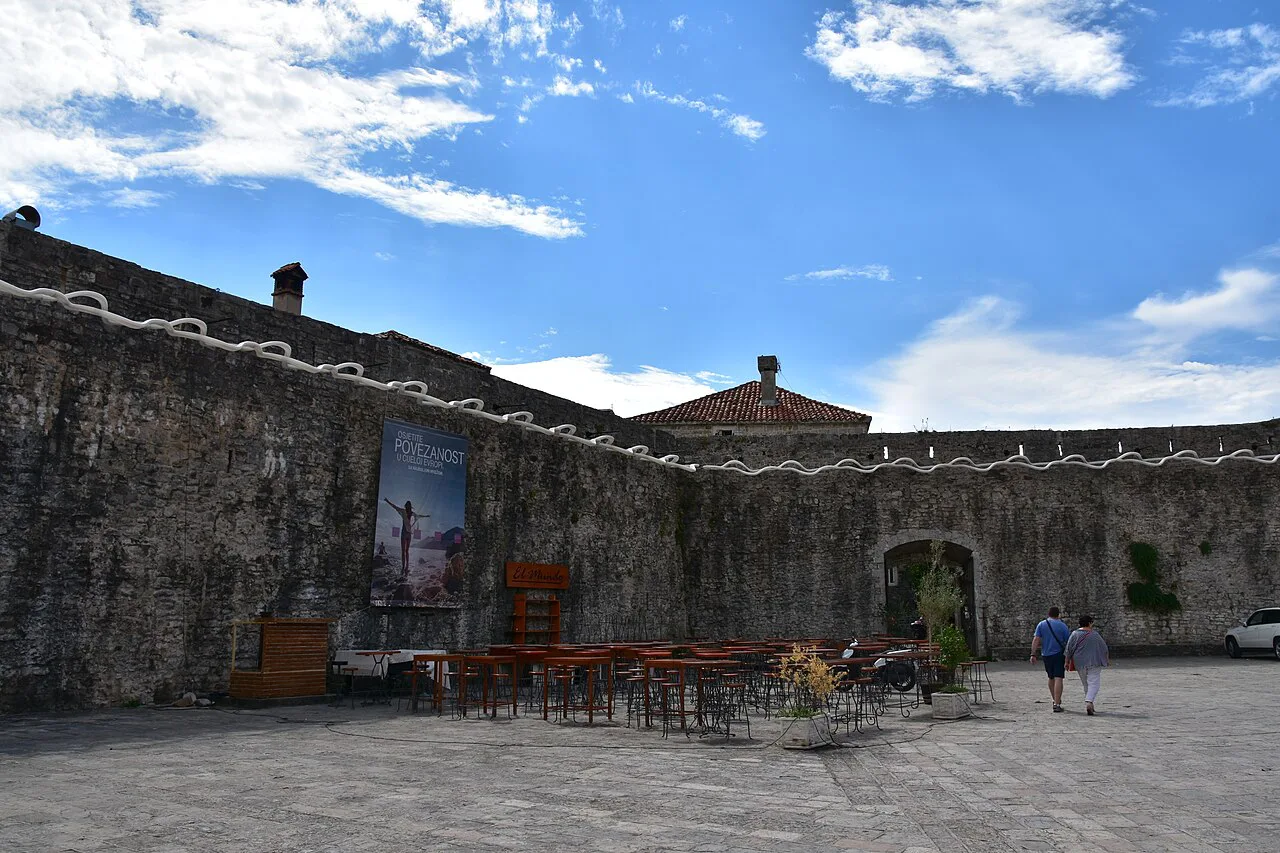
The archaeological collection in the Old Town: coins, weapons and jewellery from the Illyrian, Roman and Byzantine periods
If you want more than the city museum, the citadel rooms hold exhibits rather than a full museum, so arrive expecting a handful of displays rather than galleries. Their value comes with the fortress itself: the position, the walls and the sea view over the rooftops. If you are already at the citadel, the rooms are worth a look; they are not a reason to go on their own.
Plan roughly forty-five minutes at the citadel exhibits if you read the labels, less if you skim to the showpieces. The fortress setting itself is part of the appeal. Check the desk for the day's entry price rather than relying on secondhand figures.
The citadel exhibits: what the rooms inside the fortress actually contain
The rooms inside the citadel hold exhibits rather than a full museum, so arrive expecting a handful of displays rather than galleries. Their value comes with the fortress itself: the position, the walls and the sea view over the rooftops. If you are already at the citadel, the rooms are worth a look; they are not a reason to go on their own.
How long each museum needs, and how to fit them into a walk around the Old Town
A realistic morning takes two and a half hours: an hour at the Museum of the City of Budva and the rest for the citadel rooms, lanes, churches and a coffee. Build the walk in one direction, starting at the landward gate and finishing by the water. That order keeps you from backtracking through the crowded lanes.
If you only have time for one museum, choose the Museum of the City of Budva for the necropolis material. Pair it with the nearby churches rather than adding the citadel and rushing both. Readers planning a fuller day can fold in the wider list of Budva Attractions between museum stops.
Combining a museum visit with the fortress walls and the churches nearby
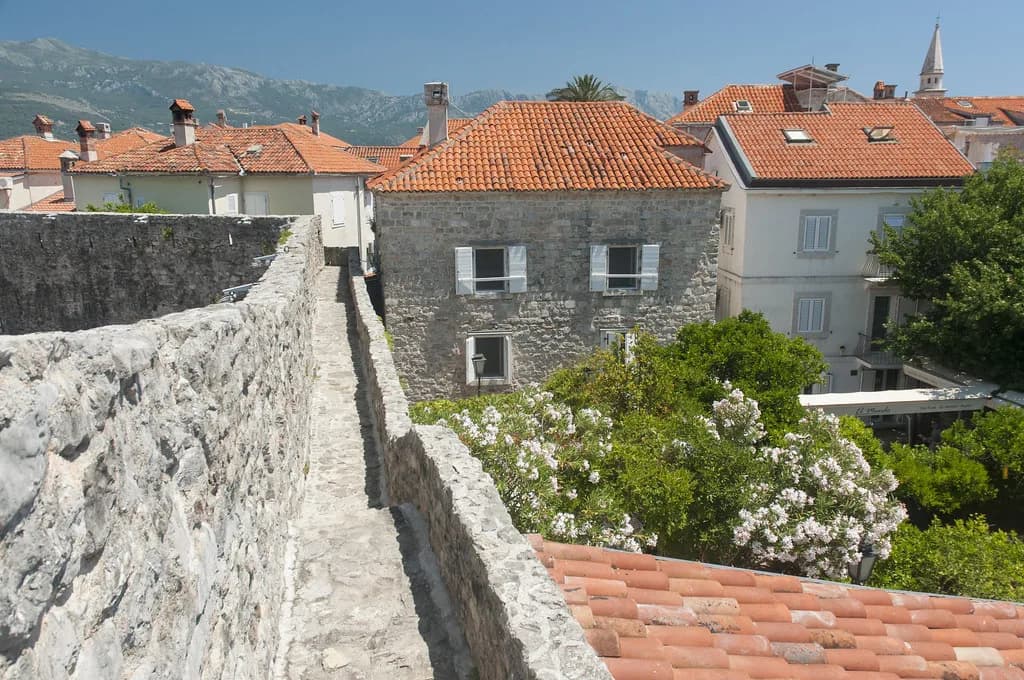
The fortress wall, built in the Middle Ages for protection against enemies, encloses the Old Town, so a museum ticket and a wall walk fit the same afternoon. The Church of Saint John, built in 840 AD, stands among the lanes with frescoes inside and is a natural stop between collections. Climb the walls later for the view over sea and rooftops.
The Old Town lanes also reward a slow pass in the evening, when the atmosphere changes and the cafés fill. If lunch is on your mind after the museum, the pick of the best restaurants in Budva sits within easy reach of the walls.
For a change of pace, a Budva boat tour runs from the harbour and puts the peninsula in perspective after a morning indoors. Families often split the day between the museum and a swim.
Risan's Hypnos mosaic: a short trip from Budva for mosaic lovers
Risan, across the bay, holds a mosaic with a rare depiction of Hypnos, the dream god, made for the owner of a palace. If the Roman mosaic in the Budva collection sparks your interest, this is the follow-up that justifies the drive. Give yourself time for the round trip rather than squeezing it into a museum morning.
The wider riviera is easy to link with Risan if you have a car, and the Budva Riviera Guide sets out the towns along the way. Build the day around one destination rather than three.
Practical points: tickets, opening days and closing times
Entry prices and opening days for Budva's museums are set by the museums themselves and change by season, so read the board at the museum entrance before paying. The tourism board's museum overview is the place to confirm current hours.
Wear shoes that cope with worn cobbles, carry cash for small tickets, and go early if you want the rooms quiet. After the museum, a wander towards the Budva viewpoint or a stretch of Budva kayaking works off the morning indoors.
Which Budva museum to put first
Start with the Museum of the City of Budva, then treat the citadel rooms as a bonus on the wall walk. Give Risan its own half day if mosaics are your reason for coming.
That order gives you a coherent morning inside the walls and leaves the afternoon for the water. Check the desk for tickets and hours as you go.
Explore more Budva guides
Frequently Asked Questions
Do I need to book Budva museum tickets in advance?
The collections inside the Old Town sell tickets at the door rather than through advance booking. Turn up at the entrance, ask the price for that day, and pay there. Cruise-ship mornings fill the lanes, so an early or late slot gives you quieter rooms.
Is the citadel a museum?
No. The rooms inside the citadel hold exhibits rather than a full museum, so treat them as a small display attached to the fortress. Go for the walls and the view, and look in on the exhibits while you are there.
Which Budva museum suits children?
The Museum of the City of Budva works well for children: the tombs, lamps, gold jewellery and the Greek-Illyrian helmet give them something tangible to look at. The archaeological collection rewards reading, so it suits older children more.
Sources
Notes for your Montenegro trip
Optional updates to our Montenegro town guides.
You might also like
Continue reading
More guides you'll find useful