Durmitor National Park: A Practical Guide to Žabljak, Black Lake and the Tara Canyon
Plan Durmitor National Park from Žabljak: the Black Lake circuit, the Durmitor Ring, the Tara canyon, park entry and arriving by bus or car.
On this page
Durmitor National Park is a UNESCO World Heritage Site in northern Montenegro, a limestone massif with glacial lakes, the Tara canyon and the town of Žabljak at its centre. Base yourself in Žabljak and you can walk to Black Lake without a car, but the Durmitor Ring, the Tara bridge and the canyon viewpoints genuinely need one. This guide covers park entry, arrival by bus or car, Žabljak as a base, the lakes, the ring drive and the Tara canyon, and leaves hiking routes to dedicated guides.
The park covers 34,500 hectares across the municipalities of Žabljak, Šavnik, Plužine, Pljevlja and Mojkovac, and contains 48 peaks above 2,000 metres.
Durmitor National Park: what it is and where it sits
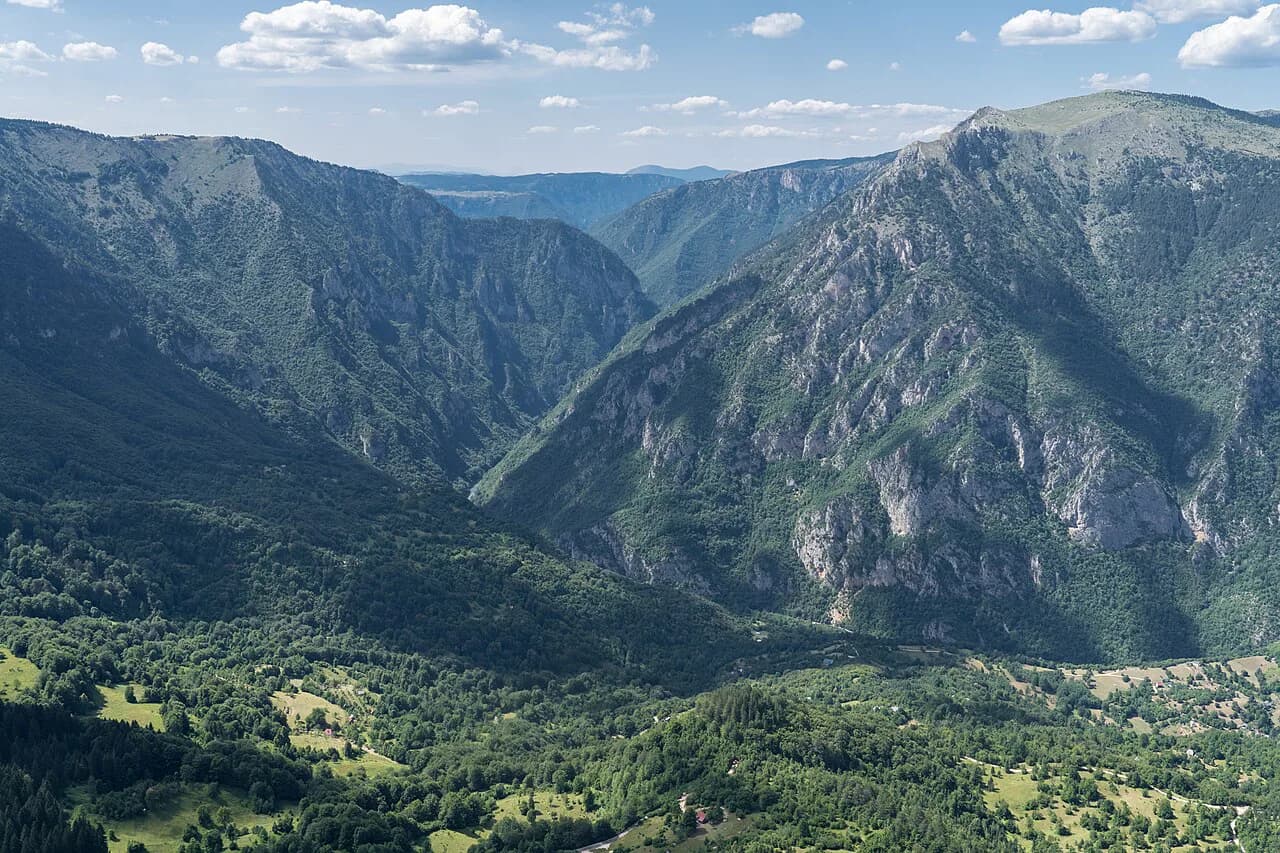
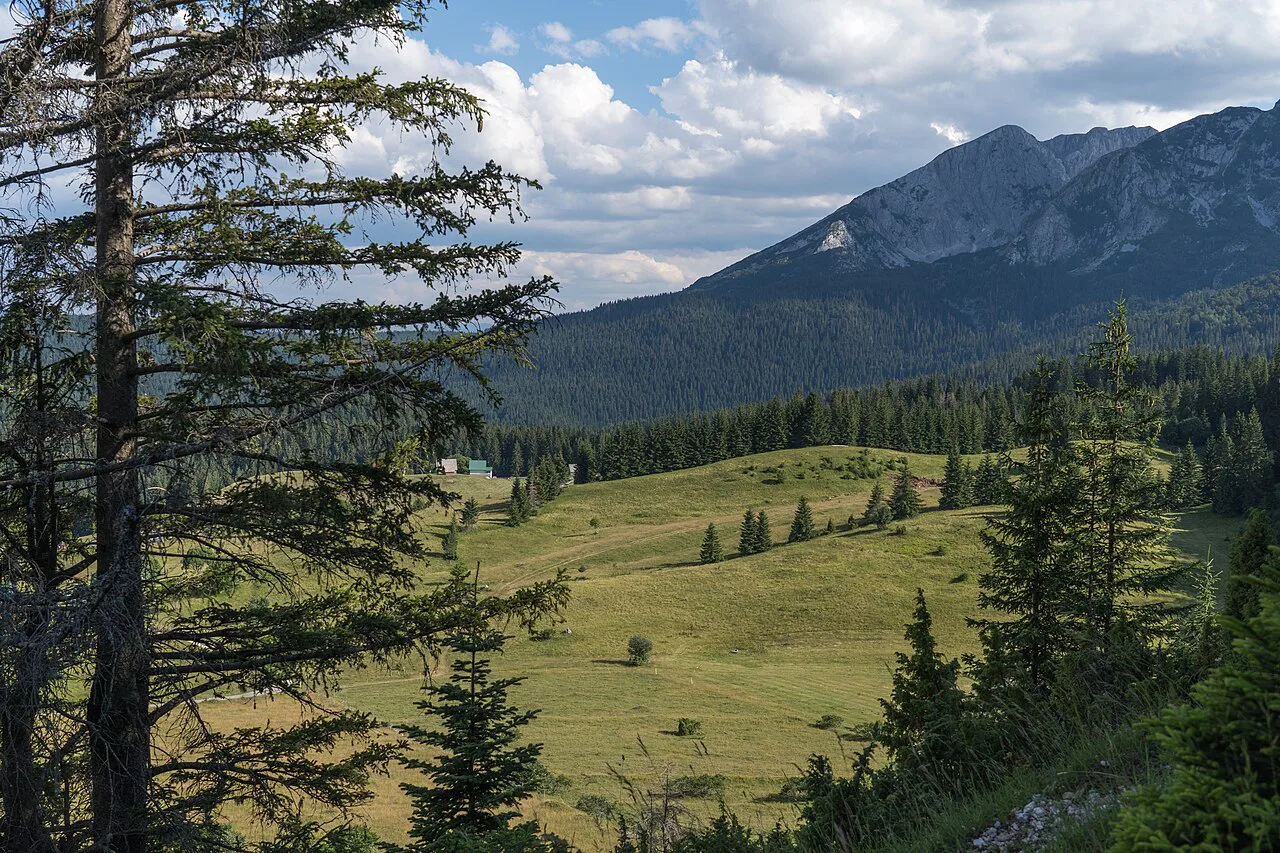
Durmitor National Park includes the Durmitor massif, the canyons of the Tara, Draga and Sušica rivers and the highest part of the Komarnica valley, with Bobotov Kuk at 2,523 metres the highest point. The park was established in 1952 and recognised as a UNESCO World Heritage Site in 1980, which is the status the signs and interpretation boards refer to.
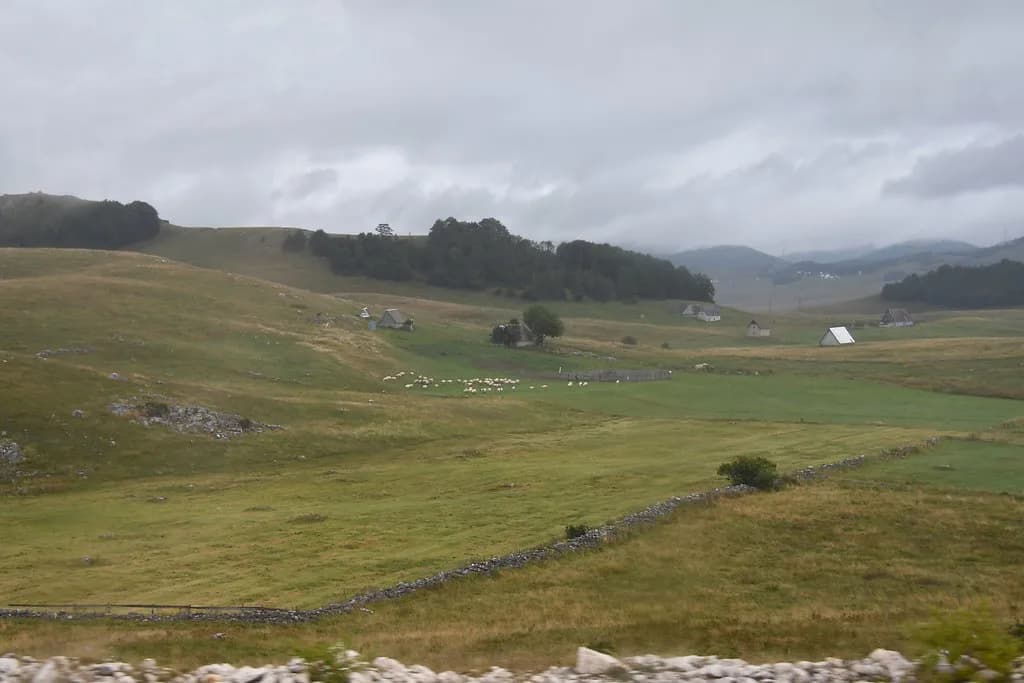
The geography is what shapes a visit: the lakes sit in a high basin around Žabljak, the Tara canyon cuts the eastern side of the park, and the ring road threads between the peaks. That matters because a lake walk, a canyon viewpoint and a full loop of the massif are three separate outings, not one short day.
Park entry: what the ticket costs
Entry to Durmitor National Park is 5.00 euros per day, paid at the park entrance. Budget it per person per day and pay at the entrance rather than assuming it is folded into a tour price.
The fee is a park charge, separate from anything you spend inside on boat hire, chairlifts or rafting. Those extras are seasonal and priced on the spot by the operators, so treat any figure you see quoted online as a record of a past season rather than a standing rate.
Getting there: bus from Podgorica, driving times and why a car changes the trip
A bus from Podgorica to Žabljak takes roughly 2 hours 20 minutes. That gets you to town comfortably, but buses do not deliver you to the lakes, the ring road or the Tara bridge, so arrival and movement around the park are two different problems to solve.
A car is what makes the Sedlo Pass, the narrow curves of the ring road and the deeper parts of the park reachable in a day. Without one you are limited to what you can walk to from Žabljak plus whatever a tour or taxi will take you to, which is a real constraint rather than a minor inconvenience.
If you are staying in Žabljak rather than passing through, the town guide covers the layout, where things are in relation to each other and what is walkable from the centre.
Žabljak as a base: altitude, layout and what is walkable from town
Žabljak sits at 1,456 metres with about 1,700 residents and functions as the gateway to the park's glacial lakes. It is a small mountain town rather than a resort strip: you can walk from the centre to the lake shore, but the ring road and canyon viewpoints are outside town.
The altitude is the practical detail most visitors underestimate. Even summer daytime temperatures rarely exceed 25°C at lower altitudes, and nights can fall to around 5°C, so a warm layer is worth carrying even in July.
For a fuller picture of the town's streets, services and orientation before you book, see Žabljak: A Practical Guide to Montenegro's Mountain Town.
Black Lake (Crno Jezero): the walk from Žabljak, the loop, rowboats and swimming
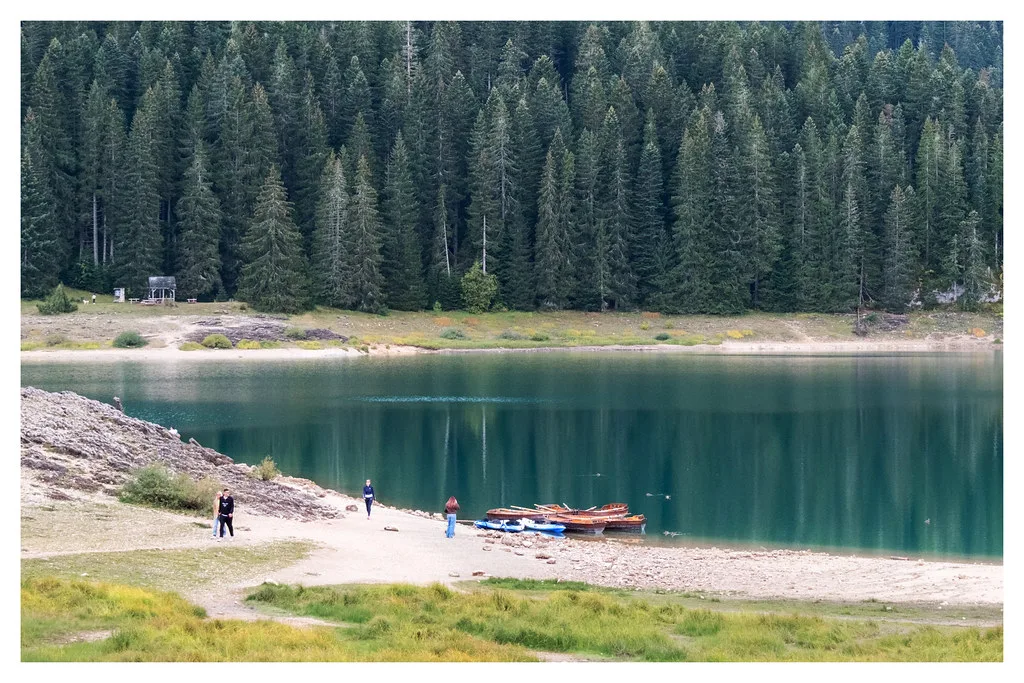
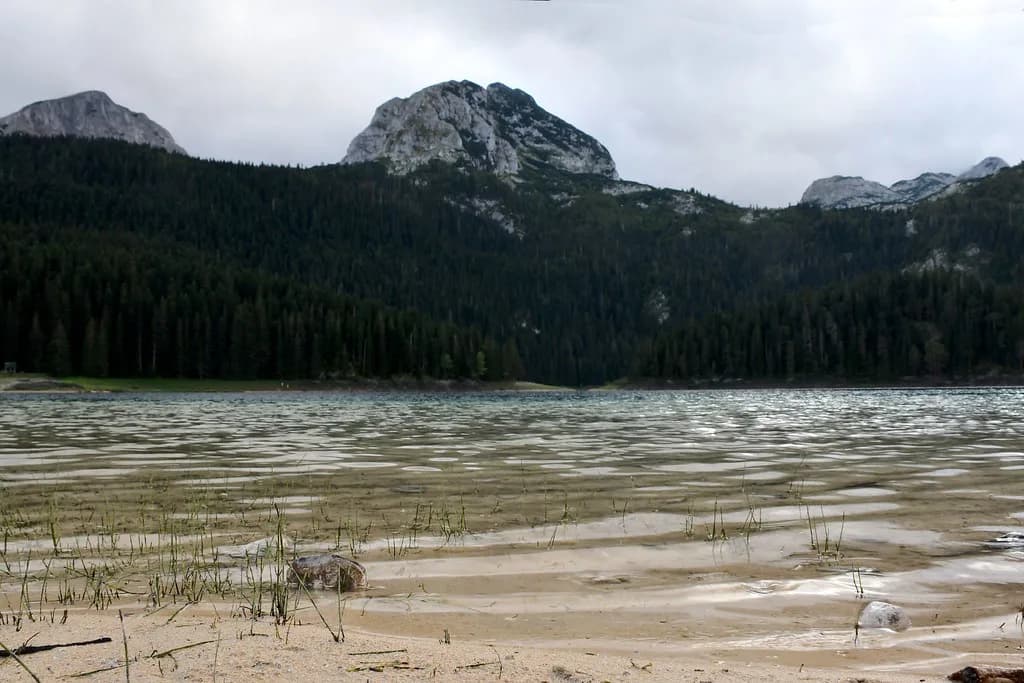
Crno Jezero, the Black Lake, is a 15-minute walk from the centre of Žabljak and the park's most accessible water. It has two basins, a larger and a smaller one, joined by a narrow strait that disappears at the height of summer, and the flat 3.5-kilometre loop around it is shaded by pines and suited to families.
In 2026, wooden rowboats were available at 10 euros per hour, which is the quiet way to get away from the main entrance. Do not count on that figure holding: boat hire is seasonal, so confirm the rate at the lake on the day and treat it as a record of the 2026 season rather than a fixed price.
For the loop in detail, including where it starts and what the two basins look like, the dedicated guide to Black Lake (Crno jezero) near Žabljak, Durmitor National Park does the job.
Other glacial lakes worth the detour
Durmitor has around twenty glacial lakes, called mountain eyes, scattered across the massif. The largest and most visited is Black Lake, but Zmijinje Jezero, set in spruce and fir forest, and Barno Jezero, ringed by conifers, are the closest alternatives for anyone wanting a second lake without a long drive.
Higher up, Skrčka Lake can stay bound by ice and snow until mid-July, while Zeleni vir, Modro jezero, Vražje and Riblje jezero sit in open meadows. Treat the higher lakes as a mid-summer to early-autumn proposition and ask locally before setting out in June.
A Durmitor map is worth carrying if you plan to string two or three lakes together, since the roads between them are not always signposted clearly from the centre of Žabljak.
The Durmitor Ring: the loop drive and how long it takes
The Durmitor Ring is a loop drive through the massif rather than a single road to a viewpoint. One travel guide suggests driving it counter-clockwise, keeping the main viewpoints on your working side, though treat that as a preference rather than a rule.
Give it a full day rather than an afternoon. The ring rewards stops and short detours, and attempting it between a morning lake walk and an evening meal produces a rushed drive with no time at the passes. If your time is short, pick one side of the ring and do it properly.
Because the ring passes through Šavnik and the surrounding villages, it is worth deciding in advance whether you are looping back to Žabljak or continuing south. See Šavnik for what the town offers if you plan to break the drive.
Savin Kuk: the chairlift and what you see from the ridge without a summit hike
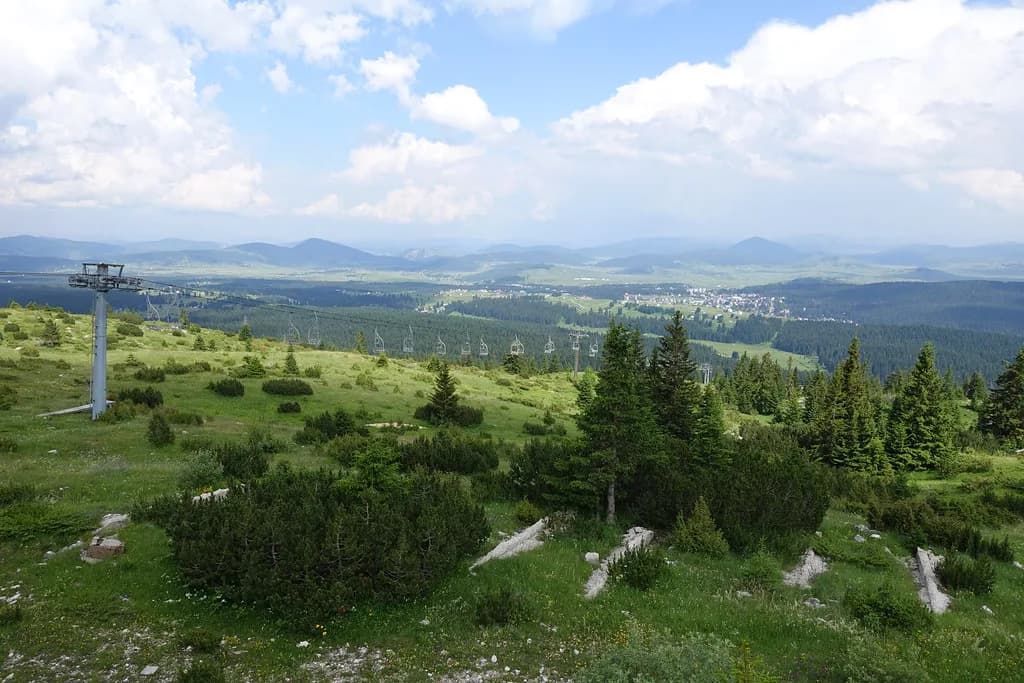
The chairlift up Savin Kuk is the shortcut to a high viewpoint without committing to a summit. From the ridge you look down onto the water of Black Lake below, which makes it the best use of an hour for anyone not planning to walk up.
The chairlift runs on its own seasonal timetable. Turn up at the base station and ask, or check with the operator, rather than building a tight plan around a departure time.
If you would rather have someone else handle the logistics of getting to the viewpoints, organised Žabljak tours cover the park without you driving the ring yourself.
The Tara canyon and Đurđevića Tara bridge: viewpoints, rafting and zipline
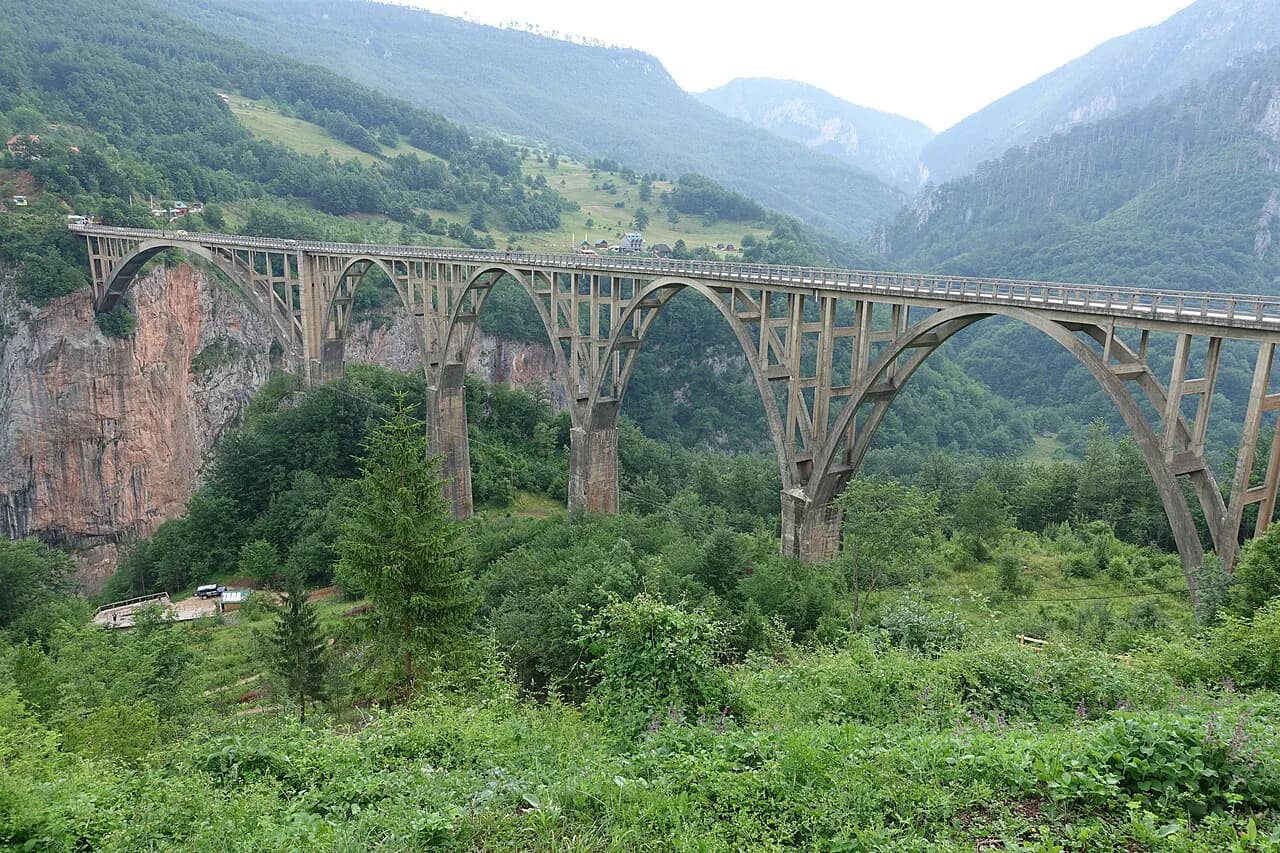
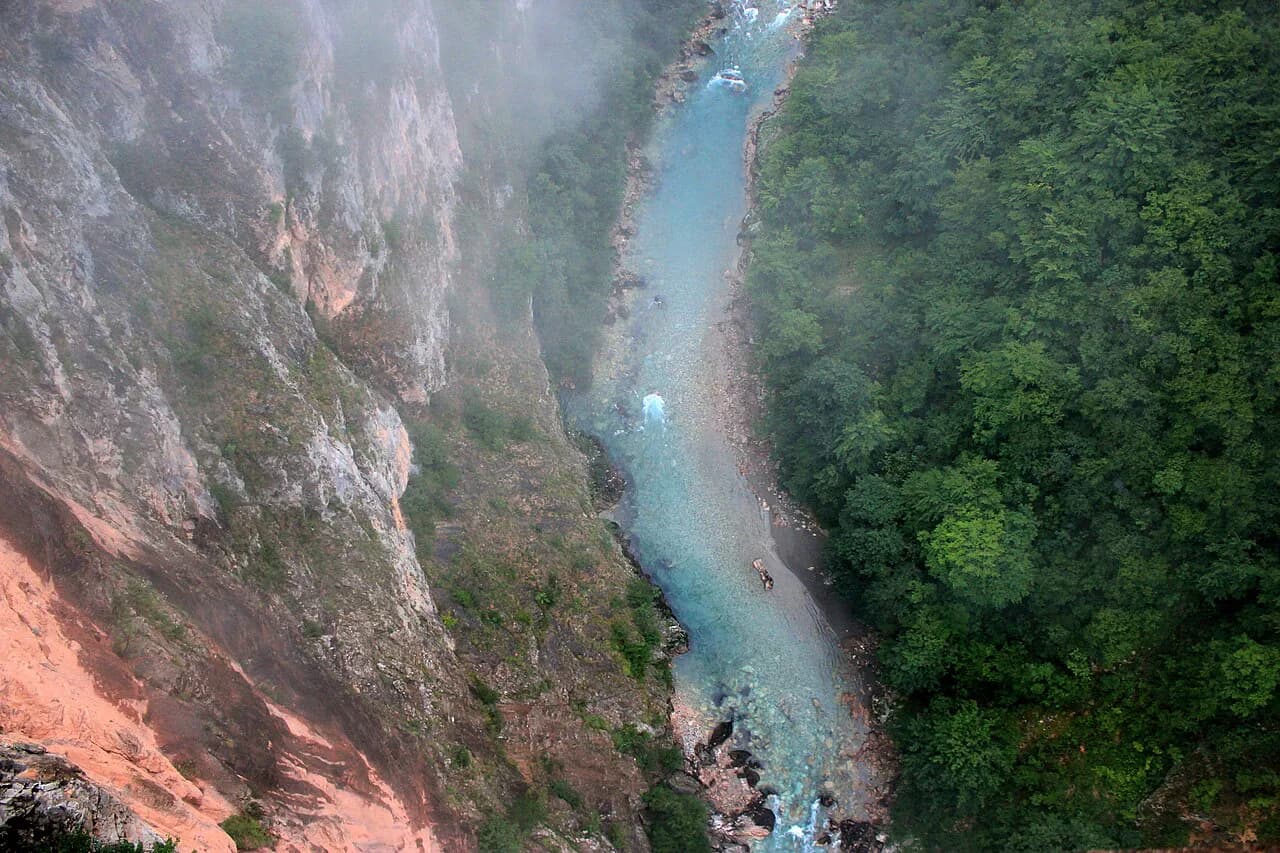
The Tara river canyon is the eastern edge of the park and the reason many people drive north at all. The Đurđevića Tara bridge is the standard stopping point, with canyon views from the bridge itself and rafting and zipline operators working the gorge below. For the canyon as a destination in its own right, our Tara river canyon guide covers where to see it and how to plan a visit.
Rafting on the Tara runs from adrenaline-heavy spring water to gentler summer floating with swimming, so the season you travel in changes the experience more than the operator does. Prices and departure times are set by the operators and are not something to lock in from a distance; book on arrival or through your accommodation.
For the canyon as a destination in its own right, including the bridge, the viewpoints and how it fits into a northern circuit, the Tara river canyon guide goes further. If your interest is specifically the water and the road along it, start with the Tara river page.
Nevidio canyon canyoning: who it suits and who should skip it
Canyoning in Nevidio is the park's most demanding organised activity and is genuinely not for everyone. It involves cold water, confined passages and a level of fitness and comfort in water that many holidaymakers do not have, so treat it as a committed half-day rather than a casual extra.
Skip it if you are travelling with young children, are uncomfortable in cold water or have limited mobility. The park's famously cold water makes Nevidio a poor fit for anyone who dislikes being submerged. The lake loop and the Savin Kuk chairlift give you a mountain day without any of those demands, and the ring drive covers the scenery.
Weather and seasons: what the alpine climate does to a plan
Durmitor has a continental-alpine climate with cold winters, cool summers and weather that changes quickly, including occasional summer snow on the highest peaks. Snow lingers at altitude into June and sometimes later, which is why early-summer plans at height need a fallback.
Typical averages give a rough shape: spring sits between roughly 0°C and 15°C, summer rarely exceeds 25°C by day with nights near 5°C, and autumn runs from about 5°C to 15°C before frost sets in. These are seasonal norms, not a forecast, and the mountains make their own weather regardless.
Build the day around a waterproof layer and a warm mid-layer, even for a short lake walk. That single decision covers most of what the microclimate throws at a visitor, and it costs you nothing but the space in your bag.
Wildlife and plants: bears, chamois and what you are realistically likely to see
Durmitor supports about 1,600 plant species and a range of large mammals including brown bear, Eurasian lynx and chamois. That is a statement about habitat, not a sighting promise: bears and lynx avoid people, and most visitors see birds, butterflies and the occasional chamois at distance.
If wildlife is the point of the trip, the higher meadows at quiet times of day give you the best odds, and the park's mixed forests and open pastures are where the range of habitats is greatest. Keep your distance, keep food packed away, and do not treat a bear sighting as something to engineer.
Durmitor without a car: bus access, tours and the limits of both
Without a car you can still reach Žabljak by bus from Podgorica in about 2 hours 20 minutes, and you can walk to Black Lake from town. What you cannot easily do is the ring road, the Tara bridge and the higher lakes, all of which assume private transport or a booked tour.
Tours fill that gap, but they run to their own schedule and usually combine Durmitor with the Tara canyon in a single long day. That suits a first visit; it does not suit anyone wanting two slow days at the lakes. Decide which of those trips you are taking before you book.
Where to eat in Žabljak: lamb under the sač and kačamak
The dish to order in Žabljak is lamb roasted under a metal bell, the sač, served with kačamak made from high-altitude potatoes and aged mountain cheese. It is mountain food built for cold evenings rather than a light lunch, and portions tend to be generous.
Menus in the centre of town are built around these specialities, so you will not struggle to find them; what varies is quality and whether the kitchen is cooking for a busload or for a quiet room. For a shortlist of places to eat rather than a single recommendation, see Žabljak restaurants.
Practical constraints: snow at altitude and changing weather
The constraints that most affect a Durmitor plan are altitude, snow and weather that turns without warning. Trails and higher roads can still hold snow into June, and sudden storms are possible in July and September, so a flexible itinerary beats a tightly booked one.
Keep one day unplanned for the loop or the canyon, so a washout costs you a rearrangement rather than a wasted booking. If you want to plan around attractions rather than weather, the Žabljak attractions guide collects the individual guides in one place.
For the detailed version of the lake itself, including the shore, the strait and the walk, the dedicated Black Lake (Crno jezero) near Žabljak, Durmitor National Park guide is the place to continue.
Two days in Durmitor: what to book and what to leave loose
With two days based in Žabljak, put the Black Lake loop and the Savin Kuk chairlift on the first, keeping both on foot or a short drive, and give the second to the Durmitor Ring or the Tara bridge rather than trying to fit both. Carry a waterproof and a warm layer for either day, and pay the park entry at the entrance on the way in.
Leave the boat hire, chairlift and rafting decisions until you are there, since each is seasonal and set locally. Confirming those on the day is a five-minute conversation that protects the rest of your plan.
Explore more Žabljak guides
Frequently Asked Questions
Are there bears in Durmitor National Park?
Yes. Brown bear, Eurasian lynx and chamois all live in the park's forests and high pastures. That makes the park good habitat, not a guarantee of a sighting: bears avoid people, and most visitors see smaller wildlife and birds rather than large mammals.
Which country is Durmitor National Park in?
Durmitor National Park is in Montenegro, in the north of the country around the town of Žabljak. It is a UNESCO World Heritage Site and spans several municipalities, including Žabljak, Šavnik, Plužine, Pljevlja and Mojkovac.
Sources
Notes for your Montenegro trip
Optional updates to our Montenegro town guides.
You might also like
Continue reading
More guides you'll find useful