Tara River Canyon: Where to See It and How to Plan a Visit
The Tara river canyon runs through Montenegro and Bosnia and Herzegovina. Here is where to see it, how to reach it from Žabljak and what a rafting trip involves.
On this page
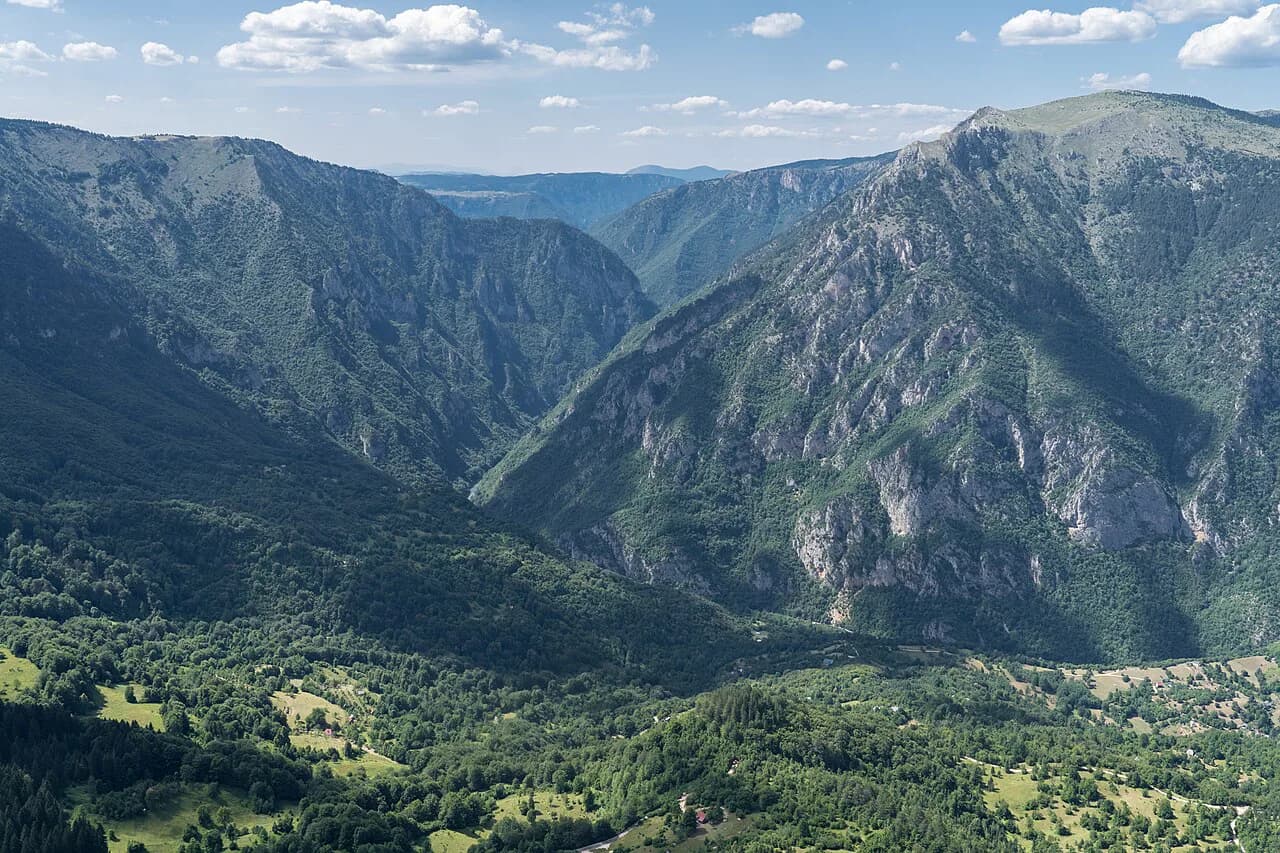
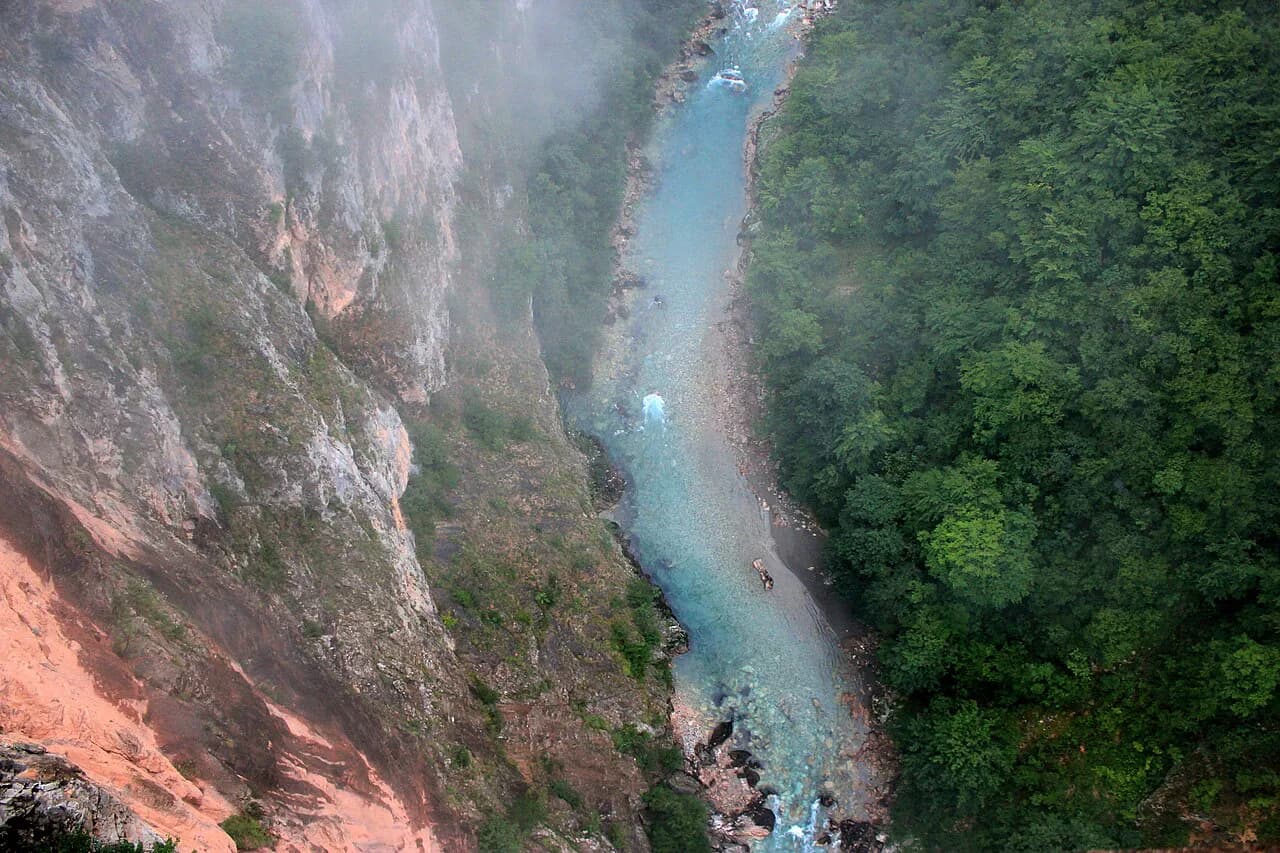
The Tara river canyon runs through both Montenegro and Bosnia and Herzegovina, and you can see it two ways: from the road and the Đurđevića Tara bridge above it, or from a raft on the water. The river carves through the limestone between the Durmitor area and the Bosnian border, then joins the Piva near Šćepan Polje to form the Drina. This guide sets out where the viewpoints are, how the rafting stretch works, how to reach both ends and how much time to allow.
Seeing the canyon and experiencing it on the water are separate decisions, and plenty of visitors do only the first. The bridge and the road beside it need no booking and no boat; a rafting day needs an operator, a meeting point and most of a day. Decide which one you are there for before you plan the rest of the Durmitor leg.
What the Tara river canyon is and where it runs
The Tara rises in Montenegro and flows north-west, cutting a deep gorge before it meets the Piva. At that confluence the two become the Drina, which continues into Bosnia and Herzegovina. The result is a canyon that straddles a border: the Montenegrin section is the one most visitors reach from Žabljak, while the lower stretch and the main rafting put-in sit on the Bosnian side.
That border matters for planning. A rafting day based at Šćepan Polje means crossing into Bosnia and Herzegovina, so you need your passport with you, and the road approach from the Montenegrin side is longer than the map suggests. Seeing the canyon from the Montenegrin rim and rafting it from the Bosnian base are two different half-days, not one.
There is no gated visitor centre for the canyon as a whole that you can simply turn up to; the bridge and roadside viewpoints sit on public roads, while rafting is run commercially by operators working the river. Plan around those two options rather than expecting an organised attraction with a single ticket.
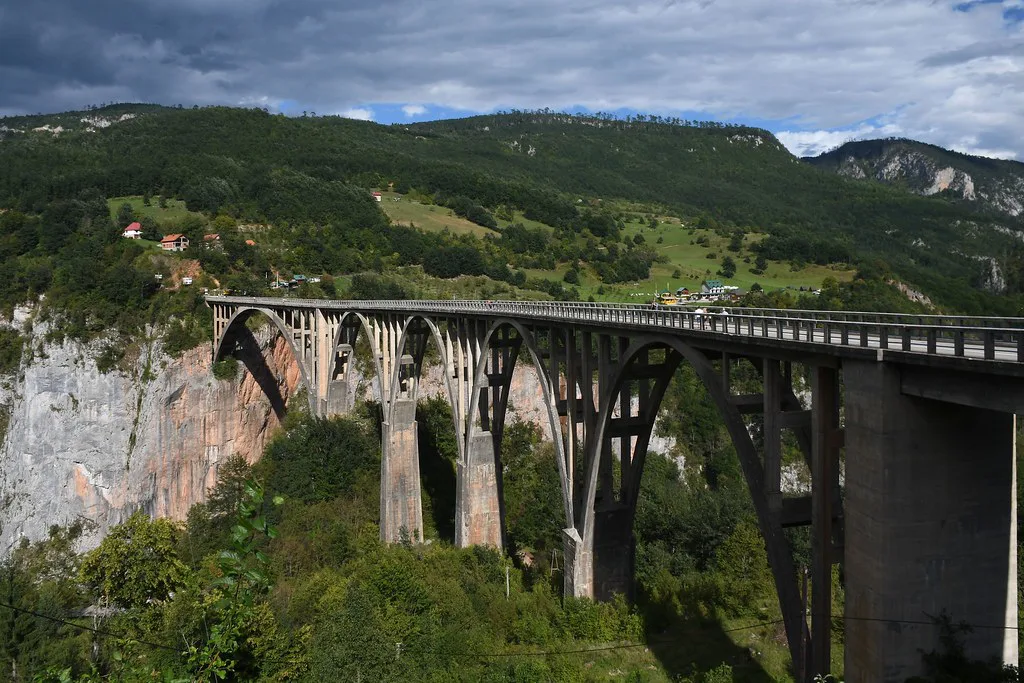
Where to see the canyon: the Đurđevića Tara bridge and viewpoints
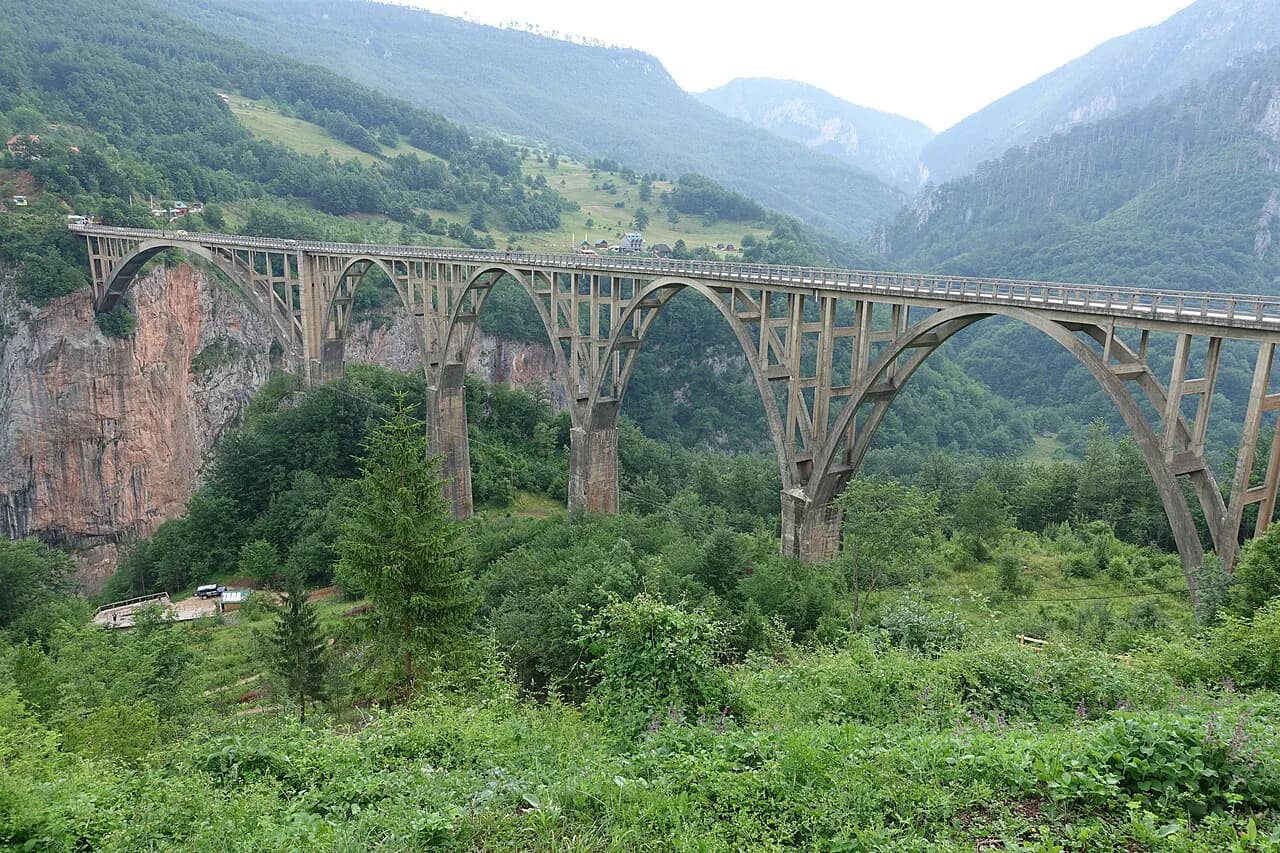
The Đurđevića Tara bridge is the classic place to look down into the gorge, and it is the stop most people mean when they say they have seen the Tara canyon. The bridge spans the river on the road between Žabljak and the Bosnian border, so it fits naturally into a drive rather than needing its own expedition. Allow time to walk out onto it and to pull in at the viewpoints on the approach.
The bridge and the roadside viewpoints are not a ticketed site, so there is no fixed schedule to plan around. Light and shadow change through the day, and the gorge reads differently from each end of the span, so a short stop is worth stretching to twenty minutes rather than a photo from the car.
The canyon is one of several in this part of Montenegro, and it is worth knowing how it compares with the tighter, wetter gorges further south before you commit a day to it. If you are weighing up which gorge to build a trip around, the wider Montenegro canyons picture helps you choose.
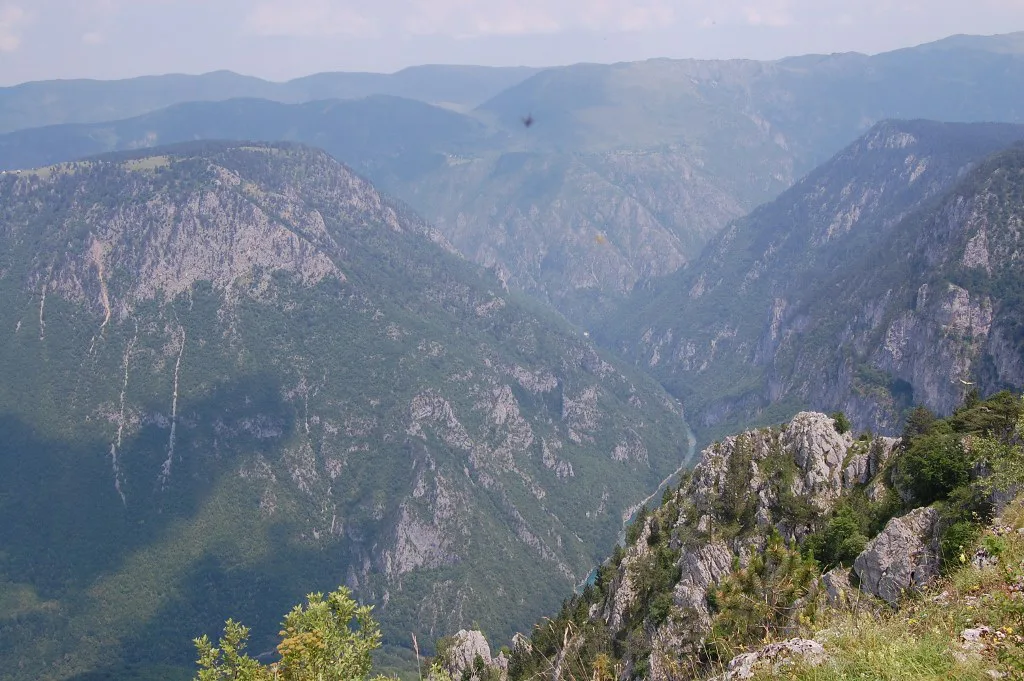
Seeing it from the water: rafting in brief
Rafting operators run the river between Brštanovica and Šćepan Polje, the stretch they treat as the best part of the canyon. The one-day express trip on that section is advertised as three to four hours on the water with 22 whitewater rapids. Treat that as the operator's description of the route rather than a promise of conditions on your date.
Trips range from that single day up to two- and three-day expeditions that cover more of the navigable river, with nights in camp and meals included. The operator advertises its rafting packages from 35€ and runs other activities from the same base, including canyoning in Nevidio canyon, a guided walk to Trnovačko lake, mountain biking and a zip line at the Đurđevića Tara bridge. Check the price for your own dates when you book rather than relying on an advertised figure.
Families with children are offered their own slot: the operator promotes September as the period it recommends for families and says guides take particular care of younger rafters. That is the operator's own offer, not a guarantee about water levels or weather. If you are travelling with children, ask directly what minimum age and what conditions apply on your date.
If you want the wider picture of who runs what on Montenegrin rivers before picking a stretch, start with the Montenegro rafting guide, then come back to the Tara for the canyon setting.
How to get there from Žabljak and the Durmitor area
Žabljak is the practical base for the Montenegrin side of the canyon. From there the road runs north towards the border, crossing the Đurđevića Tara bridge on the way, so the drive to the viewpoints and the drive towards Šćepan Polje share the same start. Having your own vehicle gives you the freedom to stop at the bridge and continue, and it is the simplest way to reach either end.
If you are stringing together several days in the mountains, the Durmitor National Park guide covers the peaks, lakes and road approaches around Žabljak that pair with a canyon day. Build the canyon around your park time rather than as a separate trip; for the higher ground above the gorge, the Durmitor National Park guide also covers Međed Peak and Bobotov Kuk.
Public transport to the bridge and to the border crossing is thin, and no reliable timetable is worth planning around without checking locally. Ask your accommodation in Žabljak what is running in the week you are there, or book a transfer through the operator you are rafting with, who knows the meeting time and place. If you are stringing together several days in the mountains, the Durmitor National Park guide covers the peaks, lakes and road approaches around Žabljak that pair with a canyon day.
Crossing into Bosnia and Herzegovina: Šćepan Polje and Foča
Šćepan Polje sits at the confluence of the Tara and the Piva on the Bosnian side, and it is where the rafting ends on the express trip and where much of the operating base is. Because the border runs through the gorge, the drive there from Žabljak involves a crossing, so carry your passport and allow for queue time at busy periods.
The operator's own base is in Foča, with contact numbers for the team and a note that mobile signal can be patchy on the terrain. If you are arranging a trip at short notice, message before you set off rather than relying on a call from the road.
Coming from the Bosnian side suits travellers already heading through Foča or Sutjeska National Park, and shortens the drive to the put-in. From Montenegro, the crossing adds time but puts the bridge and the Durmitor viewpoints on the same route. Choose your side by which other stops you want, not by distance alone.
What to bring and how to dress for the water
Rafting companies supply the boat, paddles, helmets and buoyancy aids, and most provide wetsuits or neoprene suits for cold water. The operator's own guidance covers whether you should wear a neoprene suit and what to expect from the safety briefing before you launch. Ask what is included when you book so you are not carrying kit you do not need.
Bring a change of clothes, footwear that can get wet and a dry bag for phone and documents, and leave valuables at your accommodation. The water is cold even on a hot day, and the canyon floor is shaded for much of the morning. A warm layer for after the run is more useful than a second towel.
Your passport is part of your kit if your trip crosses the border, which the Šćepan Polje stretch does. Keep it in a waterproof bag rather than a rucksack pocket that will be soaked.
How long a visit takes and how to fit it into a Durmitor itinerary
Seeing the canyon from the bridge is a stop of under an hour, and it slots into a drive between Žabljak and the border without eating the day. Rafting is the opposite: the express trip alone puts you on the water for three to four hours, before you count the drive, the briefing and the return, so it takes the best part of a day.
A workable pattern is the bridge and viewpoints on a travel day, with rafting on a full day of its own while you are based in Žabljak. Two- and three-day expeditions replace other plans rather than fitting around them, and they include nights in camp, so treat them as the centre of the trip. For the peaks and lakes above the gorge that fill the days around a canyon run, see the Durmitor National Park guide.
If you want an adrenaline stop without committing to a river day, the zip line at the Đurđevića Tara bridge gives you the gorge from the air in a fraction of the time. The Montenegro zipline guide covers what is on offer.
Bridge or boat: which way to see the Tara canyon
If you want to see the canyon with no booking and no border crossing, drive to the Đurđevića Tara bridge from Žabljak and stop at the viewpoints on the approach. If you want the river under you, book a rafting day with an operator running the Brštanovica to Šćepan Polje stretch, carry your passport and give it a full day.
The one thing not to guess at is the price and the meeting arrangements for your date. Ask the operator directly what the trip costs, what is included and where you meet, and confirm the family minimum age if you are bringing children. Everything else about the canyon you can decide from the road.
Explore more Žabljak guides
Frequently Asked Questions
Do you need a passport to raft the Tara canyon?
The main rafting stretch ends at Šćepan Polje, which sits on the Bosnian side of the river at the confluence with the Piva, so a trip there involves a border crossing. Carry your passport and check entry requirements for both countries before you travel. Ask your operator where the meeting point is and which side of the border it falls on.
Can you see the Tara canyon without rafting?
Yes. The Đurđevića Tara bridge carries the road over the gorge on the Montenegrin side, and you can walk onto it and stop at the viewpoints on the approach without booking anything. This takes under an hour and fits into a drive between Žabljak and the border.
How long is the one-day rafting trip?
The express trip on the Brštanovica to Šćepan Polje section is advertised as three to four hours on the water, with 22 rapids. Add the drive, the safety briefing and the return journey, and it takes the best part of a day. Longer two- and three-day expeditions cover more of the navigable river with nights in camp.
Sources
Notes for your Montenegro trip
Optional updates to our Montenegro town guides.
You might also like
Continue reading
More guides you'll find useful