Biogradska Gora National Park: Lake, Forest and How to Visit
A practical guide to Biogradska Gora National Park: the walk around Biograd Lake, the old-growth forest and how the park fits into a Kolašin trip.
On this page
Plan Biogradska Gora National Park as a half-day to full-day trip from Kolašin, built around one easy circuit of Biograd Lake and a look at the old-growth forest that surrounds it. The park sits in the mountains between Kolašin and Mojkovac, so it slots into a northern Montenegro itinerary without a long drive. This guide covers the lake path and its timing, the forest, how the area came under protection, and how to get there.
The park was established in 1952, and protection of the land around the lake dates to an 1878 order by Prince Nikola Petrović-Njegoš that set the area aside as the Prince's Reserve, or Branik. That history explains why the woodland here reads differently from an ordinary mountain walk, with centuries of growth left largely undisturbed.
Where Biogradska Gora sits between Kolašin and Mojkovac
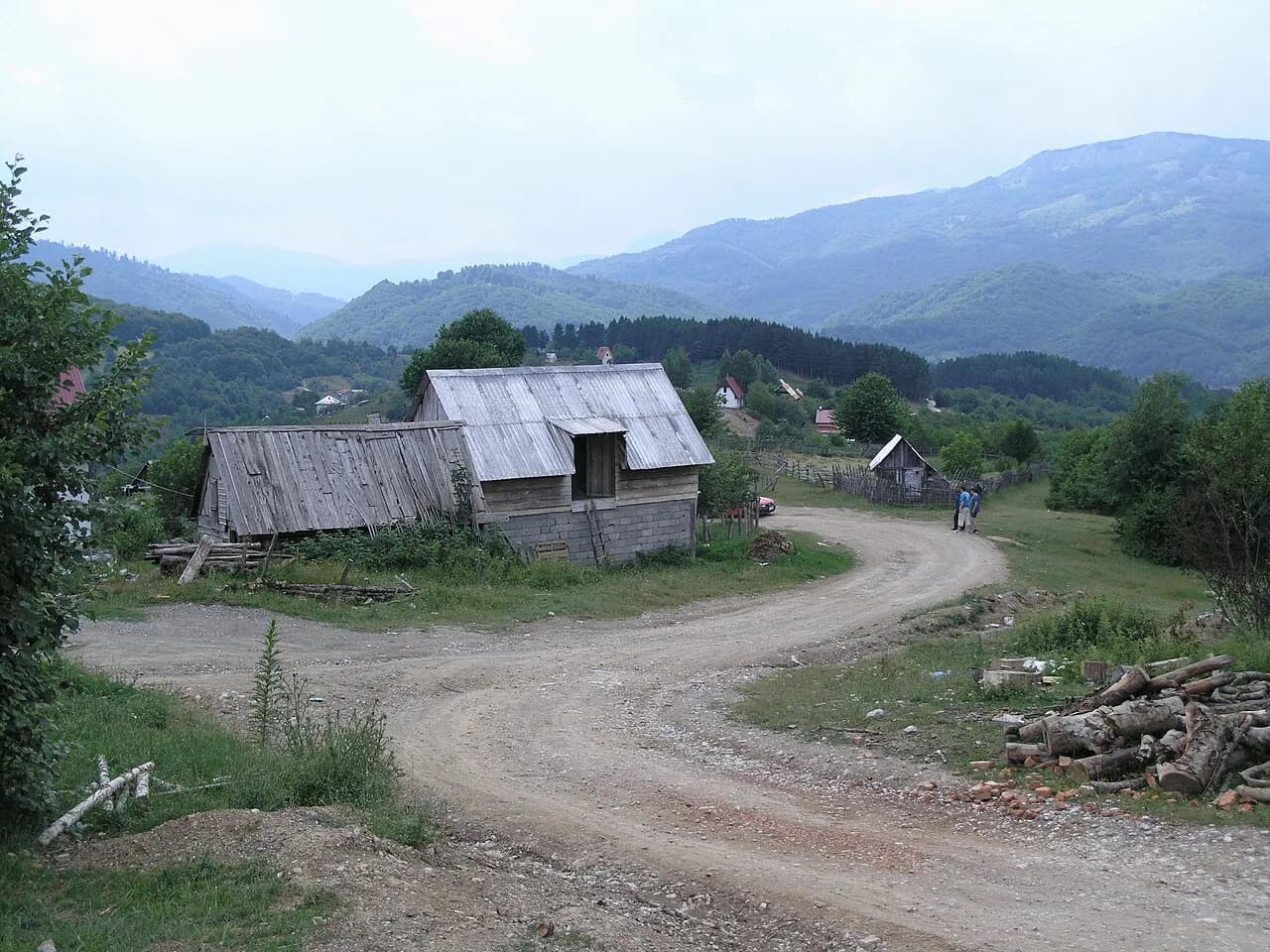
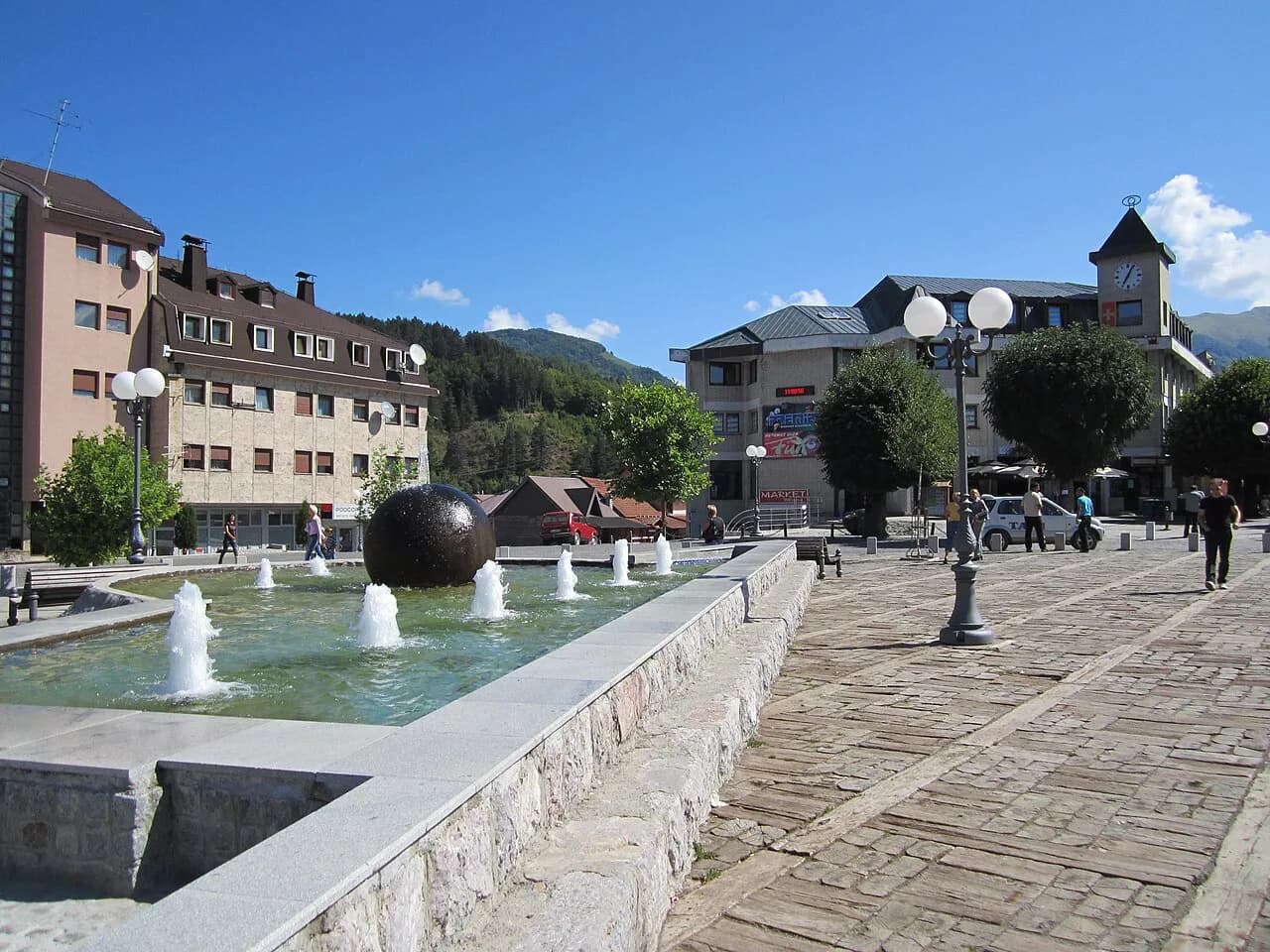
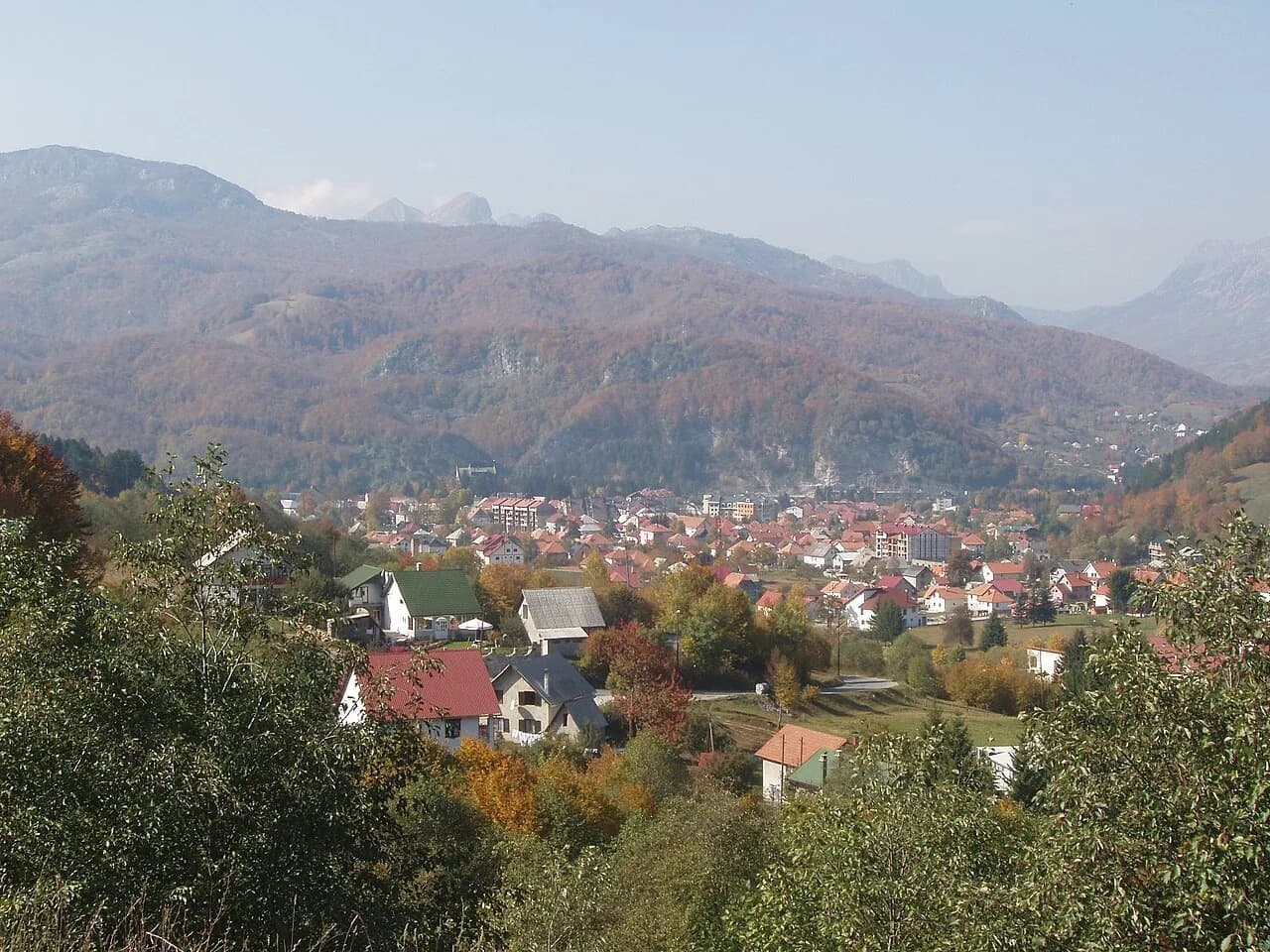
The national park lies in the mountains between Kolašin and Mojkovac, which makes either town a sensible base for a visit. From Kolašin you approach through the wider Bjelasica mountain area, and staying in town makes it easier to combine the park with other sights in the region. Treat the drive as a mountain road rather than a motorway run and leave slack in the day.
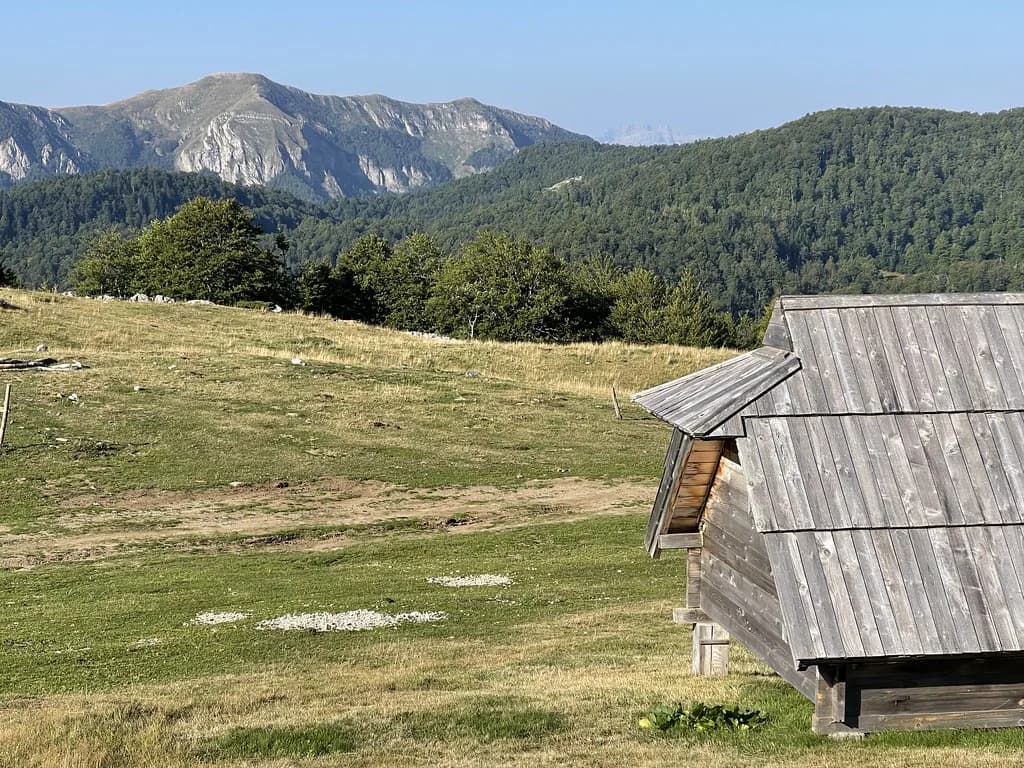
Because the park is a defined mountain area rather than a town, plan your day around the lake car park and the marked paths from there. The lake sits at roughly 1,094 metres above sea level, so the air is cooler than on the coast even in high summer. Pack a layer you can add when the cloud drops.
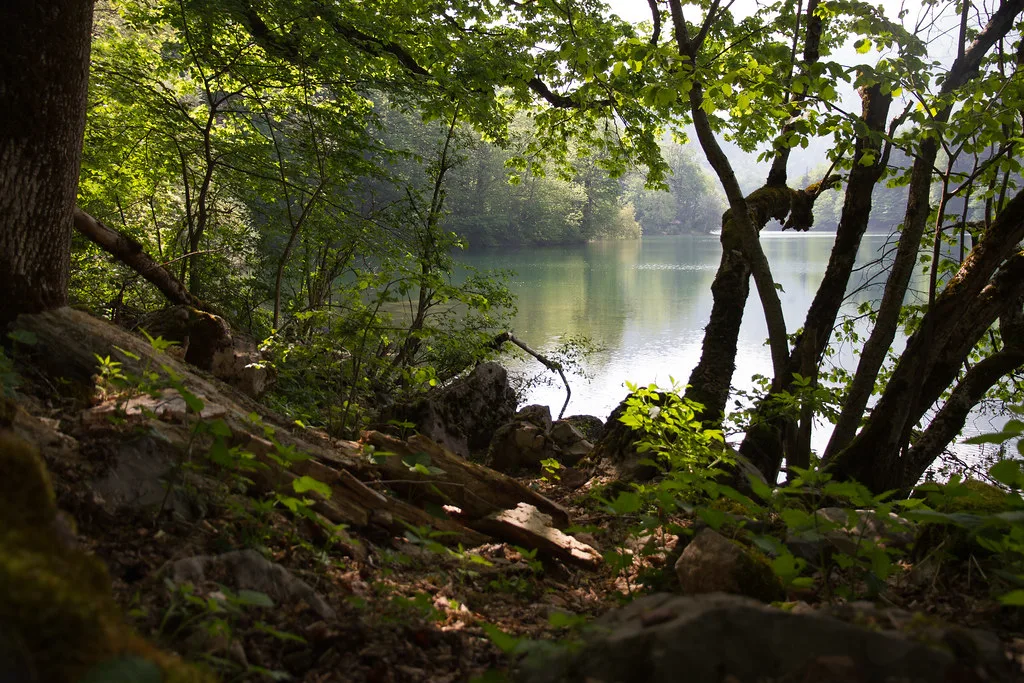
Biograd Lake: the lakeside path and wooden walkways
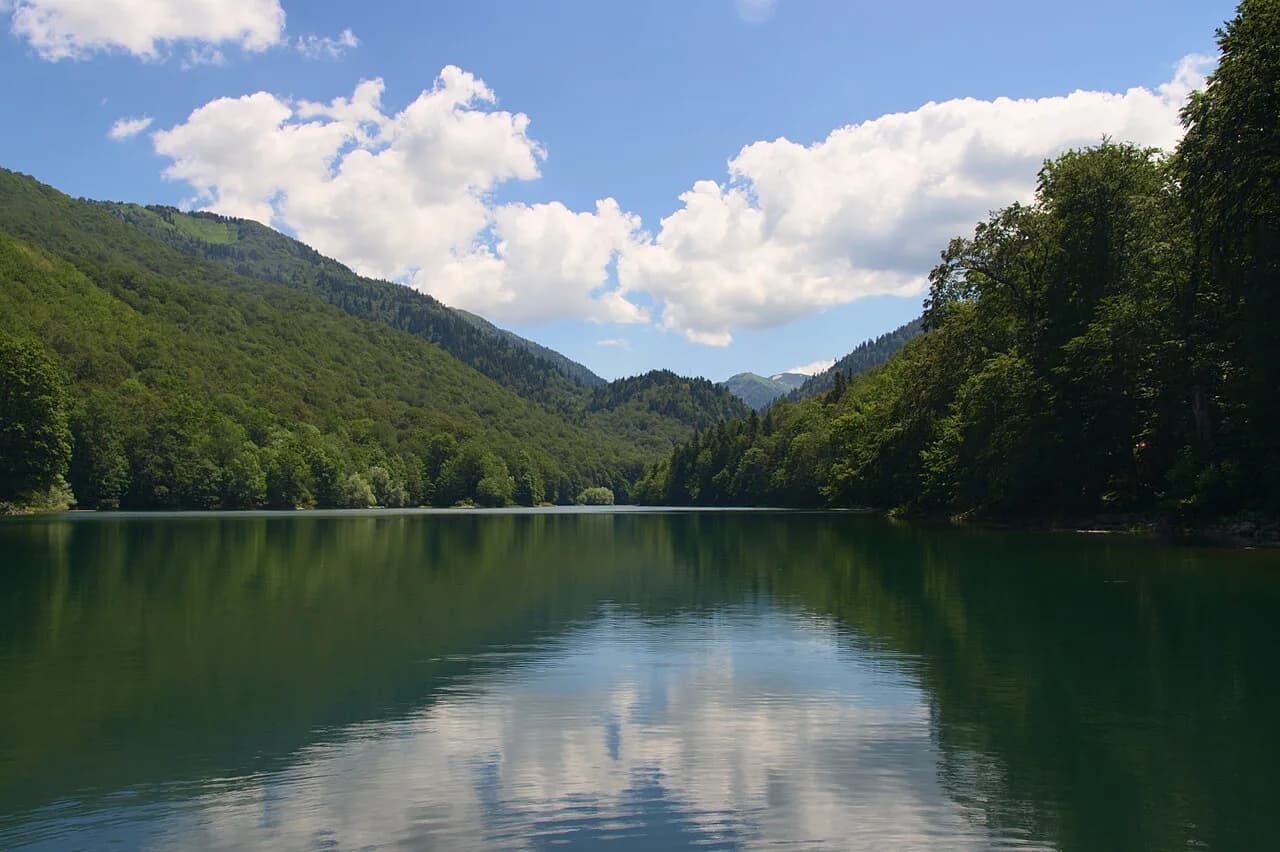
Biogradsko lake, also written Biograd Lake, is the park's best-known feature: a glacial lake set in forest with a walking path around the shore. Wooden walkways and viewing points along the route let you take in the reflections and the surrounding slopes without leaving the designated trail. It is the calm, low-effort centre of a park visit rather than a challenge.
The lake is the largest glacial lake on Bjelasica, the mountain whose slopes hold the park, and it is the natural first stop on any visit. Photographers get the most from the changing foliage from spring green through to autumn colour, so the same short walk looks different depending on when you come. For the practical details, see the Bjelasica.
How long the circuit of Biograd Lake takes
Allow about an hour for the walk around the lake, which covers some 3.5 kilometres on a path that stays close to the water. That makes it realistic for families, photographers and anyone who wants the forest atmosphere without committing to a mountain route. Add time for stops at the walkways and viewpoints rather than treating the hour as a pace target.
Set the lake circuit apart from the harder trails in your planning: an hour at the lake leaves the rest of the day free for the forest or a drive back through the region. If you only have an afternoon, do the lake and skip everything else. The time estimate applies to the lakeside path alone, not to routes onto the surrounding peaks.
The primeval forest: what makes it different
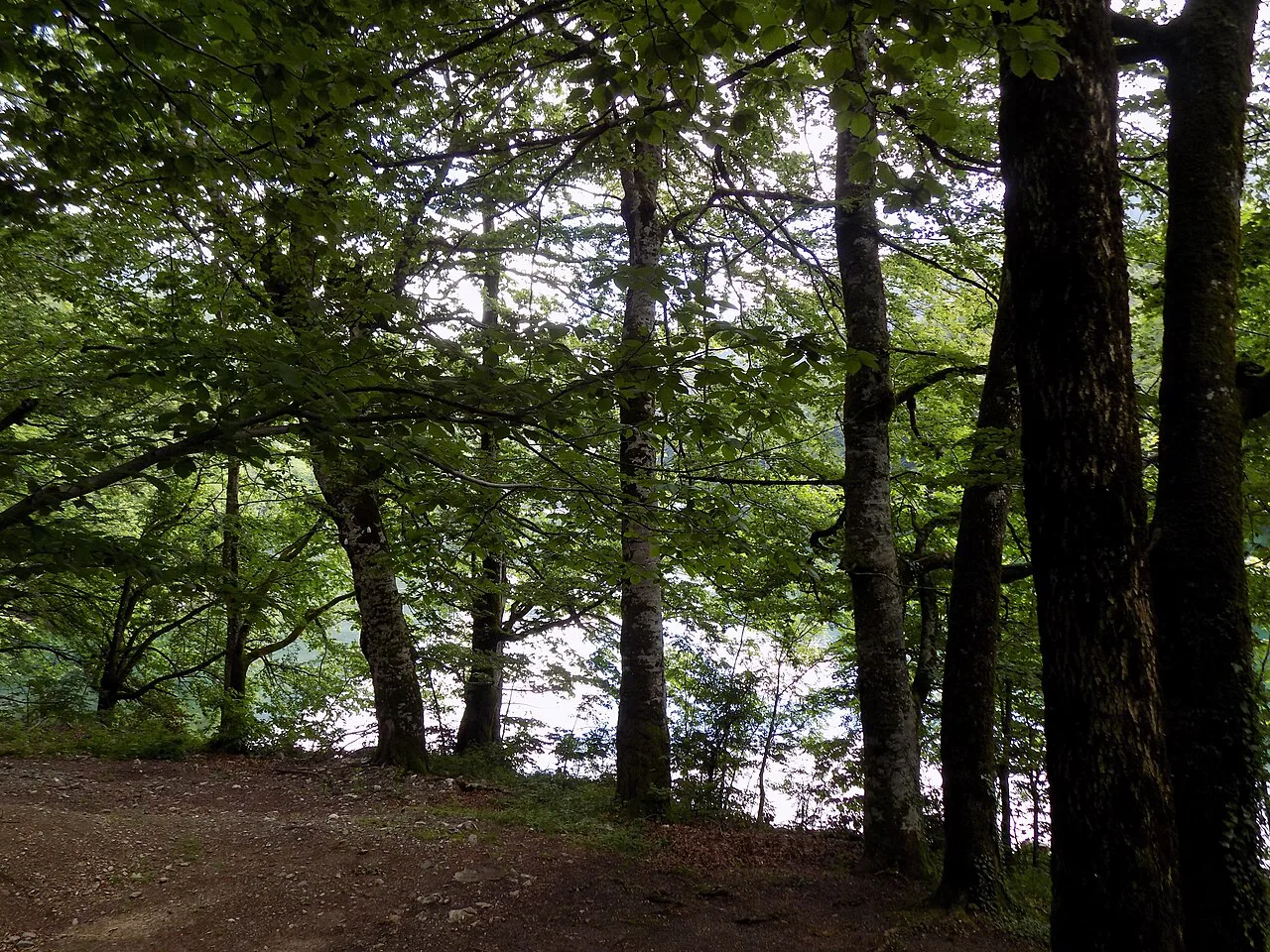
What sets Biogradska Gora apart is its old-growth forest, where trees, undergrowth and ground cover have developed over centuries with little interference. The woodland covers around 1,600 hectares and holds a wide range of tree species, including some trees several hundred years old. Walking among them gives a sense of a forest left to its own processes.
Older trees in the forest include beech, maple, elm and juniper, some of them more than 500 years old, so the scale of the trunks is part of the experience. Keep to marked routes: the point of the protection is that the ground layer stays undisturbed. Binoculars repay patience here, though wildlife sightings are never guaranteed.
Protection status: from the 1878 reserve to a national park
The land around Biograd Lake was set aside for protection in 1878 under Prince Nikola Petrović-Njegoš, an order that made the area known as the Prince's Reserve, or Branik. The national park itself was established in 1952. Knowing this changes how you read the forest: it is a managed piece of conservation history, not accidental wilderness.
The park also forms part of the UNESCO World Network of Biosphere Reserves, which is the framework behind its conservation and education role. That status is a reason to follow the park's own rules on where you walk rather than a badge to tick off.
Following park guidance: paths, wildlife and sensitive ground
Stay on the designated paths and wooden walkways around the lake, and follow the marked routes where they are signposted. The forest floor and shoreline are the sensitive parts of the park, and the value of the place depends on visitors not widening trails or trampling the understory.
If you watch wildlife, keep a respectful distance and never feed or disturb animals. Birds and other wildlife may appear in the forest and around the water, but sightings are never guaranteed, so treat them as a bonus rather than the purpose of the day.
Getting there from Kolašin or Mojkovac
Self-drive gives you the most flexibility: the park sits between Kolašin and Mojkovac, and a car lets you arrive at the lake early and combine the visit with other stops in the region. Organised day tours also run from larger bases, including Podgorica and the Kotor Bay area, which suits travellers without a car. Check departure points and what the day includes before booking.
If you are basing yourself in northern Montenegro, read Kolašin: A Practical Guide to Montenegro's Mountain Town for the town itself, and our Mojkovac guide if you prefer to approach from the other side of the park. Both towns put the lake within a short mountain drive.
Walking beyond the lake: trails, weather and footwear
Beyond the lakeside circuit, the wider park and the slopes of Bjelasica carry walking and hiking routes through forest and mountain terrain. Choose a route that matches your fitness and experience, and allow extra time for changing mountain weather rather than planning to a fixed schedule.
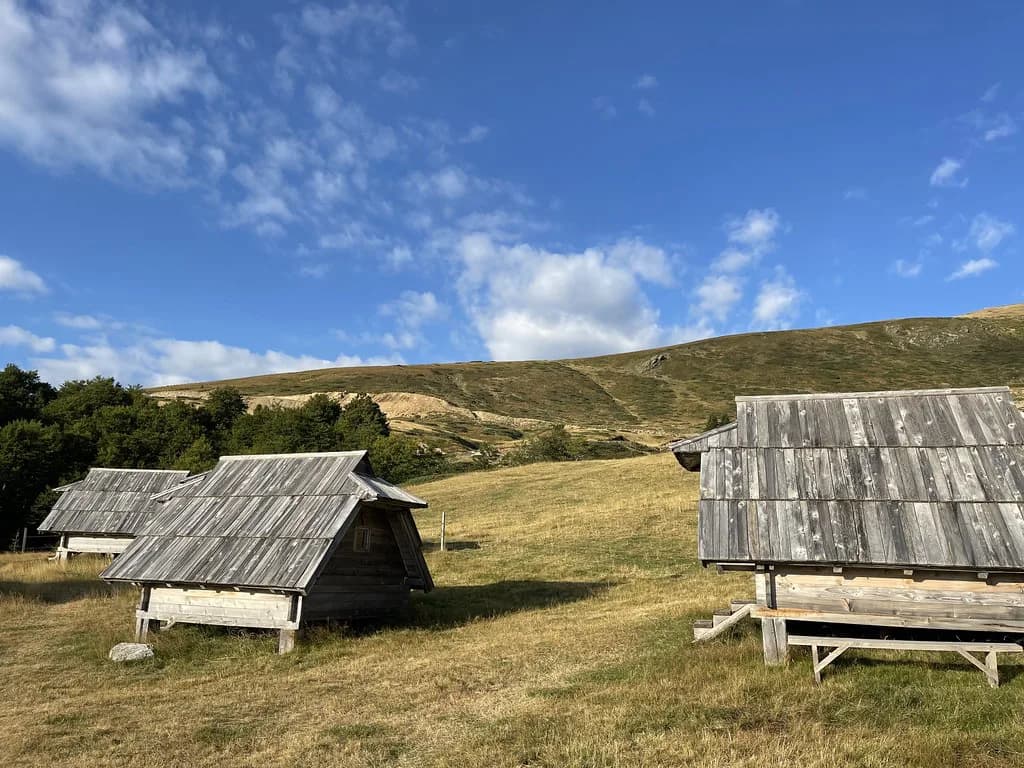
Wear proper footwear and carry water, since the ground away from the walkways is uneven and the weather in the mountains can shift through the day. The Zekova Glava and Crna Glava routes from Katun Vranjak are a serious day out of six to eight hours, taking in Pesica Lake and the two peaks, so do not fold them into an afternoon.
Combining the park with the wider Kolašin region
Biogradska Gora works well as one element of a few days based in Kolašin, alongside the town's own sights and the mountain scenery around it. The lake circuit is short enough that you can pair it with another stop on the same day without rushing.
If the lake is your main reason for coming, give it its own page of planning: Biogradsko Lake in Biogradska Gora National Park covers the water and its shoreline in more detail. Build the rest of the day around that.
Guided and tour options
Tours to the park vary in what they include: some pair the lake and forest with the Morača canyon, others add a full hiking day on Bjelasica with the Zekova Glava and Crna Glava peaks. Match the day to your fitness rather than to the longest itinerary.
Before booking, confirm the meeting point, group size, the walk included, and what food and transport are covered, because operators structure these days differently. Prices change by season and operator, so ask for a current quote rather than relying on an older advertised figure.
Should you build the day around the lake or head for the Bjelasica peaks?
If you want the forest and the water without a hard day out, plan the one-hour lakeside circuit and treat everything else as optional. If you want summits, book or plan a separate Bjelasica hiking day of six to eight hours and keep the lake as a short stop.
Whichever you pick, base yourself in Kolašin or Mojkovac, arrive with proper footwear, and follow the marked paths around the water. Check the park's current access and trail conditions before you set out.
Explore more Kolašin guides
Frequently Asked Questions
Is Biogradska Gora worth visiting?
Yes, if you want a short, easy walk in old-growth forest around a glacial lake. The recommended lakeside circuit takes about an hour, so it fits into a day based in Kolašin or Mojkovac. Travellers wanting summits should plan a separate, longer hiking day on Bjelasica.
Do you need a ticket for Biogradska Gora National Park?
Entry arrangements are set by the national park and are not covered by the sources cited here, so check the park's own information before travelling rather than assuming entry is free or paid.
Can you swim in Biograd Lake?
Visitors are asked to stay on designated paths and walkways and to protect the sensitive shoreline and forest. Treat the lake as a place to walk around and photograph rather than as a swimming spot, and follow any on-site guidance.
Is Biogradska Gora open all year?
The park is described as a destination across all seasons, with the lake and forest changing through spring, summer and autumn. Mountain weather affects access and conditions, so check current trail and park access information before setting out.
Sources
Notes for your Montenegro trip
Optional updates to our Montenegro town guides.
You might also like
Continue reading
More guides you'll find useful