Dajbabe Monastery, Podgorica: the Cave Church and How to Get There
Dajbabe Monastery near Podgorica is a cave church built into a hillside. Here is how to reach it by bus, taxi or on foot, and what to wear.
On this page
Dajbabe Monastery is an Orthodox monastery dedicated to the Assumption of the Virgin, set into a cave in the hillside above Podgorica, and it needs about half a day including the journey out. From outside it reads as an ordinary church; inside, the church is the natural cave itself, later expanded with auxiliary chapels. This guide covers what you see, the three ways to reach it from the city, opening hours, dress, and the guided-tour alternative.
It sits in the village of Dajbabe on the road out of Podgorica towards Bar, which is why it fits easily into a city stay rather than a separate excursion. It is a place of worship first: modest clothing and quiet manners matter more than ticket logistics. If you are building a wider city itinerary, it slots naturally alongside the other things to do in Podgorica.
What Dajbabe Monastery is
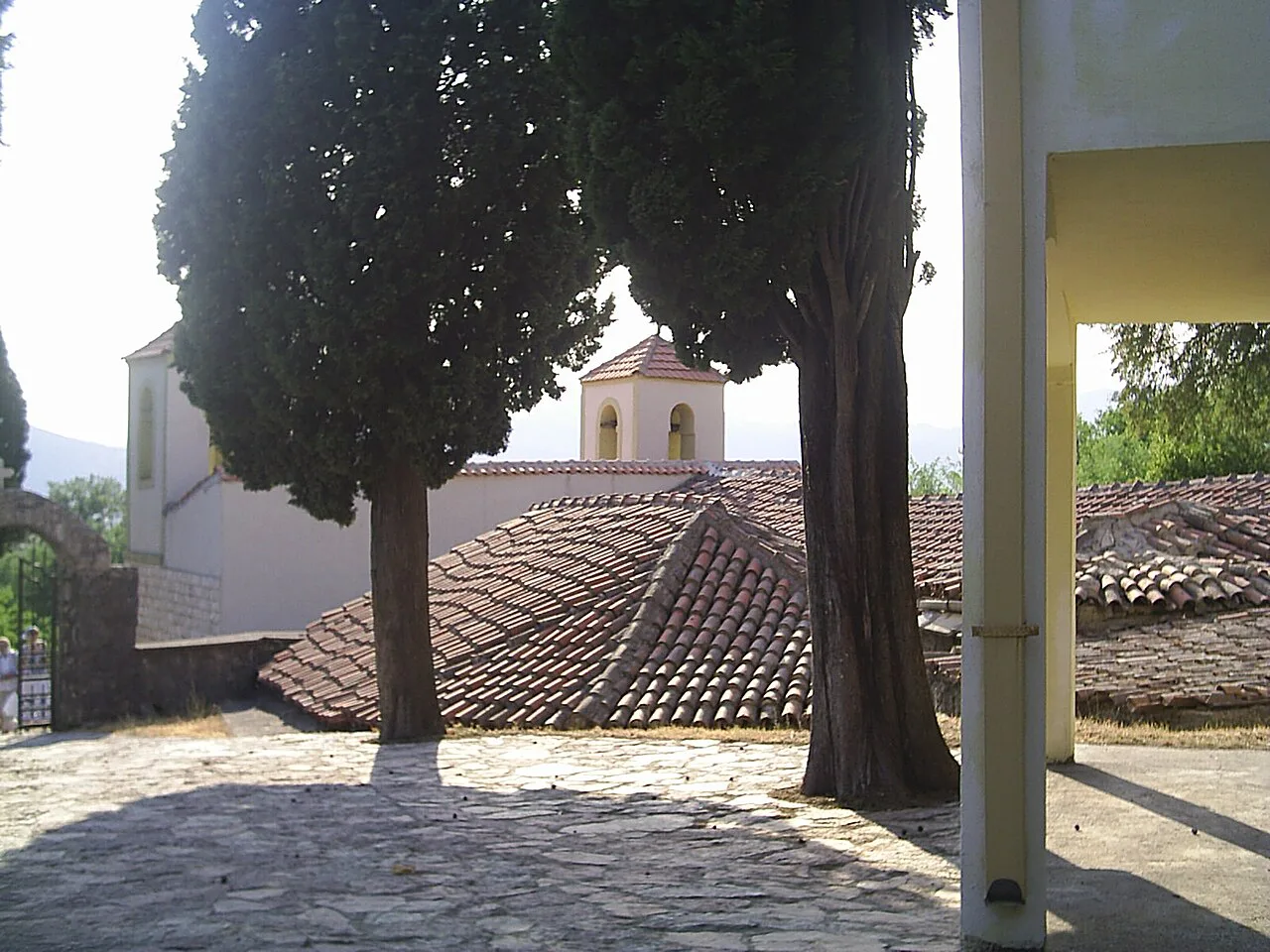
The monastery was founded in 1897, and the natural form of the cave was used as the place for the church before the cave was expanded to take the shape of the church base, with auxiliary chapels added. The same account records that it was named after the village in which it stands and is dedicated to the Assumption of the Virgin. That combination is what makes the visit distinctive: you are looking at a cave that has been shaped into a church rather than a church built beside one.
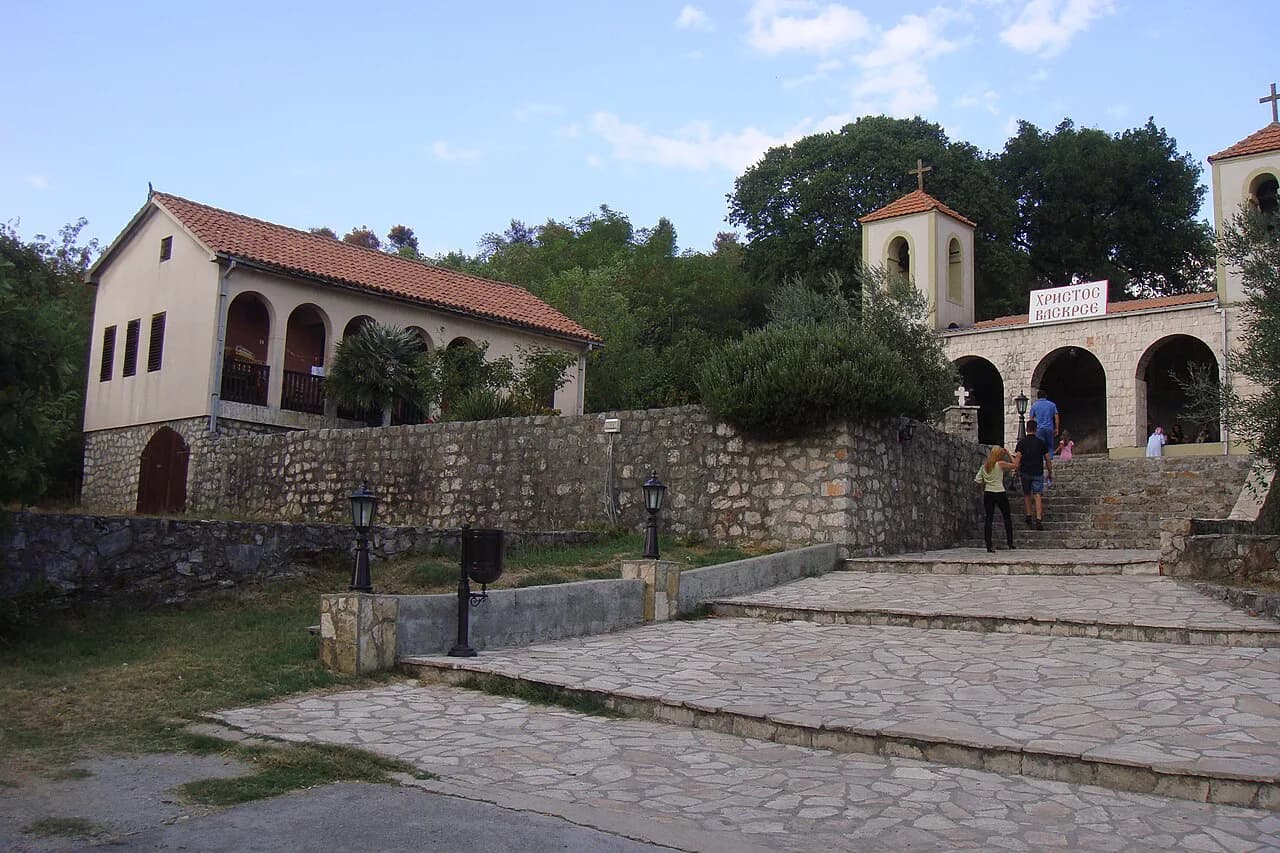
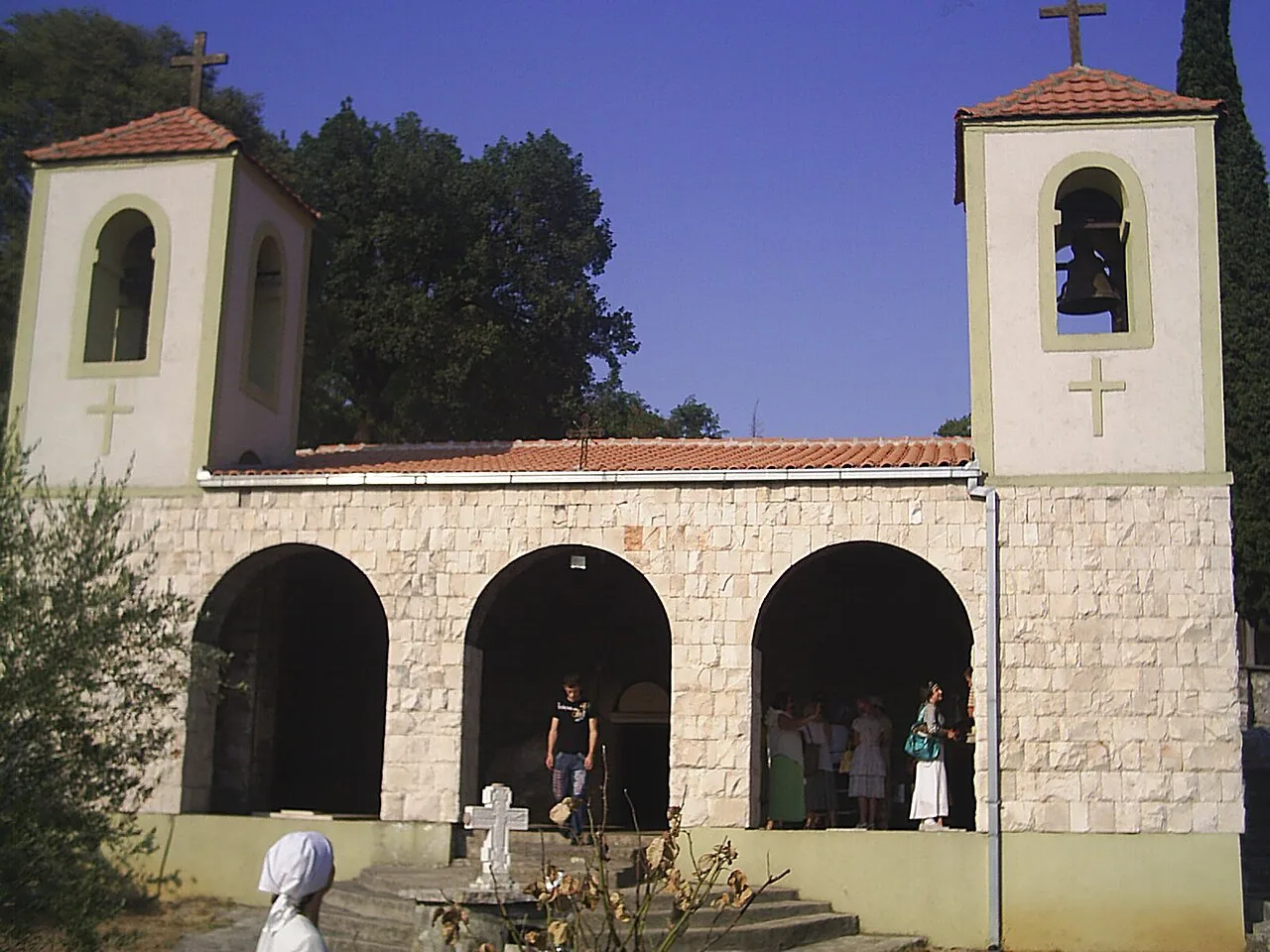
From outside, the monastery only looks like an ordinary church, but inside you find a whole underground space. Plan on seeing the cave church and chapels rather than a museum circuit, so allow time to stand and look rather than tick it off. It is an active monastery, so parts of the site may be in use for services while you are there.
What you see inside
The core of the visit is the cave church itself, with chapels added around the natural cave. The underground space rewards slow looking: it is easy to walk past if you treat the monastery as a quick photo stop. Bring no expectations of a formal visitor route; you move through a working religious site.
Because the church is formed from the cave, the interior is compact and dim rather than grand, so give your eyes a moment to adjust. Photography inside a place of worship calls for judgement and any local instruction should be followed. If church interiors are a theme of your trip, the wider set of churches in Podgorica gives you a comparison within the city. It also pairs well with the older layers of the city covered in Podgorica history, where Stara Varoš shows a different religious footprint.
Where it is
Dajbabe sits in the village of the same name on the edge of Podgorica, on the road that heads towards Bar, which puts it on the opposite side of the city from the old town. That matters when you plan the day: you will not stumble on it while wandering the centre. Pin it on a Podgorica map before you set out, because the final approach is uphill and the signage at the last stop is what you follow.
Getting there by bus
Bus 6 or 7 runs from the city centre towards Dajbabe and takes around 20 minutes; get off at the Dajbabe stop, which is the last stop on the route, then follow the signs for a short walk of about 10 minutes uphill to the monastery. That final climb is the detail that catches people out, especially with bags or in the afternoon heat. No timetable or fare is fixed here, so check the current service before you rely on it.
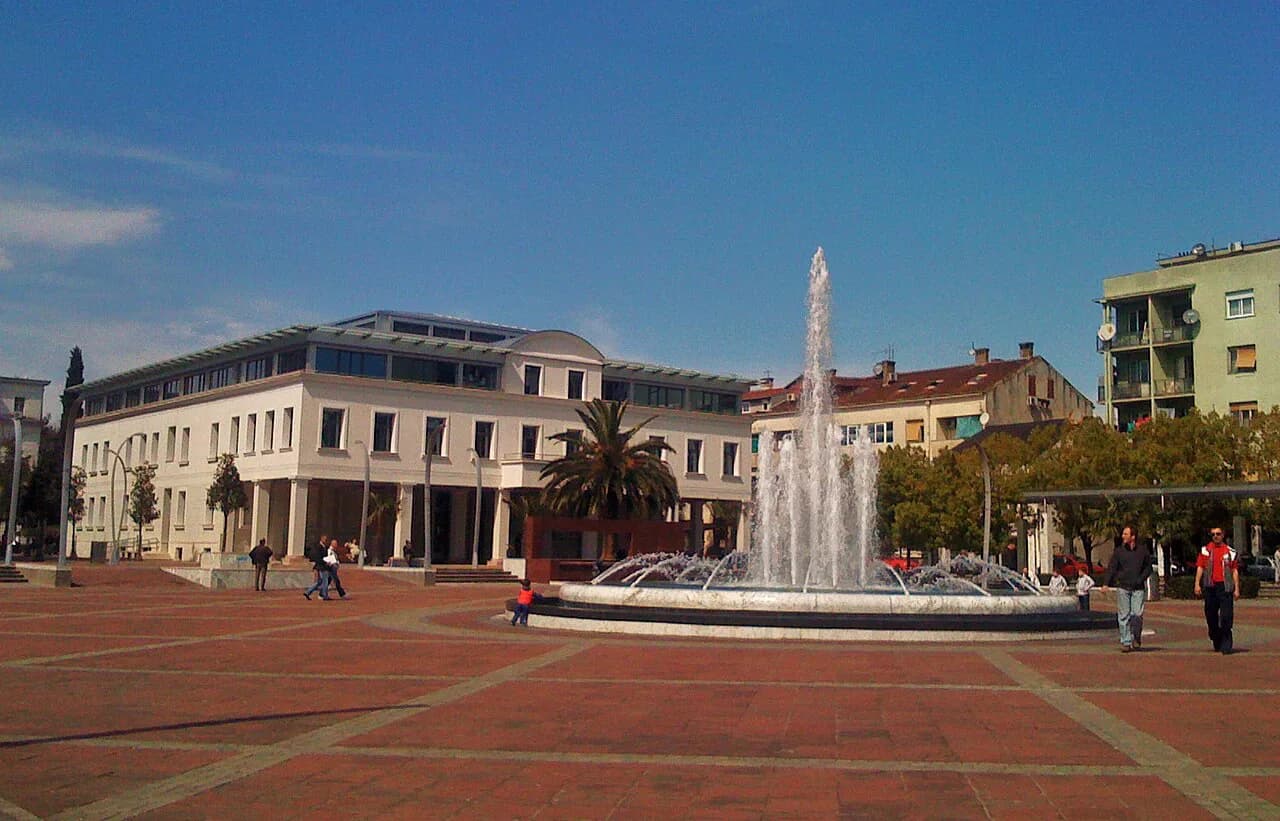
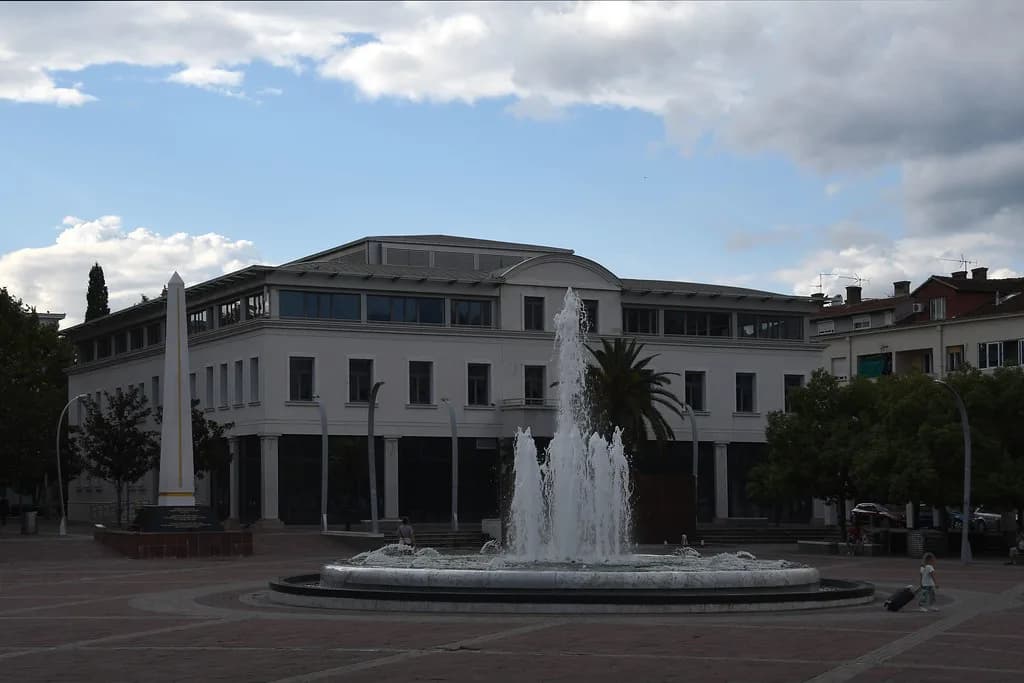
The practical starting point is Trg Republike in the centre, from where you walk to the nearest bus stop for the route. Allow slack: an hourly-style local service plus a 10-minute climb is not a tight connection, and the return leg is easier to time once you know the bus you arrived on. Plan the monastery as the first stop of the day rather than the last, so the uphill walk happens before you are tired.
Getting there by taxi
A taxi from the centre takes around 15 minutes depending on traffic, which makes it the sensible option if you are short of time or arriving with luggage. Agree the fare before getting in, or ask the driver to use the meter, so the price is settled in advance. Ask for Dajbabe Monastery by name, since the village and the monastery share it.
Walking from Trg Republike
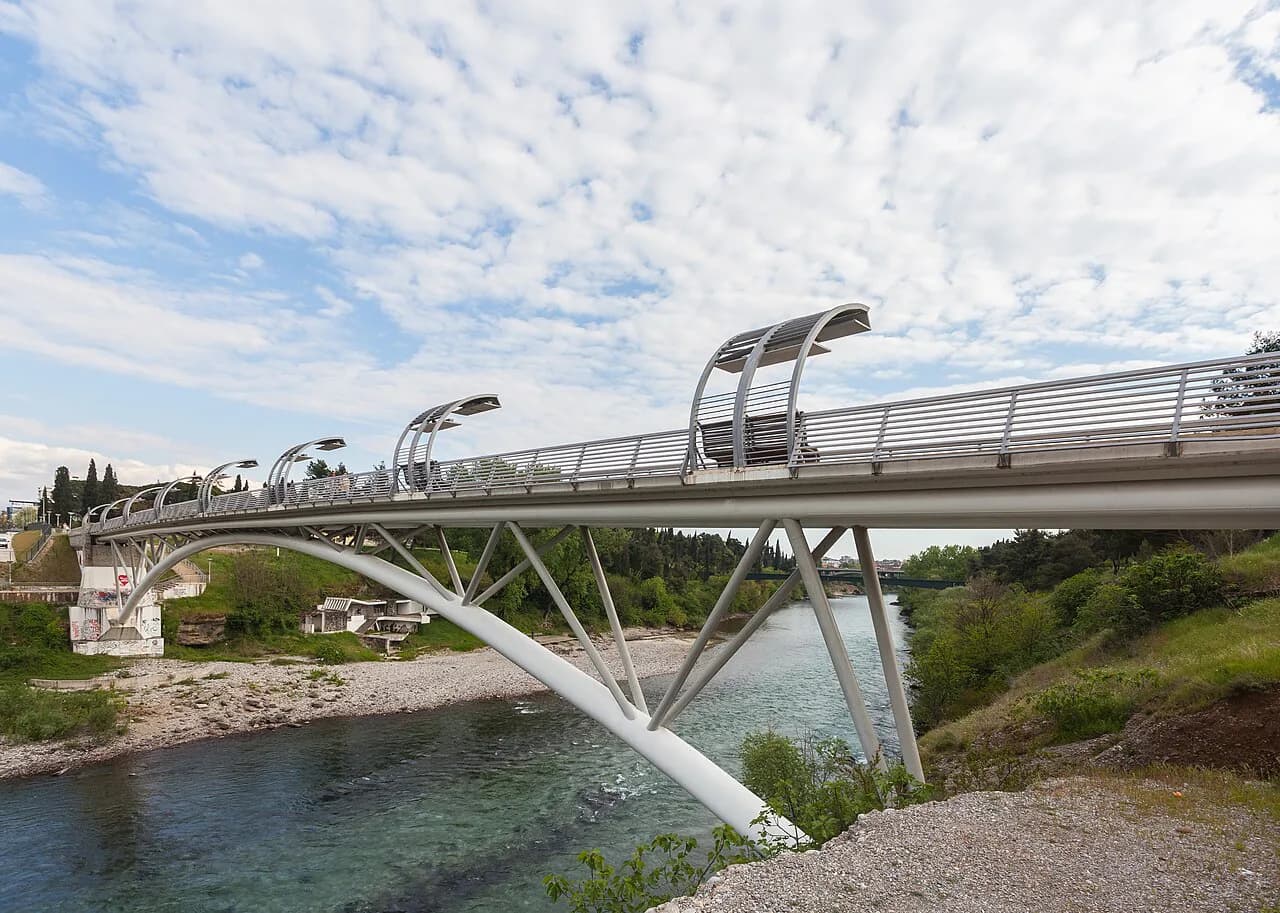
On foot, the route from Trg Republike runs southeast on Bokeška street to the boulevard, then follows the Boulevard of Revolution to a roundabout and the road towards the monastery. It is roughly an hour each way and the terrain is hilly, so treat it as a half-day outing in its own right rather than a stroll. In summer heat, start early and carry water; the uphill finish is the part that bites.
Opening hours and dress code
Opening hours are listed as every day from 7 am to 8 pm, based on the venue's Google Business Profile, and those hours can change for services and special events. Check with the monastery before you travel if you are making a special trip or visiting on a feast day. Morning is the quietest time to see the cave church without a crowd at your shoulder.
Dress modestly, with shoulders and knees covered, because this is a place of worship rather than a monument. Speak quietly inside the cave church, and step aside if a service is under way. Behaving like a guest rather than a sightseer is the whole etiquette here.
Combining it with Ostrog and Ždrebaonik
A guided monastery tour from Kotor runs for six hours and covers Ostrog, Ždrebaonik and Dajbabe, with a licensed tourist guide, an air-conditioned vehicle, pickup and all fees and taxes included; food and drink during the tour are not included. The itinerary allows two hours at Ostrog, one hour at Ždrebaonik and 30 minutes at Dajbabe. Ostrog is built on the cliffs of the Ostroška Greda, 25 km from Nikšić, and Ždrebaonik stands beside the Zeta River in the Bjelopavlići plain at Danilovgrad, so the day is mostly driving between three separate sites.
The trade-off is fixed structure for distance covered: the tour gets you to three monasteries in a day without hiring a car, but you see Dajbabe in half an hour and the day is organised around Kotor rather than Podgorica. Book through the operator and confirm the current meeting point and price in euros before paying.
Doing it yourself from Podgorica
Independent travel gives you an unhurried cave church and lets you combine it with a city day: the old town, a museum or two, and an evening meal. Look at the museums in Podgorica and the Podgorica restaurants if you want a full day around the monastery visit. The cost is the two-way journey and the uphill walk, which is why the taxi works best for anyone with limited time.
A half-day tour suits people based in Kotor who want Ostrog and Ždrebaonik without planning a route; doing it yourself suits anyone staying in Podgorica who wants the cave church at their own pace. If you are on foot anyway, the Podgorica walking tour covers the centre and helps you orient before the bus or taxi ride out.
Is the cave church worth the trip out?
Yes, for the contrast: a painted cave church inside a working monastery, 20 minutes by bus or 15 by taxi from central Podgorica. Go in the morning, dress modestly, and allow for the 10-minute uphill walk from the last stop.
If you are based in Kotor and want Ostrog and Ždrebaonik too, the six-hour guided day makes more sense than assembling three monasteries yourself. Either way, the cave church is the part to slow down for.
Explore more Podgorica guides
Frequently Asked Questions
Is Dajbabe Monastery free to enter?
The monastery is a working place of worship and no entry price is given for it. The guided tour product that includes it bundles admission into its fee, but for an independent visit, confirm any arrangements with the monastery when you arrive.
How long do you need at Dajbabe Monastery?
The guided itinerary allows 30 minutes at Dajbabe, which covers the cave church and chapels at that pace. Add the journey: around 20 minutes by bus plus a 10-minute uphill walk, or about 15 minutes by taxi.
Sources
Notes for your Montenegro trip
Optional updates to our Montenegro town guides.
You might also like
Continue reading
More guides you'll find useful