Niagara Waterfall near Podgorica: How to Get There and When It Runs
The Niagara waterfall near Podgorica drops 8-10 m on the Cijevna river and flows best in March, April or after rain. Here is how to reach it and what to expect.
On this page
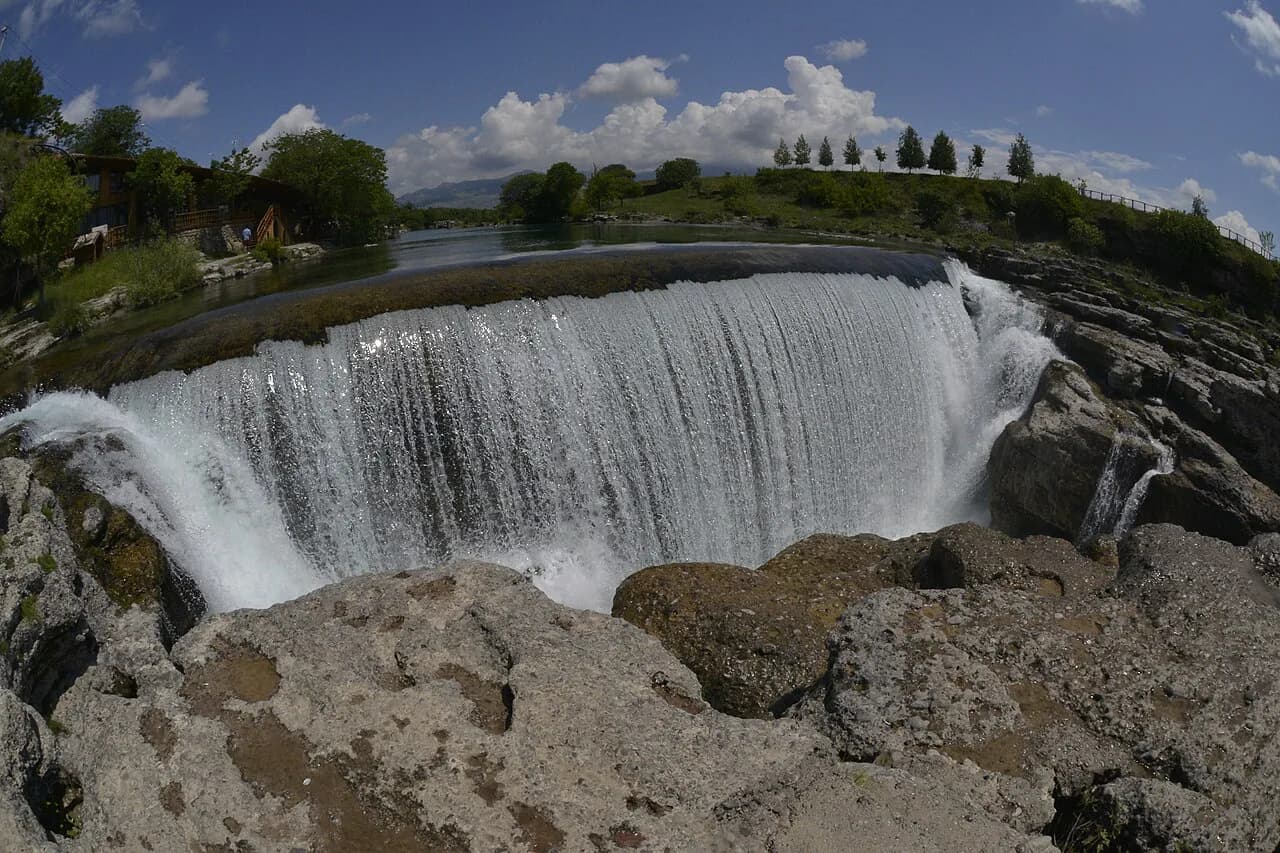
The Niagara waterfall near Podgorica is a short drive from the centre, but it is not a natural cascade: local residents built a dam across the Cijevna river and the water now drops about 8 to 10 metres over it. Come in March or April, or straight after heavy rain, when the river carries meltwater from the Prokletije mountains. This guide covers what the fall is, how to drive to it, where the metal staircase leads and when the water justifies the trip.
Treat it as a short stop of perhaps half an hour rather than an outing that fills a morning, and pair it with other things to do in Podgorica on the same day. The drive out is straightforward once you know the turning, which most visitors miss because the restaurant upstream has its own separate access road.
What the Niagara waterfall actually is
The Cijevna rises in the Prokletije mountains close to the Albanian border and runs down through vineyards and fields to meet the Morača before the water reaches Lake Skadar. Near that junction, a dam built by local residents spans almost the whole riverbed, backing up a small lake whose overflow falls freely for 8 to 10 metres. A side outlet slips around the dam along the shore, feeding several smaller falls that rejoin the main river through channels in the rock.
That dam explains the site's nickname: the fall is wide with side streams beside the main drop, which is where the resemblance to Niagara comes from. The barrier is not always a reliable one, and the water does not always pass cleanly over the dam. Expect a modest, man-made feature in a rocky river canyon rather than a wilderness waterfall.
The canyon itself is narrow and crooked and no more than about 10 metres deep at any point, with soft rock beneath the fertile valley layer, which is why the river deepens and shifts its course. If you are working out how the stop fits a wider day around the capital, the Podgorica attractions guides cover the city-side sights that sit an easy drive from the Cijevna turning.
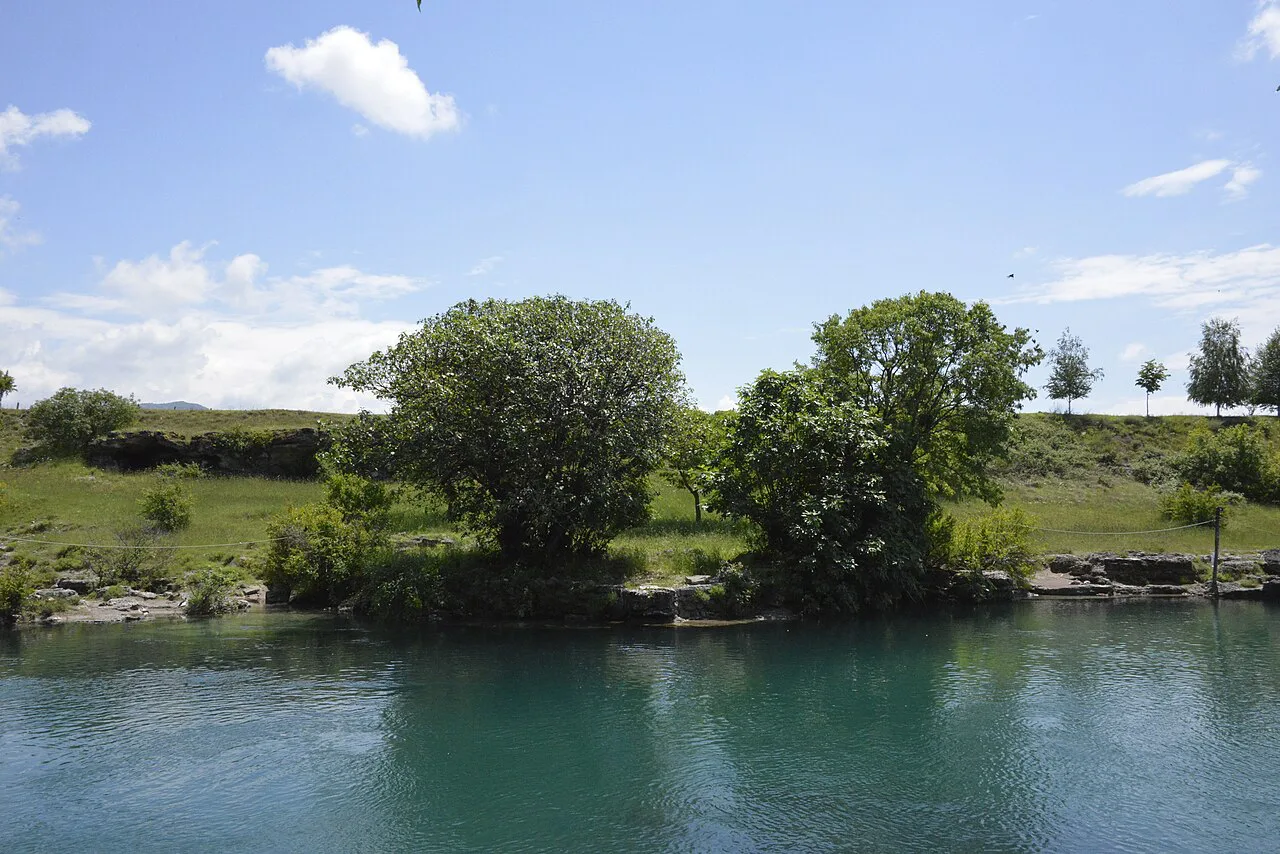
Where it sits relative to central Podgorica
The falls lie at the edge of the city, close to where the Cijevna meets the Morača, on the riverside just off the road towards the airport. The nearest landmark on the approach is the turning for the airport, which you reach from the direction of Lake Skadar via a roundabout. From the centre, head out towards the airport road and cross the Cijevna bridge before looking for the first right.
Because it sits outside the old town, it does not belong to the same walk as the Podgorica old town sights, so plan it as a separate car trip before or after a city wander. A Podgorica map helps here, since the waterfall sits at the meeting of two rivers and the road layout near the airport roundabout is easier to follow once you can see the junctions.
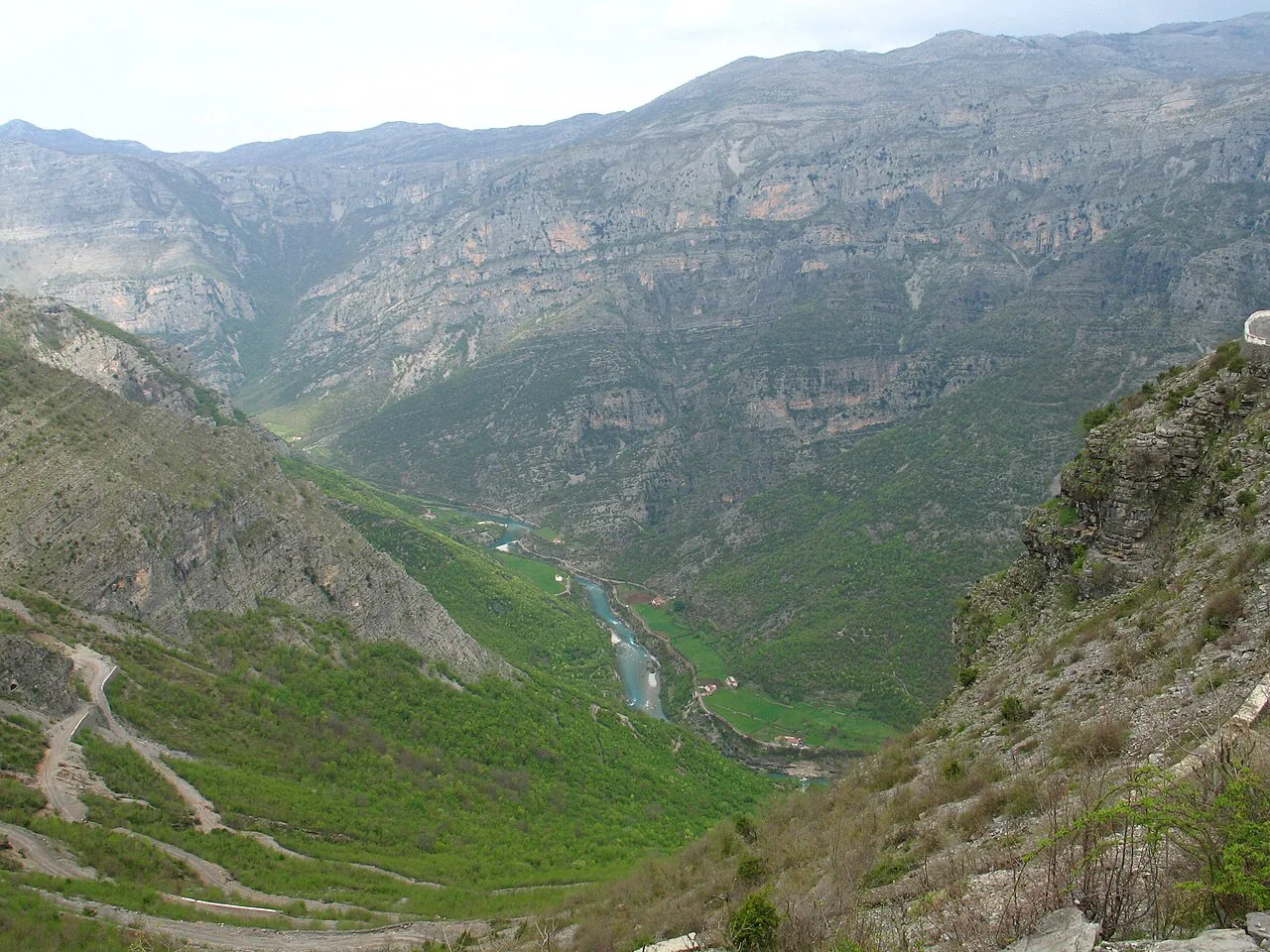
When the water is worth the trip
The Cijevna is fed by snowmelt from the Prokletije peaks and by rain on the mountains and in the valley, so its volume swings hard through the year. In March or April, or after a particularly rainy day, the fall shows at full strength, with water spreading across the full width of the dam. Choose your day around the weather rather than the calendar alone.
In dry summer weather the river starts to dry up and the fall loses its grandeur, so a July or August visit can mean a thin curtain of water over the dam. That does not make the spot unpleasant, but it changes what you are driving out to see. Rainfall in the days before you go is the single most useful indicator of whether the cascade is running well.
The water flow is the only seasonal factor worth planning around, and it is not a place to build a long detour into a tight itinerary. If the river is low, the canyon viewpoint and the riverside setting still justify the short drive, but set expectations accordingly.
How to get there by car
Coming from Lake Skadar towards Podgorica, pass the turning for the airport roundabout, cross the Cijevna bridge and take the immediate right. Stay straight after that and ignore any further turns, keeping the river close on your right-hand side. Signs are sparse, so this sequence matters more than any single landmark.
Just after the turning you reach the waterfall, which is set down from the road and reached by a metal staircase to the viewpoint. Park where the road allows near the steps rather than continuing upstream, because the restaurant further along has a separate access road of its own. Missing that distinction is the usual reason people drive past the fall and end up at the restaurant gate.
Cyclists tackle the same approach: local route planners list loops out to the waterfall from Podgorica, including a circuit that takes in the Cijevna canyon viewpoint.
Reaching the falls on foot
The metal staircase is the way down to the viewpoint, and it drops you close enough to the dam to see how the overflow is channelled across the rock. The steps are steep and the ground near the water is uneven, so grippy shoes matter more than any special kit. Keep to the staircase and the firm bank rather than scrambling over the wet stones.
Once at the bottom you can walk out over the large stones of the riverbed for a closer view of the cascade, which is where visitors take many of their photographs of the fall. The rocks are slippery where spray lands, and the water level can change while you are down there. Allow a short window at the viewpoint rather than a long riverside ramble.
The Niagara restaurant upstream
A separate road a little further upstream leads to Niagara, a restaurant set beside the river with a view over the Cijevna canyon. The menu runs to national and Albanian dishes, with slow-cooked meat under the sač, a cast-iron lid piled with coals, and freshwater fish including carp and river trout, known locally as pastrmka. The dining room has a country feel and includes a trout pool and a small waterfall feature.
The kitchen also turns out pies, soups and a milk-soaked cake for dessert, and the restaurant has been reported as open from 8:00 am to midnight daily. It works as a lunch stop after the falls rather than a quick coffee. If you want a wider choice around the city afterwards, our guide to Podgorica restaurants covers where to eat in town; the riverside setting is the reason to choose this spot over a city-centre table.
Practical trade-offs before you set out
The waterfall is a dam-made feature on a short river canyon, and its appeal depends almost entirely on how much water the Cijevna is carrying. Anyone expecting a natural cascade of scale will be disappointed; anyone after a quick, unusual stop within minutes of the city will find it worthwhile. Plan it as a short add-on rather than a half-day.
There is no formal visitor infrastructure at the falls themselves beyond the staircase, so carry water and check the weather rather than relying on facilities on site. The restaurant's hours and prices are its own, so confirm directly before you plan to eat there. Pair the trip with a city walk or a museum stop so the day has more than one anchor.
The falls sit outside the historic core, so they make sense alongside a look at the city's older quarters rather than instead of them. If you are shaping a short itinerary, the Podgorica history pages explain which parts of the centre are worth the time, and a Podgorica walking tour covers the streets of the centre on foot.
Is the Niagara waterfall worth the drive?
Worth it if you go in spring or after rain and treat it as a quick stop: the drive is short from the centre, the staircase puts you right above the dam, and the restaurant upstream makes a natural lunch. Skip it in a dry summer spell if you are short of time, because the Cijevna can be running too low to put on much of a show.
Explore more Podgorica guides
Frequently Asked Questions
Can you swim at the Niagara waterfall in Podgorica?
There is no swimming spot at the falls. The water drops over a dam into a rocky riverbed, and the stones around the viewpoint are slippery where spray lands. Treat it as a place to look from the bank and the metal staircase rather than to get into the water.
Do you need a ticket to see the waterfall?
The sources describe reaching the falls via the metal staircase from the roadside, with no published ticket charge, but there is no official listing confirming admission. Any charges relate to the restaurant upstream, which sets its own prices and hours; check current access before you travel if ticketing matters to you.
How long does a visit take?
Most of the time is the drive out and back, which is short each way from the city centre. At the falls themselves, the staircase and viewpoint are a brief stop, plus however long you spend at the restaurant.
Sources
Notes for your Montenegro trip
Optional updates to our Montenegro town guides.
You might also like
Continue reading
More guides you'll find useful