Podgorica History: The Buildings That Survived the Bombing
Podgorica's history survives in a few Ottoman buildings, Roman ruins and a modern cathedral. Here is what to see and where to find each layer.
On this page
Podgorica's history is best read as fragments rather than a continuous old town. The Ottoman buildings were almost entirely destroyed by Nazi and Allied bombing in the Second World War, and the city was rebuilt functionally as the capital of Yugoslavia's Montenegro, replacing Cetinje. What remains is a handful of Ottoman structures, a Roman site outside the centre and a cathedral completed in 2014.
This guide ties each era to a specific place you can visit, separating the walkable core around Stara Varoš from the trips out to Doclea and Medun. It also explains why the centre looks the way it does, so you know what you are looking at rather than hunting for a medieval quarter that is not there.
Why Podgorica's Past Is Hard to See
Podgorica reads as a working city rather than a tourist showcase, and that is the honest starting point. Its historical core was largely erased in the Second World War, so the layers are scattered: one cluster of Ottoman streets, one fortress, one Roman site, one modern cathedral. Plan on a day or two rather than a week, and treat the city as a base for the surrounding sights.
The rebuilding was deliberate and functional, carried out under Tito as the new Montenegrin capital. That explains the wide streets and concrete blocks, and also why the surviving old fabric feels so isolated. If you want the fuller picture of what there is to fill a stay, start with the broader list of things to do in Podgorica before you fix a route.
Stara Varoš and the Sahat Kula (Clock Tower)
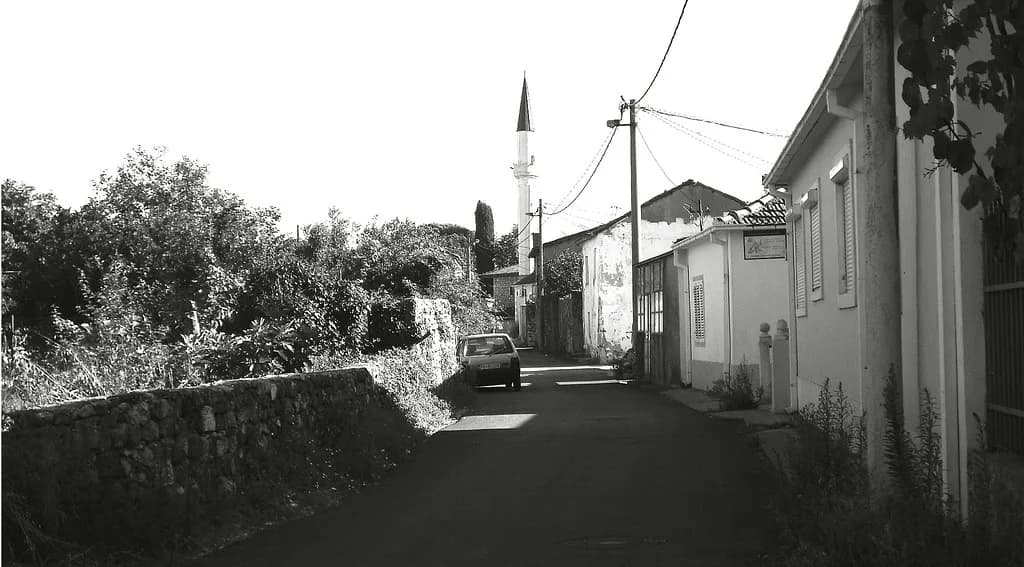
Stara Varoš is the neighbourhood to head for first, built around the old Ottoman street pattern. Its Sahat Kula, or Clock Tower, dates from 1667 and is one of the very few Ottoman landmarks to have survived the wartime bombing. Walk the narrow alleys around it slowly; this is the densest concentration of pre-war fabric left in the city.
The Clock Tower is a short stop, not an attraction that fills an afternoon, so build it into a loop rather than making it the destination. Pair it with the Ribnica delta nearby, where the river meets the Morača and the city's historical centre sits. For a wider sense of how the old quarter fits the modern grid, the Podgorica Old Town guide covers the streets in more detail.
Ribnica Fortress and the Old Bridge
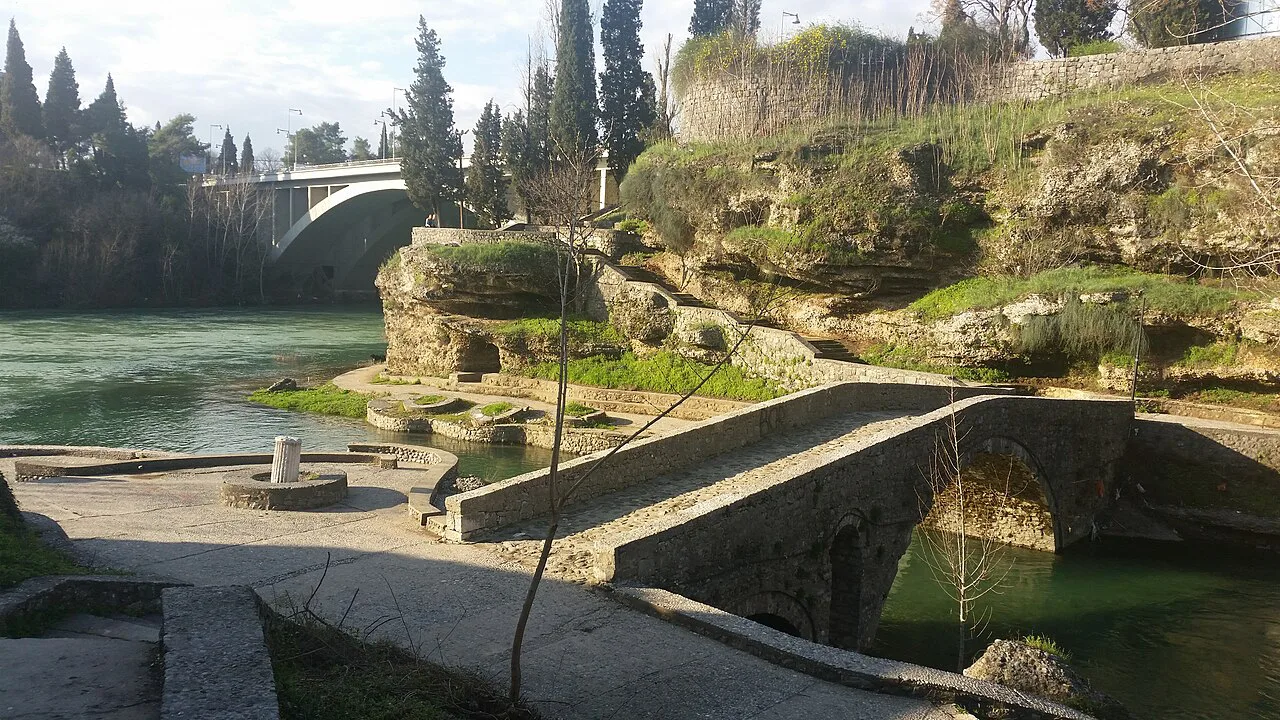
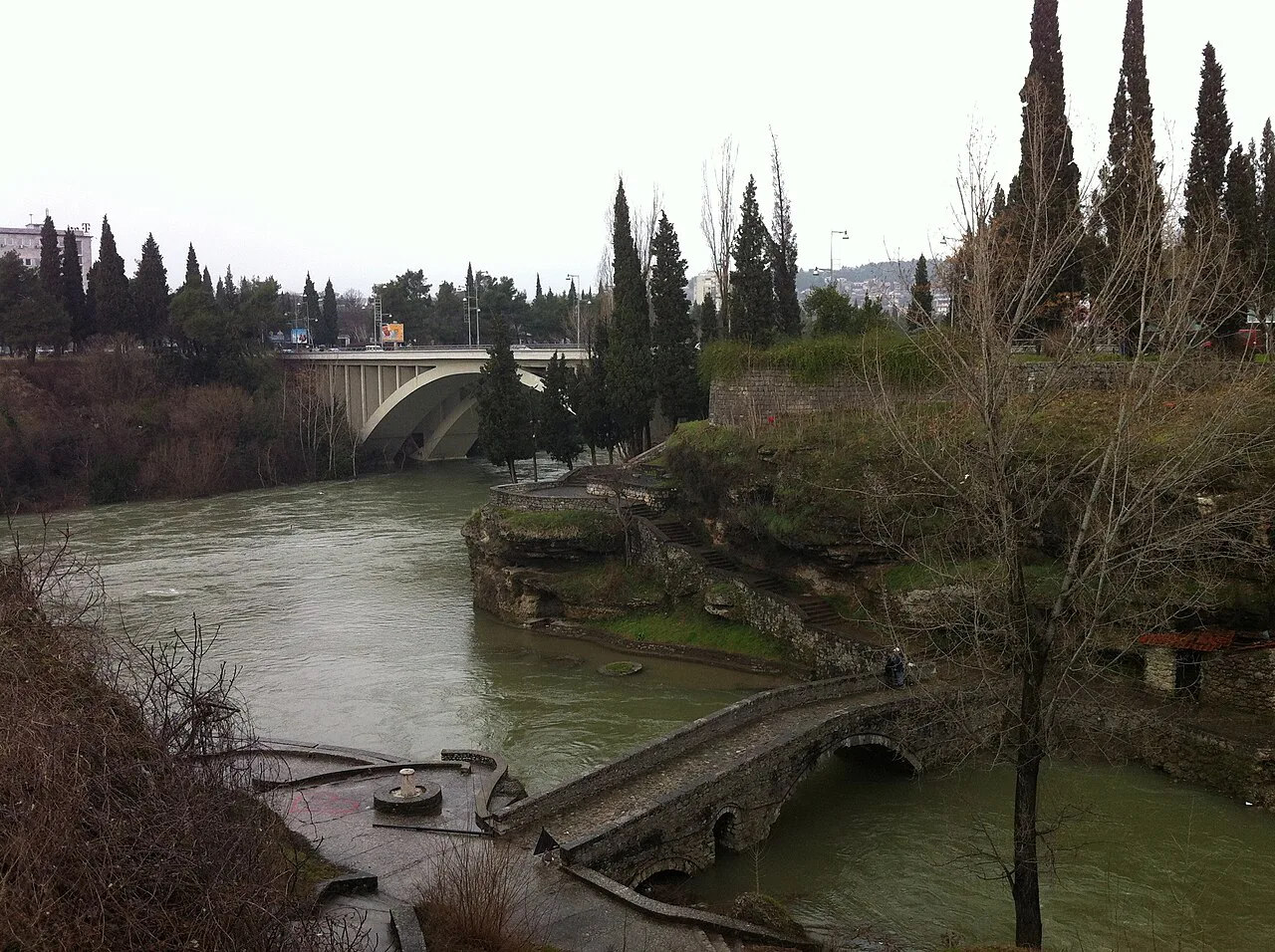
Ribnica Fortress sits in Stara Varoš on the edge of the old quarter, an Ottoman fortification dated to 1477. It is a small historic shell rather than a museum, so it rewards a few minutes of looking rather than an organised visit. The pleasure is in seeing the stone walls in the middle of a working neighbourhood.
Below it, the Stari most na Ribnici, also listed as Adži-pasa's bridge, carries the eye across the river; it is the oldest bridge in Podgorica. Whether you stop for the bridge or the fortress, both sit within a few minutes of each other and belong on any short circuit of the centre.
The Bombing and the Socialist Rebuild
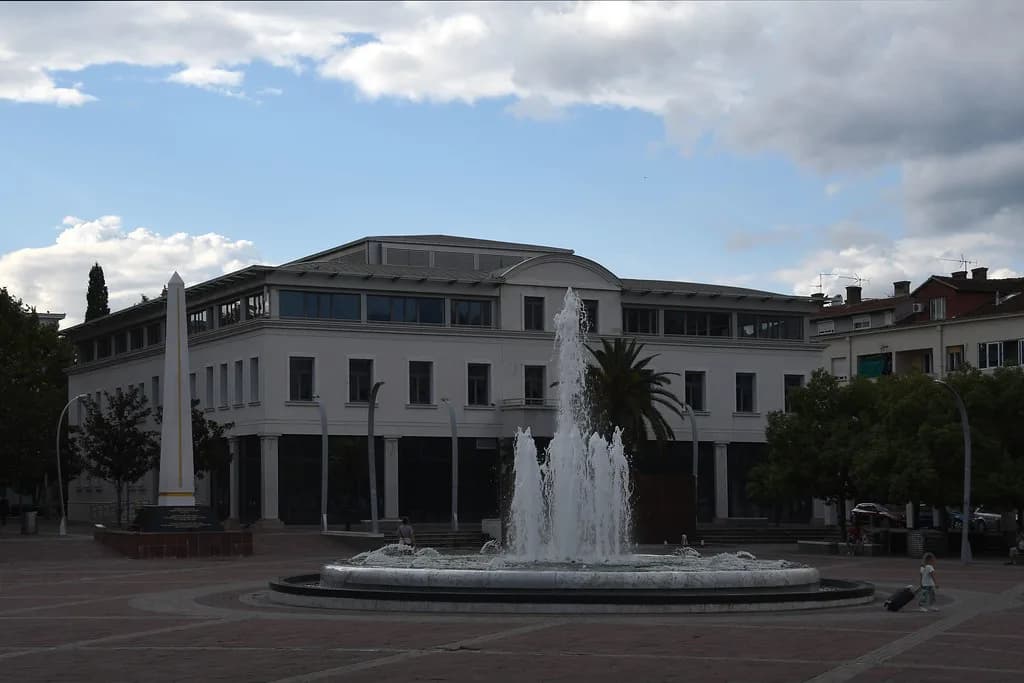
The Second World War is the hinge of Podgorica's story for visitors, because it removed almost all of the Ottoman town. Nazi and Allied bombing destroyed the historical buildings, and the post-war authorities rebuilt on a functional plan as the capital of the Socialist Federal Republic of Yugoslavia. That decision moved the seat of power from Cetinje and gave the city its present shape.
Look for the socialist layer in the wide boulevards, the parkland and the civic buildings rather than in any single monument. Kruševac Park, with Petrović castle in its pink exterior at the centre, is a good example of how that era mixed leisure space with state architecture. It is also a pleasant place to end a walk in summer.
Doclea: The Roman City Four Kilometres Out
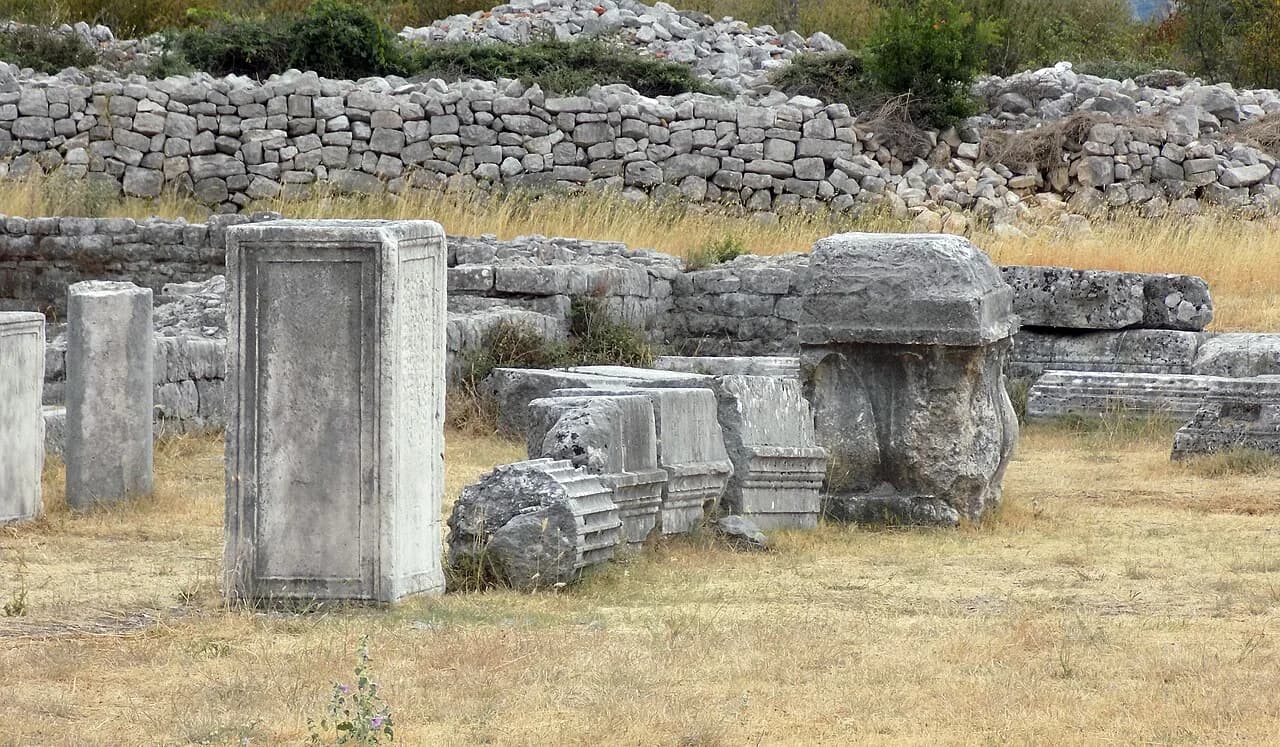
The ruins of ancient Doclea, also written Duklja, lie about 4 km from the city centre and date from the first decade of the first century AD. It was a Roman city and the seat of the late Roman province of Praevalitana. The site is open ground with scattered remains, so wear proper shoes and go in daylight rather than treating it as a museum.
Because Doclea sits outside the walkable core, it fits better as a separate outing than as a stop on a city stroll. Allow extra time for the trip out and back rather than squeezing it between two city sights.
Medun, Meteon and the Marko Miljanov Museum
Medun is the village to visit for the deeper past, where the remains of the Illyrian city of Meteon can be found. The Marko Miljanov Museum is the reason to make the trip, and it puts a name and a story to the landscape. It is a half-day excursion rather than a city-centre stop.
The Cathedral of the Resurrection of Christ
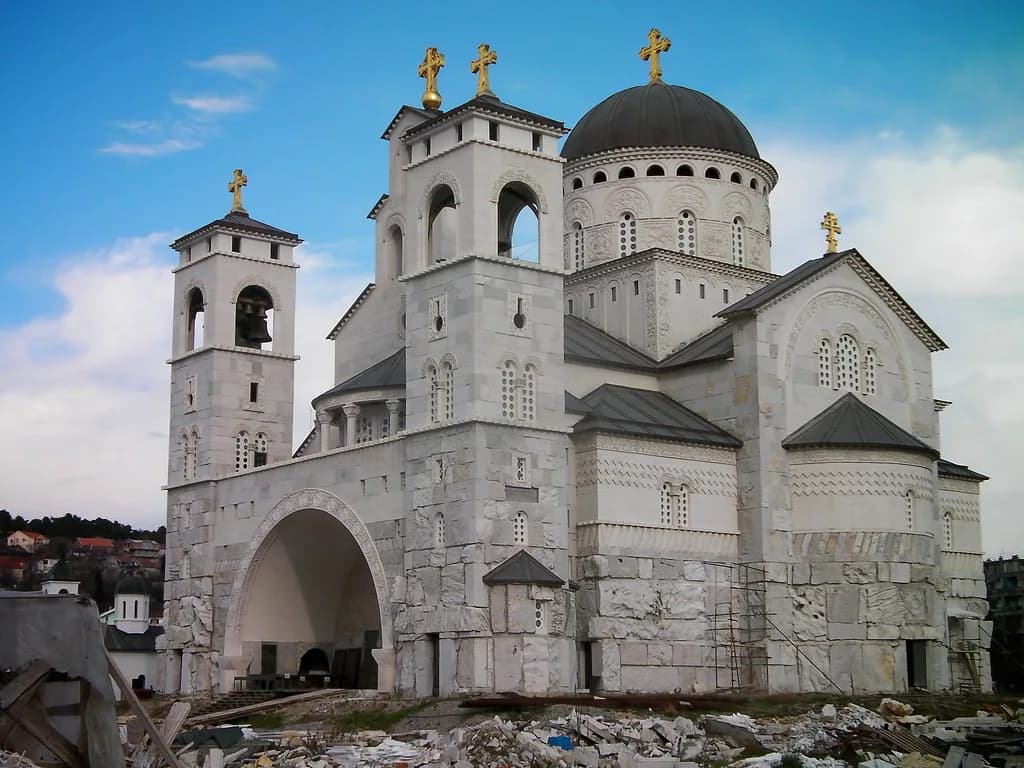
The Cathedral of the Resurrection of Christ is the clearest statement of the modern city's story: construction began in 1993 to a design by Predrag Ristić, and consecration followed in 2014. Seeing a major church built across two decades tells you more about Montenegro's recent history than any single plaque. Treat it as a place of worship first and check service times before planning a look inside.
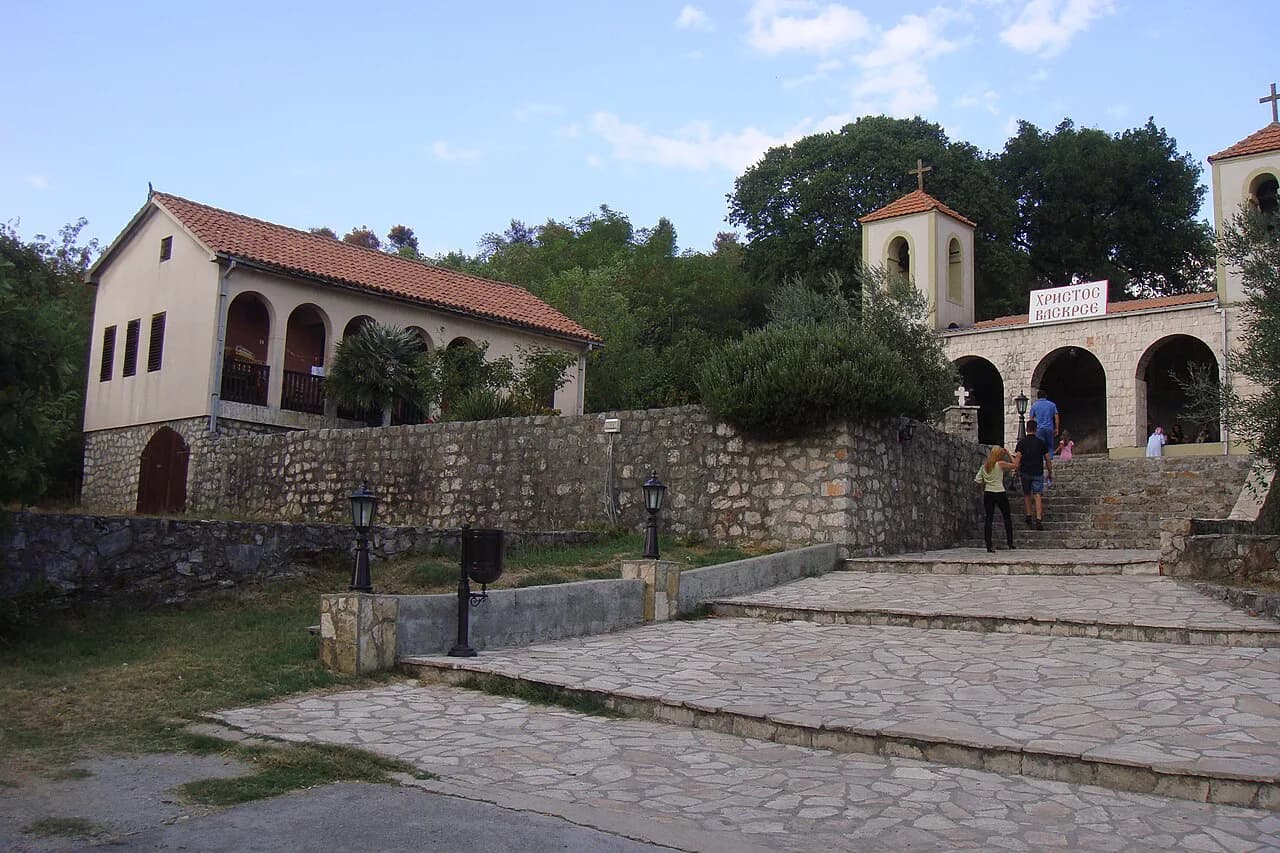
Podgorica's religious landscape is mixed, with Orthodox, Catholic, Islamic and Jewish temples all within reach, which is a useful counterpoint to the cathedral. If churches are your main interest, the churches in Podgorica guide sets out the options. Otherwise, the cathedral fits naturally into an afternoon in the centre.
Walking the Layers: A Short Route
A sensible route starts at the Ribnica delta, moves through Stara Varoš past the Clock Tower and ends at Ribnica Fortress and the old bridge. That takes a morning at an unhurried pace and keeps you inside the compact core. Add the cathedral on the return leg if you still have energy.
Keep the outlying sites for separate half-days: Doclea and Medun need transport, and Niagara Waterfall near Podgorica is another 7 km out. Spreading them out stops the city walk from turning into a rushed checklist.
If you have limited time, the free things to do in Podgorica list keeps the walking route cheap, since the surviving Ottoman sights are outdoor. Museums fill rainy hours, and the museums in Podgorica guide covers the indoor options. A Podgorica map helps you see how tightly the old core sits together.
Practical Points for a History-Led Visit
A day or two is enough for the city's historical sights, with extra time if you want Doclea and Medun. The centre is compact enough to walk, and the outlying sites need a car, taxi or local bus. Skadar Lake is about a 20-minute drive from the centre, so it can be combined with a day out rather than a separate trip.
Opening hours and entry fees for the fortress, Clock Tower and Doclea are not set out here, so check locally or at the tourist office before setting out. The city sits an hour from the coast and an hour from Kolašin, which makes it a practical stop between the Adriatic and the mountains.
Is the Historical Core Worth Your Morning?
Yes, if you accept it for what it is: a handful of Ottoman survivors, a river delta and a modern cathedral rather than a preserved old town. Give it a morning, add Doclea or Medun if you have a half-day spare, and treat the concrete as part of the story instead of an obstacle. One day in Podgorica is enough to see the layers without rushing.
Check current opening arrangements for the cathedral and any museum you plan to enter before you go, as these change with the season. The rest of the history is outdoors and free to look at.
Explore more Podgorica guides
Sources
Notes for your Montenegro trip
Optional updates to our Montenegro town guides.
You might also like
Continue reading
More guides you'll find useful