Museums in Podgorica: Which Ones Are Worth Your Time
Podgorica's museums are small and spread out, from the Titograd '80s flat to the Modern Gallery. Here is what each one holds and how long to allow.
On this page
Podgorica's museums are small, spread across the city and quick to see: most are single-room or single-house spaces that take 20 to 45 minutes each. None is a national collection on the scale of Cetinje's, and that is the first thing to understand before you plan a museum morning here. This guide covers what each Podgorica museum holds, how long to allow, which ones sit within walking distance of each other, and which to leave out on a one-day visit.
The Podgorica tourist board lists the city's museums and galleries as a single category, ranging from the Titograd '80s Museum in a city-centre apartment to the Museum of Contemporary Art in the park on Kruševac beside the Morača River. Gallery Center is the one venue whose hours appear in that listing, so treat any other figure you see elsewhere as something to confirm before you travel.
Podgorica's museums versus Cetinje's National Museum
Searches for museums in Montenegro pull up the National Museum of Montenegro, which is based in Cetinje, not Podgorica. Its units, apart from Njegoš's birthplace and the mausoleum on Lovćen, sit in Cetinje's historic centre, and the complex spans the Historical Museum, the Museum of King Nikola, the Museum of Peter II Petrović Njegoš, the Art Museum, the Ethnographic Museum and a newer Archaeological Museum with a lapidarium. If you want the large collections, that is a day trip from Podgorica, not a city-centre stop.
Podgorica's own museums are separate operations rather than one umbrella institution. Expect no combined ticket and no single opening-hours page to check, and build a route around the two clusters instead of looking for a museum quarter.
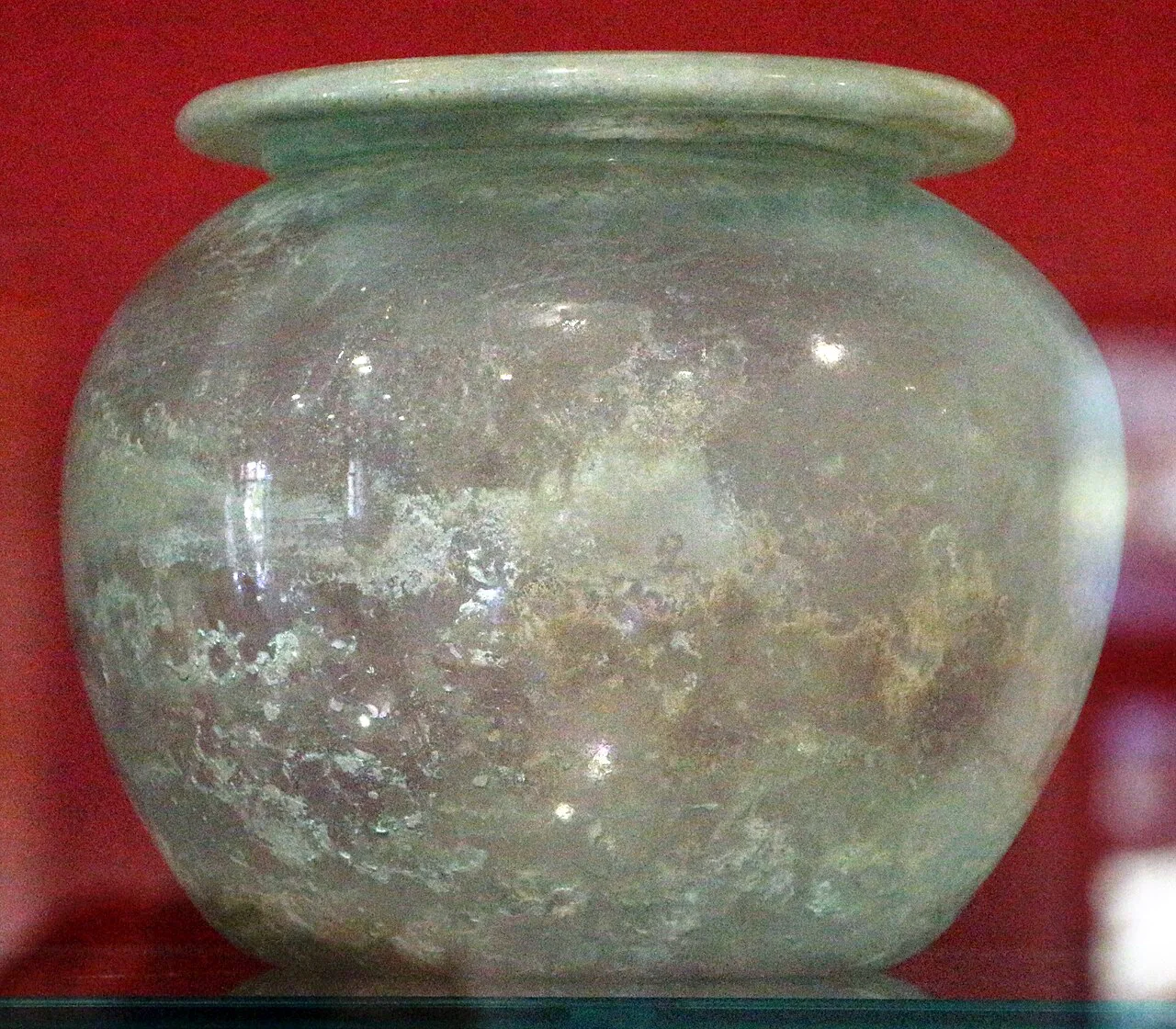
Titograd '80s Museum: a reconstructed flat in the centre
The Titograd '80s Museum is a cultural and tourist space devoted to everyday life in Podgorica during the 1980s, when the city was called Titograd, housed in a residential apartment in the city centre and designed as an authentic reconstruction of a period home with original furniture, appliances and televisions. It is an apartment, not an exhibition hall, so expect a domestic-scale visit rather than display cases and wall text.
Allow around 30 to 45 minutes, and go for the objects and period detail rather than a long interpretive narrative. Because it occupies a flat, capacity is limited, so it is the one museum here worth checking ahead rather than turning up cold.
Kuslev's House and the Marko Miljanov Museum
Kuslev's House belonged to Dr Hristo (Risto) Kuslev, a dentist who came to work in Montenegro after finishing his studies in 1908. The tourist board gives the ownership story rather than a room-by-room account, so go for the house itself. Allow 20 to 30 minutes; it suits a stop on a walk through the centre rather than a dedicated trip.
The Marko Miljanov Museum opened in 1971 and is the other small house museum in the city's roster, best paired with a wander through the streets of the old town around Stara Varoš. Budget half a day if you want both houses plus the Titograd '80s flat, since the distances between them are short but each visit is brief.
Modern Gallery and the Museum of Contemporary Art
The Modern Gallery holds works collected to show the development of modern art and the main artistic directions and influences in Montenegrin art in the second half of the twentieth century. It is a compact, focused collection rather than a survey of everything, and 30 to 45 minutes covers it comfortably.
The Museum of Contemporary Art sits in the park on Kruševac, along the Morača River, which the tourist board calls the most beautiful part of Podgorica. Treat it as a park stop with art attached: the setting justifies the walk even if the current exhibition is small. Allow an hour including the walk from the centre.
Risto Stijović Gallery and the Art Gallery
The Risto Stijović Gallery is dedicated to the sculptor Risto Stijović (1894–1974), described by the tourist board as the largest Montenegrin sculptor and founder of modern art in Montenegro; it was founded in 1970 and has been located in his birthplace in the Old Town since 2018. That makes it the most natural pairing with a walk through the old town and its churches, and 20 to 30 minutes covers the gallery.
The Art Gallery is in the strict centre of the city, which makes it the easiest museum to fit around shopping or a coffee rather than a separate expedition. If you only have time for one art stop, pick by location: the Old Town for Stijović, the centre for the Art Gallery.
Natural History Museum and Gallery Center
The Natural History Museum of Montenegro holds a permanent exhibition titled When Nature Speaks, opened in 2019, presenting stones, minerals and fossil and living representatives of Montenegro's natural world. Allow 30 to 45 minutes for the hall.
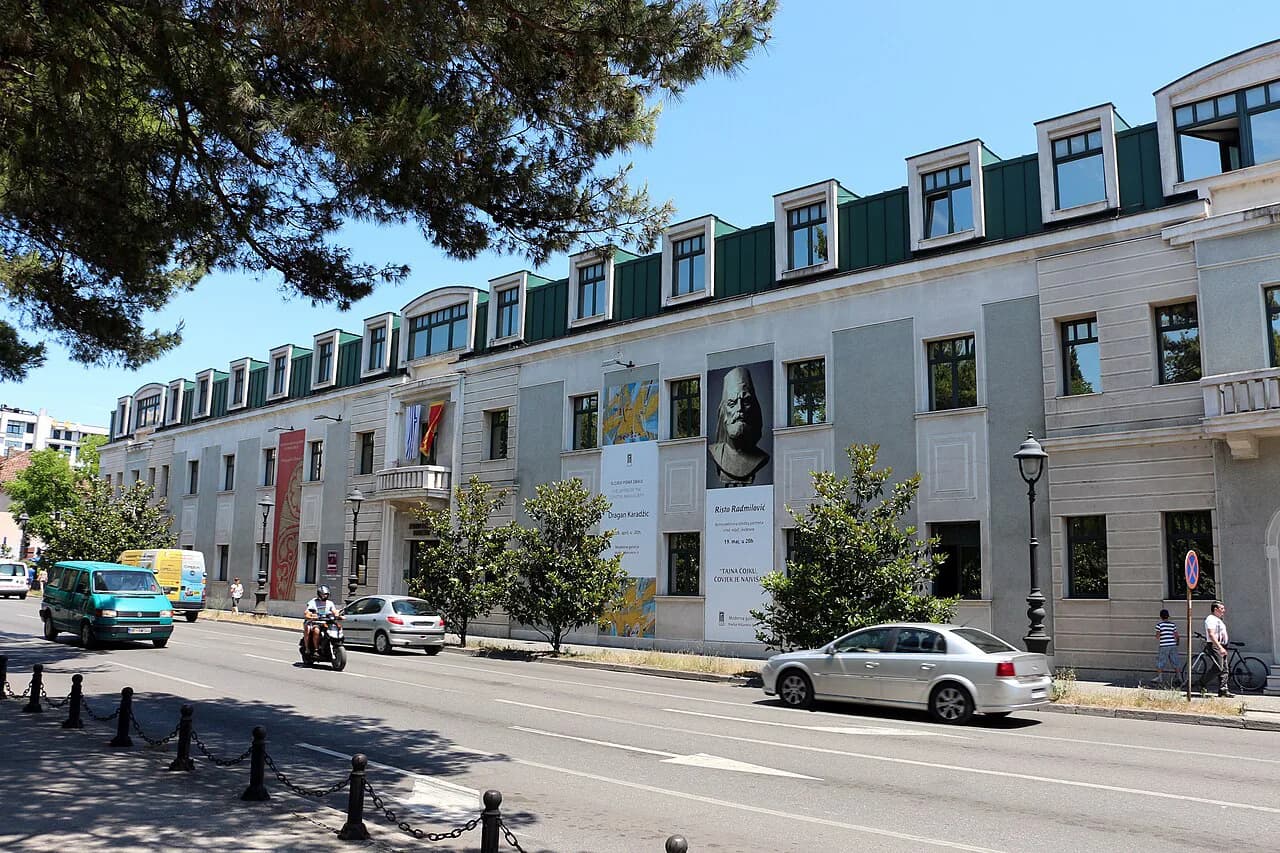
Gallery Center, run by the Museum of Contemporary Art of Montenegro, is the one venue with hours in the tourist board listing: Njegoševa 2, Monday to Friday 09:00–21:00 and Saturday 10:00–14:00. Those hours come from the tourist board's listing, so treat them as that entry's schedule rather than a city-wide standard. Its long weekday opening makes it the easiest museum to slot in late afternoon.
Photogallery F64
Photogallery F64 opened on 20 July 2021, founded by the NGO PhotoCG, and the tourist board describes it as the only photography gallery in Montenegro and the region. It is not thematically narrow: the programme covers classic, modern and conceptual photography. Allow 20 to 30 minutes, and check what is on before you go, since a single-show gallery is only as good as its current exhibition.
How long to allow and how to group them on foot
Group the museums into two walking clusters. The first is the centre and Old Town: Gallery Center on Njegoševa, the Art Gallery, the Risto Stijović Gallery, Kuslev's House, the Marko Miljanov Museum and the Titograd '80s flat, all within a manageable walk of each other and of Independence Square. The second is Kruševac park with the Museum of Contemporary Art and the riverbank, reachable on foot from the centre in around 20 to 30 minutes.
Budget 30 minutes per small museum, 45 for the Natural History Museum or the Titograd '80s flat, and 20 minutes walking between clusters. That makes a morning of two or three museums achievable, but not those plus a long lunch plus the old town at leisure. Build in slack for closed doors.
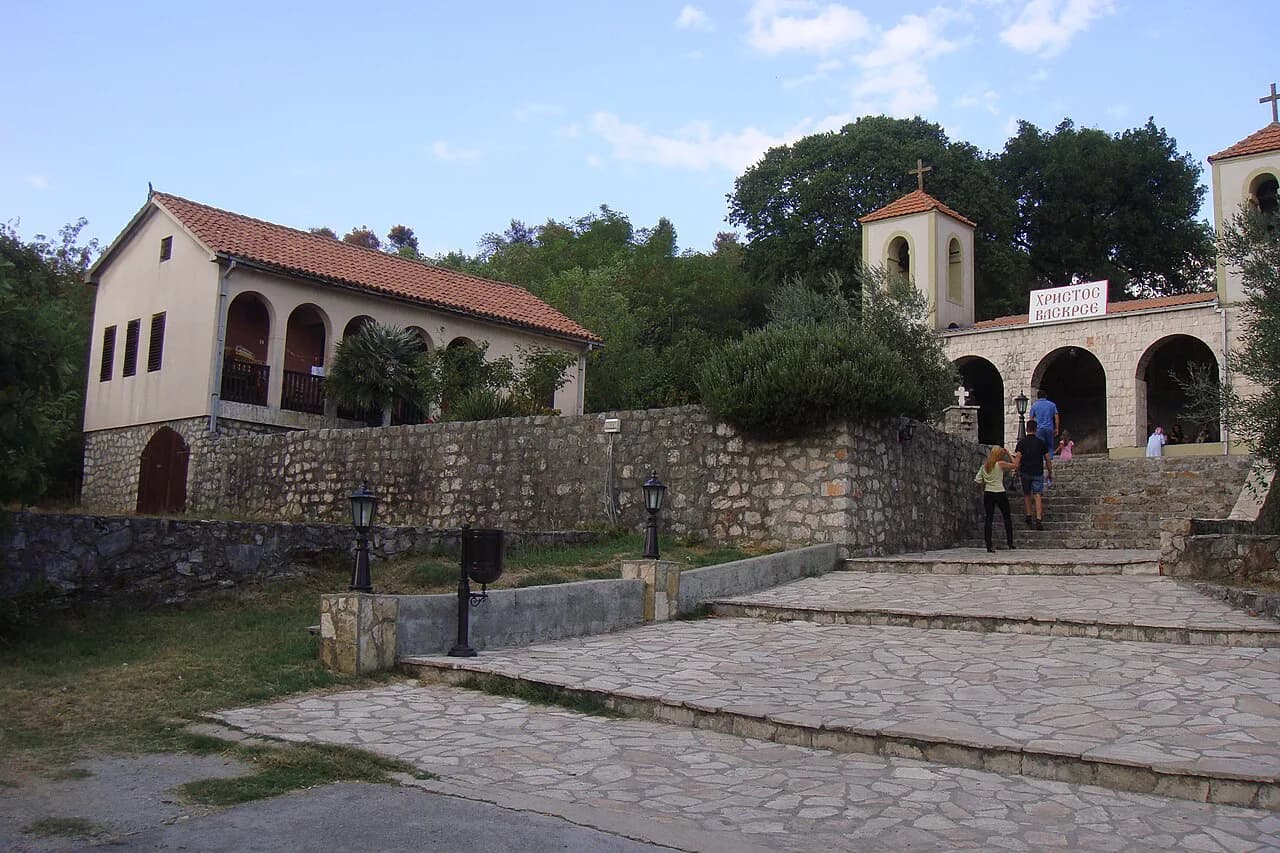
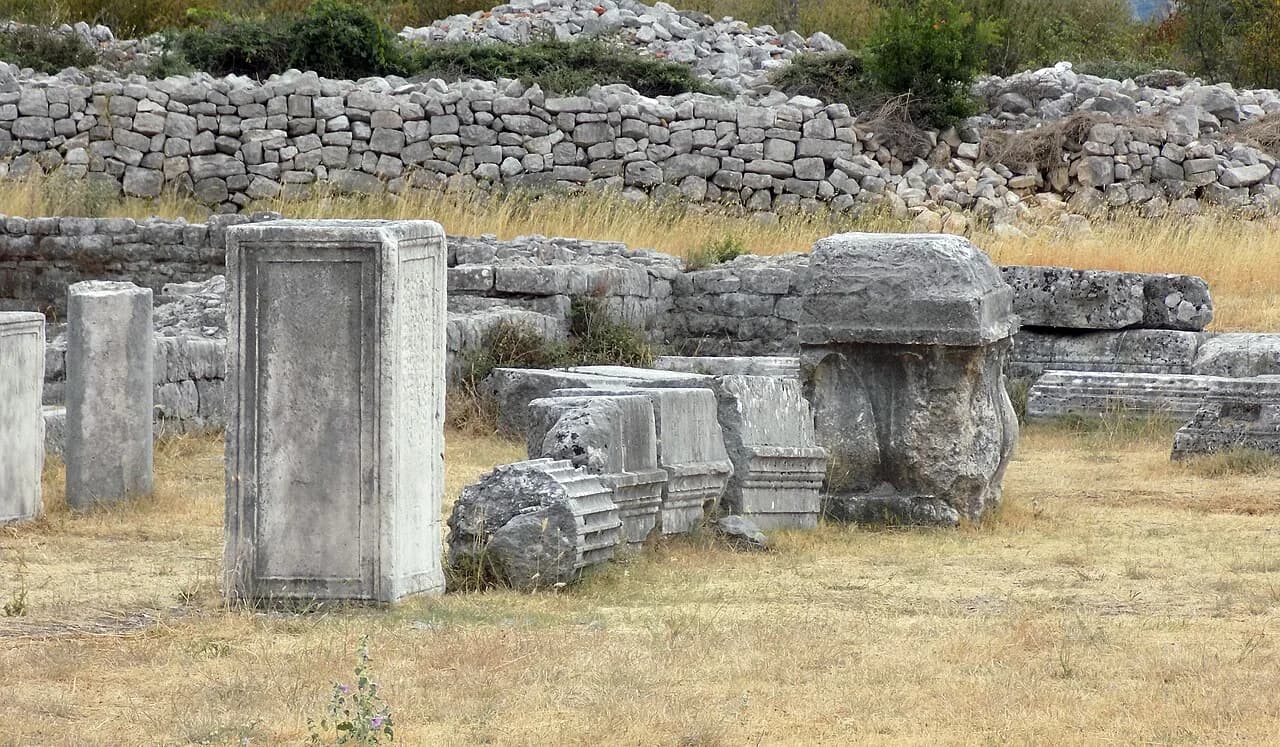
With a car or a taxi budget, the Doclea ruins north of the city and the Dajbabe monastery make a natural pairing with the Kruševac museum on the same loop. Both are outdoor stops and work better in the morning before the heat builds, so save the indoor museums for the hottest part of the day.
Which museums to skip if you have one day
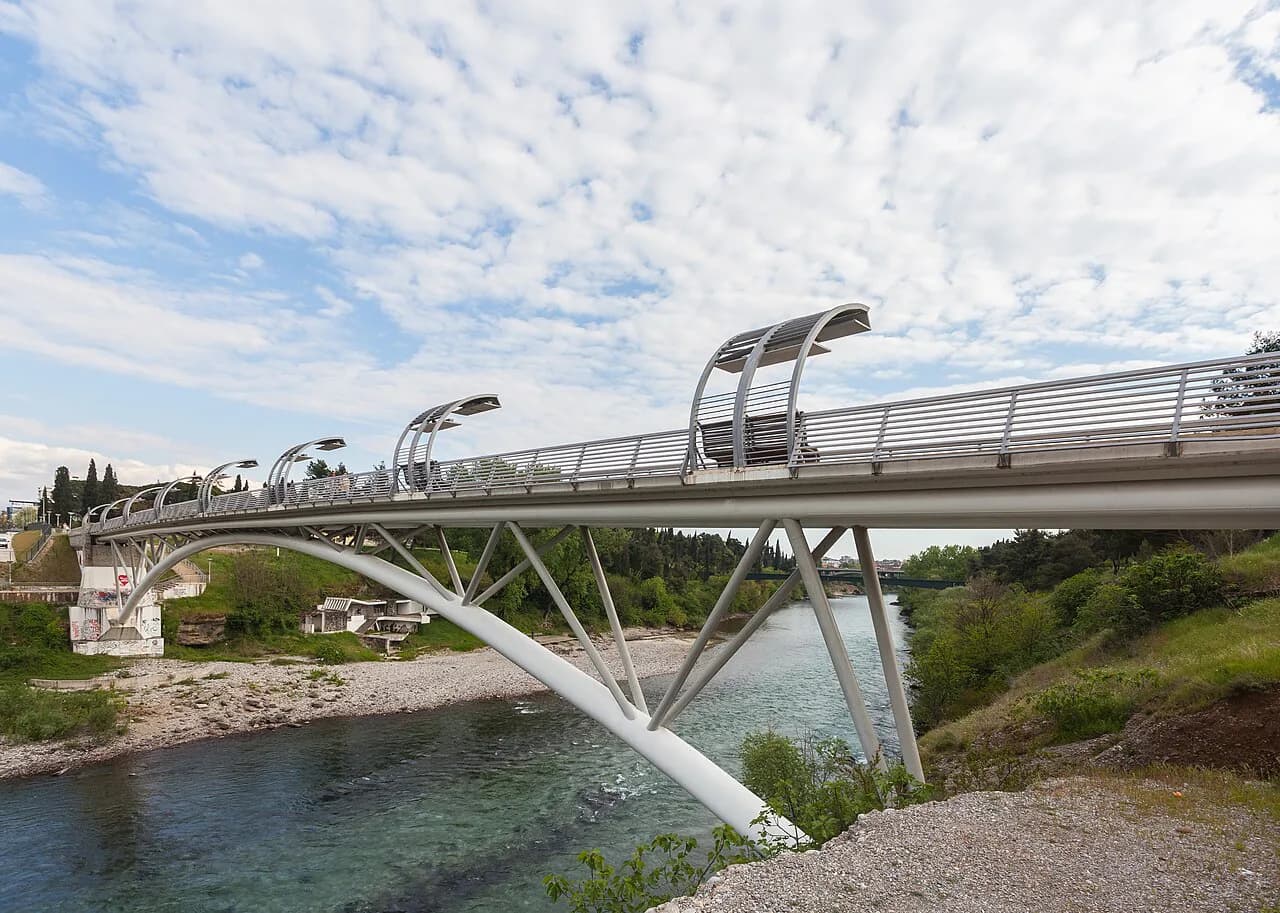
With a single day in Podgorica, choose two: the Titograd '80s Museum for something you will not see elsewhere in Montenegro, and either the Museum of Contemporary Art for the park setting or the Risto Stijović Gallery if you are already walking the old town. Leave the Art Gallery and Photogallery F64 unless a specific exhibition appeals, and spend that time on the Ribnica Bridge and the old town lanes instead.
If your day is already full of outdoor sights, the Niagara Waterfall near Podgorica will give you more of the city's character than a rushed run through four small museums. Museums here reward unhurried, selective visiting, so drop anything that requires a taxi ride in each direction for a half-hour visit.
Cetinje's National Museum units if you want bigger collections
If Podgorica's small museums leave you wanting more, Cetinje is the answer. The National Museum of Montenegro's units, apart from Njegoš's birthplace and the Lovćen mausoleum, are in Cetinje's historic centre, with the Historical Museum and Art Museum housed in the Government House built in 1910. That is roughly an hour by road from Podgorica, so it is a day trip rather than an afternoon.
Plan Cetinje as a full day: the complex alone includes the Historical Museum, the Museum of King Nikola, the Njegoš Museum, the Ethnographic Museum, the Art Museum and the Archaeological Museum with its lapidarium. Note that the National Museum has posted notices about the temporary closure of the Art Museum's permanent exhibition and the closure of Njegoš's Birth House in Njeguši, so check each unit's current status and ticket price on the museum's own site before you travel.
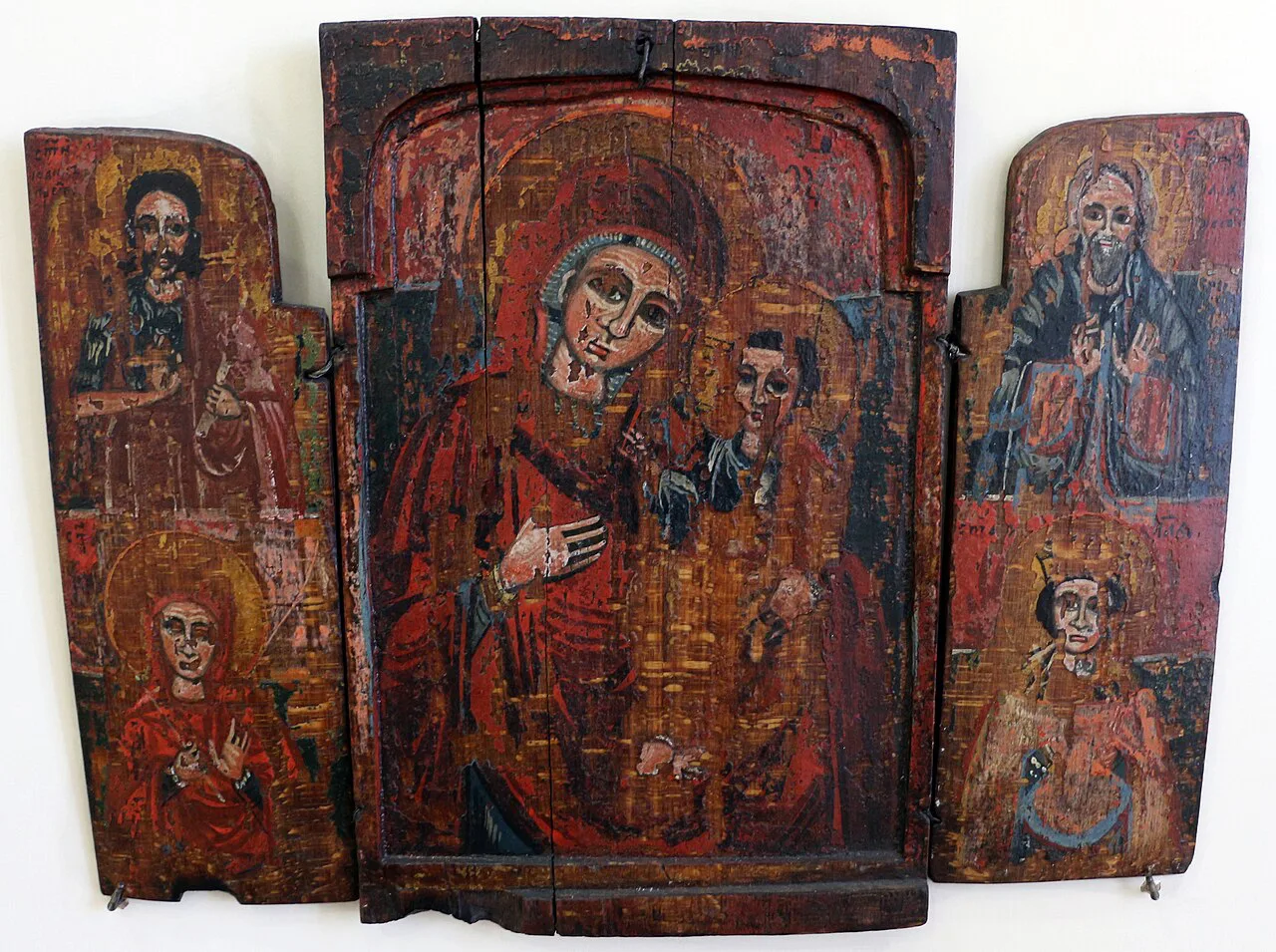
Which Podgorica museum suits your day
Pick by the shape of your day: a wet or hot afternoon belongs to the Titograd '80s flat and Gallery Center in the centre, while a clear morning pairs the Museum of Contemporary Art with a walk along the Morača at Kruševac. If you have only one day, take two museums and leave the rest for a return visit.
Explore more Podgorica guides
Frequently Asked Questions
Is walk-in allowed at Podgorica's museums?
Most Podgorica museums are small, but the Titograd '80s Museum occupies a residential apartment, so capacity is limited and checking ahead is sensible. Confirm arrangements with the individual museum before travelling across town.
How much is entry to the museums in Podgorica?
Admission prices for Podgorica's museums are not given in the tourist board's museum listing, so confirm at the door or on the museum's own page rather than relying on a figure from elsewhere. Gallery Center, Kuslev's House and Photogallery F64 are separate venues with separate arrangements.
Are Podgorica's museums open at weekends?
Gallery Center is the only venue in the tourist board's listing with published weekend hours, opening on Saturday from 10:00 to 14:00. Other museums and galleries in the city do not publish their weekend schedules there, so check each one directly.
Sources
Notes for your Montenegro trip
Optional updates to our Montenegro town guides.
You might also like
Continue reading
More guides you'll find useful