Podgorica Market: What to Buy at the City's Green Markets
Podgorica's markets sell Zeta plain produce, mountain cheese, pršut and honey. Here is what each market is like, when to go and how to pay.
On this page
Podgorica's markets are everyday food markets where residents shop for lunch, not curated visitor attractions, and 30 to 60 minutes at Gintaš is enough to see how the city eats. This guide separates the city's distinct markets, names the produce worth looking for and sets out when to go and how to pay.
Expect a working morning crowd rather than a food hall: stalls and small shops, vendors who have held the same spot for years, and shoppers buying what they will cook that day. Set expectations accordingly and the visit becomes one of the most memorable hours in the capital.
What Podgorica's markets are
Treat the word market as covering several different places. Gintaš is a local market area in central Podgorica with produce stalls, cheese and cured meat, plus household goods and simple clothing. The city's green markets are where growers and producers from the fertile Zeta plain and beyond sell direct to shoppers.
Buying from these traders supports family farms and shortens the supply chain, and the markets form a vibrant part of daily life in the capital. For a wider look at how a market morning fits with the rest of the city, see the guide to things to do in Podgorica.
Gintaš: cheese, kajmak, pršut and honey
Gintaš is the place to see the ingredients behind Montenegrin cooking. Look for fresh fruit and vegetables grown on the surrounding plain, cheese and kajmak from small mountain producers, cured meat including pršut from Njeguši and suho meso, and honey from Kolašin and the northern mountains. Seasonal goods rotate through figs and grapes in September, mushrooms and chestnuts in October, and citrus in winter.
Household goods, basic kitchen equipment and simple clothing fill out the stalls, so this is a shopping errand for locals as much as a food stop. It is a good counterweight to the old town, which has become the polished visitor experience.
The green market: Zeta plain growers
Podgorica's green markets bring growers and producers from the Zeta plain and further afield together, selling seasonal fruit, vegetables, cheese, honey and other local goods directly to shoppers. What is on the tables follows the season rather than a fixed list, so arrive ready to cook with whatever looks best that morning.
Because these are producers selling their own crops and preserves, the market is one of the most authentic and sustainable ways to experience Montenegrin food culture. Bring a cotton tote rather than relying on the thin plastic bags handed out at the stalls, which crush fragile produce.
Bazar in Block 5: clothing, shoes and cafés
Bazar, the market in Block 5, is the city's general shopping centre rather than a produce market. Stalls sell clothing, shoes, souvenirs and small household items, and the complex has a gastronomic side with restaurants and cafés serving traditional Montenegrin cuisine. That makes it a sensible stop if you want one place that covers shopping and lunch.
Its mix of tradition and modern retail is what draws both residents and visitors, so it works as a rainy-morning alternative to the open produce markets. Check current opening arrangements with the tourist information office on Ulica slobode, the city's official visitor service, before setting out.
What to buy and how to pay
Cash is the rule. Most stalls do not take cards and few have change for a large note early in the morning, so carry small euro notes. Vendors will often offer a sliver of cheese or a spoon of honey to taste, and accepting is expected rather than pushy.
Prices are low and mostly fair, so haggling hard is not the way. Rounding down a little is fine. If you want honey or pršut as a souvenir, ask the vendor how to pack it for travel rather than guessing.
Best time to go
Weekday mornings between 08:00 and 11:00 are the best window. The market is fullest, produce is freshest, vendors are talkative and you can taste before buying. Saturday morning is also strong but busier, late afternoons go quiet as stalls close, and Sunday is the slowest day.
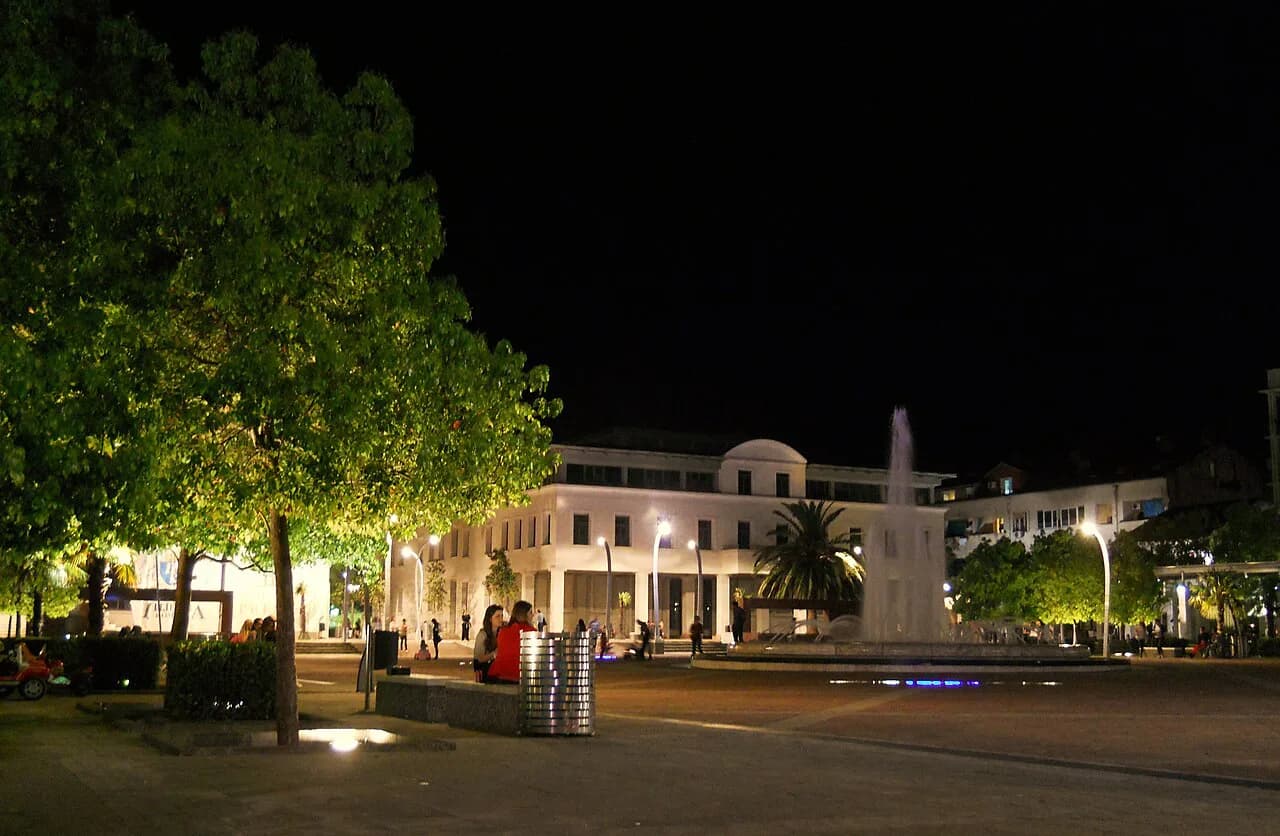
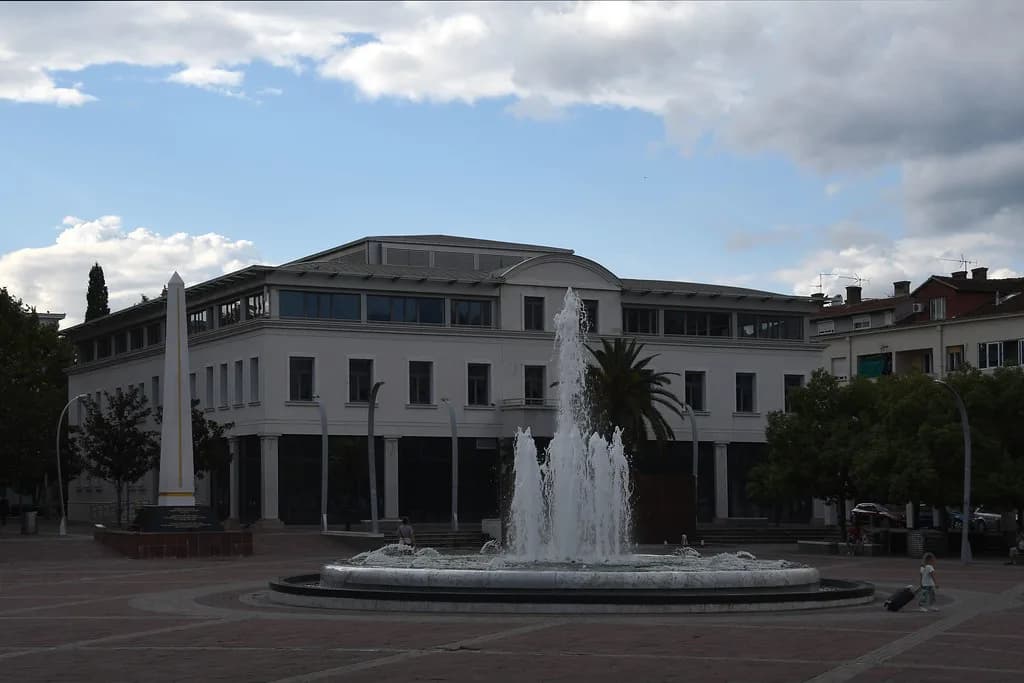
If your trip falls around the New Year, Podgorica has run a seasonal bazaar on Independence Square with wooden chalets, food and a stage; the 2026 edition is listed as expected rather than confirmed and should be checked before you plan around it. Outside that period, plan a market visit for a weekday morning and keep the rest of the day flexible.
How long to allow and what to pair it with
Allow 30 to 60 minutes for Gintaš; the point is to move slowly and observe rather than tick off a shopping list. The market sits in central Podgorica, so it pairs naturally with a coffee in the city centre or a longer walk through Stara Varoš, the old Ottoman quarter.
For a complete morning, finish with a traditional lunch five minutes away on foot. If you would rather follow a set route afterwards, a Podgorica walking tour covers the centre without much extra planning.
Practical points: bags, cameras and a few words
Bring a small bag for fragile produce, keep an eye on your belongings in crowded aisles, and ask before photographing stallholders up close. A nod and a smile go a long way; pointing a camera silently does not.
You do not need Montenegrin. Pointing, smiling and basic numbers are enough, and a few words make everything friendlier: dobar dan for hello, hvala for thank you, and koliko for how much.
Which market morning suits you
Choose Gintaš for cheese, kajmak, pršut and honey in a working local setting, the green markets for whatever the Zeta plain is harvesting that week, and Bazar when you want clothes, souvenirs and a café under one roof. Go on a weekday morning, carry small euro notes and allow an hour or less.
For a fuller sense of how the capital's quarters fit together before you set out, the Podgorica attractions hub gathers the city's individual sights in one place.
Explore more Podgorica guides
Frequently Asked Questions
Do Podgorica market stalls take cards?
Generally not. Most stalls at Gintaš are cash-only, so bring small euro notes and expect vendors to have limited change early in the morning.
Do Podgorica's markets charge an entrance fee?
These are working food markets where residents shop, and you pay only for what you buy rather than for admission. Carry cash for produce, cheese, honey or cured meat.
How do I get to Gintaš without a car?
Gintaš sits in central Podgorica and pairs easily with a walk into Stara Varoš and a coffee in the centre, so no car is needed for a market morning.
Sources
Notes for your Montenegro trip
Optional updates to our Montenegro town guides.
You might also like
Continue reading
More guides you'll find useful