Free Things to Do in Kotor: 12 No-Cost Sights in the Old Town and Bay
Free things to do in Kotor, from the Old Town gates and Cathedral of Saint Tryphon to the farmers' market, the cats and a walk round the bay to Muo.
On this page
Most of Kotor's sights cost nothing at all. You walk in through the Sea Gate, wander the marble-paved lanes of Kotor old town, look up at the Cathedral of Saint Tryphon and St Nicholas Church, browse the farmers' market outside the walls and finish with a free view back at the fortifications from the water's edge at Muo. This guide separates those no-cost stops from the paid add-ons that sit alongside them, so you can see exactly where your euros go.
The free day works because the town is compact: the sights cluster inside and immediately outside the walls, and the market, the cats and the cat-themed shops fill the gaps between churches. What you pay for is the climb up the walls, the boats out to the islands and caves, and the cable car up to Lovćen. Knowing that split in advance is the difference between a cheap day and an accidental splurge.
What you can see in Kotor without paying: the short answer
Entry to Kotor Old Town is not ticketed: you walk in through the Sea Gate and the streets are open to anyone. Inside, the Cathedral of Saint Tryphon, St Nicholas Church, the squares and the lanes are free to look at, and the town's cats and cat souvenirs cost nothing to admire. The Kotor old town is a UNESCO World Heritage site, and much of it has been left unrenovated, which is exactly why the wandering is the attraction.
The free list is longer than most visitors expect: the Old Town lanes, the cathedral square, St Nicholas Church, the morning farmers' market just outside the main wall, the cats, the cat-themed souvenir shops, Kotor Beach and the walk round the bay to Muo. Set against that, the walls, the boat trips to Our Lady of the Rocks and the Blue Cave, and the cable car are all paid. Plan the free stops for the middle of the day and spend your money on one big paid experience rather than three small ones.
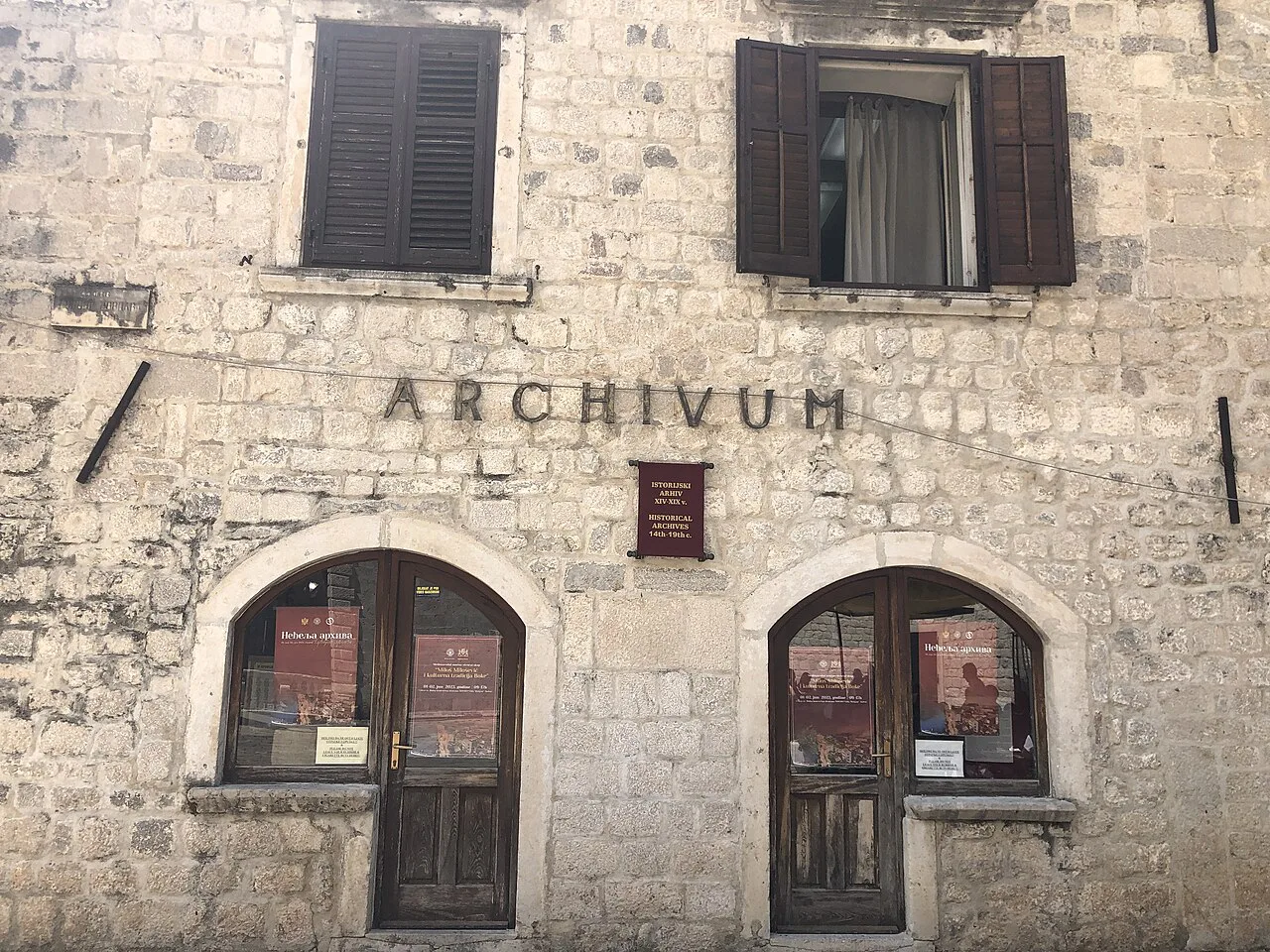
Wander Kotor Old Town and its narrow streets
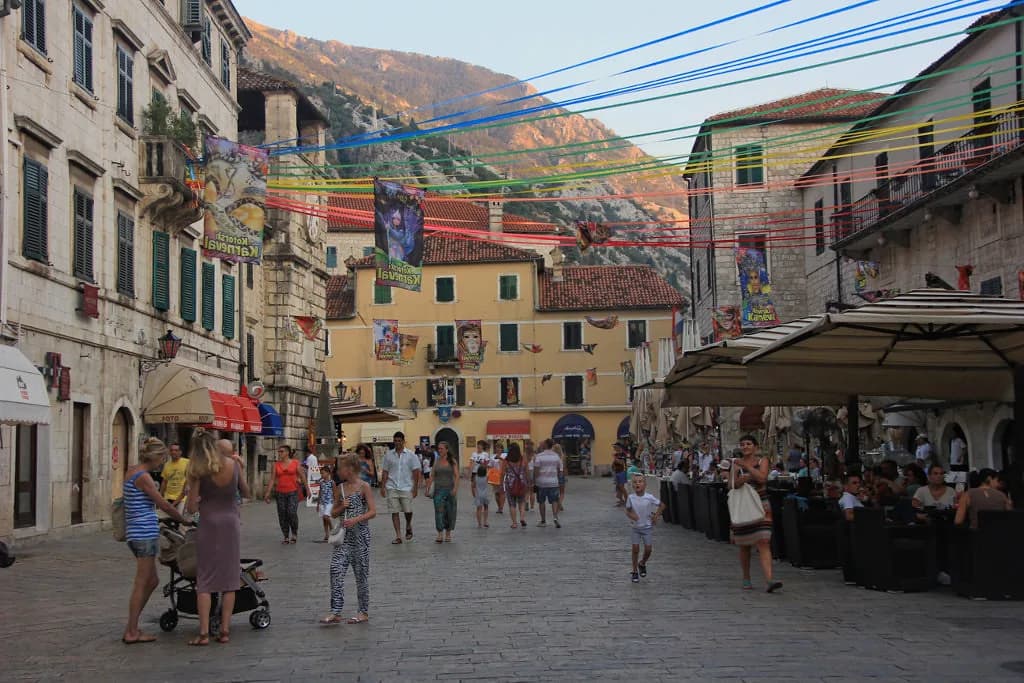
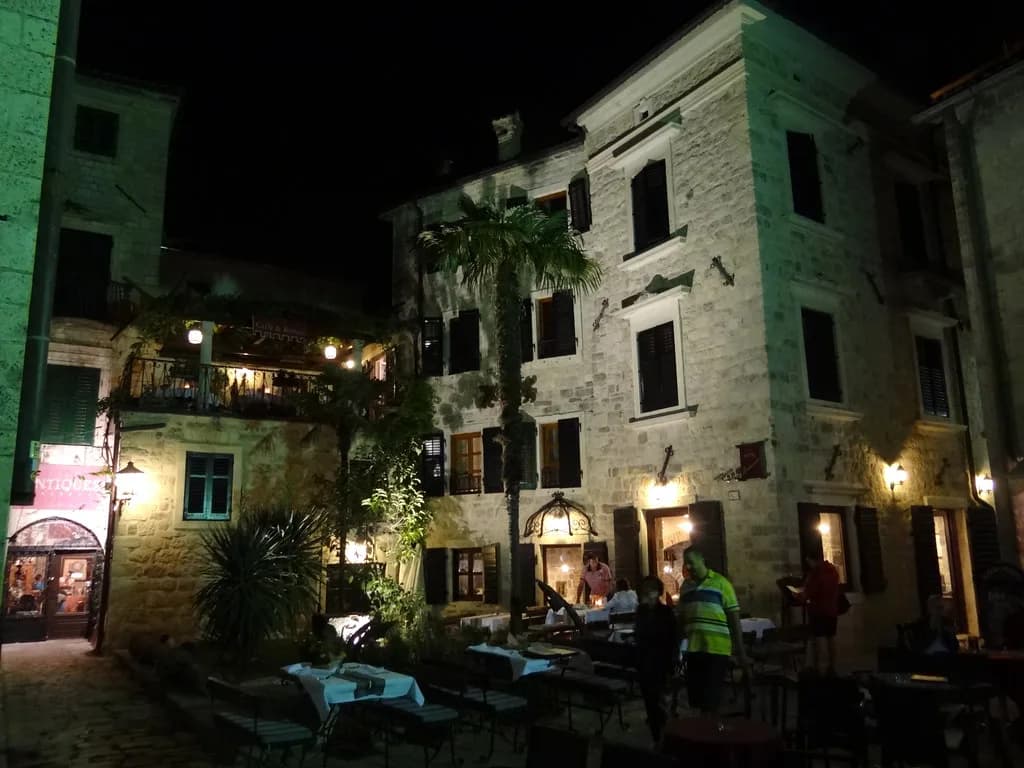
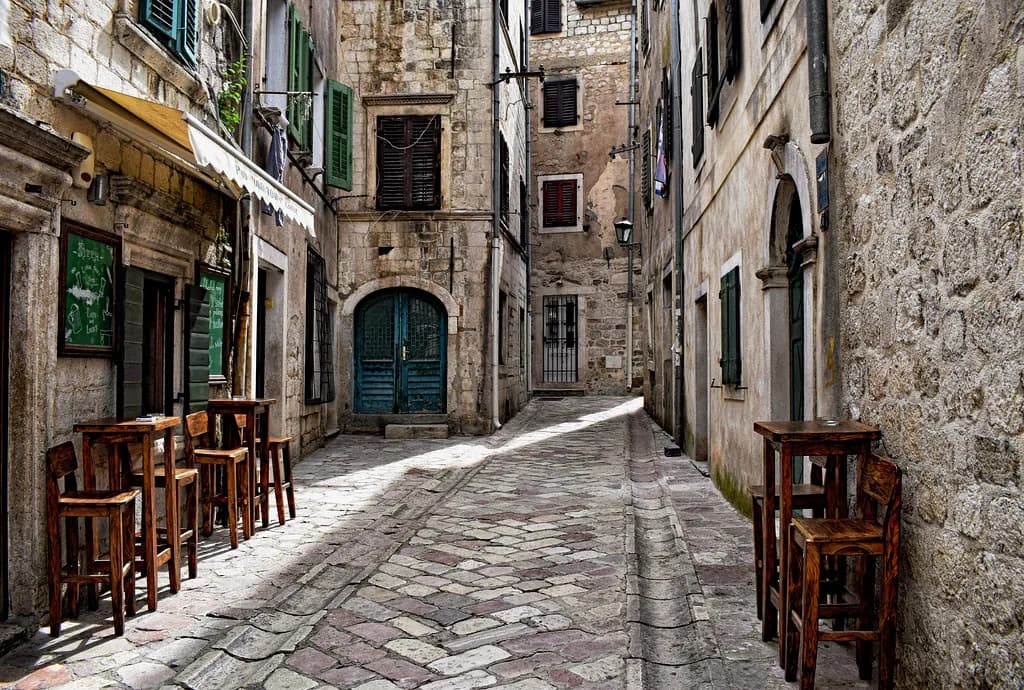
The Old Town, or Stari Grad, is the core of any free day. The streets are narrow, cobbled and full of small shops and cafés, and the whole place is walkable in an hour or two if you don't stop. It gets crowded when the cruise ships are in, so the earlier you start the more of the lanes you'll have to yourself.
A free tourist map is available from the booth in front of the main entrance to the Old Town, and it comes with discount coupons on the back. Pick it up on your way in rather than at the end of the day, and use it to find the cathedral, the churches and the museums before you start walking. If you want the layout explained properly, a guided Kotor walking tour covers the same ground with the stories attached.
Free walking tours also run in Kotor, typically around an hour to ninety minutes, and you tip the guide at the end rather than paying a ticket price. They're a cheap way to get oriented on your first morning, and the guides often point out the free spots worth coming back to. Book ahead in high season, because the groups fill.
Step through the Sea Gate and photograph the bell towers and churches
The Sea Gate is one of the entrances to the Old Town from the waterfront, and stepping through it is free. Once inside, the bell towers and church facades are the photographs most visitors come for, and you can take them without buying anything. The Kotor Map is useful here: it shows which squares open onto which lanes, so you can loop past the towers without doubling back.
If you want to understand what you're looking at, the Kotor history of the town explains the gates and the walls, and it's worth reading before you arrive rather than squinting at plaques. The Old Town's churches are free to enter as places of worship, though you should dress respectfully and keep quiet when services are on. Photography inside churches is often restricted, so check the notices at the door.
See the Cathedral of Saint Tryphon from the square
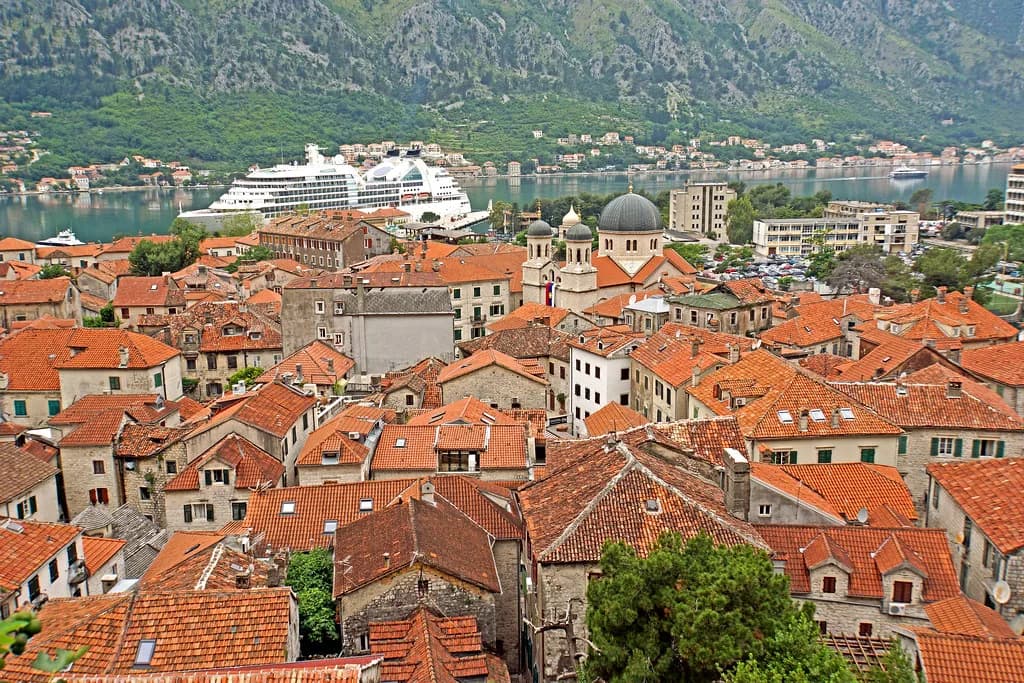
The Cathedral of Saint Tryphon, with its twin towers, sits on one of the Old Town's small squares and is free to see from outside. It's a Romanesque building and the square in front is a natural pause point on any free walk. Whether you can go inside depends on services and any charge at the door, so treat the square as the guaranteed free stop.
The cathedral is one of several Kotor churches clustered in the same few streets, including St Nicholas Church, so you can see them all on foot in a single loop. If you want more detail on each building, the churches in Kotor guide covers the ones inside the walls. Allow half an hour for the cathedral square and the lanes around it.
St Nicholas Church and the Orthodox heritage of the Old Town
St Nicholas Church is the centre of Orthodox Christian heritage in the Old Town, and it sits within easy walking distance of the cathedral. Whether you can step inside depends on services and the notices at the door, so treat the exterior and the surrounding lanes as the reliable free stop. Dress modestly, cover shoulders, and don't walk through during a service.
Pair the two churches with a slow lap of the lanes between them, because the pleasure here is proximity rather than any single monument. The museums in Kotor fill a rainy hour if the weather turns, but on a dry day the churches and squares are the free itinerary. Keep an eye on the clock: the market outside the walls is a morning affair.
The farmers' market outside the walls (bring euros in cash)
The Kotor food market sets up bright and early just outside the main wall, and it's nearly impossible to miss on your way in. Locals, tourists and farmers all shop there, and the stalls carry fruit, vegetables and fish typical of the Balkans, along with a few more exotic items. Browsing costs nothing; buying is where your cash goes.
Bring euros in cash, because most vendors take nothing else. Go first thing in the morning for the fullest stalls and the best chance of a quiet browse, and treat it as a free introduction to the town rather than a ticketed attraction. It's the cheapest way to meet people who actually live in Kotor.
The cats of Kotor and the cat-themed souvenir shops
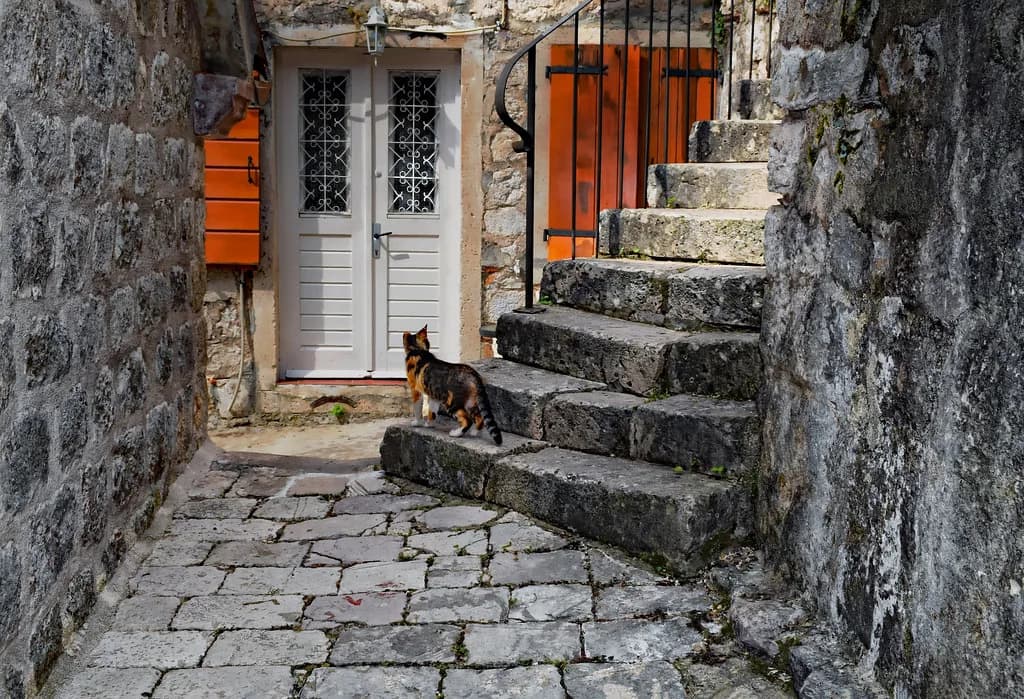
Cats are everywhere in Kotor, walking the lanes or sleeping in the sun, and half the souvenir shops are filled with cat-themed goods. Watching them is free, and photographing them is free, which makes the cat trail a good way to slow down between churches. The cat shops are also free to browse, even if you leave without buying.
There is a Cats Museum in the Old Town if you want to spend a rainy hour indoors: it is a small paid or unconfirmed stop rather than a free sight, so check before you go in. The cats themselves are the free version. If you're travelling with children, the cat trail is the easiest way to keep them interested while you walk the lanes.
Museums for a rainy hour: the Maritime Museum in the Grgurina Palace and the Cats Museum
The Maritime Museum is housed in the 18th-century Grgurina Palace and covers Kotor's maritime history, which makes it a sensible indoor stop when the weather turns. It's not free, so check the ticket price at the door before you commit, and don't assume a fixed opening time. The museums in Kotor guide sets out what each one covers if you're choosing between them.
The Cats Museum is the other indoor option, and it suits anyone who has already spent an hour photographing the real thing. Neither museum will fill a day, so use them to break up the free walking rather than as the main event. If the rain holds off, skip both and keep to the streets.
Walk around the bay to Muo for a free view back at the walls
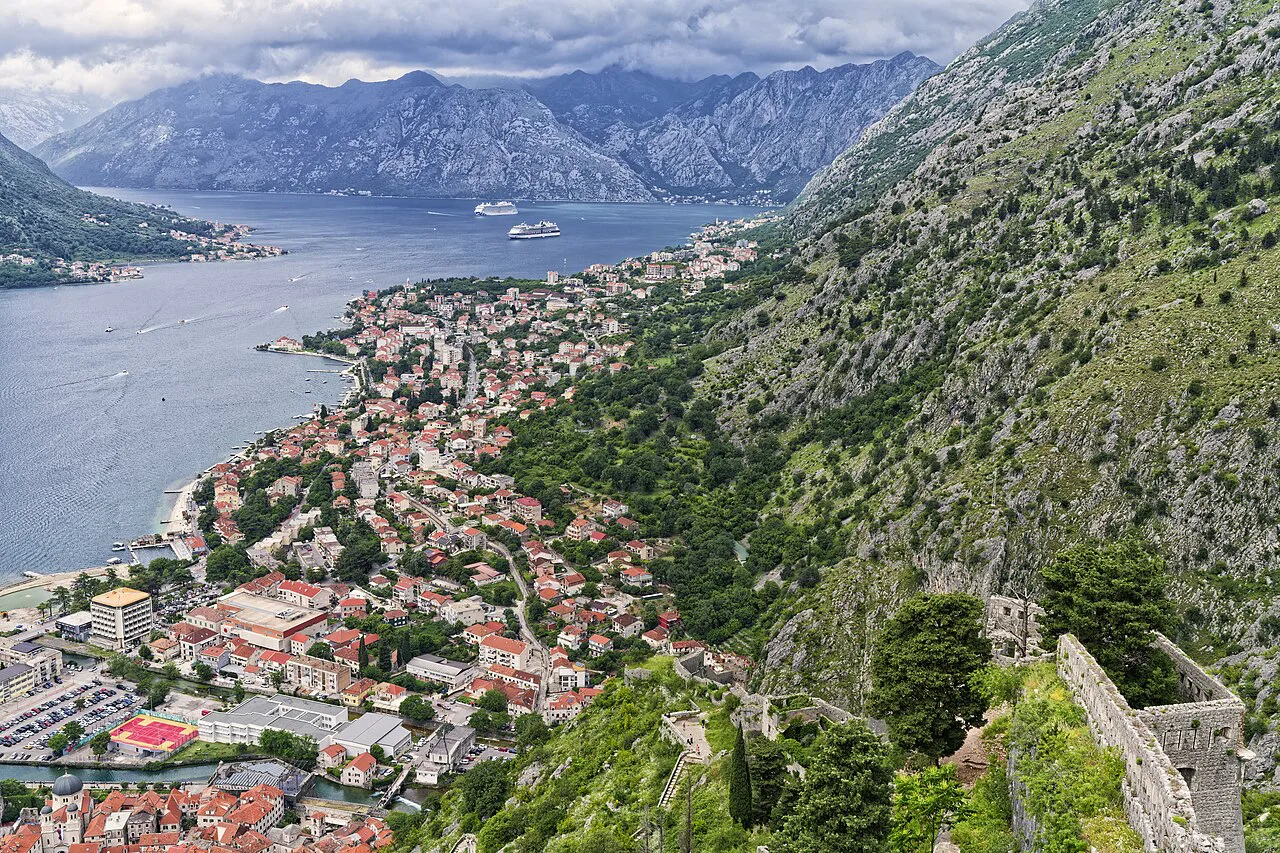
Walking around the bay to Muo gives you a free view back at the Old Town walls from across the water. It's a flat stroll rather than a hike, and it costs nothing but time. Go in the late afternoon when the light is better and the cruise crowds have thinned.
This is the best free alternative to the paid climb up the walls: you get the classic shot of the fortifications without a ticket. Bring water and give yourself an hour each way so you're not rushing back in the heat. The Kotor attractions guide lists the other viewpoints worth comparing before you commit your afternoon.
Kotor Beach and a swim in the bay
Walking the shoreline towards Muo is the easiest way to cool off after a morning of walking, and the path passes water access along the way. The bay is sheltered, and a dip is a normal part of a summer day here rather than a special excursion. Bring a towel and leave your valuables in your room.
There's no entry charge for the shoreline path itself, and no booking needed. It's a pebble-and-concrete sort of swimming area rather than a resort beach, so treat it as a dip between sights rather than a destination. If you want a longer swim, the walk to Muo passes water access along the way.
Watch the cruise ships come in and time your Old Town visit around them
Kotor now receives up to 700,000 cruise passengers a year, and when several ships are in, the Old Town is packed. The town is still free to enter, but the experience changes: lanes clog, the cathedral square fills and the market gets busy. Check the cruise schedule for your dates and plan the free sights for the quieter mornings.
Use the ships as a signal rather than a nuisance. On a heavy ship day, walk round to Muo or swim at Kotor Beach in the middle hours and save the lanes for early or late. On a light day, do the market and the churches first thing and take your time.
What costs money nearby: the fortress walls, the boat trips and the cable car
The Kotor Fortress entrance fee is €15, with under-12s free, so the walls are the main paid experience in town rather than a free one. The climb is over 1,350 steps and the views are the reason people do it; if you'd rather not pay, the Muo walk gives you a view of the walls instead. Budget for the walls once, and don't expect to talk your way in.
The boat trips to Our Lady of the Rocks and the Blue Cave are paid tours, and the price varies by operator and itinerary, so check before you book rather than assuming a figure. The cable car up towards Lovćen is the third paid add-on; its Dub station sits on the Budva road outside town, and the ride to the edge of the national park takes just over 11 minutes. Skip all three and you still have a full free day.
Which free stop should you build your day around?
Build the day around the Old Town lanes and the cathedral square, then add the farmers' market in the morning and the Muo walk in the late afternoon. That sequence gives you the town at its quietest, the market at its fullest, and the walls from across the water without buying a ticket. Spend your euros on one paid experience, whether that's the fortress walls or a boat trip, rather than spreading them thin.
The only free detail worth confirming before you go is what's on at the churches, and the only paid one is the boat operators' own pricing. Everything else you can plan from the street. Pack cash for the market and leave the rest of your budget for the one thing you actually want to do.
Explore more Kotor guides
Sources
Notes for your Montenegro trip
Optional updates to our Montenegro town guides.
You might also like
Continue reading
More guides you'll find useful