Kotor Gates: Sea Gate, River Gate and Gurdić Gate
Use the Sea Gate for the Square of Arms, the River Gate for the northern lanes and Gurdić for the south side. Here is what each gate looks like and where it leads.
On this page
For a first visit, use the Sea Gate: it opens straight into the Square of Arms (Trg od Oružja), so you are inside the old town the moment you step through the arch. The two alternatives are the River Gate in the north, reached over an arched bridge across the Škurda, and the Gurdić Gate on the south side beside its round bastion. This guide covers what each one looks like, what you see once you are through, and which entrance matches how you arrive.
Walls wrap the whole historical quarter and climb towards San Giovanni Fortress, so the gates are the only way in on foot. Everything below stays within the old town and its immediate walls; for the wider layout of squares and lanes, keep a Kotor map open as you walk.
How many gates does Kotor old town have, and which can you use?
Three entrances serve visitors: the Sea Gate on the seaward side, the River Gate to the north and the Gurdić Gate to the south. Tourists mainly use the Sea Gate, which is also the central gate. Treat that as your default and the other two as useful alternatives rather than sights in their own right.
The walls that link the gates are open to visitors all year round, and walking the stretch that surrounds the old town costs nothing. That makes a circuit of the bastions a free way to see the town from above. The gates themselves are simply passages into the town, and the old-town walls are free to walk.
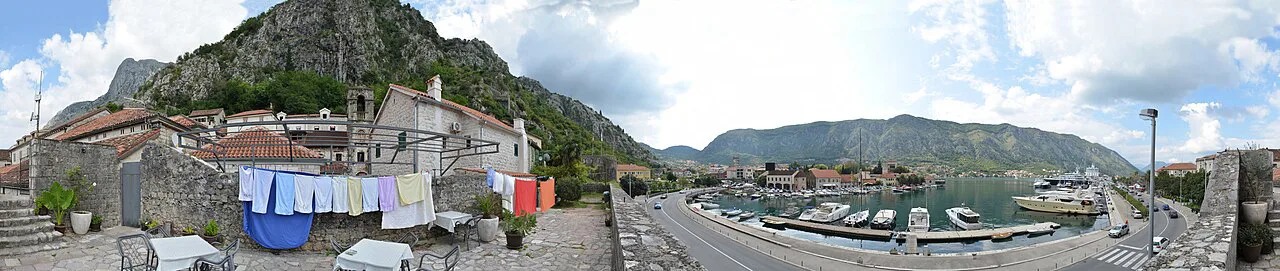
Sea Gate (Vrata od Mora): the main entrance into the Square of Arms
The Sea Gate is the one to choose if you have an hour and want to be among the landmarks quickly. Built in 1555 in the Venetian period, it opens directly into the Square of Arms, the long civic square that serves as the social hub of the old town.
Above the arch fly three flags: Montenegro, Kotor and UNESCO. The outer face carries the Yugoslav coat of arms added in the last century, with Tito's line about not taking what belongs to others and the date Kotor was liberated from fascist occupation. Inside the vaulted passage is the older and finer work, a Gothic relief carved in the 15th century, which predates the gate itself.
That same relief depicts the Blessed Virgin Mary with Jesus, flanked by Saint Tryphon and Saint Bernard, so pause in the shade of the arch rather than hurrying through. If you want the wider story of the town's buildings and rebuilds, the Kotor history page puts the Venetian and later layers in order.
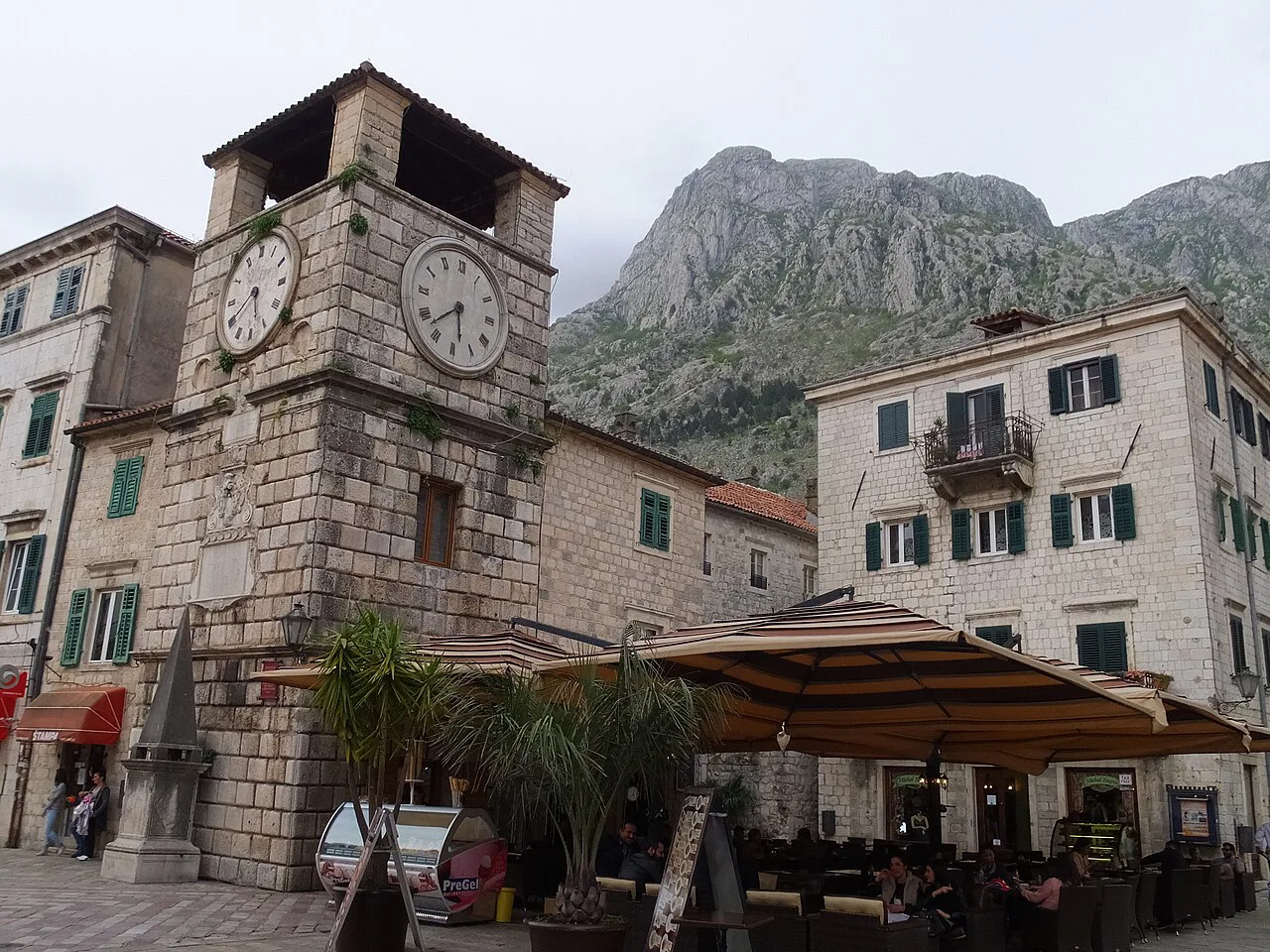
Square of Arms (Trg od Oružja): the Clock Tower, the Rector's Palace and the Pillar of Shame
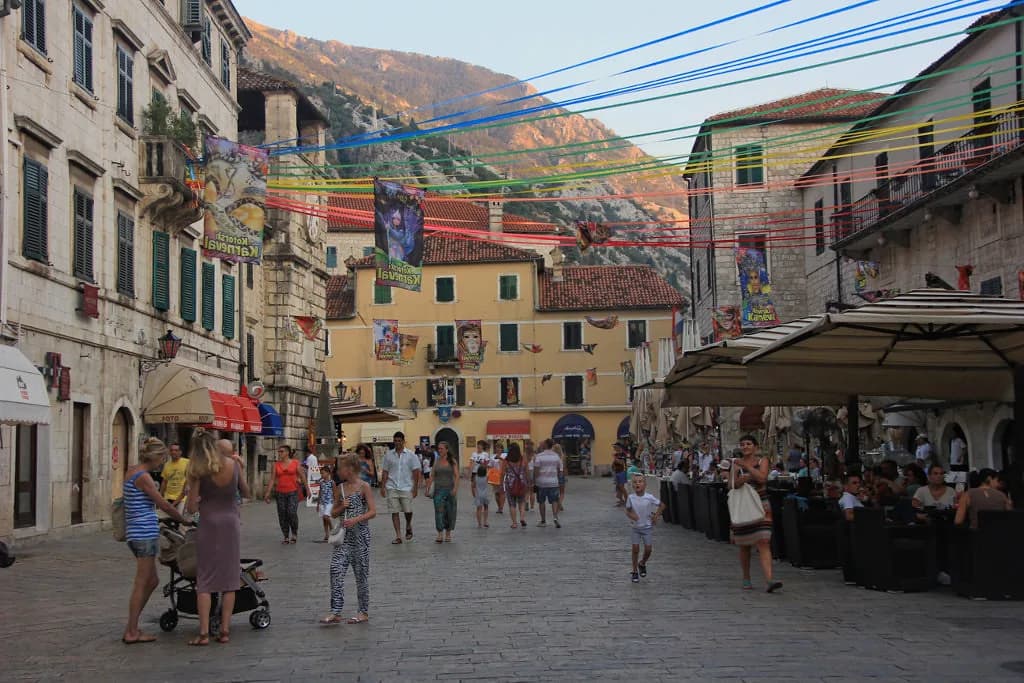
Step through the Sea Gate and you are on the largest square in the old town, where soldiers once resupplied and repaired weapons. It is a short walk from the cruise port and the meeting point for almost all guided walks, which is why the Kotor walking tour groups gather here.
The square is anchored by the Clock Tower, built in 1602, with two working faces that chime on the hour. The Rector's Palace, once the seat of the Venetian governors, now houses part of a hotel, and Napoleon's Theatre on the square was converted for performances in 1810.
In front of the tower stands a small pyramid-shaped stone obelisk known as the Pillar of Shame, where offenders were once publicly named. Kampana Tower sits in the north-west corner, one of the most recognisable stretches of the city walls. If you plan to spend the day indoors as well, the museums in Kotor include collections reached from these lanes.
River Gate (Vrata od Škurde): the northern entrance over the Škurda
The River Gate is the northern entrance and the smallest of the three, reached by crossing an arched bridge over the Škurda river. It was built in the 16th century, a few years before the Sea Gate, and is decorated in the Renaissance style.
That bridge is a small but real obstacle with a wheeled case or a pushchair, so if you are arriving from the north with luggage, allow for lifting rather than rolling. Through the gate, Crafts Street runs south through the old town and connects the River Gate with the Gurdić Gate.
Use this entrance when you want to start in the quieter northern lanes and work south towards the main square, rather than beginning in the thick of it. Read the full Kotor old town layout before you set off so you know which lane leads where.
Gurdić Gate: the southern gate, its round bastion and three passages
The southern entrance is the odd one out, because it is a system of three passages built at different times rather than a single arch. The oldest part dates from the 12th or 13th century and the newest from the 18th, which is why it reads as a sequence of doorways rather than a facade.
A round bastion of the same name guards it, erected during the administration of Albert Bertucci Gabriel, whose family coat of arms is set into the walls. It once carried great strategic importance. Come here if you want to see fortifications as working architecture rather than a ceremonial entrance.
Bembo Bastion and the Corner Bastion: free access to the walls
Several bastions are knitted together by the walls, and two are easy to find on foot. The Bembo Bastion now serves as a summer theatre, while the Corner Bastion stands near the city market.
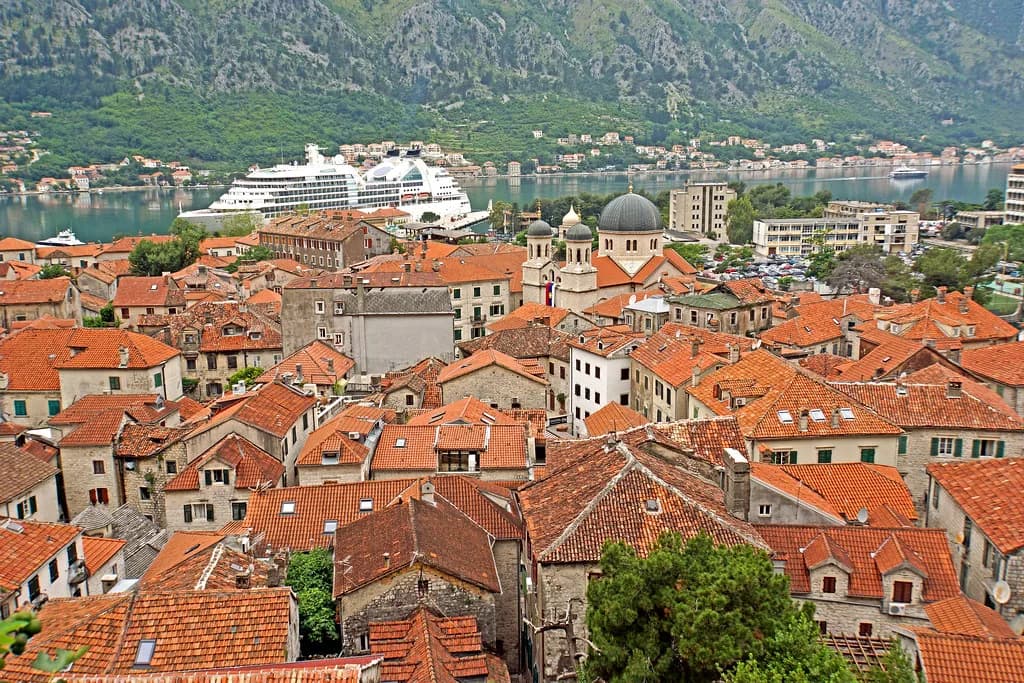
The walls around the old town are open all year and free to walk, giving a better view over the rooftops and the life outside the walls. This is separate from the paid climb to San Giovanni Fortress higher up the mountain, so do not assume one ticket covers both. Check current access arrangements at the entrance before you set out.
Which gate to choose: arriving from the cruise port, the bus station or on foot
From the cruise port, the Sea Gate is the obvious choice: it is a short walk from the ships and puts you straight on the Square of Arms for coffee or a first look at the Clock Tower. If you have only a couple of hours ashore, this is the entrance that saves you the most time.
Coming from the north on foot or by car, the River Gate over the Škurda brings you in near the market side and Crafts Street. From the south, the Gurdić Gate puts you close to the southern walls and the round bastion. Both routes avoid the main square crowds at the start, though you will still cross it later.
Bear in mind that most sightseeing routes converge on the Sea Gate, so it is the busiest of the three when ships are in. Starting at the River Gate and exiting through the Sea Gate gives you the town in one direction without doubling back.
Practical points: the bridge, the crowds and what is free
The River Gate's arched bridge over the Škurda is the one piece of infrastructure to plan around, and this is the smallest of the three entrances. Travellers with luggage, pushchairs or limited mobility will find the Sea Gate, which opens directly onto the Square of Arms, the easier arrival.
Expect the Sea Gate and Square of Arms to fill up when tour groups are moving through, and time your photos of the facade for earlier or later in the day. The walls around the old town remain free to walk all year, which makes them a sensible fallback when the square is packed.
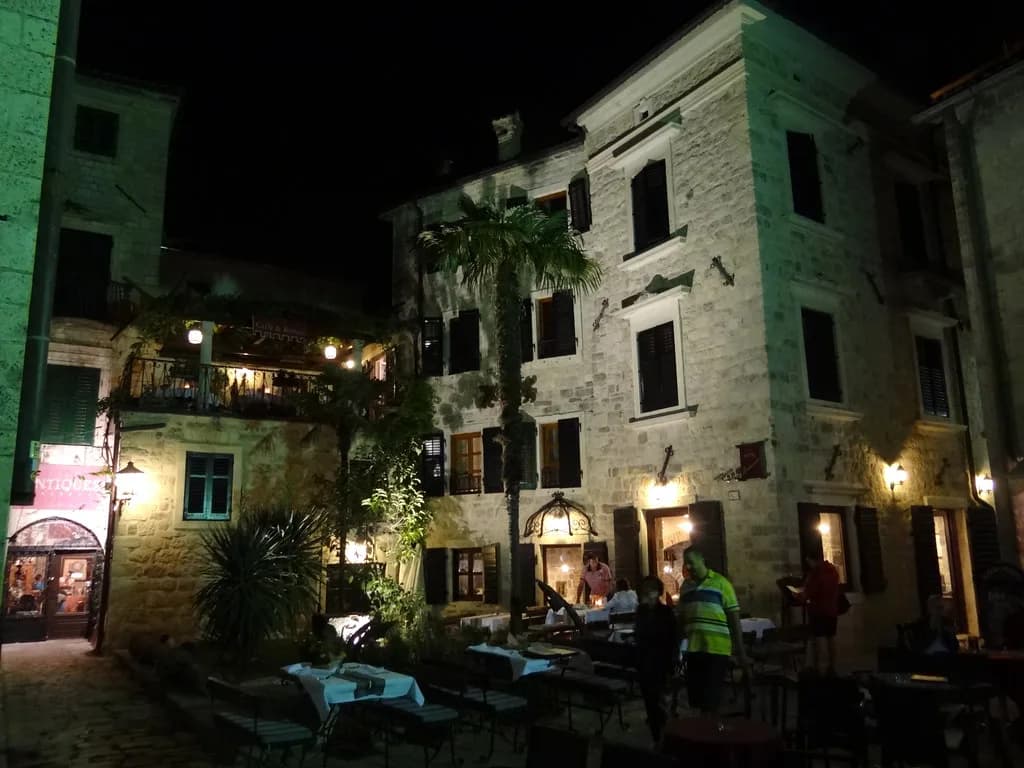
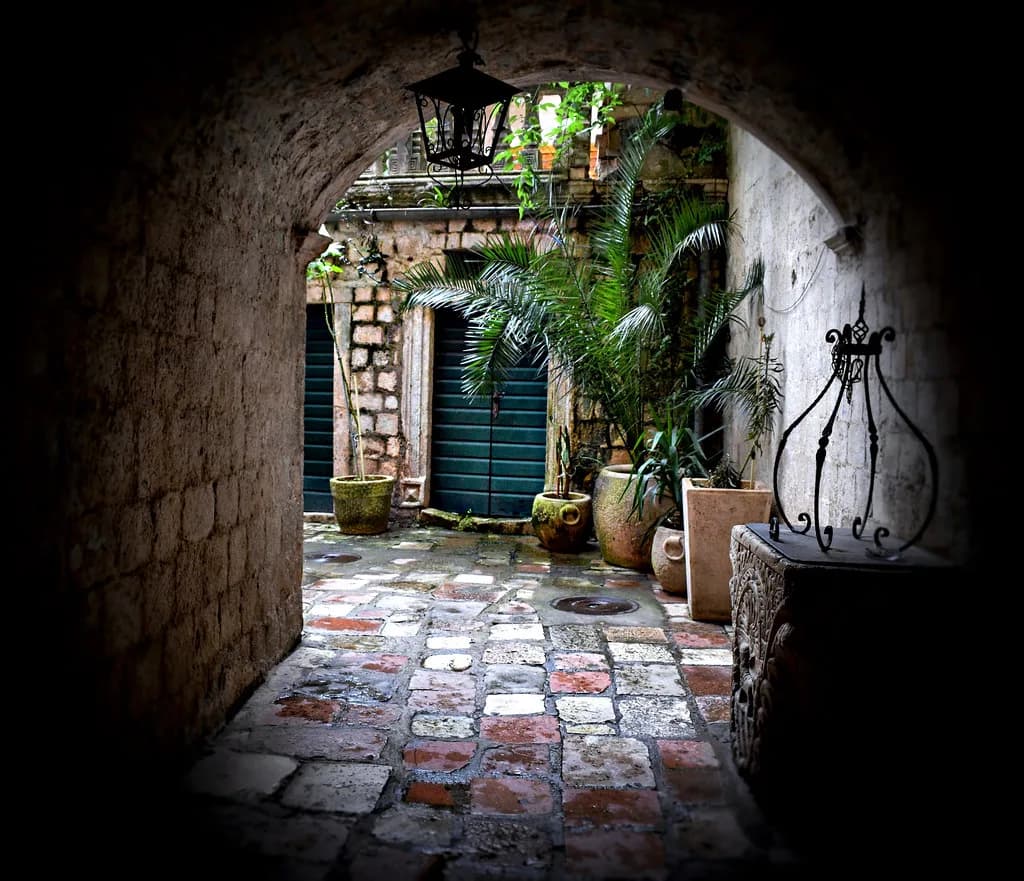
Between the gates you will find churches, cats and shaded lanes worth an hour of wandering; the Kotor churches page lists what is open to visitors. For a wider shortlist of what to see once you are inside, the Kotor attractions guide covers the main sights in detail.
Which gate should you walk through first?
Start at the Sea Gate unless your arrival point makes one of the others sensible. It puts you on the Square of Arms, past the Clock Tower and Pillar of Shame, with the whole old town ahead of you and the walls free to walk afterwards.
If you are coming from the north with light luggage, take the River Gate and follow Crafts Street south; from the south, the Gurdić Gate shows you the three-passage entrance and its bastion before you reach the centre. Either way, finish with the free circuit of the walls and leave the paid fortress climb for a separate decision.
Explore more Kotor guides
Frequently Asked Questions
Are the Kotor old town gates free to enter?
The gates are simply passages into the old town, and the stretch of walls around the historical quarter is free to walk all year. The higher climb to San Giovanni Fortress is a separate matter, so check access and any charge at the point where you start up.
Can you walk on the walls around Kotor old town?
You can. The fortifications connecting the bastions are open to visitors all year, and the section around the old town is free of charge. It gives a better view over the rooftops and the town outside the walls than you get at street level.
Is the River Gate suitable for a pushchair or wheeled luggage?
It is not the easiest entrance. The River Gate is the smallest of the three and is reached over an arched bridge across the Škurda. If you are wheeling a case or pushing a buggy, the Sea Gate, which opens directly onto the Square of Arms, is the simpler choice.
Sources
Notes for your Montenegro trip
Optional updates to our Montenegro town guides.
You might also like
Continue reading
More guides you'll find useful