Kotor Alpine Coaster: The Ride at the Top of the Cable Car
The Kotor alpine coaster sits at the top of the Kotor Cable Car, minutes from the upper station. Here's how the ride works, the rules and getting there.
On this page
The Kotor alpine coaster is a mountain coaster at the top of the Kotor cable car, not a separate attraction down in town. You ride the gondola up from the lower station near Kavač, walk a short way to the coaster, and ride a single car that takes two people in line. This guide separates the two rides, sets out how the coaster works, the rules and price listed for it, and what else is at the top.
Almost everything decisive about the coaster is decided before you leave the valley: whether your child meets the height and age rules, whether you buy a fast pass, and how much time you give the queue.
What the Kotor alpine coaster is and where it sits
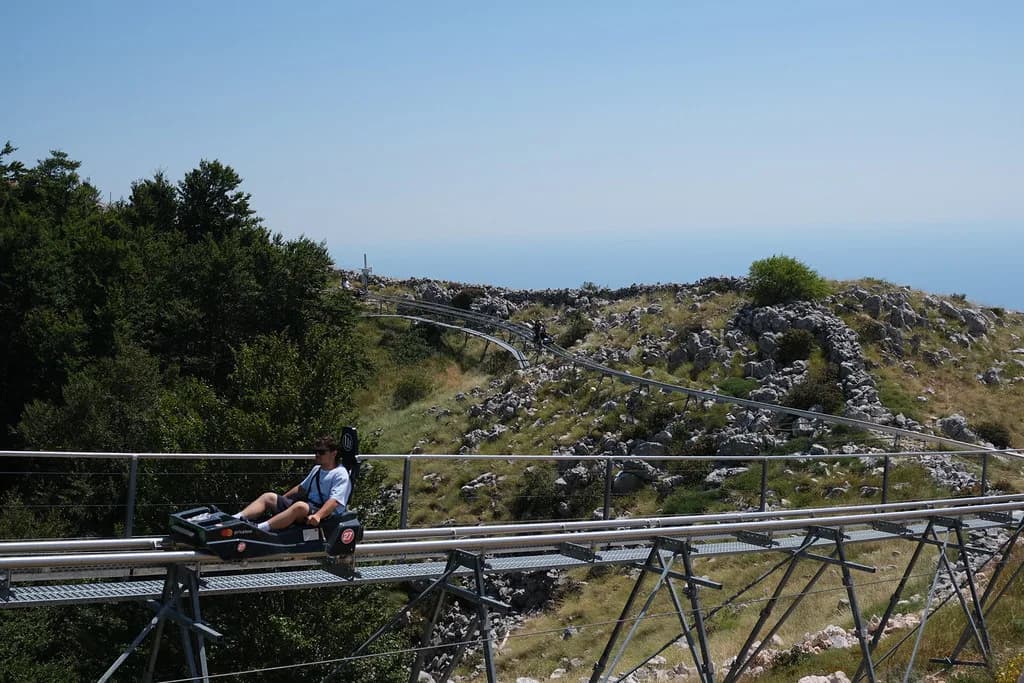
The coaster is recorded as a steel sit-down mountain coaster made by Wiegand, the Alpine Coaster Gen 2 model, installed at the Kotor cable car site in Kavač. The upper terminal is styled Station Lovćen, which is the name to look for on signage and tickets. You reach the ride by cable car rather than by road, so the coaster is part of a hilltop visit rather than a standalone stop.
How the ride works
Each car takes two riders seated one behind the other, so a parent and child can share a car and pairs do not need to split up. The track uses a cable lift hill at the start and again at the end of the ride, hauling the car up before the descent and pulling it back in afterwards. The recorded top speed is 24.9 mph, roughly 40 km/h, with no inversions.
Riders control the pace within limits, so the descent can be kept gentle for a nervous first-timer or let run for a thrill. Expect a short ride rather than a long alpine run; the coaster is one component of a hilltop visit, not a half-day in itself.
Age and height rules for riders
The rules listed for the coaster require riders to be over eight years old and at least 135 cm tall. Those two conditions decide whether a child can ride at all, so measure before you promise a ride; a seven-year-old of any height, or an eight-year-old under the mark, is turned away at the gate.
Anyone riding with a child should confirm the adult-accompaniment policy with the operator, because the listed rules cover the rider only. Check the current conditions at the ticket desk or on the operator's booking page before buying.
Tickets and cost
A single coaster ride is listed at €14, and a fast pass can be booked in advance on the official website to skip the wait. The fast pass matters on busy days, when the standard queue can be long enough to swallow an hour of a short hilltop visit.
That price covers the coaster alone; the cable car ticket is separate, and the official site carries its own tickets page without figures in the public pages, so check the fare when you book. Keep the two costs apart when you budget the day.
Getting there: cable car from the lower station
Drive or take a shuttle to the lower station at Kotor, where paid parking takes cars at €1.30 an hour and buses at €15 for three hours, with each extra hour at €5. Shuttle buses run from Kotor, Budva and Tivat, and shuttle van and taxi transfers are also offered. From the upper station, the coaster is a short walk away, so no further transport is needed.
Parking at the upper Station Lovćen is free of charge and holds 60 spaces. The lower station at Kotor has a larger paid car park and is where the shuttle services and gondola boarding are based.
Opening hours and season to check
The cable car operator publishes its own working hours, and those hours govern when the gondola, and so the coaster, is reachable. The gondola timetable and the coaster's operating season can differ, so check both before you travel rather than assuming one covers the other.
Other things at the top
The upper station area gives you more than the coaster. A children's playground is listed at €4 per child with free entry for adults, a medieval museum and archery range charges €9 for adults and €5 for children, and e-bike hire from the Velo Experience office is listed at €45 per adult for a self-guided tour.
Food options at the top include Monte 1350 for drinks and snacks on loungers, Forza Kuk for a more formal meal beside the upper station, a viewpoint kiosk on the path towards the amphitheatre, and coffee and ice-cream shops outside the station. Down at the lower station, the Station tasting Bar serves pasta, sandwiches and local wine.
The coaster sits within reach of the wider Lovćen National Park, so a hilltop visit pairs naturally with the mountain. The Njegoš Mausoleum on Lovćen and the village of Njeguši are both on the mountain road beyond the cable car.
Is it worth it for families, couples and nervous riders
For families with children aged eight and over who clear 135 cm, the coaster is an easy add-on to the cable car ride, and the playground and museum give younger siblings something to do while others queue. For couples, the ride is a short burst rather than a headline activity, so treat the cable car views as the main event and the coaster as the extra.
Nervous riders can take the descent slowly, because the car is rider-controlled between the lift hills. Anyone who dislikes heights should weigh the gondola ride itself as much as the coaster.
Practical trade-offs: queues, cruise days and weather
The coaster queue is the main risk to a smooth visit, and booking a fast pass in advance is the simplest way to cap it. Cruise days crowd the whole Kotor area, and the lower station car park and shuttle buses fill accordingly, so start earlier on those days.
Weather at the top can change quickly, so keep the coaster flexible within your day rather than booking it as a fixed appointment. If the gondola is not the way you want to go up, the drive up the Kotor Serpentine leads to the same mountainside.
Should you book the coaster or just ride up?
Ride the gondola for the view and treat the coaster as a bonus. If you have children who clear the age and height rules, book a fast pass in advance and budget the single-ride price separately so the queue does not eat the day.
Plan the rest of the hilltop first: playground, museum and a table at Monte 1350 or Forza Kuk. Then let the coaster slot in when the queue looks manageable.
Explore more Cetinje guides
Frequently Asked Questions
What mountain does the Kotor Cable Car go up?
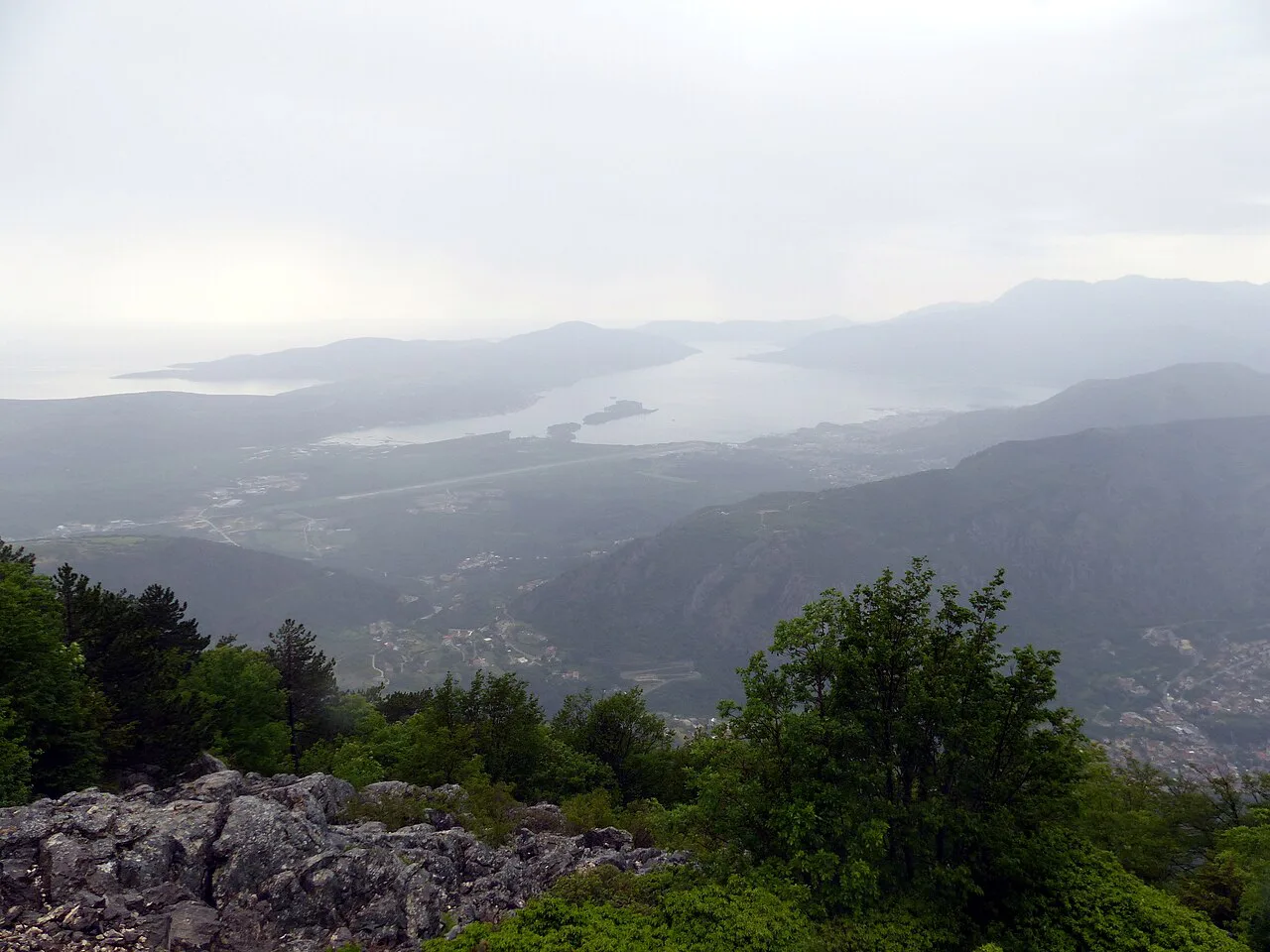
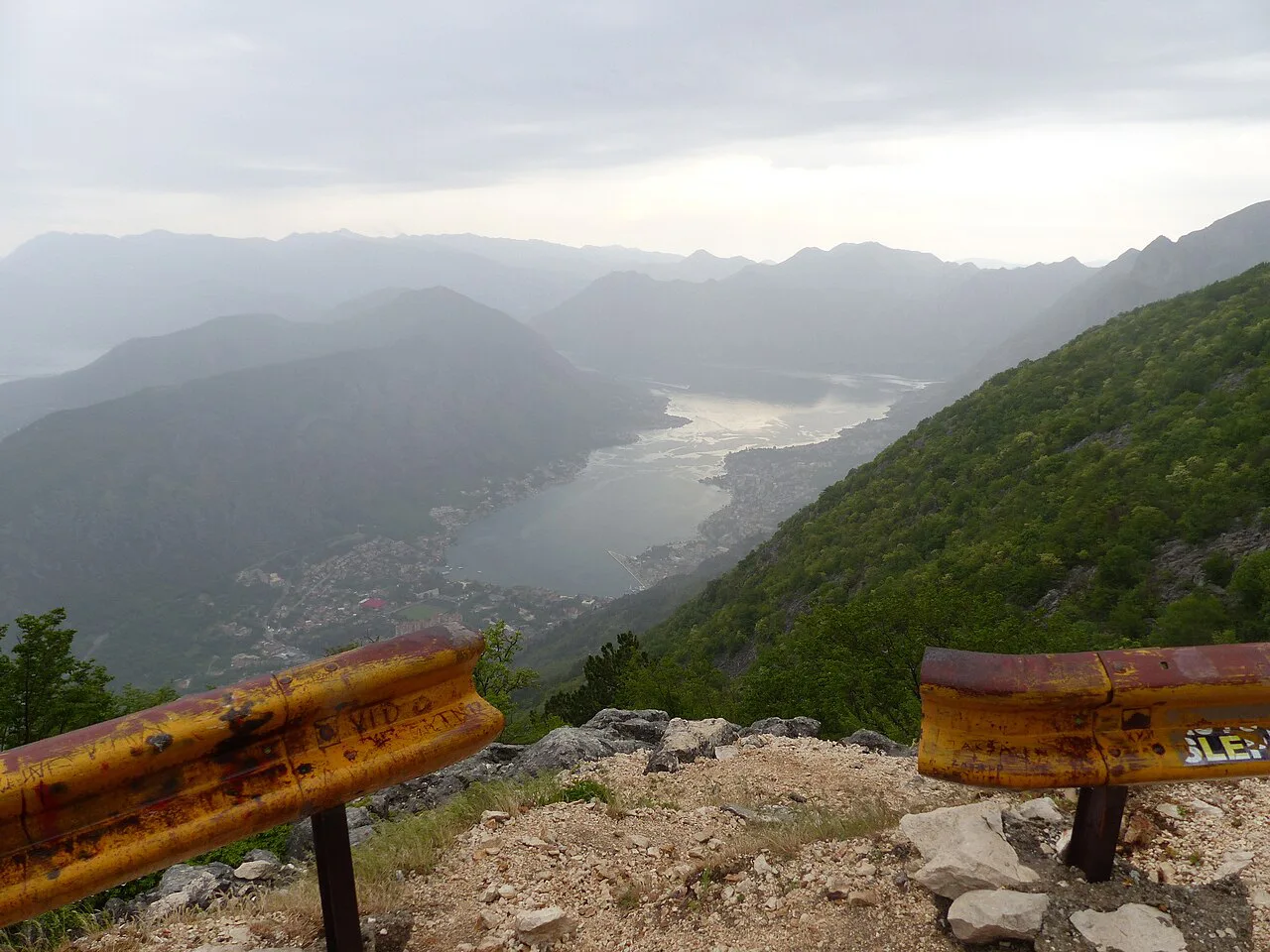
The gondola climbs to the upper station named Station Lovćen, on the Lovćen mountainside above Kotor, where the alpine coaster and the facilities described here sit.
How do you get up to the alpine coaster?
Take the Kotor cable car from the lower station at Kotor (the coaster is recorded at Kavač), where paid parking and shuttle services from Kotor, Budva and Tivat are available. The coaster is a short walk from the upper station.
Is the alpine coaster suitable for young children?
The listed rules require riders to be over eight and at least 135 cm tall. Younger or shorter children can use the playground at the upper station while others ride.
Sources
Notes for your Montenegro trip
Optional updates to our Montenegro town guides.
You might also like
Continue reading
More guides you'll find useful