Njeguši, Montenegro: What to See in Njegoš's Mountain Village
Njeguši sits on the old road between Kotor and Cetinje, around 900 m up on Lovćen. Here is what to see, how to get there and how long to allow.
On this page
Njeguši rewards a stop if you are driving between Kotor and Cetinje: the village sits about 900 m up on the slopes of Lovćen, on the old road linking the two towns, and it is somewhere you come for mountain air, stone houses and the smell of smokehouses rather than for a ticketed sight. Fewer than 200 people live here year-round, and there is no mass-tourism infrastructure, which is the point. This guide covers where the village sits, the two driving approaches, the two birthplace houses, the pršut and cheese stalls, and how to slot it into a day.
Come with time for the road itself rather than treating Njeguši as a five-minute photo stop. The climb from the coast is the drama; the village is the pause at the top, and a plate of pršut and cheese is the reason to linger.
Where Njeguši is and what it is
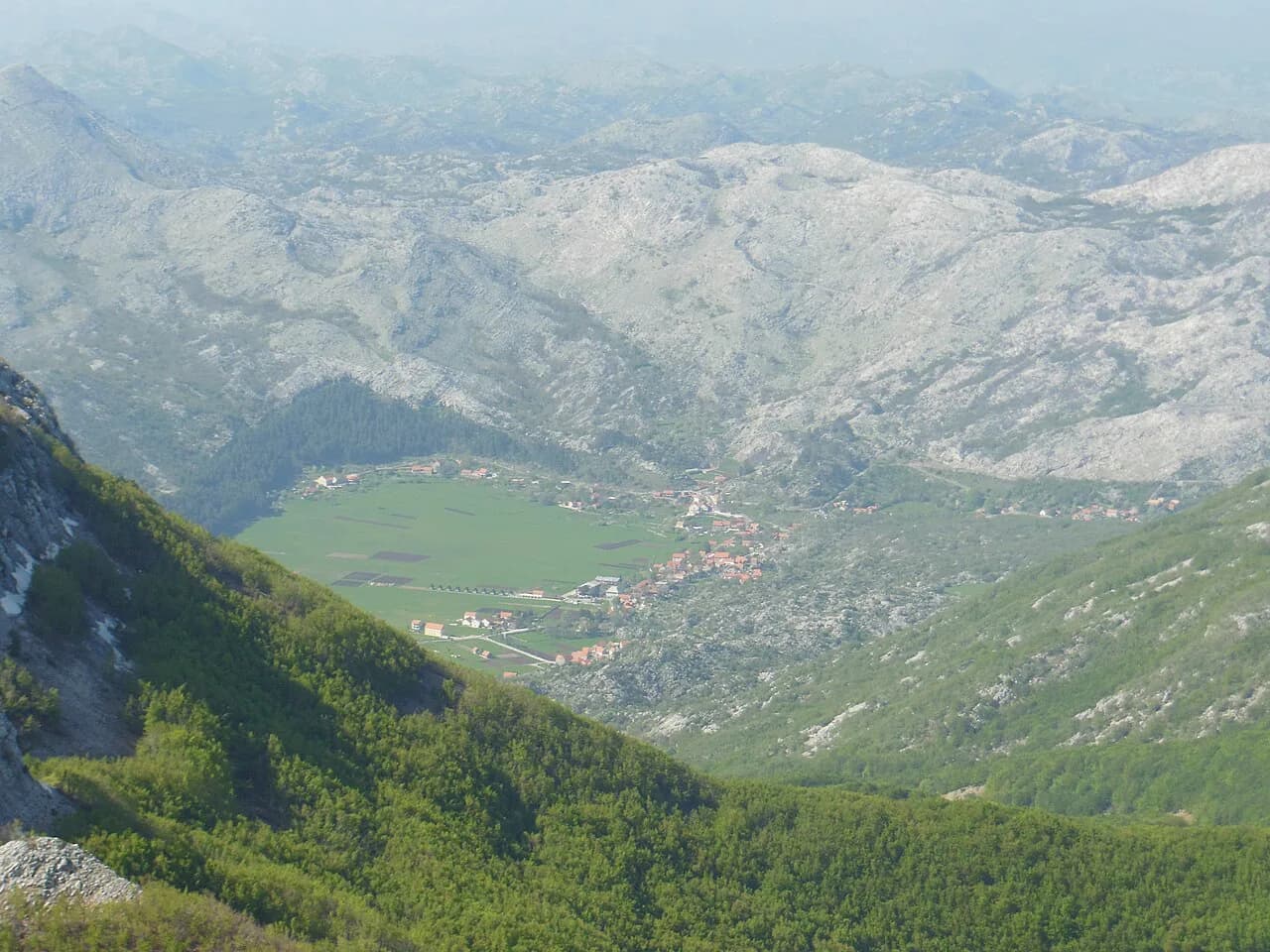
Njeguši lies in a high green valley on the slopes of Lovćen, roughly halfway between Cetinje and Kotor, at around 900 m. The setting is open karst and bare limestone ridges rather than dense forest, and the air stays fresh even in midsummer.
The village is the home of the Petrović-Njegoš dynasty, which produced Petar II Petrović Njegoš, author of Gorski vijenac, and King Nikola I, the last Montenegrin king. It is also the namesake of njeguški pršut and njeguški sir, the smoked ham and piquant sheep's cheese that cure in the mountain air. Expect stone houses with wooden balconies and roadside stands rather than shops or bus parks.
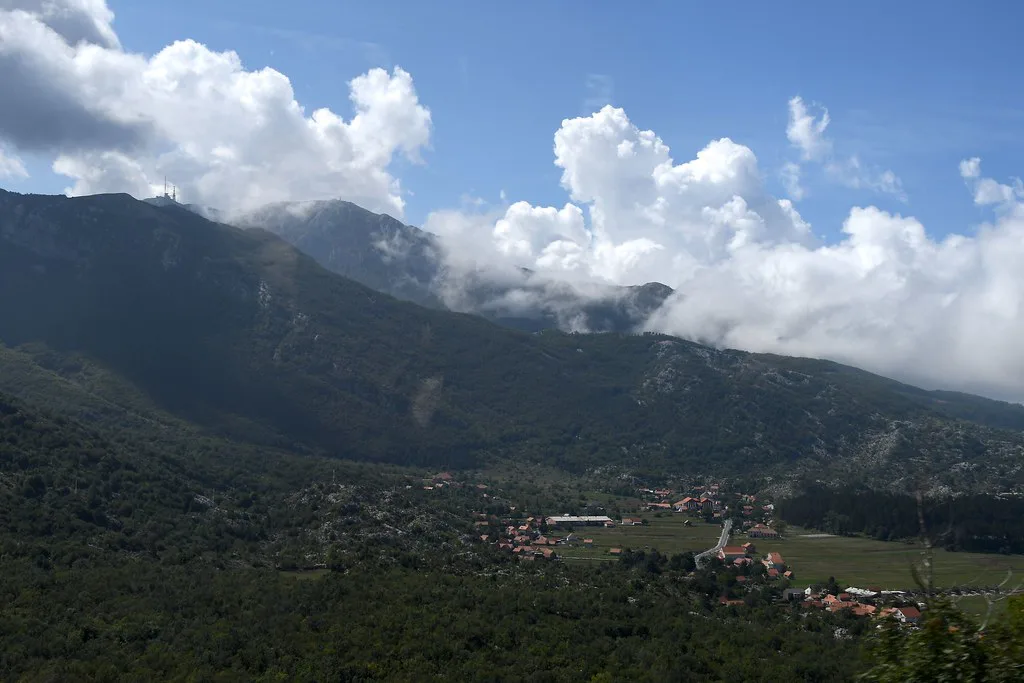
Driving up from Kotor: the serpentine
From Kotor old town the road climbs from sea level to about 900 m through 25 sharp bends, the famous serpentine, with the Bay of Kotor opening out below at every turn. Allow around 30–40 minutes for the roughly 15 km, and treat the drive as part of the day rather than a transfer.
The trade-off is concentration: 25 hairpins on a narrow mountain road mean slow going, especially with oncoming traffic, so leave the picnic and the photography stops for the top. Njeguši sits at the summit of the climb, which makes it the natural breather before you carry on towards Cetinje or turn back down.
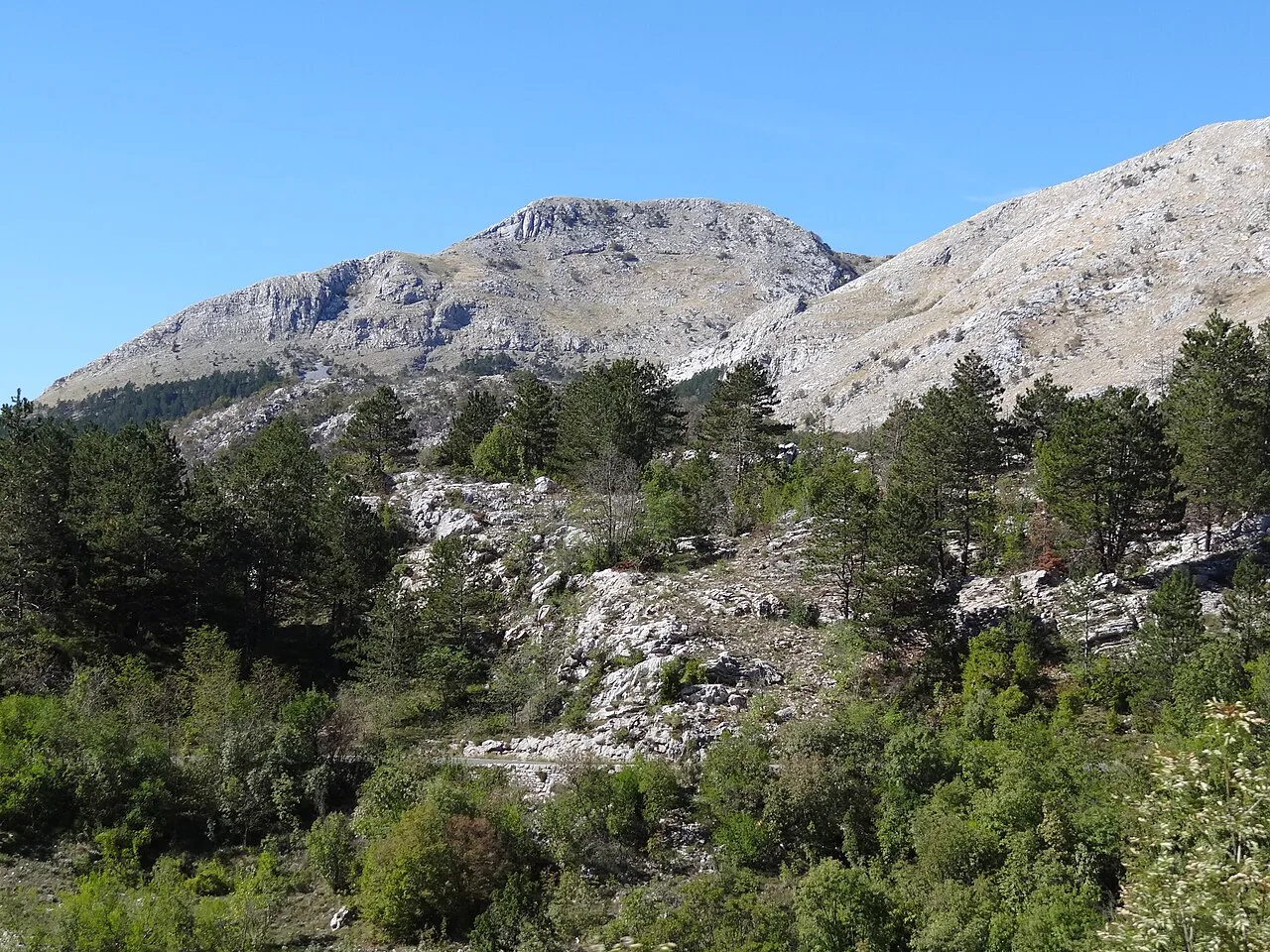
Driving from Cetinje: the gentler approach
From Cetinje the drive west towards Kotor runs about 15 km and takes 20–25 minutes through open karst, with views of the Lovćen massif. It is the calmer of the two approaches, with fewer bends and more room to look around, and it suits anyone coming from the old royal capital rather than the coast.
If you are based in Kotor and want the full loop, drive up the serpentine and return via Cetinje; the reverse works just as well. Either way, the two legs together make a comfortable half-day rather than a rushed one.
Njegoš's birthplace house
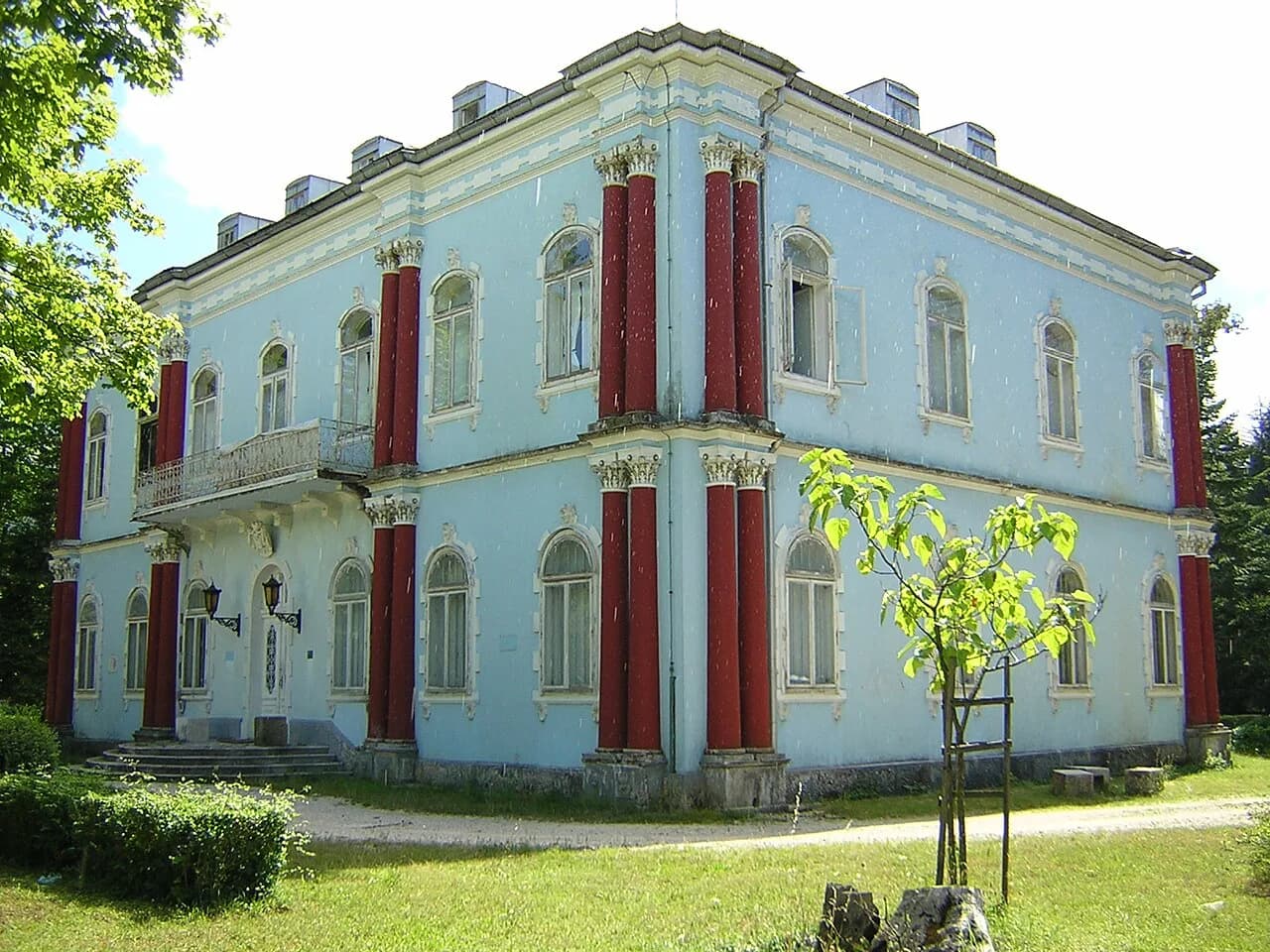
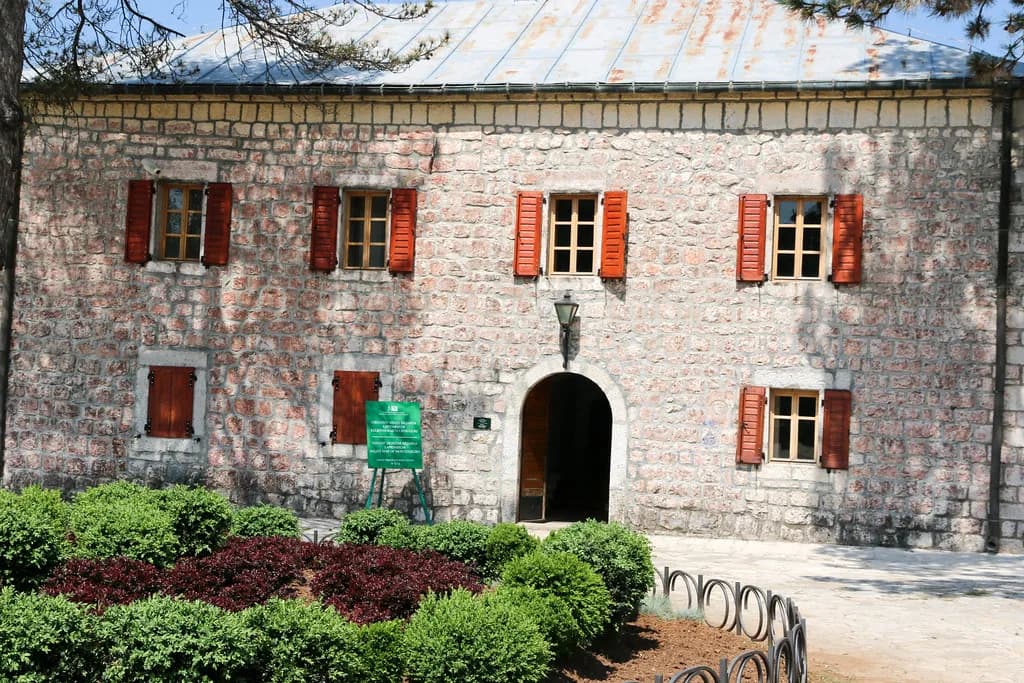
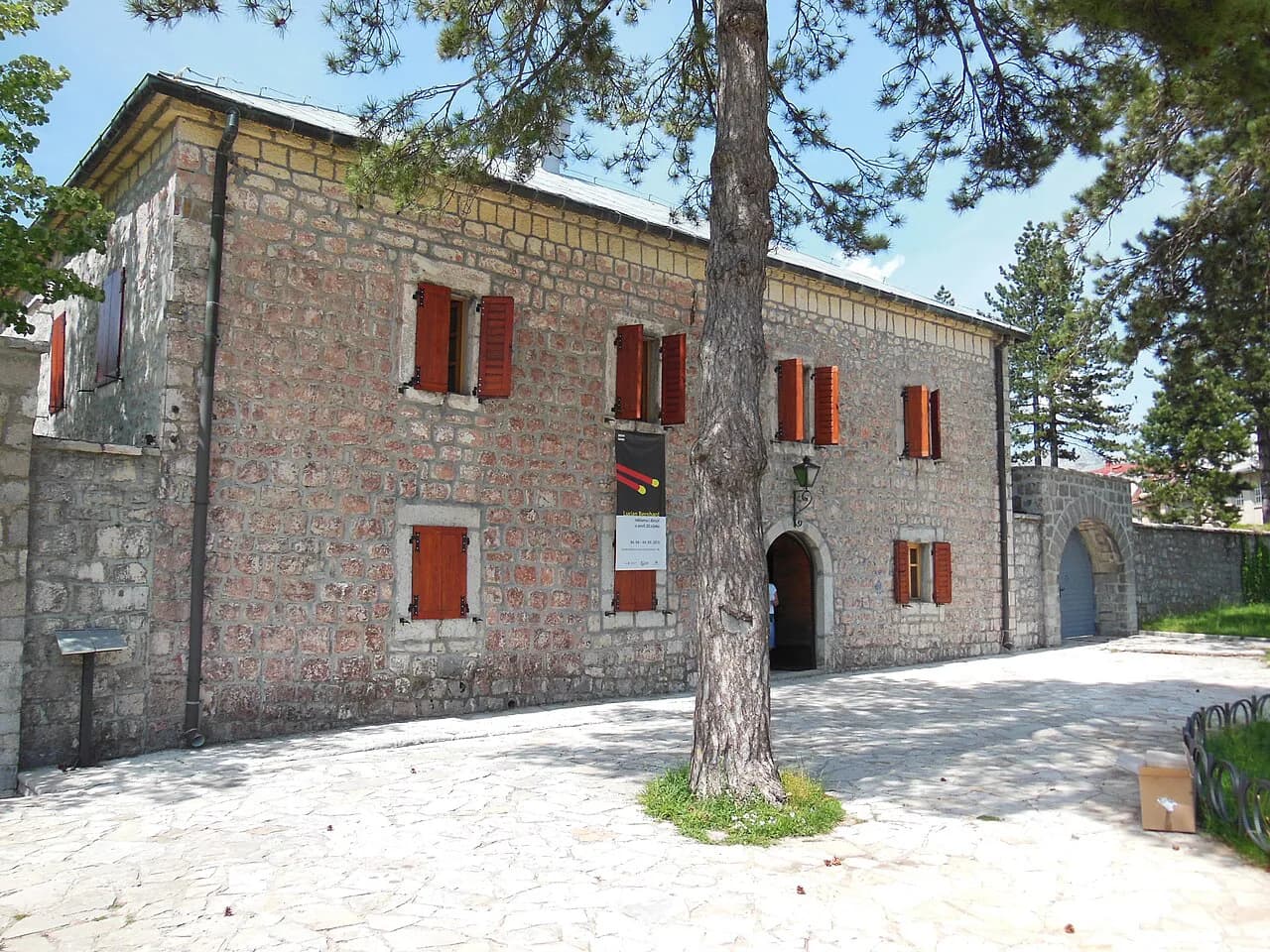
The small stone house where Petar II Petrović Njegoš was born is kept as a museum, and it gives a plain picture of the hard mountain life of the period. Its modesty is the point: it sits in deliberate contrast to the grand mausoleum built to him higher on Lovćen.
Treat the house as a short visit of perhaps half an hour and confirm locally whether it is open on the day you travel; it is a small village museum rather than a staffed attraction with long daily hours.
King Nikola I and the Petrović-Njegoš dynasty
Njeguši is the home of the Petrović-Njegoš dynasty, and King Nikola I, who reigned from 1860 to 1918, saw Montenegro gain international recognition at the Congress of Berlin in 1878. The dynasty's story belongs to the village, but do not expect a combined ticket covering every house; keep each stop separate in your plan.
Walk the lanes between the houses at an unhurried pace: the village is small and the stone architecture is the attraction as much as the interiors, though the slopes around Lovćen are steep limestone karst.
Pršut, cheese and the smokehouses
Smokehouses stand in almost every courtyard, and roadside stands sell njeguški pršut and sheep's cheese directly. The ham is dry-cured and smoked, the cheese is piquant and matured in the mountain air, and buying a slice to take home is the obvious souvenir.
Do not expect tastings at set times or a fixed menu; ask at the stands and smokehouses what is available that day, and confirm the price before you commit. Carry cash for the stalls, and bring warm layers, as the mountain air is fresh even in midsummer.
Pairing Njeguši with Lovćen
Njeguši works well as the first or last stop on a circuit of Lovćen National Park, with the Njegoš Mausoleum at Jezerski vrh as the other headline. The drive between them is short, but the mountain road is slow, so build in more time than the distance suggests.
If you want a second pause on the plateau, Ivanova Korita is the obvious one for a coffee or a walk, and it breaks the drive neatly between the mausoleum and the descent. Further east, Lipa Cave near Cetinje adds an underground hour to the same day.
For a different view of the same mountains, the Kotor cable car climbs from the coast and gives you the bay and the Adriatic Sea from above without the hairpins. It is a fair alternative if you would rather not drive the serpentine yourself.
How long to allow and what it is like on the ground
Allow two to three hours in Njeguši itself: a look at the birthplace house kept as a museum, a wander through the lanes and a plate of pršut and cheese. Add the driving time from either end, and the village becomes a comfortable half-day rather than a full one.
On the ground, Njeguši is stone houses, modest roadside stands and a strong sense of a community that still lives much as it did before mass tourism arrived. There are no souvenir shops or bus parking, so it stays quiet even when the coast is busy. Bring warm layers, wear shoes that cope with uneven stone, and carry cash for the stalls.
One practical caution: the serpentine is narrow and the drop is real, so drive it in daylight and keep your speed down, particularly on the descent. If the weather closes in, the gentler Cetinje approach is the safer option.
Should Njeguši be a stop or the destination?
Make Njeguši a stop rather than the whole day. The village itself is small, and its value lies in the drive up, the mountain air, the birthplace house and a plate of pršut and cheese before you move on to the Lovćen National Park or Cetinje.
For the classic loop, drive up from Kotor in daylight, pause at Njeguši, then continue to Jezerski vrh or drop down to Cetinje. If you would rather avoid the hairpins, take the gentler route from Cetinje and enjoy the karst on the way.
Explore more Cetinje guides
Frequently Asked Questions
Is Njeguši worth stopping for?
Yes, if you are already driving the Kotor–Cetinje road. The village is small, but the mountain setting, the birthplace house of Njegoš kept as a museum, and the roadside stalls selling pršut and sheep's cheese make a natural pause of two to three hours.
Can you drive to Njeguši from Kotor?
Yes. The road climbs from Kotor old town through 25 bends to around 900 m, a drive of roughly 15 km and 30–40 minutes. It is slow and narrow, so allow daylight and keep your speed down, especially on the descent.
What is njeguški pršut?
It is the dry-cured, smoked ham the village is known for, sold at roadside stands and cured in smokehouses in local courtyards. Njeguški sir, a piquant sheep's cheese matured in the mountain air, is usually sold alongside it. Ask what is available that day and confirm the price before buying.
Sources
Notes for your Montenegro trip
Optional updates to our Montenegro town guides.
You might also like
Continue reading
More guides you'll find useful