Kotor Serpentine: Driving the Hairpins Above the Bay
The Kotor Serpentine in numbers: 30 hairpins on the Cetinje road, 16 on the steep 8.3 km stretch, the 423 m climb, single-lane passing and the drive time.
On this page
The Kotor Serpentine is a short, very steep run of hairpins on the old road from Cetinje down to Kotor. The road guide gives 1.3 hours for the full one-way drive, 30 hairpin turns across the Cetinje–Kotor route, 16 of them on the 8.3 km Serpentine section, and 423 m of climbing in between. This guide sets out where the road sits, what the numbers mean for a driver, how to handle oncoming buses on single-lane stretches and what the light and traffic are like. If you are planning time in the old capital, see our Cetinje guide.
What the Kotor Serpentine is and where it sits above the Bay of Kotor
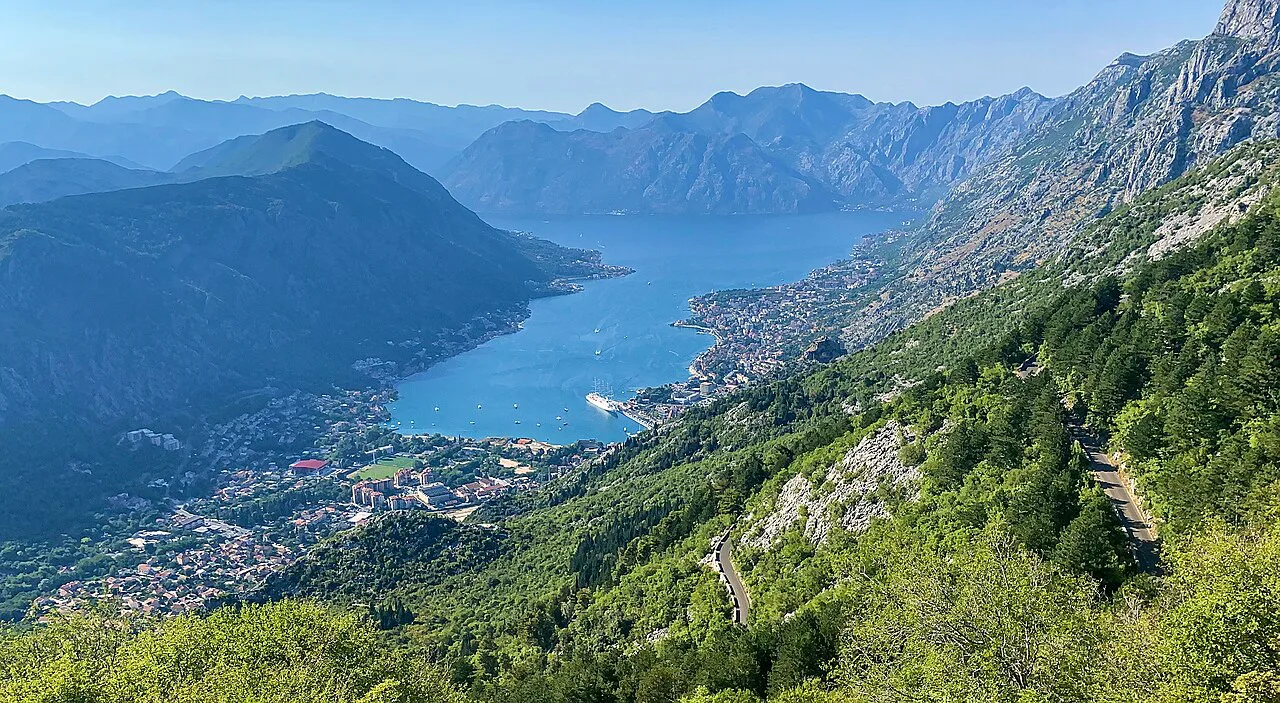
The Serpentine is the most famous section of the R-1 regional road, also called the Cetinje to Kotor Panoramic Road, which runs from the fields of Cetinje at the foot of Lovćen down to Kotor on the bay. The full route is 36.3 km of fully paved road, and the Serpentine is the coiled part most people mean when they use the name. It sits high on the western slopes above the water, looking down on the Bay of Kotor.
Travellers describe it in much the same terms: a scenic mountain road near Kotor climbing the western slopes of Lovćen above the bay, with dramatic views from the bends. The approach is straightforward from Kotor, but the road gains height quickly, so the climb starts almost immediately once you leave the coast road.
Where the road starts and ends: Cetinje, Lovćen and Kotor
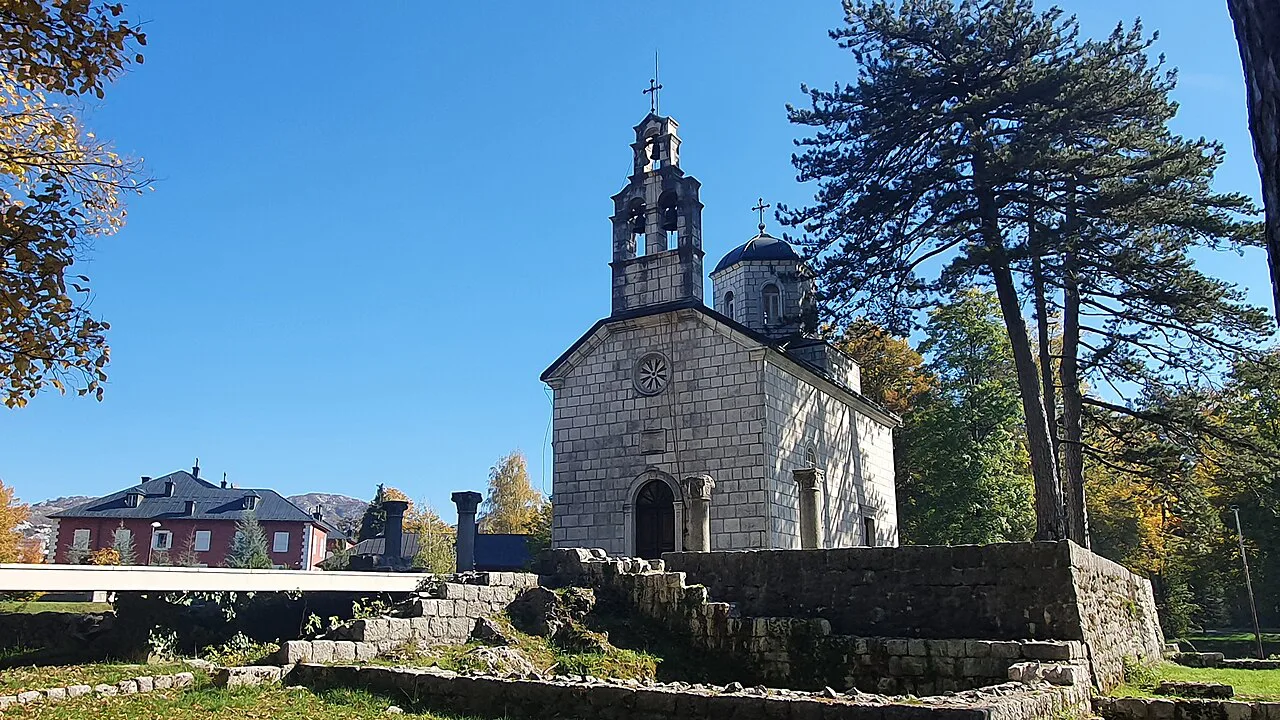
The road connects two very different ends of the same mountain flank: Cetinje, the old royal capital on its field at the base of Lovćen, and Kotor, the walled town on the bay. The drive sits largely within Lovćen National Park, so the Serpentine works as a scenic link in a day that already includes the mountain rather than as a standalone outing.
A sensible way to build the day is to drive up from Kotor in the morning, stop at the viewpoints, then continue over the mountain to Cetinje and return by a different road or the same one in reverse. Our Njeguši guide covers the village on the mountain road if you want a pause between the hairpins and the run into Cetinje.
If you want height without the driving, the Kotor Cable Car offers a separate way up the slope. It is a different experience from the road, but it gives an alternative for anyone in the group who would rather not handle the passing.
The hairpins in numbers: 30 turns, and 16 on the 8.3 km Serpentine stretch
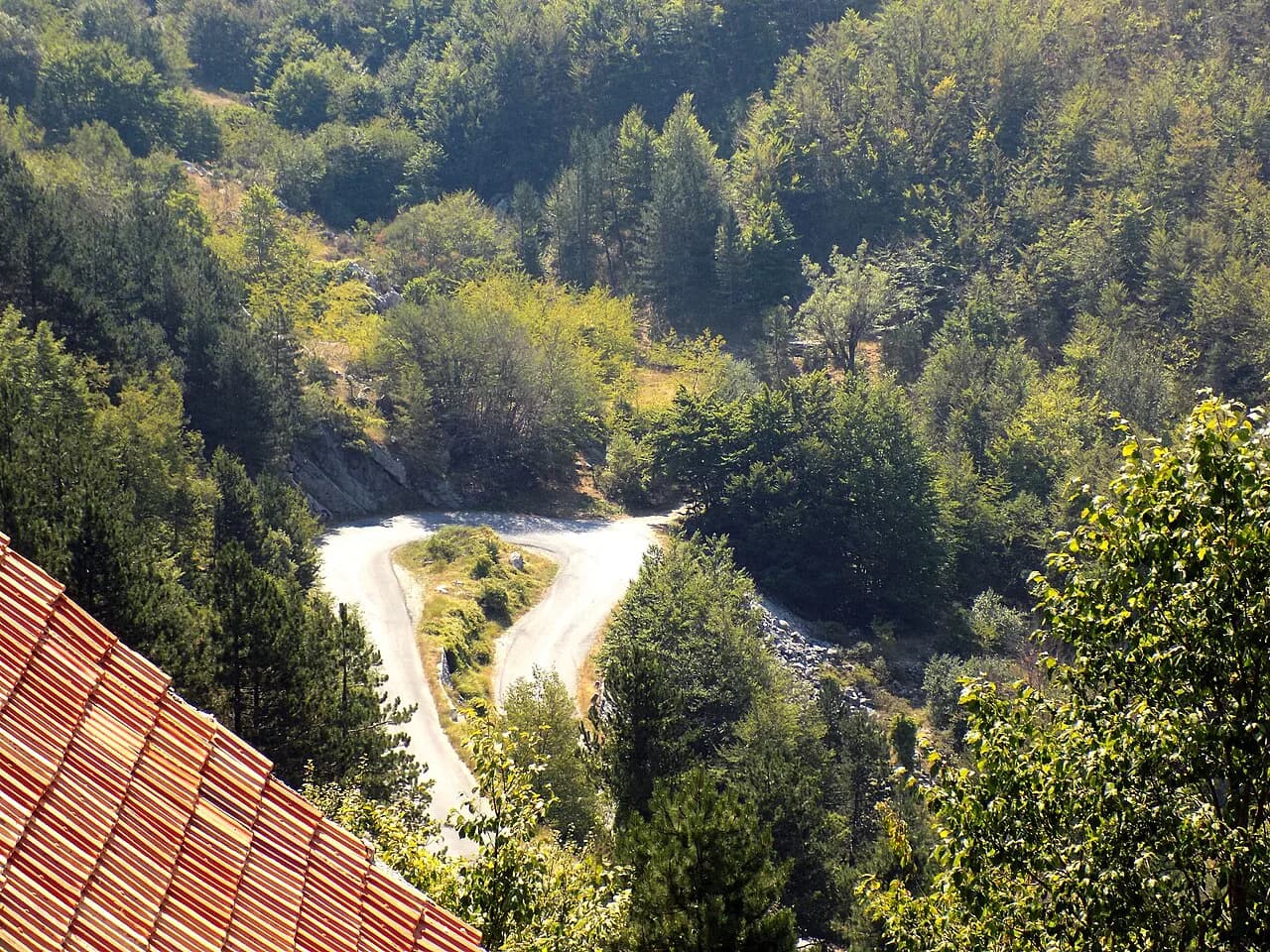
Two hairpin counts are worth keeping apart. The Cetinje–Kotor road as a whole has 30 hairpin turns, while its most famous section, the Kotor Serpentine, is an 8.3 km stretch with 16 hairpin turns. The Serpentine is therefore roughly a quarter of the route's length and more than half of its tightest bends.
That density is what makes the section feel relentless rather than merely bendy: you are seldom out of a turn for long, and each one needs a decision about speed and line. Drivers who dislike constant steering input should treat the Serpentine as the demanding part and the rest of the route as the reward.
Gradient and height: 458 m to 881 m, 423 m of climbing
The Serpentine stretch begins at 458 m above sea level and ends at 881 m, a gain of 423 m over its 8.3 km. The average gradient works out at 5.09%. The road is steep in places and very curvy throughout, so the bends rather than a single long slope set the pace.
For a car in good order the gradient is manageable, but the constant turns and the possibility of meeting a larger vehicle are what call for care. On a descent, use a low gear rather than riding the brakes, and on the climb keep enough power in reserve to pull away from a stop on a slope.
Road width and passing: single-lane sections, concrete barriers and buses
Much of the route is narrow one-lane road, with inward-leaning concrete barriers on one side and cut rock on the other. That combination leaves little margin, and when a bus or construction vehicle comes the other way, vehicles may have to reverse back up the road until there is room to pass.
The practical response is to enter blind bends slowly enough to stop short of an oncoming bus, and to keep enough space behind you that reversing is possible. Giving larger vehicles room early costs a few seconds and avoids the awkward manoeuvre on a slope.
If the driving side of the day is not appealing, the Kotor alpine coaster is another way to enjoy the mountain slope in a controlled setting. It is no substitute for the road, but it suits anyone in the group who would rather not spend the descent watching for buses.
How long to allow: 1.3 hours one way for the Cetinje–Kotor drive
Plan for 1.3 hours to complete the drive one way, according to the road guide. Treat that as moving time for the route itself, not a promise for a day when you stop at viewpoints, wait for a bus to pass or drive more cautiously in poor light.
A return leg doubles the driving but not the novelty, so many visitors drive the route once in the more scenic direction and use the faster main road for the return. Building the day around one pass of the Serpentine keeps the driving enjoyable rather than repetitive.
When to drive it: morning light and traffic
Morning light is the reason to start early: the guide notes that the views are spectacular and the low sun gives the landscape on this curvy ascent a particular quality. The same source describes the road as having nearly no traffic, though that is a general observation rather than a guarantee for the day you drive.
If your schedule allows only an afternoon, the road still works, but you lose the morning light that makes the upper bends worth the effort. Allow more time than the 1.3-hour moving figure if you plan to stop, wait for a bus to pass or drive cautiously.
Surfaces and condition: fully paved, steep and very curvy
The surface is fully paved along the 36.3 km route, so there is no gravel or track section to plan for. What remains is the shape of the road: steep in places and very curvy throughout, with the tightest work concentrated in the Serpentine.
Conditions on a mountain road change with weather and maintenance, and the published descriptions cover the design of the road rather than its state on a given morning. If you are driving in wet weather or after a winter period, confirm the current situation locally before committing to the climb.
The road's history is brief but useful context: it follows an old caravan trail, a wagon route was cut into the mountainside in the 1880s, and the Austrians built the road in 1897. The line you drive today follows that same mountainside.
Above the Serpentine, the mountain continues to Jezerski vrh and the Njegoš Mausoleum on Lovćen, which extends a driving day into a full one.
Should you drive the Serpentine or take the cable car?
Drive the Serpentine if you are comfortable on narrow mountain roads, can start early and are happy to reverse for a bus on a single-lane bend; the 16 hairpins and 423 m of climbing are the point of the trip, not an obstacle to it. Take the cable car instead if the passing problem or the constant steering would spoil the day.
Either way, pair the height with a stop on the mountain — Ivanova Korita, the Njegoš Mausoleum or a slower run through Cetinje — so the drive is one part of a day rather than a there-and-back errand.
Explore more Cetinje guides
Frequently Asked Questions
Is the Kotor Serpentine safe to drive?
The road is fully paved and driven regularly, but much of it is narrow single-lane with concrete barriers on one side and rock on the other. Vehicles may need to reverse when meeting a bus or works vehicle. Drive slowly into blind bends, keep space behind you for reversing and avoid the route in poor visibility.
How many hairpins does the Kotor Serpentine have?
The Cetinje–Kotor road has 30 hairpin turns in total. The Serpentine section itself is 8.3 km long with 16 hairpin turns, rising from 458 m to 881 m above sea level.
Do I need to book a tour to drive the Kotor Serpentine?
No booking is needed to drive the road yourself; it is a public regional road. Whether organised tours run on a given day, and what they charge, is worth checking with operators in Kotor, as no schedule or price is fixed here.
Sources
Notes for your Montenegro trip
Optional updates to our Montenegro town guides.
You might also like
Continue reading
More guides you'll find useful