Montenegro Culture: Language, Religion and Etiquette for Visitors
Montenegro's culture for visitors: the languages spoken, the Orthodox, Muslim and Catholic mix, national holidays and everyday guest etiquette.
On this page
Montenegro's culture is easiest to read through four things a visitor actually meets: the language you hear, the religious mix, the national holidays and everyday guest etiquette. This guide covers each in turn, then explains why the coast and the mountains can feel like two different countries.
The practical points are simple. Montenegrin is the official language, but Serbian, Croatian, Bosnian and Albanian also have official status, so a phrasebook carries further than you might expect. Read on for what that means at a table, in a church or monastery, and on a public holiday.
What Montenegrin culture means for a visitor
You will notice culture less in museums than in how people greet you, which language the menu is in and whether a town is working or resting. Montenegro is a parliamentary republic governed by its 2007 constitution. That matters to travellers mostly through public holidays and the pace of a town on those days.
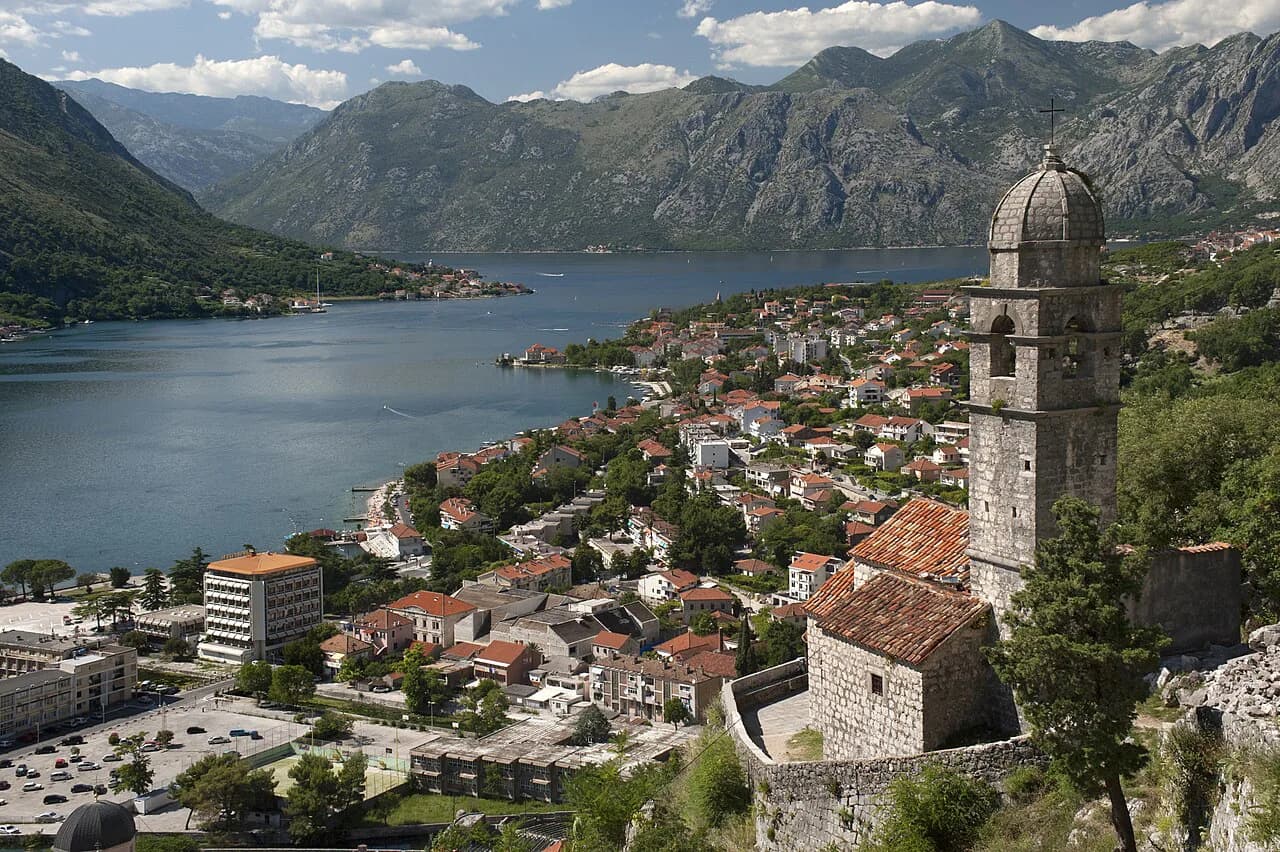
Treat the country as a set of regions rather than a single scene. The coast around Kotor and Herceg Novi runs on its own seasonal rhythm, while the mountain towns inland keep a different calendar and pace. If you are weighing up what to see, start with our guide to things to do in Montenegro, which sorts the coast, the Bay of Kotor and the mountains by how much time each needs.
Which languages you will hear, and what hello sounds like
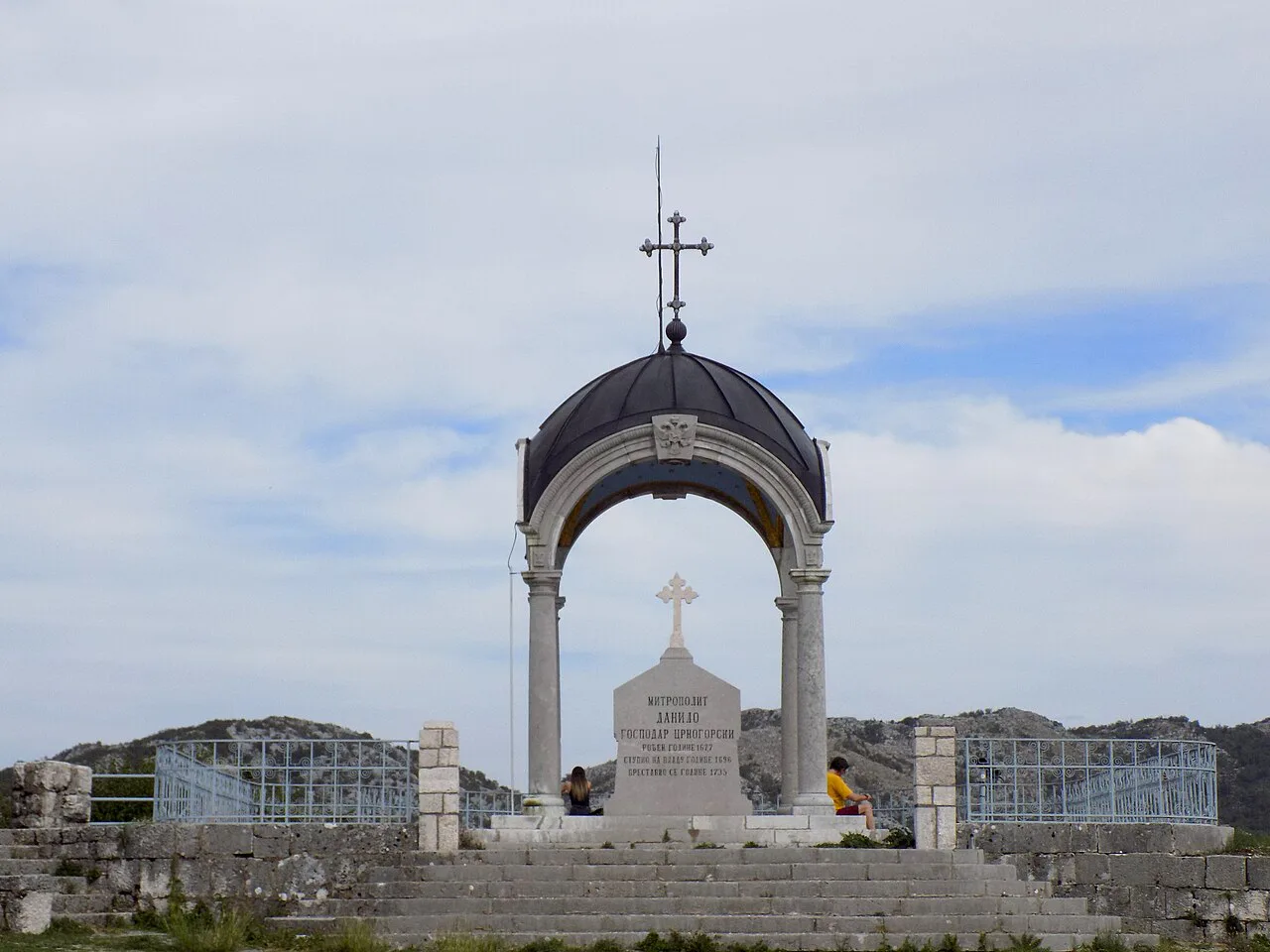
Montenegrin is the official language. Serbian, Croatian, Bosnian and Albanian are recognised languages of official use, and Montenegrin, Serbian, Bosnian and Croatian are mutually intelligible standard varieties of the Serbo-Croatian language. In practice, a single phrase tried in Montenegrin will be understood across that group, and Albanian is the second language you are most likely to hear in the south.
Montenegrin is written in both the Latin and Cyrillic alphabets. Signage on the coast often uses Latin script, while Cyrillic appears on official buildings, church inscriptions and some road signs inland, so learning to match a few place names across both alphabets helps with buses and maps.
English is widely spoken in tourist-facing businesses along the Montenegro coast and less so in mountain villages, so keep a translation app or a printed phrase list for inland days.
Religion in Montenegro: Orthodox, Muslim and Catholic communities
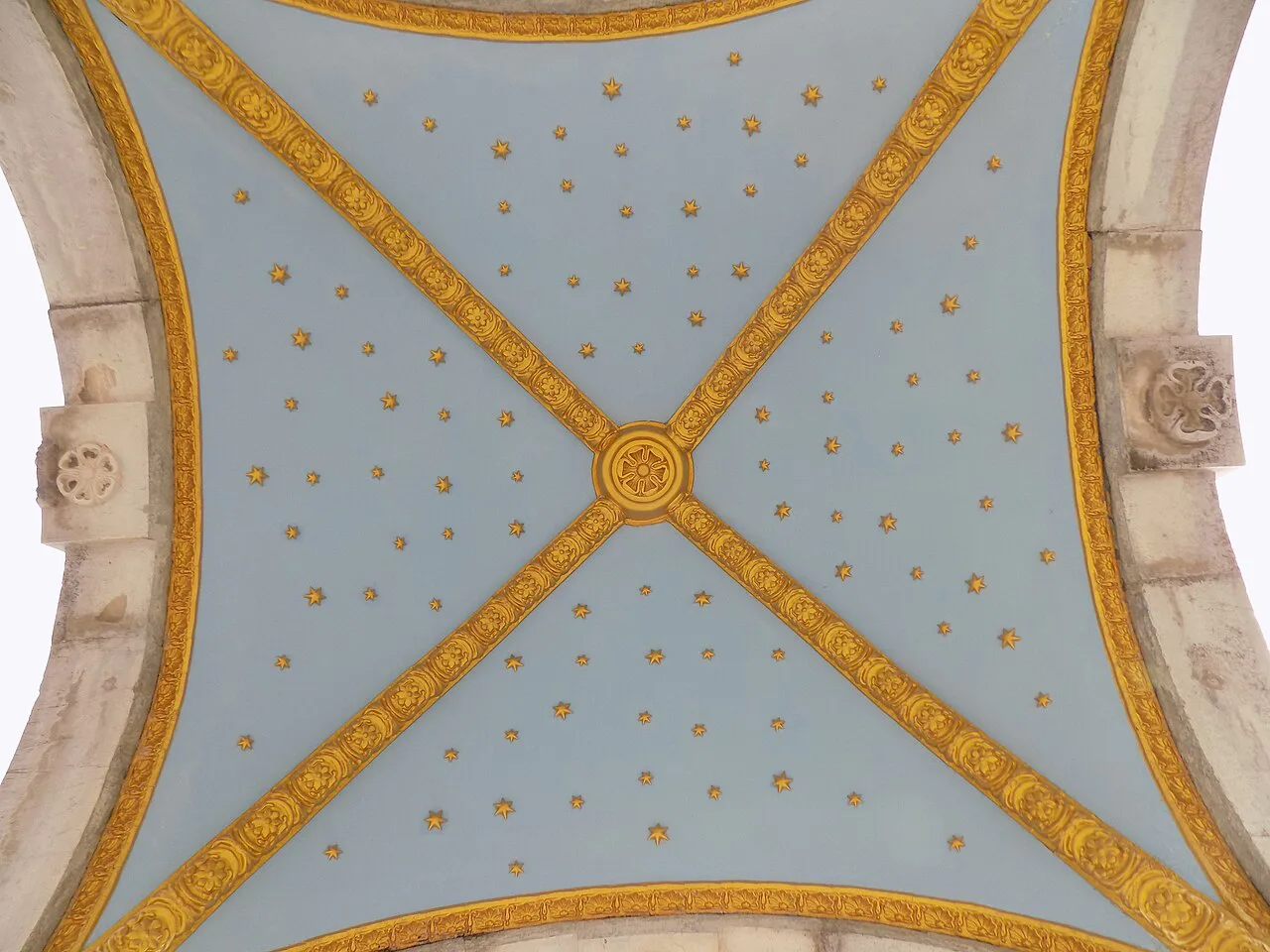
Most residents are Orthodox: 72% of the population, with most belonging to the Serbian Orthodox Church, while a Montenegrin Orthodox Church ideal has been promoted but remains in its early stages. Muslims make up 16%, Catholics around 3.5%, and there is a small Jewish community of roughly 400 people. There is no official state religion.
For a visitor, that mix shows up in what you can enter and when. Orthodox churches and monasteries, Catholic churches and mosques all sit within short distances of each other on the coast and in the Bay of Kotor, and each has its own conventions for dress and behaviour. Cover shoulders and knees, keep voices low inside, and check locally before photographing a service or the people in it.
The country is diverse beyond religion. In 2020 Montenegrins made up 47% of the population, Serbs 30%, Bosnians 8%, Albanians 5%, Croats 1% and Roma 0.8%. Asking which community a church or a festival belongs to is a reasonable question for a visitor, but treating the answer as a political position is not.
National holidays and what closes or quietens
The national holiday is 13 July, marking recognition by the Congress of Berlin in 1878. The holiday calendar also lists 1 January for New Year, 7 and 8 January for Orthodox Christmas, Holy Week in March or April, 27 April for Constitution Day, 1 and 2 May for Labour Day, 9 May for Victory Day, 21 and 22 May for Independence Day, 29 November for Republic Day and 25 December for Catholic Christmas. Muslim holiday dates move each year.
Expect state institutions and some businesses to close on these dates, and expect the coast to fill in late April and early May and again around 13 July. Note the difference between the national holiday on 13 July and Independence Day on 21 and 22 May, which are separate entries in the calendar. If a museum or monastery visit is central to your day, confirm that day's hours directly before travelling.
Etiquette: greetings, dress and behaviour as a guest
Greet people when you enter a small shop, café or guesthouse, and shake hands when one is offered. Montenegrin hospitality is generous, especially inland, where an offer of coffee or rakija is a social gesture rather than a transaction; accepting something small is usually easier than refusing outright.
Dress matters most at religious sites. Shoulders and knees covered is the safe standard for churches, monasteries and mosques, and a light scarf helps at short notice. Inside, keep phone calls outside and ask before pointing a camera at an icon, a service or a person at prayer.
Behavioural etiquette is mostly ordinary courtesy. Queue where a queue exists, ask before photographing people at work, and keep swimwear off the street in town centres. At family-run places, a few words of Montenegrin go a long way even when the reply comes back in English.
Food and drink customs worth knowing
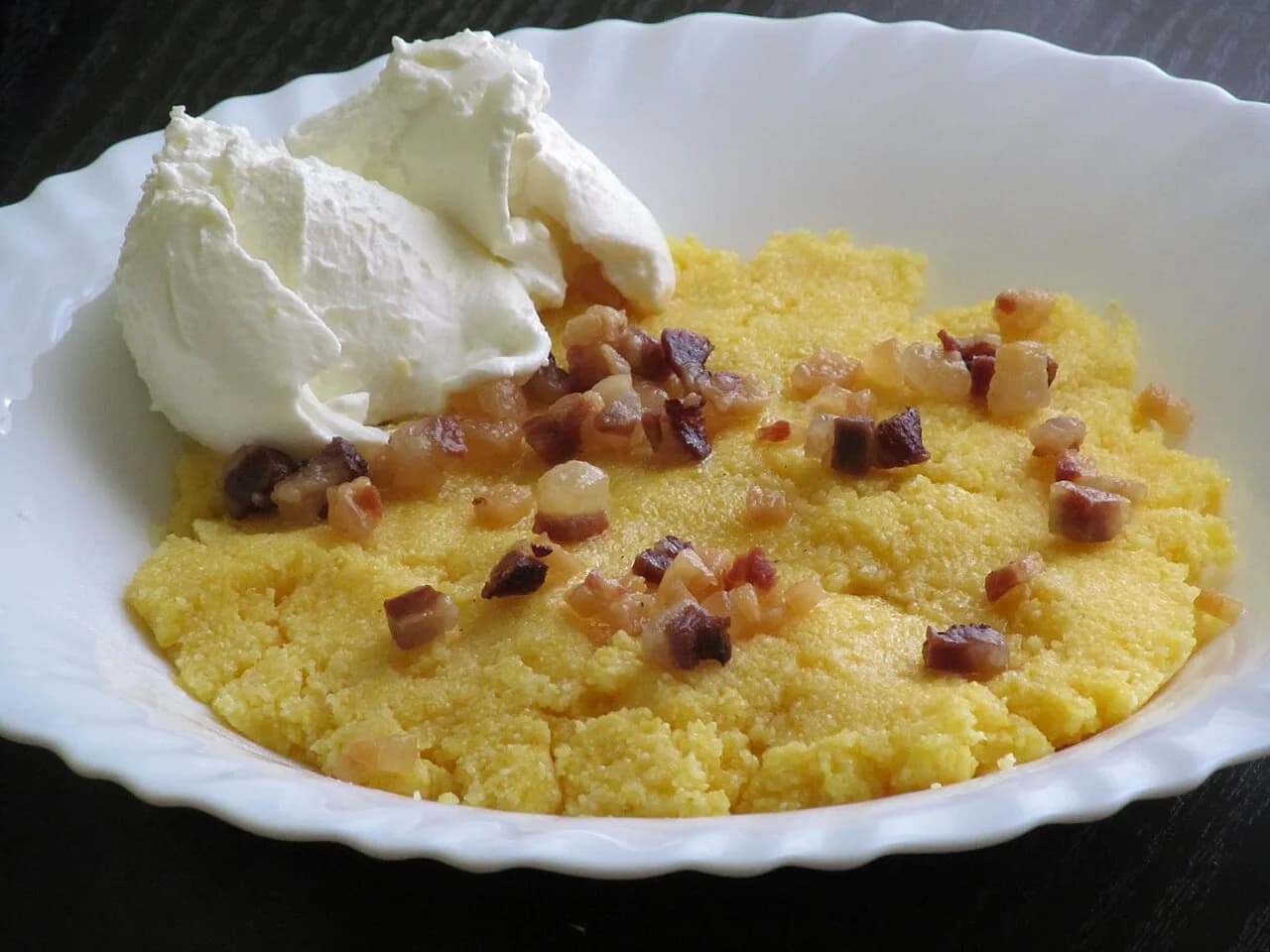
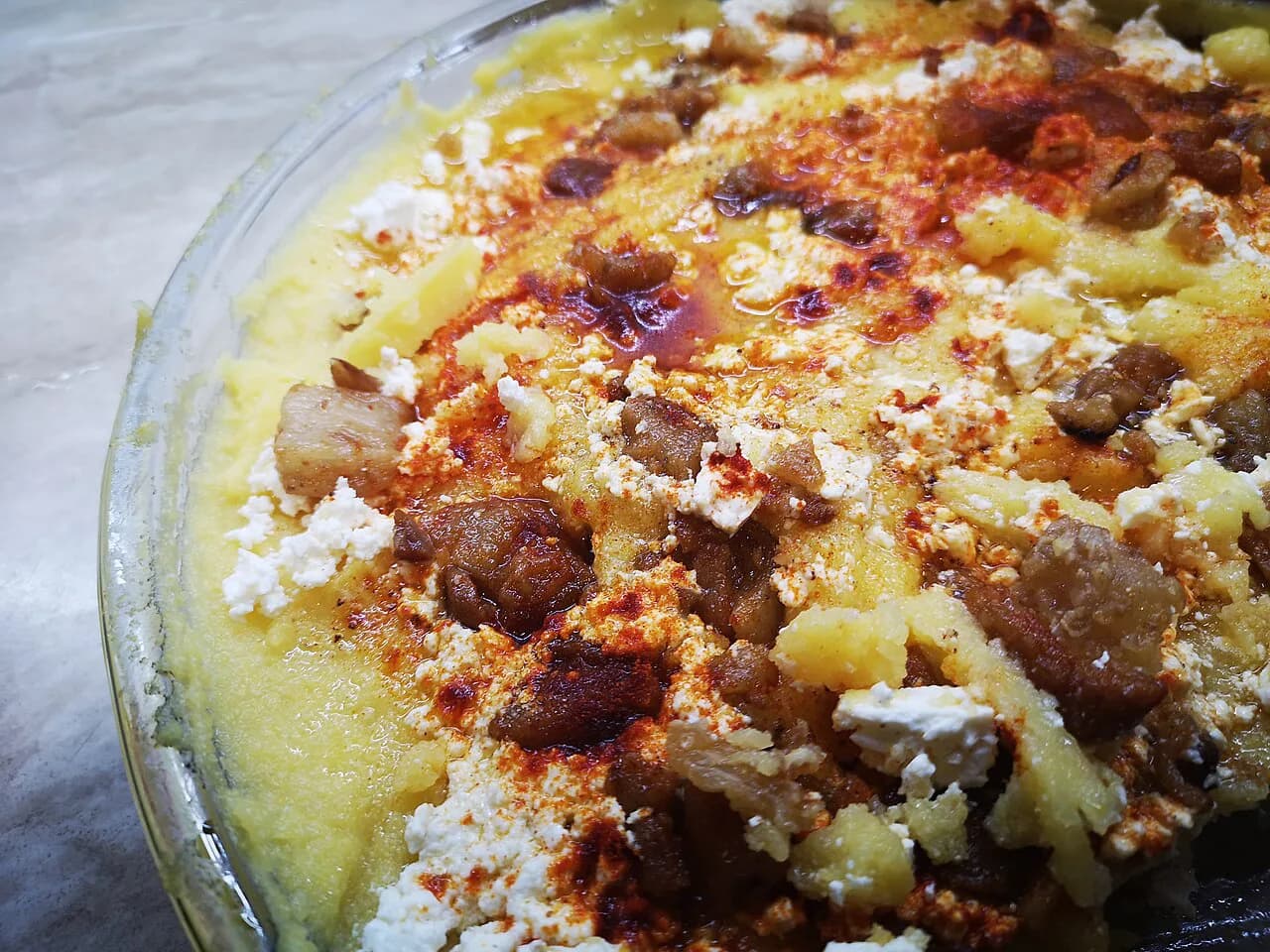
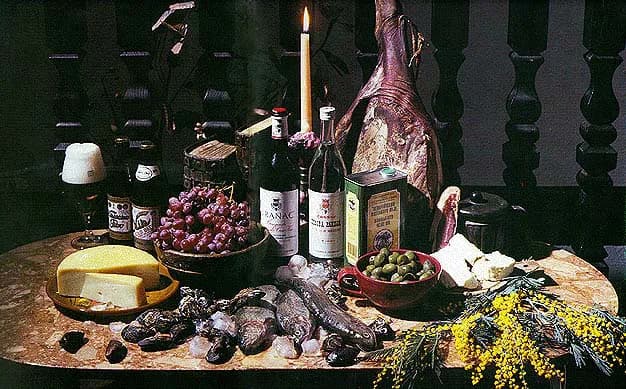
Meals tend to be long and shared rather than quick. Fish and seafood dominate the coast, while inland cooking leans on lamb, cheese, cured meats and breads, and coffee is drunk slowly. Portions are usually generous, so ordering fewer dishes than there are people is normal.
Rakija is offered as a welcome, and coffee is the default excuse for a conversation. If you do not drink alcohol, saying so plainly is fine. Tipping is normal in restaurants where service is not included, and the bill tells you whether it is.
If you want to bring something home, our guide to Montenegro souvenirs covers food, drink and craft buys without the airport mark-up. Buy from producers and small shops where you can, and check what will pass customs before you pack it.
Coastal and mountain life: why the country feels like two places
The coast is maritime, seasonal and used to outsiders arriving by sea and road. The Bay of Kotor and the old towns around it are where that is most visible, with walled centres, churches and waterfronts shaped by centuries of trade. In summer the working day bends around the heat and the arrivals; in winter some coastal places slow markedly.
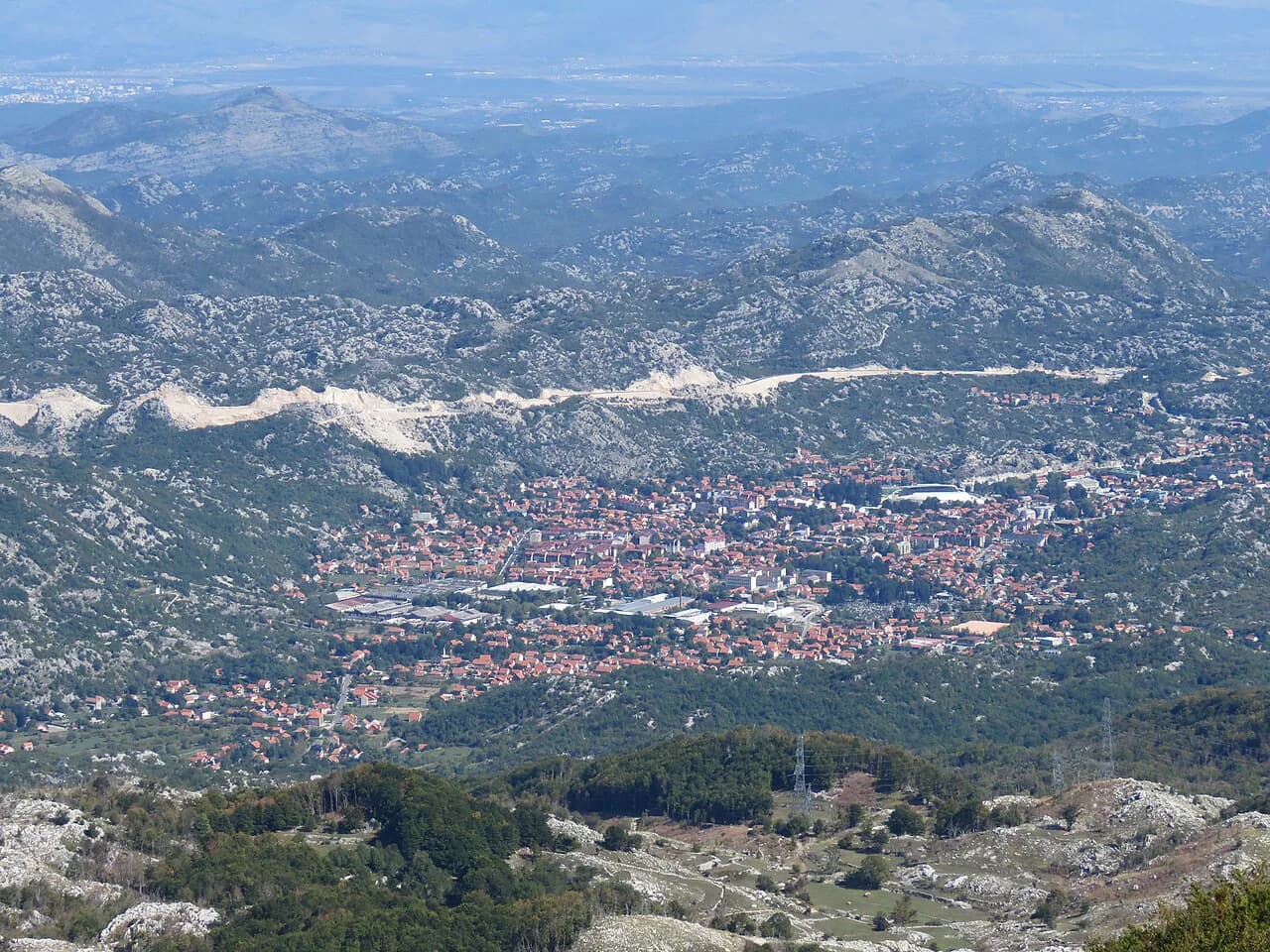
Inland, life is more tied to the seasons and to smaller communities. Mountain towns such as Žabljak and Kolašin sit at a different pace, with fewer English menus and longer, colder winters. Travel there expecting to rely on your own transport or a booked tour rather than frequent local buses.
Herceg Novi and the other coastal towns are also the easiest place to see the country's mixed inheritance at close range. If you want forts and walls, our guide to Montenegro Fortresses covers what is there and who runs it, while Montenegro Islands covers boat access to the church islands in the bay.
What to be careful of as a visitor
The realistic risks are ordinary travel ones: heat in summer, twisty roads, and drivers who know them better than you do. On the coast, crowds and parking are the main irritants on busy days, and the serpentine road to Lovćen rewards an early start. Keep valuables out of sight in parked cars and take the same care in a crowded old town as you would at home.
On etiquette, the main trip-ups are religious sites and photography. Do not assume a church is open to sightseers during a service, and do not photograph people without asking. In mixed communities, avoid treating casual political questions as small talk.
Health and safety basics are standard European. Carry your passport or ID, use licensed taxis, and keep a card for emergencies. Before you travel, check your own government's current advice for Montenegro rather than relying on any guide, including this one.
How to use this on your trip
Treat language, religion, holidays and hospitality as practical information rather than background reading. Learn a greeting, cover up at religious sites, check which national holiday falls in your dates, and plan the coast and inland as two separate trips with different transport and different pace.
Next, pick your base and your days. Use our Montenegro coast guide for the seaside towns and the Bay of Kotor, and the things to do in Montenegro guide to balance old towns, fortresses and mountain days without overfilling a short trip.
Frequently Asked Questions
How do you say hello in Montenegro?
The everyday spoken greeting across Montenegro and the wider Serbo-Croatian language area is a short, informal one that works in shops, cafés and guesthouses. Montenegrin, Serbian, Croatian and Bosnian are mutually intelligible standard varieties, so the same greeting is understood almost everywhere. English is common in tourist businesses on the coast and less so inland.
What should I be careful of as a visitor to Montenegro?
The practical things are heat in summer, winding mountain roads, parking and crowds on the coast in high season, and ordinary petty theft in busy places. At churches, monasteries and mosques, cover shoulders and knees, keep quiet and ask before photographing people. Keep valuables out of sight in parked cars and check your own government's travel advice before you go.
Is Montenegro a religious country?
Religion is part of public life. 72% of the population is Orthodox, mostly belonging to the Serbian Orthodox Church, 16% Muslim, around 3.5% Catholic, with a Jewish community of about 400 people, and there is no official state religion. That mix means you will pass Orthodox, Catholic and Muslim sites within a short distance in the same town.
Sources
Notes for your Montenegro trip
Optional updates to our Montenegro town guides.
You might also like
Continue reading
More guides you'll find useful