Kačamak: Montenegro's Mountain Cornmeal Dish Explained
Kačamak is Montenegro's filling cornmeal or potato dish, served with kajmak and cheese or with hot milk and sugar. Here is what to expect and how to order it.
On this page
Kačamak is a thick, spoonable dish of cornmeal or potato, and it reaches the table in one of two ways: savoury, with kajmak and white cheese melted through it, or plain and topped with hot milk and sugar. Knowing which version you are ordering matters, because the two are served in the same bowls and menus rarely spell out the difference. This guide covers the two kačamak styles you will meet in Montenegro, what goes on top, how it is made and the words to use when you order.
What kačamak is
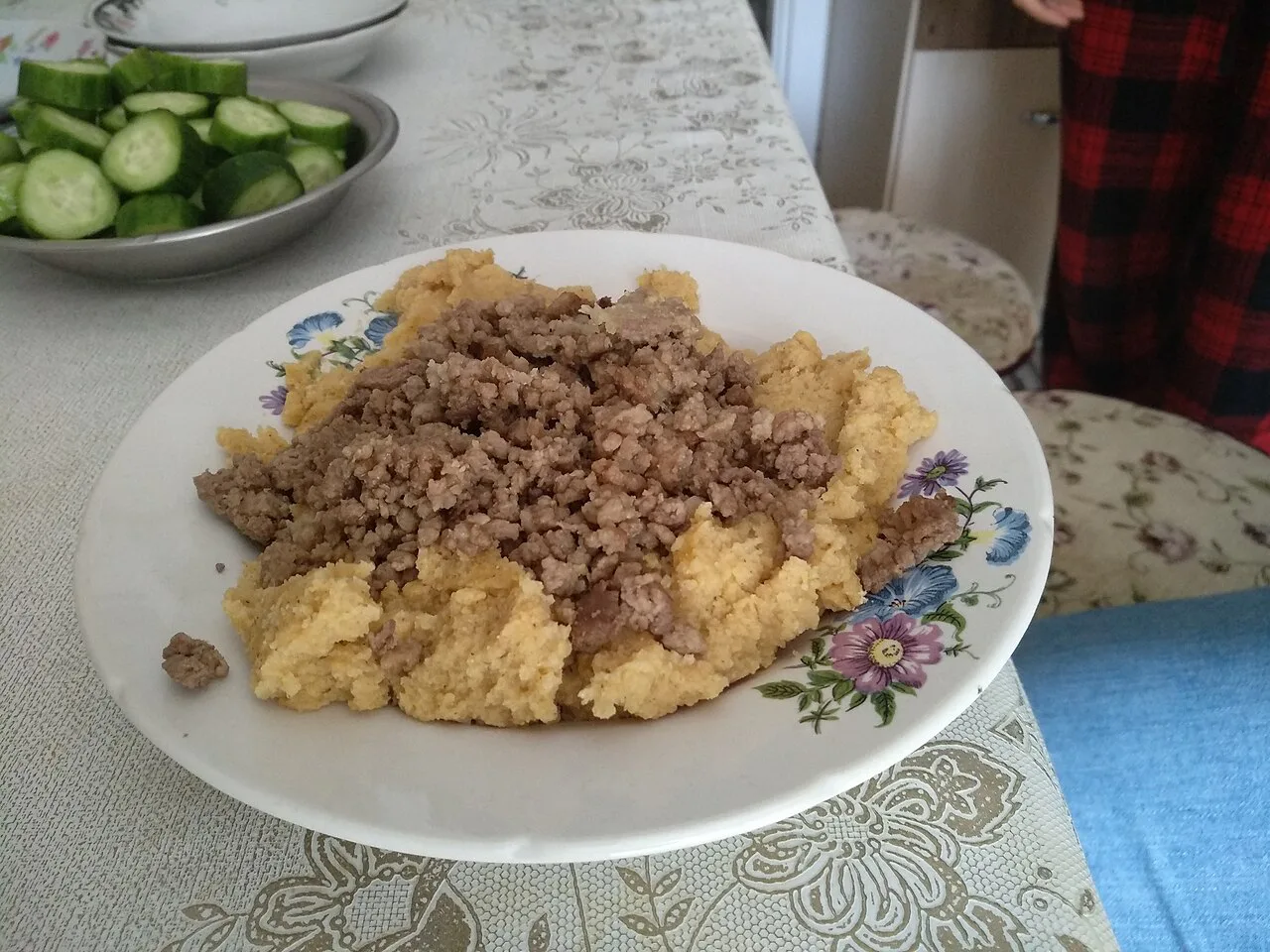
At its simplest, kačamak is a soft, dense porridge made from cornmeal cooked in salted water, or from potato and flour beaten until smooth. It sits somewhere between porridge and a savoury pudding, and it is eaten with a spoon rather than a fork. The dish varies from kitchen to kitchen, which is why the version in front of you may look quite unlike the one on the next table.
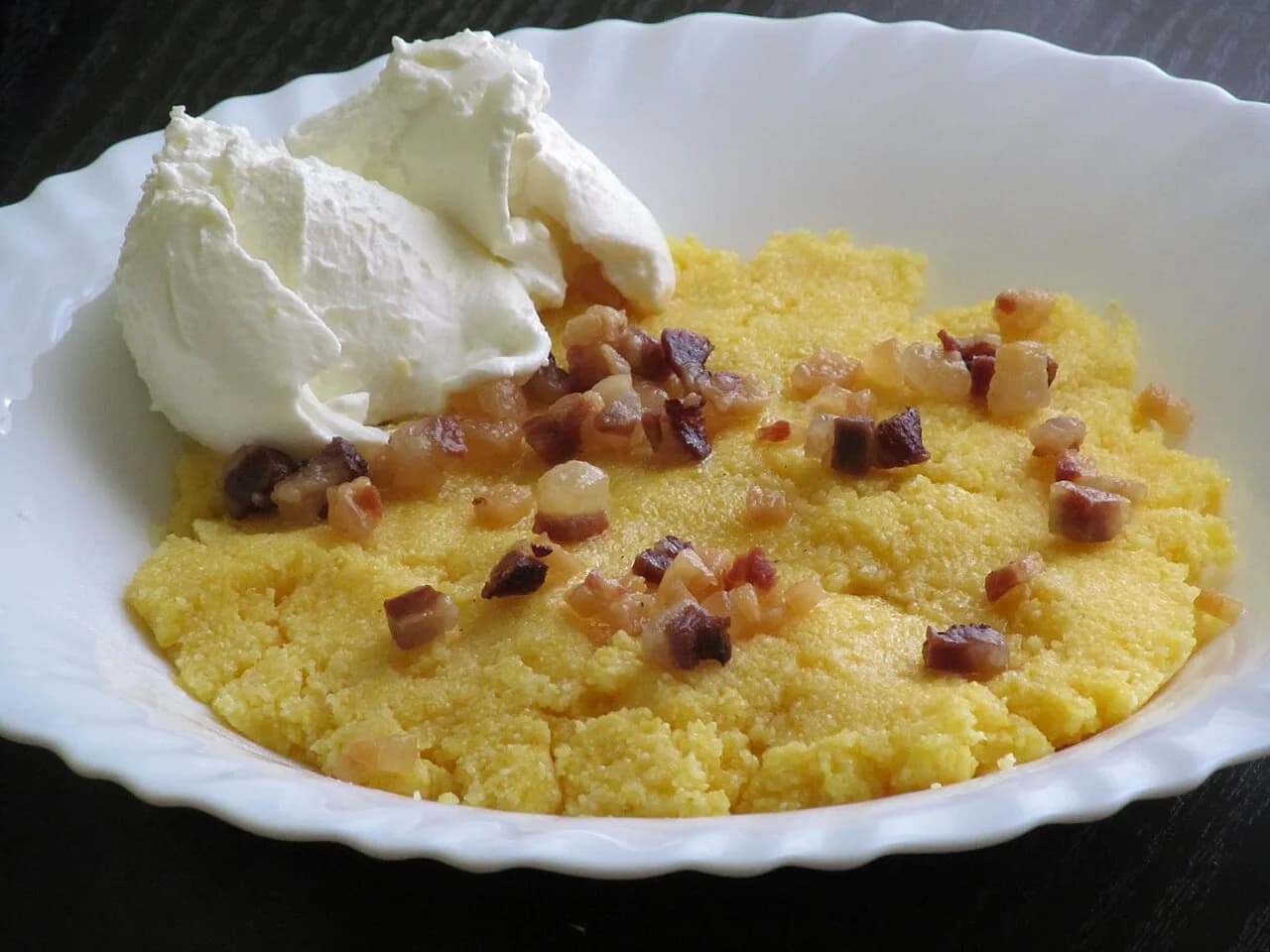
The version most visitors picture is the cornmeal one, sometimes described as Serbian polenta, made with fine cornmeal and enriched with butter. Recipes for it treat kajmak, feta and sour cream as the standard savoury toppings, with warm milk and sugar as the alternative finish. That dual identity is worth remembering before you decide how to order.
On the menu: the two versions you will meet
White cornmeal kačamak is made with white cornmeal, seasoned with salt and finished with fat and dairy. One family recipe cooks it with white cornmeal and pork fat, then grates white cow's cheese over the top. The texture is creamy and slightly grainy.
The other version is smočani kačamak, built on potato rather than cornmeal. In that recipe, potatoes are boiled until they break apart, flour is added and the whole mass is beaten hard with a wooden spoon or a dedicated tool called a kačamakuša until it turns homogeneous and smooth. The potato version is the more robust of the two and takes longer at the stove, while the cornmeal version comes together more quickly in a single pot.
If the name on the menu is not obvious, ask which base the kitchen uses. A short question about cornmeal or potato tells you whether you are getting the creamy polenta-style dish or the denser potato one, and it lets you decide before the bowl lands.
What goes on top, and what kajmak is
Kajmak is a thick, clotted dairy product, closer to a rich clotted cream than to butter, and it melts into hot kačamak and turns it silky. It is the topping that most confuses English-speaking visitors, so it helps to picture something spreadable and tangy-savoury rather than yellow block butter. When a bowl is described as savoury, kajmak is usually what makes it so.
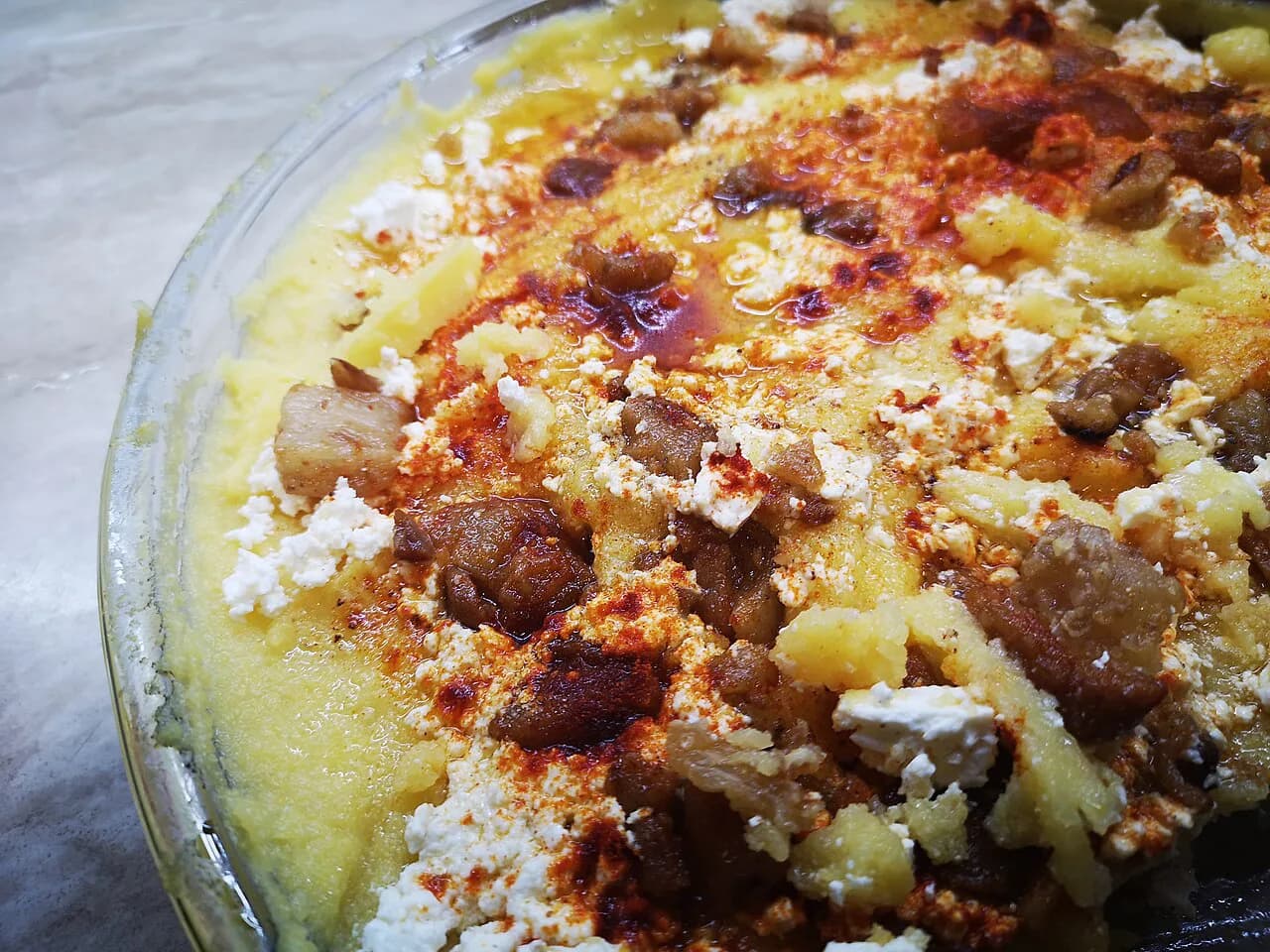
White cheese is the other standard partner, either crumbled over the top or stirred in to melt. Coolinarika's version grates white cow's cheese over the finished dish, and it also uses pork fat poured hot over the cornmeal before the cheese goes on. Some cooks swap the fat for cracklings, which add a savoury crunch, while a simple finish of salted butter keeps things milder.
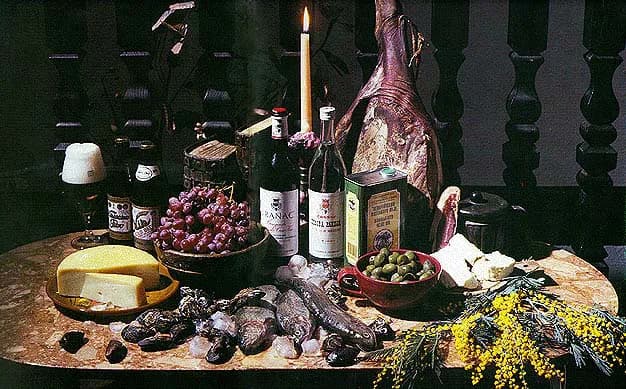
For a broader look at the cured meats and cheeses that appear on the same mountain tables, see the guide to Montenegrin food. If you want the cheese itself explained rather than the dish, the Montenegro cheese overview covers the regional types.
How kačamak is made, briefly
For the cornmeal version, salted water comes to the boil, the cornmeal is poured in in a steady stream and stirred constantly with a wooden spoon. It is ready when the spoon drawn through the pot leaves a clean track behind it, which tells you the mixture has thickened enough. Butter or fat is stirred through at the end, then the cheese and kajmak go on.
The potato version is more physical. Once the potatoes are soft, flour is added and the cook beats the mixture over low heat for around ten to fifteen minutes, adding back a little of the reserved potato water if it tightens too much. The kajmak and cheese are softened in a pan and stirred in at the end. The recipe notes that beating by machine is quicker, if less traditional.
How to order it: savoury or sweet
Savoury is the standard presentation in the recipes here, and ordering it plainly should get you the cheese-and-kajmak bowl. If you want the sweet version, say so clearly and ask for it with warm milk and sugar rather than assuming it appears on the menu. One Serbian family recipe records a father who always ate his kačamak sweet, made by pouring hot milk with a spoon or two of sugar over the plain dish.
Savoury or sweet? Savoury is the standard presentation. If you want the sweet version, ask for it with warm milk and sugar; slatki kačamak means sweet kačamak.
What comes with it? The usual accompaniment is kiselo mlijeko, a tart fermented milk, along with pickled vegetables on the side.
Is it gluten-free? Cornmeal kačamak is naturally gluten-free as long as no wheat flour is added; the potato version usually contains wheat flour.
Because the sweet finish involves nothing more than hot milk and sugar, it is one of the easiest requests to make even with limited language. A phrase such as slatki kačamak, meaning sweet kačamak, points the kitchen in the right direction. Order it after the savoury bowl rather than instead of it if you want to try both.
What it is served with
The usual accompaniment is kiselo mlijeko, a tart fermented milk that cuts through the richness, along with pickled vegetables on the side. The Montenegrin recipe serves the hot kačamak with both. If neither appears on the table automatically, ask for them.
Coolinarika's version also mentions a finishing touch of fat melted with sweet paprika and poured over the cheese, which gives the bowl a red sheen and a warmer flavour. It is a small detail, but it changes the taste noticeably. If you enjoy the dish, the related cheese-and-cornmeal dish cicvara is the next thing to try.
Why it is a mountain dish
Kačamak is eaten across the region, and the Montenegrin recipe leans on northern produce: it calls for Kolašin potatoes, the floury white variety that breaks down readily during boiling. Cornmeal and potatoes are the dependable staples of mountain kitchens, and a bowl of either version is a substantial meal rather than a coastal one.
The dish is also very filling, and that is the point. The recipe notes that traditional smočani kačamak was substantial enough to serve as the only meal of the day before hours of work in the fields. Visitors should treat it as a main course, not a starter, and plan a lighter evening meal accordingly.
Gluten-free? It depends which version you get
Cornmeal kačamak is naturally gluten-free as long as no wheat flour is added, since it is made from ground maize. That makes the cornmeal version the safer choice for coeliac travellers, but you should still confirm that the kitchen uses pure cornmeal and does not thicken it with flour.
The potato version usually contains wheat flour, so it is not gluten-free in its standard form, even though the main ingredient is potato. The Montenegrin recipe notes that some cooks make kačamak with cornmeal instead to produce a gluten-free variant, which is worth asking about. If you have a serious intolerance, explain it before ordering rather than relying on the menu description.
Where kačamak sits among the sweet fritters
If you want something sweet after the savoury bowl but not another porridge, priganice are the usual mountain answer: small drop fritters served with honey or cheese. They are the lighter, fried counterpart to kačamak and a sensible way to end a highland lunch.
Which kačamak should you order first?
Start with the white cornmeal version topped with kajmak and white cheese, because it is the milder introduction to the texture and the version most recipes here describe. Ask for kiselo mlijeko and pickles alongside it, and only then decide whether to come back for the heavier potato version.
If you eat sweet porridge, finish with a small bowl of plain kačamak under hot milk and sugar, which is a different dish altogether rather than a dessert variation. Order it by asking for slatki kačamak, and specify the milk and sugar so the kitchen knows you want the sweet finish rather than the savoury toppings.
Explore more Montenegro guides
Sources
Notes for your Montenegro trip
Optional updates to our Montenegro town guides.
You might also like
Continue reading
More guides you'll find useful